In the rapidly evolving world of digital signage, outdoor LED screen panels have become a cornerstone technology for advertising, public information, and entertainment. These vibrant displays captivate audiences with their brightness, clarity, and dynamic content capabilities, transforming urban landscapes and event venues alike. This article dives deep into the technology behind outdoor LED screens, exploring their construction, benefits, applications, and the factors to consider when choosing the right display for your needs.
Understanding Outdoor LED Screen Panels
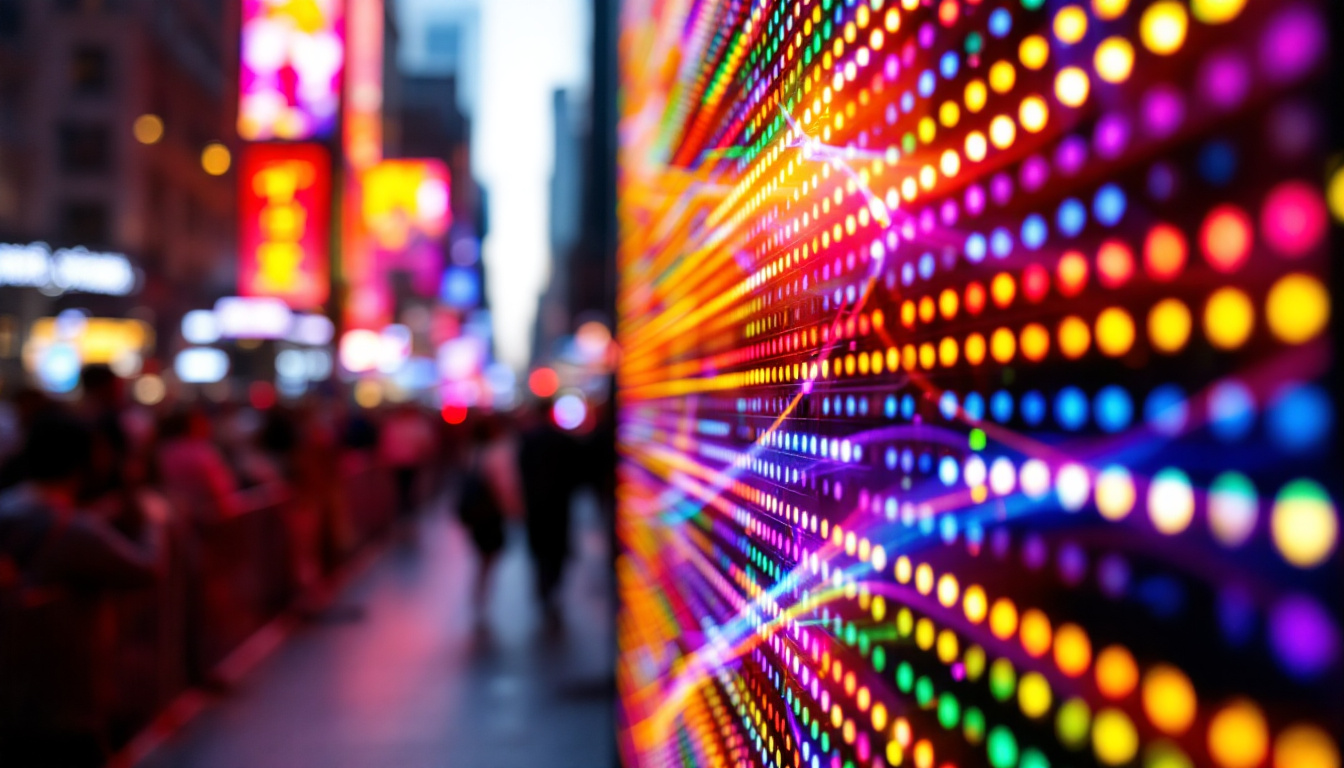
At its core, an outdoor LED screen panel is a modular display unit composed of numerous light-emitting diodes (LEDs) arranged in a grid. These panels combine to form large-scale screens capable of displaying high-resolution images and videos visible even under direct sunlight. The versatility of these screens makes them ideal for various applications, from advertising and event broadcasting to public information displays.
Unlike traditional LCD or projection displays, LED screens emit their own light, which makes them exceptionally bright and vibrant. This self-illumination is crucial for outdoor environments where ambient light levels are high. Additionally, the durability of LED technology allows these screens to perform reliably in diverse weather conditions, ensuring that content remains visible and engaging regardless of the time of day or weather circumstances.
How Do LED Displays Work?
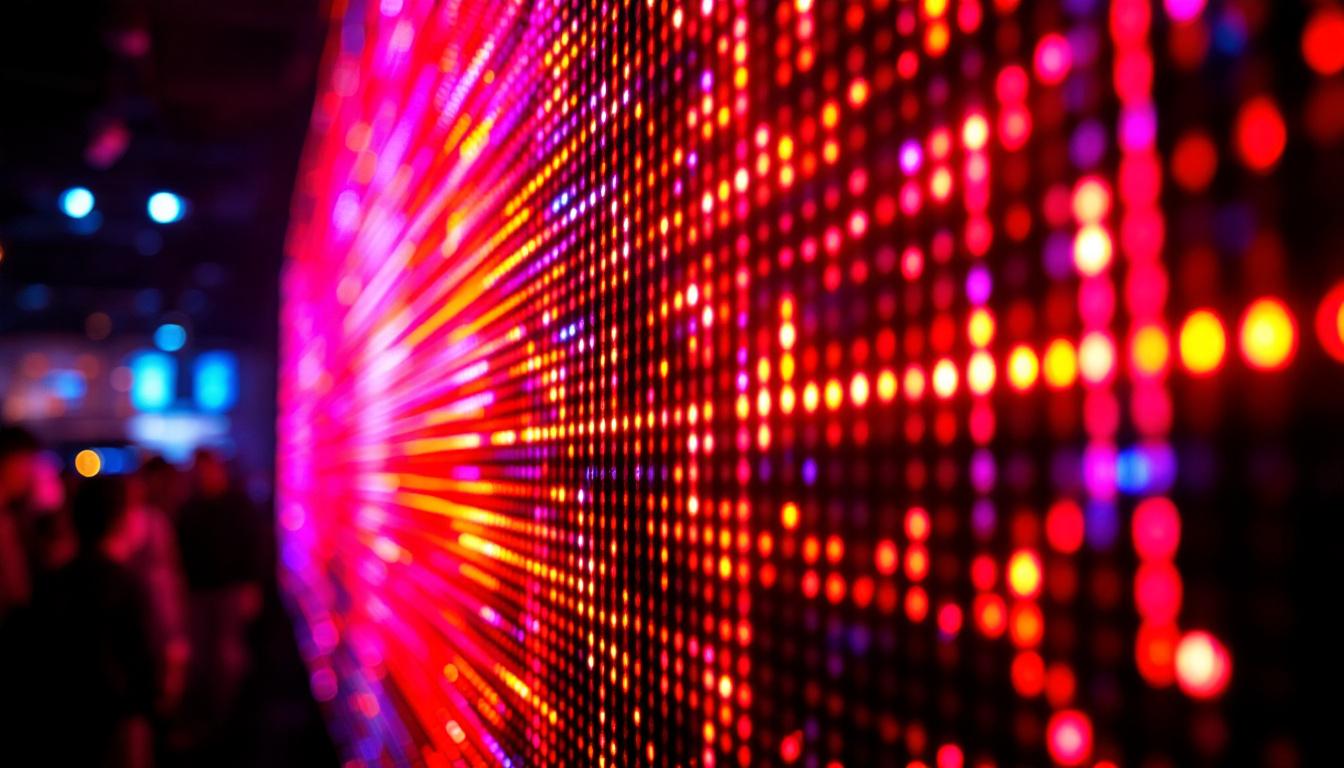
Each LED on the panel functions as a tiny pixel that can emit red, green, or blue light. By varying the intensity of these three colors, the screen can produce millions of colors, creating detailed and colorful images. The panels are controlled by sophisticated software that manages pixel brightness and color in real-time, enabling smooth video playback and dynamic content updates. This capability is particularly beneficial for live events, where real-time information and updates can be displayed instantly, enhancing audience engagement.
The panels are typically made up of smaller modules that can be connected seamlessly to build screens of virtually any size. This modularity allows for flexible installation options, from small digital billboards to massive stadium screens. Moreover, the ability to replace individual modules simplifies maintenance and reduces downtime, making it easier for operators to keep the displays in optimal condition.
Key Components of Outdoor LED Panels
Outdoor LED panels consist of several critical components:
- LED Modules: These contain the LEDs arranged in a specific pitch (distance between pixels), which determines the resolution and viewing distance.
- Cabinet: The protective enclosure that houses the LED modules, designed to withstand weather conditions such as rain, wind, and dust. These cabinets are often constructed from robust materials like aluminum, which not only provide protection but also contribute to the overall lightweight design of the panels.
- Power Supply: Ensures stable power delivery to the LEDs and other electronic components. Advanced power supply units are designed to be energy-efficient, reducing operational costs while maintaining performance.
- Control System: Hardware and software that process incoming video signals and translate them into pixel data. This system often includes features for remote monitoring and diagnostics, allowing operators to manage multiple screens from a centralized location.
- Cooling System: Often passive or active cooling to prevent overheating in outdoor environments. Efficient cooling is essential for maintaining the longevity of the LEDs and ensuring consistent performance, especially in high-temperature conditions.
Advantages of Outdoor LED Displays
Outdoor LED screen panels offer numerous benefits that make them the preferred choice for many applications.
High Brightness and Visibility
One of the most significant advantages is their exceptional brightness, often exceeding 5,000 nits, which ensures visibility even in direct sunlight. This makes LED displays ideal for outdoor advertising, traffic signage, and public information boards. The vibrant colors and sharp images produced by these displays capture attention effectively, making them a powerful tool for marketers and event organizers looking to engage audiences in bustling urban environments.
Durability and Weather Resistance
Outdoor LED panels are engineered to endure harsh environmental conditions. They typically have an IP65 or higher rating, meaning they are dust-tight and protected against water jets. This durability ensures longevity and reduces maintenance costs. Additionally, many outdoor LED displays are built with anti-glare technology, which helps maintain visibility during bright daylight and minimizes reflections that could hinder readability, making them reliable in any weather condition.
Energy Efficiency
Compared to traditional lighting and projection systems, LED technology is highly energy-efficient. LEDs consume less power and generate less heat, which translates to lower operational costs and a smaller environmental footprint. This efficiency not only benefits businesses by reducing electricity bills but also aligns with sustainability goals, as many organizations are increasingly prioritizing eco-friendly practices. Furthermore, the long lifespan of LED lights means fewer replacements, contributing to reduced waste over time.
Flexibility and Scalability
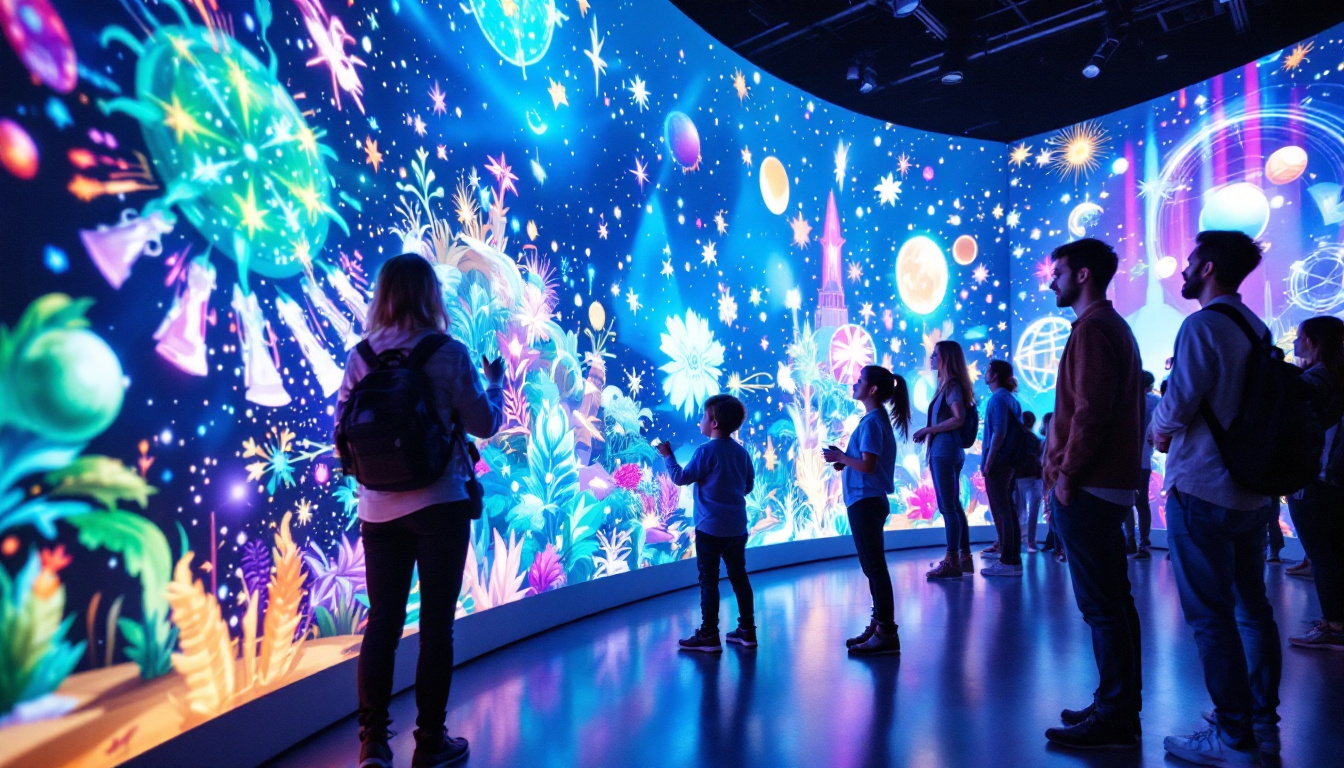
The modular nature of LED panels allows for screens of any size and shape, from rectangular billboards to curved or irregular installations. Content can be updated instantly via remote control, enabling real-time advertising and messaging. This adaptability is particularly advantageous for events or campaigns that require quick changes, such as sports games or festivals, where timely information is crucial. Moreover, the ability to create dynamic displays that can integrate video, animations, and interactive content enhances viewer engagement, making the advertising experience more immersive.
Wide Viewing Angles
Outdoor LED screens provide wide viewing angles, often up to 160 degrees horizontally and vertically, ensuring that content is visible from various vantage points without significant color distortion or brightness loss. This feature is especially important in crowded areas where viewers may be scattered across a wide space. The ability to maintain image quality at different distances and angles ensures that messages reach a broader audience, maximizing the impact of advertising campaigns and public announcements.
Advanced Technology Integration
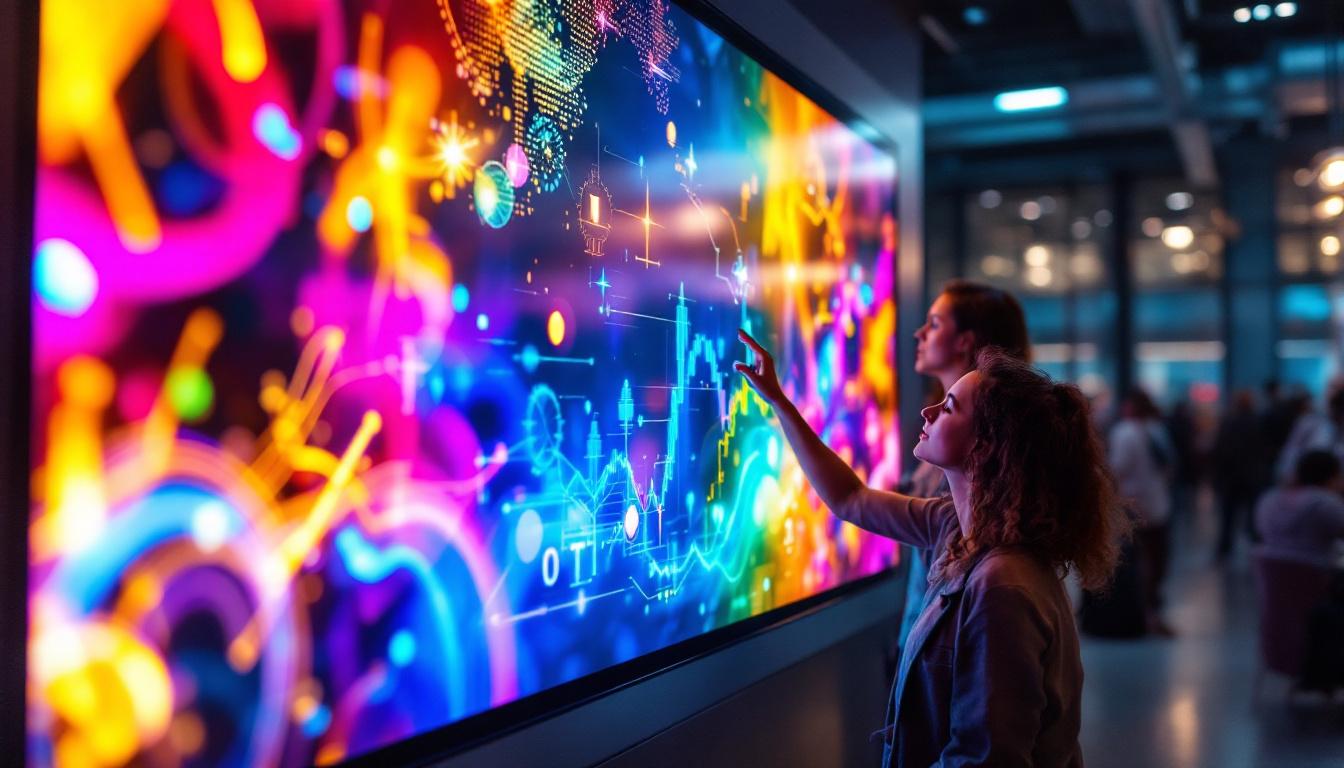
In addition to their impressive physical attributes, outdoor LED displays can be integrated with cutting-edge technologies such as sensors and cameras. This allows for interactive features, such as touch capabilities or audience measurement tools that track viewer engagement. By utilizing data analytics, businesses can tailor their content to better resonate with their target demographic, optimizing advertising strategies and improving return on investment. Furthermore, the integration of smart technology enables displays to adapt their brightness based on ambient light conditions, ensuring optimal performance throughout the day.
Enhanced Content Management
Outdoor LED displays come equipped with sophisticated content management systems that allow users to schedule and manage their content effortlessly. These systems often support various media formats, enabling the display of videos, images, and animations seamlessly. Users can create captivating playlists that rotate content at specified intervals, ensuring that the display remains fresh and engaging. Additionally, cloud-based management solutions provide the flexibility to control multiple screens from a single location, streamlining operations for businesses with multiple advertising locations or event venues.
Applications of Outdoor LED Screen Panels
Outdoor LED displays have revolutionized how information and advertising are presented in public spaces. Their versatility has led to widespread adoption across multiple sectors.
Advertising and Marketing
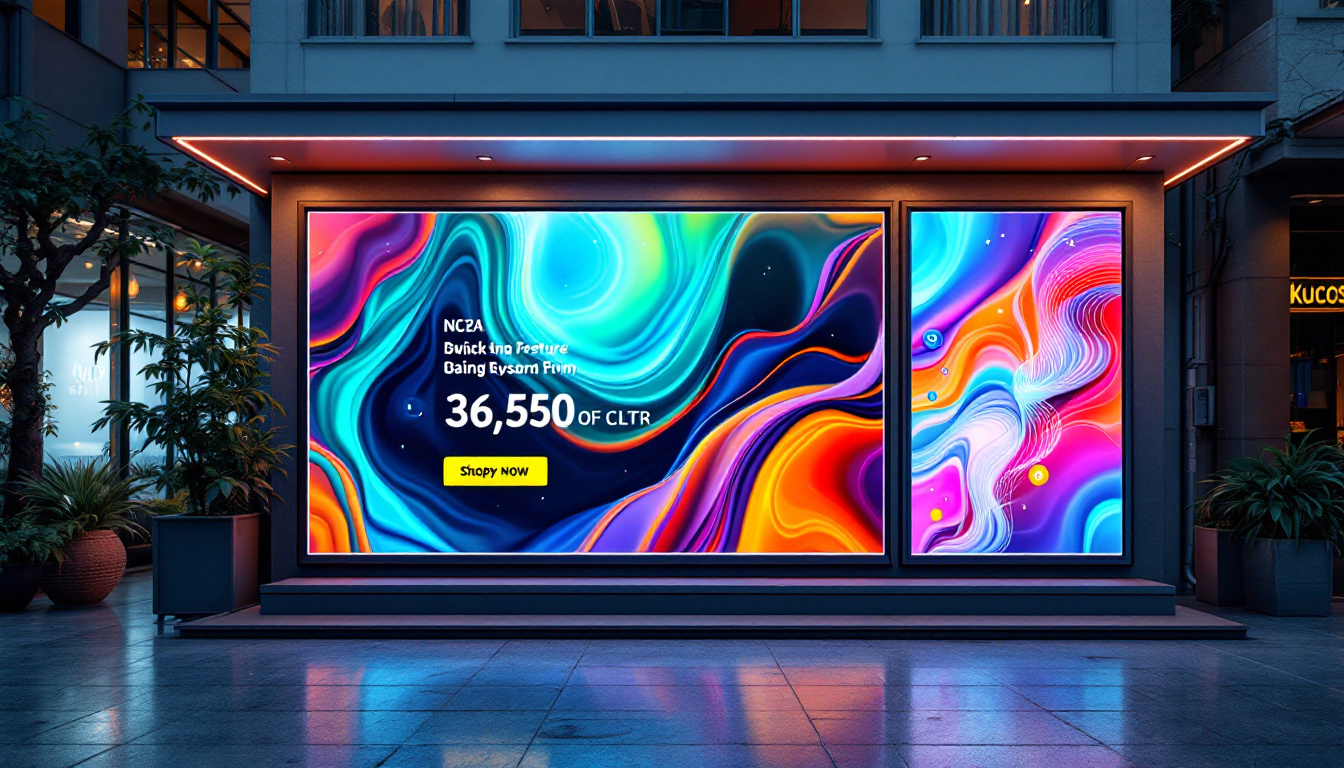
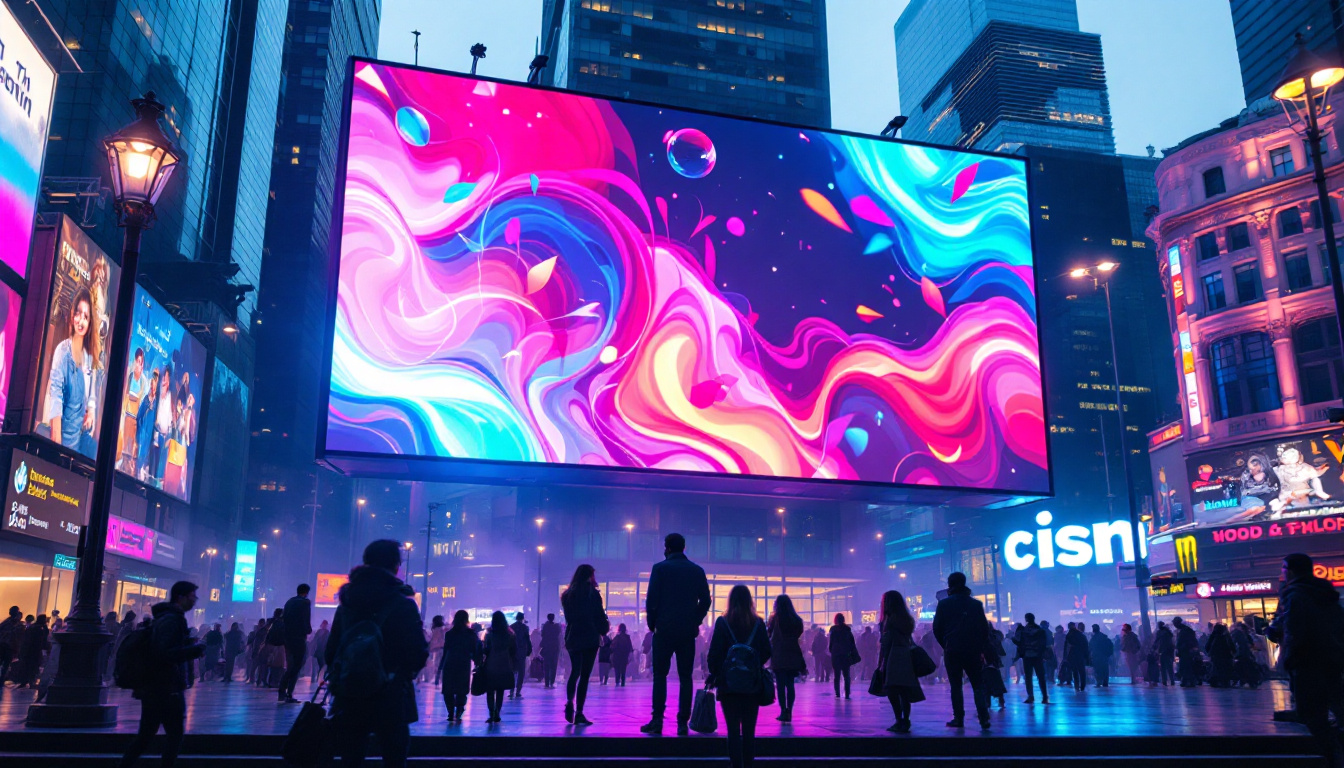
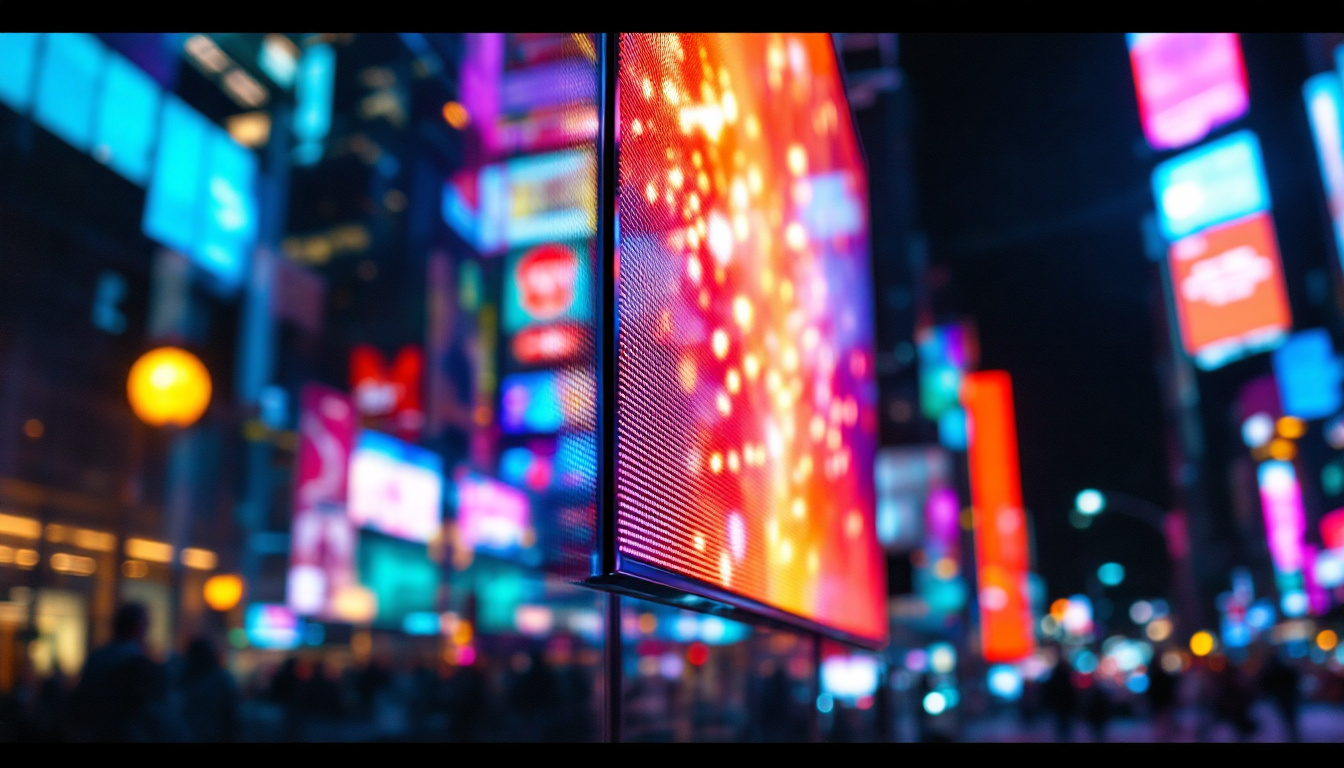
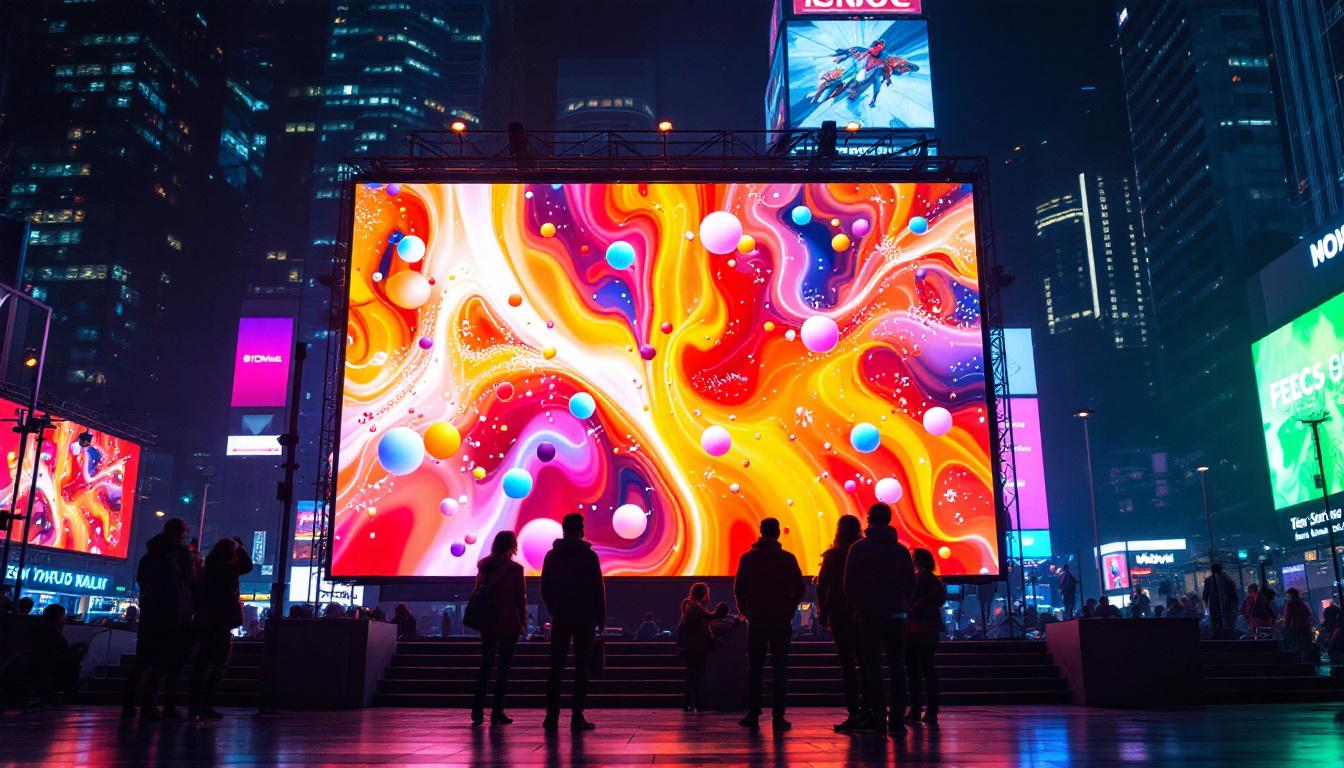
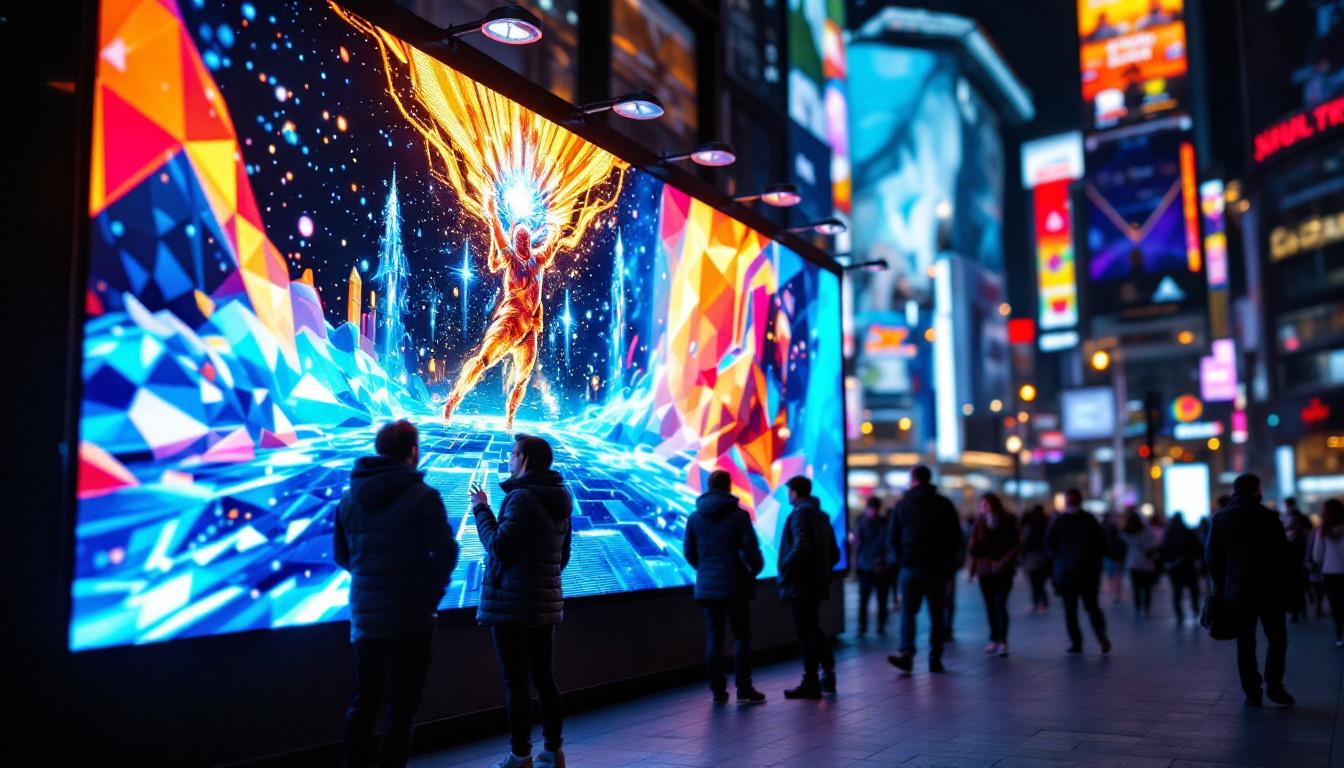
Digital billboards featuring LED panels dominate urban advertising landscapes. Brands leverage their dynamic capabilities to deliver eye-catching campaigns that can be updated frequently without the costs associated with printing and installation of traditional billboards.
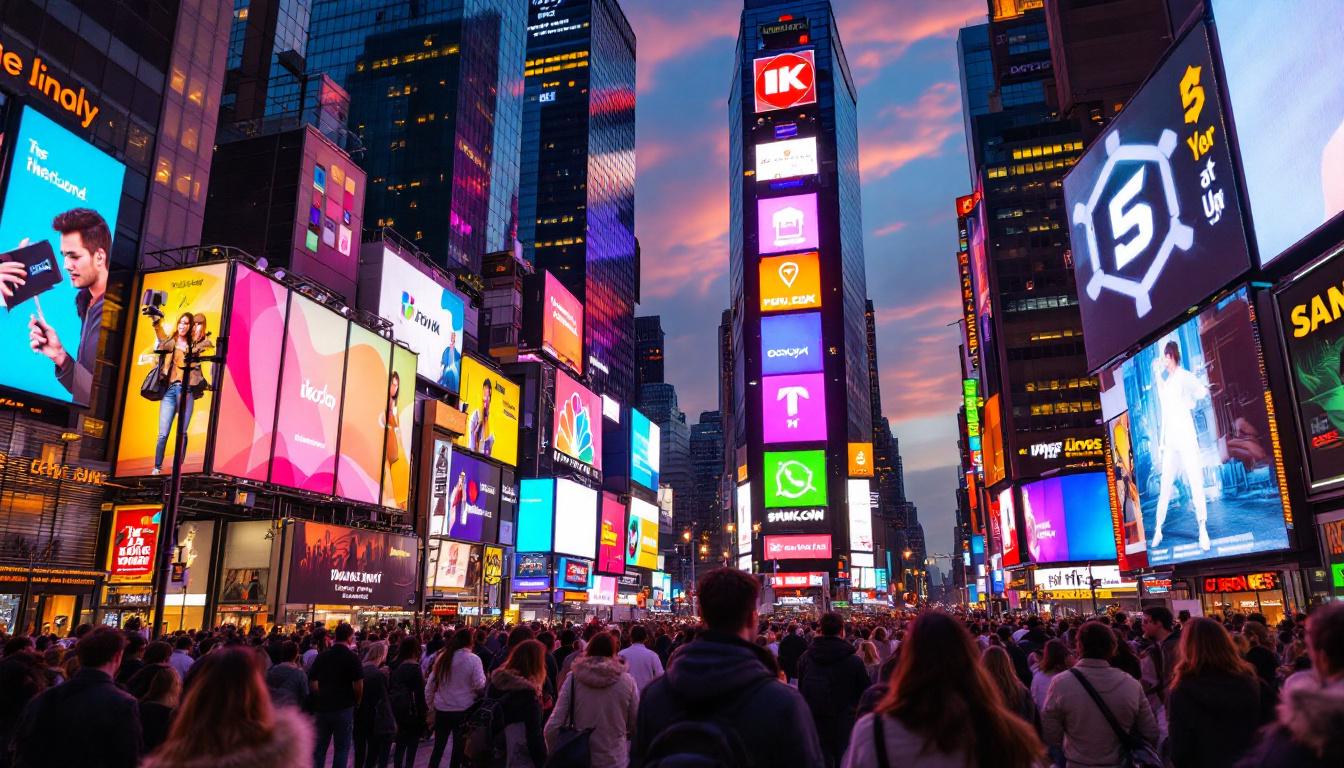
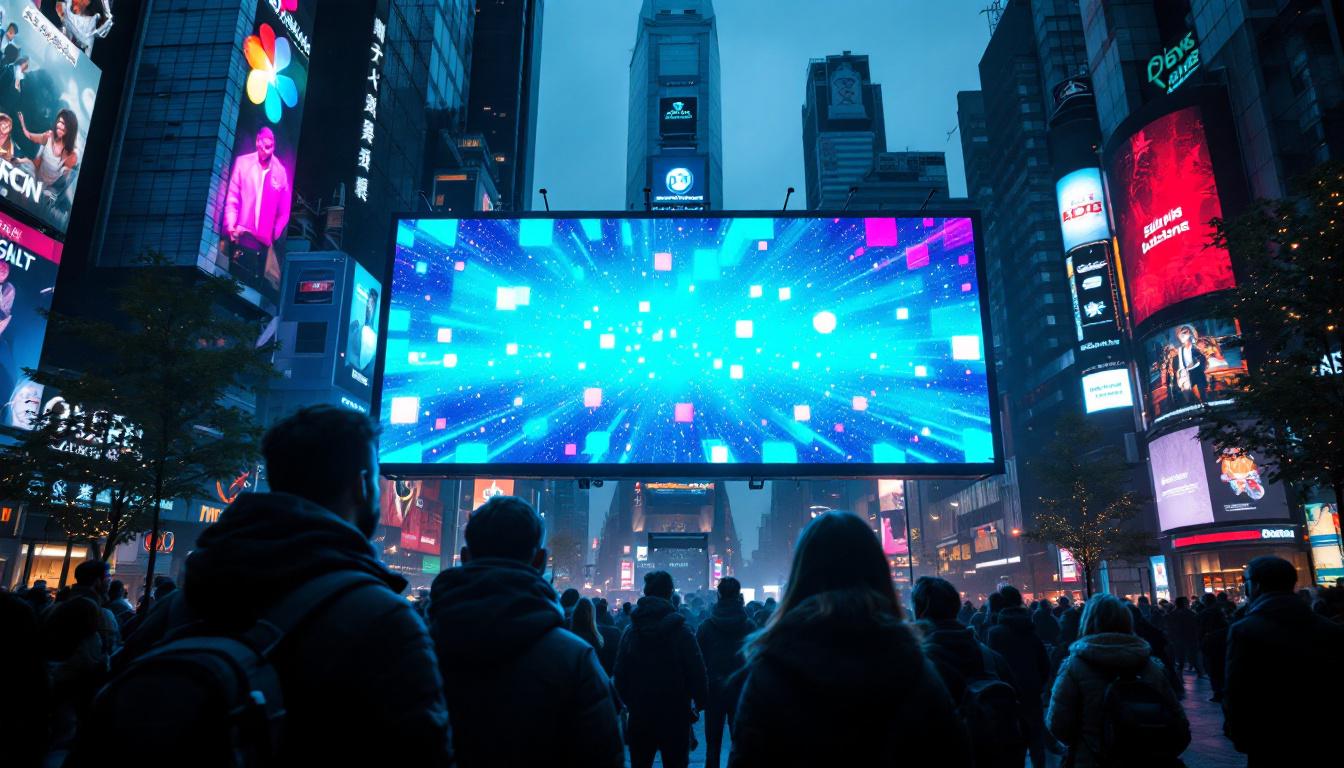
For example, Times Square in New York City is renowned for its towering LED billboards that display vibrant advertisements around the clock, drawing millions of viewers daily.
Sports and Entertainment Venues
Stadiums and arenas use large LED screens to enhance the spectator experience by displaying live game footage, replays, scores, and interactive content. These screens are designed to be visible from all seating areas and withstand outdoor weather conditions.
Public Information and Transportation
Outdoor LED panels are widely used in transportation hubs such as airports, train stations, and bus terminals to provide real-time schedules, alerts, and wayfinding information. Their high visibility ensures that travelers receive critical updates promptly.
Events and Festivals
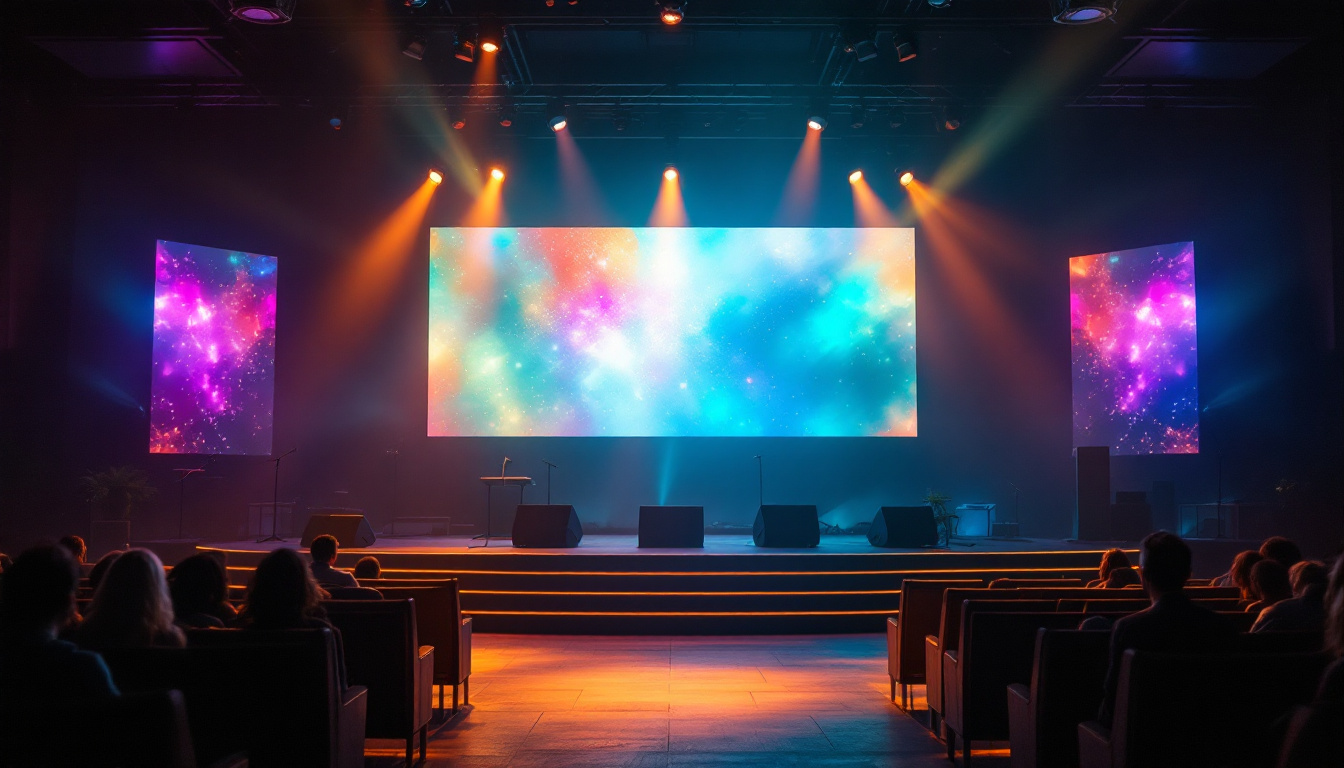
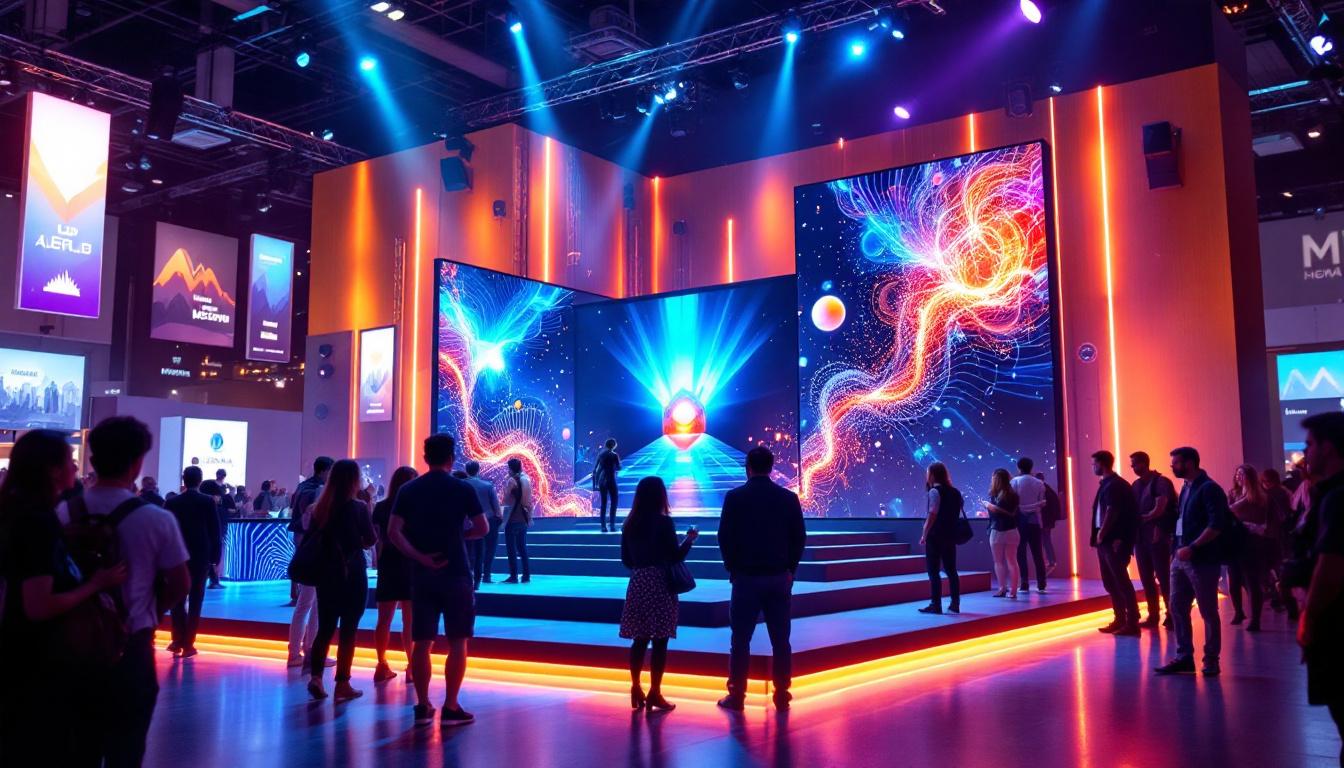
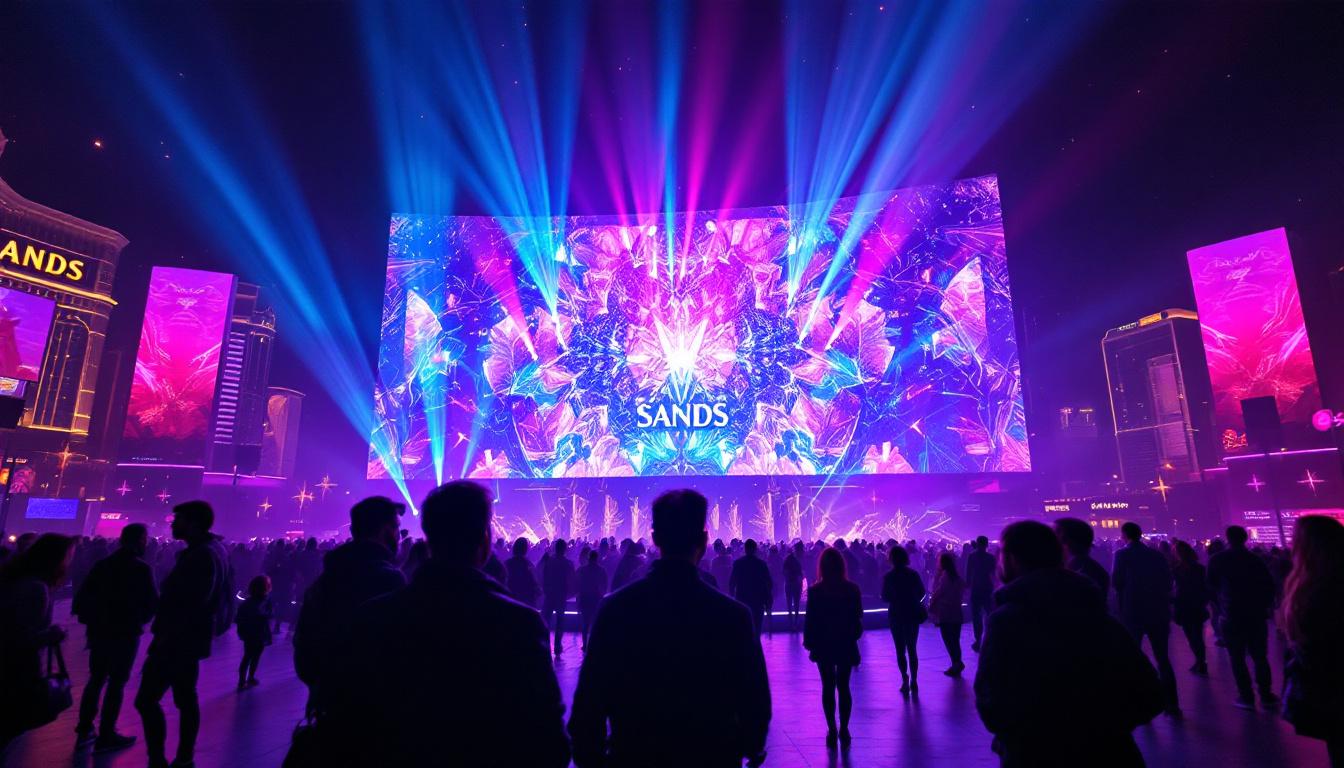
Temporary outdoor LED displays are popular for concerts, festivals, and public gatherings. They provide a platform for live streaming, sponsor messages, and interactive content, enhancing audience engagement.
Choosing the Right Outdoor LED Screen Panel
Selecting the appropriate LED display requires careful consideration of several technical and environmental factors to ensure optimal performance and return on investment.
Pixel Pitch and Resolution
Pixel pitch, measured in millimeters, is the distance between the centers of two adjacent pixels. Smaller pixel pitches mean higher resolution and sharper images but come at a higher cost. For outdoor use, pixel pitches typically range from 4mm to 20mm, depending on the intended viewing distance.
For example, a 4mm pitch screen is suitable for close viewing distances (up to 10 meters), while a 16mm pitch is better for viewing from 50 meters or more.
Brightness Levels
Brightness is crucial for outdoor visibility. Displays with brightness levels of 5,000 to 7,000 nits are common, with some high-end models reaching up to 10,000 nits. The choice depends on local climate and ambient light conditions.
Weatherproofing and Durability
Look for LED panels with an IP65 or higher rating to ensure protection against dust and water. Additionally, consider the build quality of the cabinet and the presence of corrosion-resistant materials, especially in coastal or industrial environments.
Refresh Rate
The refresh rate, measured in Hertz (Hz), indicates how many times per second the screen updates its image. Higher refresh rates (above 3,000 Hz) reduce flicker and improve image quality, especially for video content and when filming the screen.
Installation and Maintenance
Consider the ease of installation and accessibility for maintenance. Front-serviceable panels allow technicians to perform repairs from the front of the screen, which is advantageous when rear access is limited.
Power Consumption
Evaluate the power requirements and energy efficiency of the display. Lower power consumption reduces operational costs and environmental impact.
Future Trends in Outdoor LED Display Technology
The outdoor LED display market continues to innovate, driven by advancements in materials, electronics, and software.
MicroLED and MiniLED Technologies
Emerging MicroLED and MiniLED technologies promise even higher brightness, better color accuracy, and improved energy efficiency. These technologies use smaller LEDs, enabling finer pixel pitches and more compact displays.
Interactive and Smart Displays
Integration of touch sensors, cameras, and AI-powered analytics is transforming LED screens into interactive platforms. These smart displays can adapt content based on audience demographics, weather, or time of day, enhancing engagement and effectiveness.
Improved Durability and Sustainability
Manufacturers are focusing on creating more environmentally friendly LED panels with recyclable components and longer lifespans. Innovations in cooling and power management also contribute to sustainability goals.
Conclusion
Outdoor LED screen panels have become indispensable tools for communication in modern urban environments. Their ability to deliver bright, dynamic, and durable displays makes them ideal for a wide range of applications, from advertising and entertainment to public safety and information dissemination.
Understanding the technical aspects, benefits, and applications of outdoor LED displays is essential for businesses and organizations looking to invest in this technology. By carefully considering factors such as pixel pitch, brightness, durability, and maintenance, stakeholders can select the right LED solution that meets their specific needs and maximizes impact.
As LED technology continues to advance, the future holds exciting possibilities for even more immersive and intelligent outdoor display experiences, reshaping how people interact with public spaces and digital content.
Discover the Future of Visual Engagement with LumenMatrix
Ready to elevate your brand’s presence and captivate your audience like never before? Explore LumenMatrix’s comprehensive range of LED display solutions, from the vibrant Outdoor LED Wall Display to the innovative LED Transparent Display. Each product is crafted with precision and care to ensure your message resonates with clarity and impact. Embrace the revolution in visual communication and check out LumenMatrix LED Display Solutions today to transform your digital signage into unforgettable experiences.