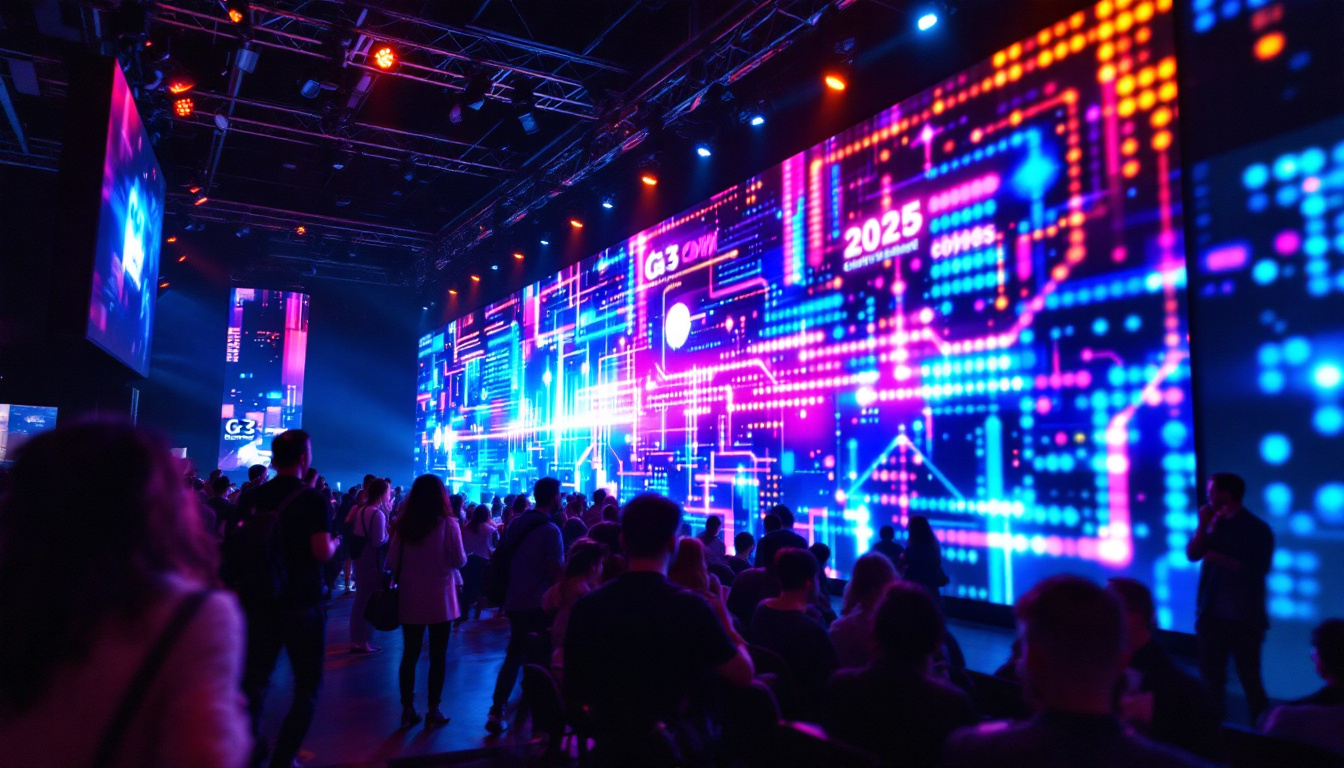
In the world of live events, concerts, corporate presentations, and theatrical productions, the visual experience plays a pivotal role in captivating audiences. Among the technologies that have revolutionized stage design and audience engagement, LED displays stand out as a versatile and powerful tool. This article delves into the intricacies of stage LED displays, exploring their technology, applications, benefits, and considerations for event planners and production professionals.
Understanding LED Display Technology
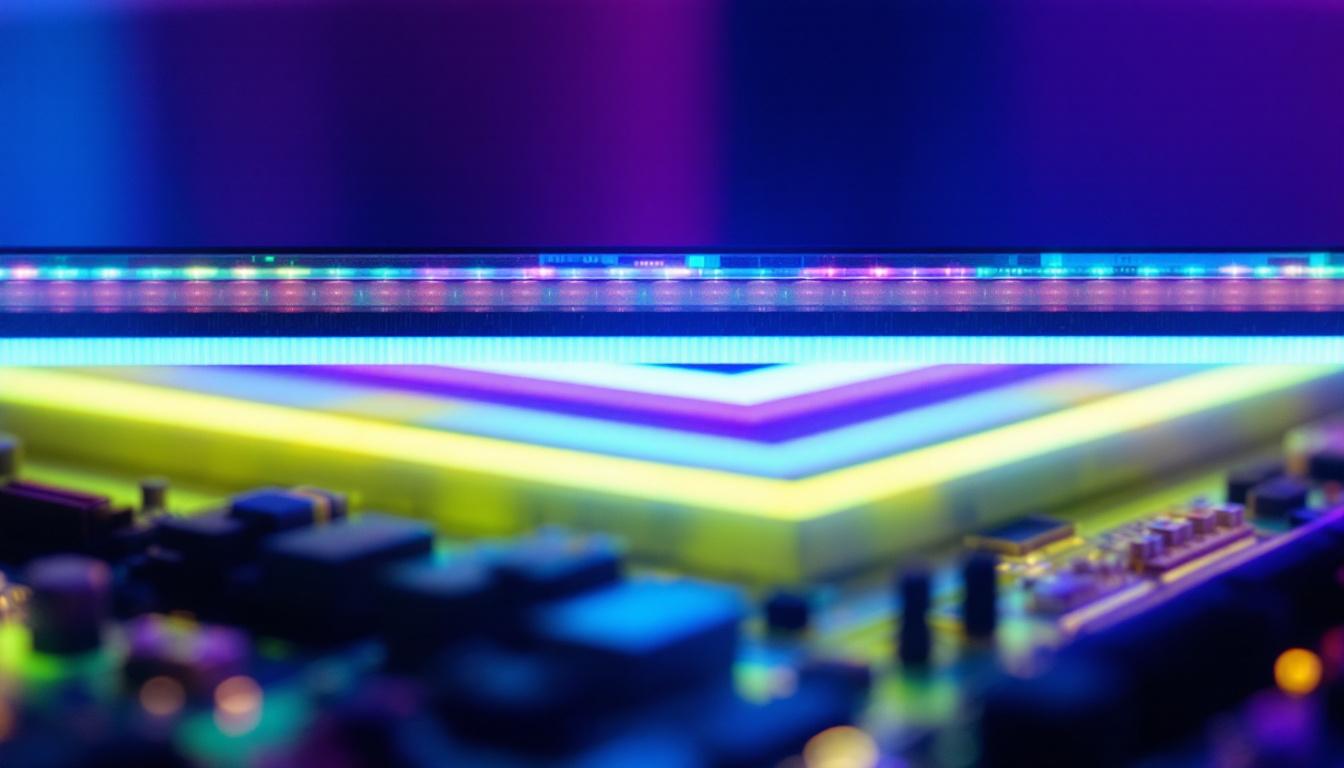
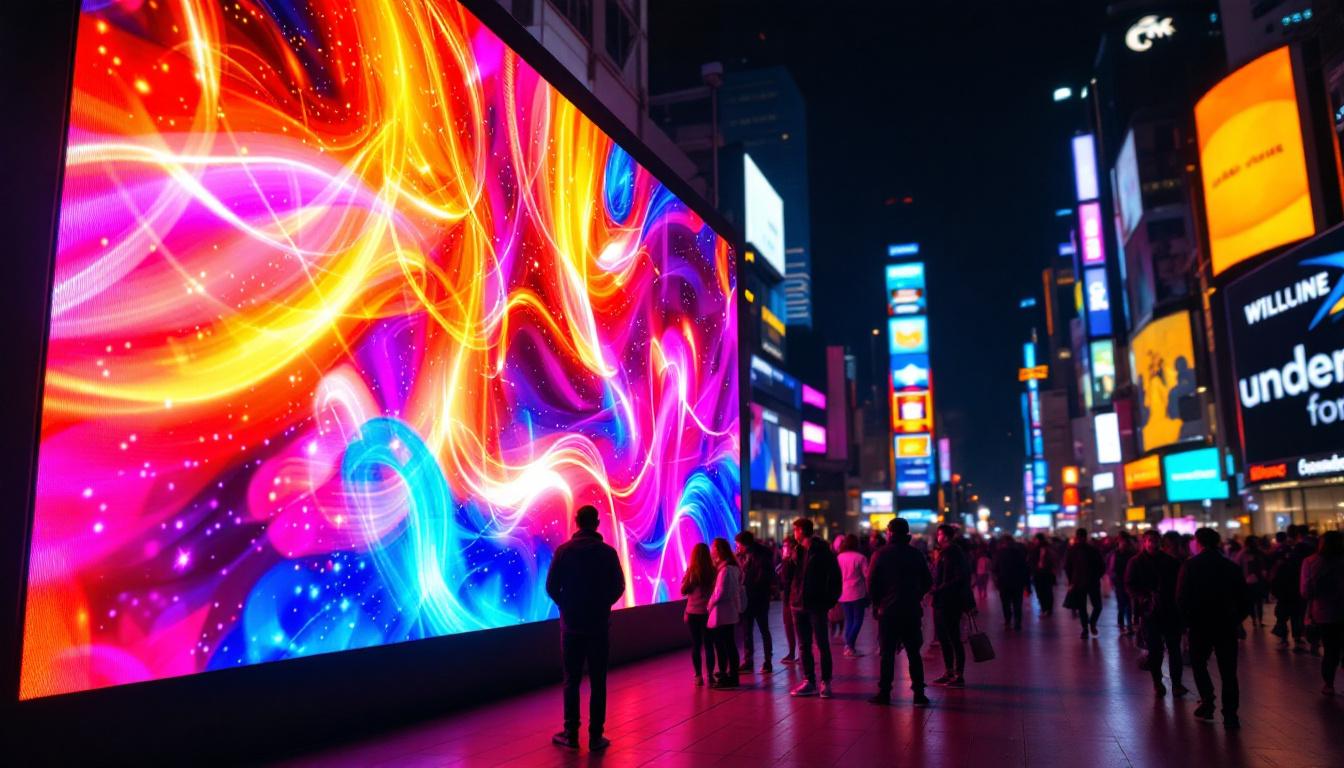
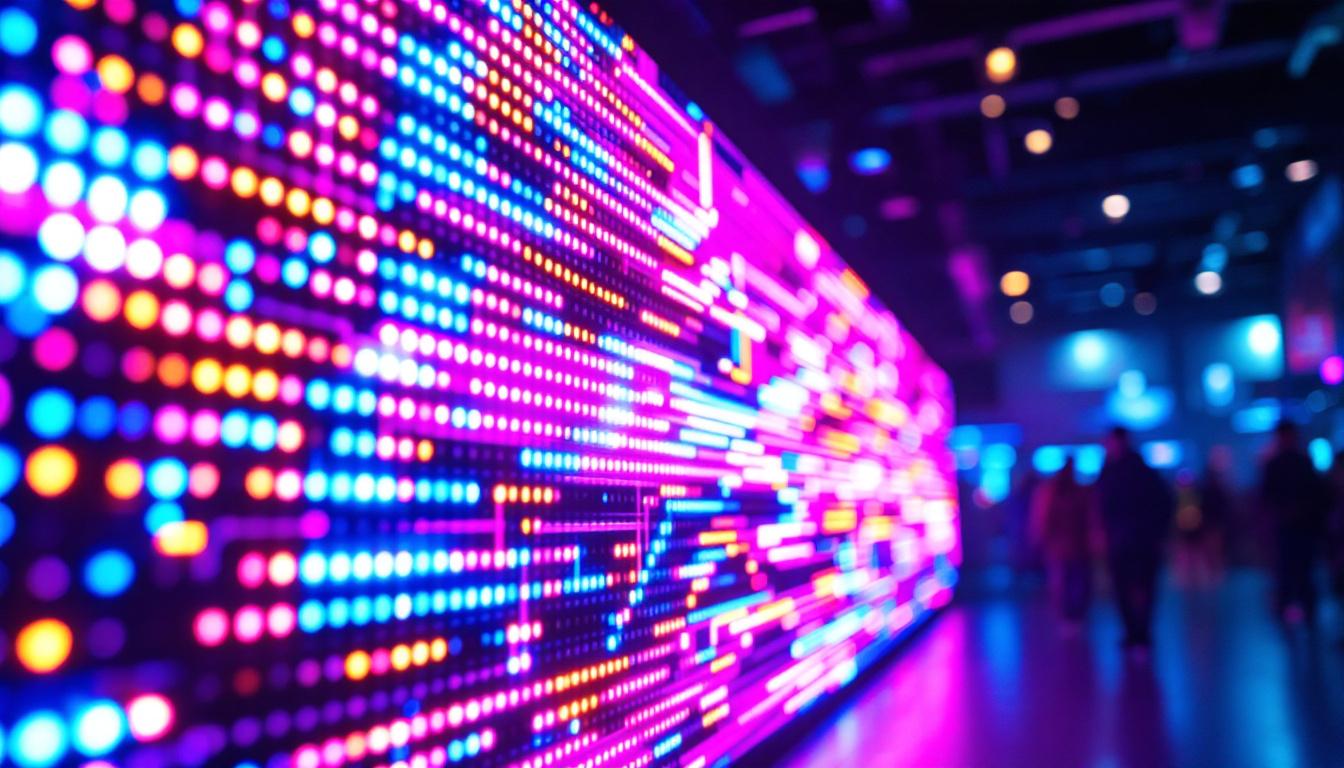
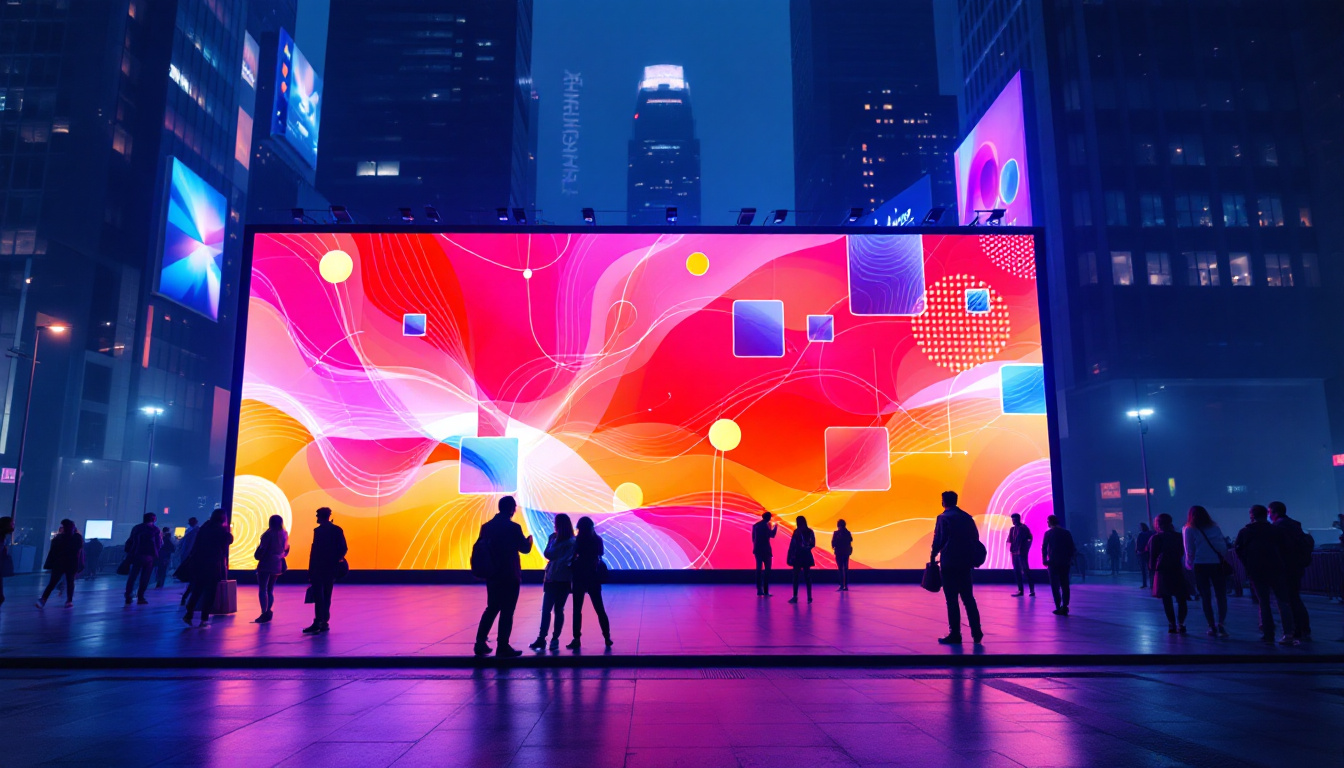
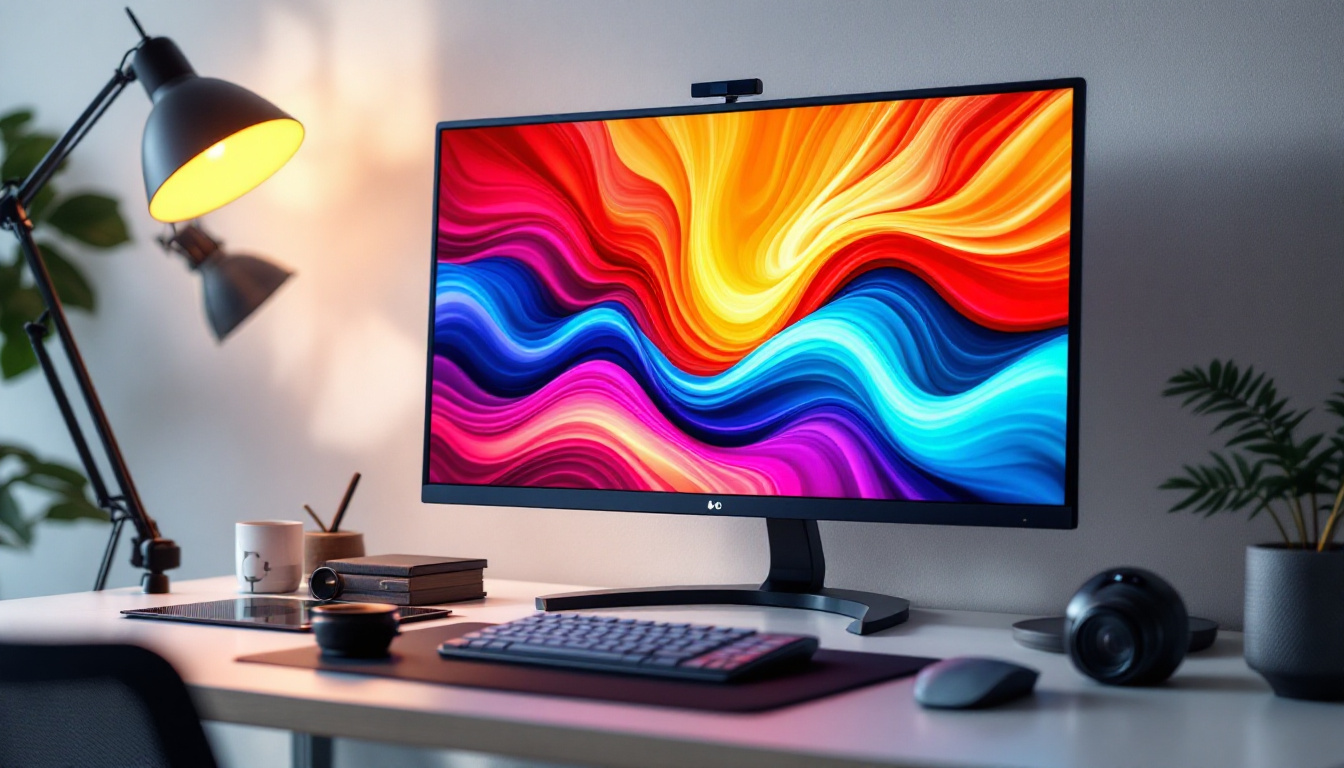
LED, or Light Emitting Diode, technology has transformed the way visuals are presented on stage. Unlike traditional projection systems or LCD screens, LED displays use a matrix of tiny diodes that emit their own light, creating vibrant and high-contrast images visible even in bright environments.
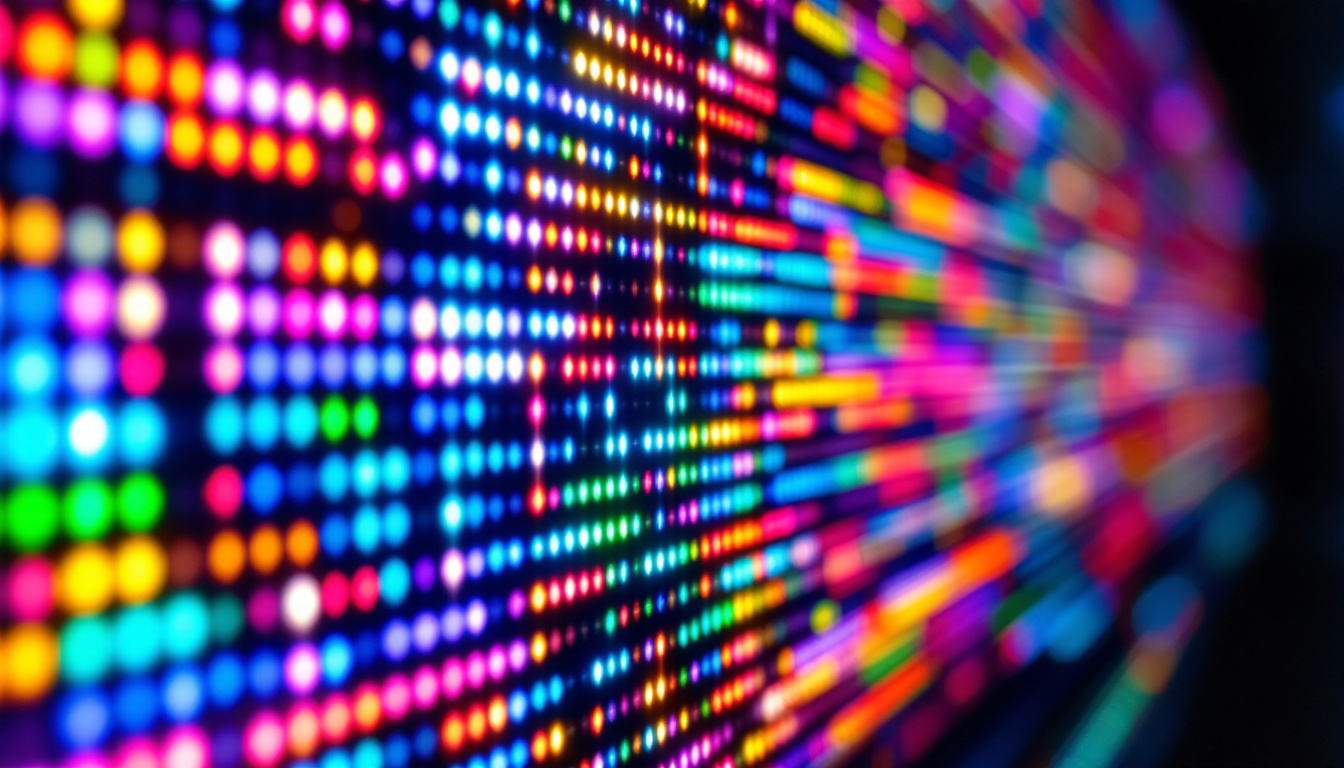
At its core, an LED display is composed of numerous individual pixels, each made up of red, green, and blue diodes. By adjusting the intensity of each diode, the screen can produce a full spectrum of colors. This direct light emission results in brighter images with deeper blacks and richer colors compared to other display technologies.
Types of LED Displays Used on Stage
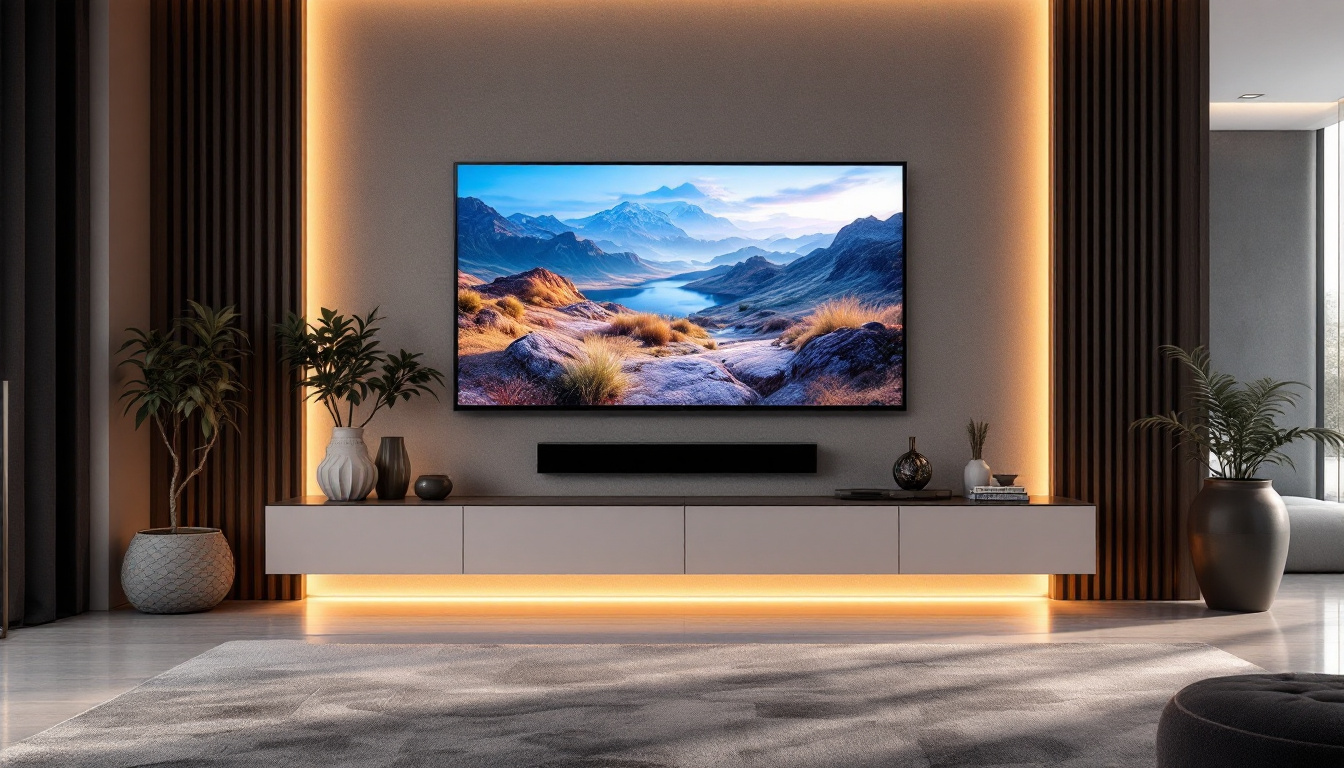
There are primarily two types of LED displays commonly used in stage settings: indoor and outdoor LED screens. Indoor LED displays typically have a smaller pixel pitch, meaning the diodes are closer together, which allows for higher resolution and sharper images at closer viewing distances. Outdoor LED displays, on the other hand, have a larger pixel pitch to ensure visibility from farther away and to withstand environmental factors such as weather and sunlight.
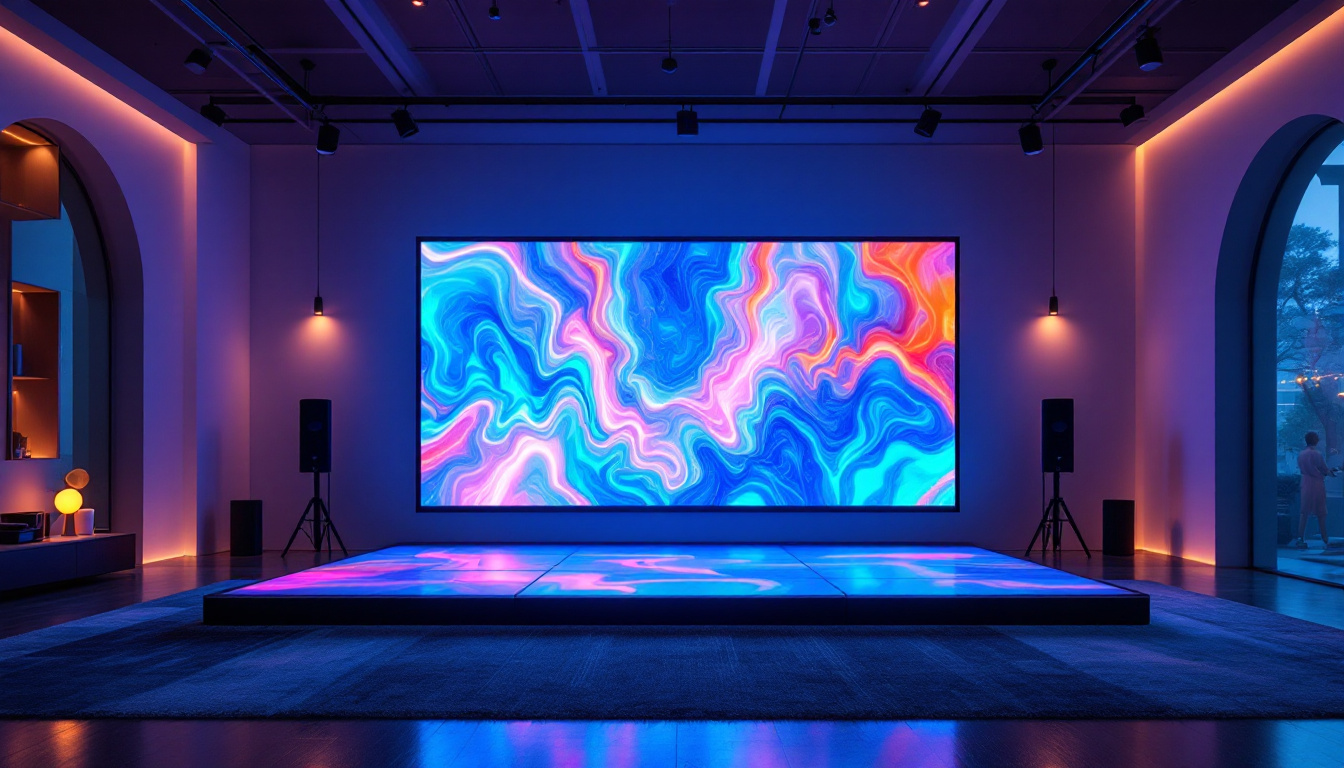
Additionally, LED panels can be either fixed or modular. Modular panels are favored for stage use because they allow for flexible configurations, enabling designers to create screens of various shapes and sizes, including curved or irregular surfaces that enhance the visual impact of a performance. This adaptability is particularly beneficial for live events, where the stage design may need to change dynamically to suit different acts or themes.
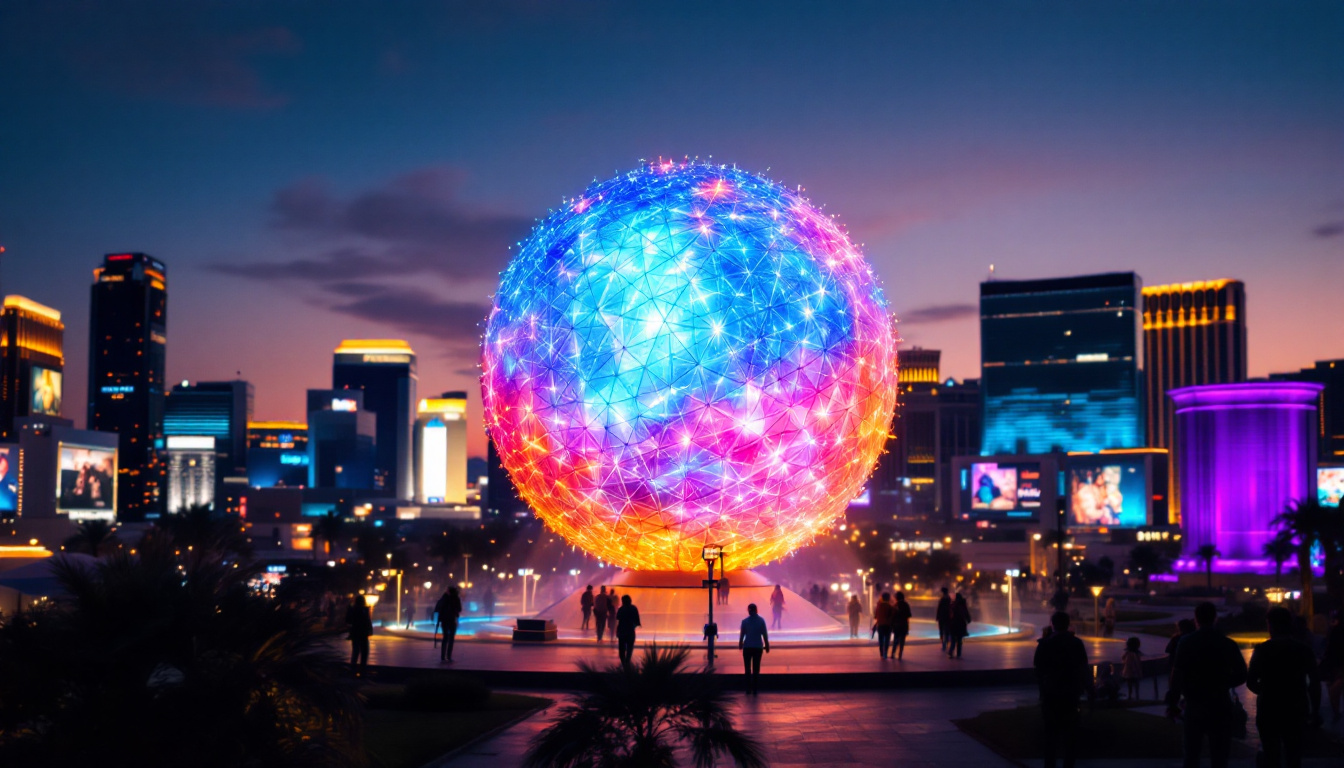
Moreover, the advancements in LED technology have led to the development of transparent LED displays, which can be used to create stunning visual effects without obstructing the view of the stage or audience. These displays can be integrated into set designs to provide a unique backdrop that complements the performance while allowing for visibility through the screen. As a result, designers can craft immersive experiences that blend physical and digital elements seamlessly, captivating audiences in ways that were previously unimaginable.
Applications of LED Displays in Stage Productions
LED displays have become a staple in a wide range of stage productions, from large-scale concerts to intimate theater performances. Their adaptability and visual quality make them indispensable for modern event production.
Concerts and Music Festivals
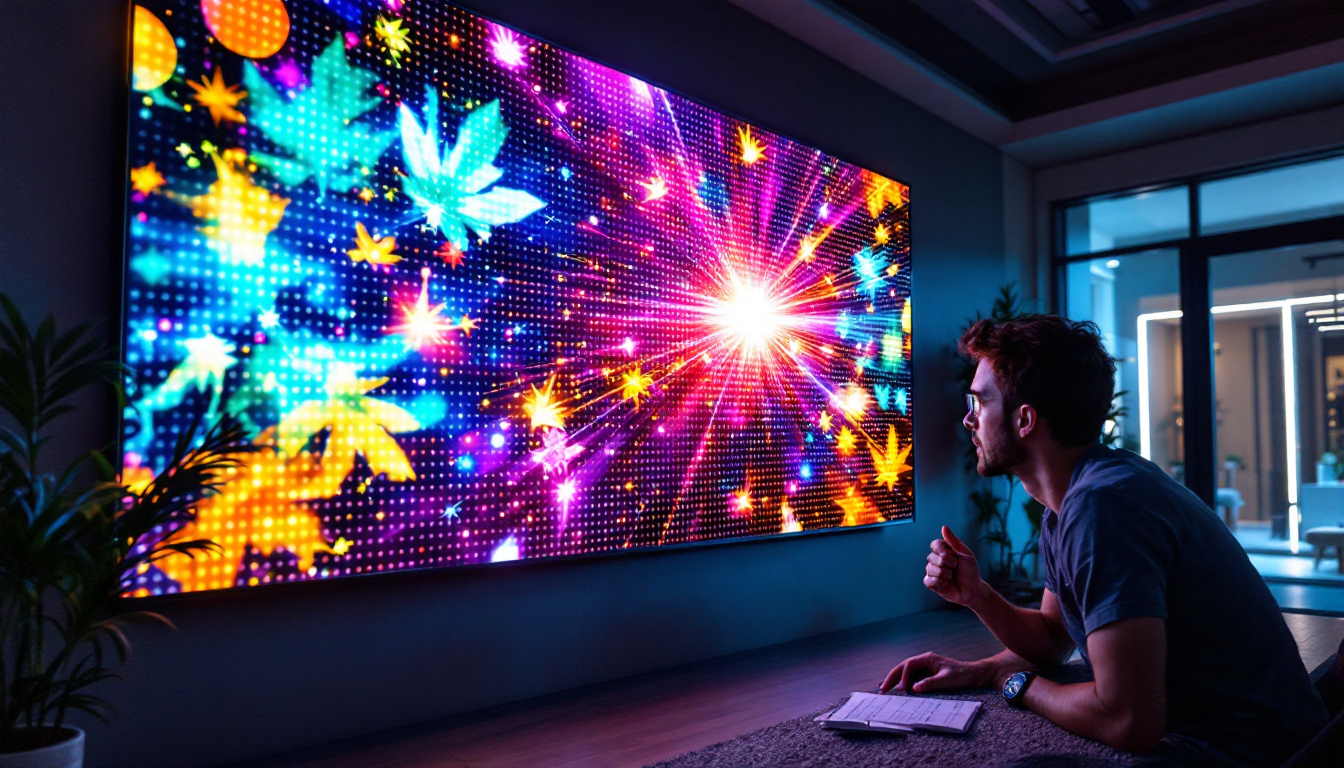
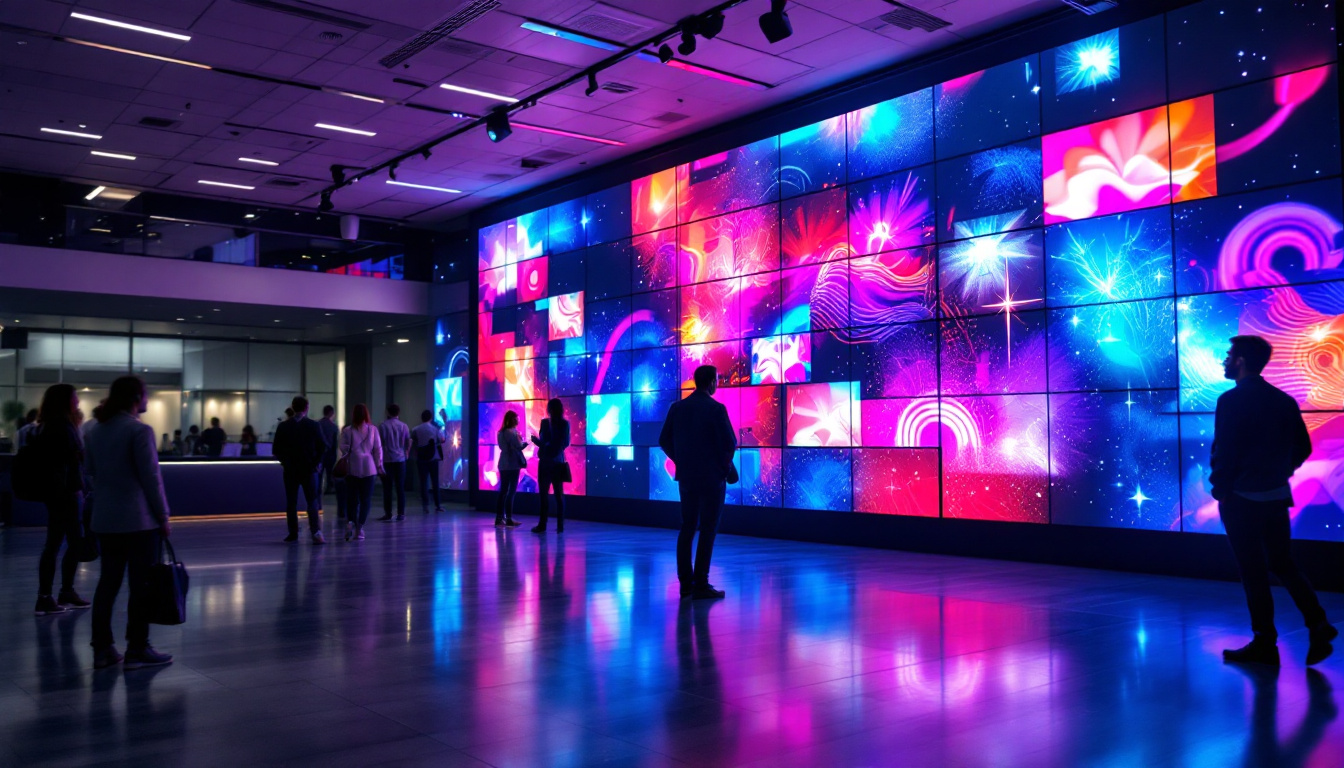
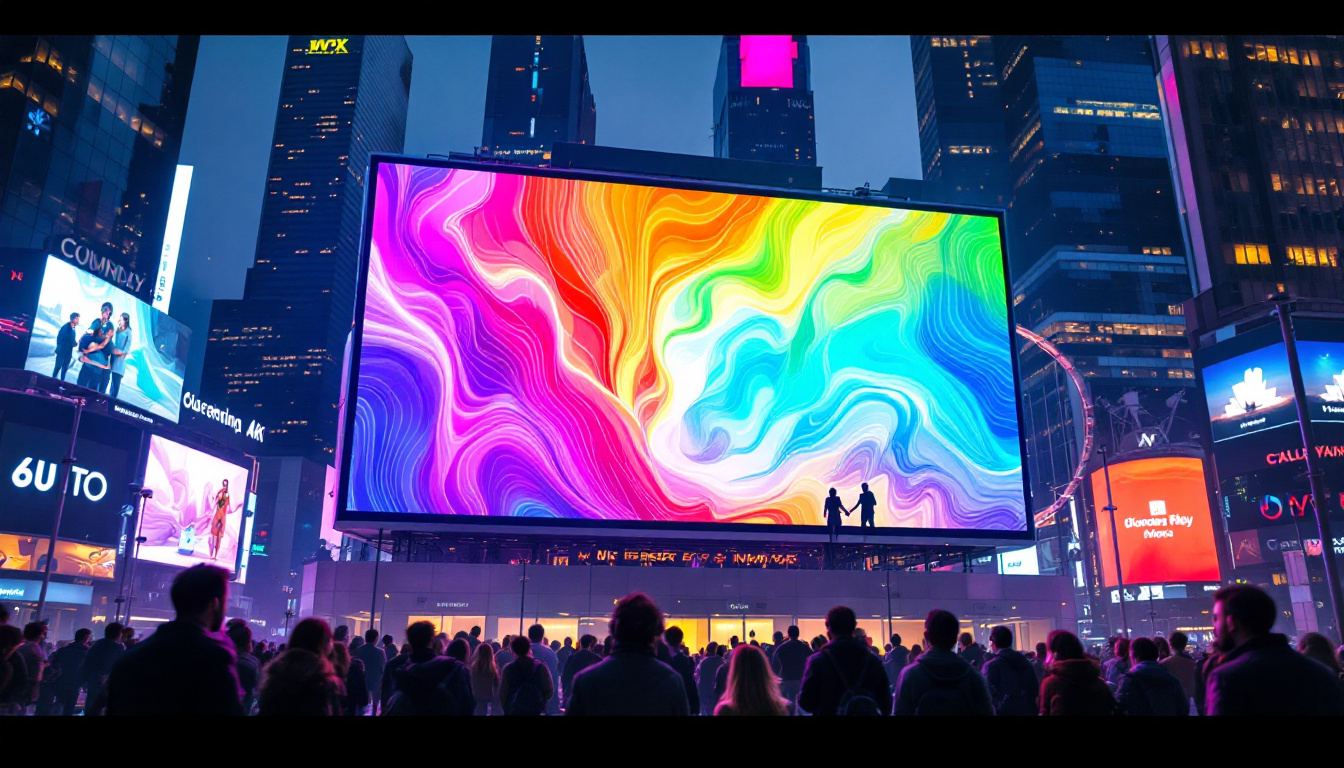
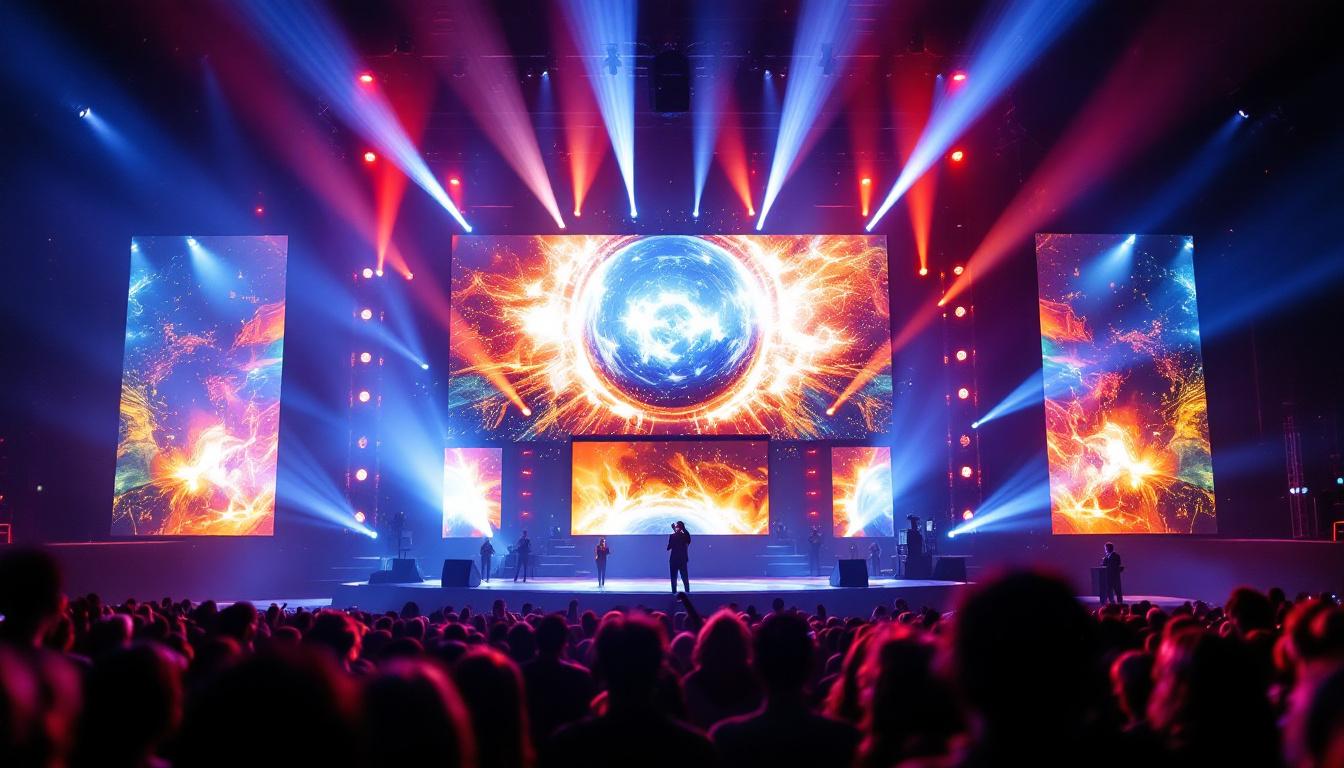
In concerts, LED screens serve multiple purposes: they display live video feeds, dynamic backgrounds, and visual effects synchronized with the music. For example, the 2023 Coachella Valley Music and Arts Festival featured massive LED walls that provided immersive experiences, from psychedelic animations to real-time crowd shots, enhancing audience engagement even for attendees far from the stage.
Moreover, LED displays help artists communicate their artistic vision, adding layers of storytelling that complement the music. The ability to quickly change visuals during set transitions also streamlines production and keeps the energy high throughout the event. This technology allows for the integration of interactive elements, where audience participation can influence the visuals displayed, creating a unique and memorable experience for each concert-goer. The use of LED displays has also led to innovative collaborations between artists and visual designers, resulting in a cohesive aesthetic that elevates the overall performance.
Theater and Performing Arts
Theater productions have embraced LED technology to replace or augment traditional backdrops and set pieces. LED screens allow for dynamic scene changes without the need for physical set alterations, reducing downtime and increasing creative possibilities. For instance, the Broadway production of “Dear Evan Hansen” utilized LED backdrops to project immersive environments that shifted seamlessly with the narrative. This not only enhances the storytelling but also allows for a more fluid and engaging experience for the audience, as they are transported through different settings without the interruption of traditional scene changes.
Additionally, LED displays enable the incorporation of multimedia elements such as live feeds, animations, and special effects that can be tailored to the specific themes of the production. This versatility allows directors and designers to push the boundaries of traditional theater, creating a more dynamic and visually stunning experience. The ability to manipulate light and color through LED technology also adds an emotional layer to performances, enhancing the mood and atmosphere in ways that static sets simply cannot achieve.
Corporate Events and Conferences
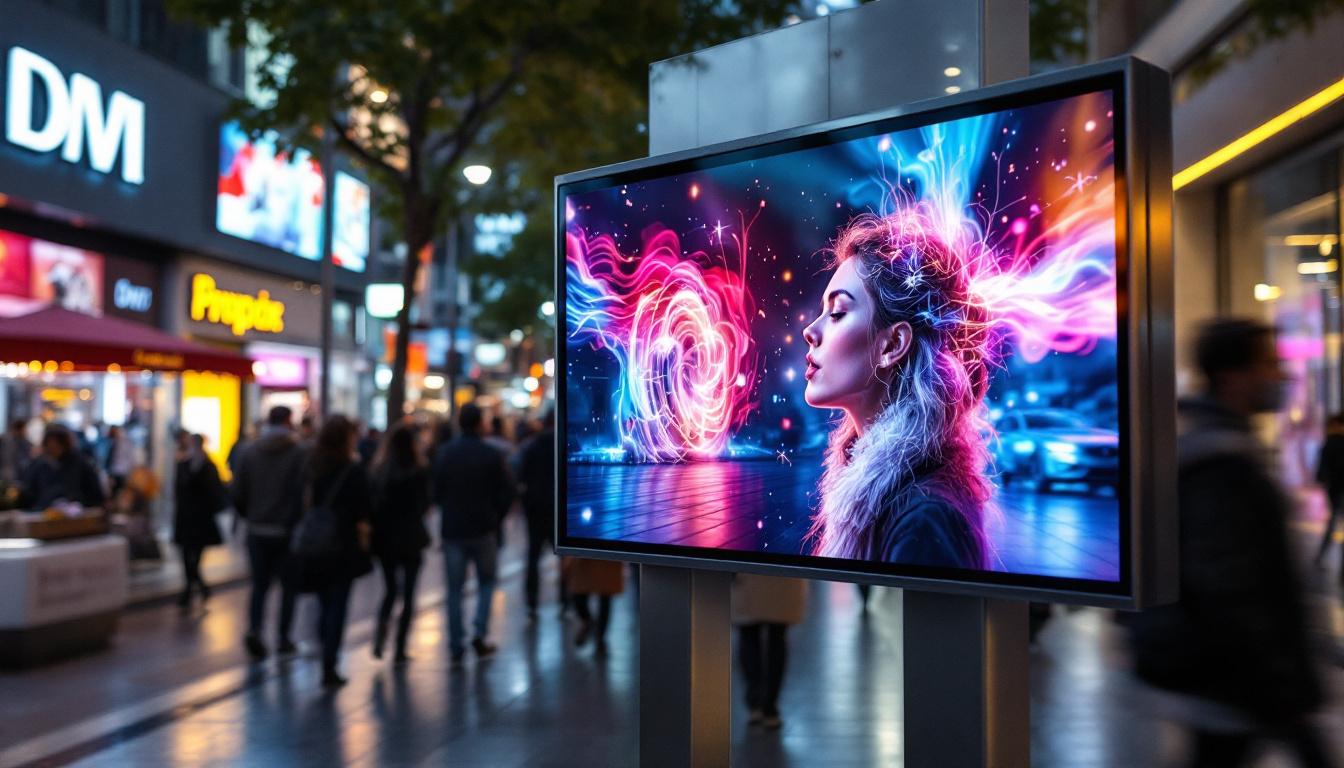
In the corporate world, LED displays are essential for presentations, product launches, and conferences. Their clarity and brightness ensure that visuals are legible from all angles and distances, improving audience comprehension and retention. Companies like Apple and Microsoft have incorporated expansive LED walls into their keynote presentations, elevating the professionalism and impact of their messaging. The integration of high-definition graphics and animations can captivate audiences, making complex information more digestible and engaging.
Furthermore, LED displays facilitate interactive experiences during corporate events. Attendees can engage with content through touch screens or mobile devices, allowing for real-time feedback and participation. This interactivity not only enhances the overall experience but also fosters a sense of community among participants, as they can share their thoughts and reactions instantly. As businesses continue to adapt to hybrid and virtual formats, the role of LED displays in creating immersive online experiences is becoming increasingly vital, ensuring that remote attendees feel just as involved as those present in person.
Benefits of Using LED Displays on Stage
The adoption of LED displays in stage production is driven by numerous advantages that enhance both the performer’s and audience’s experience.
Superior Visual Quality
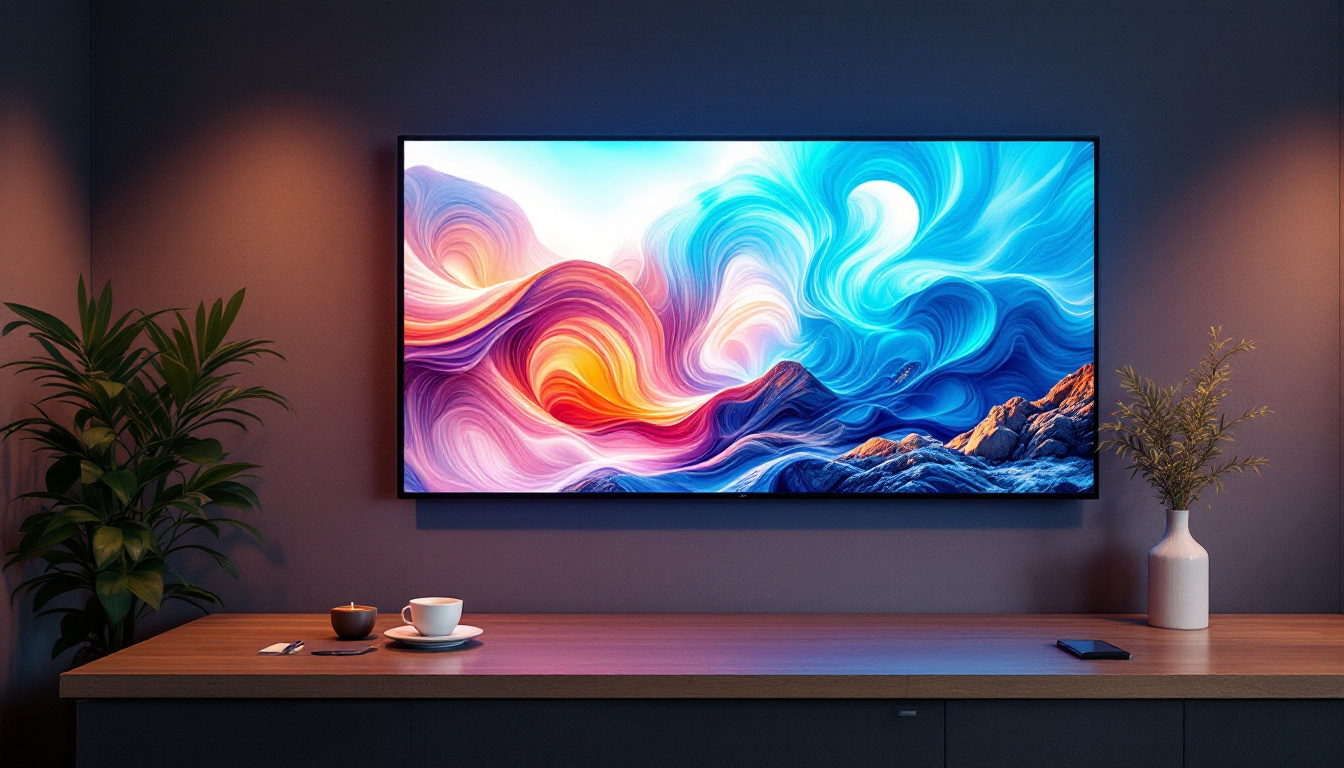
LED screens offer exceptional brightness, contrast, and color accuracy. This ensures that images remain clear and vibrant even under intense stage lighting or outdoor sunlight. The high refresh rates of modern LED panels also eliminate flicker, which is crucial for live video feeds and slow-motion replays.
Flexibility and Scalability
Modular LED panels can be assembled into virtually any size or shape, allowing designers to tailor the display to the venue and production needs. Whether it’s a small backdrop for a theater or a massive video wall for a stadium concert, LED technology scales seamlessly.
Durability and Reliability
LED displays are built to withstand the rigors of touring and repeated assembly. Many panels are weather-resistant and shock-proof, making them suitable for outdoor festivals and events with challenging conditions. Their long lifespan and low maintenance requirements also contribute to cost-effectiveness over time.
Energy Efficiency
Compared to traditional lighting and projection systems, LED displays consume less power while delivering higher brightness. This energy efficiency reduces operational costs and supports sustainability goals, a growing concern in the events industry.
Key Considerations When Choosing LED Displays for Stage Use
While LED technology offers many benefits, selecting the right display requires careful consideration of several factors to ensure optimal performance and return on investment.
Pixel Pitch and Viewing Distance
Pixel pitch, measured in millimeters, refers to the distance between individual LED diodes. A smaller pixel pitch means higher resolution and better image clarity at close range. For indoor theaters or small venues where audiences are near the screen, a pixel pitch of 1.5 to 2.5 mm is ideal. For large outdoor concerts or arenas, a pixel pitch of 4 mm or higher is more appropriate to maintain visibility from a distance.
Brightness and Contrast Ratio
Brightness is critical for visibility, especially in outdoor or well-lit environments. LED displays typically range from 1,000 to over 5,000 nits in brightness. Higher brightness ensures the screen remains clear under direct sunlight or powerful stage lighting. Contrast ratio impacts how well the display can render dark scenes and subtle details, enhancing the overall image quality.
Refresh Rate and Color Accuracy
A high refresh rate (typically 3,840 Hz or higher) is essential for smooth video playback and to prevent flickering on camera, which is particularly important for televised events. Accurate color reproduction ensures that the visuals match the creative intent, which is vital for branding and artistic performances.
Installation and Portability
Depending on the event, the ease of installation and transportability of LED panels can be a deciding factor. Modular panels that are lightweight and feature quick-lock mechanisms reduce setup time and labor costs. For touring productions, durability and ease of repair are equally important.
Future Trends in Stage LED Displays
The LED display industry continues to evolve rapidly, driven by advances in technology and changing audience expectations.
MicroLED and MiniLED Innovations
Emerging MicroLED and MiniLED technologies promise even higher resolutions, improved color accuracy, and thinner, lighter panels. These innovations will enable more immersive and flexible stage designs, pushing the boundaries of what’s possible in live event visuals.
Interactive and Augmented Reality Integration
Future LED displays are expected to integrate with interactive technologies and augmented reality (AR), allowing performers and audiences to engage with visuals in new ways. Gesture control, real-time data overlays, and immersive AR environments could become standard features in stage production.
Energy and Environmental Considerations
As sustainability becomes a priority, manufacturers are focusing on reducing the environmental impact of LED production and operation. Advances in energy-efficient diodes and recyclable materials will make LED displays greener and more cost-effective.
Conclusion
LED displays have firmly established themselves as an essential element of modern stage production, offering unparalleled visual quality, flexibility, and reliability. Whether enhancing the emotional impact of a theatrical performance, energizing a concert crowd, or delivering clear corporate messaging, LED technology continues to push creative and technical boundaries.
For event planners, designers, and production professionals, understanding the nuances of LED displays—from pixel pitch to brightness and beyond—is critical to selecting the right solution for each unique application. As the technology advances, the potential for more immersive, dynamic, and sustainable stage visuals will only grow, promising exciting opportunities for the future of live entertainment.
Discover LumenMatrix LED Display Solutions
Ready to elevate your stage production with the cutting-edge technology discussed in this article? LumenMatrix is at the forefront of LED display innovation, offering a wide array of solutions tailored to your needs. From Indoor and Outdoor LED Walls to specialized displays for Vehicles, Sports, and even Custom configurations, we are committed to transforming your visual presentations. Experience the future of visual engagement with our All-in-One and Transparent LED displays designed to captivate and mesmerize your audience. Check out LumenMatrix LED Display Solutions today and bring your stage to life with clarity, impact, and unparalleled visual quality.