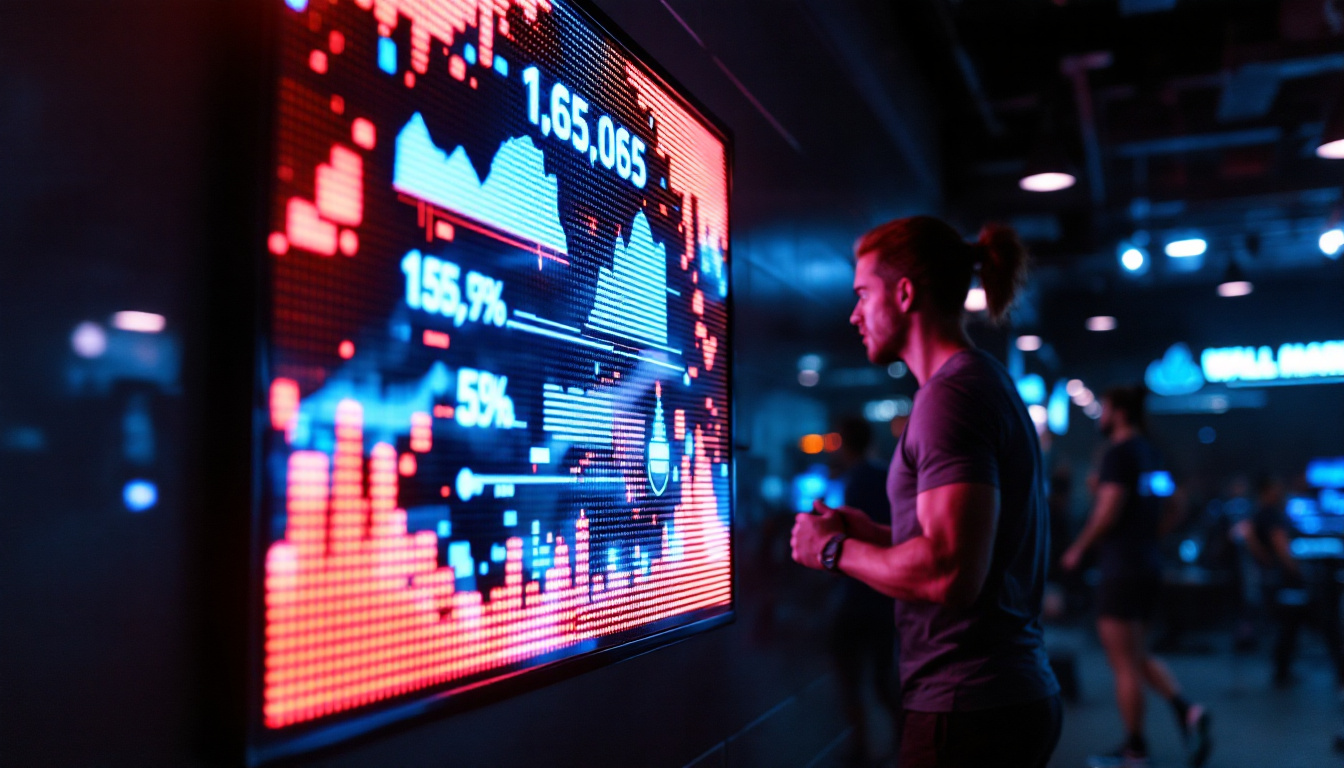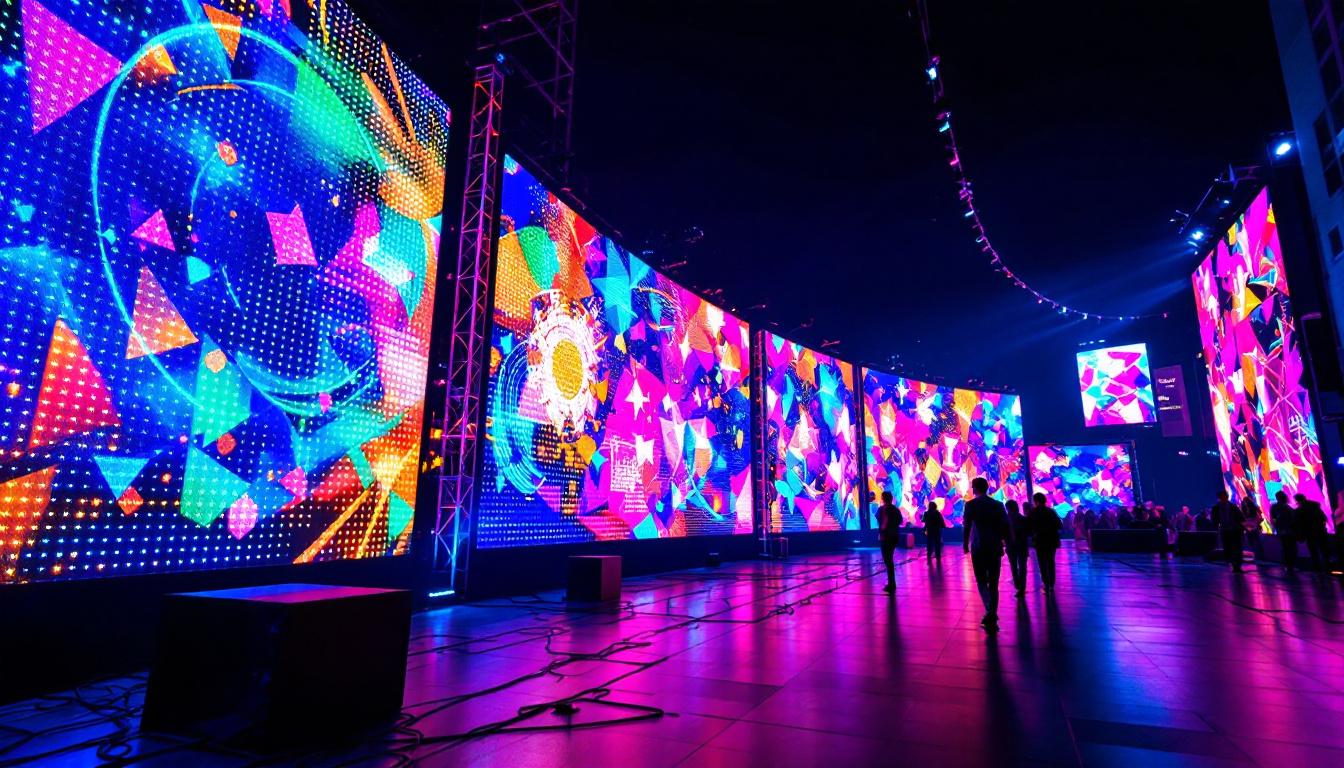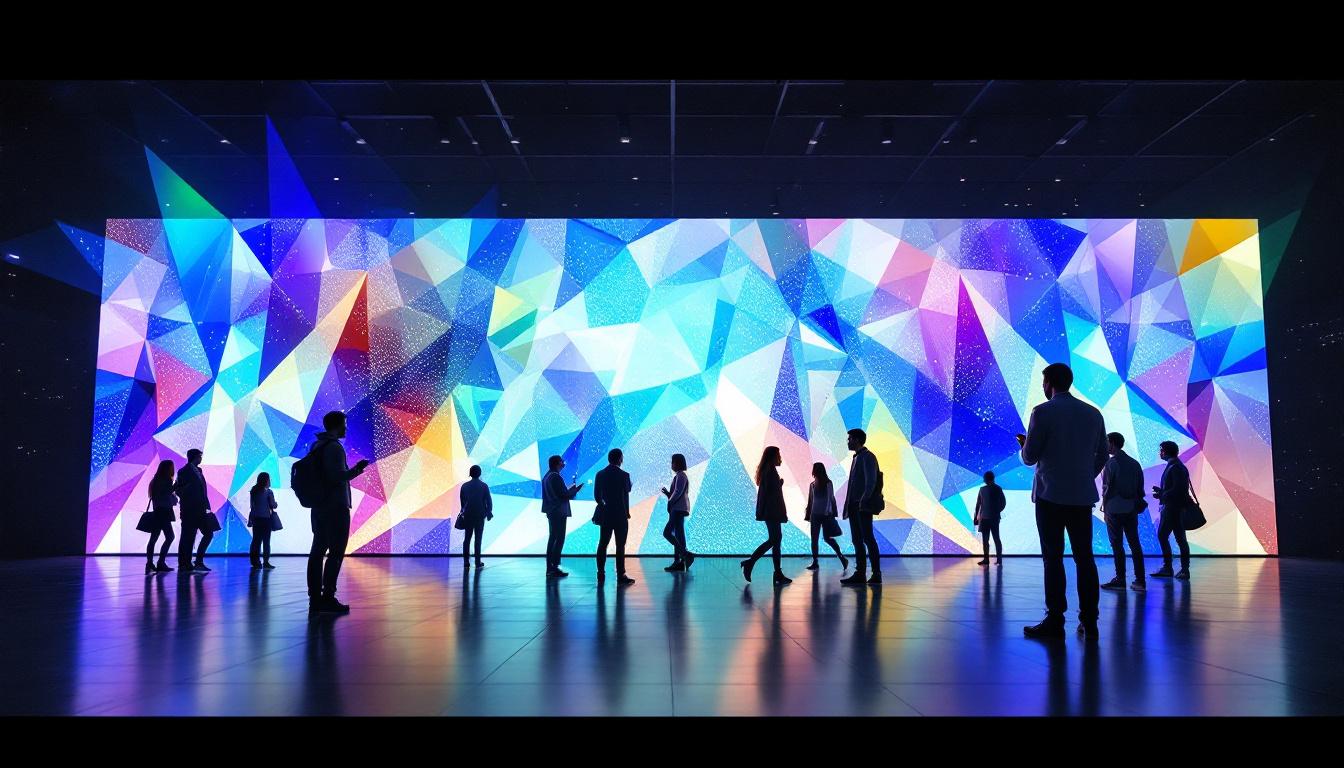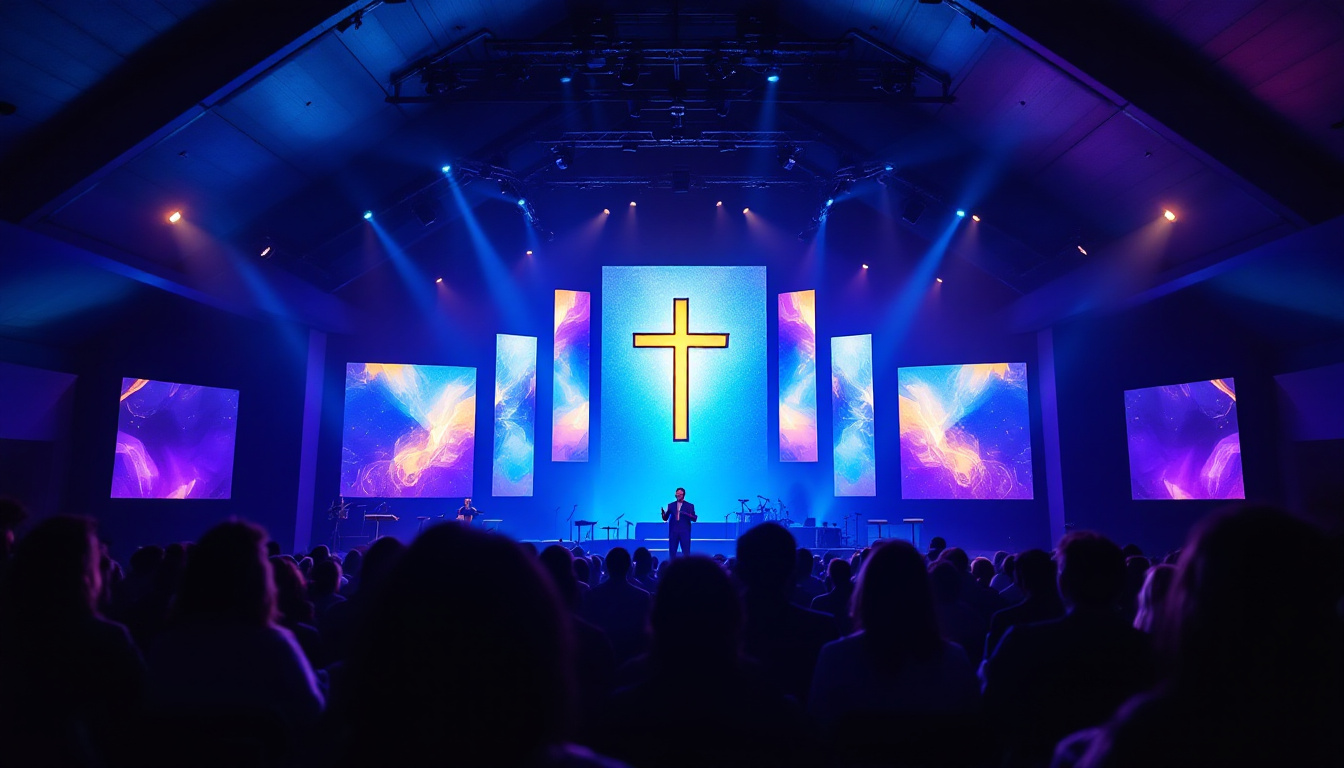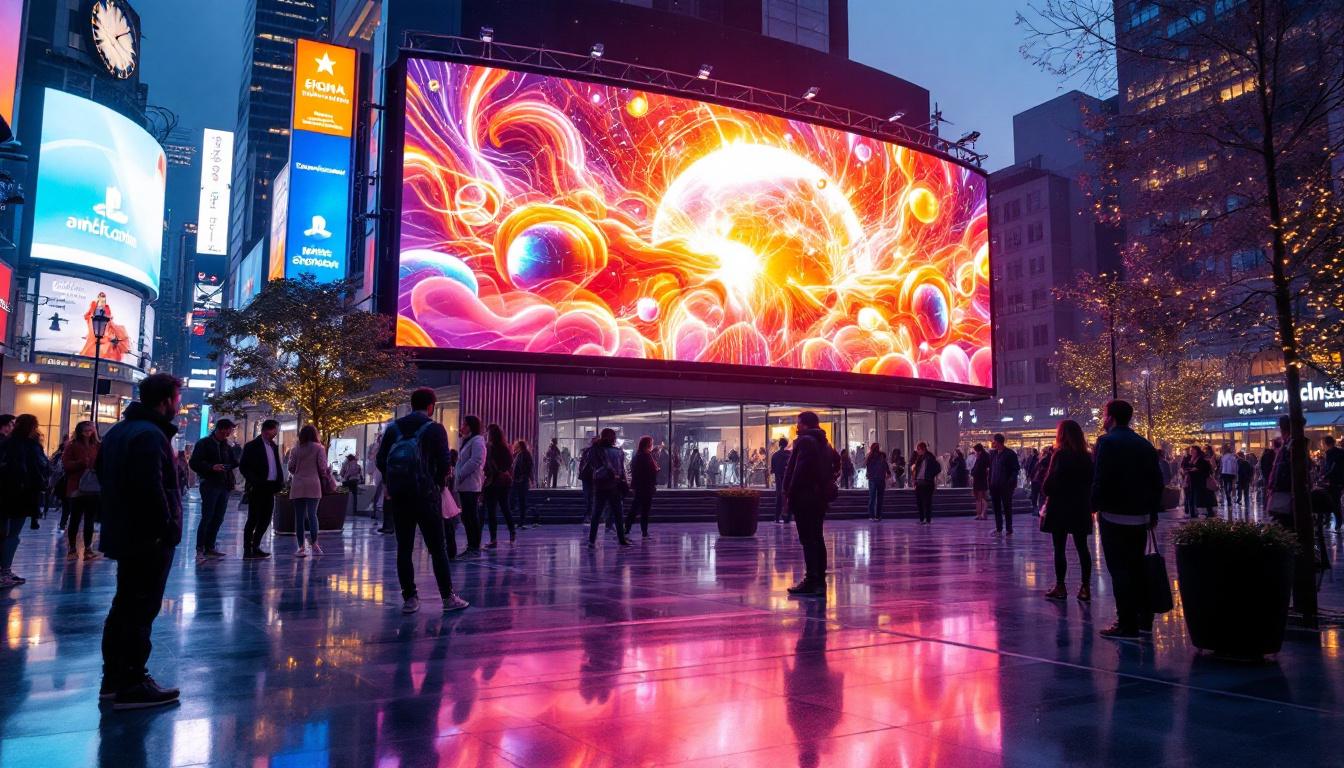
In today’s fast-paced digital world, LED displays have become an integral part of communication, advertising, and entertainment across the globe. From towering billboards in Times Square to dynamic stadium screens and interactive retail signage, LED technology is transforming how messages are delivered and experienced. This article delves into the world of LED displays, explaining their technology, applications, and the reasons behind their widespread adoption worldwide.
Understanding LED Display Technology
What is an LED Display?
LED stands for Light Emitting Diode, a semiconductor device that emits light when an electric current passes through it. An LED display is a flat panel display that uses an array of these tiny LEDs as pixels to create images, videos, or text. Unlike traditional LCD or plasma screens, LED displays generate their own light, which results in brighter images and better contrast ratios.
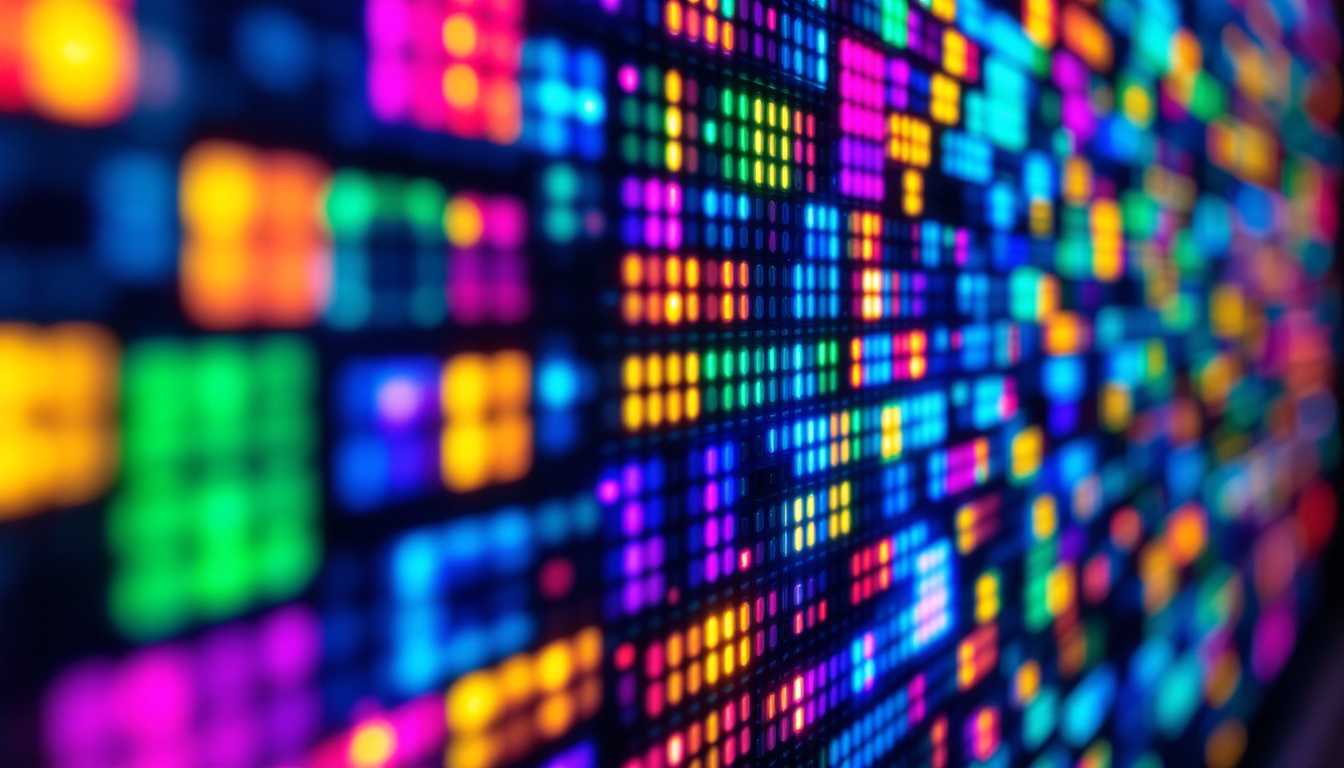
Modern LED displays are composed of thousands to millions of these diodes arranged in a grid, each capable of producing red, green, and blue light. By varying the intensity of these primary colors, the display can render millions of colors with high precision. This capability makes LED displays ideal for vibrant, eye-catching visuals in both indoor and outdoor environments. The efficiency of LED technology also contributes to energy savings, as they consume significantly less power compared to older display technologies, making them a more sustainable choice for businesses and consumers alike.
Types of LED Displays
LED displays come in several forms, each suited for different uses:
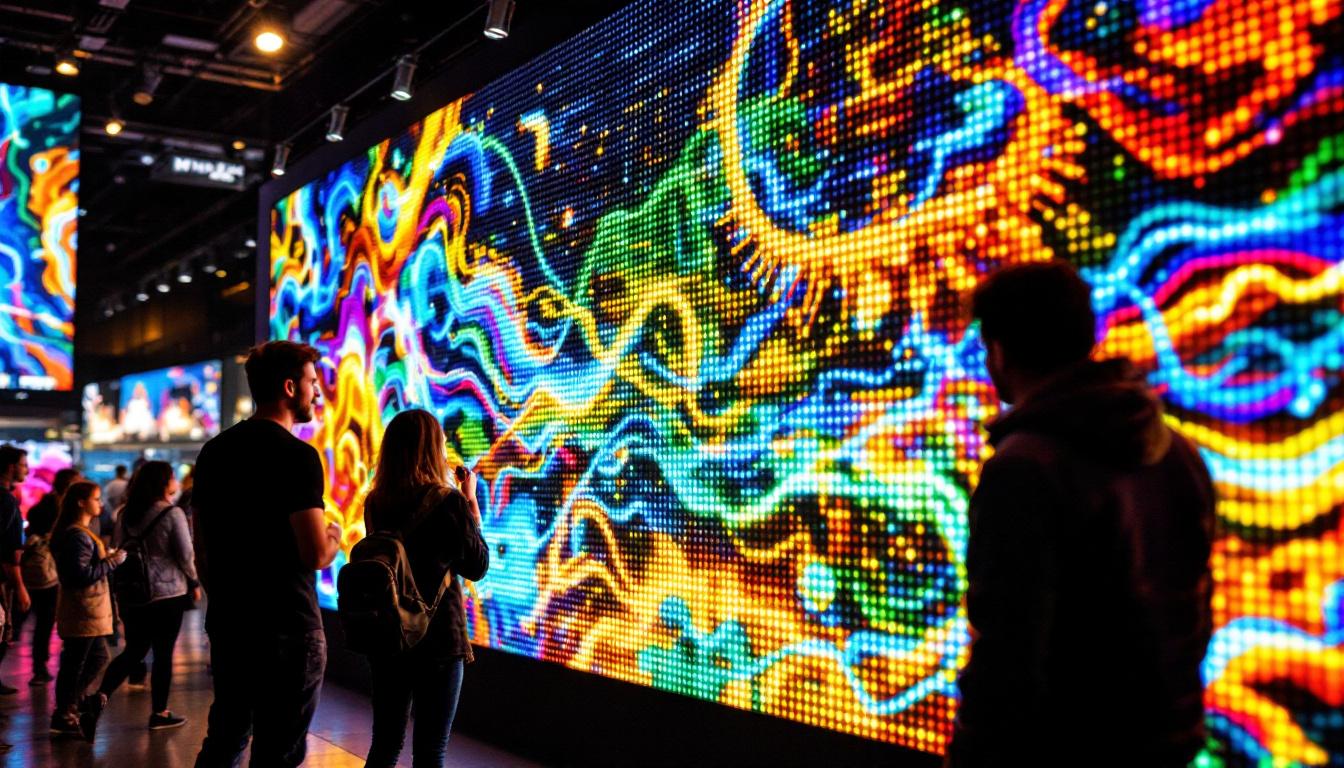
- Indoor LED Displays: Designed for close viewing distances, these displays have a high pixel density with smaller pixel pitches (the distance between individual LEDs). They are commonly used in conference rooms, retail stores, and control centers. Their ability to deliver sharp images and vibrant colors makes them perfect for presentations and advertising.
- Outdoor LED Displays: Built to withstand weather conditions, these displays have larger pixel pitches and higher brightness levels to remain visible in direct sunlight. Examples include digital billboards and stadium screens. The durability of outdoor LED displays ensures they can handle rain, snow, and extreme temperatures while maintaining optimal performance.
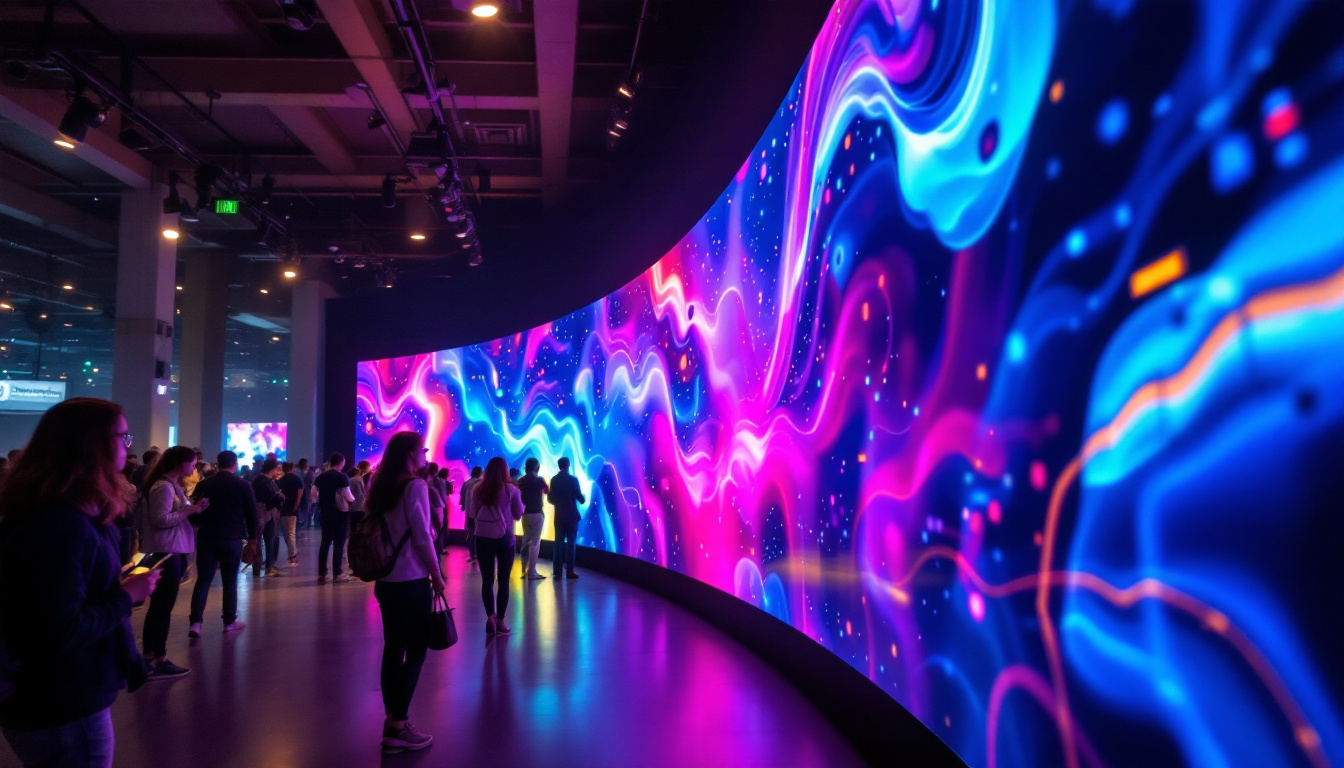
- Flexible and Transparent LED Displays: Innovations in LED technology have led to flexible panels that can curve around surfaces and transparent displays that allow light to pass through, opening new creative possibilities in architecture and design. These displays can be integrated into windows or walls, providing an unobtrusive way to showcase information while maintaining the aesthetic integrity of a space.
How LED Displays Work
At the core, LED displays operate by illuminating specific LEDs to form images. Each pixel is typically made up of three sub-pixels (red, green, and blue), and their combined light intensity determines the final color seen by the viewer. The display’s controller processes input signals—such as video feeds or computer graphics—and translates them into instructions that turn individual LEDs on or off at varying brightness levels.
One key advantage of LED displays is their ability to refresh at high rates, often exceeding 1,000 Hz. This high refresh rate reduces flicker and motion blur, making LED screens particularly effective for displaying fast-moving content like sports or live events. Additionally, advancements in LED technology have led to improved color accuracy and wider viewing angles, ensuring that audiences can enjoy consistent quality from various positions. The integration of smart technology into LED displays has also enabled features like remote management and real-time content updates, further enhancing their versatility in dynamic environments.
The Global Impact and Applications of LED Displays
Advertising and Marketing
LED displays have revolutionized outdoor advertising by enabling dynamic, changeable content that can be updated in real-time. According to a 2023 report by Grand View Research, the global digital signage market was valued at over $27 billion, with LED displays accounting for a significant share due to their brightness, durability, and energy efficiency.
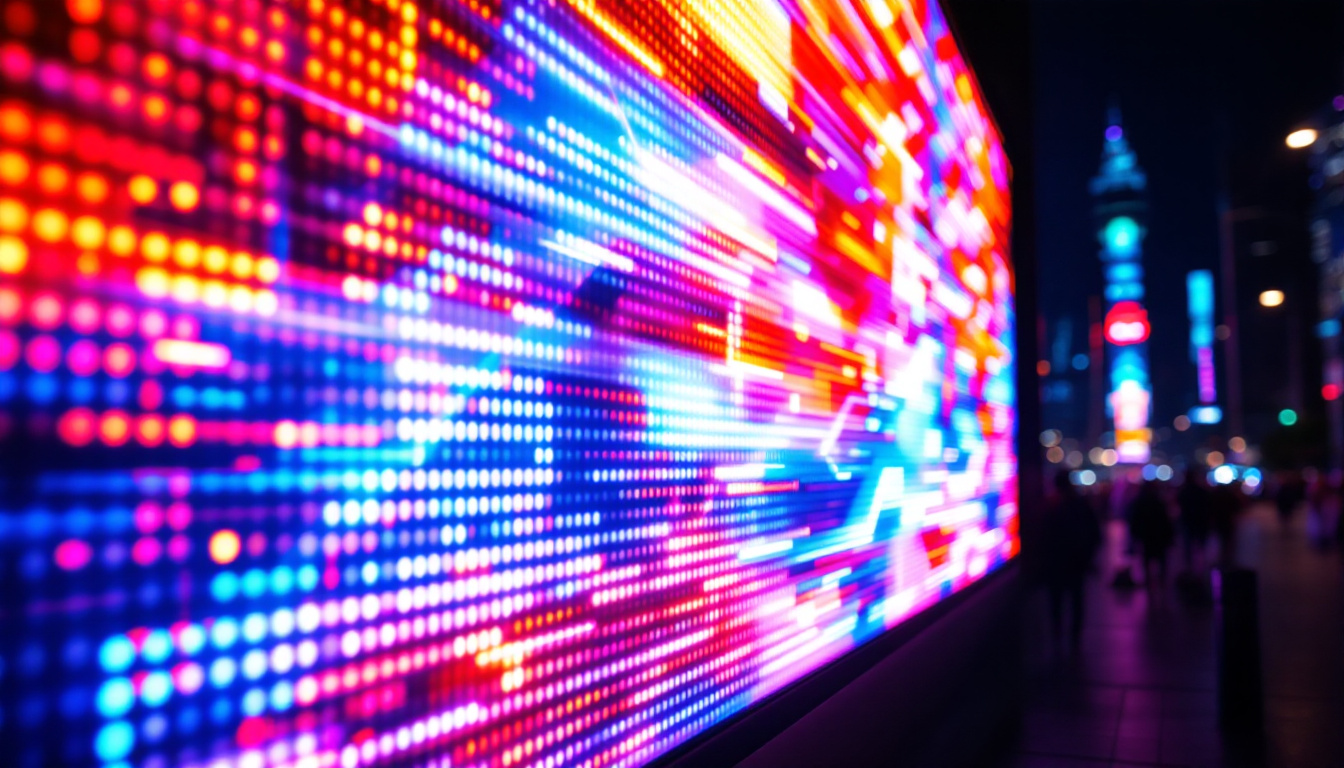
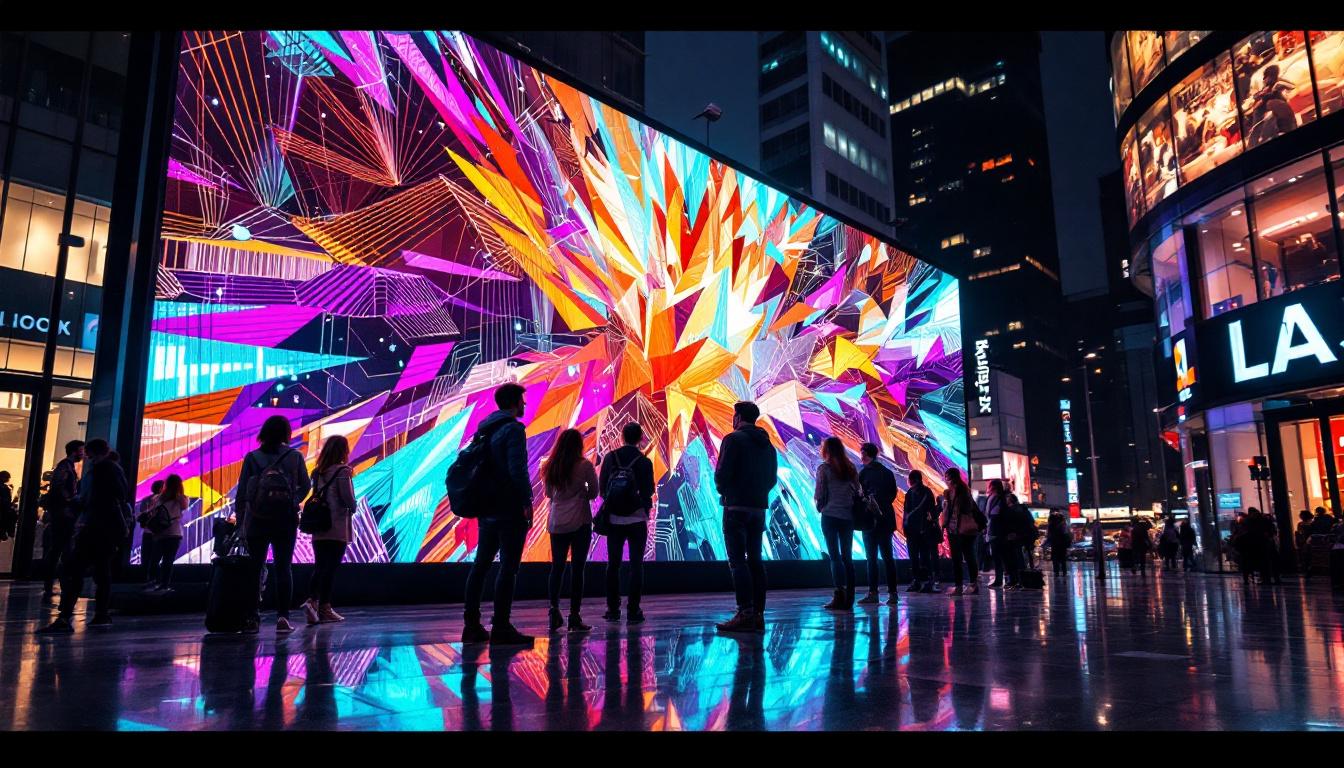
Iconic locations such as London’s Piccadilly Circus and New York’s Times Square showcase the power of LED billboards to captivate millions of viewers daily. Brands leverage these displays to deliver targeted campaigns, incorporate interactive elements, and even integrate social media feeds to boost engagement.
Sports and Entertainment Venues
Stadiums and arenas worldwide rely on large-scale LED displays to enhance the spectator experience. These screens provide instant replays, live statistics, and immersive visuals that keep fans engaged throughout events. For example, the AT&T Stadium in Texas features one of the largest LED video boards globally, measuring 160 feet wide and 72 feet tall.
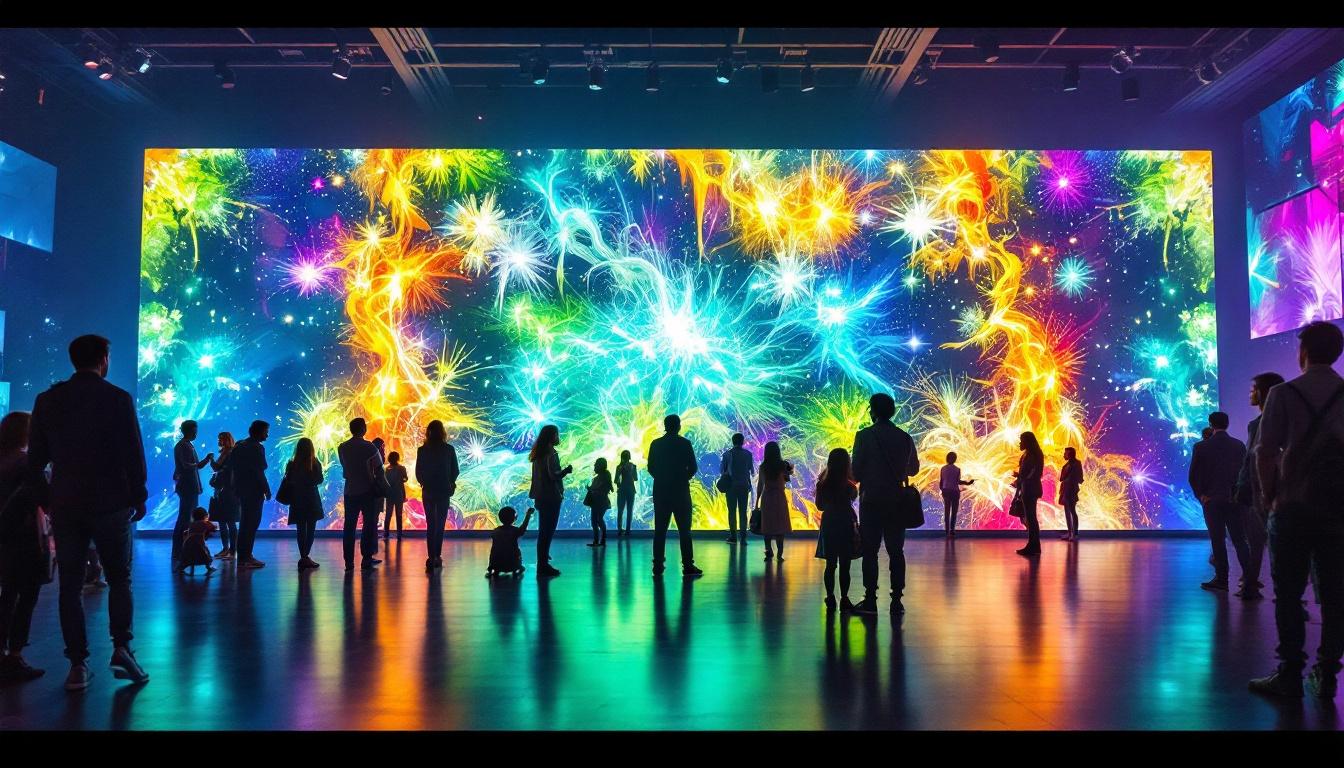
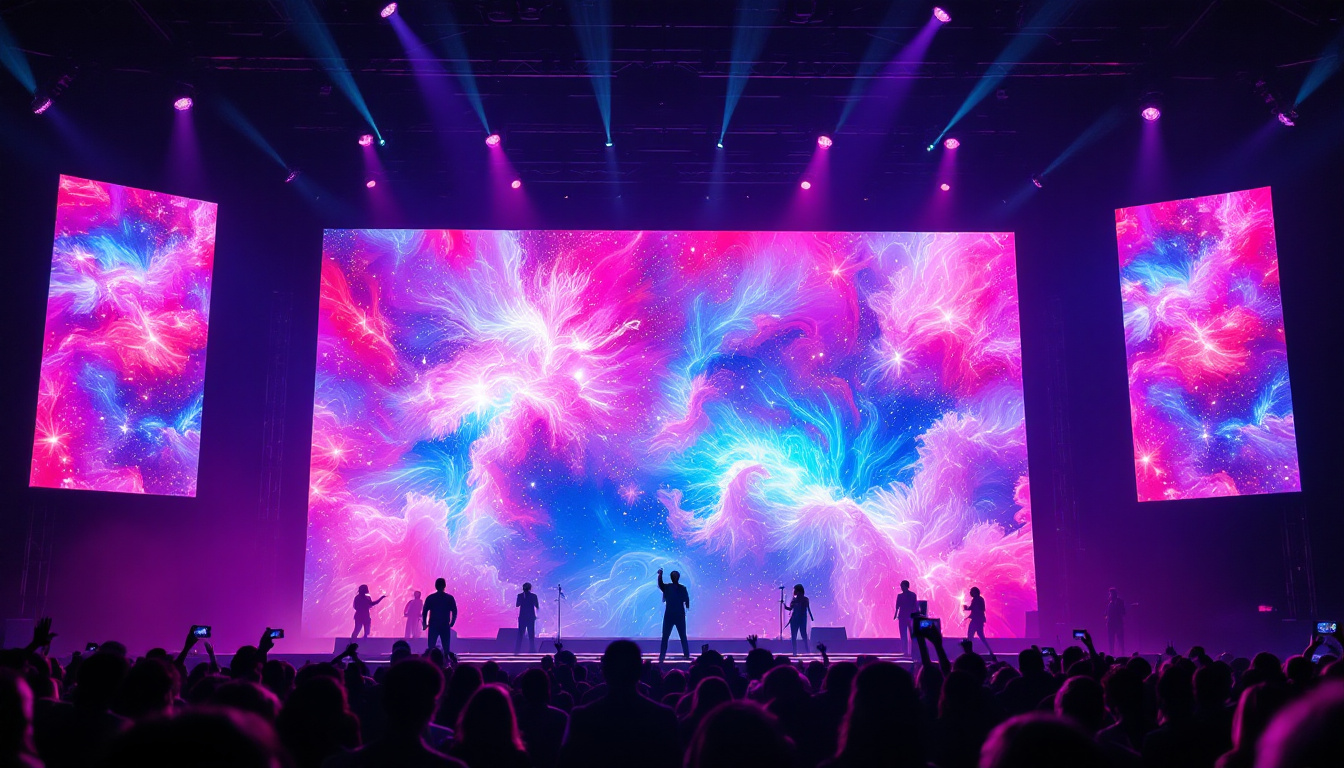
Beyond sports, concerts and festivals use LED walls to create stunning stage backdrops and interactive environments. The flexibility and brightness of LED technology allow for creative freedom that traditional projection or LCD screens cannot match.
Retail and Corporate Use
In retail environments, LED displays are used to attract customers, showcase products, and deliver promotional content. Their ability to display vibrant, high-resolution images makes them ideal for window displays and in-store signage. Retailers report increased foot traffic and sales when incorporating digital signage powered by LED technology.
Corporations also utilize LED walls in lobbies, conference rooms, and trade shows to communicate brand messages and enhance presentations. The scalability of LED displays means they can be customized to fit various spaces and design requirements.
Transportation and Public Spaces
LED displays are increasingly common in airports, train stations, and bus terminals, providing real-time information such as arrival and departure times, weather updates, and emergency alerts. Their high visibility and reliability make them essential tools for managing public transportation systems efficiently.
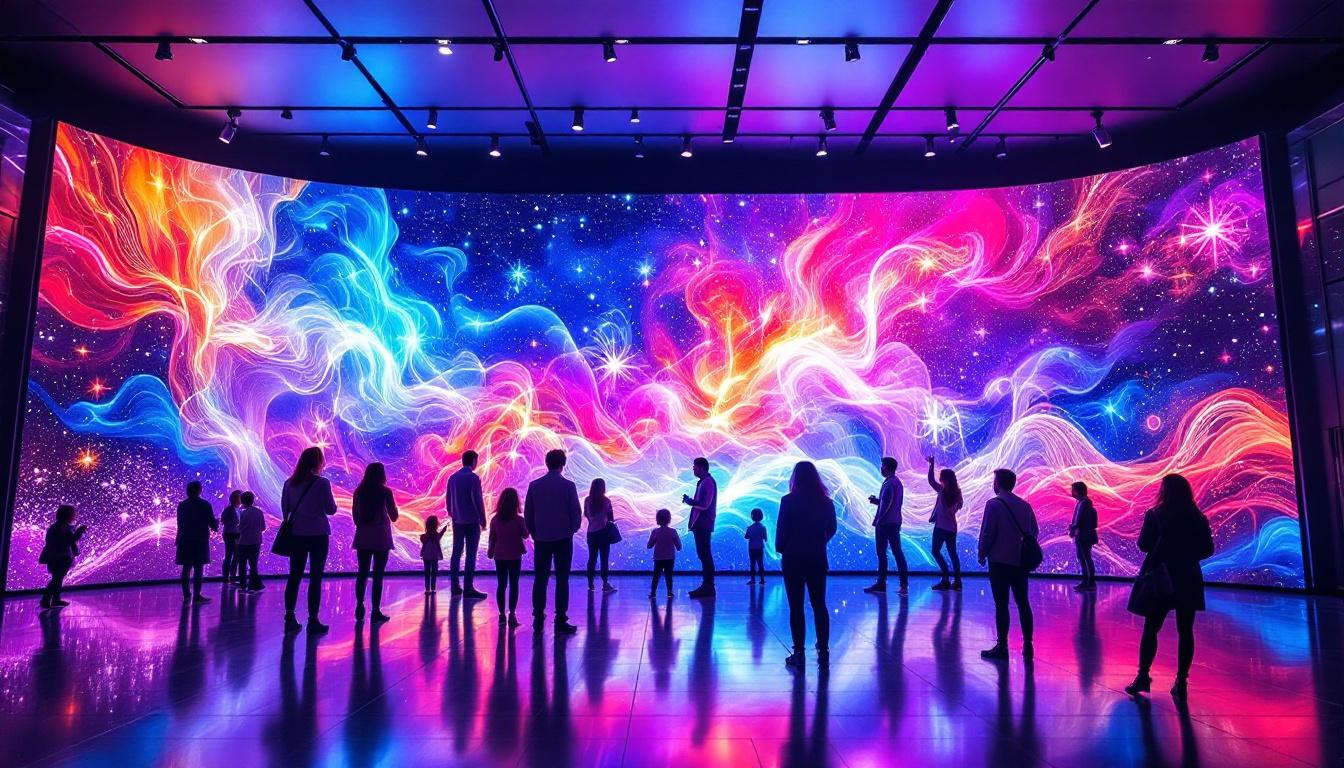
In urban environments, LED displays contribute to smart city initiatives by offering interactive kiosks, wayfinding solutions, and public art installations. Cities like Seoul and Singapore have embraced LED technology to enhance urban aesthetics and improve citizen engagement.
Key Advantages of LED Displays
Brightness and Visibility
One of the most significant benefits of LED displays is their exceptional brightness. Outdoor LED screens can reach brightness levels exceeding 5,000 nits, ensuring visibility even under direct sunlight. This makes them superior to LCD and projection-based displays, which often struggle in bright environments.
Energy Efficiency and Longevity
LED technology is known for its energy efficiency. Compared to traditional lighting and display technologies, LEDs consume less power while delivering brighter images. This efficiency translates into lower operational costs, especially important for large-scale installations that run continuously.
Additionally, LEDs have a long lifespan, often rated between 50,000 to 100,000 hours of use. This durability reduces maintenance requirements and replacement costs, making LED displays a cost-effective investment over time.
Flexibility and Customization
LED displays can be manufactured in various shapes, sizes, and resolutions, allowing for tailored solutions that fit unique architectural and design needs. The modular nature of LED panels means they can be assembled into enormous walls or intricate curved surfaces, enabling creative freedom for designers and advertisers alike.
Dynamic Content and Interactivity
Unlike static signage, LED displays support dynamic content that can be updated instantly. This capability allows businesses to adapt messaging based on time of day, audience demographics, or special events. Furthermore, integrating sensors and touch technology enables interactive experiences that engage viewers on a deeper level.
Challenges and Considerations in LED Display Deployment
Cost and Investment
While LED displays offer numerous advantages, the initial investment can be substantial, especially for large-scale or high-resolution installations. The cost includes not only the display panels themselves but also supporting infrastructure such as mounting systems, power supplies, and content management software.
However, the long-term benefits in terms of durability, energy savings, and advertising effectiveness often justify the upfront expense. Organizations should conduct thorough cost-benefit analyses to ensure alignment with their strategic goals.
Maintenance and Technical Expertise
Maintaining LED displays requires specialized knowledge to address issues such as dead pixels, color calibration, and software updates. Outdoor displays also need regular cleaning and weatherproofing checks to prevent damage from environmental factors.
Partnering with experienced vendors and service providers can mitigate these challenges, ensuring optimal performance and longevity of the display system.
Environmental and Regulatory Factors
LED displays, especially large outdoor installations, must comply with local regulations concerning light pollution, energy consumption, and safety. Excessive brightness or flashing content can cause disturbances to nearby residents or drivers, leading to restrictions or fines.
Designers and operators should work closely with regulatory bodies to ensure their installations meet all legal requirements, balancing visibility with community impact.
The Future of LED Displays
Technological Innovations
Emerging technologies continue to push the boundaries of LED displays. MicroLED, a next-generation display technology, promises even higher resolution, improved energy efficiency, and thinner form factors. Unlike traditional LEDs, MicroLEDs are smaller and can be integrated directly onto substrates, enabling ultra-high-definition screens with exceptional color accuracy.
Additionally, advancements in flexible and transparent LED panels are opening new frontiers in architectural design and augmented reality applications. These innovations will expand the use cases and creative possibilities for LED displays worldwide.
Integration with IoT and AI
The integration of LED displays with the Internet of Things (IoT) and artificial intelligence (AI) is creating smarter, more responsive signage solutions. For example, AI-powered analytics can tailor content in real-time based on audience demographics, weather conditions, or traffic patterns, maximizing engagement and advertising ROI.
IoT connectivity enables remote monitoring and management of LED networks, reducing downtime and improving operational efficiency. This interconnected approach is becoming a standard for large-scale digital signage deployments.
Sustainability and Energy Management
As environmental concerns grow, the LED display industry is focusing on sustainability. Innovations in low-power LEDs, recyclable materials, and energy management systems are helping reduce the ecological footprint of digital signage.
Some cities are adopting “green” guidelines for outdoor displays, encouraging the use of energy-efficient technologies and responsible lighting practices. This trend aligns with broader global efforts to promote sustainable urban development.
Conclusion
LED displays have become a cornerstone of modern visual communication, offering unparalleled brightness, flexibility, and dynamic content capabilities. Their global adoption spans industries from advertising and entertainment to transportation and smart cities, reflecting their versatility and impact.
Understanding the technology behind LED displays, their advantages, and the challenges involved is essential for businesses and organizations looking to leverage this powerful medium. With ongoing innovations and a growing focus on sustainability, the future of LED displays promises even more exciting possibilities for engaging audiences worldwide.
Illuminate Your Message with LumenMatrix
As you consider the vast potential of LED displays to transform your communication and engagement strategies, LumenMatrix stands at the forefront of this vibrant technology. Our commitment to innovation ensures that whether you need an Indoor LED Wall Display, a dazzling Outdoor LED Wall Display, or any of our specialized solutions like Vehicle, Sports, or Floor LED Displays, you’re equipped with the most advanced tools to captivate and inspire your audience. Embrace the future of visual storytelling with our Custom, All-in-One, and Transparent LED Displays. Check out LumenMatrix LED Display Solutions today and see how we can help you share your message with the world in the most impactful way.