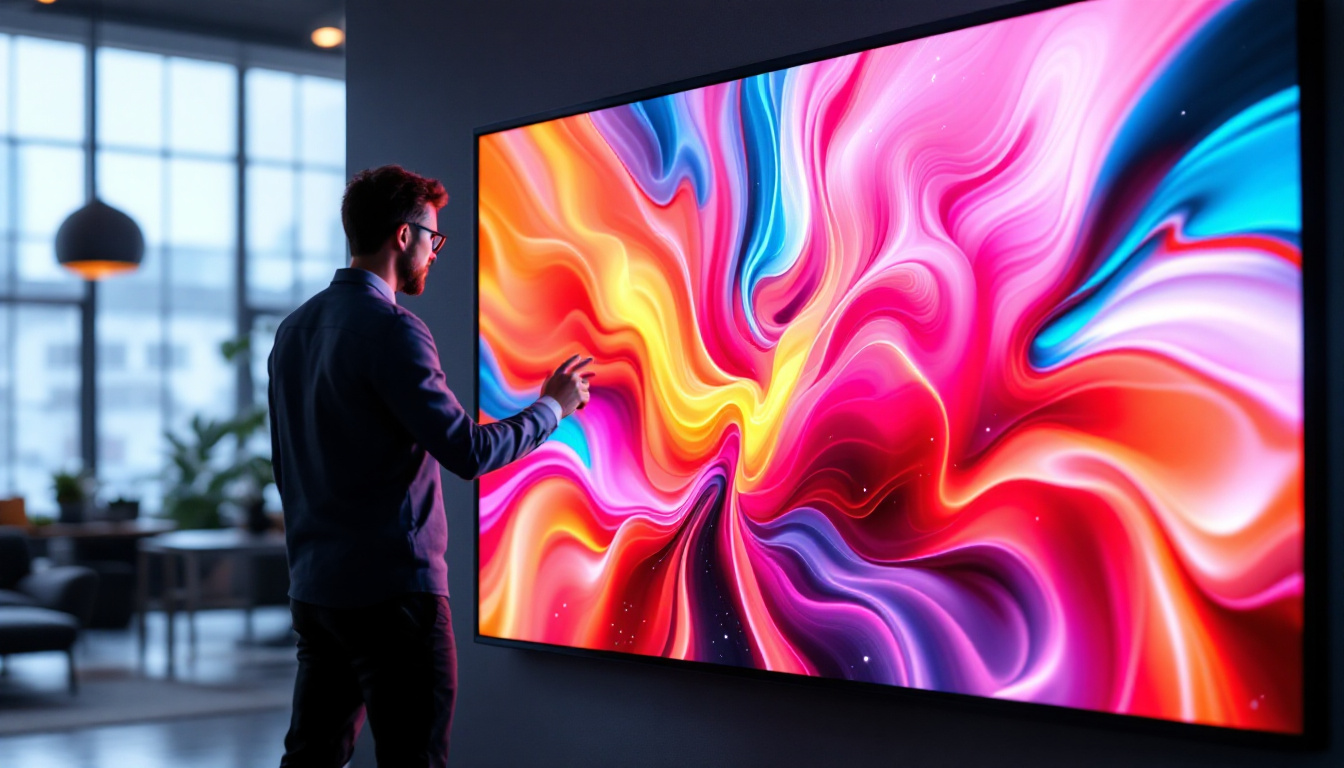
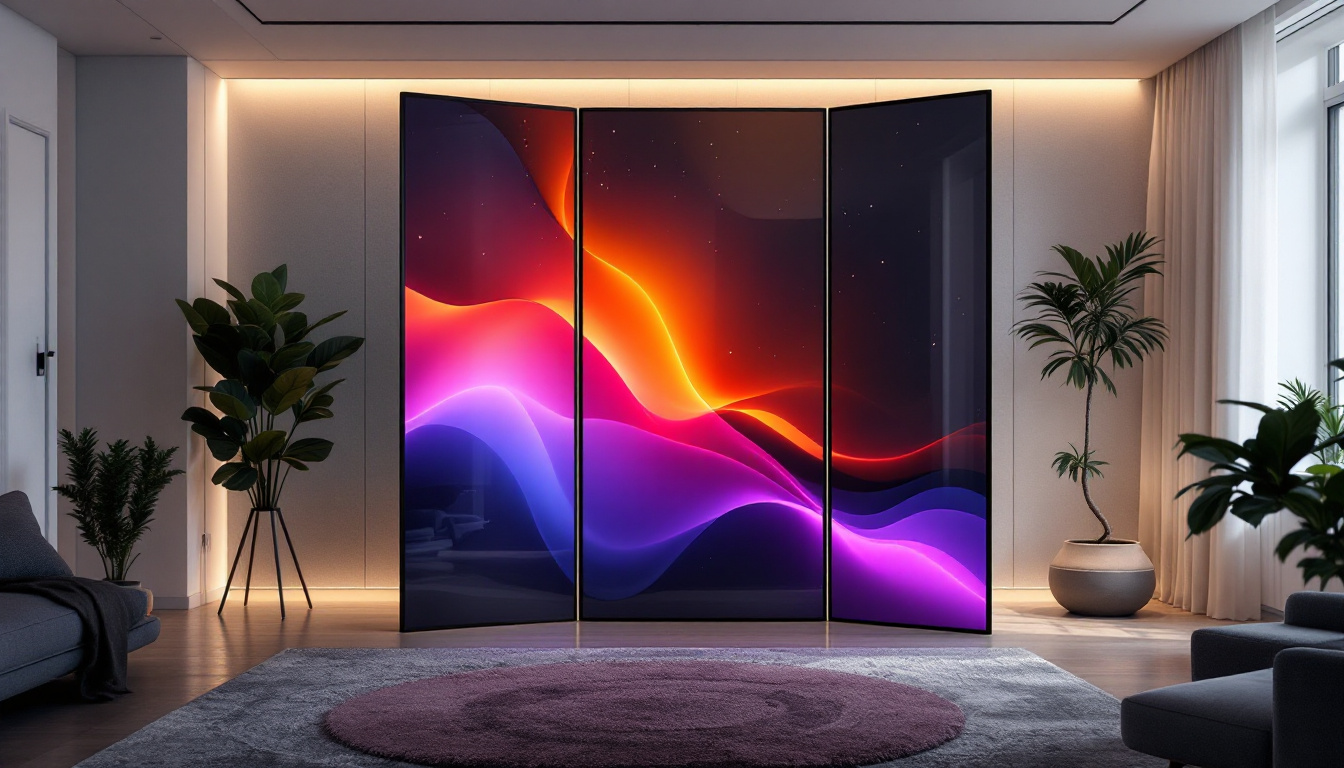
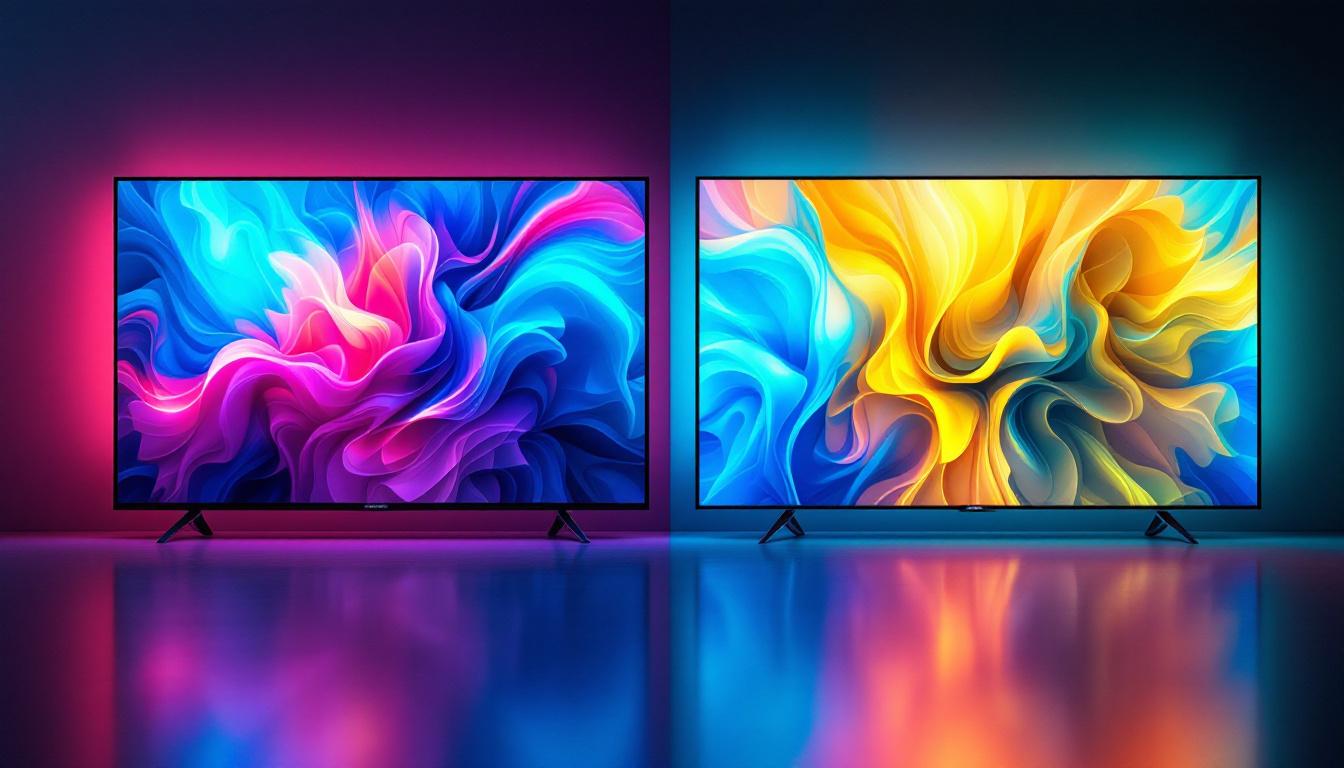
Projecting images on a wall has evolved significantly over the years, moving from traditional projectors to advanced LED display technologies. Whether for home entertainment, business presentations, or artistic installations, understanding how to effectively project images on a wall can transform any space. This article delves into the intricacies of LED displays, offering a comprehensive guide on how to project images on a wall using LED technology, the benefits it offers, and practical tips for optimal results.
Understanding LED Display Technology
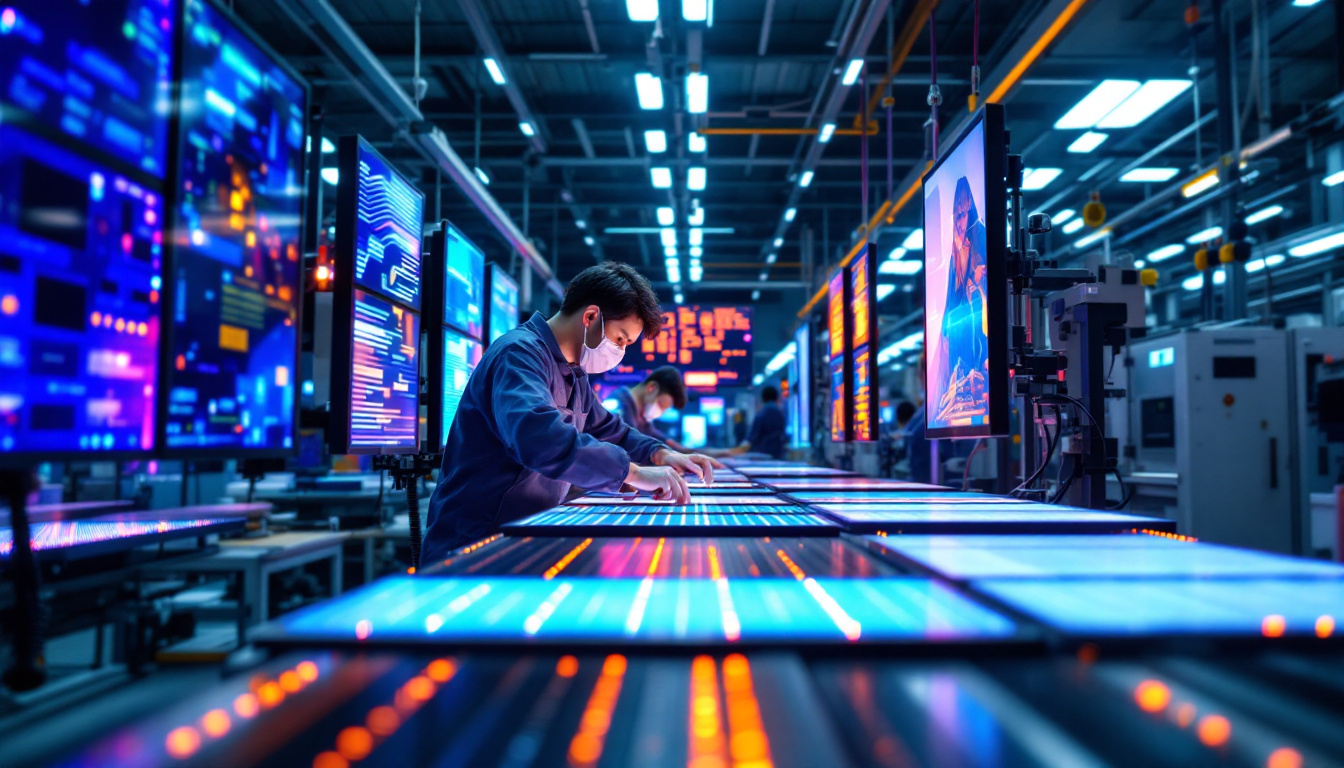
LED (Light Emitting Diode) displays have become a popular choice for projecting images due to their brightness, color accuracy, and energy efficiency. Unlike traditional projectors that rely on bulbs and lenses to cast images onto a surface, LED displays use an array of tiny light-emitting diodes to create vivid visuals directly on the display panel.
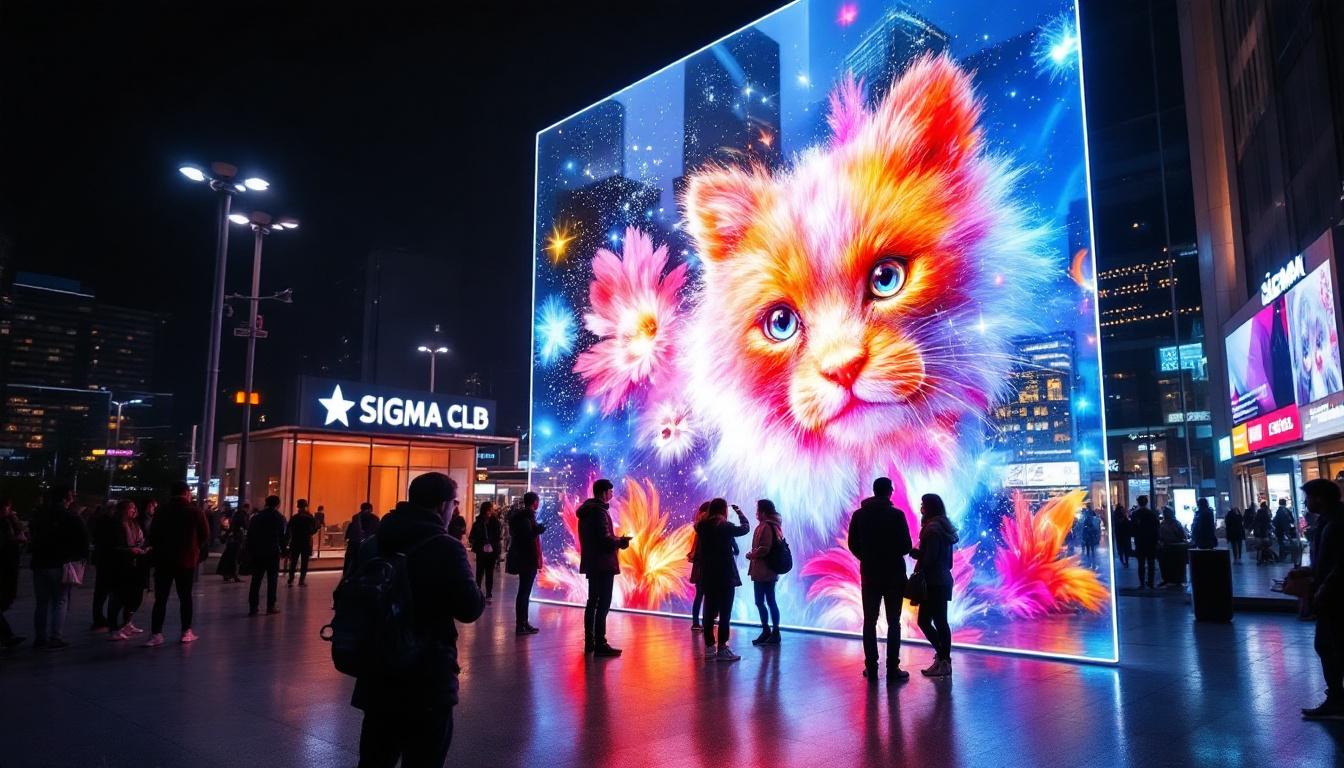
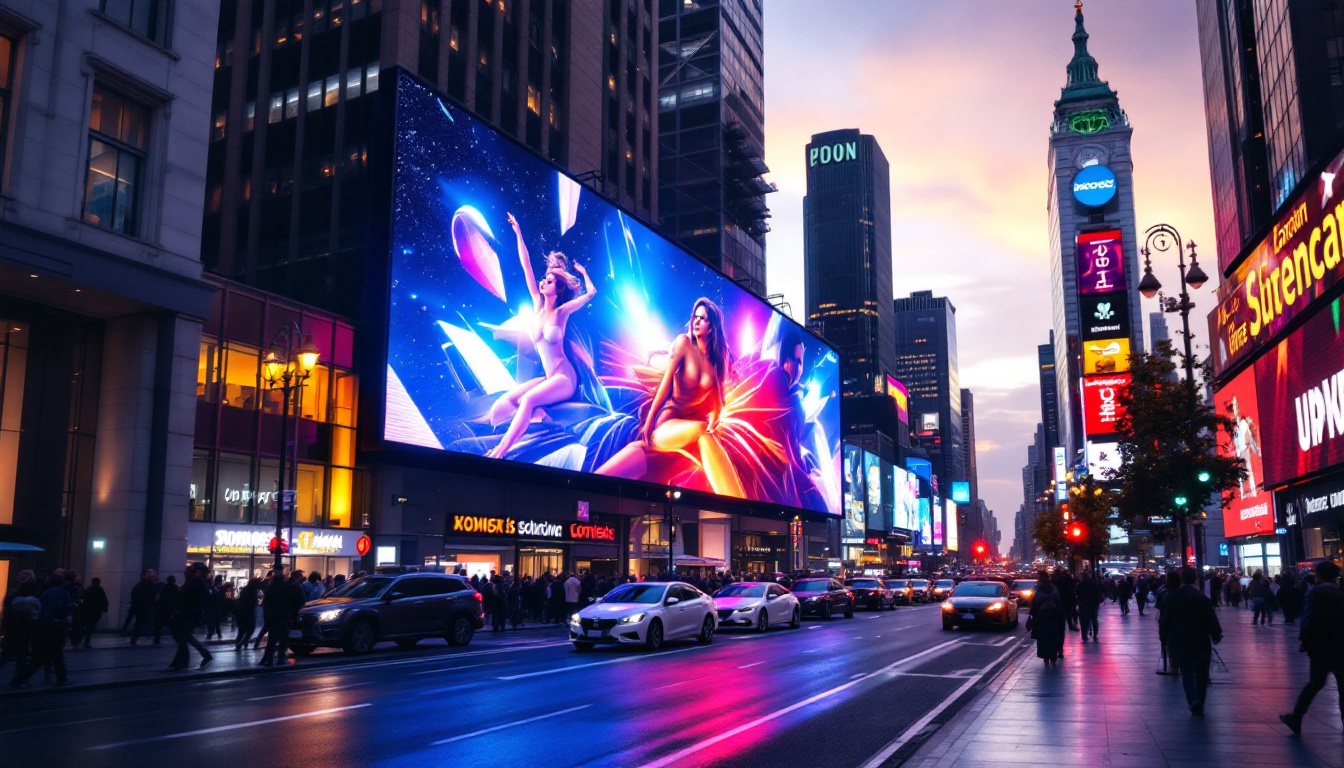
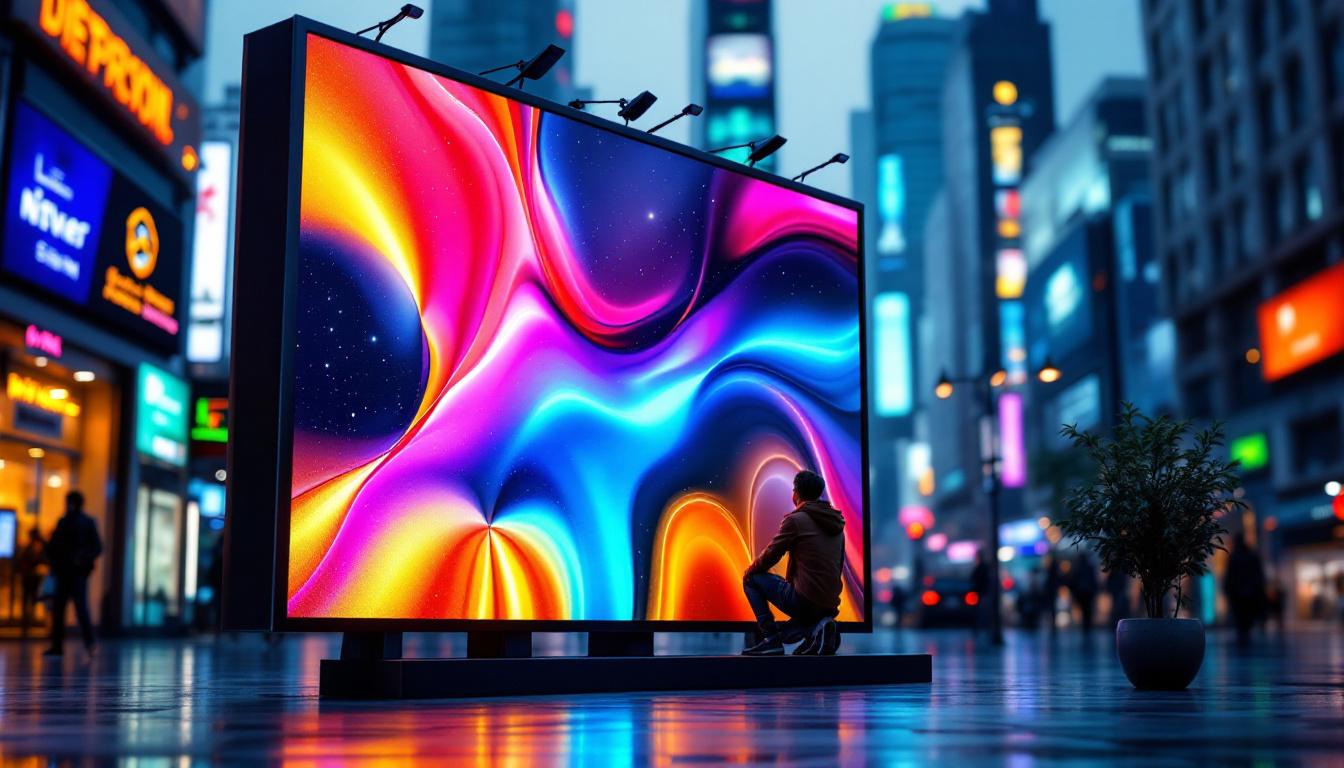
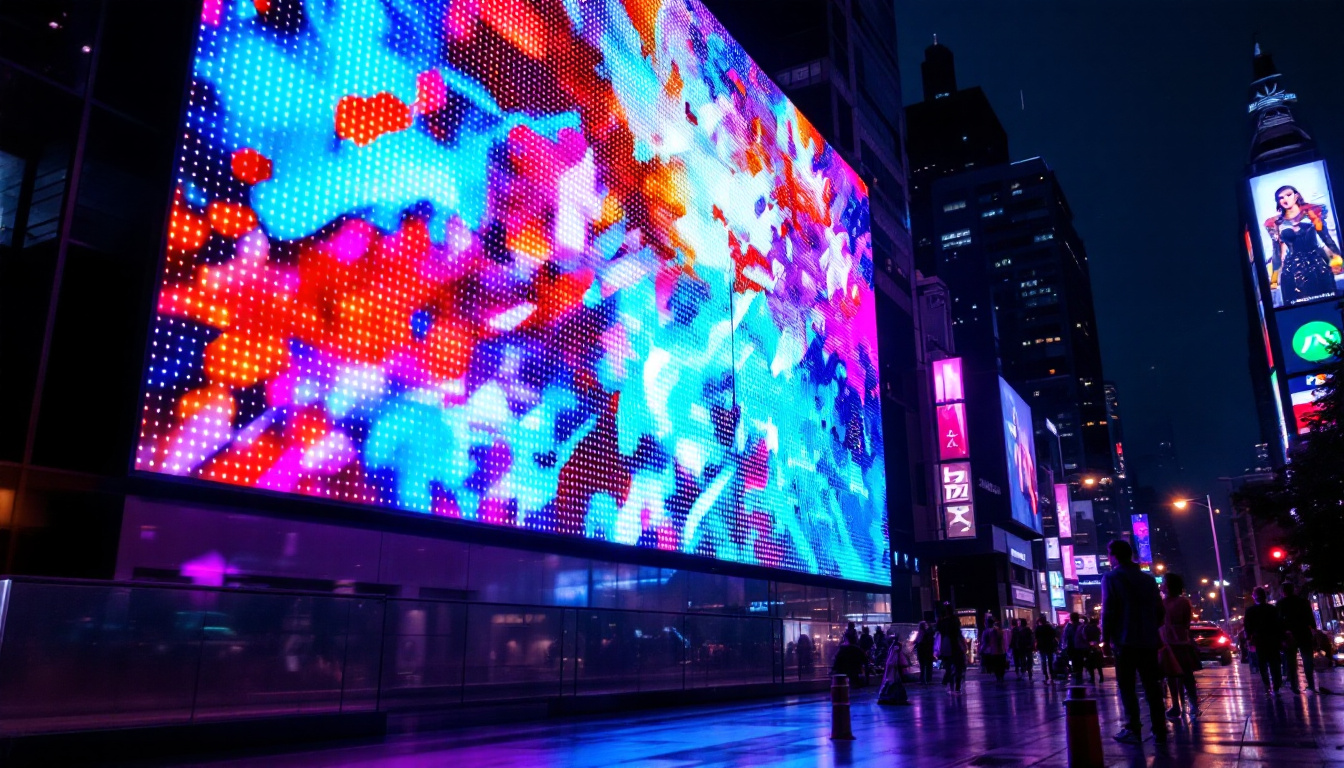
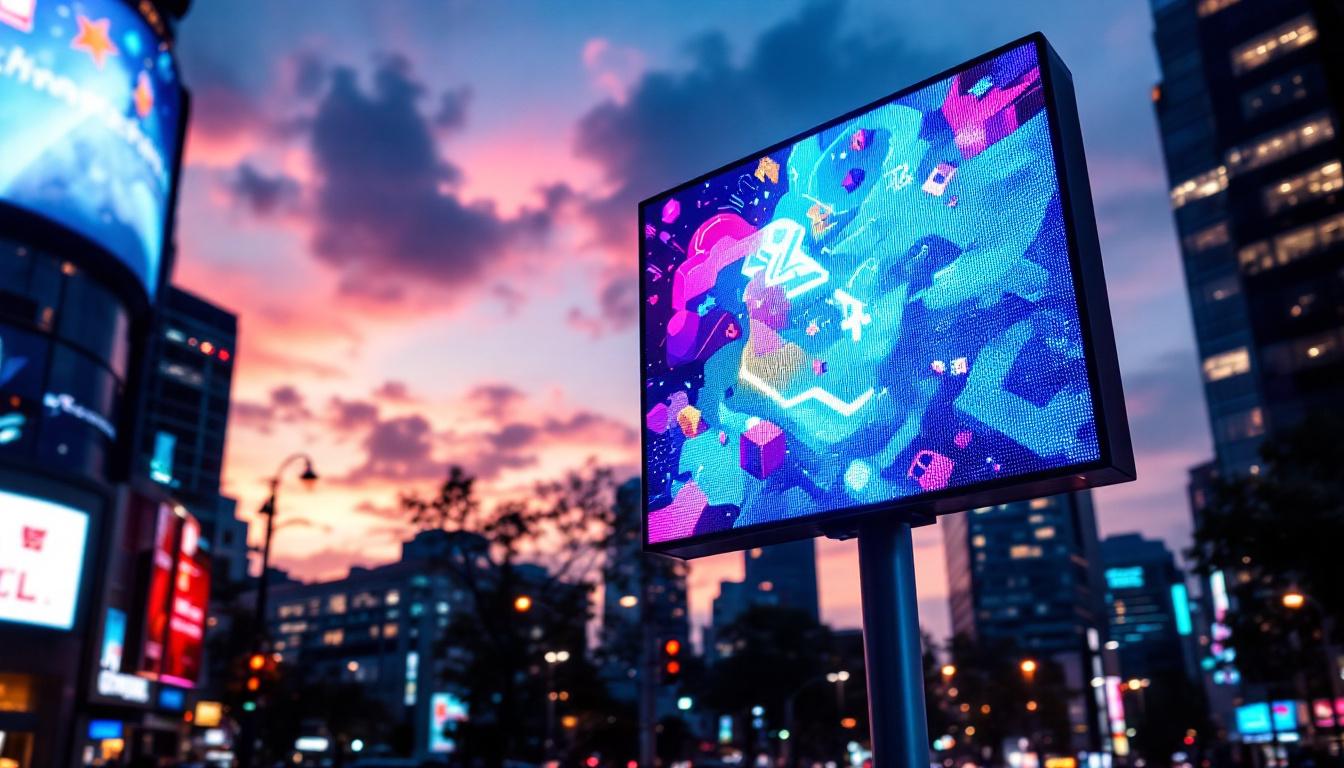
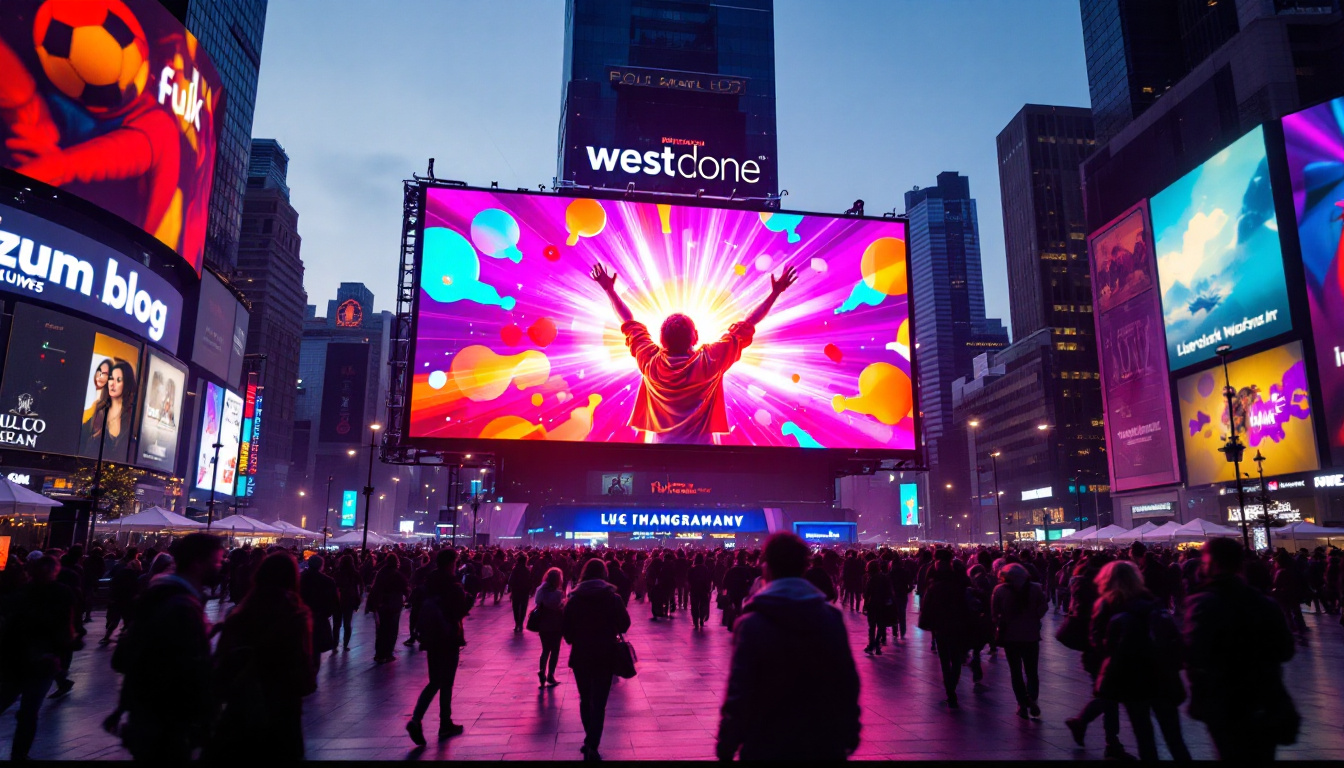
LED technology is widely used in various applications, from large-scale outdoor billboards to indoor video walls. The key advantage lies in its ability to produce bright, clear images even in well-lit environments, making it ideal for spaces where ambient light cannot be fully controlled.
How LED Displays Work
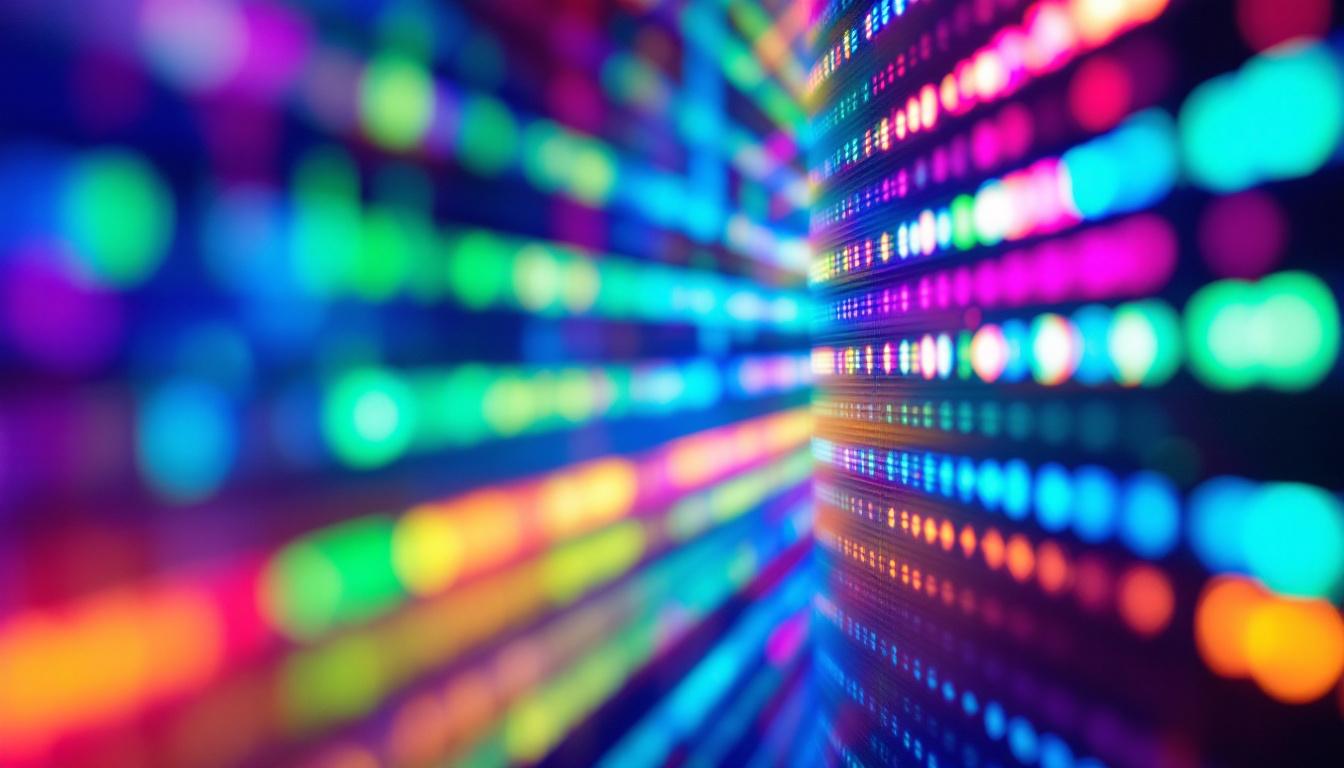
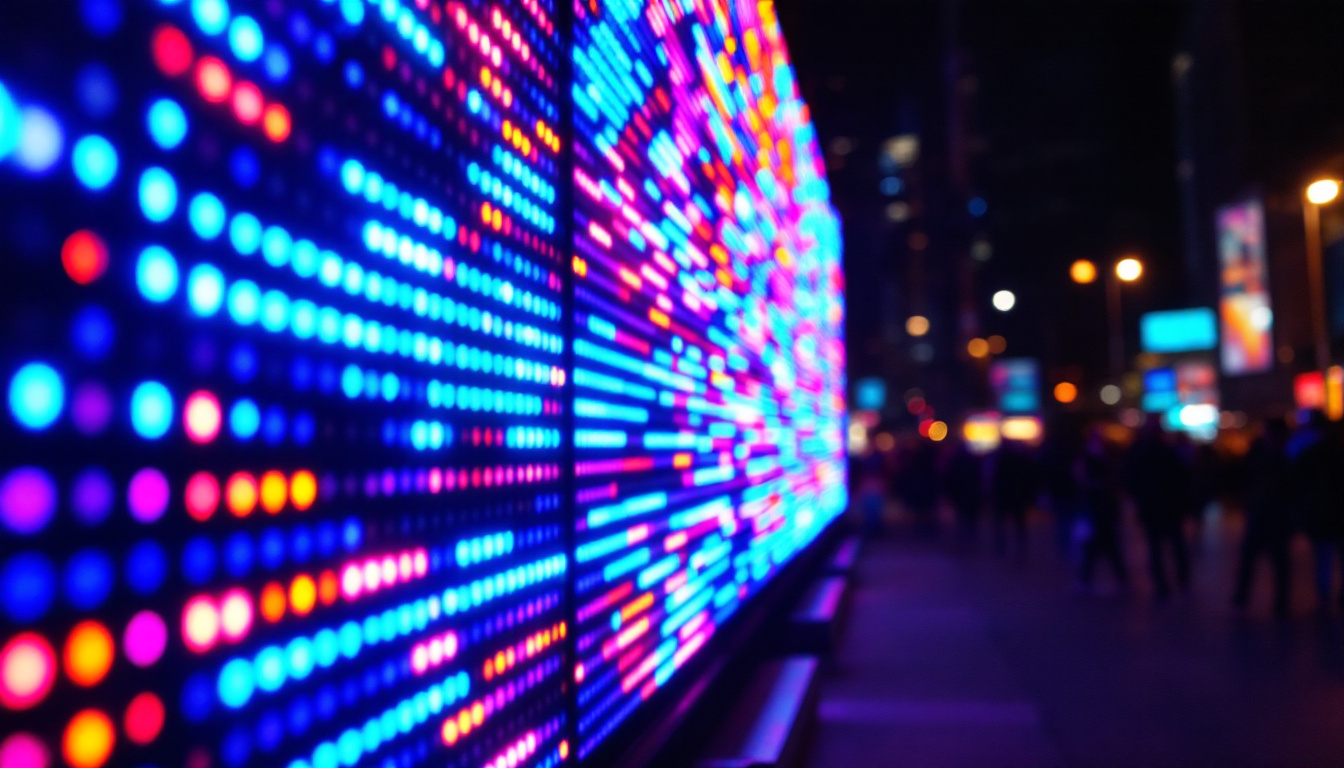
Each LED display consists of thousands to millions of individual diodes arranged in a grid. These diodes emit light in red, green, and blue (RGB) colors, which combine to produce a full spectrum of colors. By adjusting the intensity of each diode, the display can render detailed images and videos with high contrast and vibrant colors.
Unlike projection systems that rely on reflecting light off a wall, LED displays are self-illuminating. This means the image quality is not affected by the color or texture of the wall, providing consistent and reliable visuals.
Types of LED Displays for Wall Projection
There are several types of LED displays suited for projecting images on walls, each with unique characteristics:
- Direct View LED Panels: These are modular panels that can be assembled to create large video walls. They are often used in commercial settings and can be mounted directly on walls.
- LED Video Walls: Composed of multiple LED panels, these walls offer seamless, high-resolution displays ideal for advertising, events, and control rooms.
- Transparent LED Screens: These innovative displays allow light to pass through, making them suitable for glass walls or windows while still projecting images.
Benefits of Using LED Displays for Wall Projection
Choosing LED displays for projecting images on a wall comes with numerous advantages that make them stand out compared to traditional projection methods.
Superior Brightness and Visibility
One of the most significant benefits of LED displays is their exceptional brightness. While traditional projectors struggle in brightly lit rooms, LED displays maintain image clarity and vibrancy regardless of ambient light. This makes them suitable for both indoor and outdoor use, where lighting conditions can vary dramatically.
Enhanced Image Quality and Color Accuracy
LED technology offers superior color reproduction, delivering images with rich, saturated colors and deep blacks. This level of color accuracy is essential for applications such as digital signage, art displays, and presentations where visual impact matters.
Energy Efficiency and Longevity
LED displays consume less power compared to traditional projection systems that use high-intensity bulbs. Additionally, LEDs have a longer lifespan, often exceeding 50,000 hours of operation, reducing maintenance costs and downtime.
Flexibility and Customization
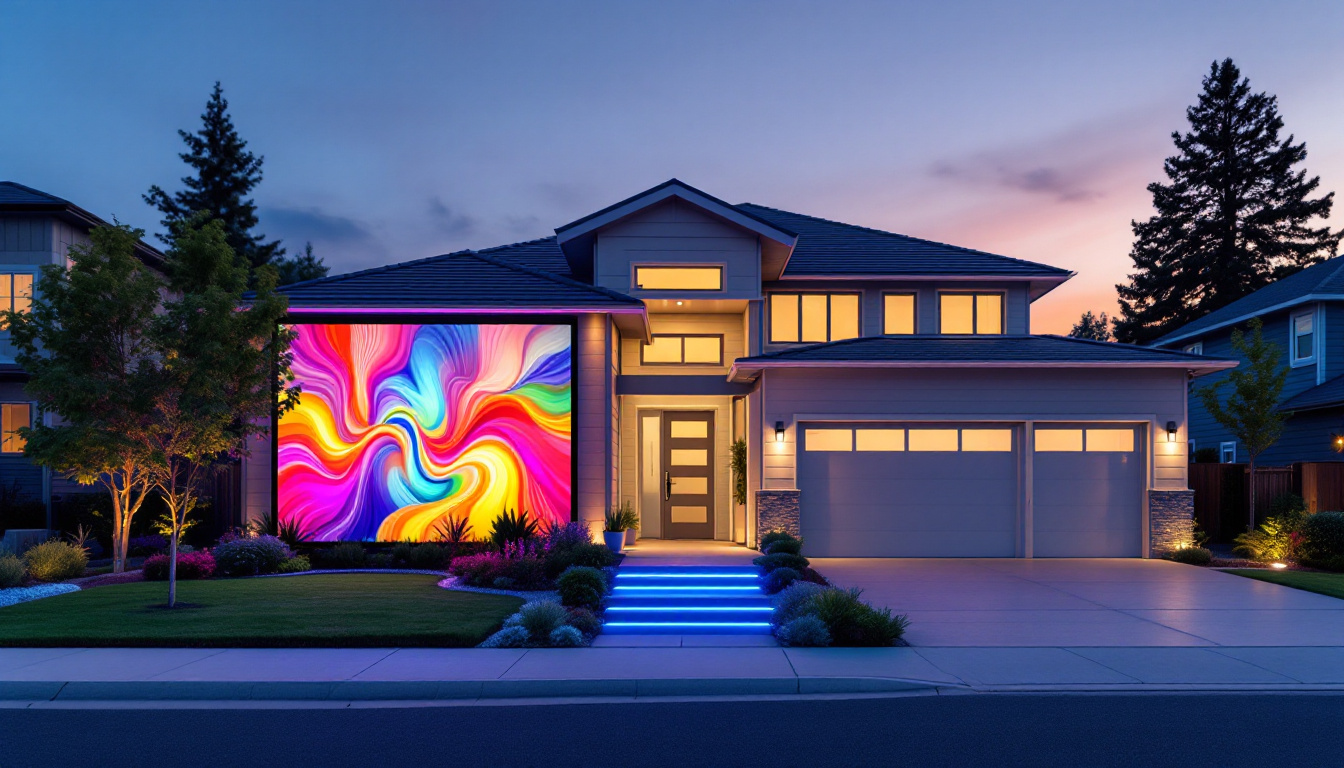
Modular LED panels can be configured to fit various wall sizes and shapes. This flexibility allows for creative installations, from small accent walls to massive video walls spanning entire building facades. Furthermore, transparent and flexible LED displays open new possibilities for innovative designs.
How to Project Images on a Wall Using LED Displays
Setting up an LED display to project images on a wall requires careful planning and execution. The following steps outline the process to ensure optimal image quality and performance.
1. Assess the Wall and Environment
Before selecting an LED display, evaluate the wall’s surface, size, and location. Consider the wall’s material—whether it is smooth, textured, painted, or glass—as this influences mounting options and display type. Also, analyze ambient lighting conditions, as this will affect brightness requirements.
2. Choose the Appropriate LED Display Type
Select an LED display that suits your application:
- Indoor vs. Outdoor: Indoor LED panels are designed for controlled environments, while outdoor models are weather-resistant and brighter.
- Resolution and Pixel Pitch: Pixel pitch—the distance between LEDs—determines image sharpness. Smaller pixel pitches offer higher resolution, essential for close viewing distances.
- Size and Aspect Ratio: Determine the display dimensions and aspect ratio that fit your wall and content requirements.
3. Prepare the Wall and Mounting Structure
Ensure the wall can support the weight of the LED panels. For heavy or large installations, professional mounting structures may be necessary. The surface should be clean and level to avoid alignment issues.
4. Install the LED Display Panels
Assemble the LED panels according to manufacturer instructions. Modular panels typically have locking mechanisms to ensure tight seams and uniform image display. Proper alignment is crucial to avoid visible gaps or misaligned pixels.
5. Connect Power and Data Sources
LED displays require reliable power supplies and data inputs. Connect the panels to a control system—often a media player or computer—that manages the image content. Use high-quality cables and ensure proper cable management to maintain safety and aesthetics.
6. Calibrate and Configure the Display
Calibrate brightness, contrast, and color settings to match the environment and desired visual effect. Many LED displays come with software tools for fine-tuning image parameters and managing content playlists.
7. Test the System
Run test images and videos to verify image quality, alignment, and responsiveness. Address any issues such as dead pixels, color inconsistencies, or connectivity problems before regular use.
Practical Applications of LED Wall Projection
LED wall displays have found applications across diverse sectors, each leveraging the technology’s strengths to enhance communication and engagement.
Home Entertainment and Media Rooms
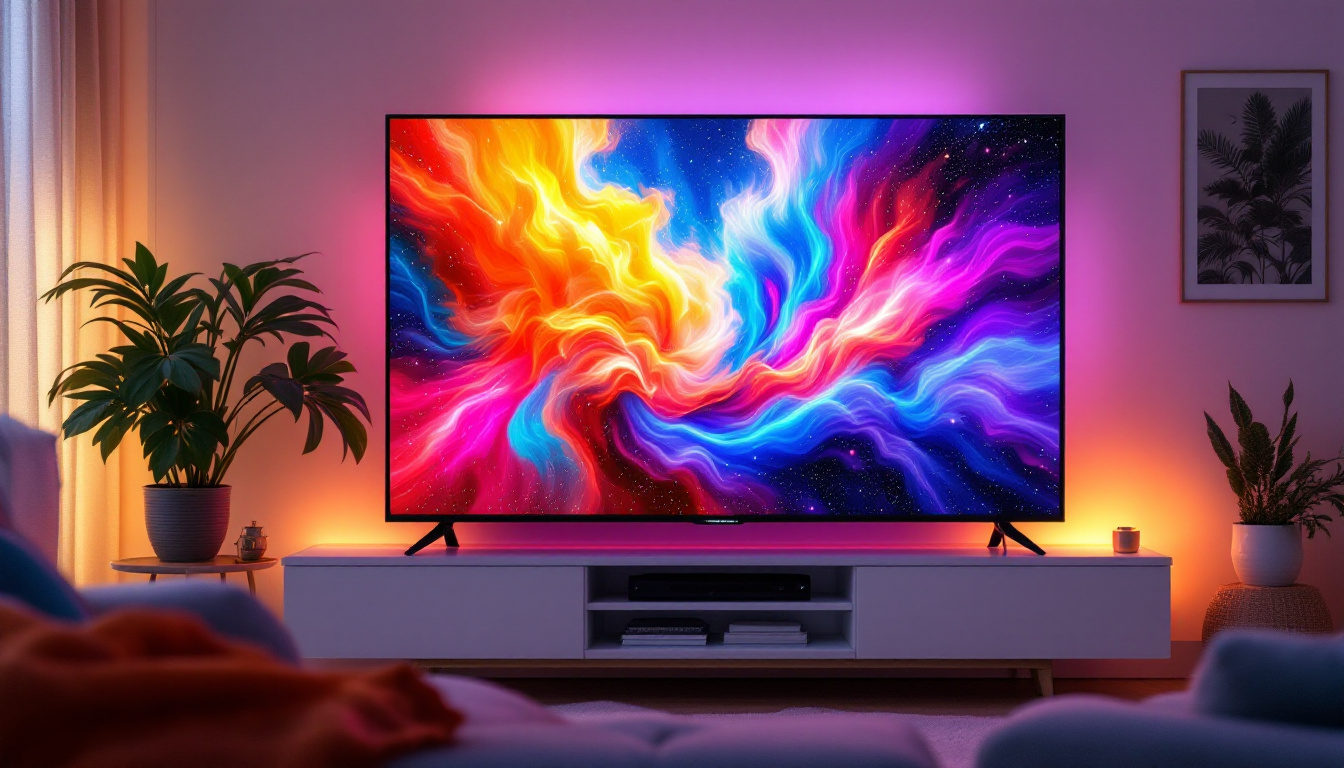
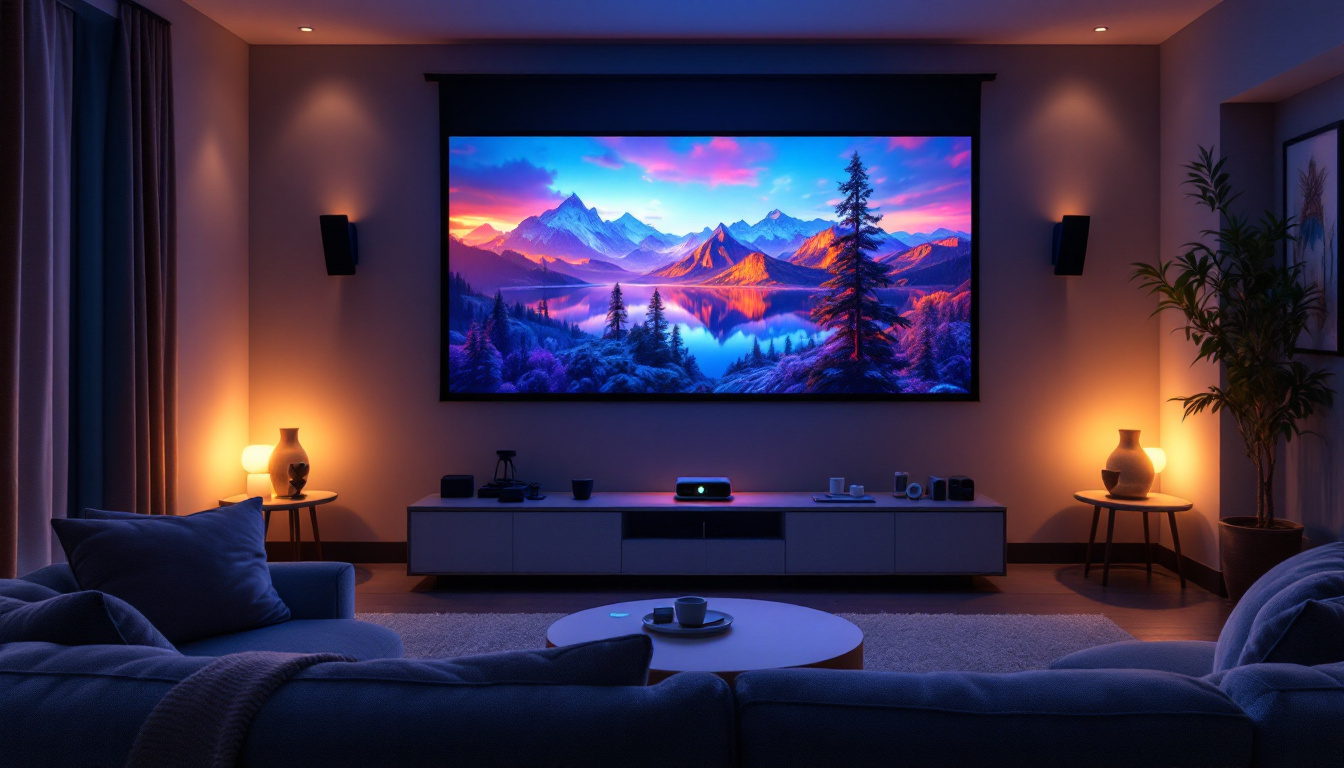
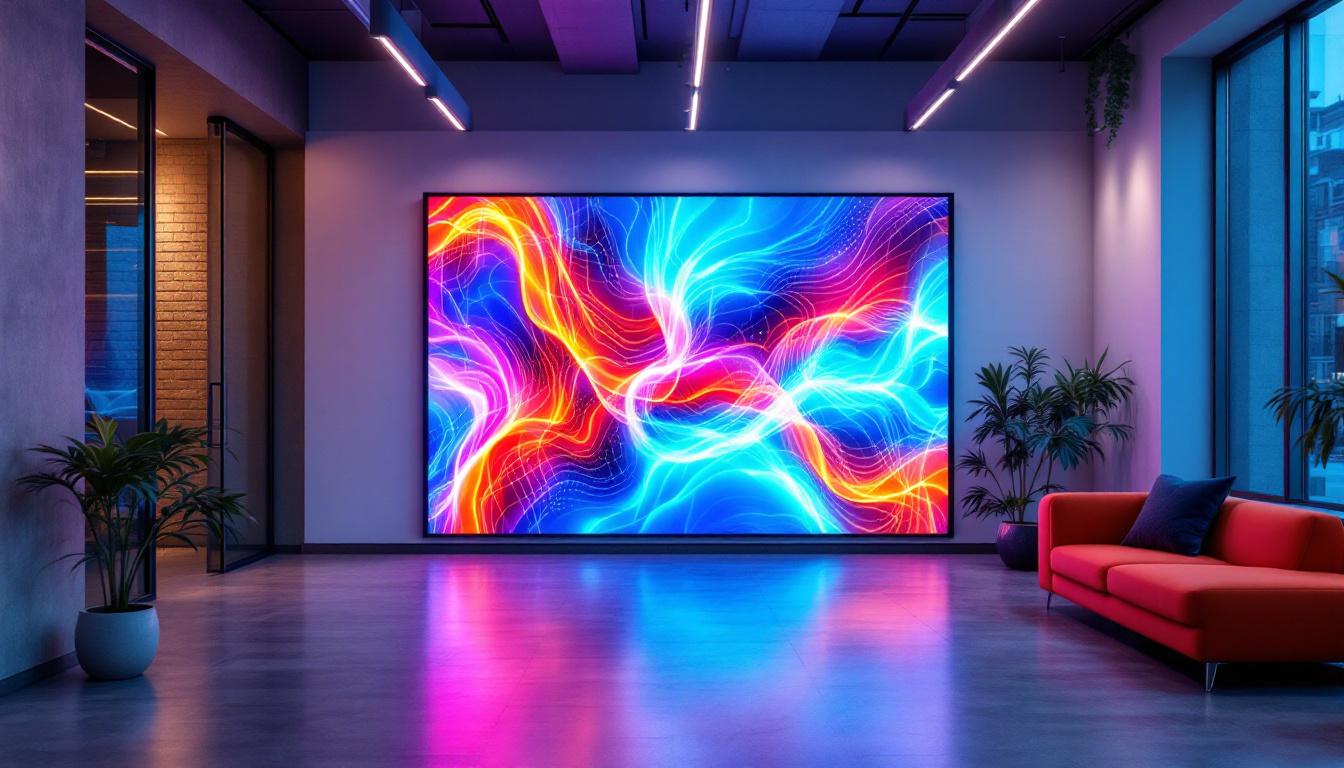
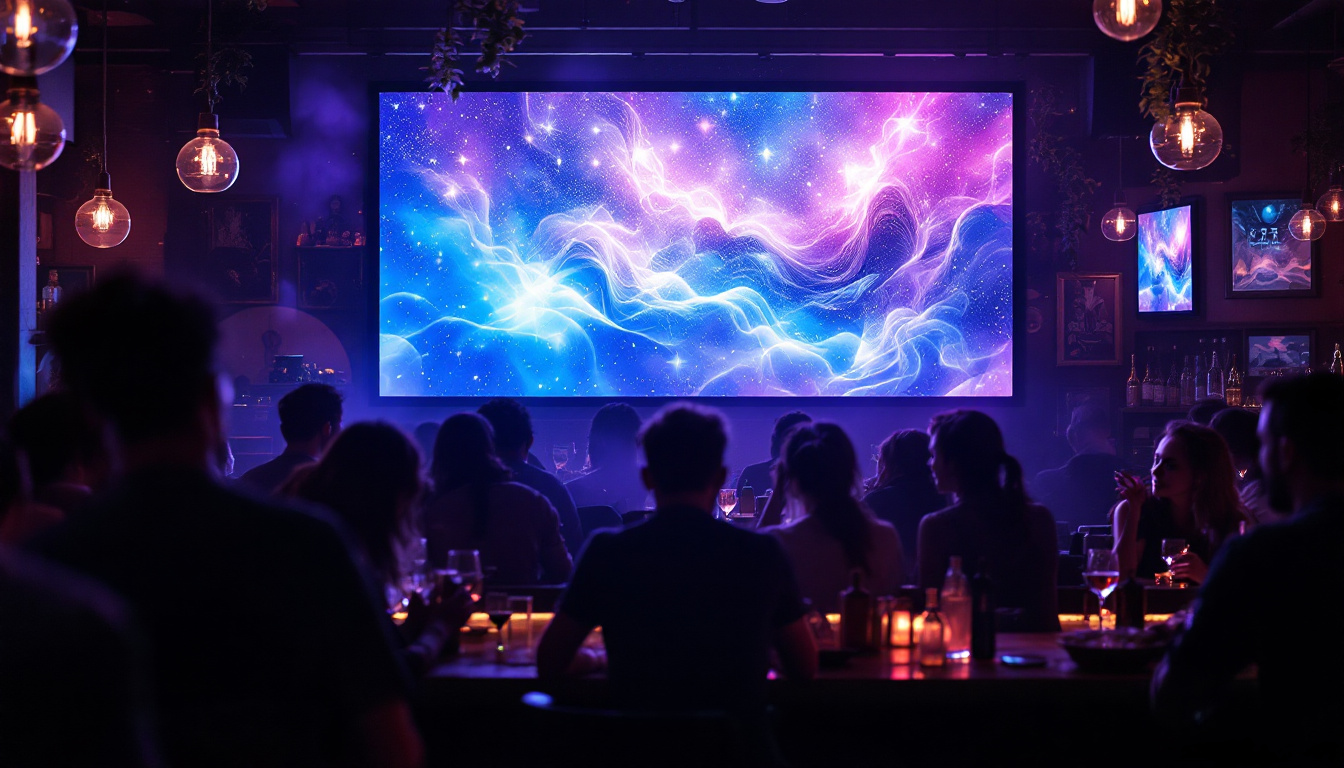
LED displays are increasingly popular for home theaters and media rooms, offering cinema-quality visuals without the need for darkened rooms. Their slim profile and modular design allow for custom installations that blend seamlessly with interior décor.
Corporate and Educational Presentations
Businesses and educational institutions use LED video walls for dynamic presentations, interactive displays, and digital signage. The high brightness and clarity ensure that content is visible even in large auditoriums or brightly lit conference rooms.
Retail and Advertising
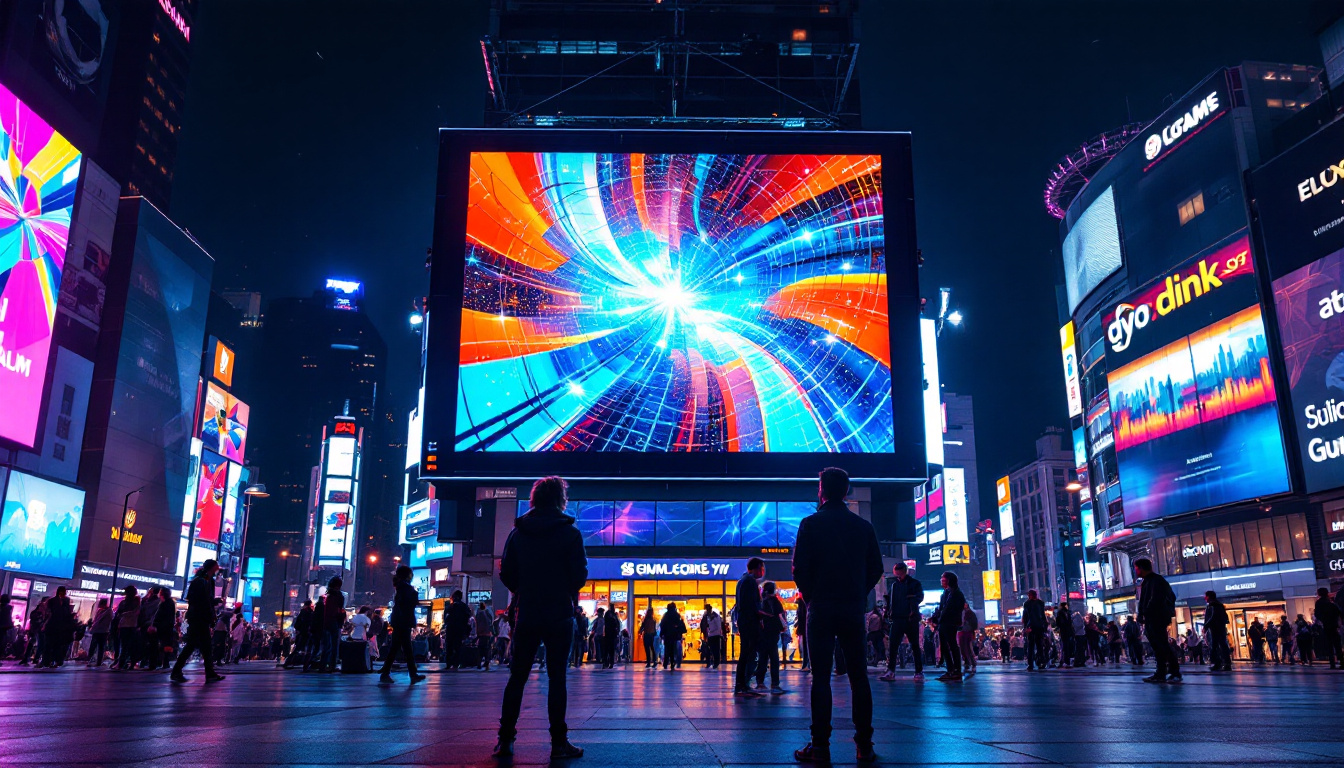
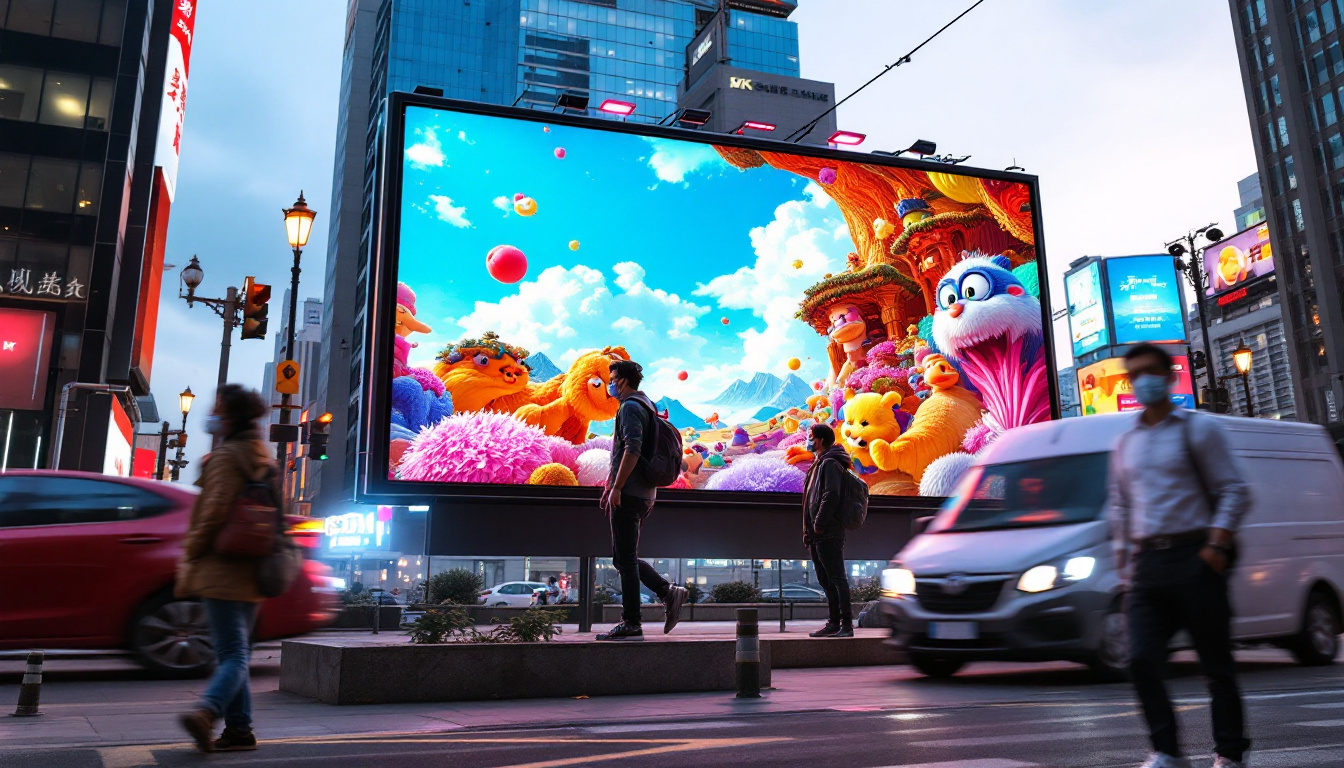
Retailers utilize LED displays to attract customers with eye-catching advertisements and promotions. Outdoor LED billboards and in-store video walls create immersive shopping experiences that drive sales.
Art and Cultural Installations
Artists and museums employ LED technology for digital art exhibits and interactive installations. The ability to display high-resolution, vibrant images enhances storytelling and audience engagement.
Tips for Optimizing LED Image Projection on Walls
To maximize the impact of your LED wall projection, consider the following best practices:
Maintain Proper Viewing Distance
The optimal viewing distance depends on the pixel pitch and resolution of the LED display. For example, a pixel pitch of 2.5mm is suitable for viewing distances of around 2.5 meters or more. Ensuring viewers are positioned correctly enhances perceived image sharpness.
Control Ambient Lighting
Although LED displays perform well in various lighting conditions, controlling ambient light can improve contrast and reduce glare. Use curtains, blinds, or lighting adjustments to create the best viewing environment.
Regular Maintenance and Cleaning
Dust and dirt can accumulate on LED panels, affecting brightness and color quality. Regular cleaning with appropriate materials and techniques prolongs display life and maintains image quality.
Use High-Quality Content
Displaying high-resolution images and videos ensures the LED display’s capabilities are fully utilized. Avoid low-quality or compressed content that may appear pixelated or blurry.
Leverage Professional Installation Services
For large or complex installations, engaging professional installers ensures safety, proper calibration, and optimal performance. Experts can also provide ongoing support and maintenance.
Comparing LED Displays with Traditional Projectors
Understanding the differences between LED displays and traditional projectors helps in selecting the right technology for your needs.
Brightness and Image Quality
LED displays generally offer higher brightness and better color accuracy than projectors, especially in well-lit environments. Projectors may require darkened rooms to achieve similar image quality.
Installation and Space Requirements
Projectors need space for mounting and a clear line of sight to the projection surface. LED displays mount directly on walls, saving space and offering a sleek appearance.
Maintenance and Lifespan
Projectors rely on bulbs that have limited lifespan and require replacement. LED displays have longer lifespans and lower maintenance needs.
Cost Considerations
While LED displays have higher upfront costs, their durability and energy efficiency can lead to cost savings over time. Projectors are generally less expensive initially but may incur higher maintenance expenses.
Future Trends in LED Wall Projection
The LED display industry continues to innovate, with emerging trends shaping the future of image projection on walls.
MicroLED Technology
MicroLED displays, featuring even smaller diodes, promise ultra-high resolution and improved energy efficiency. This technology is expected to revolutionize both consumer and commercial display markets.
Flexible and Curved LED Panels
Advancements in flexible LED panels enable curved and irregularly shaped displays, expanding creative possibilities for wall projections.
Integration with Smart Technologies
Smart LED displays integrated with IoT and AI capabilities allow dynamic content adaptation based on audience interaction and environmental factors.
Conclusion
Projecting images on a wall using LED displays offers unparalleled brightness, color accuracy, and flexibility compared to traditional projection methods. Whether for home entertainment, business, or creative installations, understanding the technology and best practices ensures stunning visual experiences. As LED technology continues to advance, its applications and capabilities will only expand, making it an exciting choice for anyone looking to transform walls into vibrant digital canvases.
Discover LumenMatrix LED Display Solutions
Ready to elevate your visual experience with the latest in LED display technology? LumenMatrix is at the forefront of innovation, offering a diverse range of LED display solutions tailored to your needs. From captivating Indoor and Outdoor LED Wall Displays to dynamic Vehicle and Sports LED Displays, our products are designed to make your brand shine. Immerse your audience with our LED Poster, Floor, and Custom Displays, or simplify your setup with our All-in-One and Transparent LED options. Embrace the future of visual communication with LumenMatrix and create unforgettable impressions. Check out LumenMatrix LED Display Solutions today and transform your space into a vibrant digital canvas.