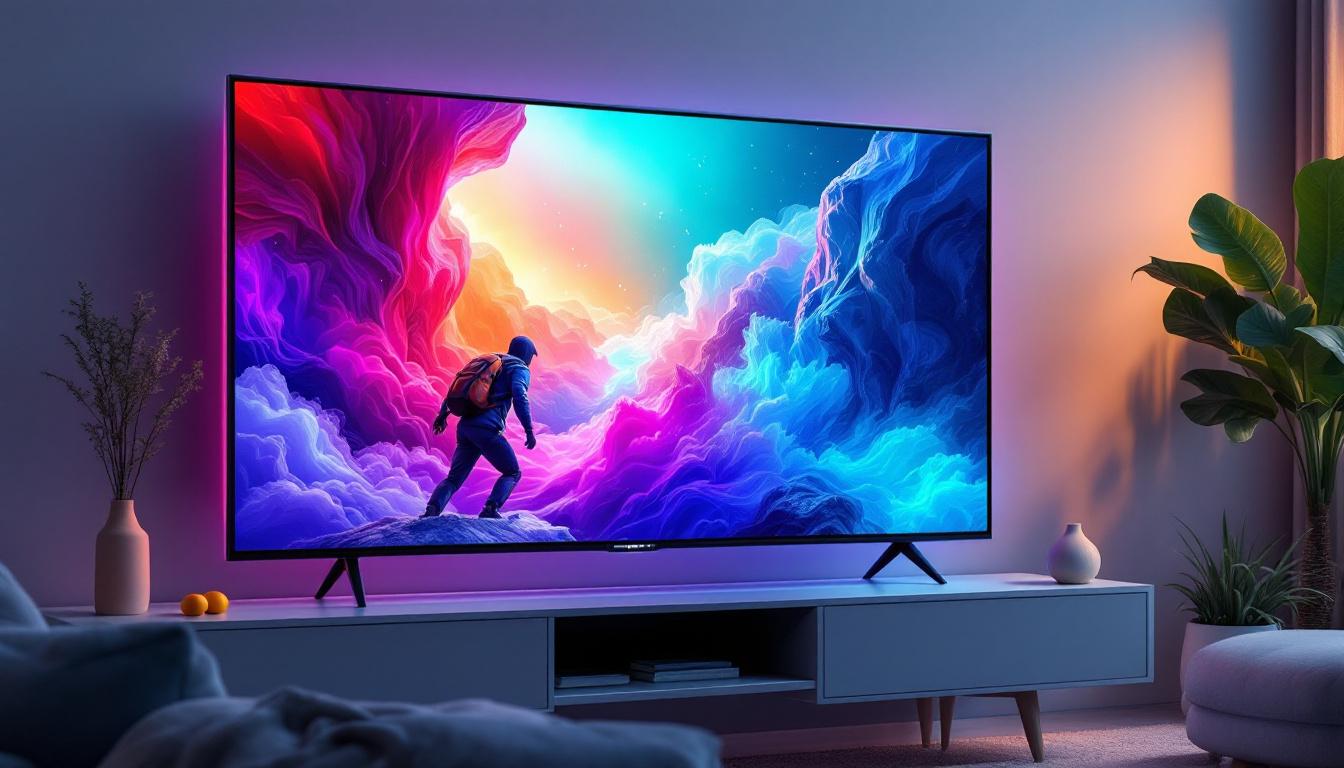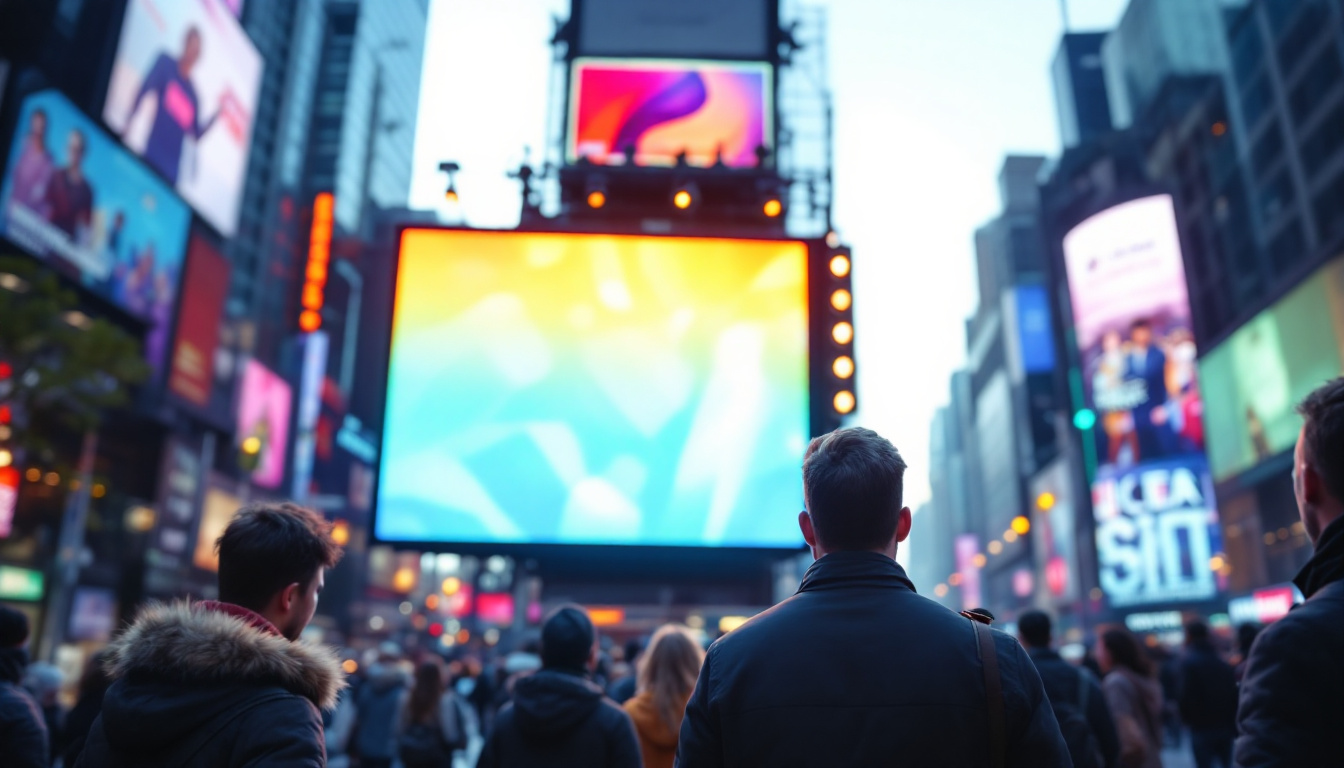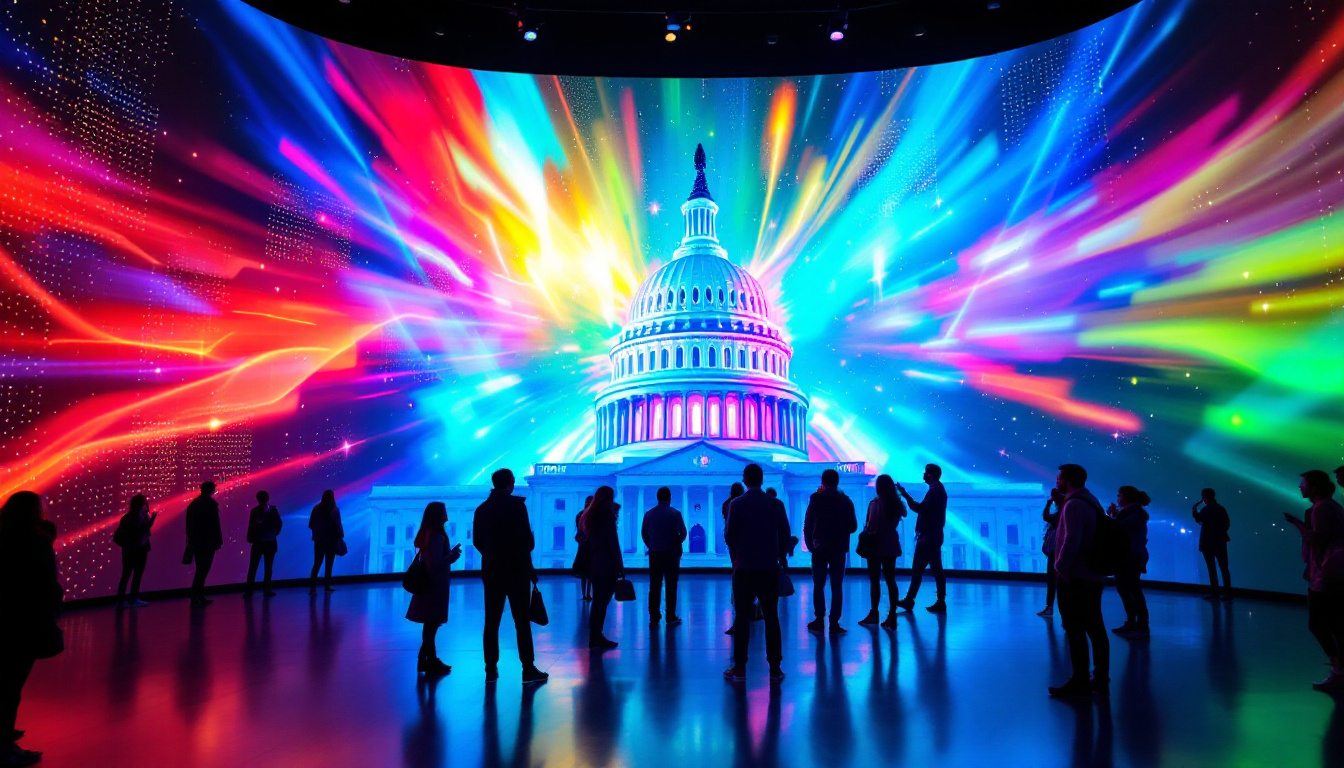
In an era where visual communication dominates marketing, advertising, and entertainment, LED displays have become a cornerstone technology. From colossal stadium screens to sleek retail signage, LED displays offer vibrant, dynamic visuals that capture attention and convey messages with clarity and impact. This article delves into the world of LED displays, exploring their technology, applications, benefits, and future trends to provide a comprehensive understanding of why they are integral to modern interactive experiences.
Understanding LED Display Technology
What is an LED Display?
LED stands for Light Emitting Diode, a semiconductor device that emits light when an electric current passes through it. An LED display is essentially a matrix of these tiny diodes arranged to form images, videos, or text. Unlike traditional LCD or projection screens, LED displays generate their own light, making them exceptionally bright and visible even in direct sunlight.
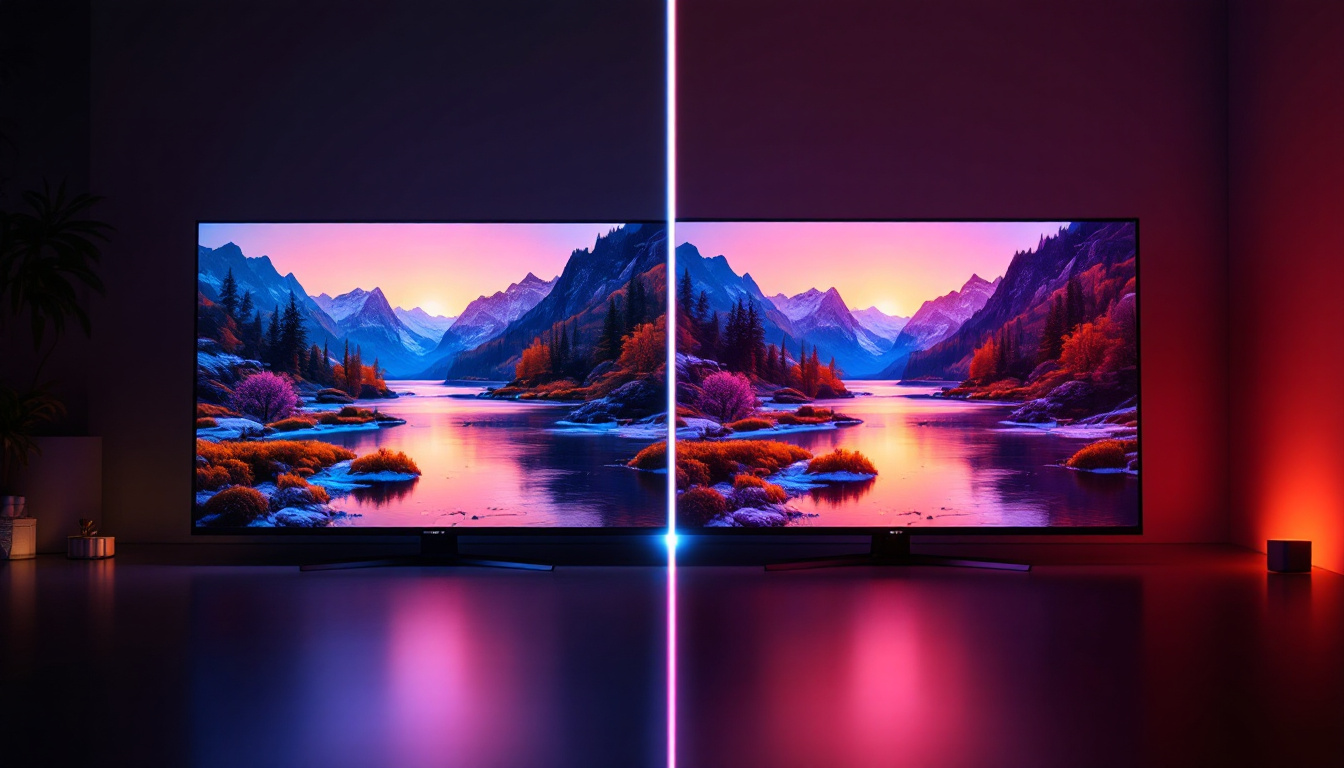
The core advantage of LED technology lies in its efficiency and scalability. By controlling the intensity of individual diodes, LED displays can produce a wide color gamut and high contrast ratios, delivering sharp, vivid images. These displays can range from small indoor panels to massive outdoor billboards spanning thousands of square feet. Furthermore, LED displays are known for their longevity and durability, often lasting tens of thousands of hours, which significantly reduces maintenance costs and the frequency of replacements.
Another noteworthy aspect of LED displays is their energy efficiency. Compared to traditional lighting technologies, LEDs consume significantly less power, making them a more sustainable choice for both commercial and residential applications. This energy efficiency not only lowers operational costs but also contributes to a reduced carbon footprint, aligning with global efforts towards greener technology solutions.
Types of LED Displays
LED displays come in various forms, tailored to different environments and purposes. The primary types include:
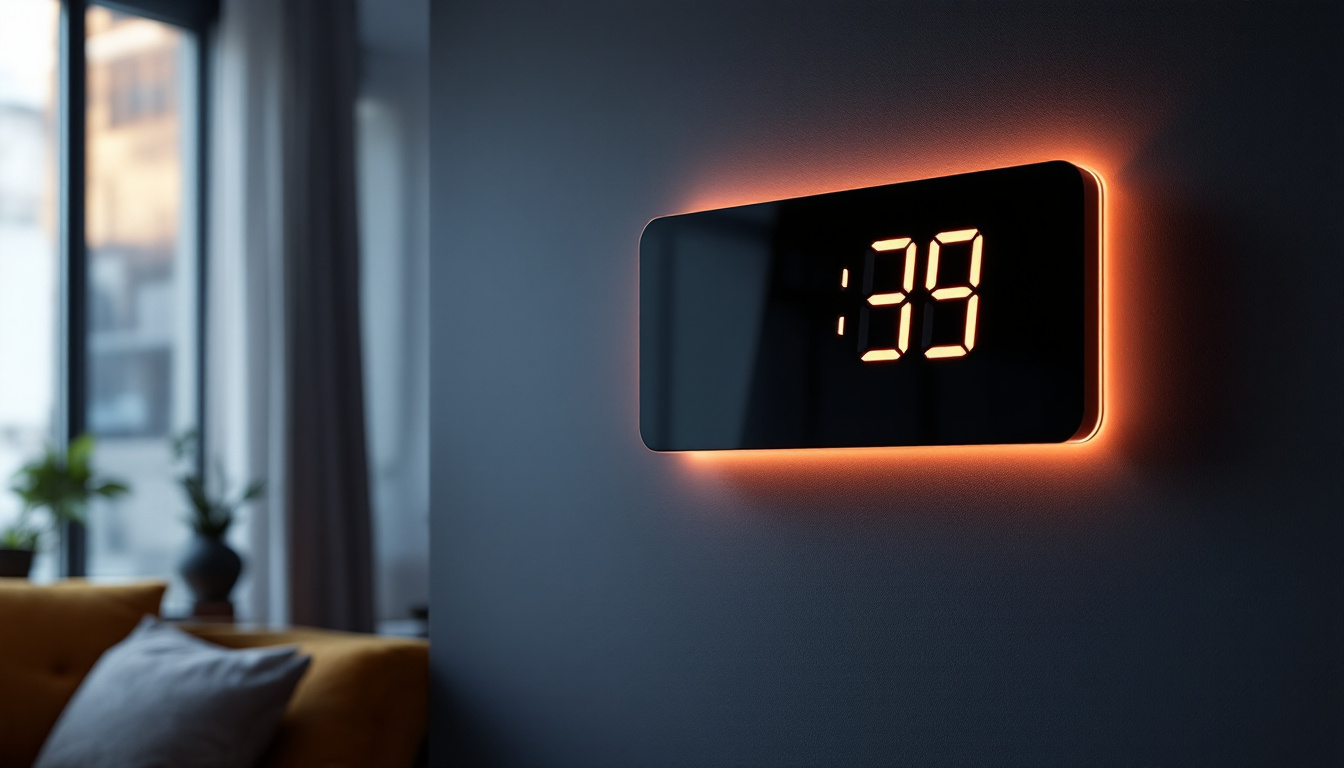
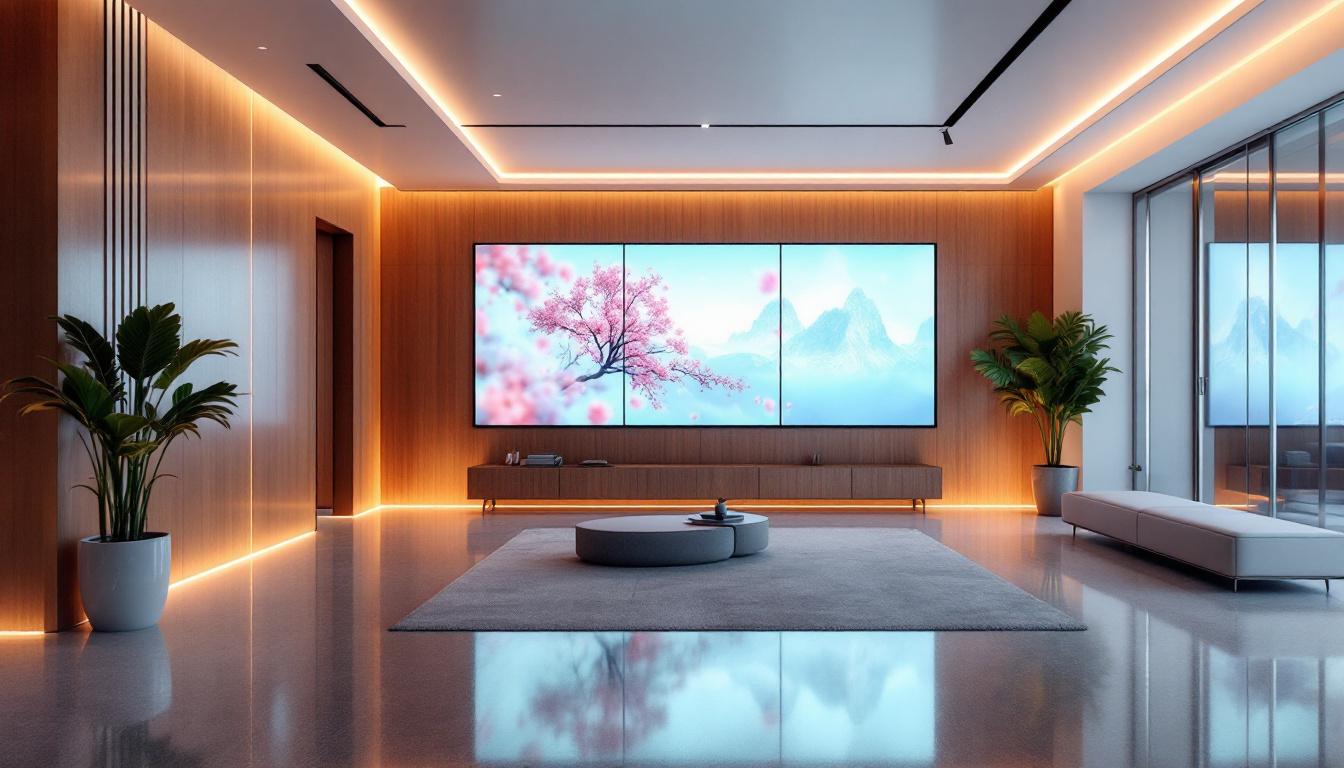
- Indoor LED Displays: Designed for controlled lighting environments, these displays have smaller pixel pitches (distance between diodes), offering high resolution and fine detail. They are commonly used in conference rooms, retail stores, and event venues. The vibrant colors and crisp images make them ideal for presentations and advertising, ensuring that messages are communicated effectively.
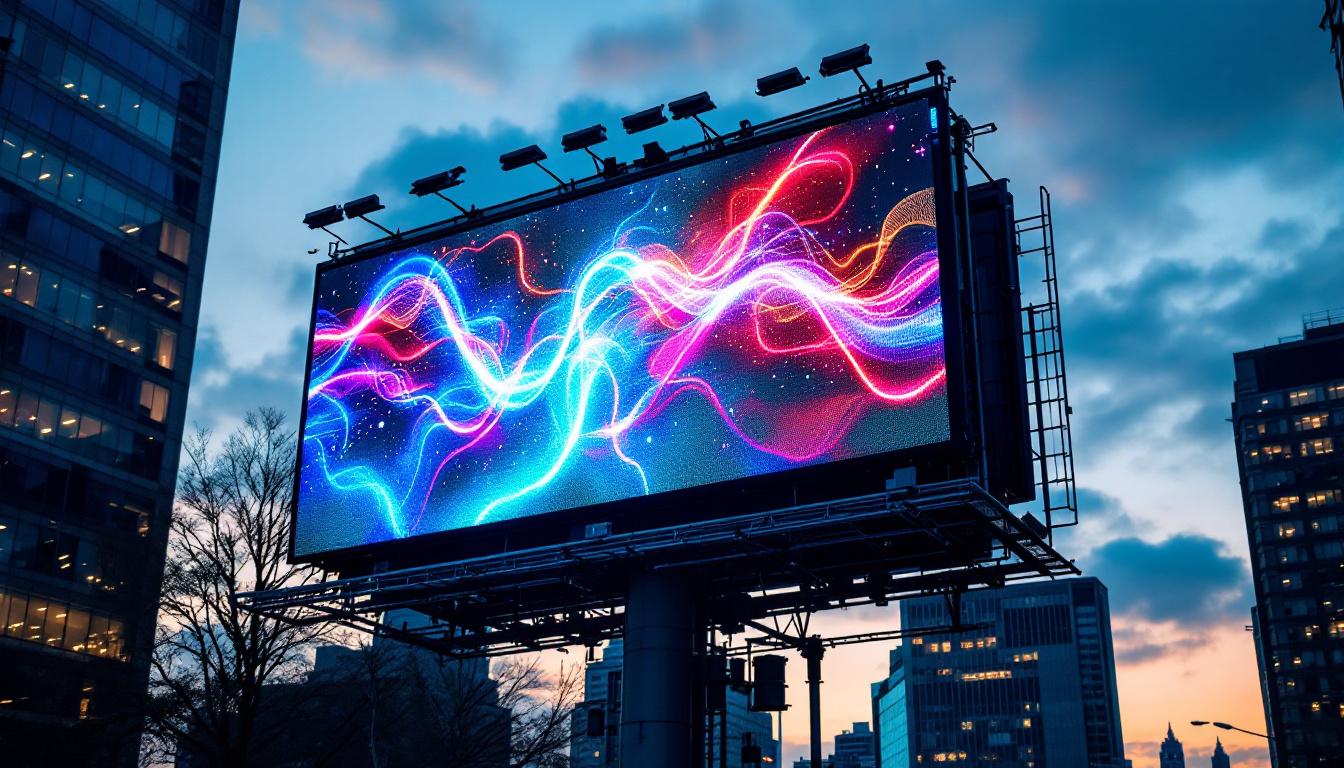
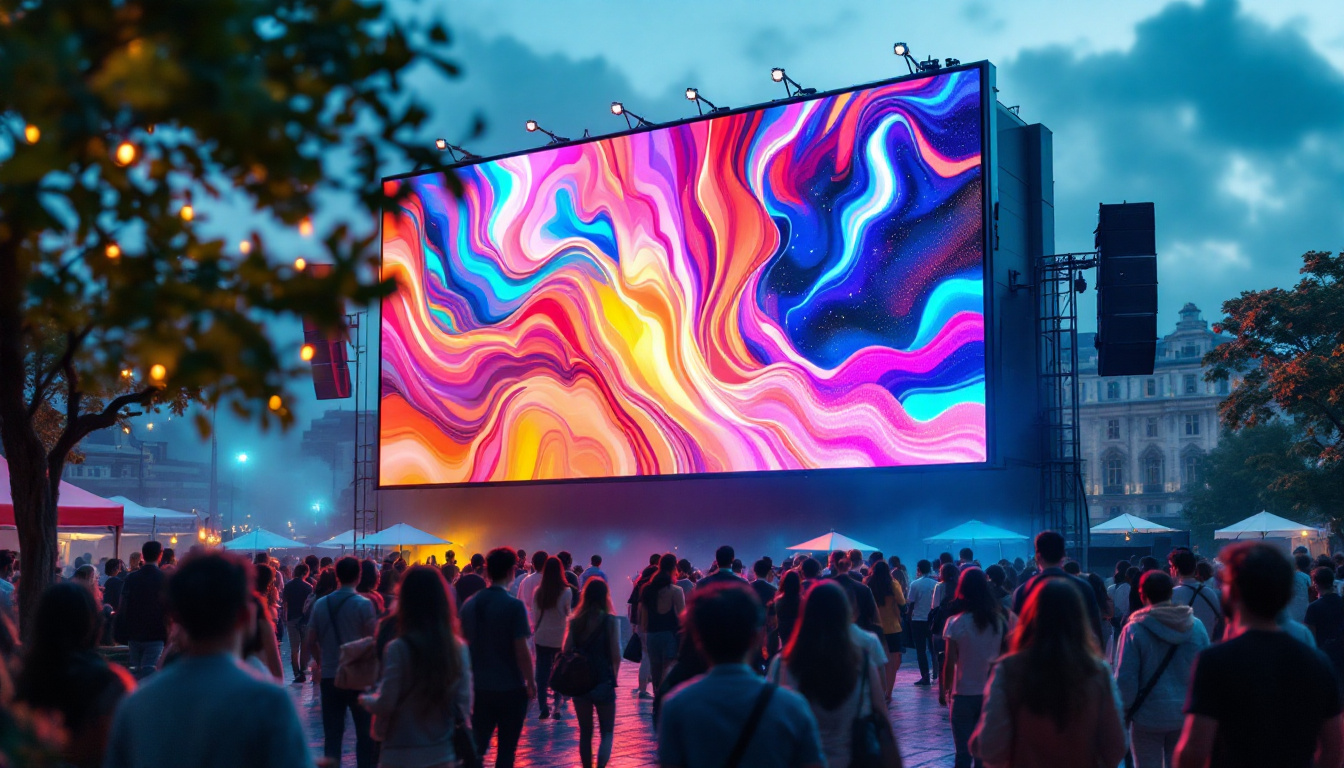
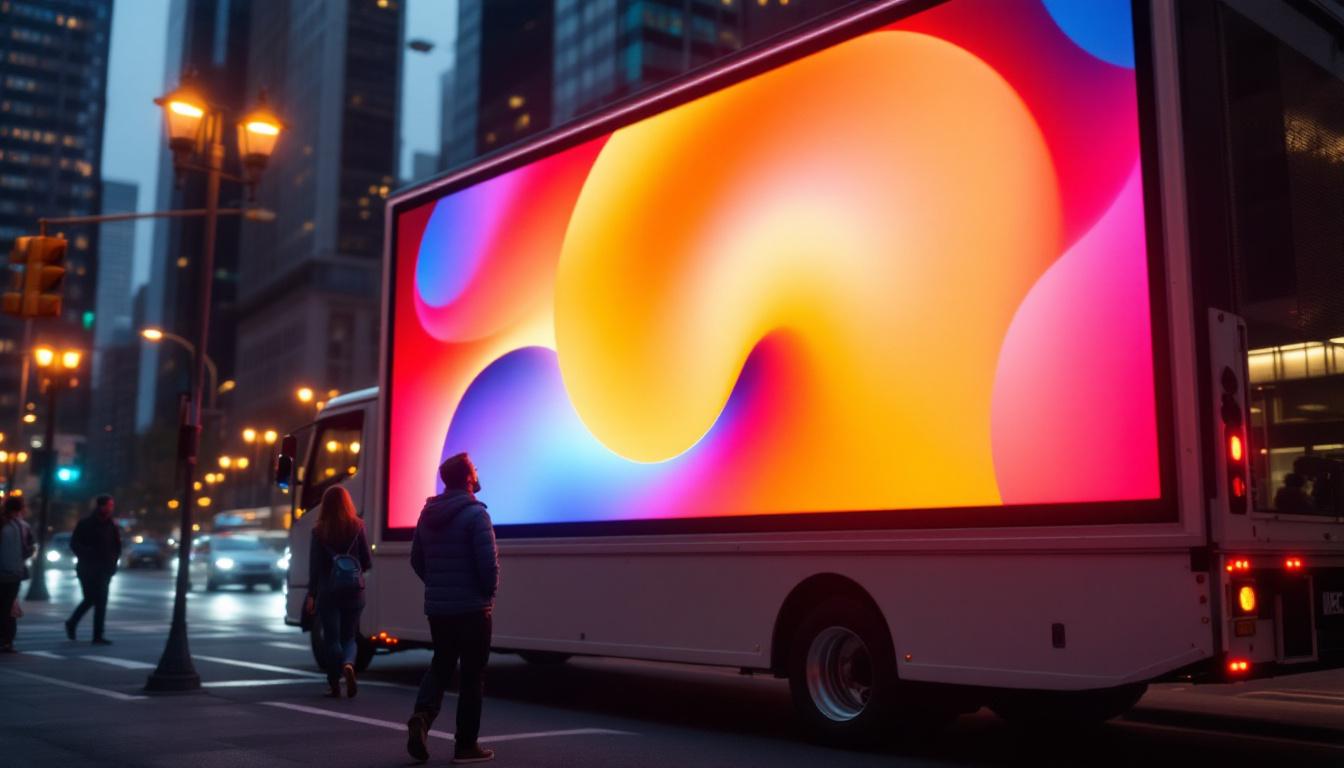
- Outdoor LED Displays: Built to withstand weather conditions, these displays feature larger pixel pitches for visibility from greater distances. They are used in stadiums, transportation hubs, and outdoor advertising. With advancements in technology, many outdoor LED displays now come with enhanced features such as automatic brightness adjustment, allowing them to maintain optimal visibility regardless of changing light conditions.
- Transparent LED Displays: These innovative screens allow light to pass through, making them ideal for storefront windows and architectural installations where visibility from both sides is desired. This unique characteristic not only enhances aesthetic appeal but also enables businesses to showcase products while maintaining an open and inviting atmosphere.
- Flexible LED Displays: Utilizing bendable substrates, these displays can conform to curved surfaces, opening new creative possibilities in design and interactivity. This flexibility allows for unique installations in various settings, from art exhibits to immersive environments, where traditional rigid displays would be impractical.
In addition to these types, LED technology continues to evolve, with innovations such as microLED and miniLED displays on the horizon. MicroLED technology, for instance, promises even higher resolutions and improved color accuracy by utilizing microscopic LEDs, paving the way for ultra-high-definition displays that can be used in everything from consumer electronics to large-scale installations. As the demand for high-quality visual experiences grows, the versatility and adaptability of LED displays position them as a cornerstone of modern visual communication.
Key Components and How LED Displays Work
Pixel Pitch and Resolution
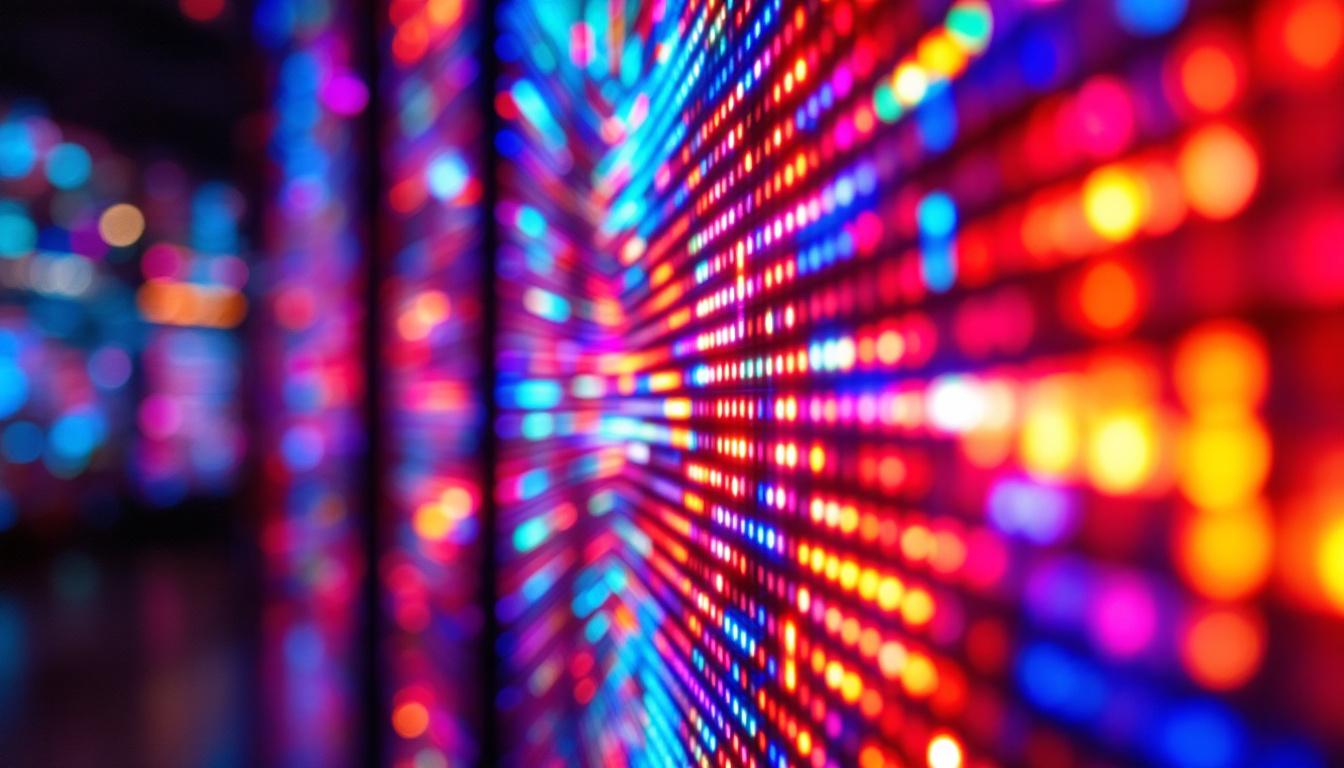
Pixel pitch is a critical factor in LED display quality. It refers to the distance between the centers of adjacent LEDs, typically measured in millimeters. A smaller pixel pitch means more LEDs per square meter, resulting in higher resolution and finer image detail. For example, an indoor display might have a pixel pitch of 1.5mm, while an outdoor billboard could have a pitch of 10mm or more.
Choosing the right pixel pitch depends on the viewing distance. Closer viewing requires higher resolution, while larger, distant displays can afford larger pixel pitches without compromising perceived image quality.
Color and Brightness Control
LED displays achieve color by combining red, green, and blue diodes at each pixel. By adjusting the intensity of these three colors, the display can produce millions of color variations. This RGB system allows for vibrant, true-to-life images.
Brightness is another vital aspect, especially for outdoor displays exposed to sunlight. Modern LED displays can reach brightness levels exceeding 5,000 nits, ensuring visibility even in bright daylight. Additionally, sensors can adjust brightness dynamically to optimize energy use and viewing comfort.
Driving Electronics and Software
Behind the scenes, LED displays rely on complex driving electronics that control each diode’s timing and intensity. These systems synchronize the display to input video signals, managing refresh rates and color accuracy to prevent flicker and distortion.
Software platforms enable content management, allowing users to schedule, update, and customize the displayed content remotely. Advanced interactive LED displays integrate sensors and cameras to respond to audience engagement, creating immersive experiences.
Applications of LED Displays in Interactive Environments
Advertising and Digital Signage
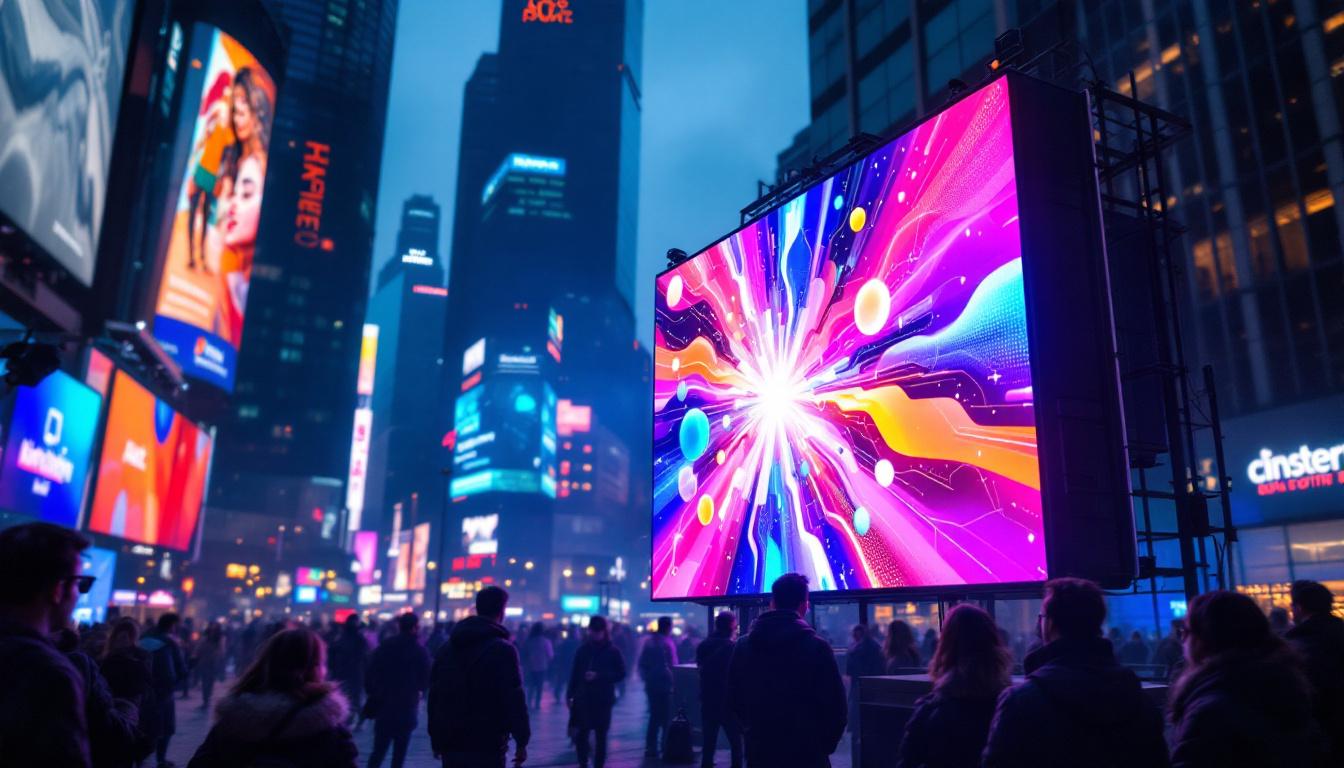
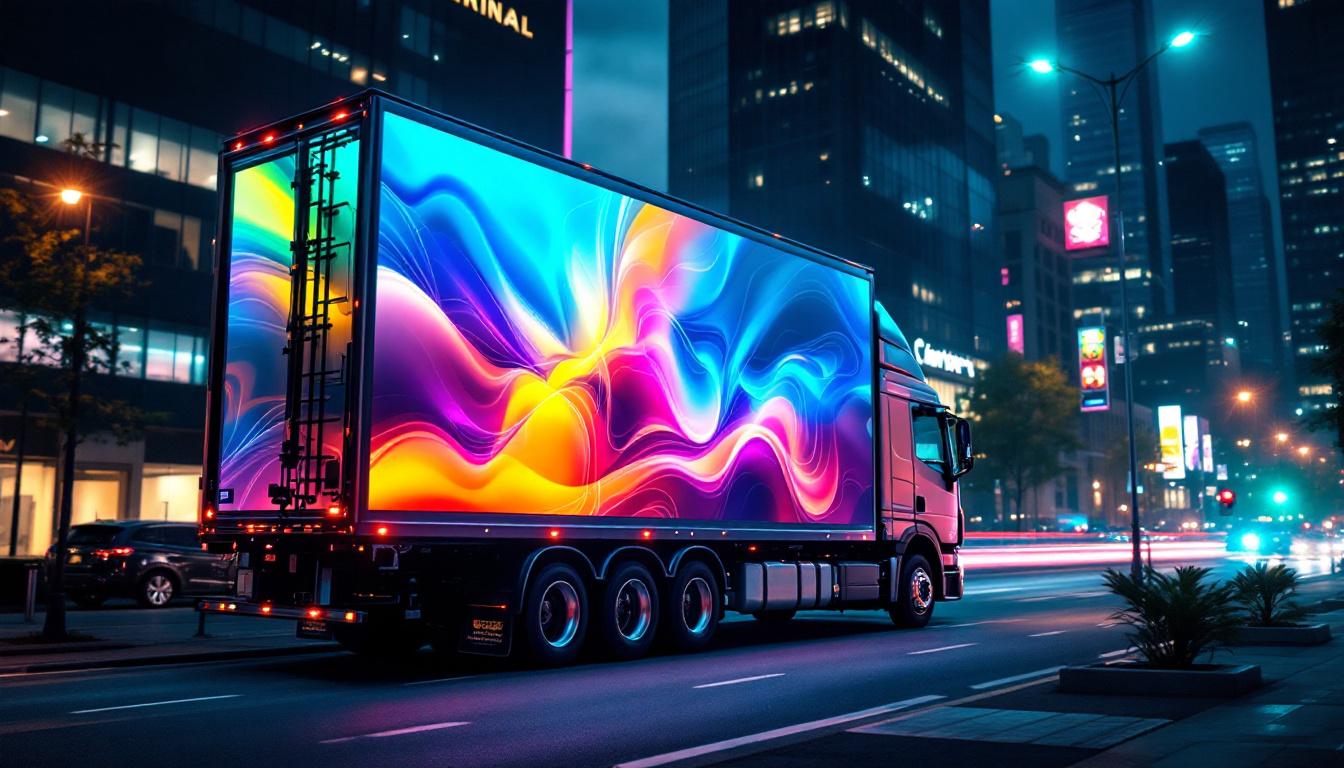
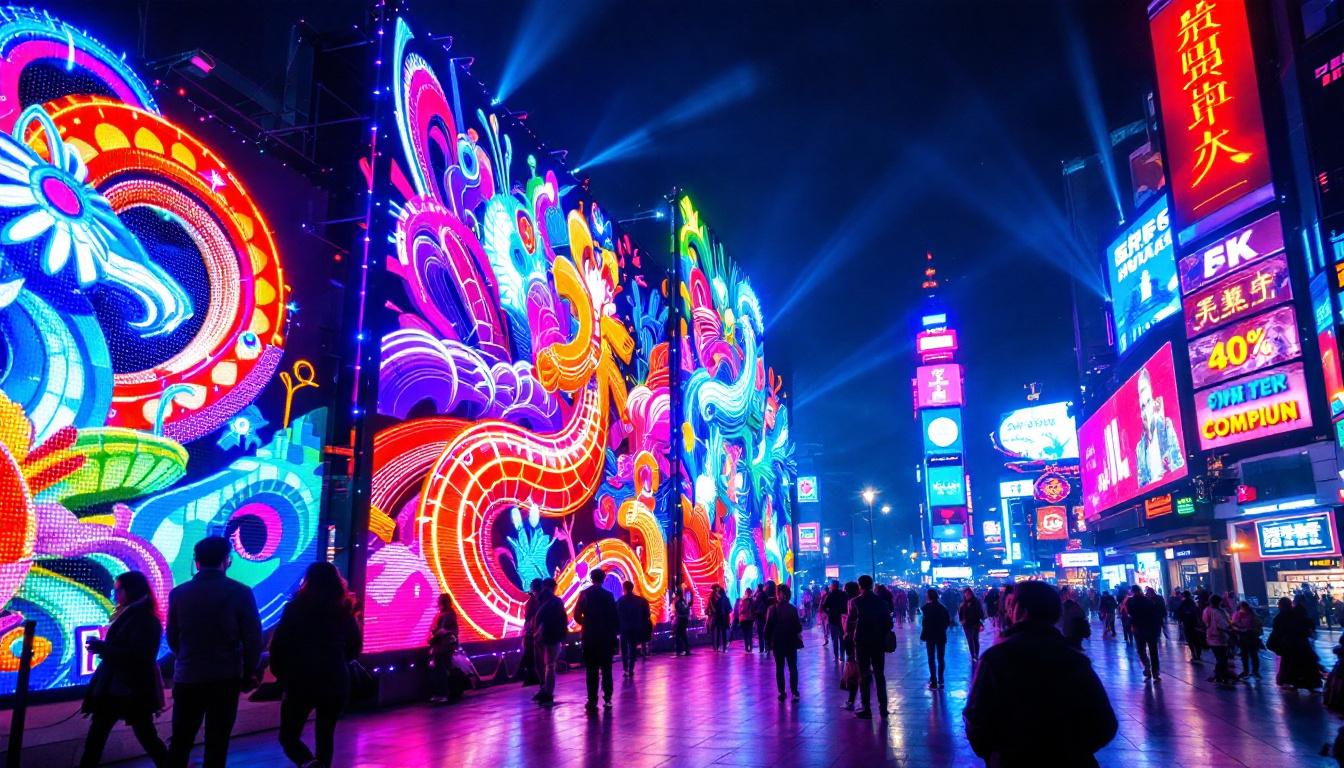
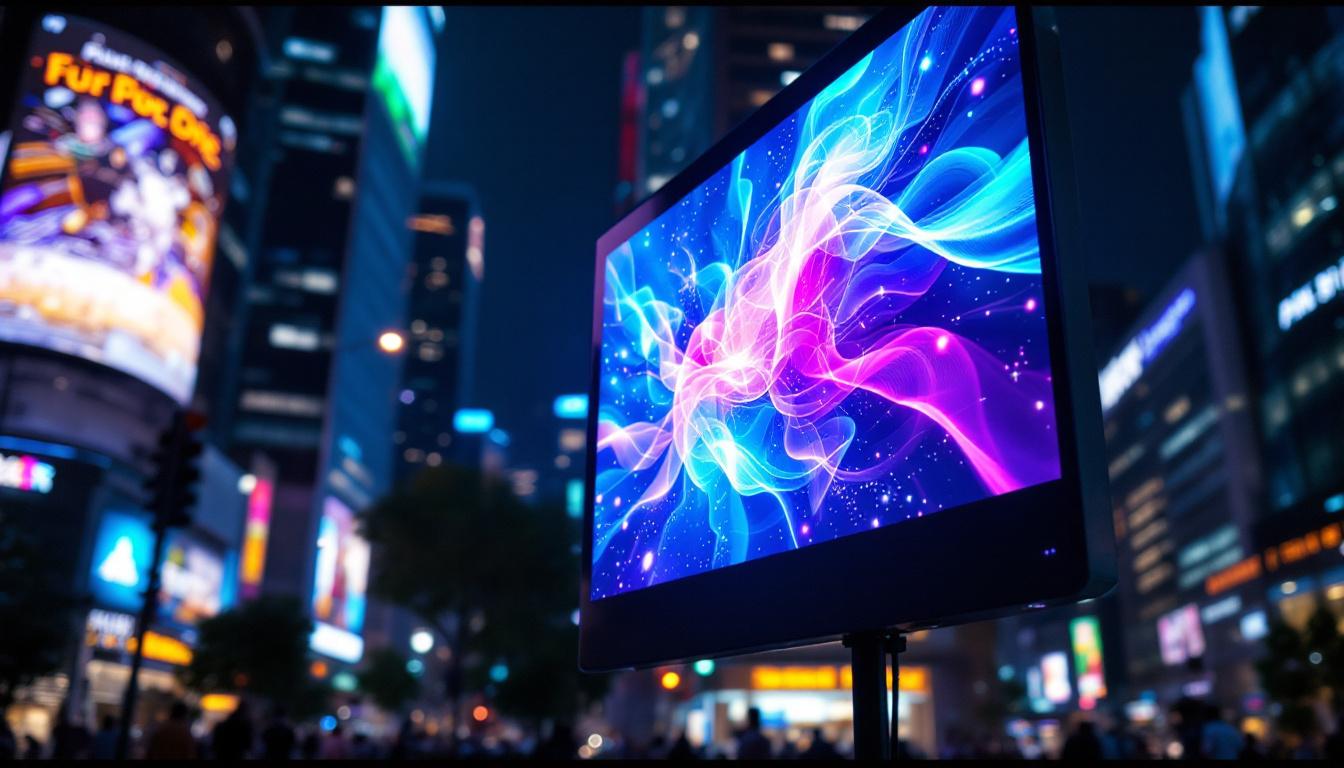
One of the most widespread uses of LED displays is in advertising. Digital billboards and signage replace static posters with dynamic, eye-catching content that can be updated instantly. This flexibility allows brands to tailor messages based on time of day, weather, or audience demographics.
According to a report by Grand View Research, the global digital signage market is expected to reach $31.71 billion by 2028, growing at a CAGR of 7.5%. LED displays are a major driver of this growth due to their superior brightness and durability.
Events and Entertainment
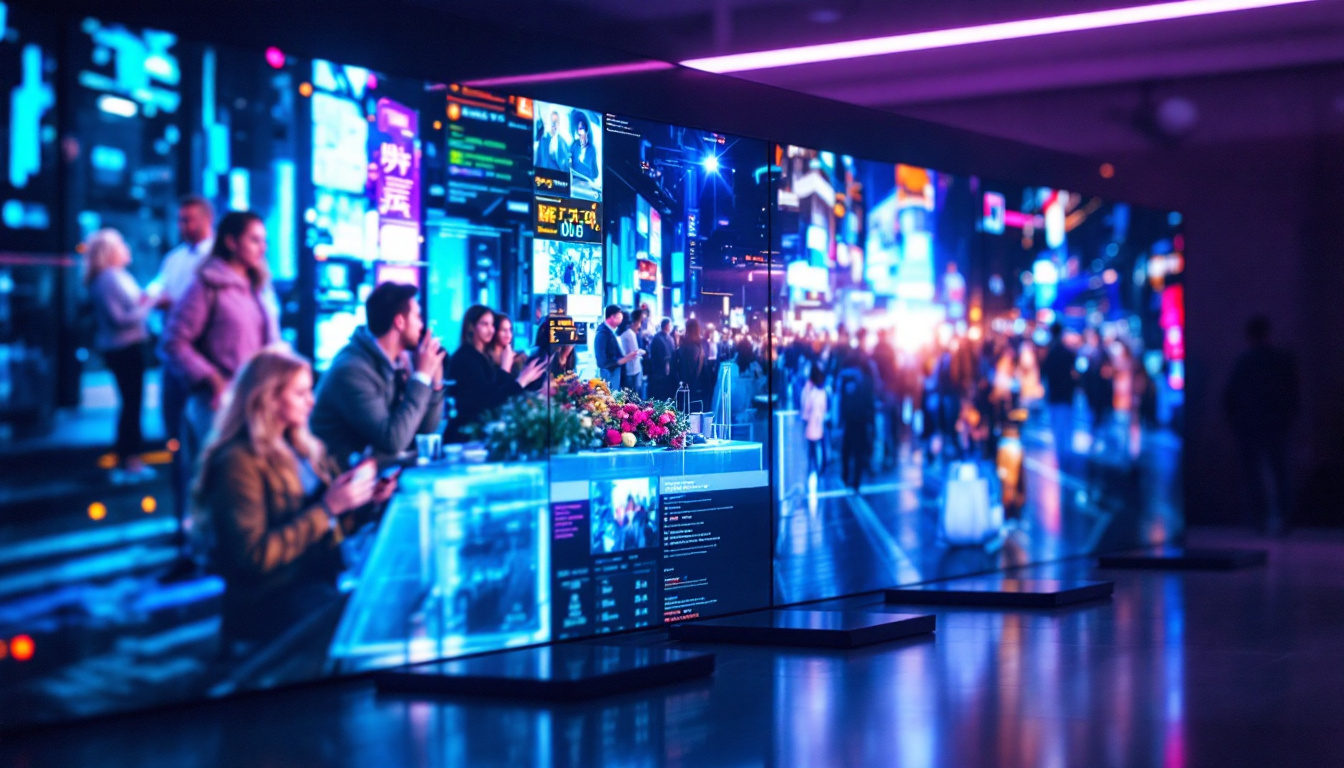
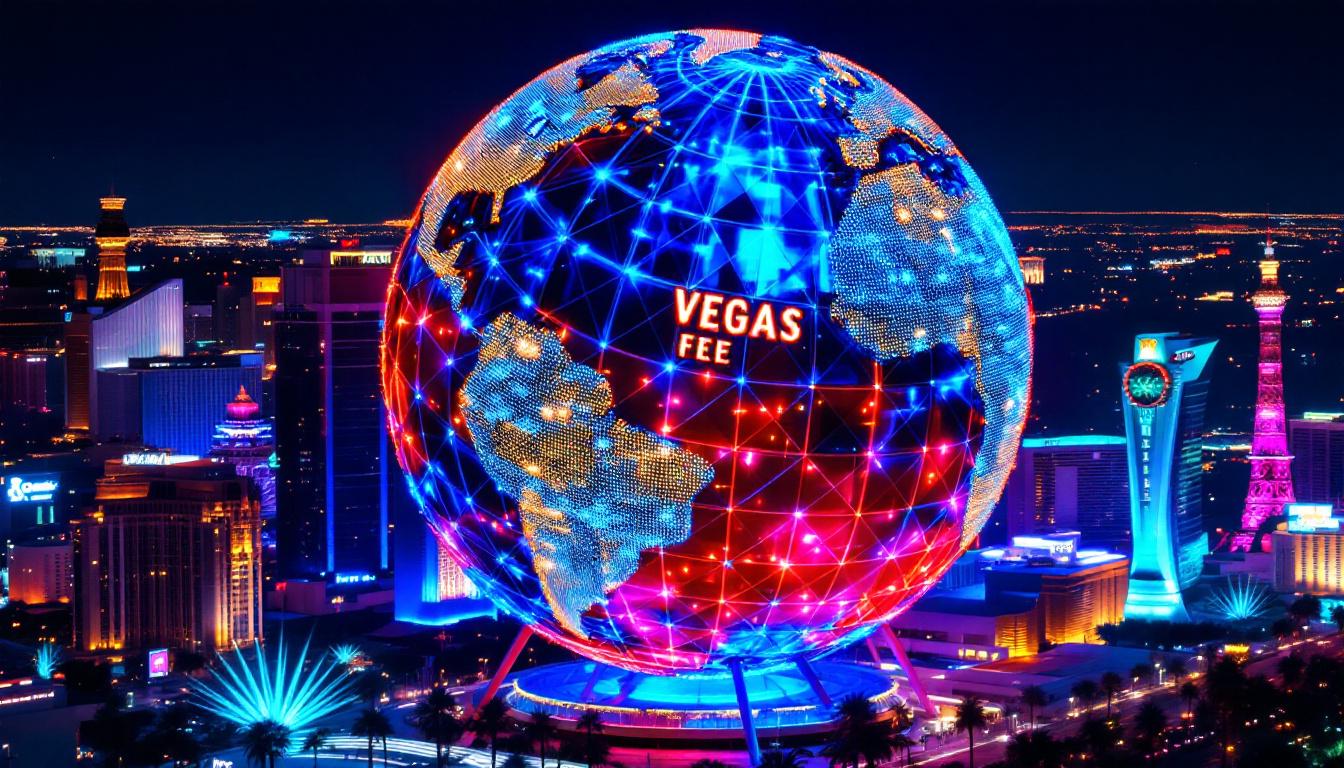
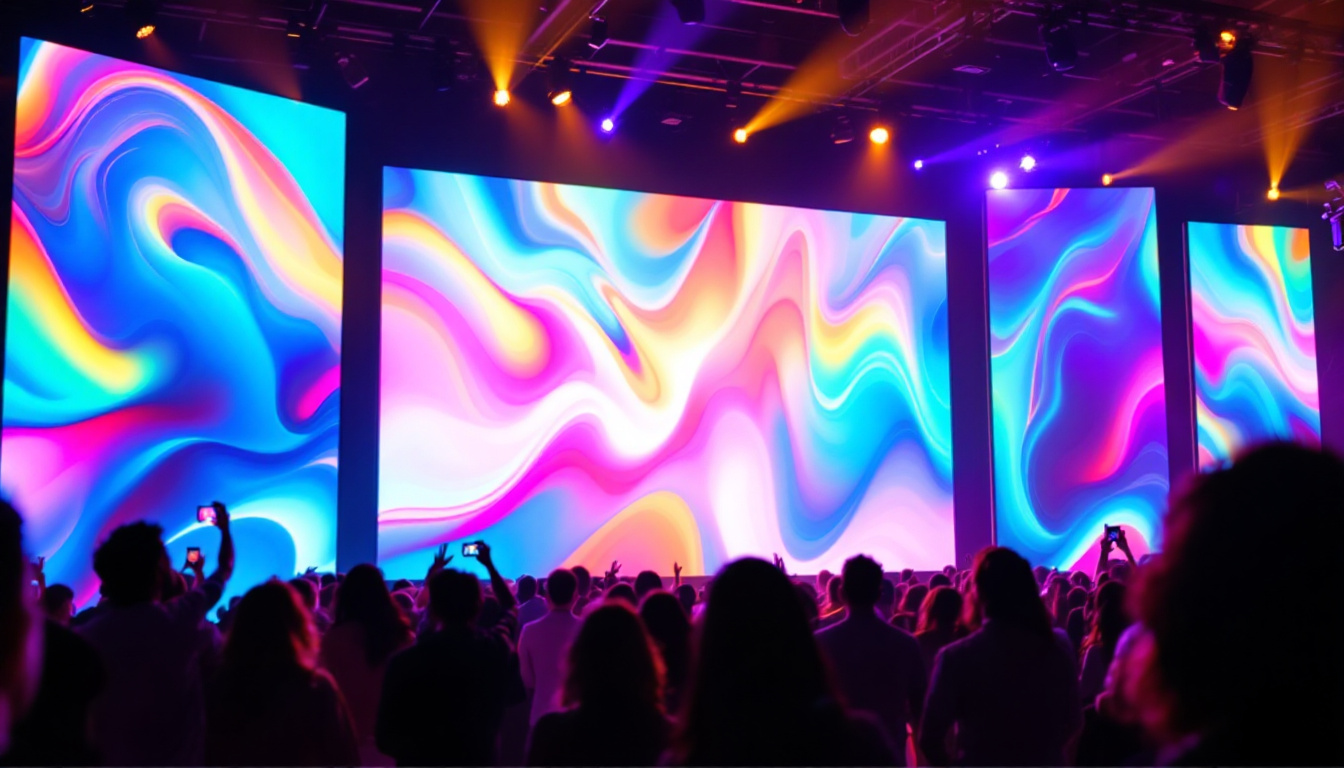
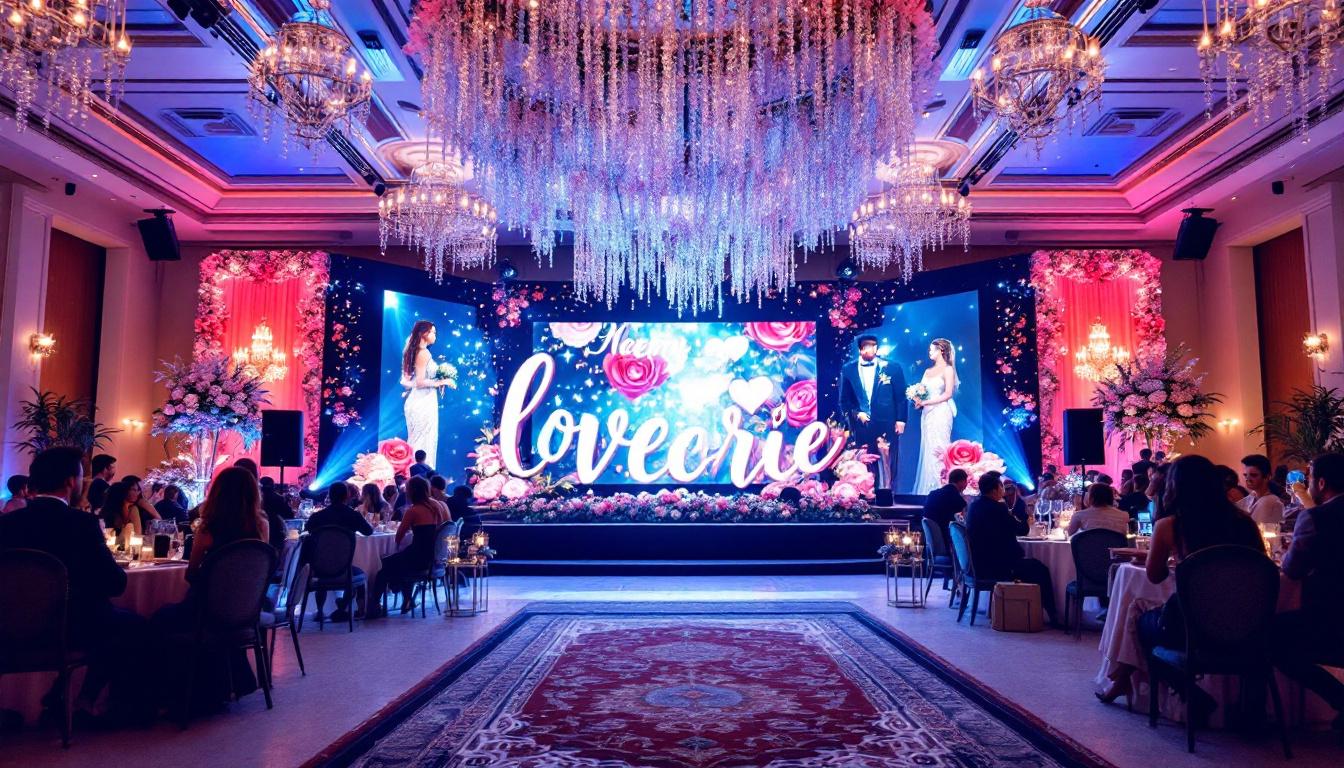
Concerts, sports events, and festivals rely heavily on LED displays to enhance the spectator experience. Large-scale LED screens provide live video feeds, replays, and interactive content that engage audiences. The ability to create seamless video walls with minimal bezels allows for immersive visual storytelling.
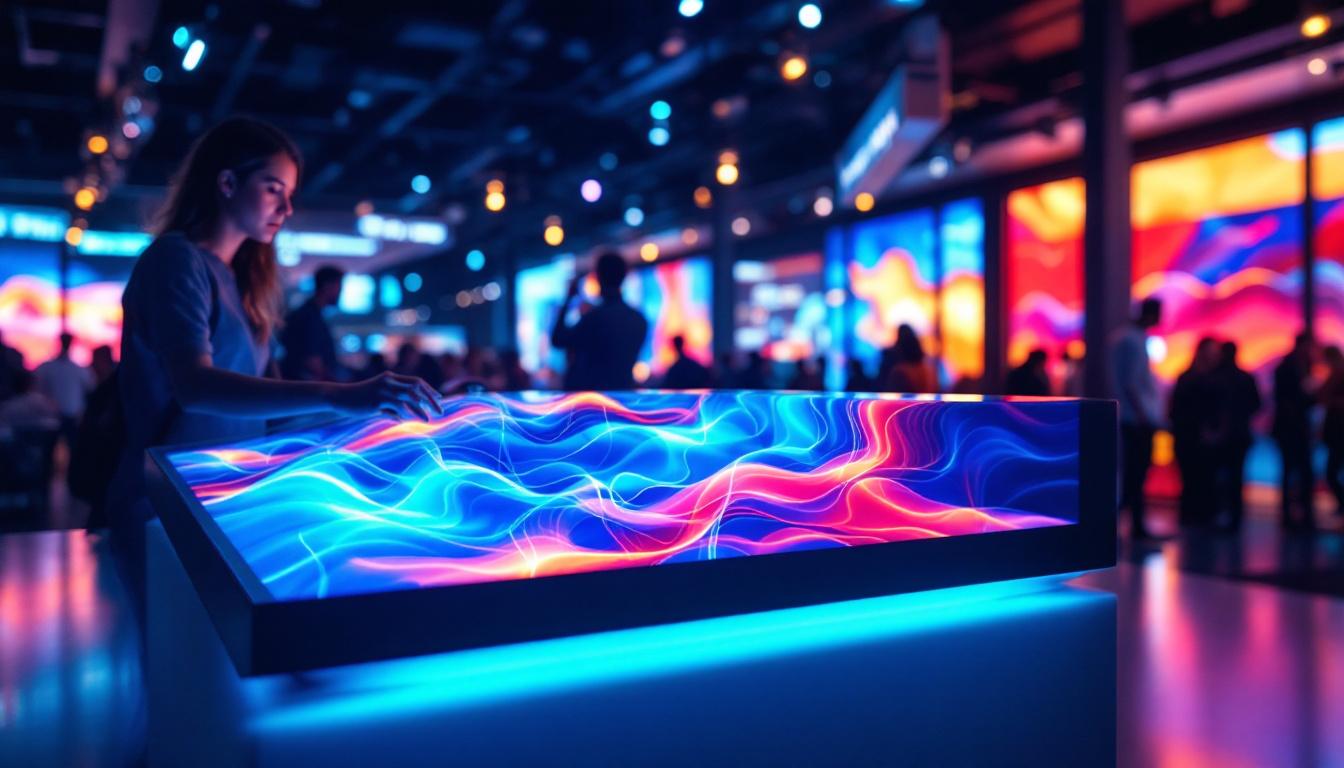
Interactive LED floors and walls are also gaining popularity in museums and exhibitions, where visitors can influence the content through touch or movement, making learning and entertainment more engaging.
Retail and Hospitality
In retail environments, LED displays serve as dynamic window displays, in-store promotions, and wayfinding tools. Transparent LED screens enable retailers to showcase products behind digital overlays, blending physical and digital experiences.
Hotels and restaurants use LED displays to create ambiance, provide information, and promote services. Interactive kiosks with LED screens streamline check-ins and enhance customer service.
Benefits of LED Displays for Businesses and Consumers
Energy Efficiency and Longevity
Compared to traditional lighting and display technologies, LEDs consume significantly less power. This efficiency translates into lower operating costs and a reduced environmental footprint. High-quality LED displays can operate for over 100,000 hours before brightness diminishes, offering long-term reliability.
High Visibility and Impact
The brightness and color accuracy of LED displays ensure that messages stand out in crowded and competitive environments. This visibility is crucial for advertisers and event organizers seeking to maximize audience engagement.
Moreover, the ability to display motion graphics and video content creates a more compelling narrative than static images, increasing recall and brand recognition.
Flexibility and Customization
LED displays can be customized in size, shape, and resolution to fit specific needs. Modular designs allow for easy installation and maintenance, while software-driven content management enables rapid updates and personalization.
Interactive features, such as touch sensitivity and motion detection, add layers of engagement that traditional displays cannot match, fostering deeper connections with audiences.
Challenges and Considerations When Choosing LED Displays
Initial Investment and Installation
While LED displays offer long-term benefits, the upfront cost can be substantial, especially for high-resolution or large-format installations. Businesses must balance budget constraints with desired quality and functionality.
Installation complexity varies depending on the display type and location. Outdoor displays require weatherproofing and structural support, while indoor setups may demand precise calibration for optimal viewing angles.
Maintenance and Technical Support
LED displays require routine maintenance to ensure consistent performance. This includes cleaning, firmware updates, and occasional repairs of individual diodes or modules. Partnering with experienced providers who offer comprehensive support can mitigate downtime and extend the display’s lifespan.
Content Strategy and Management
Effective use of LED displays depends on a well-planned content strategy. Poorly designed visuals or irrelevant messaging can diminish impact and waste investment. Businesses should leverage analytics and audience insights to tailor content that resonates and drives desired actions.
The Future of LED Displays: Trends to Watch
MicroLED and MiniLED Technologies
Emerging display technologies like MicroLED and MiniLED promise even higher resolution, improved brightness, and better energy efficiency. MicroLEDs, in particular, offer pixel-level control without the need for backlighting, enabling thinner, more flexible, and brighter displays.
These advances are expected to revolutionize consumer electronics, digital signage, and large-scale installations by providing unparalleled image quality and durability.
Integration with Augmented Reality (AR) and IoT
LED displays are increasingly integrated with AR and Internet of Things (IoT) technologies to create interactive environments. For example, smart city initiatives use LED screens combined with sensors to provide real-time information and personalized advertising.
In retail, AR-enabled LED displays can overlay digital content onto physical products, enhancing the shopping experience and providing deeper product insights.
Sustainability and Eco-Friendly Innovations
As environmental concerns grow, manufacturers are focusing on sustainable materials and energy-saving designs for LED displays. Innovations include recyclable components, reduced hazardous substances, and solar-powered outdoor displays.
Businesses adopting eco-friendly LED solutions not only reduce their carbon footprint but also appeal to increasingly environmentally conscious consumers.
Conclusion
LED displays have transformed the landscape of visual communication, offering unmatched brightness, flexibility, and interactivity. Their applications span advertising, entertainment, retail, and beyond, making them indispensable tools for engaging audiences in today’s digital world.
Understanding the technology, benefits, and challenges of LED displays enables businesses and organizations to make informed decisions that maximize impact and return on investment. As innovations like MicroLED and AR integration continue to evolve, LED displays will remain at the forefront of interactive and immersive experiences for years to come.
Discover the Future of Visual Engagement with LumenMatrix
Ready to elevate your visual communication strategy with the latest in LED display technology? LumenMatrix is at the forefront of innovation, offering a diverse range of LED display solutions tailored to your unique needs. From vibrant Indoor LED Walls to dynamic Outdoor Displays and beyond, our mission is to empower your brand with displays that captivate and engage. Experience the difference that cutting-edge technology can make. Check out LumenMatrix LED Display Solutions today and transform your space into an interactive visual masterpiece.