Understanding measurements and their conversions is essential in many fields, from construction and design to technology and retail. One common conversion that often arises is translating feet into inches. This article delves into the specific conversion of 2.5 feet into inches and explores how this measurement is relevant in the context of LED displays. Whether you are a designer, engineer, or simply curious about display technology, this comprehensive guide will clarify the relationship between these units and their practical application in LED display technology.
Understanding the Basics: Feet to Inches Conversion
What is a Foot and an Inch?
The foot and the inch are both units of length used primarily in the United States and a few other countries that follow the Imperial system. One foot is defined as exactly 12 inches. This standard measurement is crucial for ensuring consistency across various industries and applications. The foot has historical roots dating back to ancient civilizations, where it was based on the average length of a human foot. Over time, this measurement has evolved into a standardized unit that is widely accepted today.
An inch, on the other hand, is a smaller unit of length, commonly used to measure objects or distances that require fine precision. It is equivalent to 2.54 centimeters in the metric system, which is the international standard. The inch has its origins in the Roman unit “uncia,” which means one-twelfth of a foot. This historical context not only highlights the evolution of measurement systems but also underscores the importance of understanding these units in various practical applications, from carpentry to tailoring, where precise measurements are essential for achieving desired results.
How to Convert Feet to Inches
Converting feet to inches is straightforward due to the fixed relationship between the two units. Since 1 foot equals 12 inches, the conversion formula is:
Inches = Feet × 12
Applying this to 2.5 feet:
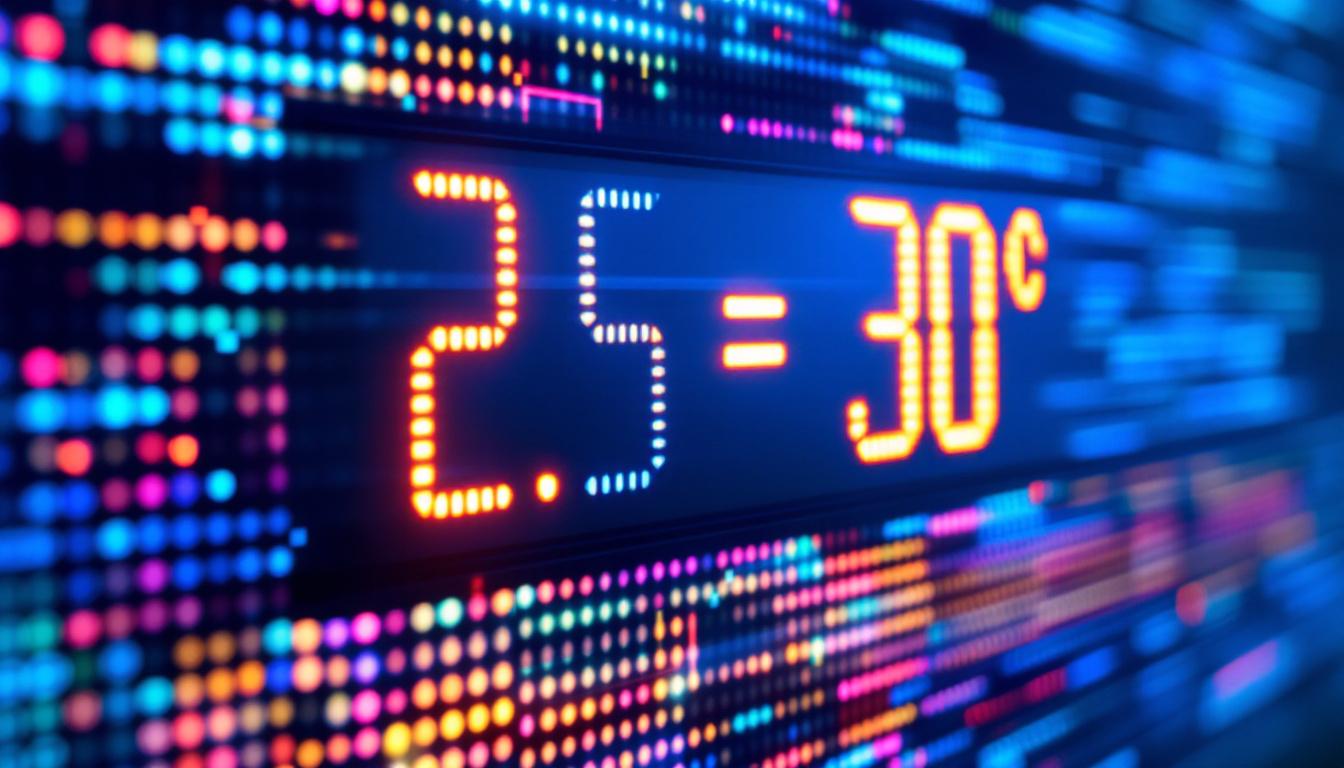
2.5 feet × 12 = 30 inches
Therefore, 2.5 feet is equivalent to 30 inches. This simple multiplication can be applied to any measurement in feet, making it easy for individuals to quickly convert lengths for various purposes, such as determining the height of furniture, the length of fabric needed for sewing projects, or even the dimensions of a room. Additionally, many online calculators and conversion tools are available to assist with these calculations, further simplifying the process for those who may not be as comfortable with manual conversions.
Why Accurate Conversion Matters
Accurate measurement conversions are critical in many professional fields. For example, in construction, incorrect conversions can lead to structural issues or costly mistakes. A miscalculation in the dimensions of a building can result in materials that do not fit properly, delays in project timelines, and increased expenses. In technology, especially in display manufacturing and design, precision in dimensions affects performance, aesthetics, and user experience. For instance, a slight error in the size of a screen can impact how applications are displayed, leading to user frustration and dissatisfaction.
Moreover, in the realm of health and fitness, accurate conversions can play a significant role in monitoring growth and development. For example, pediatricians often convert a child’s height from feet to inches to track growth patterns accurately. Similarly, in sports, athletes’ heights are frequently recorded in inches, making it essential for coaches and trainers to convert measurements correctly to assess performance metrics and physical attributes. Thus, the implications of accurate conversions extend far beyond simple calculations, influencing many aspects of daily life and professional practices.
The Role of Measurement in LED Displays
What Are LED Displays?
LED (Light Emitting Diode) displays are screens that use an array of light-emitting diodes to present images, videos, or information. These displays are widely used in advertising, public information systems, televisions, and digital signage due to their brightness, energy efficiency, and long lifespan. The technology behind LED displays has evolved significantly over the years, leading to advancements in color accuracy, refresh rates, and overall performance. This evolution has made LED displays a preferred choice for various applications, from small-scale devices like smartphones to massive outdoor billboards that capture the attention of passersby.
The physical size of an LED display is a fundamental characteristic that influences its application. Dimensions are typically specified in feet, inches, or meters, depending on the region and industry standards. Additionally, the aspect ratio of the display—whether it’s 16:9 for widescreen formats or 4:3 for traditional presentations—also plays a crucial role in determining how content is presented. As a result, understanding the nuances of size and format is essential for achieving the desired visual impact.
Why Size Matters in LED Displays
The size of an LED display directly impacts its visibility, resolution, and placement. For instance, a 2.5-foot display might be ideal for indoor settings like retail stores or conference rooms, where viewers are close to the screen. Conversely, larger displays are suited for outdoor advertising or stadiums, where they must be visible from great distances. The scale of the display not only affects how well the content can be seen but also influences the type of content that can be effectively communicated. Larger displays can accommodate more detailed graphics and videos, while smaller displays may be better suited for concise messages or simple animations.
Understanding the exact size in inches allows designers and engineers to plan the pixel density, viewing distance, and installation requirements accurately. For example, a 2.5-foot wide LED display measuring 30 inches can be designed with a specific pixel pitch to optimize image clarity. Pixel pitch, defined as the distance between the centers of two adjacent pixels, is a critical factor in determining the display’s resolution and overall image quality. A smaller pixel pitch results in higher resolution and sharper images, making it essential for applications where detail is paramount, such as in high-end retail environments or control rooms. Furthermore, the placement of the display is equally important; a screen intended for a large audience in an open space must be sized appropriately to ensure that everyone can view it comfortably, taking into account factors like ambient light and viewing angles.
Applying the 2.5 Feet Measurement in LED Display Design
Determining Display Dimensions
When designing an LED display, knowing the exact size in inches helps in selecting the right components. For a display that is 2.5 feet wide (30 inches), the height is often proportionate to maintain aspect ratios, such as 16:9 or 4:3, which are common in video displays.
For example, a 2.5-foot wide display with a 16:9 aspect ratio would have a height calculated as:
Height = Width × (9/16) = 30 inches × 0.5625 = 16.875 inches
This precise measurement ensures the display fits the intended space and meets design specifications.
Pixel Pitch and Resolution Considerations
Pixel pitch—the distance between the centers of two adjacent pixels—is a critical factor in LED display quality. Smaller pixel pitches yield higher resolution and sharper images but increase cost and complexity.
For a 2.5-foot (30-inch) wide display, the total number of pixels horizontally depends on the pixel pitch. For example, with a 2.5 mm pixel pitch (approximately 0.1 inches), the horizontal pixel count would be:
Pixels = Width in inches / Pixel pitch in inches = 30 / 0.1 = 300 pixels
Higher pixel counts improve image clarity, which is essential for close-range viewing, such as digital signage inside stores or control room monitors.
Installation and Space Planning
Knowing the exact dimensions in inches helps installers plan the mounting, framing, and electrical connections for the LED display. A 2.5-foot wide display (30 inches) requires an appropriate frame and support structure that can handle its weight and dimensions.
Additionally, understanding the size in inches facilitates compliance with safety regulations and ensures the display integrates seamlessly into the environment, whether mounted on a wall, ceiling, or stand.
Practical Examples of 2.5 Feet (30 Inches) LED Displays
Retail Digital Signage
In retail environments, LED displays around 2.5 feet wide are popular for promotional content and product information. Their compact size allows placement near product shelves or checkout counters, attracting customer attention without overwhelming the space.
For example, a 30-inch wide LED display can showcase dynamic advertisements or interactive content, enhancing customer engagement and driving sales.
Conference Room and Presentation Screens
Small to medium-sized LED displays measuring approximately 2.5 feet wide are ideal for conference rooms and meeting spaces. They provide clear visuals for presentations, video conferencing, and collaborative work without the bulk of larger screens.
The 30-inch width balances visibility and space efficiency, fitting comfortably on walls or stands while delivering high-quality images.
Home Entertainment and Gaming
Although LED TVs and monitors are often measured in diagonal inches, understanding width in feet and inches is useful when planning room layouts. A 2.5-foot (30-inch) wide LED panel corresponds roughly to a 34-inch diagonal screen, assuming a 16:9 aspect ratio, suitable for smaller living rooms or gaming setups.
This size offers an immersive viewing experience without dominating the room, making it a popular choice for personal entertainment.
Conclusion: The Importance of Accurate Measurement in LED Display Technology
Converting 2.5 feet into inches—resulting in 30 inches—is a simple yet crucial step in many technical and design processes, especially in the realm of LED displays. Accurate measurements ensure that displays meet their intended purpose, whether for advertising, presentations, or entertainment.
Understanding how these measurements translate into real-world applications helps professionals select the right display size, optimize resolution, and plan installations effectively. As LED technology continues to evolve, precision in size and dimension remains foundational to delivering high-quality visual experiences.
By mastering basic conversions like feet to inches and applying them thoughtfully, designers and engineers can create LED displays that not only fit physical spaces perfectly but also captivate audiences with crisp, vibrant visuals.
Discover LumenMatrix’s Advanced LED Display Solutions
Ready to take your visual displays to the next level? LumenMatrix offers a wide array of innovative LED display solutions tailored to your needs. From vibrant Indoor and Outdoor LED Wall Displays to dynamic Vehicle and Sports LED Displays, our technology is designed to captivate and engage your audience. Whether you’re looking for a Custom LED Display, an All-in-One solution, or the stunning clarity of a Transparent LED Display, LumenMatrix has the expertise to bring your vision to life. Check out LumenMatrix LED Display Solutions today and experience the power of exceptional visual communication.