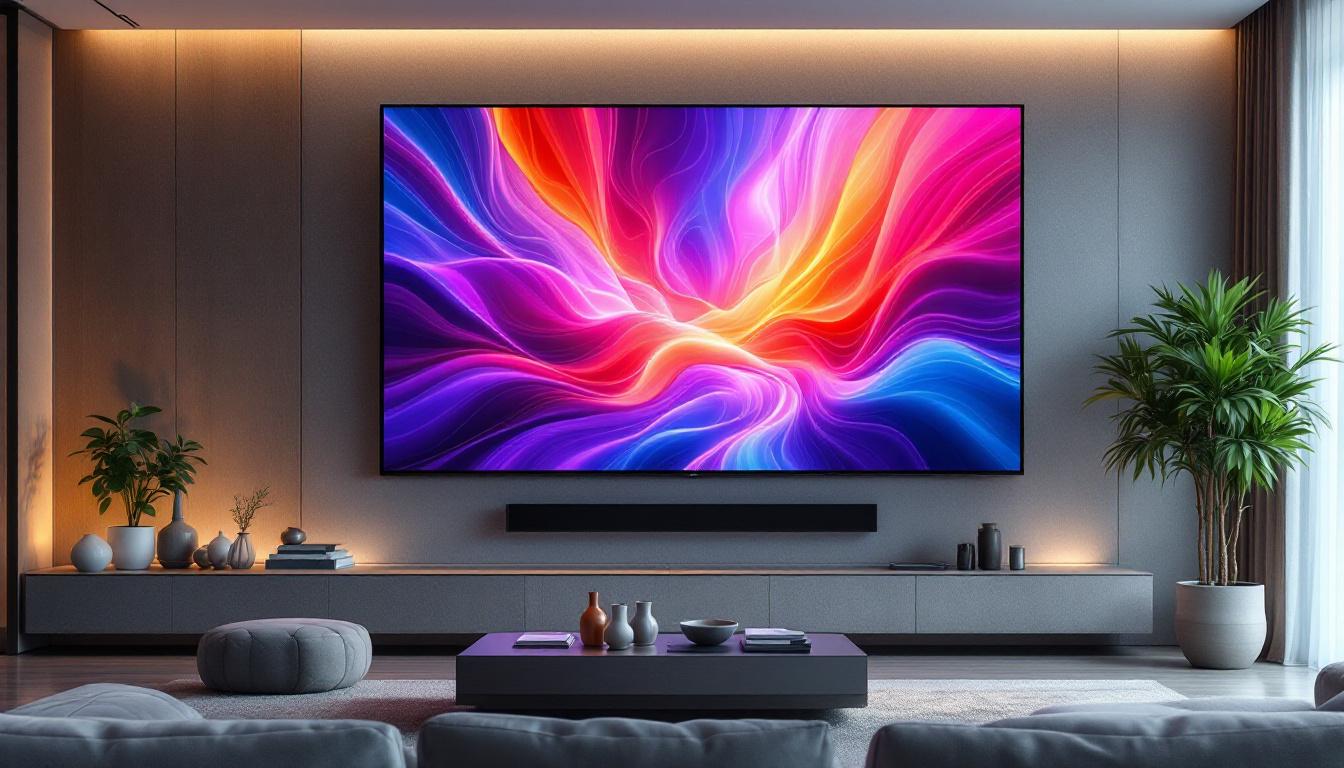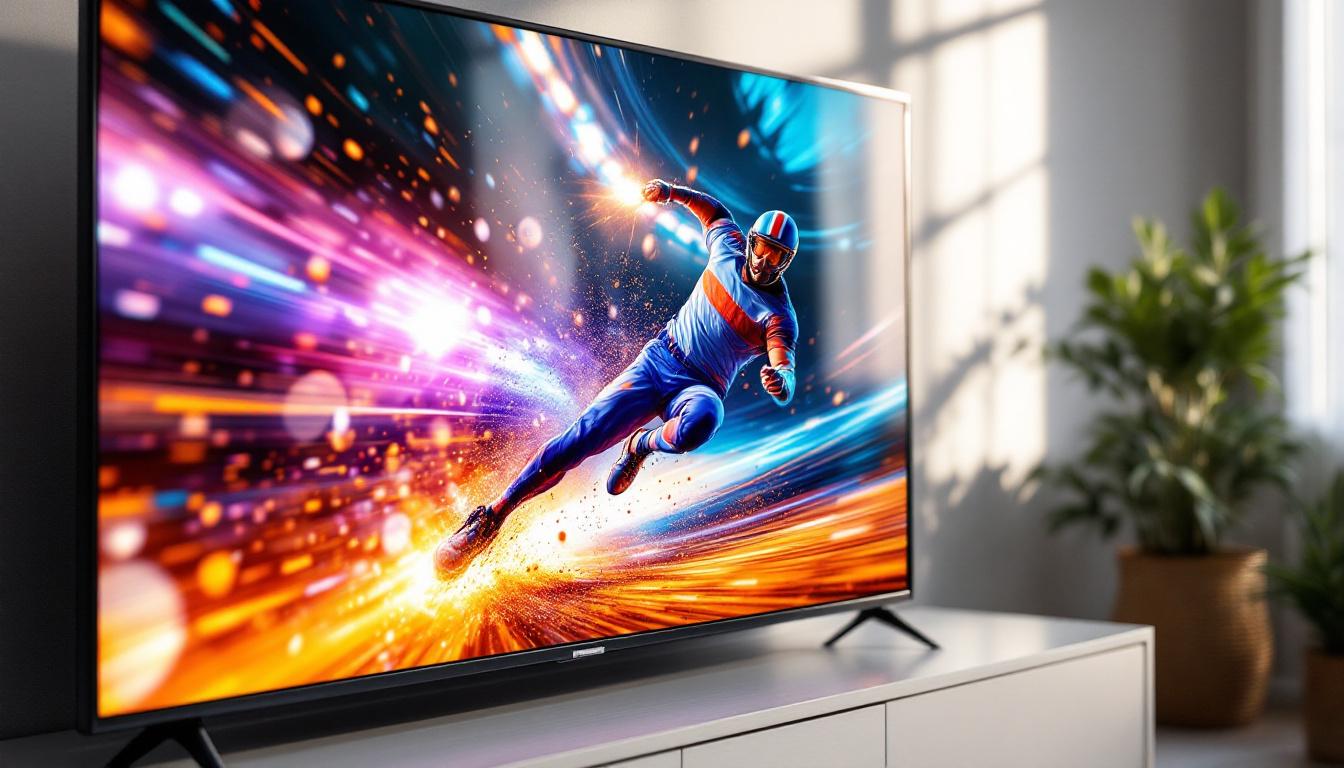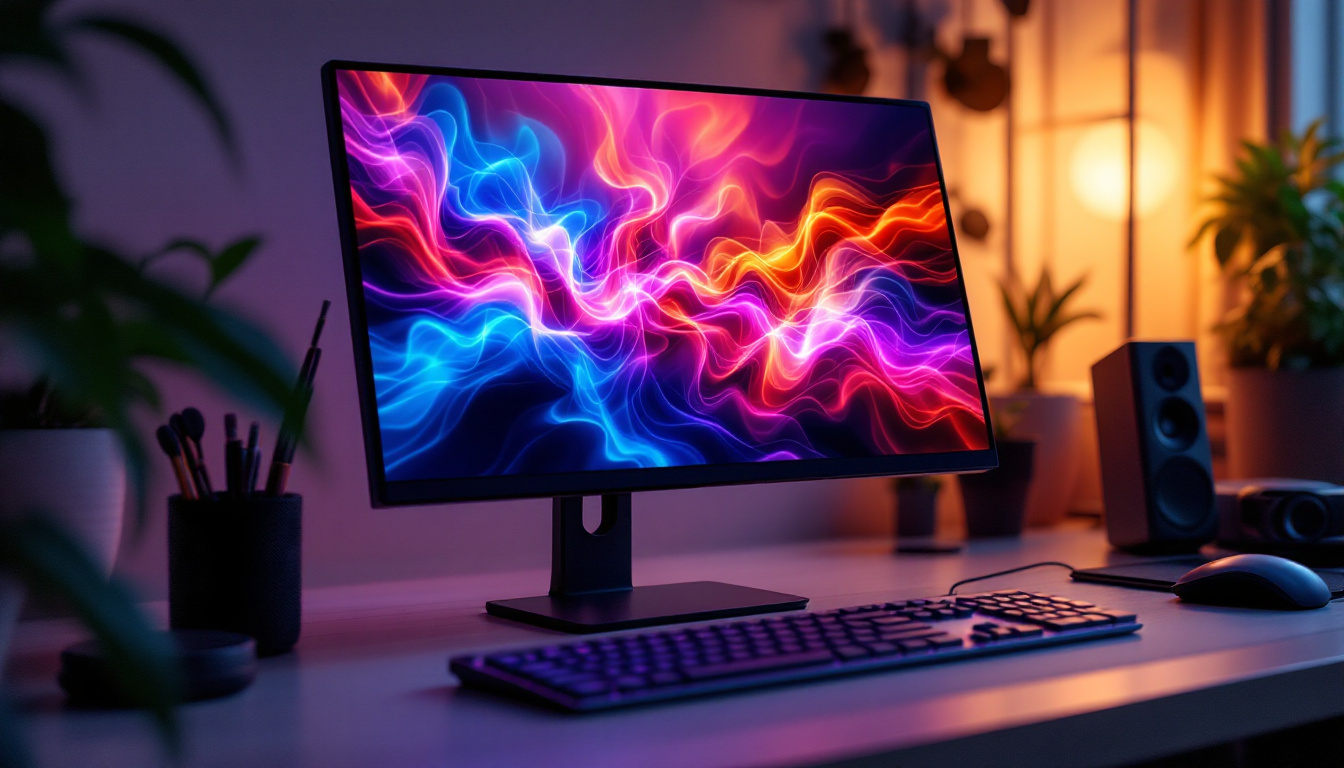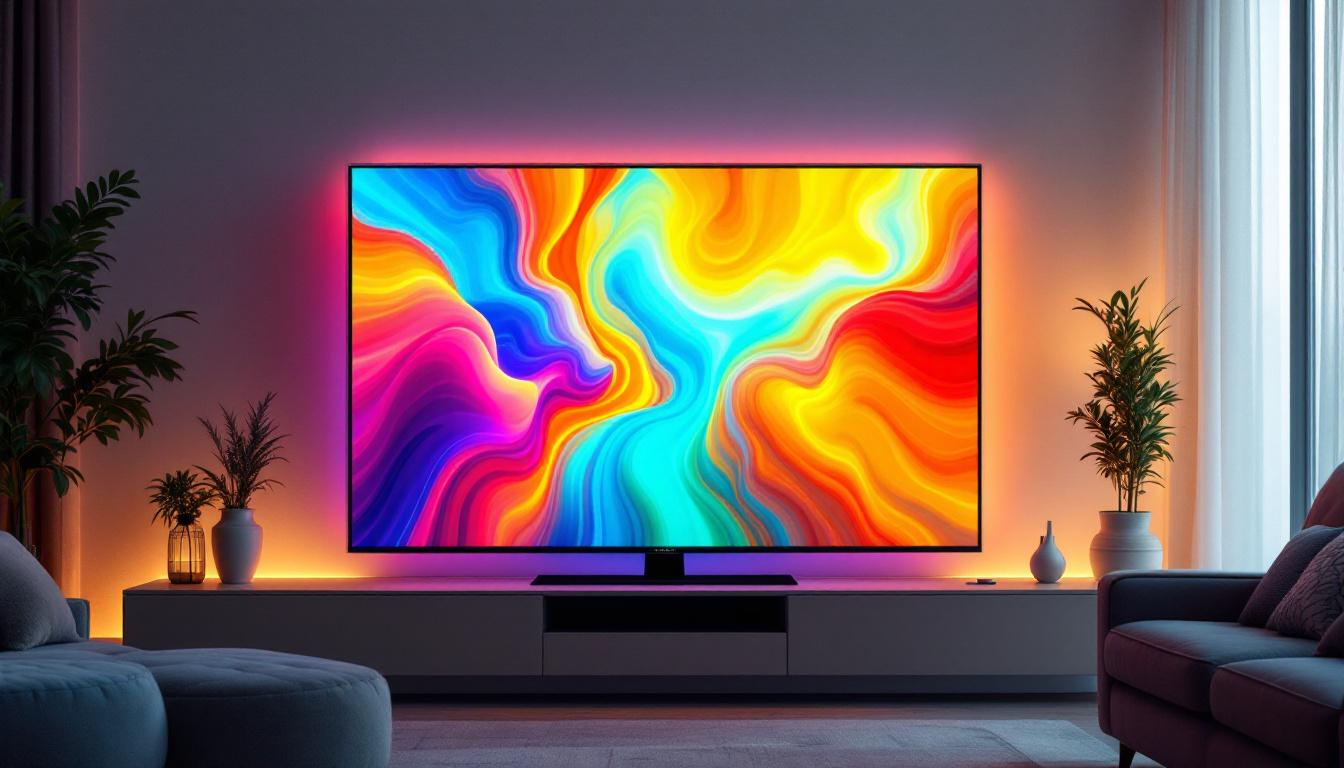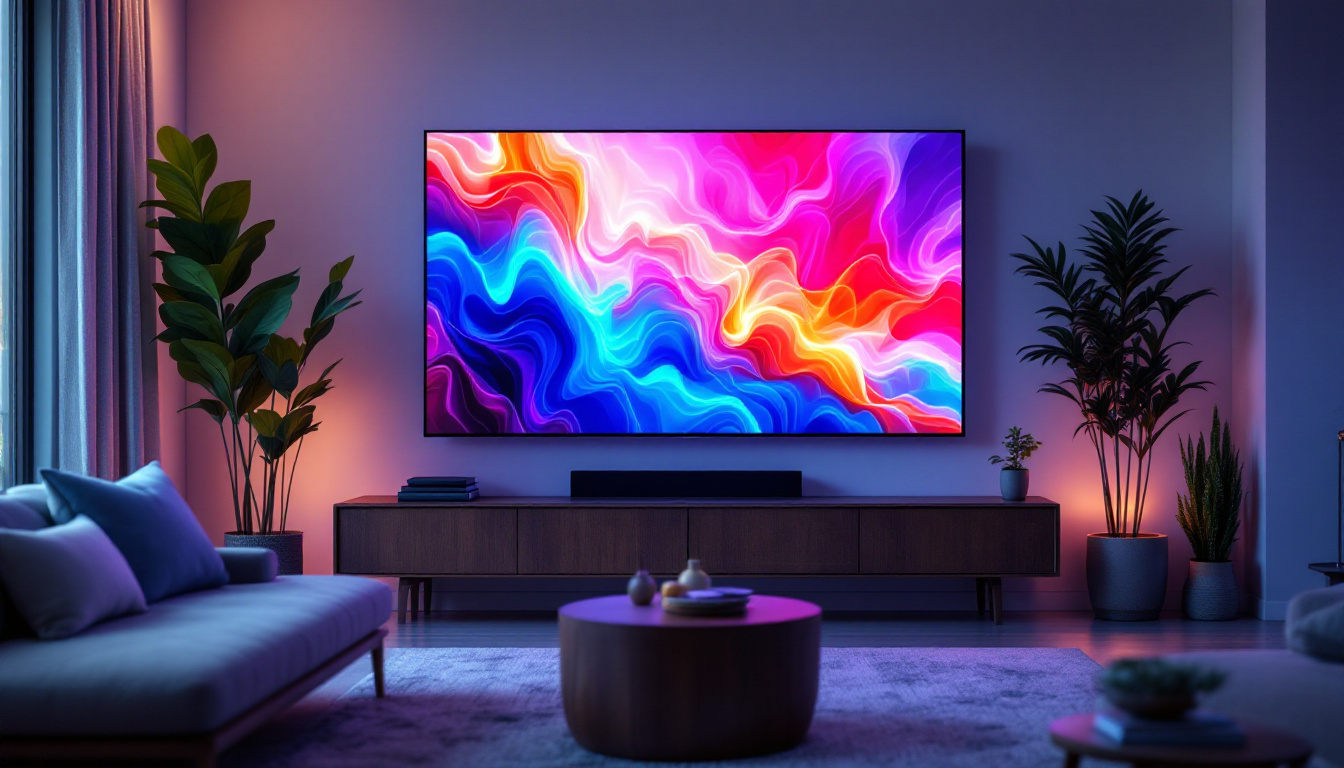
As the television industry evolves, display technologies continue to advance at a rapid pace. Among the latest innovations, Micro LED TVs have emerged as a promising contender, offering exceptional picture quality and durability. But what exactly is Micro LED technology, and how does it compare to other popular display types like OLED and traditional LED? This article delves into the intricacies of Micro LED displays, explaining their structure, advantages, challenges, and what they mean for the future of television.
Understanding Micro LED Technology
Micro LED is a cutting-edge display technology that utilizes microscopic light-emitting diodes to produce images. Unlike conventional LED TVs, which use a backlight behind an LCD panel, Micro LED displays are self-emissive, meaning each tiny LED emits its own light. This fundamental difference enables Micro LED TVs to deliver superior contrast, brightness, and color accuracy.
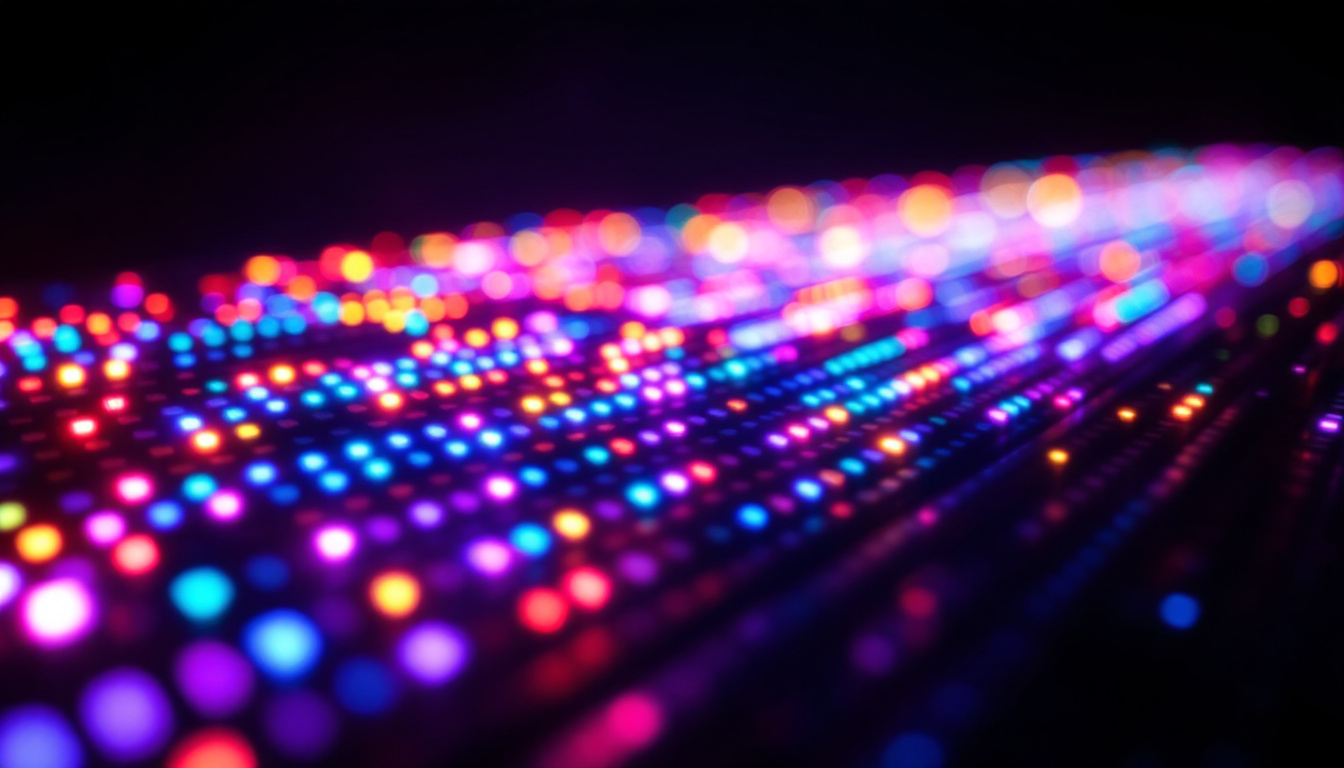
Each Micro LED is a tiny semiconductor chip, typically less than 100 micrometers in size, that emits red, green, or blue light. These individual LEDs are arranged in a precise grid to form the pixels of the display. Because each pixel can be controlled independently, Micro LED TVs can achieve perfect black levels by turning off individual LEDs completely, eliminating the light bleed issues seen in traditional LED-LCD TVs.
How Micro LED Differs from Other Display Technologies
To appreciate the significance of Micro LED, it’s helpful to compare it with two other dominant technologies: OLED and LED-LCD.
- LED-LCD: Traditional LED TVs use an LCD panel that blocks or allows light from an LED backlight to create images. While these TVs can be very bright, they struggle with contrast and black levels because the backlight cannot be turned off on a per-pixel basis.
- OLED: Organic Light Emitting Diode displays are self-emissive like Micro LED, with each pixel producing its own light. OLEDs offer excellent contrast and viewing angles but can suffer from burn-in and have limitations in peak brightness.
- Micro LED: Combines the best of both worlds—self-emissive pixels like OLED but using inorganic LEDs that are more durable and capable of higher brightness without burn-in risks.
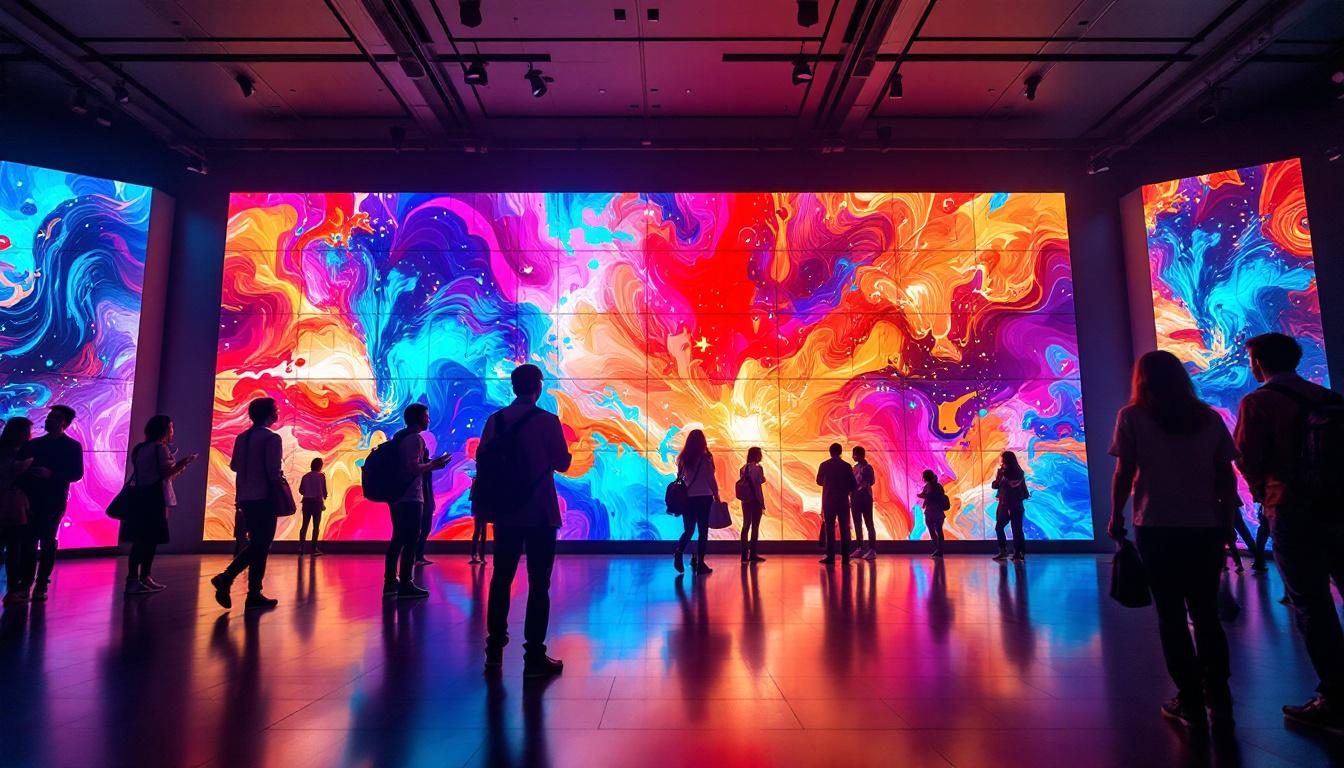
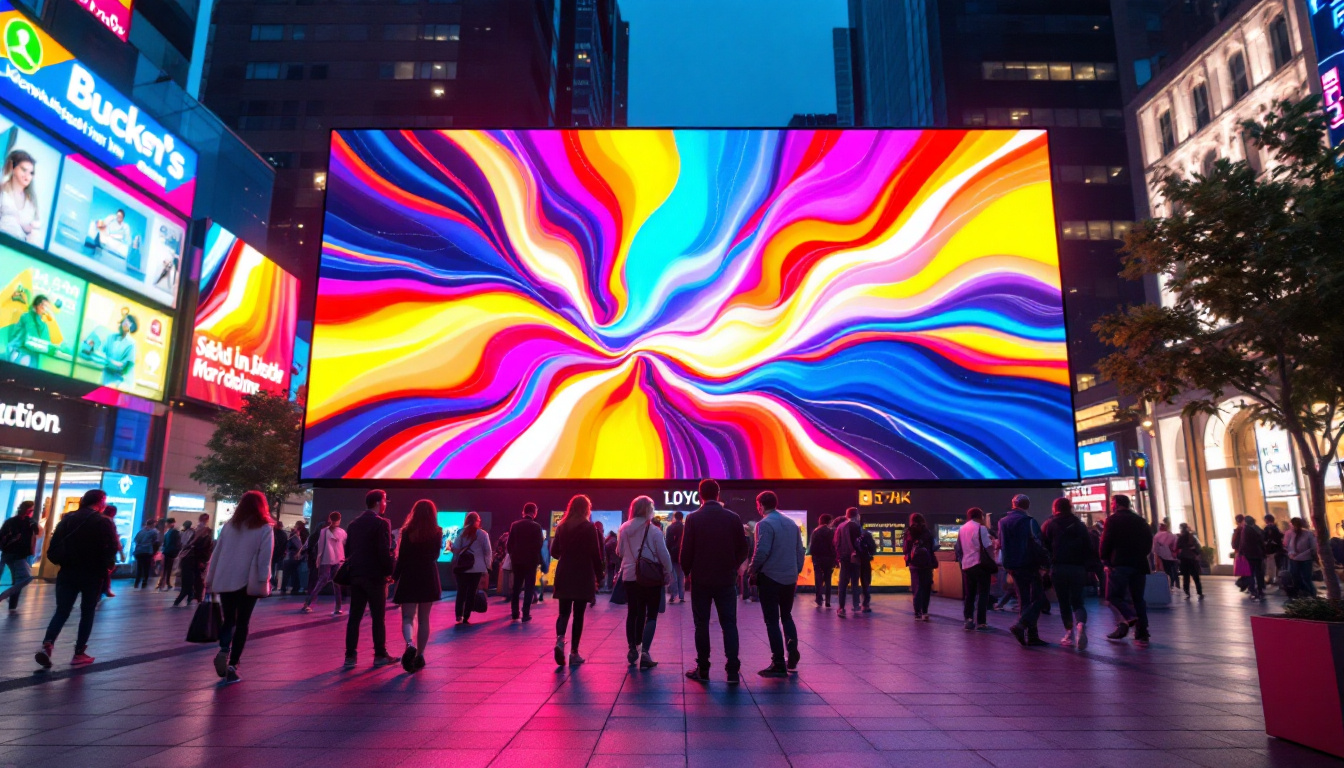
In addition to their superior performance characteristics, Micro LED displays also offer remarkable scalability. This means they can be manufactured in various sizes and configurations, from small screens for mobile devices to massive wall-sized displays for commercial applications. This flexibility allows for innovative designs that can fit seamlessly into any environment, whether it’s a home theater, a corporate setting, or even outdoor installations. Furthermore, the modular nature of Micro LED technology enables easy repairs and upgrades, as individual panels can be replaced without needing to discard the entire display.
Another exciting aspect of Micro LED technology is its energy efficiency. Since each LED operates independently, Micro LED displays can adjust their power consumption based on the content being displayed. For instance, darker scenes require less energy, which not only reduces electricity costs but also contributes to a lower environmental impact. As consumers become more conscious of sustainability, the energy-efficient nature of Micro LED technology positions it as a forward-thinking choice for eco-friendly display solutions.
The Advantages of Micro LED TVs
Micro LED technology brings a host of benefits that address many of the shortcomings of existing display types. These advantages explain why industry leaders are investing heavily in Micro LED research and development.
Exceptional Picture Quality
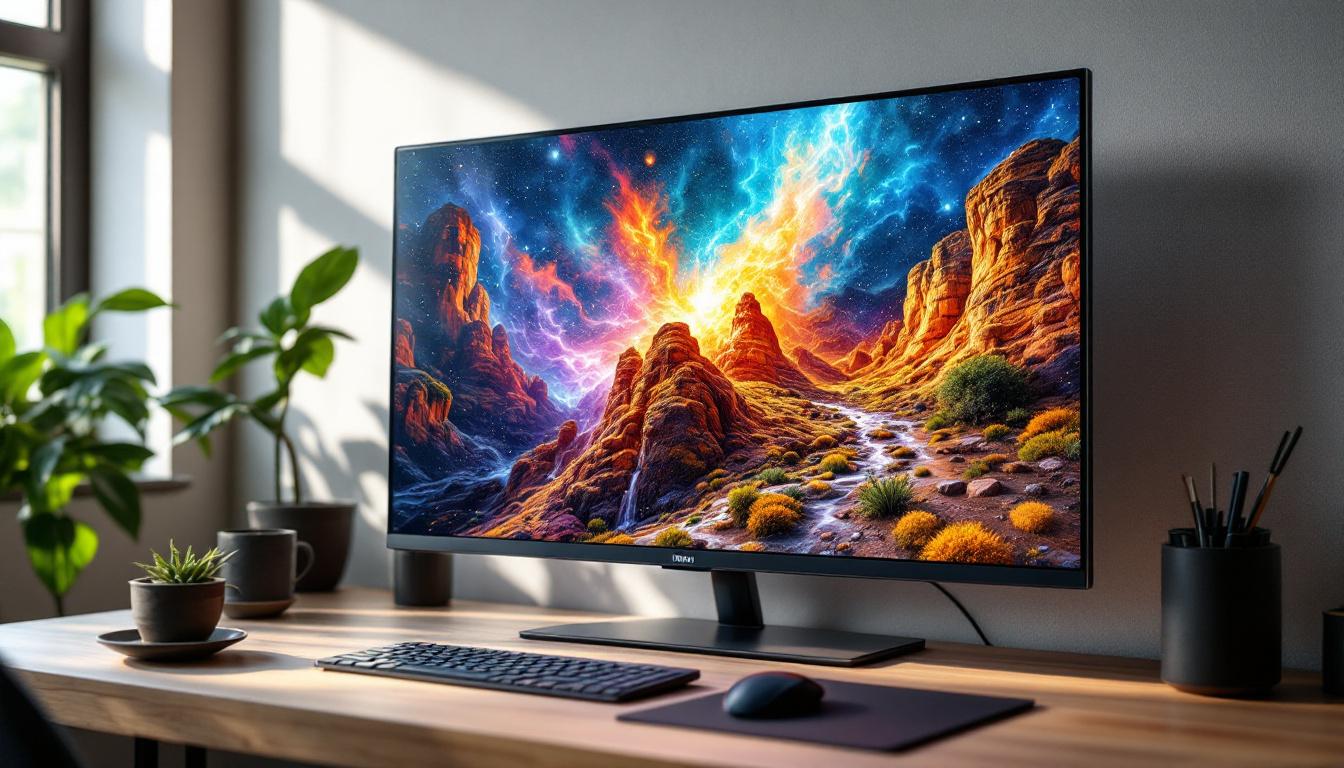
Because each Micro LED emits its own light, Micro LED TVs can achieve true blacks by completely turning off individual pixels. This results in an infinite contrast ratio, which is a key factor in delivering vivid, lifelike images. Additionally, Micro LEDs can reach peak brightness levels far beyond OLED displays, making them ideal for viewing in bright rooms and HDR content. The ability to showcase intricate details in both dark and bright scenes elevates the overall viewing experience, making Micro LED TVs particularly appealing for movie enthusiasts and gamers who demand the best visual performance.
Superior Color Accuracy and Wide Color Gamut
Micro LED displays can produce a broader spectrum of colors with higher accuracy. This is partly due to the precise control of individual LEDs and the ability to use pure red, green, and blue LEDs without the color filters required in LCD panels. The result is more vibrant and natural colors that enhance the viewing experience. Furthermore, this advanced color reproduction is essential for professionals in fields such as graphic design and video editing, where accurate color representation is crucial. The wide color gamut ensures that every hue is rendered faithfully, allowing creators to see their work as it was intended to be viewed.
Durability and Longevity
Unlike OLEDs, which use organic compounds prone to degradation over time, Micro LEDs are made from inorganic materials that are far more stable. This means Micro LED TVs have a longer lifespan and are less susceptible to issues like burn-in, where static images leave permanent marks on the screen. The durability of Micro LED technology also translates to lower maintenance costs over time, as users can enjoy their displays without the worry of deterioration. This resilience makes Micro LED TVs a smart investment for both casual viewers and dedicated home theater setups, as they promise longevity without sacrificing performance.
Scalability and Modular Design
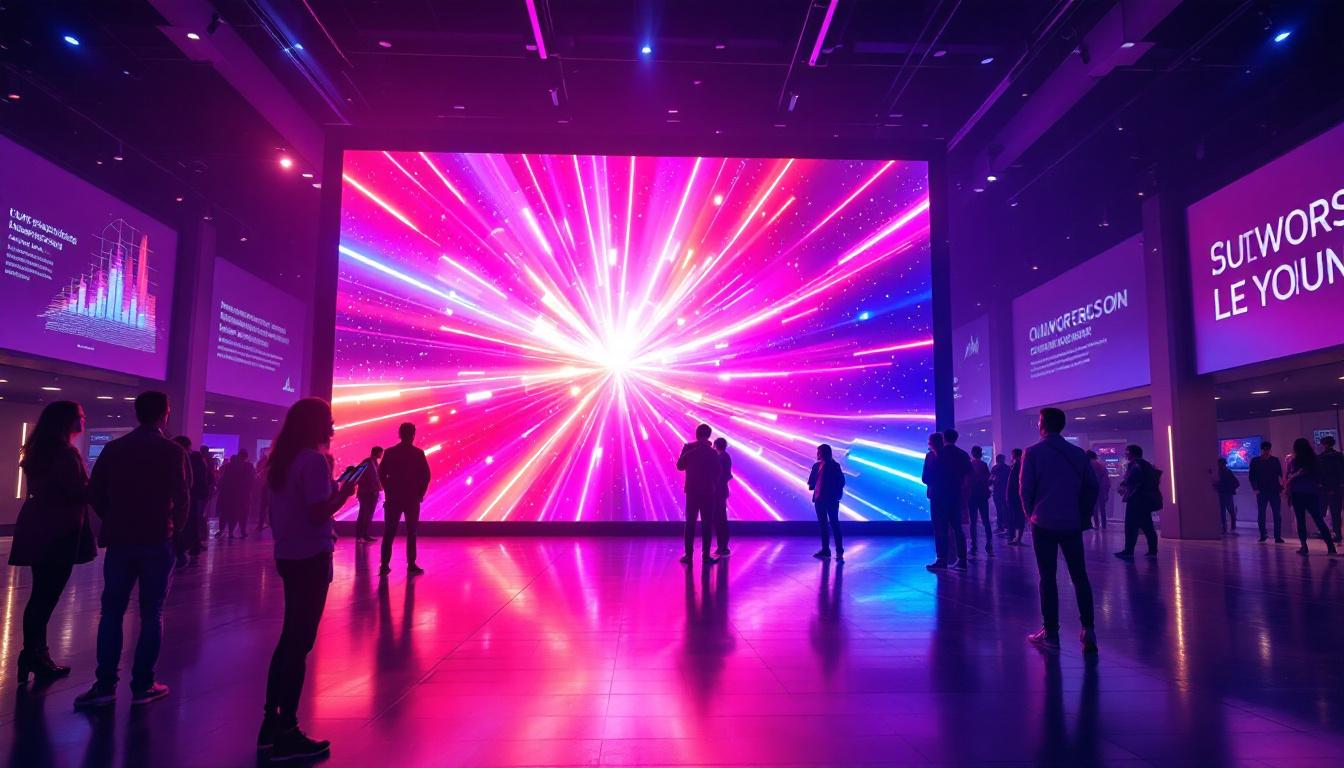
One of the unique features of Micro LED technology is its modularity. Because the display consists of tiny LED modules, manufacturers can create screens of virtually any size or aspect ratio by combining these modules. This flexibility opens up new possibilities for custom installations and ultra-large displays that maintain consistent quality. For instance, businesses can create eye-catching digital signage that seamlessly fits their branding needs, while homeowners can design immersive viewing experiences tailored to their specific spaces. Additionally, the modular approach allows for easier upgrades and repairs, as individual modules can be replaced without needing to replace the entire screen, making it a sustainable choice for the future of display technology.
Challenges Facing Micro LED Adoption
Despite its impressive advantages, Micro LED technology is not without its challenges. These obstacles currently limit widespread adoption but are the focus of ongoing innovation.
Manufacturing Complexity and Cost
Producing Micro LED displays requires placing millions of tiny LEDs onto a substrate with extreme precision. This process is technologically demanding and time-consuming, leading to high production costs. Currently, Micro LED TVs are priced well above OLED and LED-LCD counterparts, making them less accessible to the average consumer. The intricate assembly process involves advanced robotics and specialized equipment, which adds to the initial investment for manufacturers. As the technology matures, economies of scale may help reduce these costs, but for now, the high price point remains a significant barrier to entry for many potential buyers.
Yield and Defect Management
Because of the microscopic size of the LEDs, even a small defect rate can result in noticeable dead pixels or color inconsistencies. Manufacturers must implement rigorous quality control and repair methods to ensure high yields, which further adds to production complexity and cost. This challenge is compounded by the need for advanced testing protocols to identify and rectify defects during the manufacturing process. Innovations in automated inspection technologies are being explored to enhance yield rates, but these solutions require substantial investment and development time. As a result, achieving a reliable and cost-effective production line for Micro LED displays remains a key focus for industry players.
Limited Availability and Size Options
At present, Micro LED TVs are primarily available in very large sizes, often exceeding 75 inches. This is partly due to the modular nature of the technology and the cost-effectiveness of producing larger displays. Smaller, more affordable Micro LED TVs are still in development and may take several years to reach the market. Additionally, the demand for large-screen displays in commercial settings, such as digital signage and high-end home theaters, drives manufacturers to prioritize larger models. However, as consumer preferences evolve and the technology advances, there is a growing interest in developing compact Micro LED solutions that could cater to a wider audience, including those with limited living space. This shift could potentially open up new markets and drive further innovation in the Micro LED landscape.
Micro LED in the Market: Current Status and Future Outlook
Micro LED technology is still in its early commercial phase but has generated significant excitement across the consumer electronics industry. Major manufacturers like Samsung, Sony, and LG have showcased Micro LED prototypes and limited-release models, signaling strong confidence in the technology’s potential.
Recent Developments and Product Launches
In 2023 and 2024, several companies unveiled Micro LED TVs with sizes ranging from 89 inches to over 100 inches, featuring 4K and even 8K resolutions. These models highlight the technology’s strengths in brightness, contrast, and color performance. However, their premium pricing—often exceeding $100,000—positions them as luxury products for early adopters and commercial applications.
Potential Impact on the TV Industry
As manufacturing techniques improve and costs decrease, Micro LED TVs are expected to become more accessible to mainstream consumers. Industry analysts predict that within the next five to ten years, Micro LED could challenge OLED as the preferred self-emissive display technology, especially for large-format TVs and high-end monitors.
Moreover, the modularity of Micro LED technology may revolutionize display applications beyond traditional TVs, including digital signage, augmented reality devices, and automotive displays. Its scalability and durability make it an attractive option for a wide range of uses.
Conclusion: Is Micro LED the Future of Television?
Micro LED represents a significant leap forward in display technology, combining the best qualities of existing LED and OLED displays while addressing many of their limitations. Its ability to deliver unmatched brightness, contrast, color accuracy, and longevity positions it as a strong contender for the future of high-end televisions.
While current challenges related to manufacturing complexity and cost remain barriers to mass adoption, ongoing advancements suggest that Micro LED will become increasingly prevalent in the coming years. For consumers seeking the ultimate viewing experience and willing to invest in cutting-edge technology, Micro LED TVs offer a glimpse into the future of home entertainment.
As the technology matures, it will be fascinating to watch how Micro LED reshapes the television landscape and expands into new display applications, potentially setting new standards for visual performance and durability.
Discover the Future of Visual Experience with LumenMatrix
Ready to experience the pinnacle of display technology? LumenMatrix invites you to explore our comprehensive suite of LED display solutions, designed to transform any space into a dynamic visual spectacle. From breathtaking Indoor LED Wall Displays to versatile Outdoor LED Wall Displays, and from innovative Vehicle LED Displays to sleek LED Poster Displays, our offerings cater to every need. Embrace the future with LumenMatrix’s advanced LED Sports Displays, interactive Floor LED Displays, and the stunning clarity of LED Transparent Displays. Elevate your visual communication and captivate your audience like never before. Check out LumenMatrix LED Display Solutions today and join the revolution in high-impact, durable display technology.