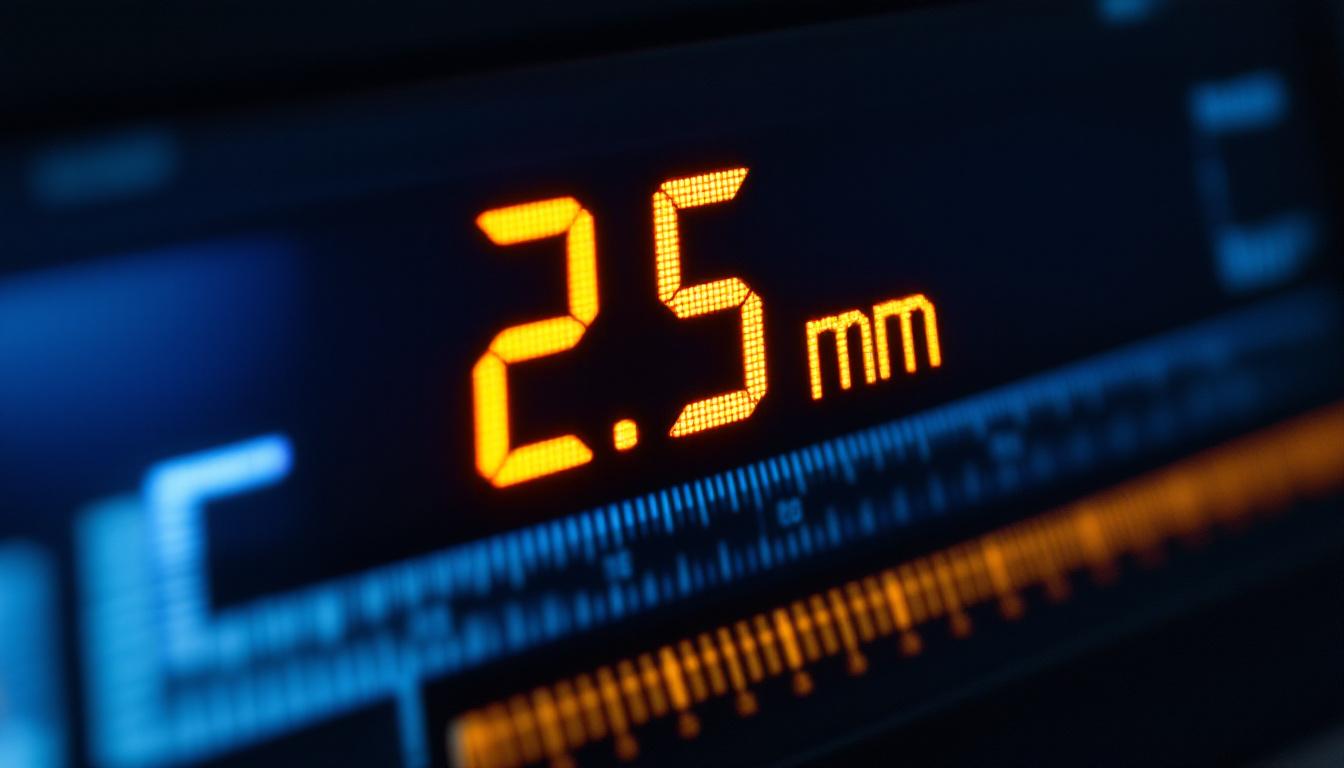
In the world of LED displays, precision and clarity are paramount. One of the key specifications often discussed is the pixel pitch, commonly measured in millimeters (mm). A popular pixel pitch size is 2.5 mm, but for many professionals and enthusiasts alike, understanding what this measurement means in inches can provide better context, especially when dealing with international projects or specifications. This article delves into the conversion of 2.5 mm to inches and explores why this measurement is critical in LED display technology.
Understanding the Basics: Millimeters to Inches Conversion
Millimeters and inches are both units of length, but they belong to different measurement systems. Millimeters are part of the metric system, widely used around the world, while inches are part of the imperial system, primarily used in the United States and a few other countries.
To convert millimeters to inches, the standard conversion factor is:
1 inch = 25.4 millimeters
Using this, the conversion for 2.5 mm to inches is calculated as:
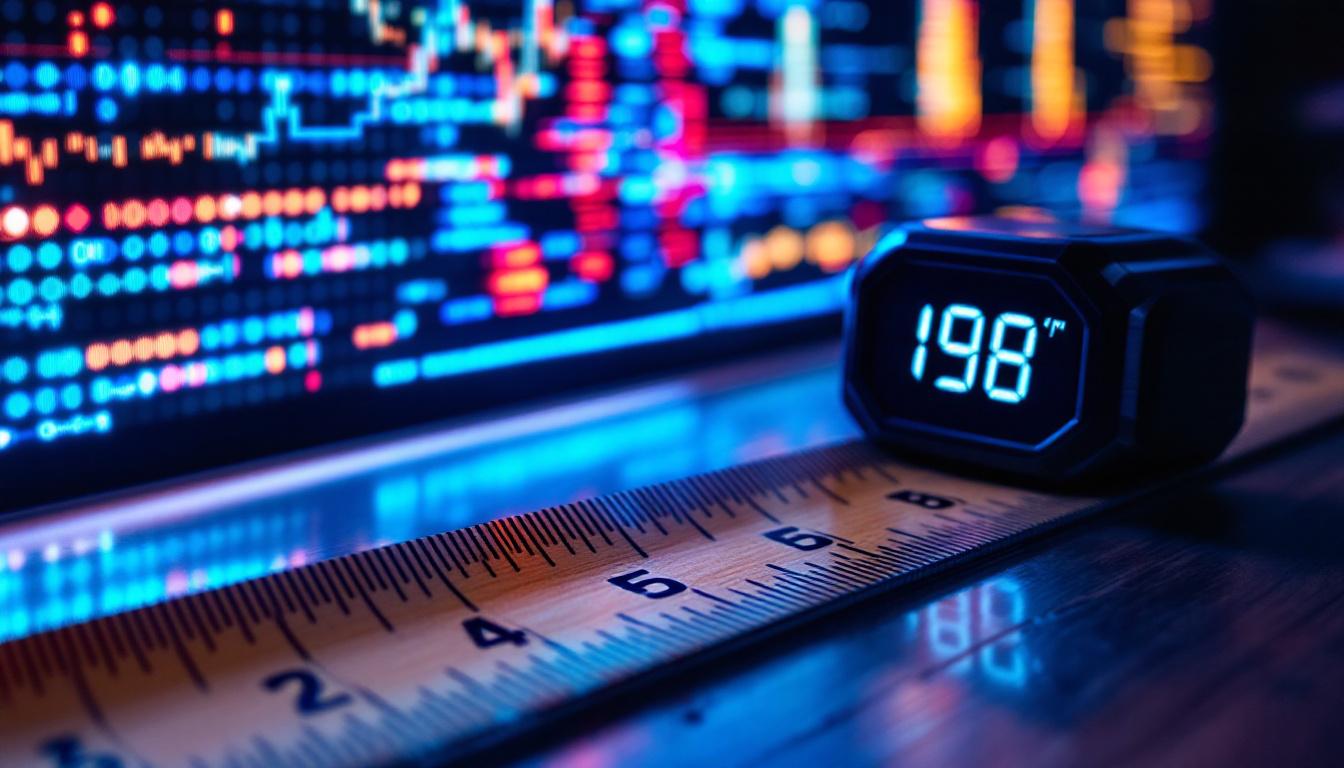
2.5 mm ÷ 25.4 = 0.0984 inches
So, 2.5 mm is approximately 0.098 inches, or just under one-tenth of an inch.
Why Is This Conversion Important?
For professionals working with LED displays, especially those involved in installation, design, or manufacturing, understanding both metric and imperial measurements is crucial. Many LED display specifications, especially those from manufacturers based in Asia or Europe, use millimeters for pixel pitch. However, clients or partners in the United States might prefer inches for easier visualization and comparison.
Accurate conversion ensures that all parties have a clear understanding of the display’s resolution and size, preventing costly miscommunications or errors during production and installation. Moreover, the ability to seamlessly switch between these measurement systems can enhance collaboration in international projects, where teams may be spread across different regions with varying standards. This skill not only aids in the practical aspects of design and manufacturing but also fosters a more inclusive and efficient working environment, as it allows for smoother communication and understanding among diverse teams.
In addition, understanding the implications of these measurements can extend beyond just technical specifications. For instance, in product design, the choice between millimeters and inches can influence the aesthetics and usability of a product. Designers may need to consider how different measurements affect the overall look and feel of an item, especially when it comes to consumer products that require precise dimensions for functionality and appeal. Thus, mastering the conversion between millimeters and inches is not just a technical necessity; it is also a vital component of effective design and communication in various fields.
What Is Pixel Pitch in LED Displays?
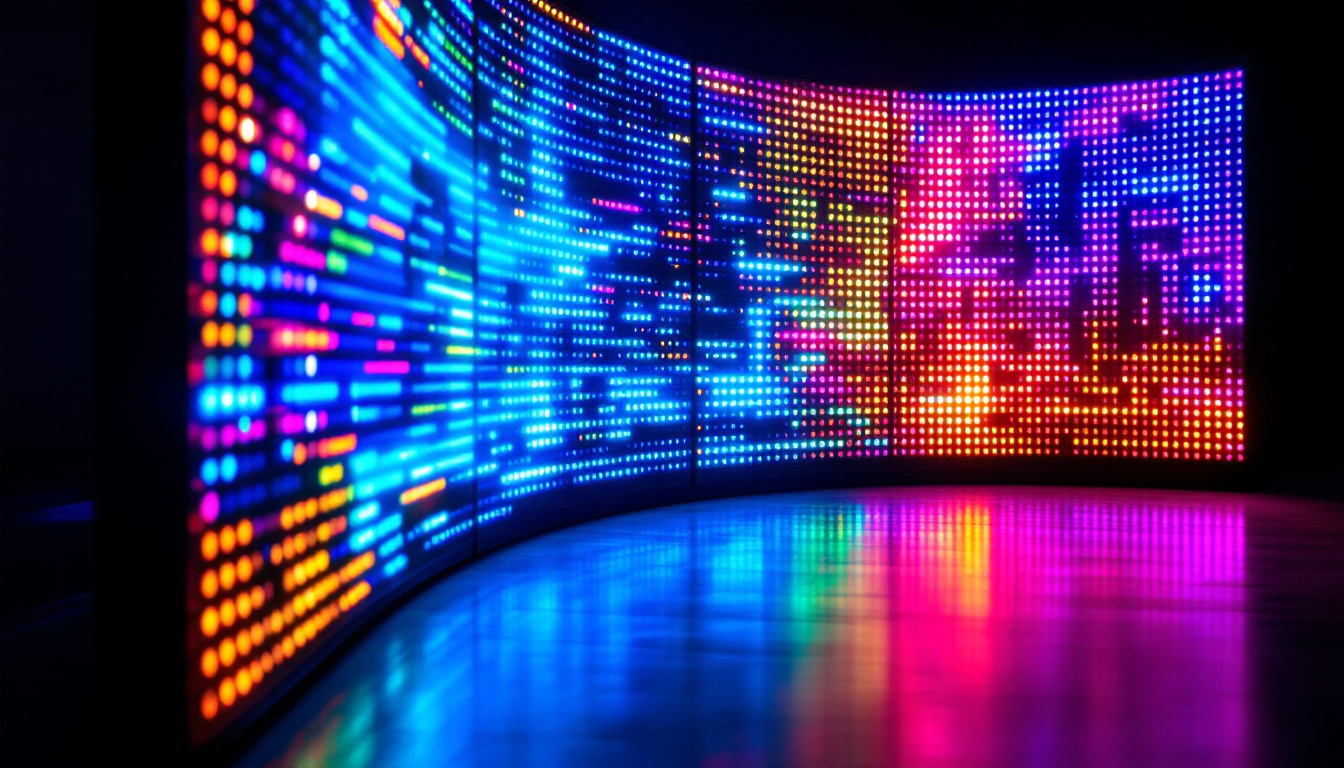
Pixel pitch is a fundamental concept in LED display technology. It refers to the distance from the center of one LED pixel to the center of the adjacent pixel, measured in millimeters. This measurement directly impacts the resolution, viewing distance, and overall image quality of the display.
How Pixel Pitch Affects Display Quality
A smaller pixel pitch means the LEDs are packed closer together, resulting in higher resolution and sharper images. Conversely, a larger pixel pitch means LEDs are spaced further apart, which can reduce image clarity but may be suitable for displays viewed from a greater distance.
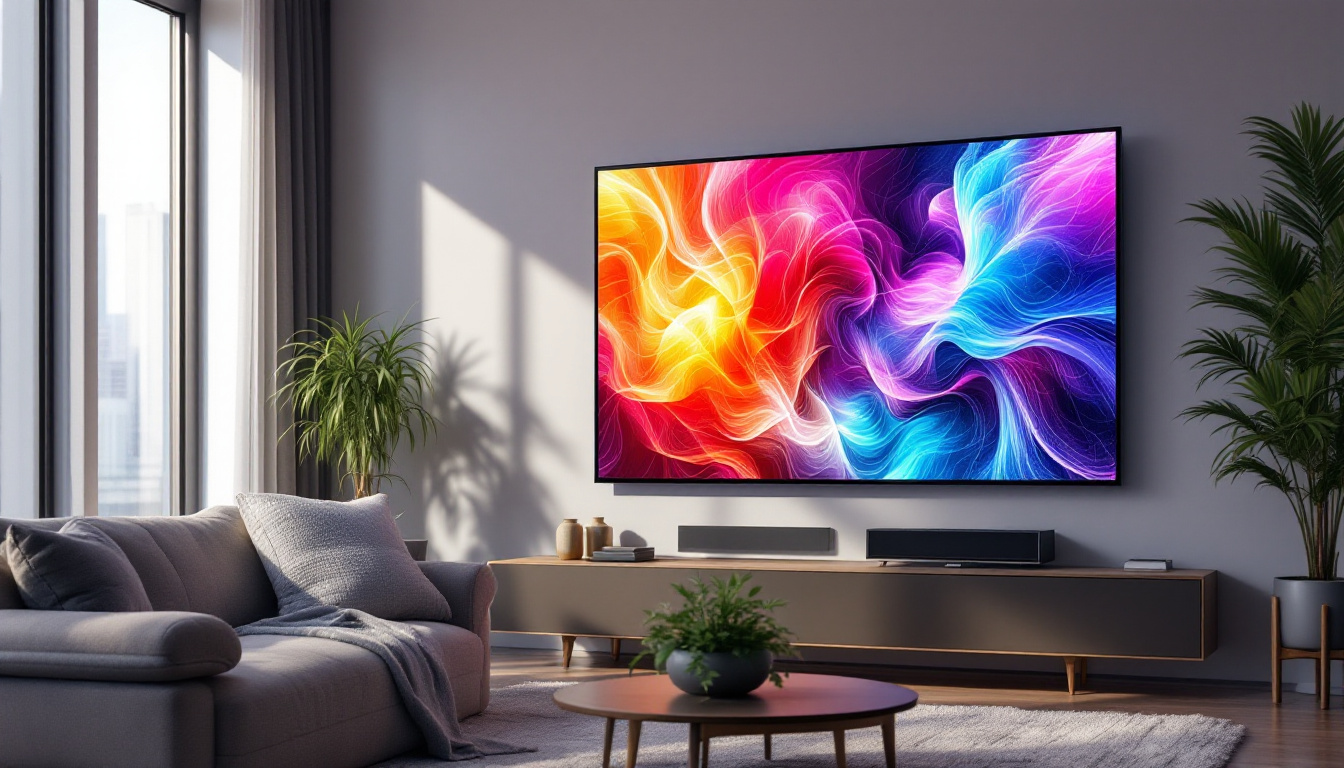
For example, a 2.5 mm pixel pitch is considered fine pitch, ideal for indoor displays where viewers are close to the screen, such as in conference rooms, retail environments, or control rooms. This pixel pitch allows for crisp images and detailed content without visible pixelation. The enhanced detail is particularly beneficial for displaying intricate graphics, text, and videos, ensuring that the audience receives a clear and engaging visual experience.
Comparing 2.5 mm Pixel Pitch to Other Sizes
To put 2.5 mm into perspective, here are some common pixel pitch sizes and their typical applications:
- 1.2 mm to 1.5 mm: Ultra-fine pitch for high-end indoor displays requiring exceptional detail, such as broadcast studios and medical imaging.
- 2.5 mm: Fine pitch for indoor environments with moderate viewing distances, balancing cost and image quality.
- 4 mm to 6 mm: Mid-range pitch for larger indoor or semi-outdoor displays viewed from several meters away.
- 10 mm and above: Coarse pitch for outdoor billboards and large venue displays where viewers are far away.
Understanding these differences helps in selecting the appropriate LED display for specific use cases. The choice of pixel pitch not only influences the visual quality but also impacts the overall cost of the display. Smaller pixel pitches often come with a higher price tag due to the increased number of LEDs required and the advanced technology involved in their manufacturing. Additionally, the environment in which the display will be used plays a crucial role in determining the ideal pixel pitch. For instance, outdoor displays must also consider factors such as brightness and weather resistance, which can further influence the selection process.
Moreover, advancements in LED technology have led to the development of even finer pixel pitches, pushing the boundaries of what is possible in display resolution. This evolution is particularly evident in venues like museums and galleries, where the need for high-definition visuals is paramount. As the technology continues to improve, we can expect to see even more applications for various pixel pitches, catering to a wider array of industries and enhancing the way we communicate visually.
Applications of 2.5 mm Pixel Pitch LED Displays
The 2.5 mm pixel pitch LED display is versatile and widely used across various industries. Its balance of resolution and cost-effectiveness makes it a popular choice for many indoor applications.
Corporate and Conference Environments
In corporate settings, LED displays are often used for presentations, video conferencing, and digital signage. A 2.5 mm pixel pitch provides clear visuals that ensure text and graphics are easily readable even at close distances, enhancing communication and engagement during meetings.
Retail and Advertising
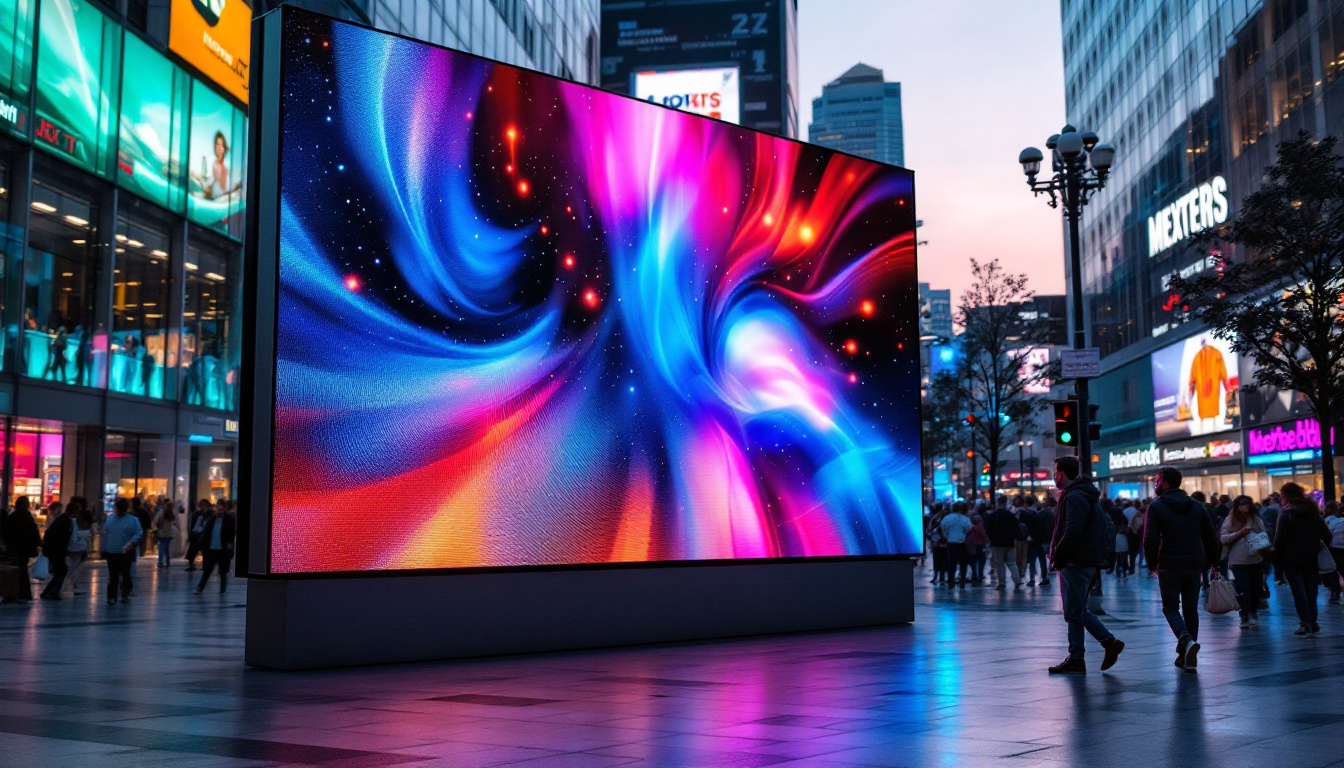
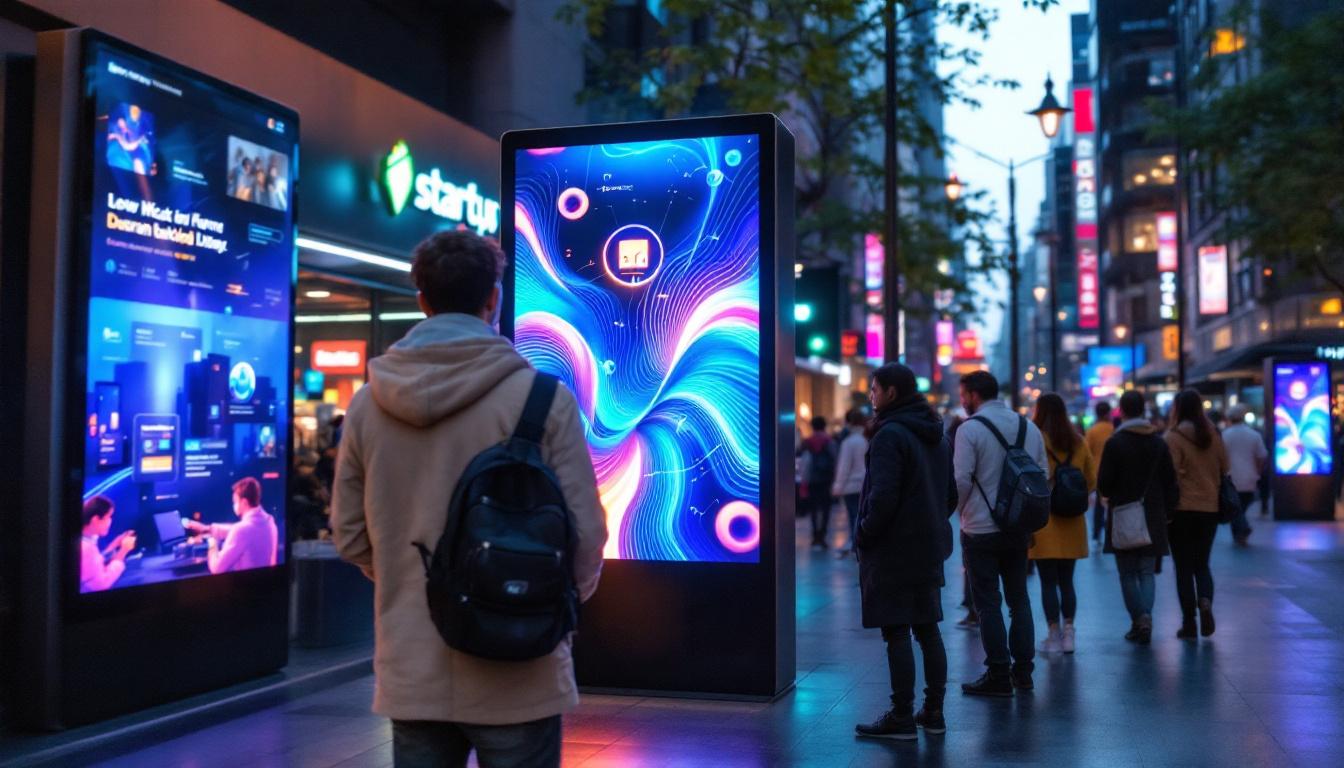
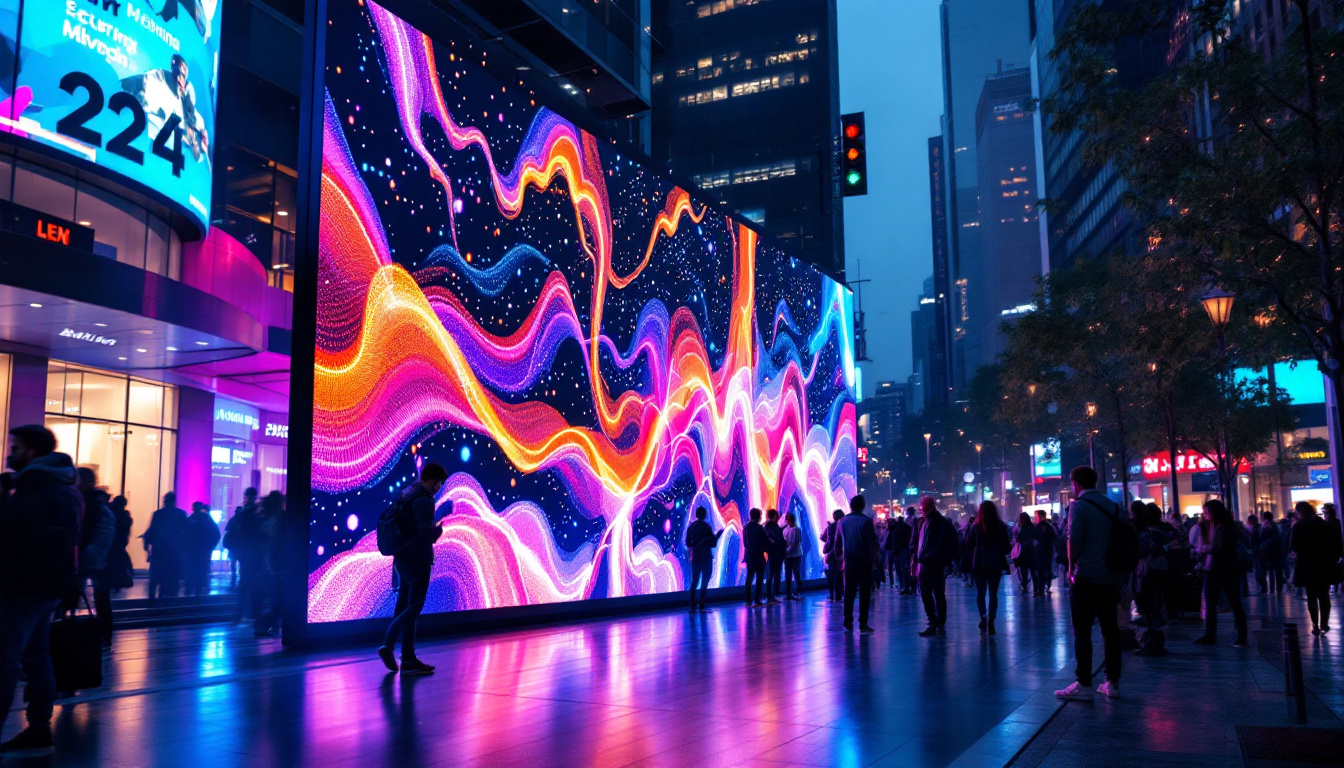
Retailers use LED displays to attract customers and promote products. A 2.5 mm pitch is ideal for indoor signage where customers are near the screen, allowing for vibrant, eye-catching content without the pixelation that can occur with larger pitches.
Broadcast and Control Rooms
Broadcast studios and control rooms require high-resolution displays to monitor multiple data streams and video feeds. While ultra-fine pitches are sometimes preferred, 2.5 mm displays offer a cost-effective solution without compromising too much on image quality.
Education and Training Facilities
Educational institutions and training centers benefit from using 2.5 mm LED displays for lectures, interactive sessions, and presentations. The clarity and sharpness improve the learning experience, especially in medium-sized rooms.
Technical Considerations When Choosing a 2.5 mm LED Display
Beyond pixel pitch, several technical factors influence the performance and suitability of a 2.5 mm LED display. Understanding these can help buyers make informed decisions.
Resolution and Screen Size
The total resolution of an LED display depends on both the pixel pitch and the physical size of the screen. For a 2.5 mm pitch, increasing the screen size increases the number of pixels, enhancing detail but also raising costs.
For instance, a 100-inch diagonal screen with a 2.5 mm pitch will have a higher resolution than a 50-inch screen with the same pitch. Buyers must balance desired screen size with resolution requirements and budget.
Brightness and Contrast Ratio
Brightness, measured in nits, is crucial for visibility, especially in environments with ambient light. Indoor 2.5 mm LED displays typically offer brightness levels between 800 to 1500 nits, sufficient for most indoor conditions.
Contrast ratio affects the display’s ability to show deep blacks and vibrant colors. Higher contrast ratios improve image quality and viewer experience.
Refresh Rate and Color Accuracy
Refresh rate, measured in Hertz (Hz), determines how smoothly motion appears on the screen. For LED displays, a refresh rate of 1920 Hz or higher is recommended to prevent flickering, especially for video content or camera filming.
Color accuracy ensures that the displayed content matches the intended colors. This is particularly important for branding and advertising applications.
Installation and Maintenance
2.5 mm LED displays require precise installation to maintain uniform pixel pitch and image quality. Modular designs facilitate easier maintenance and scalability.
Additionally, factors like heat dissipation, power consumption, and durability should be considered to ensure long-term performance.
Future Trends in LED Display Technology
As LED technology evolves, pixel pitches continue to shrink, pushing the boundaries of resolution and image quality. While 2.5 mm remains a popular standard, emerging trends suggest exciting developments ahead.
MicroLED and Beyond
MicroLED technology offers even smaller pixel pitches, sometimes below 1 mm, enabling ultra-high-definition displays with exceptional brightness and energy efficiency. Though currently expensive, MicroLED is expected to become more accessible in the coming years.
Flexible and Transparent LED Displays
Innovations in flexible and transparent LED panels are opening new possibilities for creative installations, such as curved displays or windows that double as screens. Pixel pitch remains a key factor in these designs to maintain image quality.
Integration with Smart Technologies
Smart LED displays with integrated sensors and AI-driven content management are becoming more common. These systems can adjust brightness, content, and resolution dynamically based on environmental conditions and audience engagement.
Conclusion
Understanding what 2.5 mm translates to in inches—approximately 0.098 inches—provides valuable context for professionals working with LED displays. This pixel pitch size strikes a balance between high resolution and cost-effectiveness, making it ideal for a wide range of indoor applications.
By grasping the significance of pixel pitch and related technical factors, businesses and designers can select LED displays that meet their specific needs, ensuring vibrant, sharp visuals that enhance communication and engagement. As LED technology continues to advance, staying informed about these measurements and trends will remain essential for making smart investment decisions.
Discover Cutting-Edge LED Displays with LumenMatrix
Ready to elevate your visual experience with the perfect balance of high resolution and cost-effectiveness? Look no further than LumenMatrix, a pioneer in LED display technology. Our extensive range of solutions, from Indoor and Outdoor LED Wall Displays to innovative LED Posters and Custom Displays, is designed to capture your audience’s attention and bring your brand’s message to life. Whether you’re looking to create an immersive environment or enhance your advertising impact, LumenMatrix has the expertise to transform your visual communication. Check out LumenMatrix LED Display Solutions today and see the difference for yourself.