In the rapidly evolving world of display technology, electroluminescent (EL) lighting and LED displays have become foundational components across numerous industries. From smartphones and televisions to automotive dashboards and wearable devices, these technologies illuminate our digital experiences with clarity and efficiency. This article delves into the science behind electroluminescent light and LED displays, exploring their principles, applications, and future trends.
Understanding Electroluminescent Light
What is Electroluminescence?
Electroluminescence is a phenomenon where a material emits light in response to an electric current or a strong electric field. Unlike traditional incandescent bulbs that generate light by heating a filament, electroluminescent materials produce light through the excitation of electrons within a semiconductor or phosphor layer. This process is highly efficient, resulting in bright, uniform illumination with minimal heat generation.
The principle of electroluminescence was first observed in the early 20th century, but practical applications took off in the 1960s with the development of thin-film electroluminescent panels. These panels consist of a phosphor layer sandwiched between two electrodes, which emit light when an alternating current is applied. Over the years, advancements in materials science have led to the discovery of new phosphors and improved manufacturing techniques, further enhancing the efficiency and brightness of electroluminescent devices.
Today, electroluminescent technology is not only utilized in lighting but also in various electronic displays, such as those found in watches, smartphones, and automotive dashboards. The ability to create vibrant colors and intricate designs has made electroluminescent displays a popular choice for modern consumer electronics, where aesthetics and functionality go hand in hand.
How Electroluminescent Panels Work
Electroluminescent panels typically use phosphor materials such as zinc sulfide doped with copper or manganese. When an alternating voltage is applied across the electrodes, electrons in the phosphor are excited to higher energy states. As they return to their ground state, they release photons, producing visible light. The color of the emitted light depends on the type of phosphor used. For instance, different doping agents can lead to varying hues, allowing for a wide palette of colors in electroluminescent applications.
One of the key advantages of EL panels is their thinness and flexibility, enabling their use in diverse applications where traditional lighting solutions are impractical. They also offer uniform light distribution and can be manufactured in various shapes and sizes, making them ideal for backlighting and display purposes. Moreover, the low power consumption of electroluminescent panels makes them an environmentally friendly option, particularly in battery-operated devices. As technology continues to evolve, researchers are exploring new materials and configurations that could further enhance the performance of electroluminescent systems, potentially leading to even broader applications in fields such as architecture, automotive lighting, and wearable technology.
The Rise of LED Displays
LED Technology Basics
Light Emitting Diodes (LEDs) are semiconductor devices that emit light when an electric current passes through them. Unlike electroluminescent panels that rely on phosphor excitation, LEDs generate light through electroluminescence at the junction of two semiconductor materials—typically gallium arsenide or gallium nitride compounds.
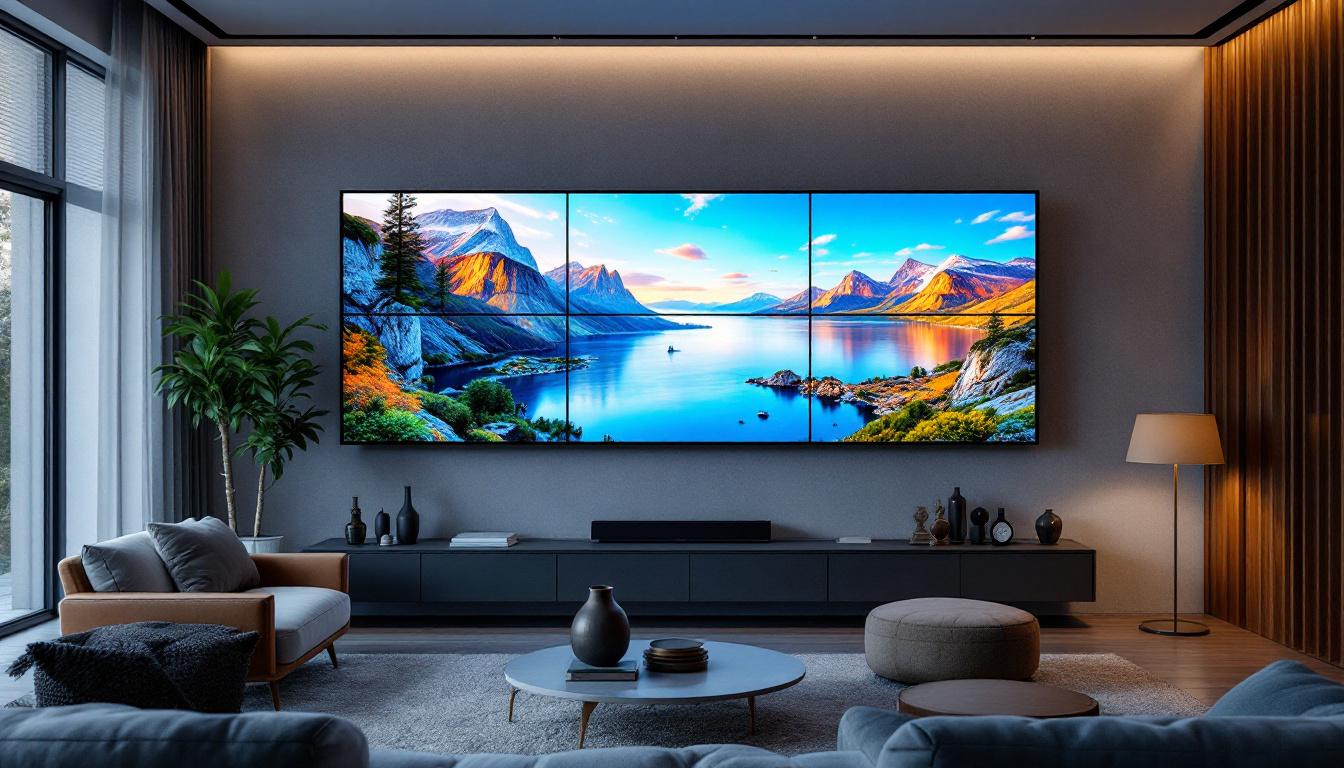
LEDs have revolutionized display technology due to their energy efficiency, long lifespan, and high brightness. They are used in everything from simple indicator lights to complex video walls and large-scale digital signage. The versatility of LED technology has made it a preferred choice in various industries, including automotive, consumer electronics, and advertising. With ongoing advancements, the potential applications for LEDs continue to expand, paving the way for innovative designs and functionalities that were previously unimaginable.
Types of LED Displays
LED displays come in various forms, each suited to different applications:
- Segment LEDs: Commonly used in digital clocks and calculators, these displays show numbers and limited characters.
- Dot Matrix LEDs: Composed of a grid of LEDs that can be individually controlled to display text, symbols, or simple graphics.
- OLED (Organic LED) Displays: Utilize organic compounds that emit light when electrically stimulated, offering superior contrast ratios and flexibility.
- MicroLED Displays: An emerging technology that uses microscopic LEDs to create high-resolution, bright, and energy-efficient displays.
In addition to these types, there are also specialized LED displays designed for niche applications. For instance, transparent LED displays are gaining traction in retail environments, allowing for eye-catching advertisements while maintaining visibility through the glass. Furthermore, flexible LED displays are being developed for use in wearables and curved surfaces, showcasing the adaptability of LED technology to meet the demands of modern design aesthetics.
Advantages of LED Displays Over Traditional Technologies
Compared to older display technologies like LCDs and plasma screens, LED displays offer several benefits:
- Energy Efficiency: LEDs consume significantly less power, which is crucial for battery-operated devices and large-scale installations.
- Brightness and Visibility: LEDs can achieve higher brightness levels, improving visibility in daylight and outdoor environments.
- Durability: LEDs are solid-state devices, making them more resistant to shock and vibration.
- Thin and Lightweight: LED panels can be made extremely thin and lightweight, enabling sleek device designs.
- Color Accuracy and Range: Advanced LED displays provide vivid colors and wide color gamuts, enhancing visual experiences.
Moreover, the longevity of LED displays significantly reduces maintenance costs over time, as they can last tens of thousands of hours without degradation in performance. This durability not only benefits consumers but also businesses that rely on digital signage for marketing and communication. As the technology continues to evolve, innovations such as smart LED displays equipped with sensors and connectivity features are emerging, allowing for interactive experiences that engage users in new and exciting ways. The integration of artificial intelligence with LED technology is also on the horizon, promising to further enhance the capabilities and functionalities of these displays.
Applications of Electroluminescent and LED Technologies
Consumer Electronics
Electroluminescent lighting is commonly used as backlighting in devices such as wristwatches, calculators, and instrument panels. Its thin profile and uniform glow make it ideal for illuminating displays without adding bulk. This technology is particularly advantageous in environments where space is limited, allowing for sleek designs that do not compromise on functionality. Additionally, the low power consumption of electroluminescent panels extends battery life, making them a preferred choice for portable devices.
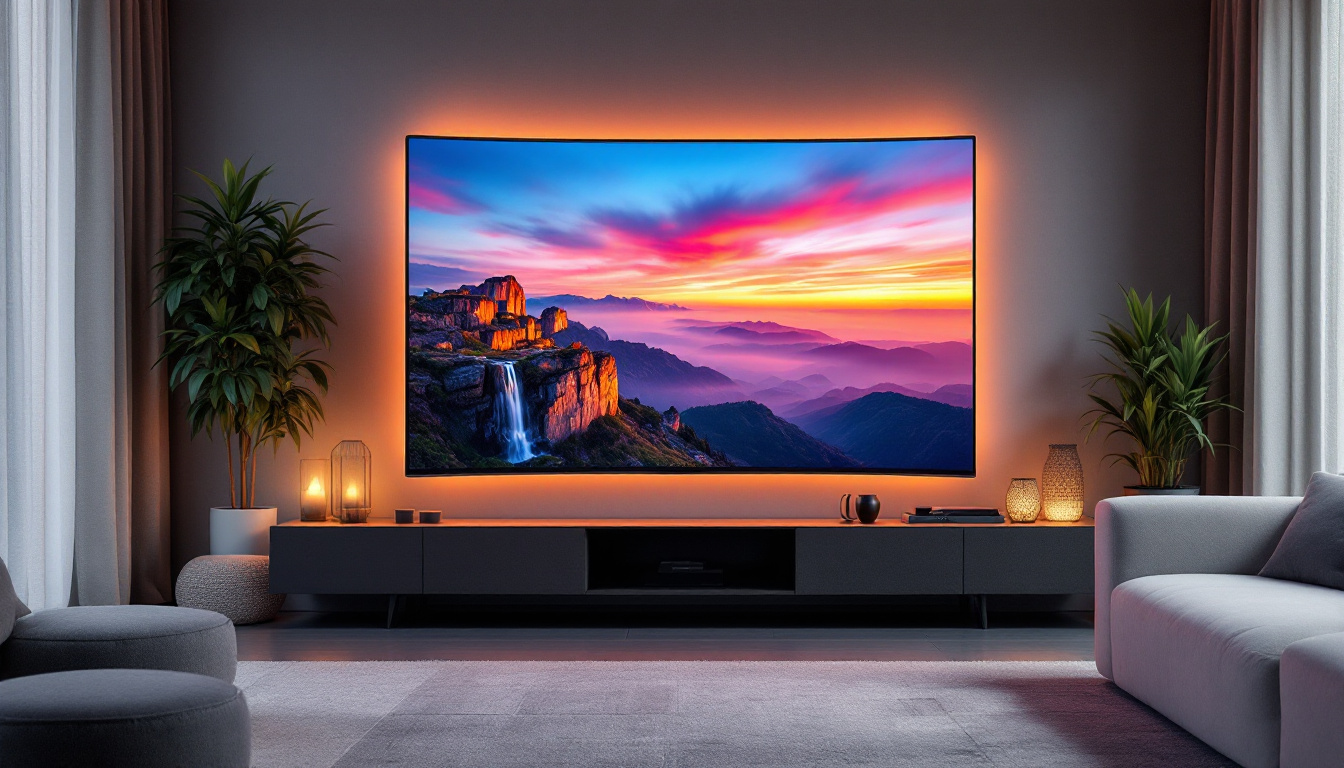
LED displays dominate the consumer electronics market, powering smartphone screens, televisions, and computer monitors. OLED technology, a subset of LED displays, has become especially popular in high-end smartphones and TVs due to its deep blacks and vibrant colors. The ability of OLED panels to achieve true black levels enhances the overall viewing experience, making them ideal for movie enthusiasts and gamers alike. Furthermore, advancements in LED technology have led to the development of flexible displays, opening up new possibilities for innovative product designs that can bend and fold without losing functionality.
Automotive Industry
Modern vehicles increasingly rely on LED displays for dashboard instrumentation, infotainment systems, and exterior lighting. Electroluminescent panels are also used for backlighting buttons and switches, providing intuitive and visually pleasing user interfaces. The integration of these technologies not only enhances the aesthetic appeal of vehicle interiors but also improves functionality, as illuminated controls are easier to locate and operate in low-light conditions.
LED headlights and taillights offer improved energy efficiency and longevity compared to traditional halogen bulbs, enhancing vehicle safety and reducing maintenance costs. Additionally, adaptive LED lighting systems can adjust the beam pattern based on driving conditions, providing better visibility on winding roads or during inclement weather. This innovation not only contributes to safer driving experiences but also aligns with the automotive industry’s push towards sustainability, as LED lights consume significantly less energy and have a longer lifespan than their incandescent counterparts.
Advertising and Public Displays
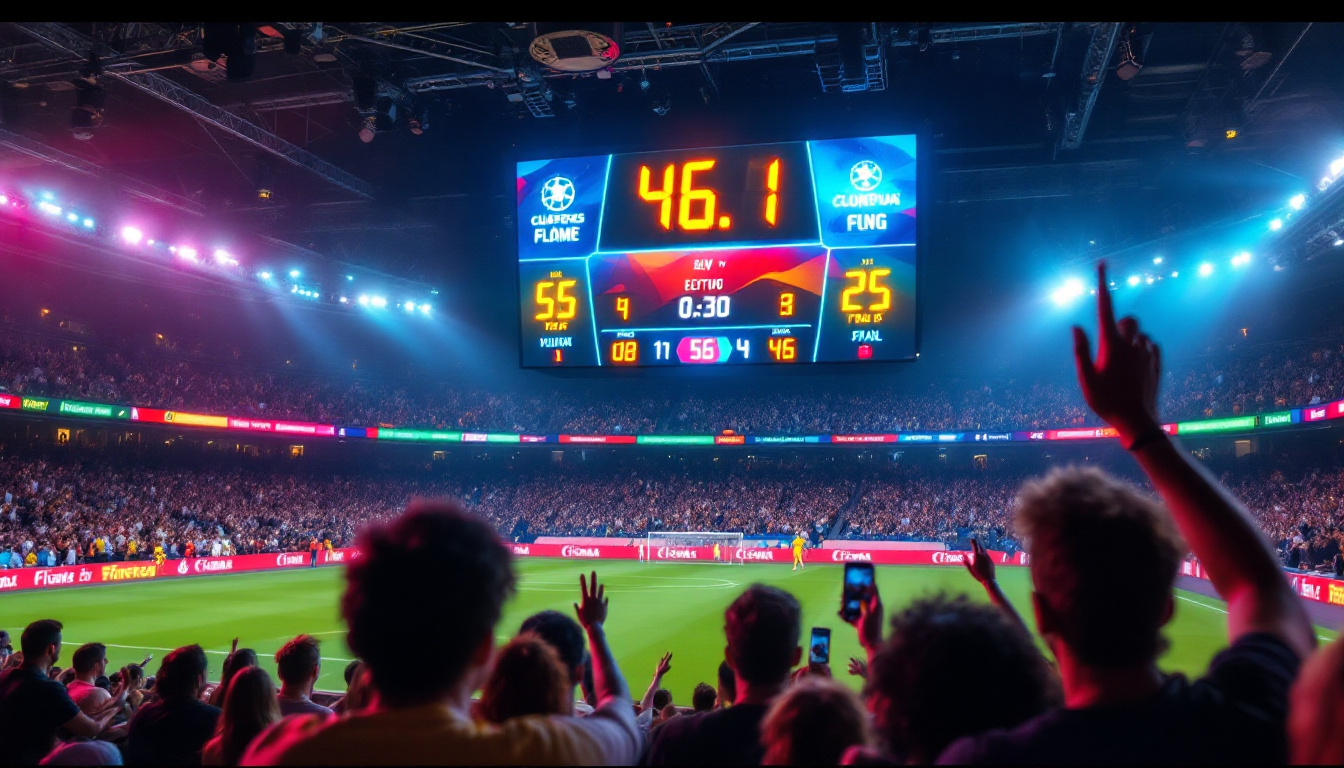
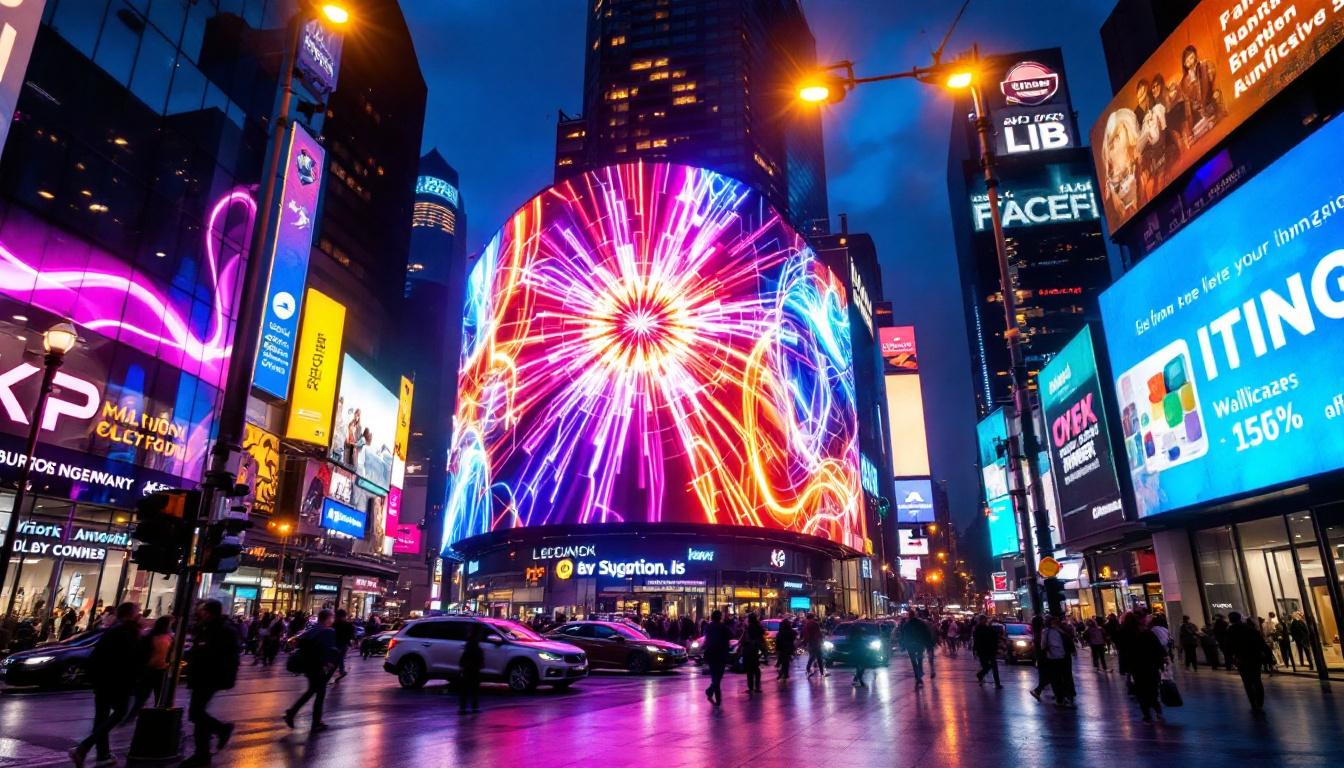
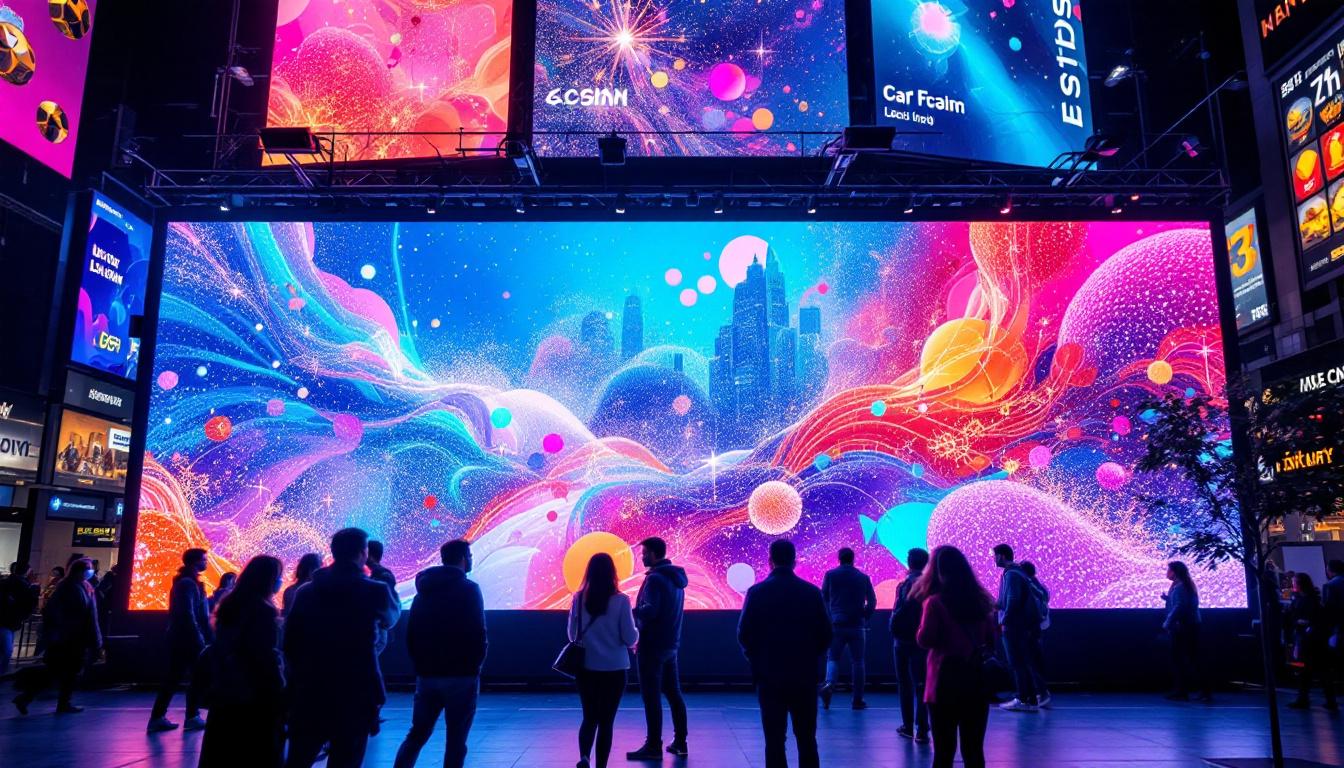
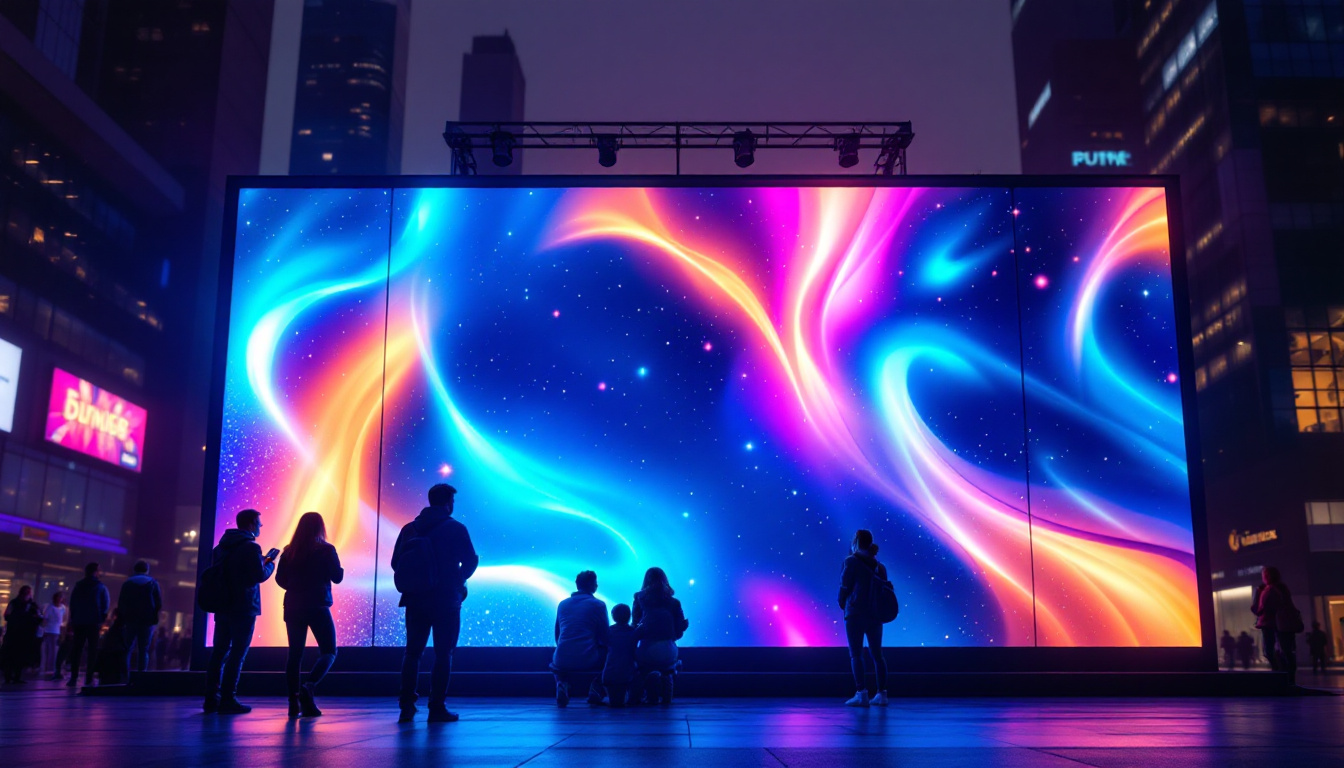
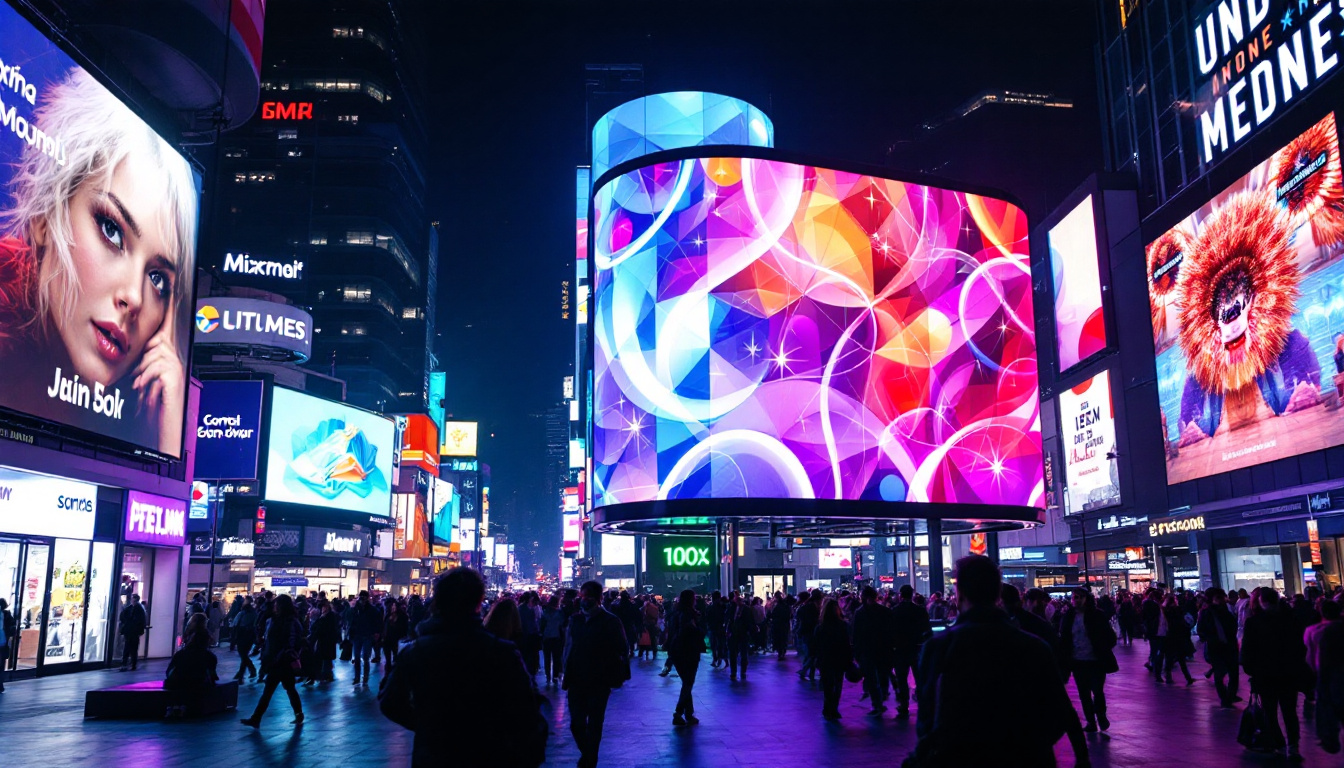
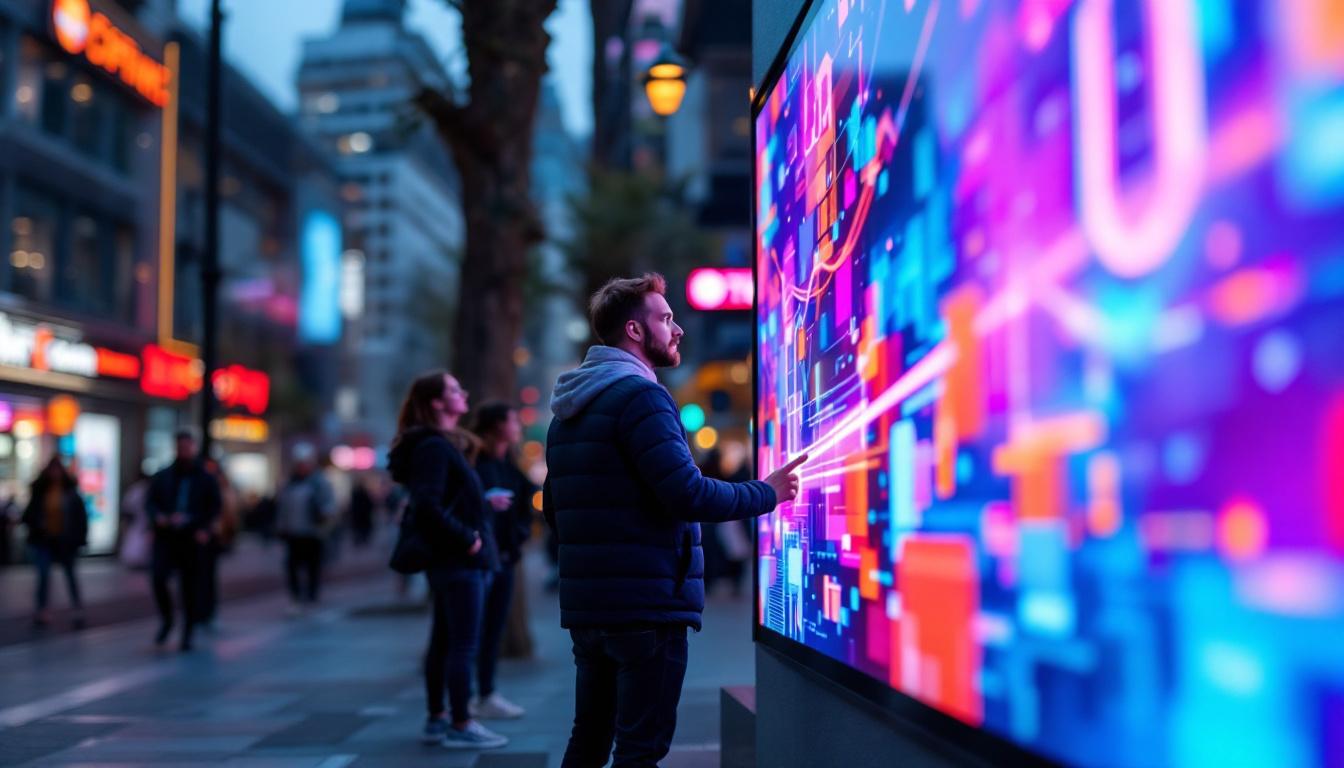
Large-scale LED video walls and billboards have transformed outdoor advertising. Their high brightness and dynamic content capabilities enable eye-catching displays that attract attention even in bright sunlight. These installations can be programmed to showcase a variety of advertisements, providing advertisers with the flexibility to change messages frequently and target different audiences throughout the day. The use of LED technology in advertising has also led to the rise of interactive displays, where passersby can engage with content through touch or motion sensors, creating immersive brand experiences.
Electroluminescent lighting, while less common in large displays, finds niche applications in signage where thin, flexible illumination is required. This technology is particularly useful in environments where traditional lighting solutions may be impractical, such as in curved or irregularly shaped signs. Furthermore, electroluminescent panels can be made in various colors and shapes, allowing for creative and visually striking designs that enhance brand identity and visibility in crowded marketplaces.
Wearable Technology and Medical Devices
Wearables such as fitness trackers and smartwatches often incorporate electroluminescent backlighting for their displays, ensuring readability in various lighting conditions without draining the battery. This feature is particularly beneficial for users who engage in outdoor activities, as it allows them to easily check their stats during runs or hikes, regardless of the time of day. Moreover, the lightweight nature of electroluminescent technology contributes to the overall comfort of these devices, making them more appealing for long-term wear.
In medical devices, LED displays provide clear, reliable readouts for monitoring equipment, enhancing user experience and safety. The precise color rendering and brightness of LED technology ensure that critical information is easily visible, even in low-light hospital environments. Additionally, advancements in LED technology have led to the development of wearable medical devices that can continuously monitor vital signs, providing real-time data to healthcare professionals and patients alike. This capability not only improves patient outcomes but also supports the growing trend of telemedicine, where remote monitoring is becoming increasingly essential.
Future Trends and Innovations
Flexible and Transparent Displays
Advancements in materials science are enabling the development of flexible and transparent LED displays. These innovations promise to revolutionize device form factors, allowing screens to bend, fold, or even wrap around surfaces.
Electroluminescent materials are also being explored for integration into wearable fabrics and smart clothing, potentially enabling illuminated garments and accessories.
MicroLED and Quantum Dot Technologies
MicroLED displays, which use tiny individual LEDs as pixels, offer superior brightness, contrast, and energy efficiency compared to current OLED and LCD panels. Although still in early stages of commercialization, MicroLEDs are expected to become mainstream in the next decade.
Quantum dot technology, often combined with LED backlighting, enhances color accuracy and brightness, pushing the boundaries of display quality.
Energy Efficiency and Sustainability
With growing environmental concerns, the energy efficiency of display technologies is under intense scrutiny. Both electroluminescent and LED displays contribute to reducing power consumption, but ongoing research focuses on further minimizing energy use and improving recyclability of components.
Manufacturers are also exploring the use of non-toxic, abundant materials in electroluminescent phosphors and LED semiconductors to promote sustainability.
Conclusion
Electroluminescent lighting and LED display technologies have fundamentally transformed how visual information is presented and consumed. Their unique properties—ranging from thin, flexible form factors to high brightness and energy efficiency—make them indispensable in modern electronics, automotive systems, advertising, and beyond.
As research continues to push the boundaries of what these technologies can achieve, the future promises even more innovative, immersive, and sustainable display solutions. Understanding the principles and applications of electroluminescent and LED displays is essential for professionals and enthusiasts alike who wish to stay informed about the cutting edge of visual technology.
Discover the Future of LED Displays with LumenMatrix
As we embrace the innovative advancements in electroluminescent and LED display technologies, LumenMatrix stands at the forefront, ready to illuminate your world with cutting-edge LED display modules. Whether you’re looking to enhance brand visibility with an Indoor LED Wall Display, captivate passersby with an Outdoor LED Wall Display, or create dynamic visual experiences with our range of LED solutions including Vehicle, Poster, Sports, Floor, Custom, All-in-One, and LED Transparent Displays, LumenMatrix is your partner in revolutionizing visual communication. Check out LumenMatrix LED Display Solutions today and empower your business to share its message with unparalleled impact and clarity.