In today’s fast-paced digital world, LED displays have become an essential part of how information and visuals are communicated. From stadiums and billboards to retail stores and control rooms, LED technology powers vibrant, dynamic images that capture attention and convey messages effectively. But what exactly is an LED display, how does it work, and why is it preferred over other display technologies? This comprehensive guide explores the fundamentals of LED displays, their types, applications, and the technological advancements shaping their future.
Understanding LED Display Technology
What is an LED Display?
LED stands for Light Emitting Diode, a semiconductor device that emits light when an electric current passes through it. An LED display is a flat panel display that uses an array of these tiny LEDs as pixels to present images, videos, or text. Unlike traditional LCD or plasma screens that rely on backlighting or gas plasma, LED displays produce their own light, leading to higher brightness and contrast ratios.
The core advantage of LED displays lies in their ability to produce vivid colors and deep blacks, making images appear more lifelike and engaging. This self-illumination characteristic also allows LED displays to perform exceptionally well in various lighting conditions, including direct sunlight, which is why they are commonly used outdoors. Furthermore, the durability of LED technology contributes to its popularity; LED displays can withstand harsh weather conditions, making them ideal for billboards and signage in urban environments.
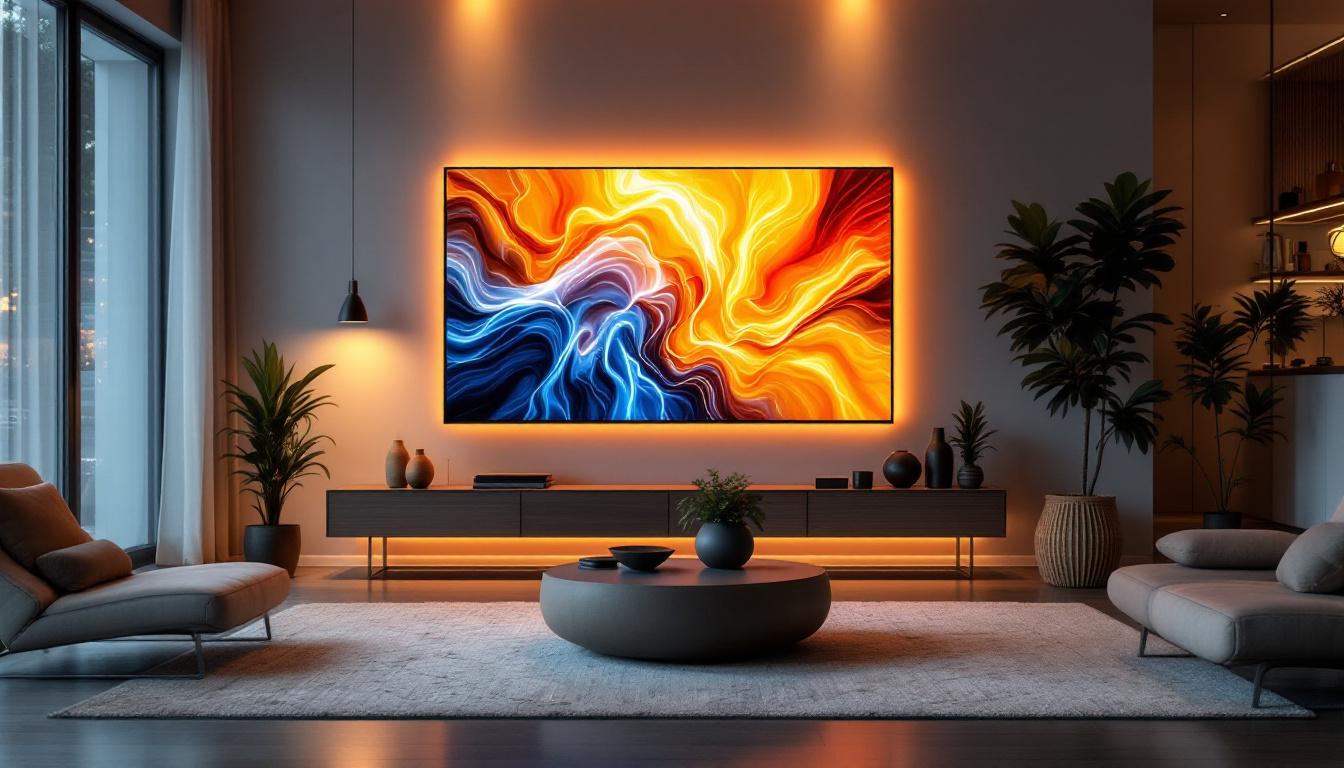
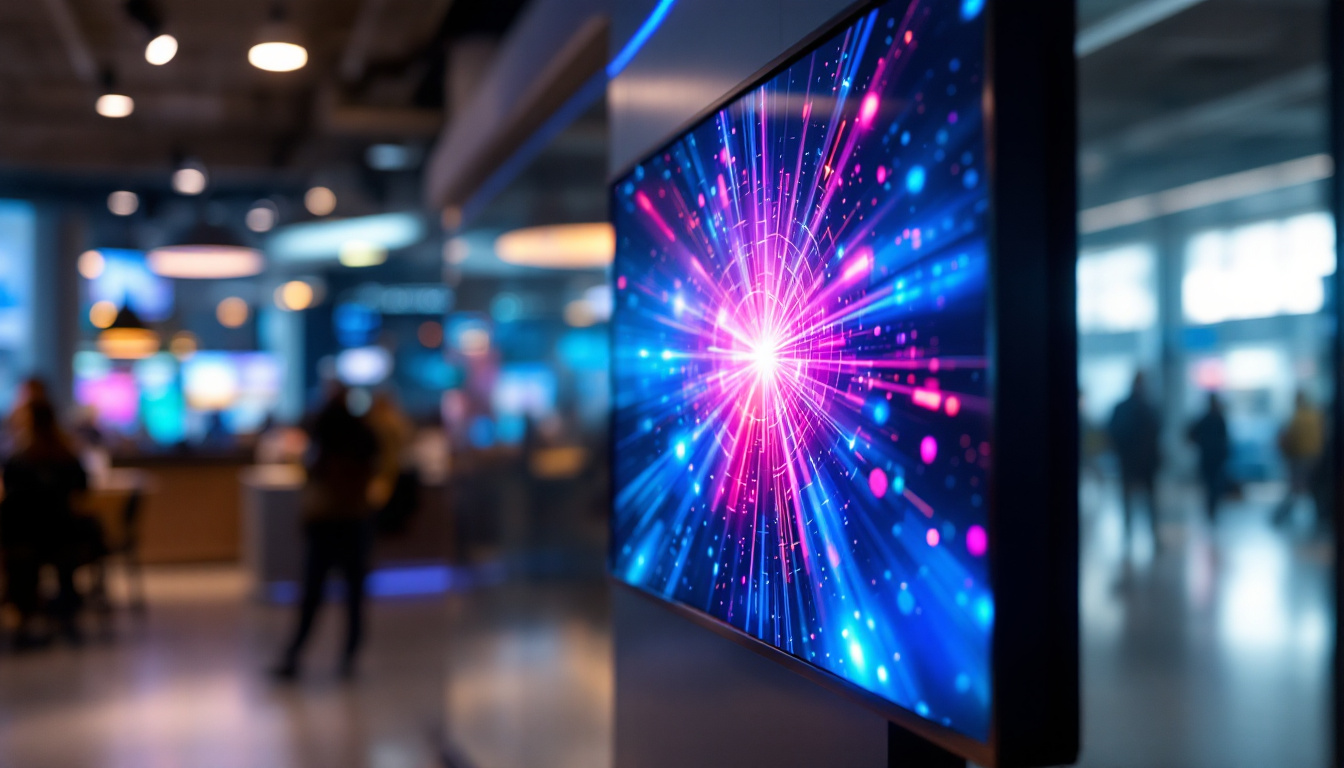
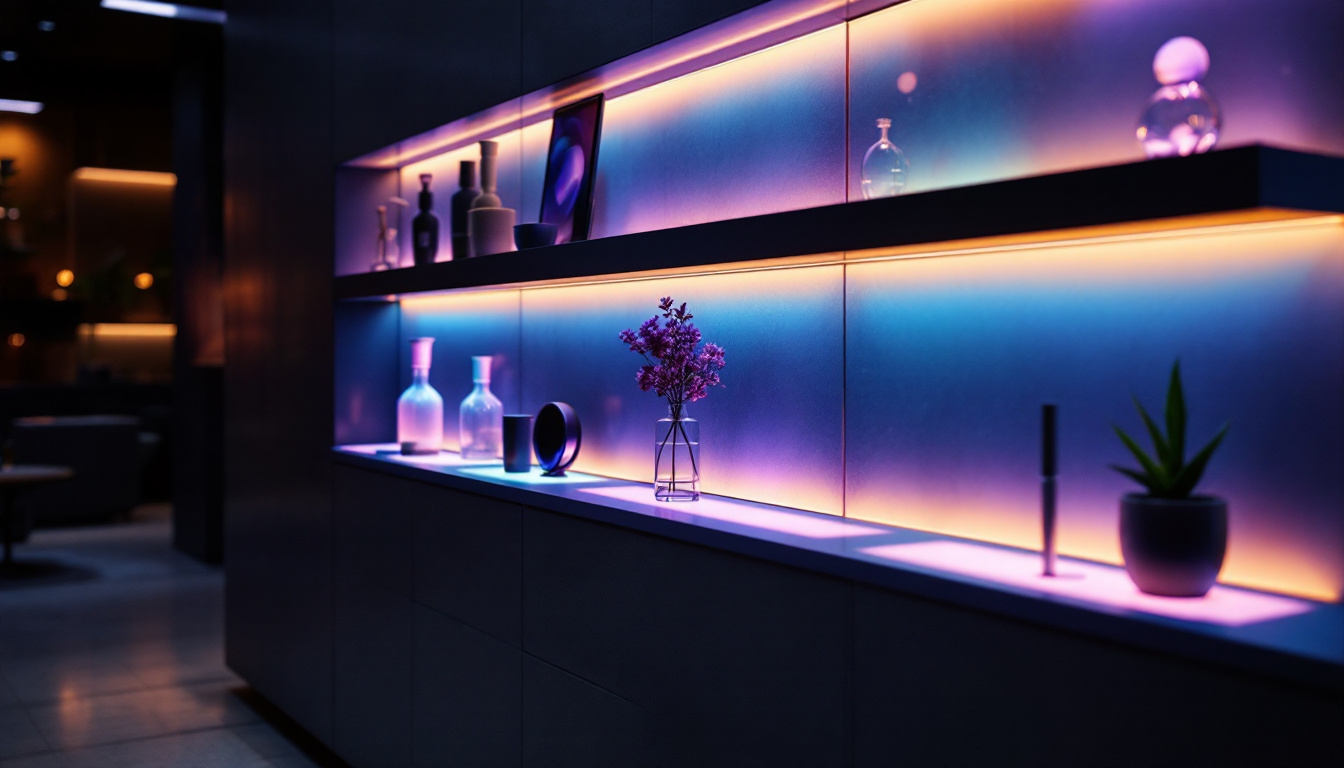
In addition to their outdoor applications, LED displays have made significant inroads into indoor environments, such as shopping malls, airports, and sports arenas. The versatility of LED technology enables it to be configured in various shapes and sizes, from large video walls to small screens embedded in devices. This adaptability has led to innovative uses, such as interactive displays that engage users in real-time, enhancing the overall experience in public spaces.
How Do LED Displays Work?
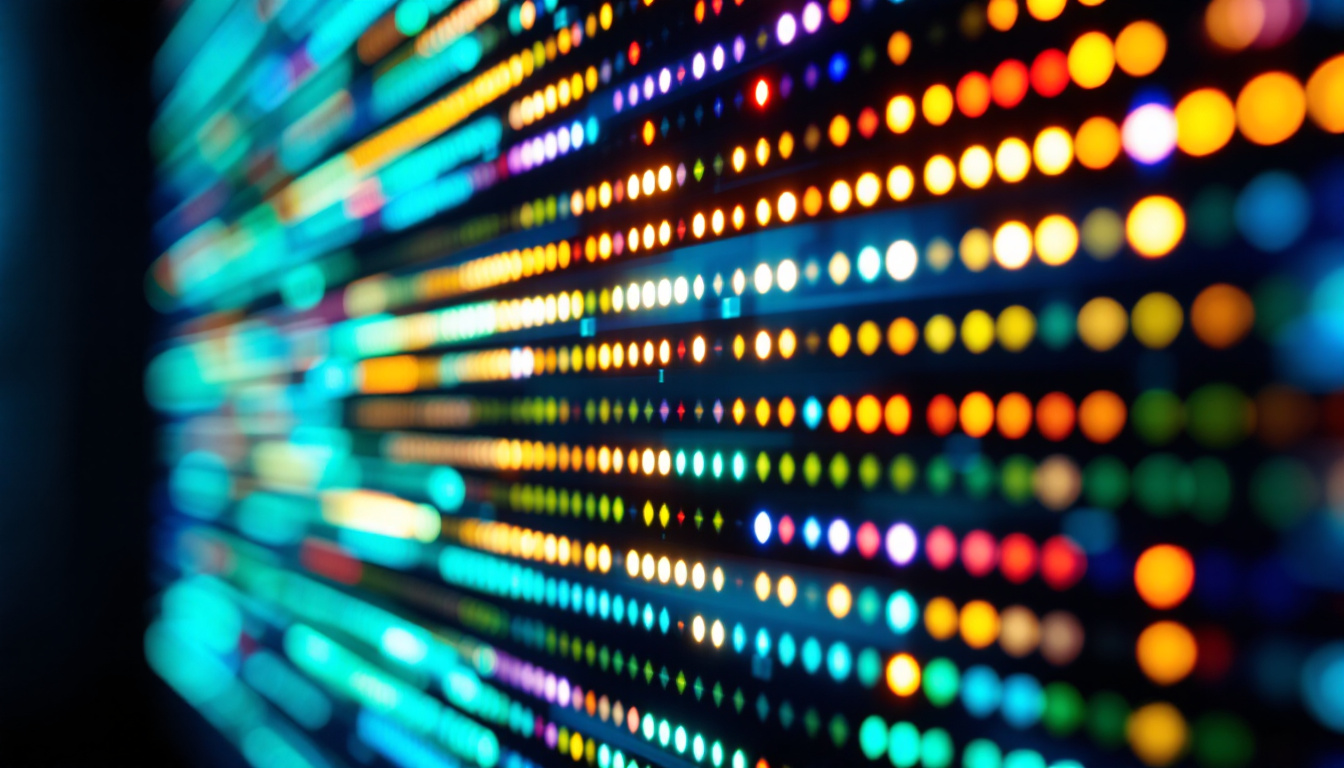
Each pixel in an LED display consists of one or more LEDs that emit red, green, and blue light. By varying the intensity of these three primary colors, the display can reproduce a wide spectrum of colors visible to the human eye. The LEDs are controlled by a driver circuit that adjusts their brightness based on the input video signal.
Modern LED displays use a technique called Pulse Width Modulation (PWM) to regulate the brightness of each LED. PWM rapidly switches the LEDs on and off at varying intervals, creating the perception of different brightness levels. This method is highly energy-efficient and allows for precise control over color and luminance. Additionally, advancements in LED technology have led to the development of organic LEDs (OLEDs), which offer even greater flexibility in design and improved color accuracy, pushing the boundaries of what is possible in display technology.
Moreover, the integration of smart technology into LED displays has transformed how content is managed and displayed. Many modern LED displays come equipped with built-in processors and connectivity options, allowing for real-time updates and remote control. This capability is particularly beneficial for advertising and informational displays, as it enables operators to change content on-the-fly based on audience engagement or specific time slots, maximizing the impact of the displayed information.
Types of LED Displays
Direct View LED Displays
Direct View LED (DVLED) displays are composed of individual LEDs arranged in a matrix to form a screen. These displays are known for their exceptional brightness and color vibrancy. They are widely used for large-format applications such as outdoor billboards, sports arenas, and concert stages.
The key characteristic of DVLED displays is the pixel pitch, which refers to the distance between the centers of adjacent pixels. A smaller pixel pitch means higher resolution and sharper images, suitable for close viewing distances. Advances in manufacturing have enabled pixel pitches as low as 0.7mm, making DVLED displays viable for indoor use where viewers are close to the screen.
LED-Backlit LCD Displays
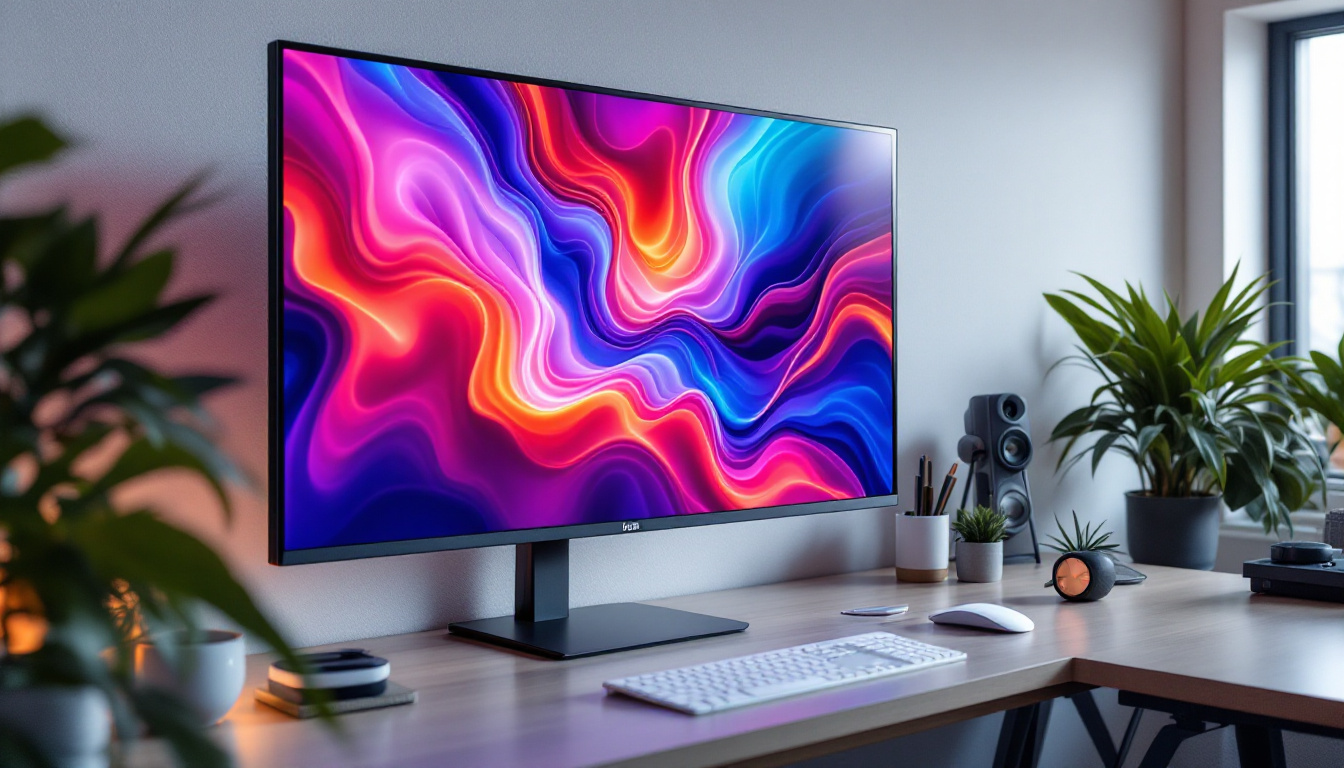
Another common type of LED display is the LED-backlit LCD screen, which combines LCD panels with LED backlighting. These are the standard displays found in most consumer electronics such as televisions, computer monitors, and smartphones.
In this technology, the LEDs do not form the image directly but provide the light source behind the liquid crystal layer. This approach improves energy efficiency and allows for thinner, lighter screens compared to older CCFL-backlit LCDs. However, because the image is formed by the LCD layer modulating the backlight, these displays generally have lower contrast ratios than direct view LED displays.
MicroLED and MiniLED Technologies
Emerging LED display technologies like MicroLED and MiniLED are pushing the boundaries of image quality and form factor. MicroLED displays use microscopic LEDs that serve as individual pixels, offering superior brightness, contrast, and color accuracy without the burn-in issues associated with OLEDs.
MiniLED technology, on the other hand, uses thousands of small LEDs as backlighting for LCD panels, enabling finer local dimming zones and dramatically improved contrast ratios. Both technologies are gaining traction in premium TVs, professional monitors, and digital signage, promising a new era of display performance.
Applications of LED Displays
Outdoor Advertising and Digital Billboards
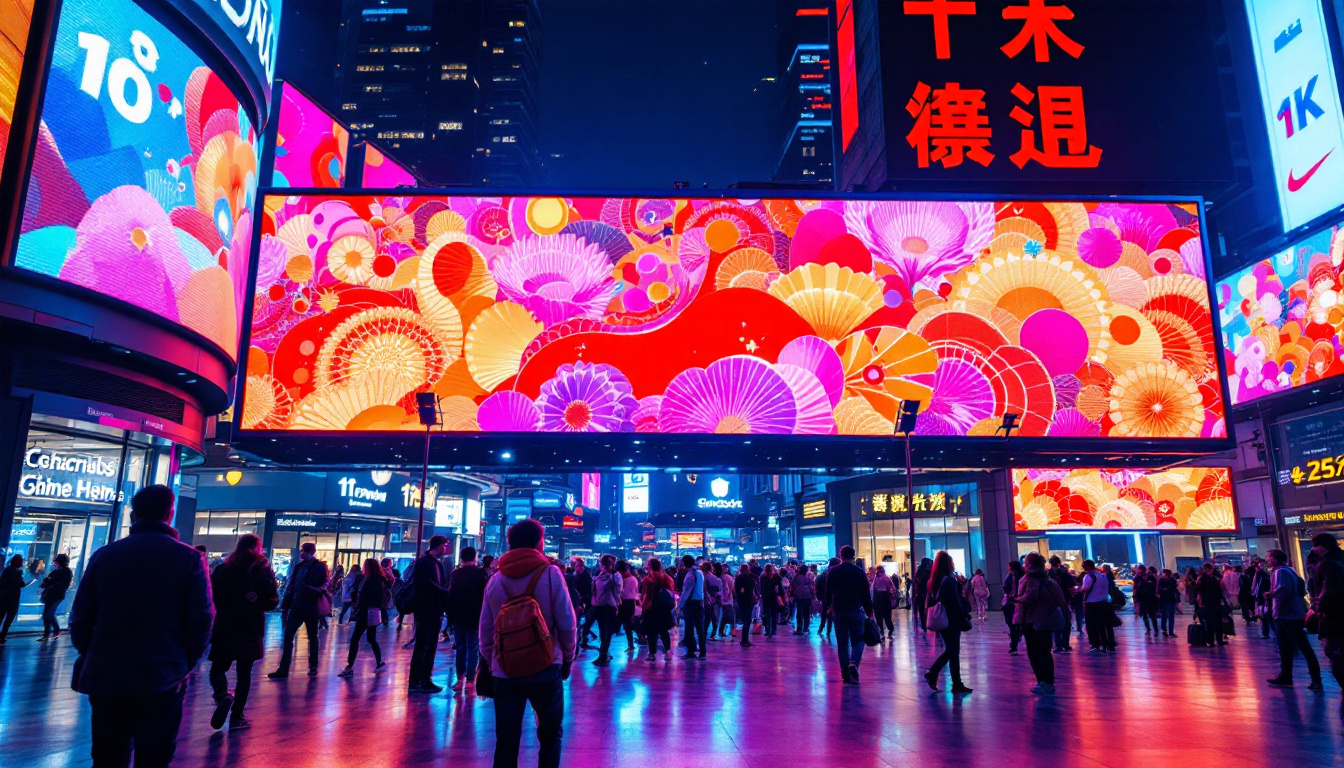
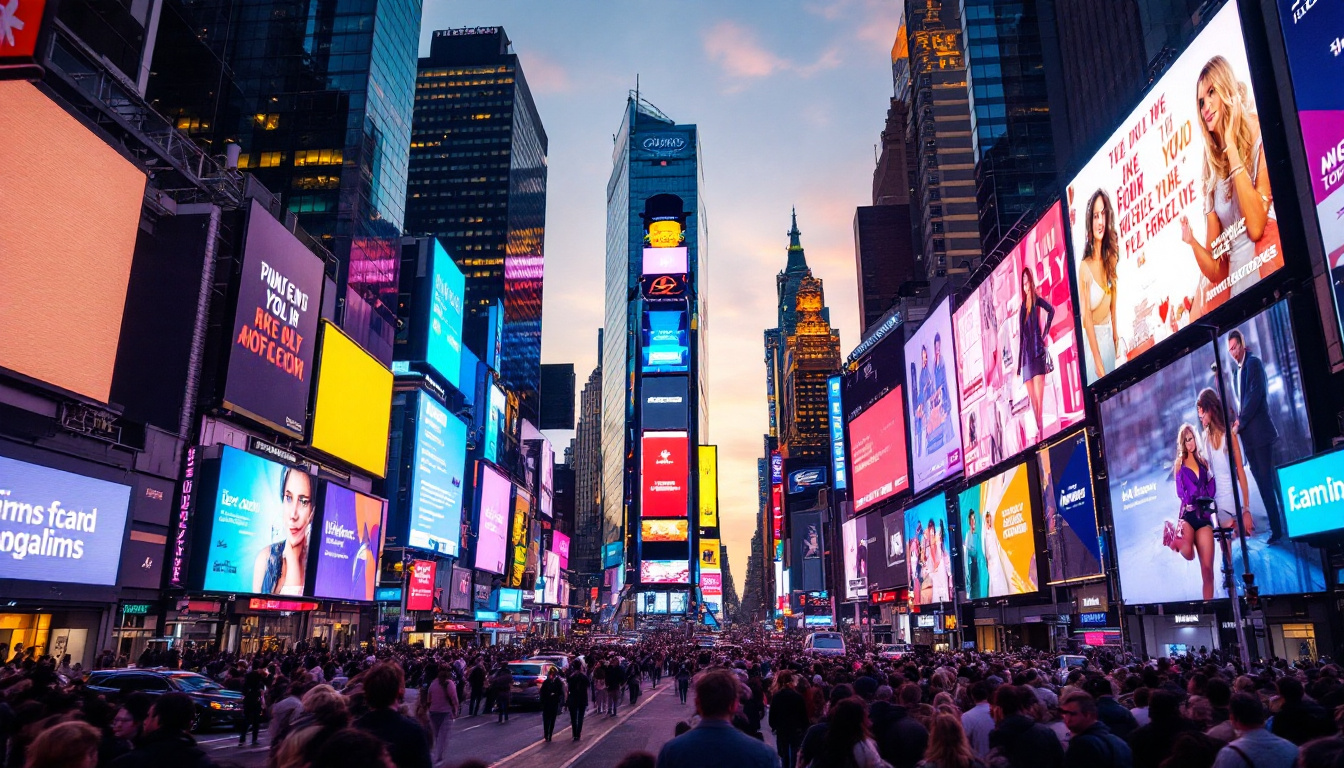
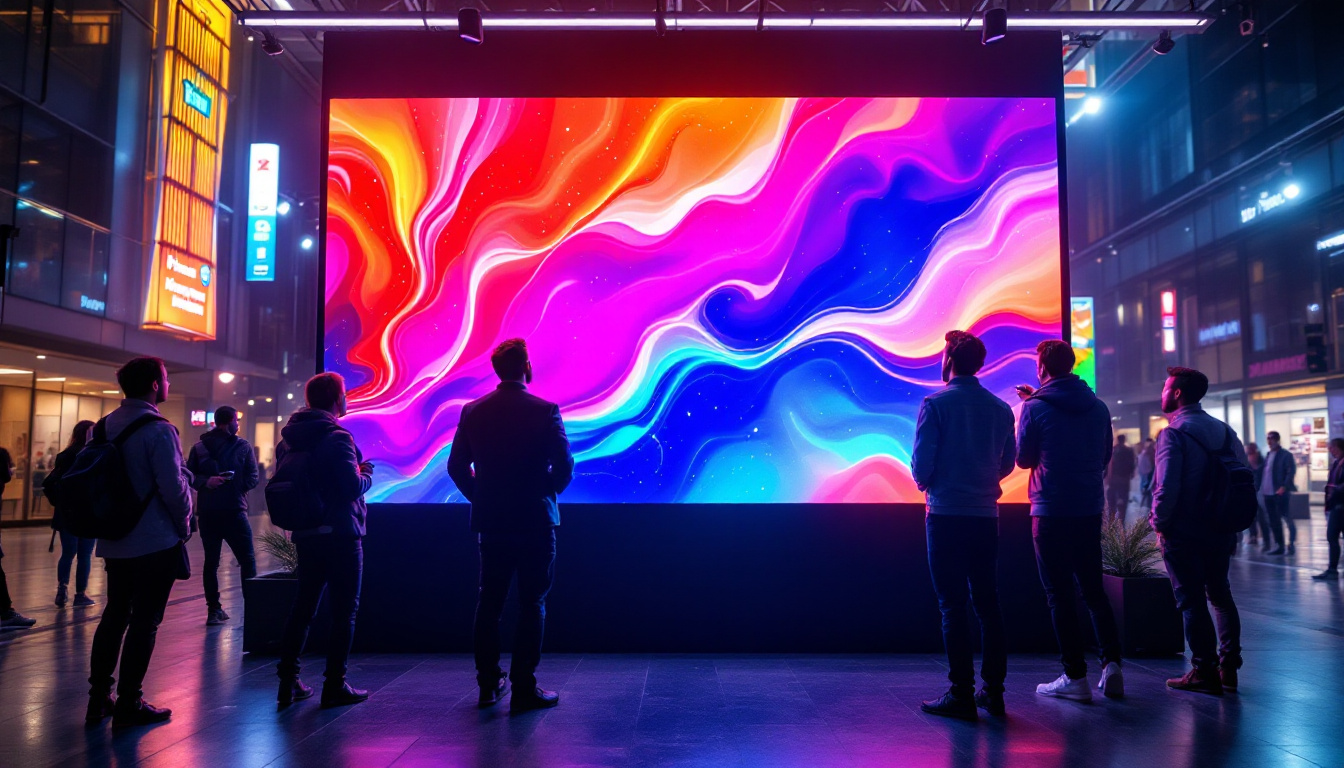
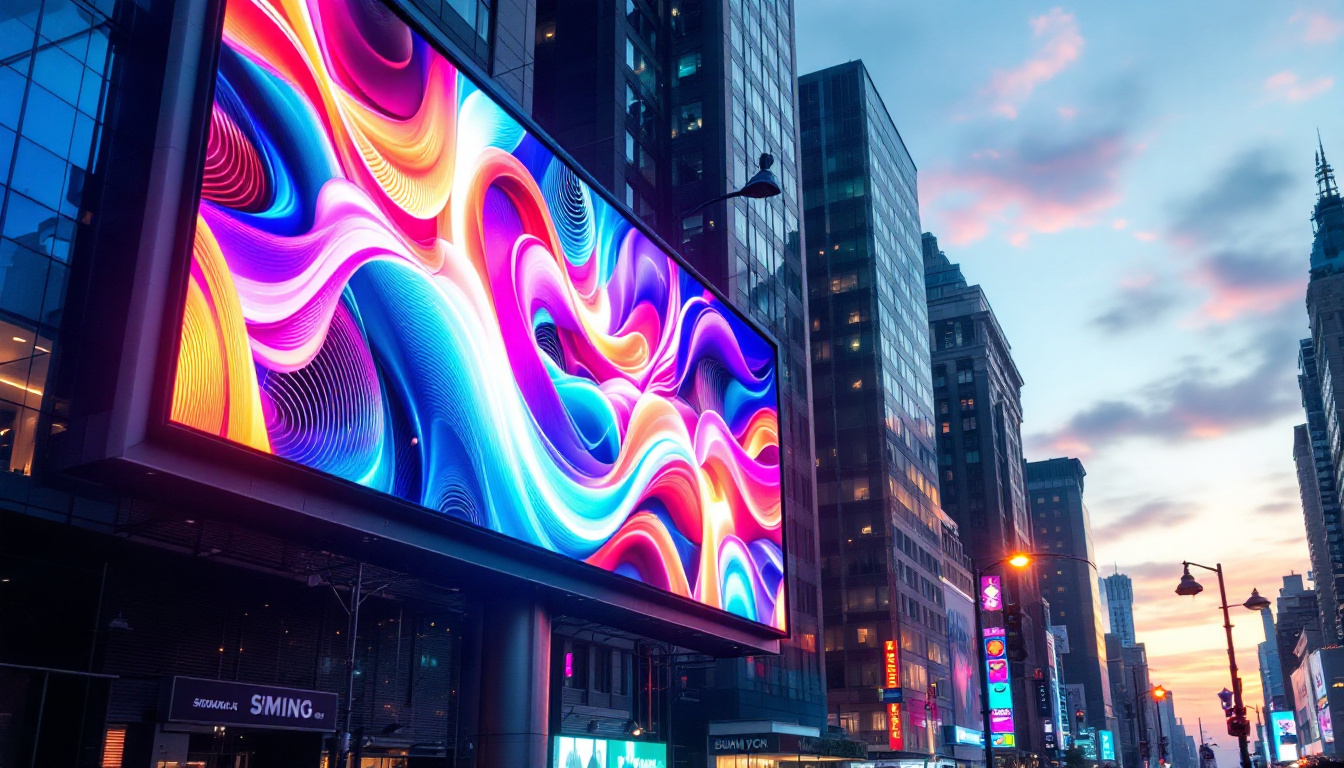
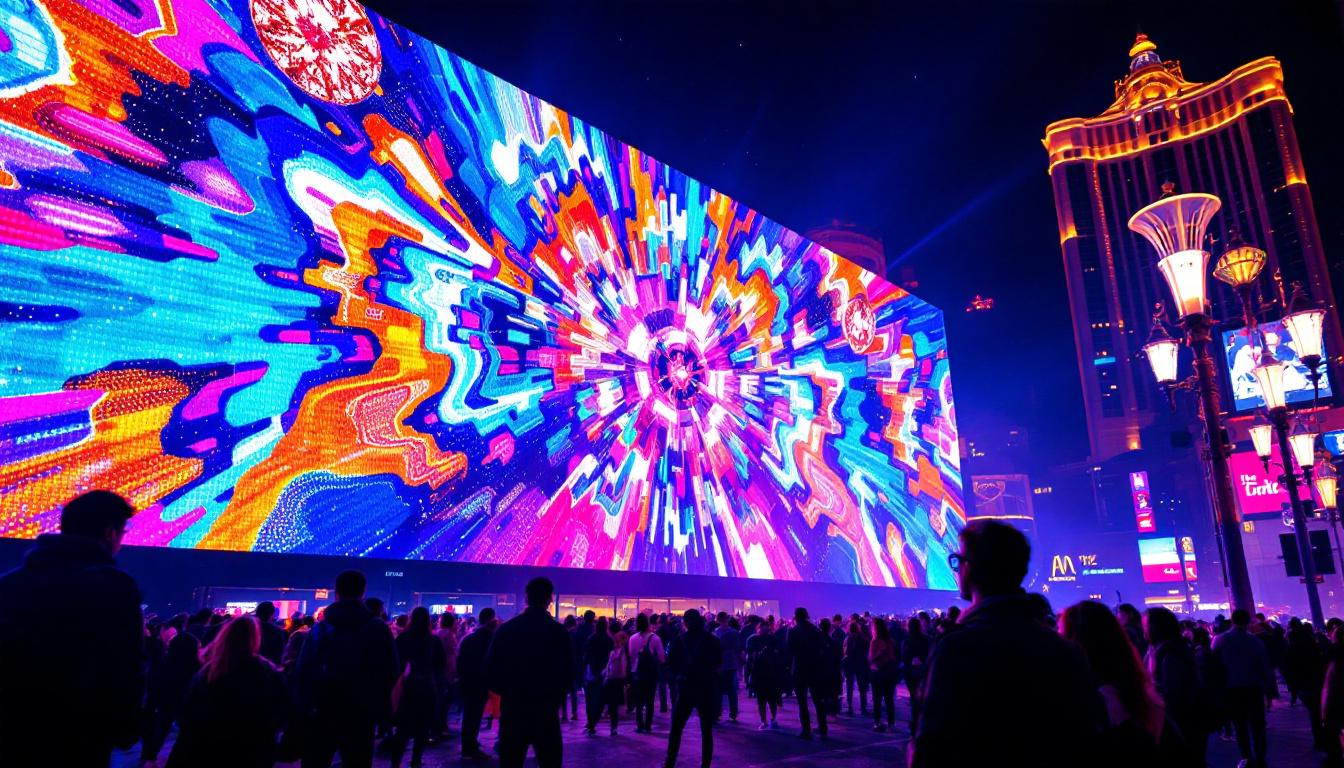
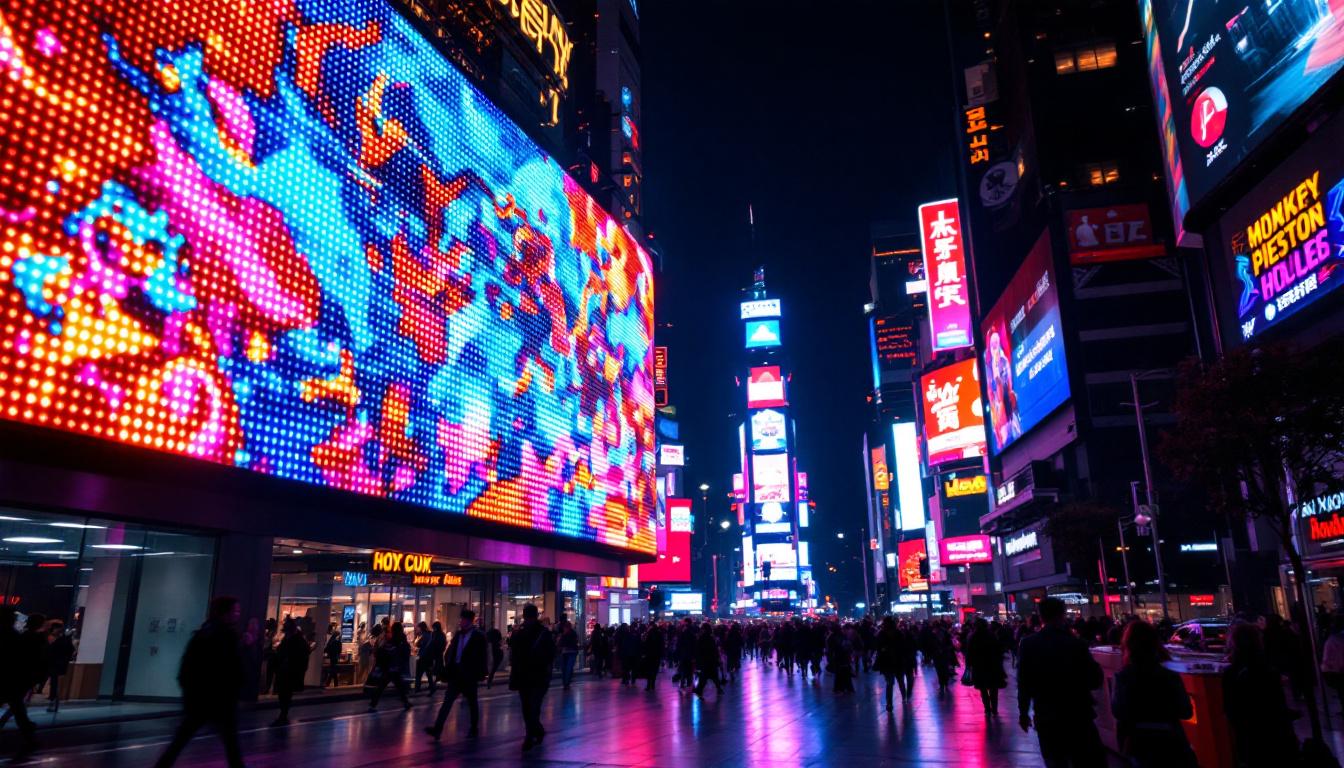
One of the most visible uses of LED displays is in outdoor advertising. Digital billboards equipped with LED technology offer advertisers the flexibility to change content instantly, schedule ads, and display dynamic, eye-catching visuals. According to industry reports, the global digital out-of-home (DOOH) advertising market is expected to reach $38 billion by 2027, driven largely by LED display adoption.
LED billboards can operate reliably in harsh weather conditions, maintain high visibility even in direct sunlight, and attract larger audiences compared to static signs. Their scalability allows for massive displays that can cover entire building facades or stadium walls.
Sports and Entertainment Venues
Sports arenas and concert venues utilize LED displays to enhance the spectator experience. From giant jumbotrons showing live action and replays to perimeter advertising boards and immersive stage backdrops, LED technology enables vibrant, real-time content delivery.
For example, the AT&T Stadium in Texas features one of the largest high-definition LED screens in the world, measuring 160 feet wide and 72 feet tall. Such installations not only entertain but also provide critical information, advertising revenue opportunities, and branding exposure.
Retail and Corporate Environments
In retail, LED displays are used for digital signage to attract customers, promote products, and provide interactive experiences. Their brightness and color accuracy make them ideal for showcasing merchandise and enhancing store ambiance.
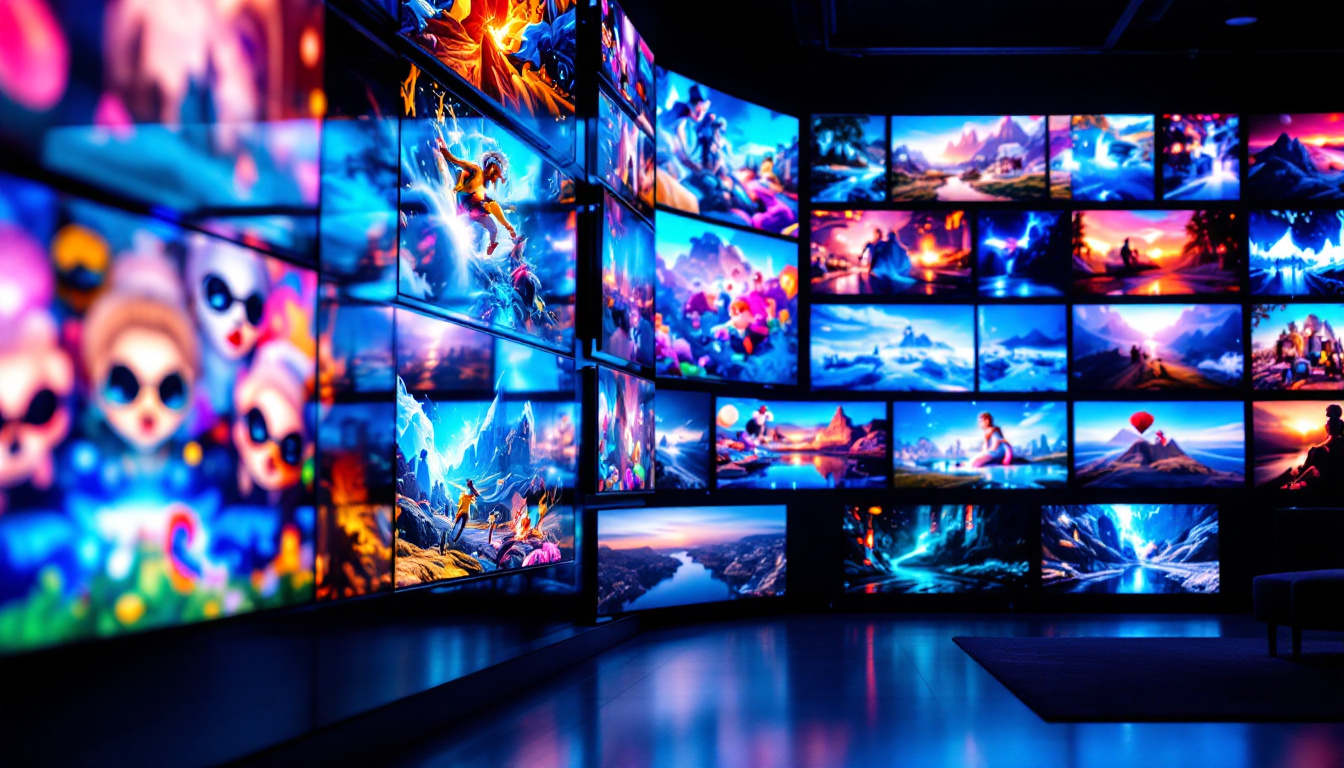
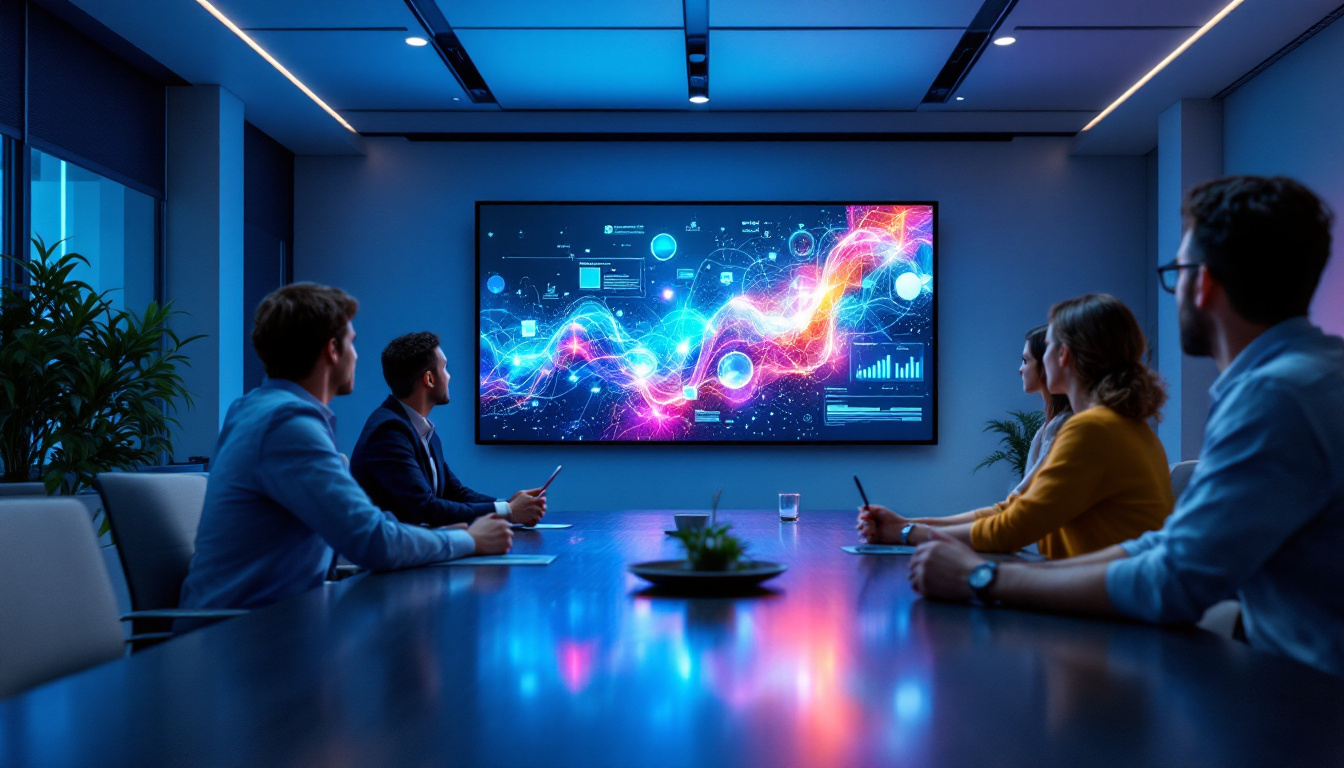
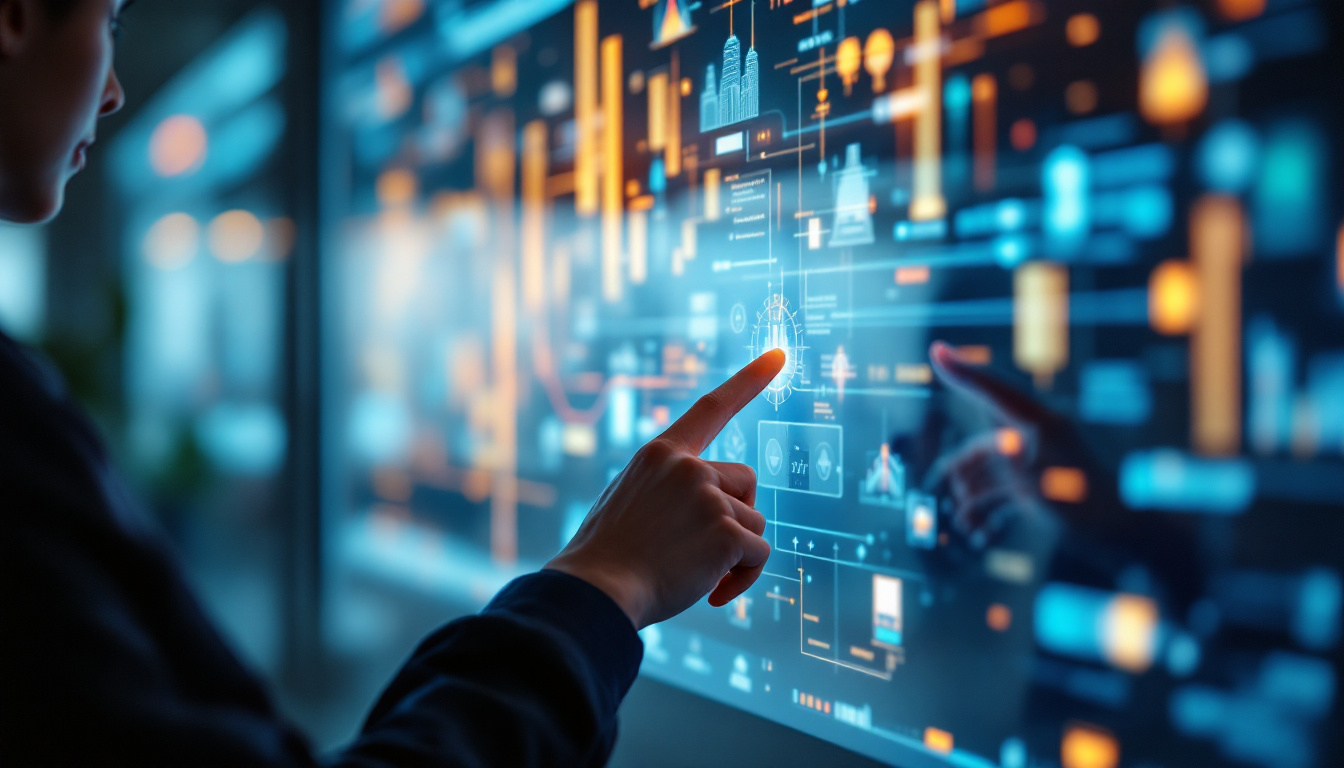
Corporate settings employ LED video walls in lobbies, conference rooms, and control centers to display data dashboards, presentations, and branding messages. The ability to customize screen sizes and resolutions ensures seamless integration with architectural designs and communication needs.
Advantages of LED Displays Over Other Technologies
Superior Brightness and Visibility
One of the standout benefits of LED displays is their brightness. Outdoor LED screens can reach brightness levels of 5,000 to 10,000 nits, far surpassing LCD and OLED displays, which typically max out around 1,000 nits. This high luminance ensures that content remains visible even under direct sunlight, a critical factor for outdoor installations.
Energy Efficiency and Longevity
LED technology is inherently energy-efficient because LEDs convert most of the electrical energy into light rather than heat. This efficiency reduces operational costs, especially for large-scale displays that run continuously. Additionally, LEDs have a long lifespan, often exceeding 100,000 hours, which translates to years of reliable performance with minimal maintenance.
Flexibility and Scalability
LED displays can be manufactured in virtually any size and shape, from small indoor panels to massive outdoor video walls. Their modular design allows for easy installation, maintenance, and scalability. This flexibility makes them suitable for a wide range of applications and environments.
Enhanced Color Accuracy and Contrast
Because LEDs emit light directly, LED displays offer superior color saturation and contrast ratios compared to LCDs. This results in more vibrant images with deeper blacks and richer colors, enhancing the overall visual experience.
Challenges and Considerations When Choosing LED Displays
Initial Investment and Installation Costs
While LED displays offer many benefits, their upfront costs can be substantial, particularly for large or high-resolution installations. The price includes not only the display panels but also supporting infrastructure such as mounting systems, power supplies, and control hardware.
However, when considering total cost of ownership, including energy savings and reduced maintenance, LED displays often prove cost-effective over time.
Pixel Pitch and Viewing Distance
Choosing the right pixel pitch is crucial to ensure image clarity. A display with too large a pixel pitch will appear pixelated when viewed up close, while a very fine pixel pitch increases costs significantly. Understanding the typical viewing distance and application helps determine the optimal pixel pitch for a given installation.
Environmental and Maintenance Factors
Outdoor LED displays must withstand weather conditions such as rain, wind, dust, and temperature extremes. High-quality enclosures and protective coatings are essential to ensure durability. Additionally, maintenance access for cleaning and repairs should be planned during installation.
The Future of LED Display Technology
Integration with Smart Technologies
LED displays are increasingly integrated with smart technologies such as IoT sensors, AI-driven content management, and real-time data analytics. This integration enables dynamic content that adapts to audience demographics, environmental conditions, and contextual factors, enhancing engagement and effectiveness.
Advancements in Resolution and Form Factor
As microLED and flexible LED technologies mature, expect to see displays with unprecedented resolution, thinner profiles, and curved or foldable designs. These innovations will open new possibilities in consumer electronics, automotive displays, and architectural installations.
Sustainability and Energy Innovations
With growing emphasis on sustainability, LED manufacturers are developing more energy-efficient components and recycling programs. Innovations in materials and manufacturing processes aim to reduce the environmental footprint of LED displays, aligning with global green initiatives.
Conclusion
LED display technology has revolutionized how images and information are presented across industries. Its superior brightness, color accuracy, energy efficiency, and versatility make it the go-to choice for everything from massive outdoor billboards to sophisticated indoor video walls. Understanding the different types of LED displays, their applications, and key considerations can help businesses and organizations select the right solution to meet their communication goals.
As advancements continue, LED displays will become even more integrated, intelligent, and sustainable, shaping the future of visual communication in exciting ways.
Discover LumenMatrix’s Innovative LED Solutions
Ready to elevate your visual communication with the latest in LED technology? Explore LumenMatrix’s comprehensive range of LED display solutions, from vibrant Indoor and Outdoor LED Wall Displays to dynamic Vehicle LED Displays, sleek LED Poster Displays, and immersive LED Sports and Floor Displays. Our custom and All-in-One LED Displays, along with pioneering LED Transparent Displays, are designed to captivate your audience and amplify your message. Experience the future of digital signage with LumenMatrix and transform your space into a beacon of engagement. Check out LumenMatrix LED Display Solutions today and see your vision come to life.