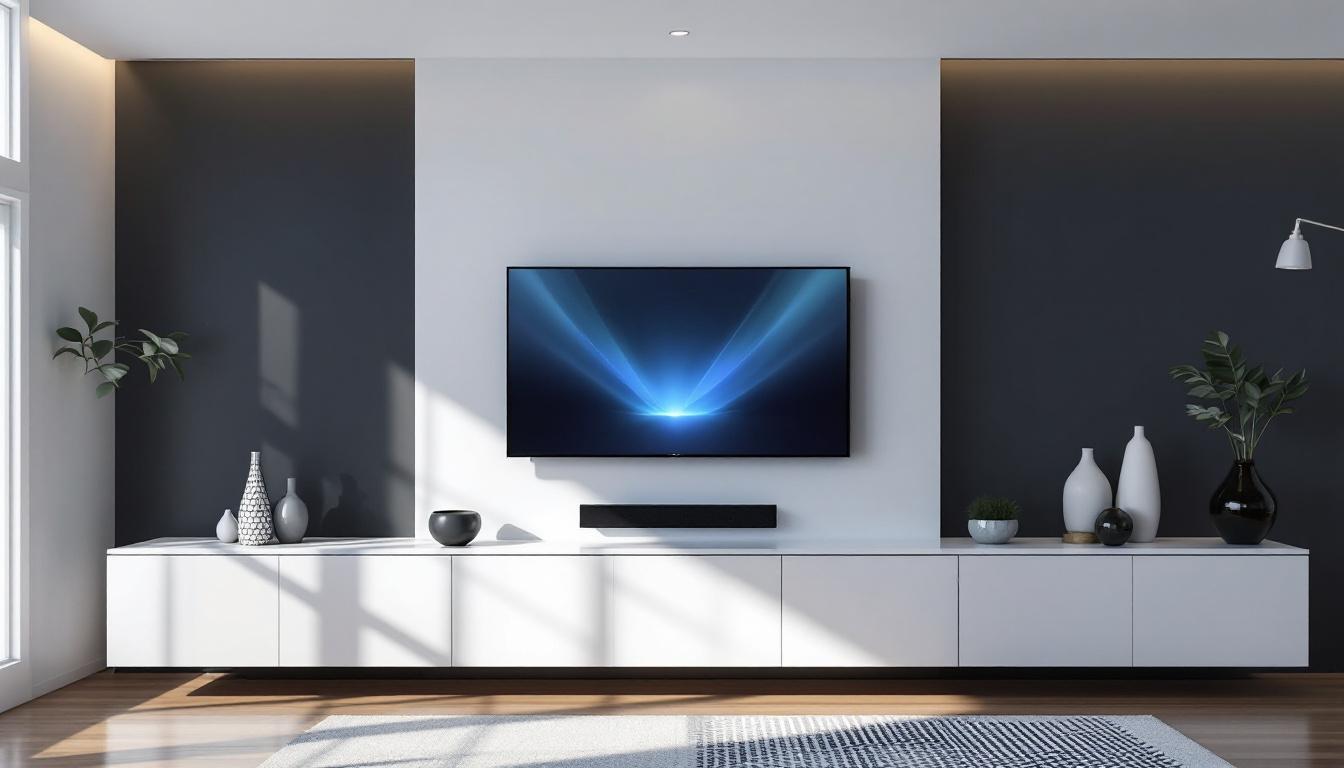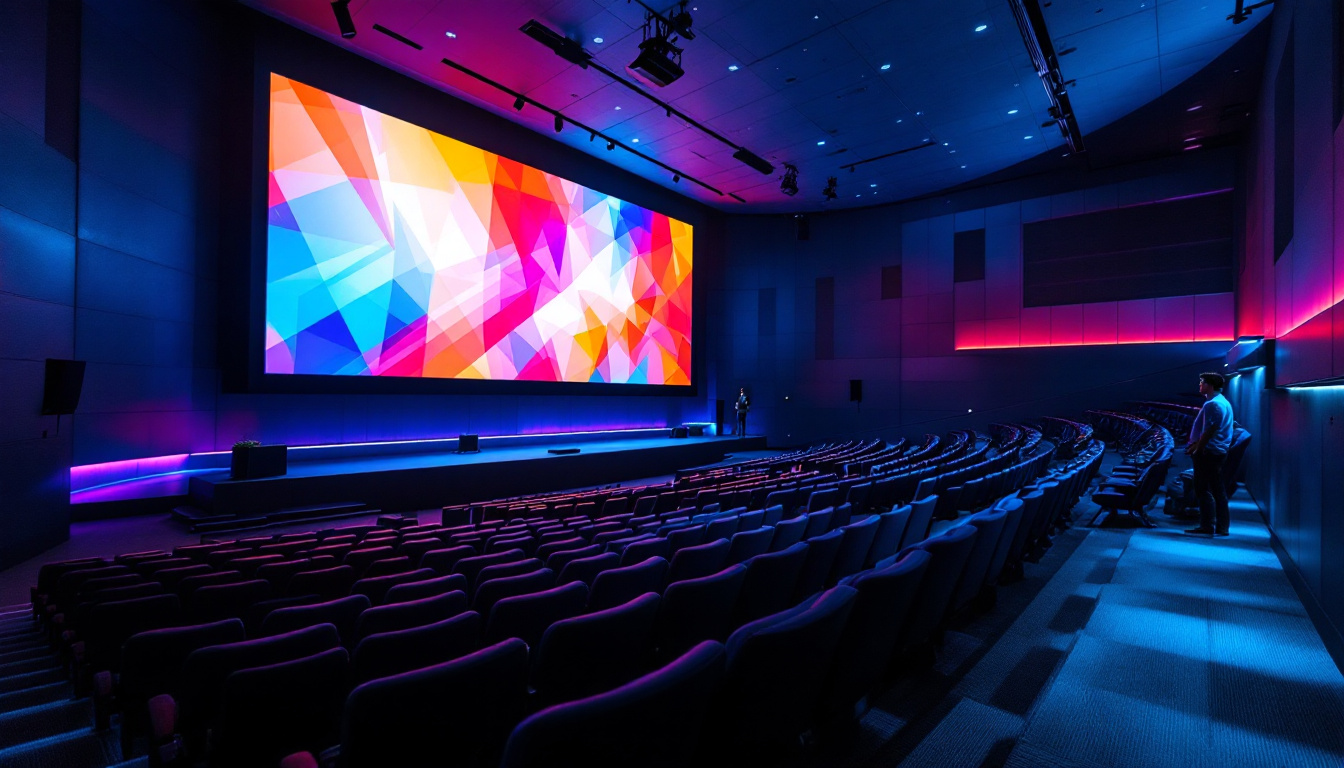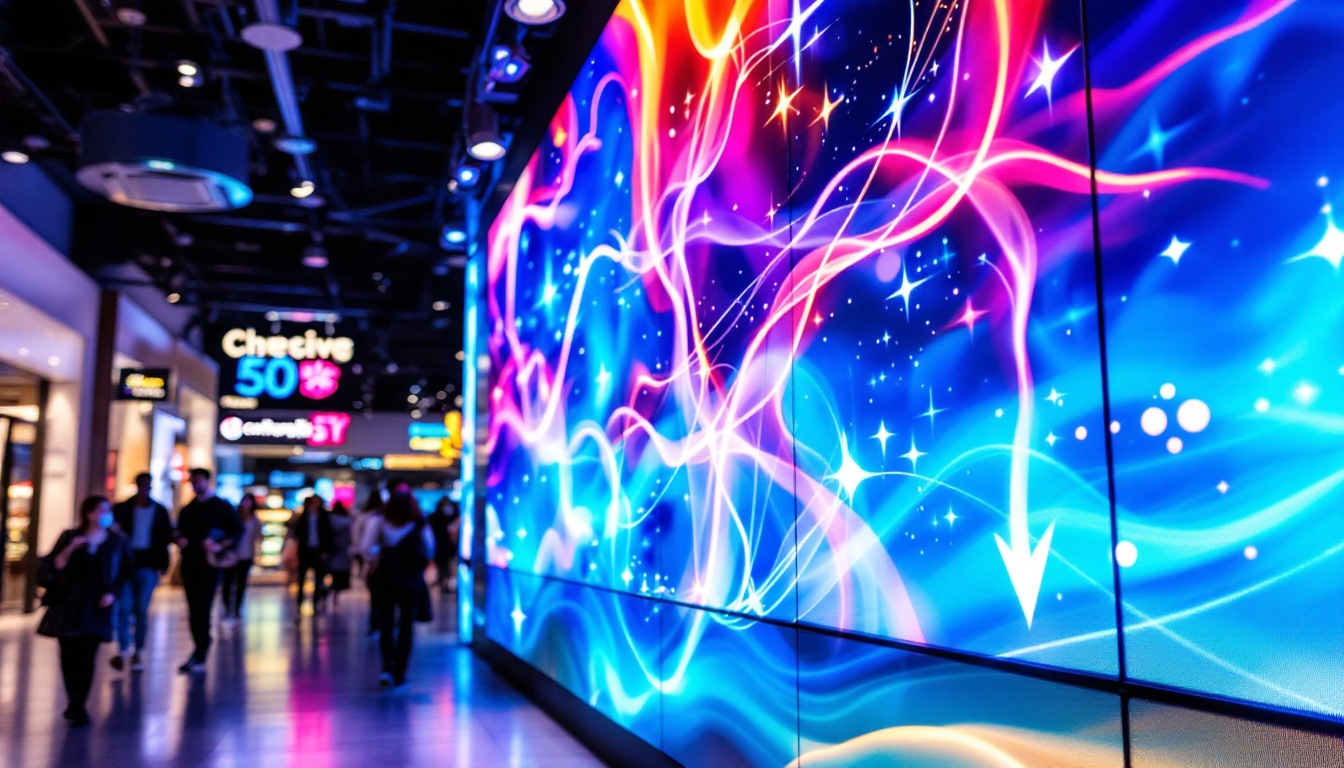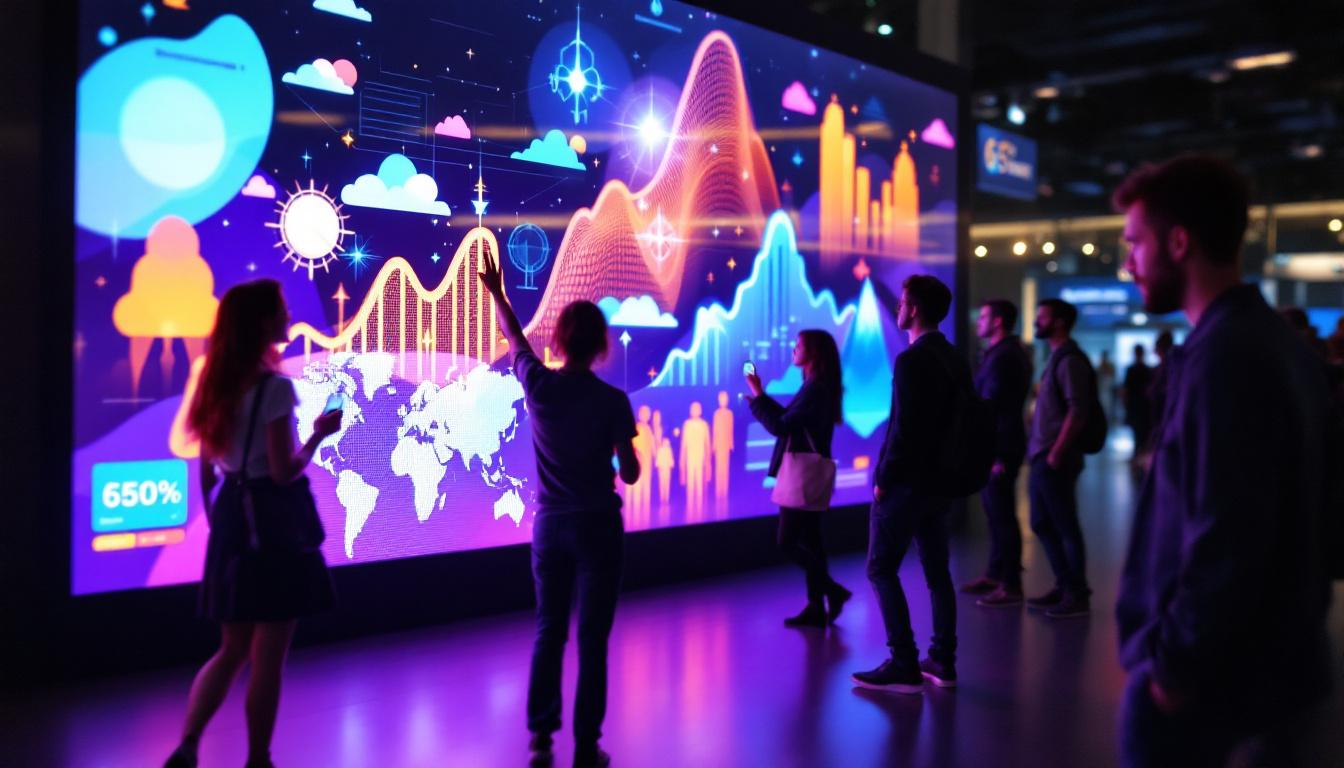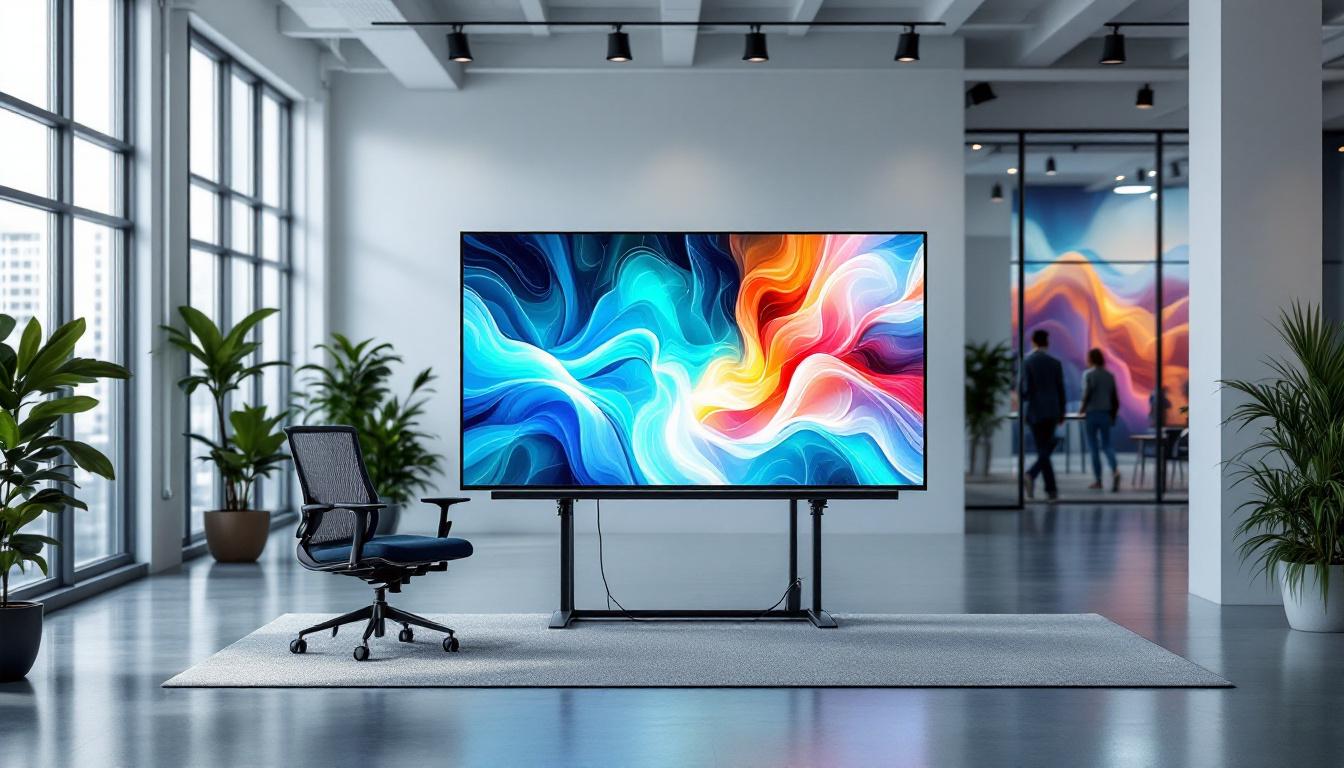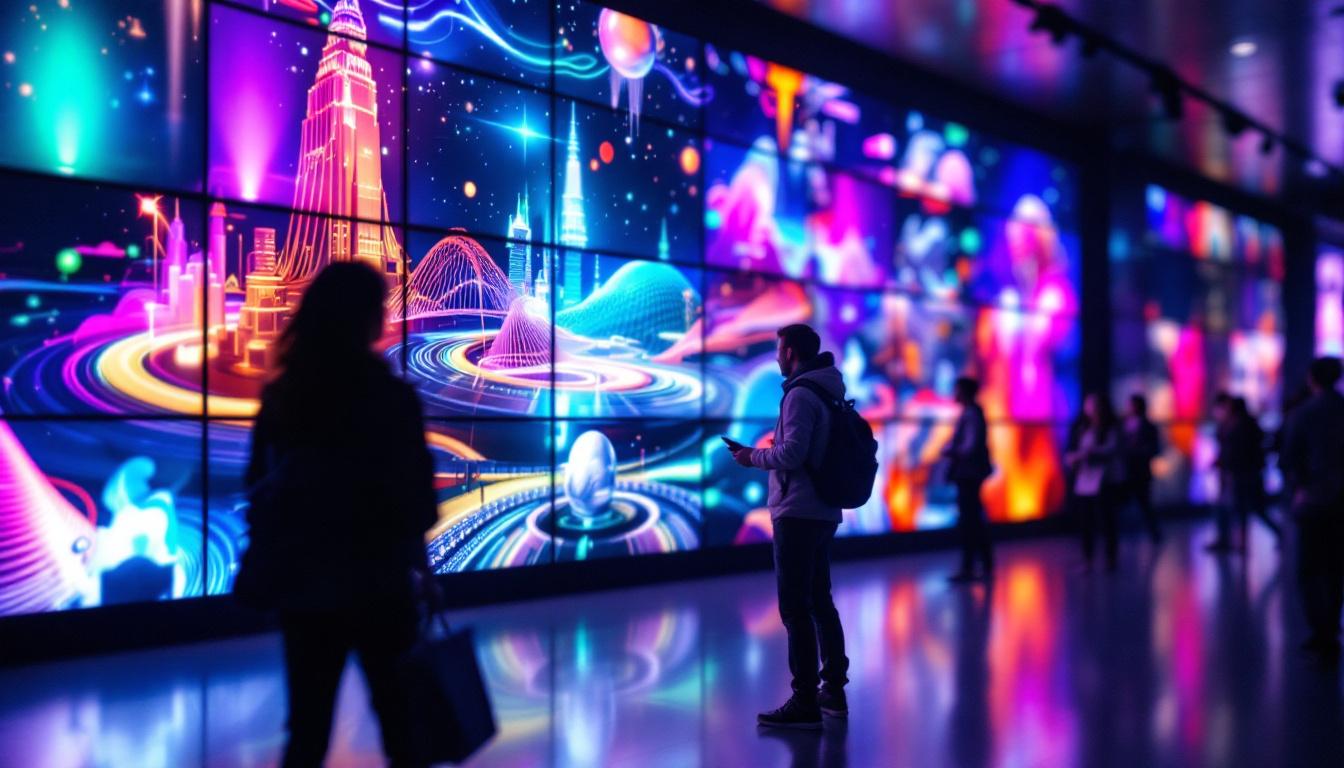
In today’s fast-paced digital world, video wall monitors have become a cornerstone for businesses, control centers, retail environments, and public venues looking to make a powerful visual impact. Among the various technologies available, LED displays stand out for their brightness, scalability, and versatility. This article delves into the fundamentals of video wall monitors with a special focus on LED display technology, exploring how they work, their benefits, and the latest trends shaping their future.
Understanding Video Wall Monitors
What Is a Video Wall Monitor?
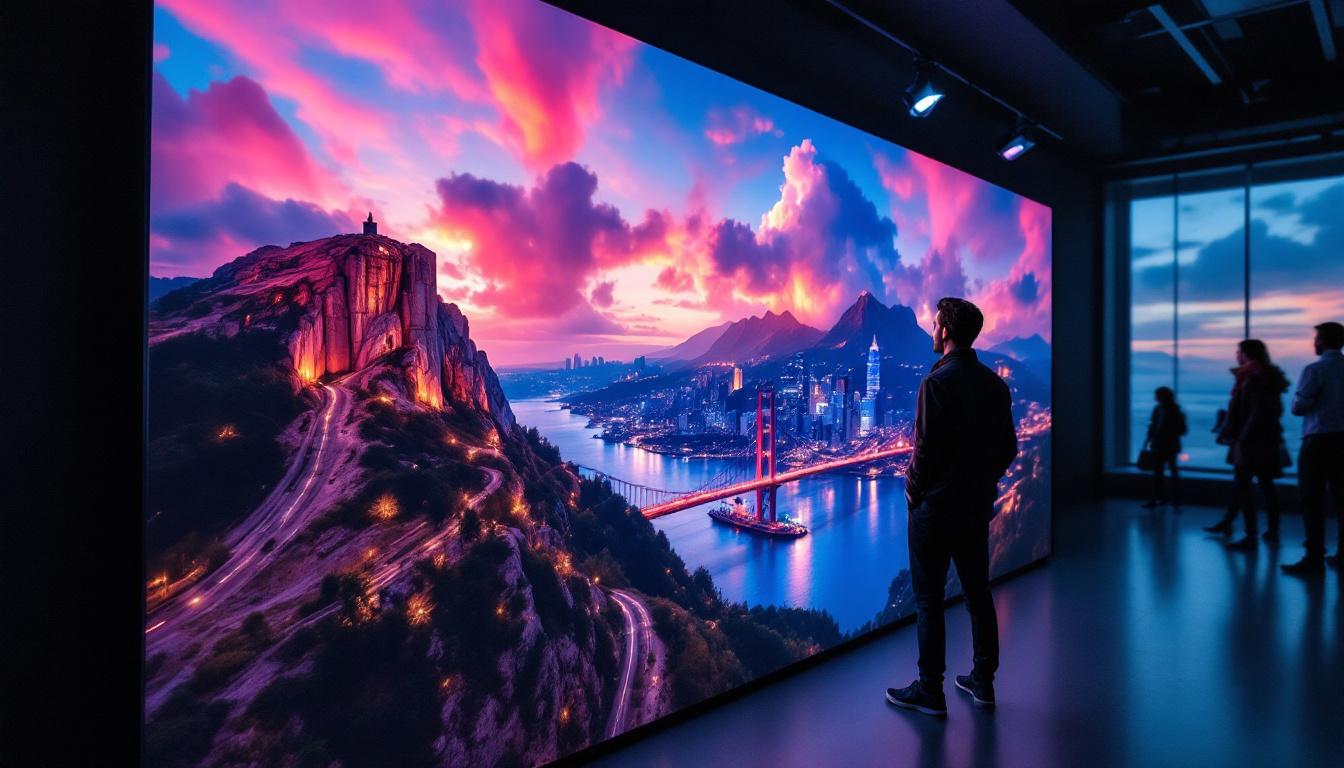
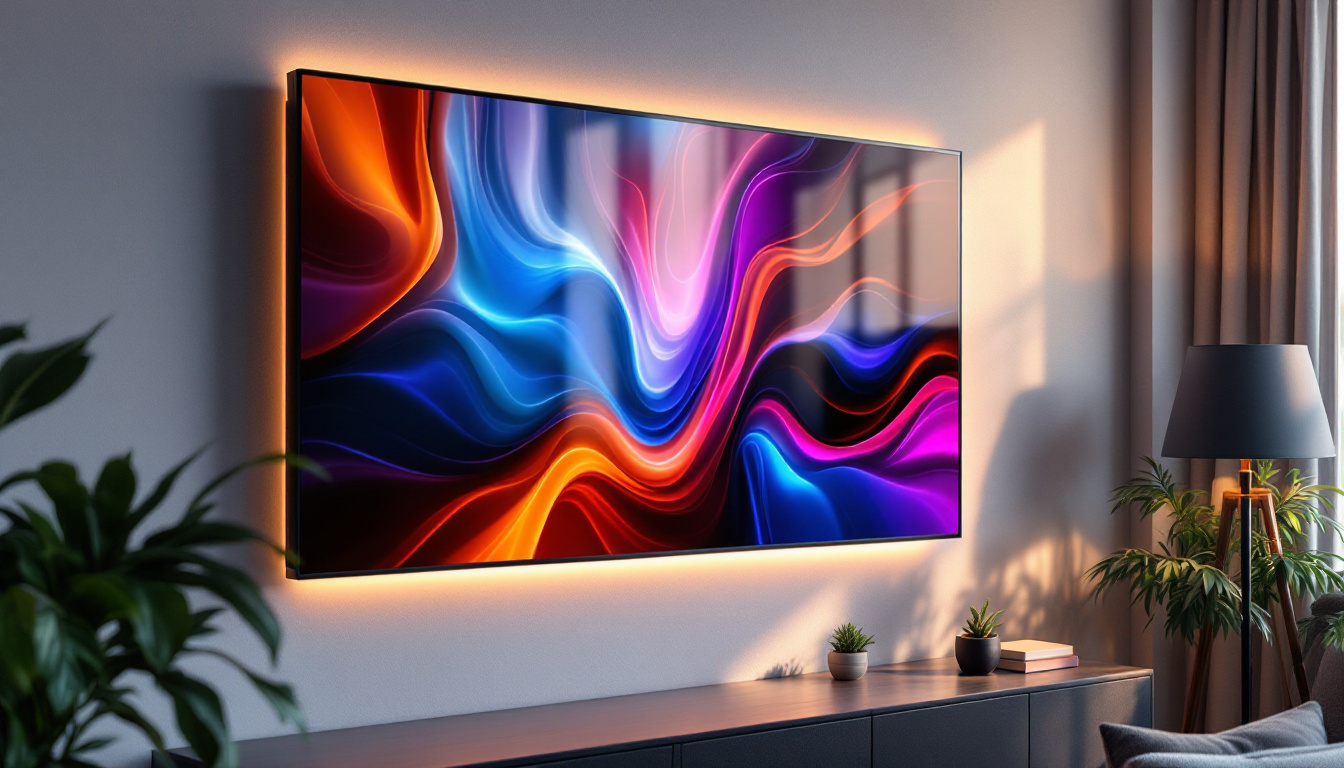
A video wall monitor is a large display system composed of multiple screens tiled together to form one expansive, seamless image. These monitors can range from a few screens to hundreds, depending on the application. The primary goal is to create a single, unified visual experience that is much larger than any individual display could provide.
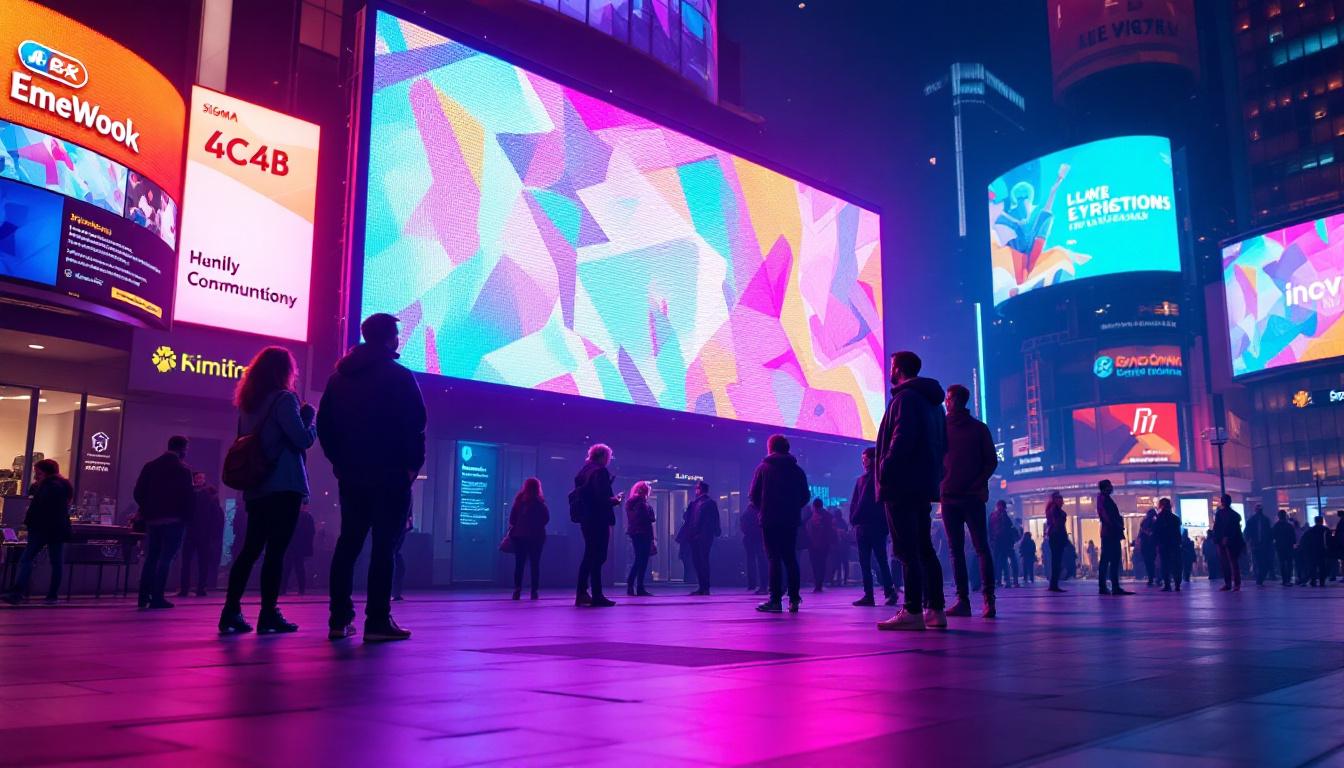
Video walls are widely used across various industries. For instance, in control rooms, they provide real-time monitoring of critical data; in retail, they deliver eye-catching advertisements; and in public spaces, they display information and entertainment content. The technology behind these walls has evolved significantly, with LED displays now leading the charge due to their superior performance characteristics.
Types of Video Wall Displays
Video walls can be constructed using several types of display technologies, including LCD, DLP (Digital Light Processing), and LED. While LCD video walls have been popular for years due to their affordability and availability, LED video walls are increasingly preferred for their enhanced brightness, better contrast ratios, and ability to create much larger seamless displays.
LCD video walls consist of flat-panel screens with thin bezels, but these bezels can sometimes interrupt the visual continuity. LED video walls, on the other hand, use tiny light-emitting diodes arranged in modules, which can be configured to create nearly bezel-less displays, offering a more immersive viewing experience.
LED Display Technology Explained
How LED Displays Work
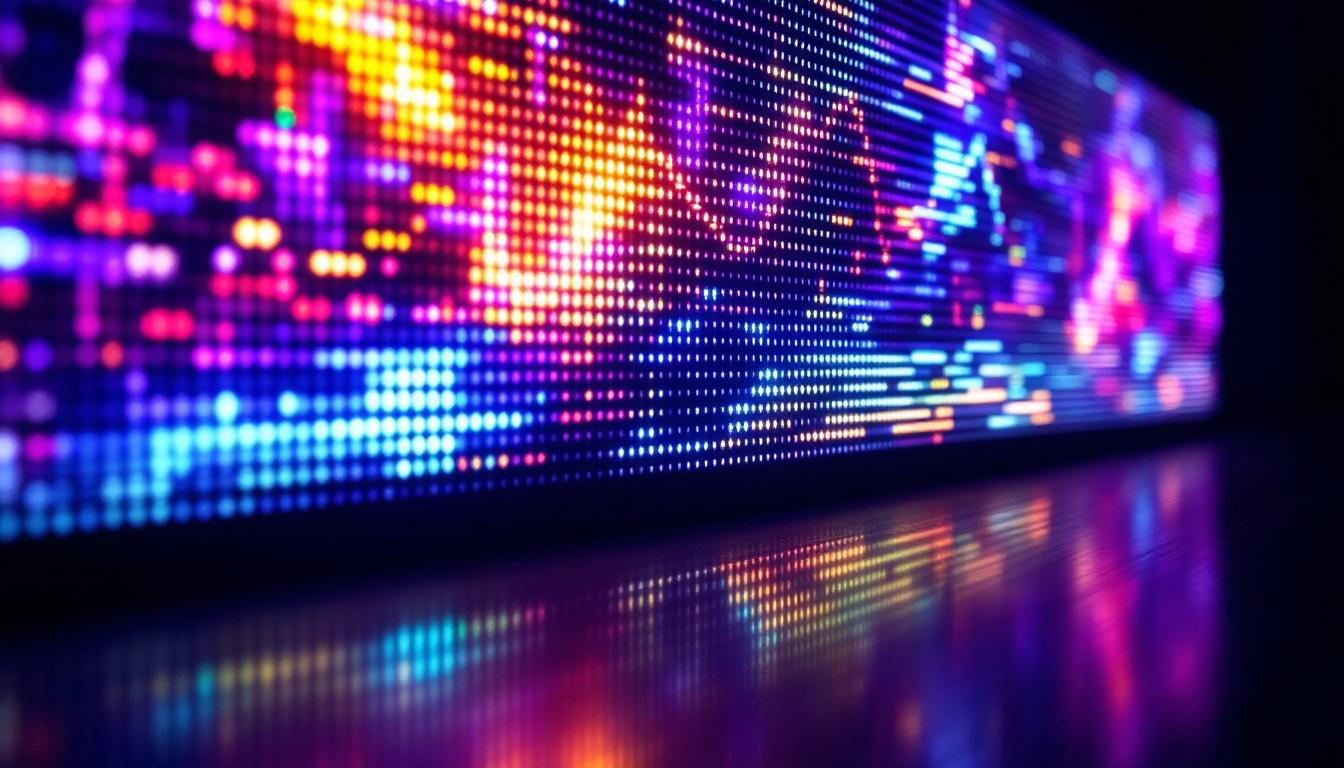
LED stands for Light Emitting Diode, a semiconductor device that emits light when an electric current passes through it. In LED video walls, millions of these tiny diodes are arranged in a grid to form pixels, each capable of producing red, green, and blue light. By varying the intensity of these three colors, the display can produce a full spectrum of colors.
Each pixel in an LED display is made up of three sub-pixels (red, green, and blue), and the combination of these sub-pixels creates the overall image. The brightness and color accuracy of LED displays are generally superior to other technologies, making them ideal for environments with high ambient light or where color precision is critical.
Types of LED Displays
LED video walls come in two main types: Direct View LED (DVLED) and LED-backlit LCD. Direct View LED displays are constructed entirely from LEDs and offer true pixel-level control, resulting in vibrant colors and excellent brightness. These are the displays typically used for large-scale video walls.
LED-backlit LCDs, on the other hand, are traditional LCD panels that use LEDs as a backlight source. While they provide better brightness and energy efficiency than older CCFL-backlit LCDs, they don’t match the performance of Direct View LED walls in terms of viewing angles and seamlessness.
Pixel Pitch and Resolution
One of the most important specifications in LED video walls is the pixel pitch, which refers to the distance between the centers of two adjacent pixels, measured in millimeters. The smaller the pixel pitch, the higher the resolution and the closer the viewer can be without noticing individual pixels.
For example, a video wall with a pixel pitch of 1.5mm is considered fine-pitch and is suitable for indoor environments where viewers are close to the screen, such as conference rooms or broadcast studios. Larger pixel pitches, such as 4mm or more, are typically used for outdoor installations or large venues where viewers are farther away.
Advantages of LED Video Wall Monitors
Brightness and Visibility
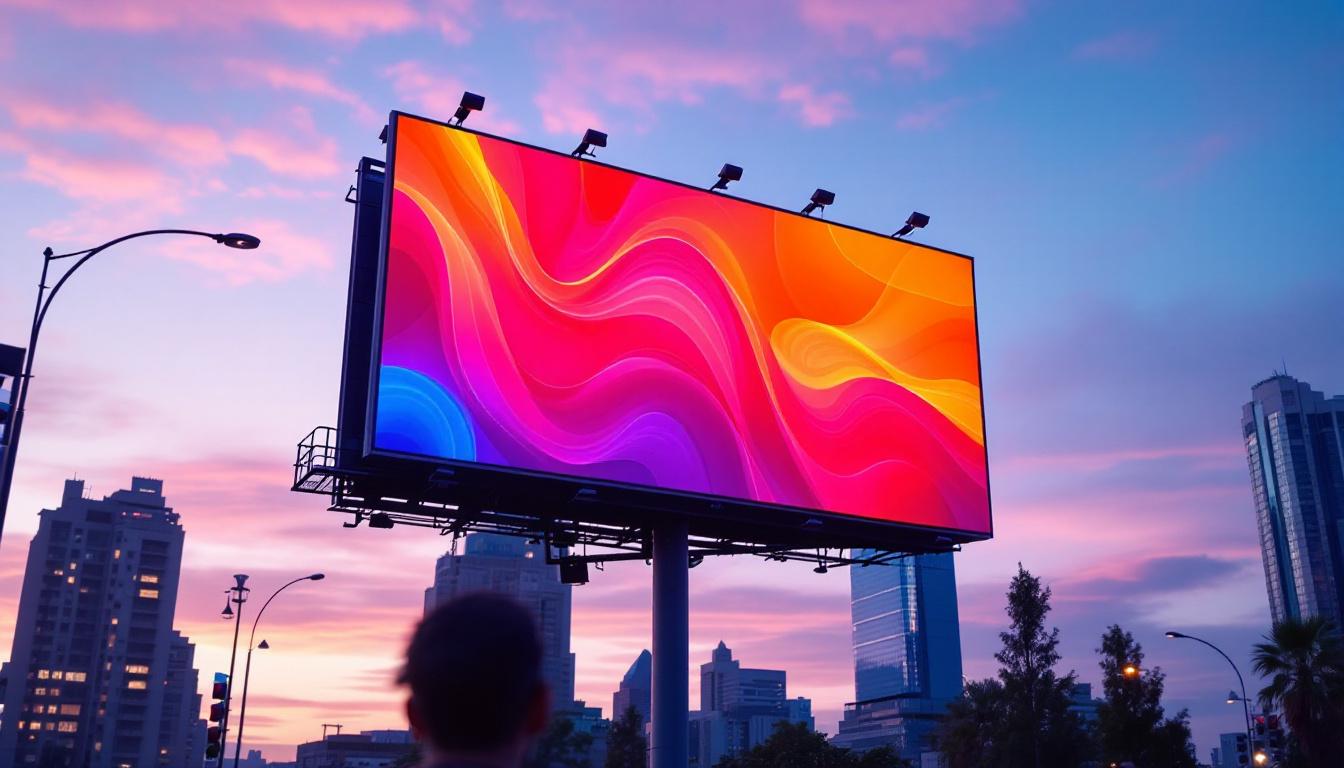
LED video walls can reach brightness levels upwards of 1,000 to 5,000 nits, far exceeding the typical 300-500 nits of LCD displays. This makes LED walls highly visible even in bright environments, such as outdoor advertising billboards or retail storefronts with significant natural light.
High brightness also ensures that content remains clear and vibrant regardless of ambient lighting conditions, which is crucial for applications like transportation hubs, stadiums, and control centers where visibility can impact safety and operational efficiency.
Seamless and Scalable Design
Unlike traditional video walls that suffer from visible bezels between screens, LED video walls can be designed with minimal to no bezel gaps. This seamless appearance enhances the viewer’s immersion and allows for creative display configurations, including curved or irregularly shaped walls.
Moreover, LED video walls are highly scalable. Modules can be added or removed easily to create displays of various sizes, from small indoor walls to massive outdoor installations spanning hundreds of square meters. This flexibility makes LED technology suitable for a wide range of applications and budgets.
Energy Efficiency and Longevity
Modern LED video walls are energy-efficient compared to other display technologies. LEDs consume less power while delivering higher brightness, which translates to lower operating costs over time. Additionally, LED displays typically have longer lifespans, often exceeding 100,000 hours of operation before significant brightness degradation.
This durability is particularly important in commercial settings where displays operate continuously, such as in airports or emergency response centers. Reduced maintenance and replacement frequency also contribute to lower total cost of ownership.
Applications of LED Video Wall Monitors
Retail and Advertising
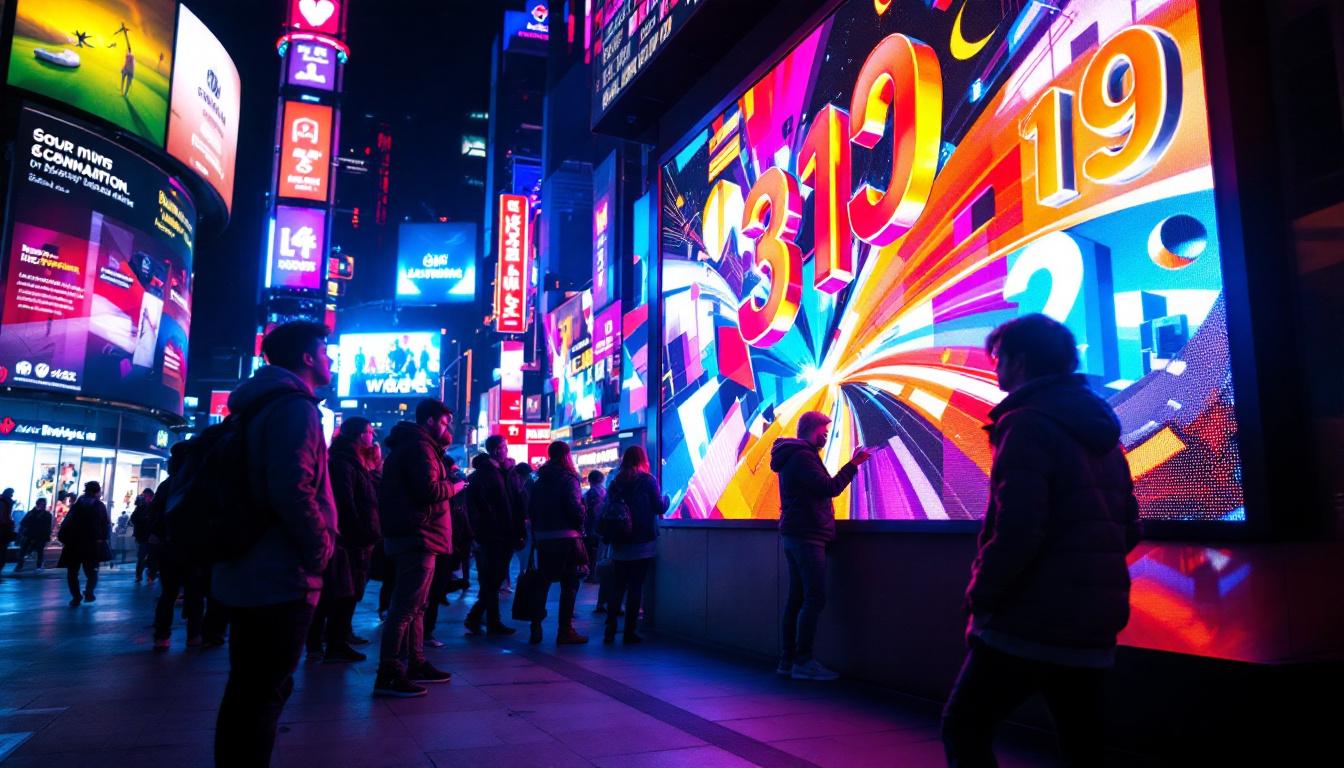
Retail environments leverage LED video walls to attract customers and enhance brand messaging. High-resolution, bright displays can showcase dynamic advertisements, promotions, and interactive content that engage shoppers and increase dwell time.
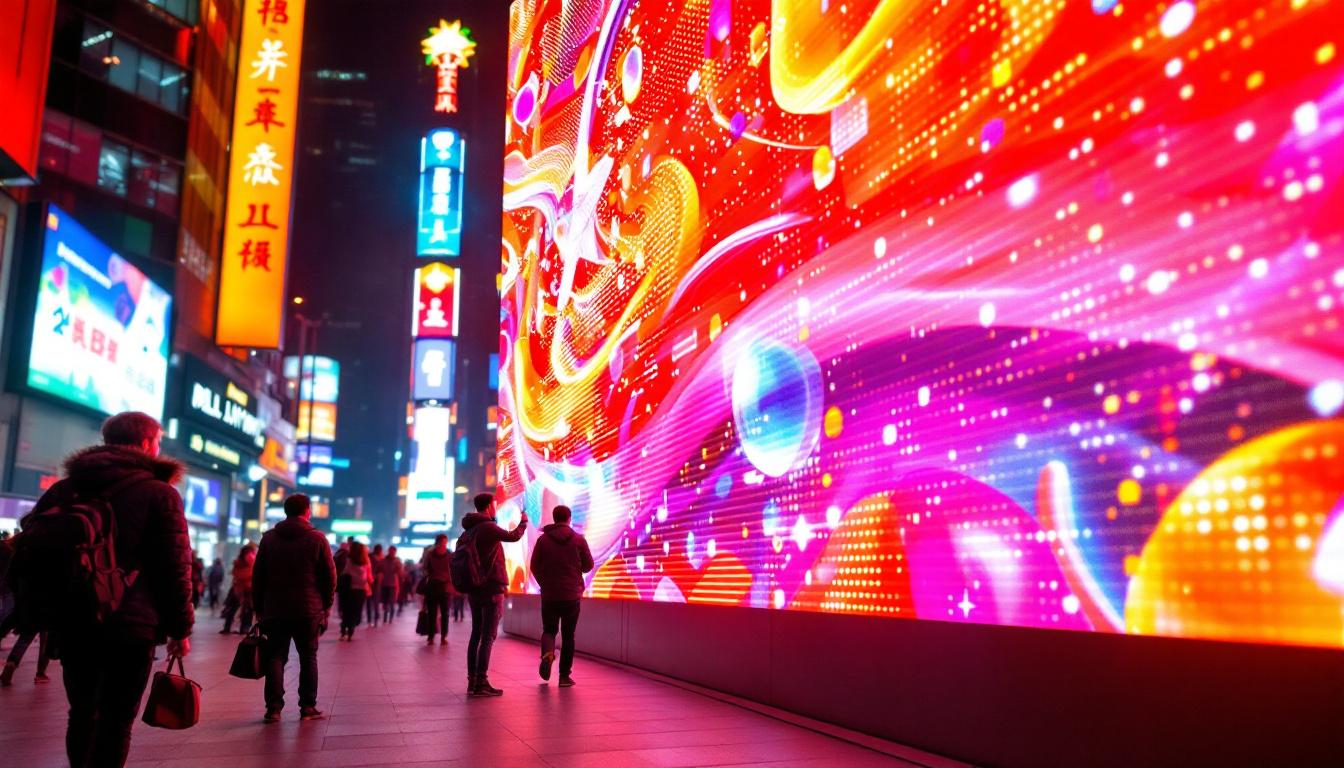
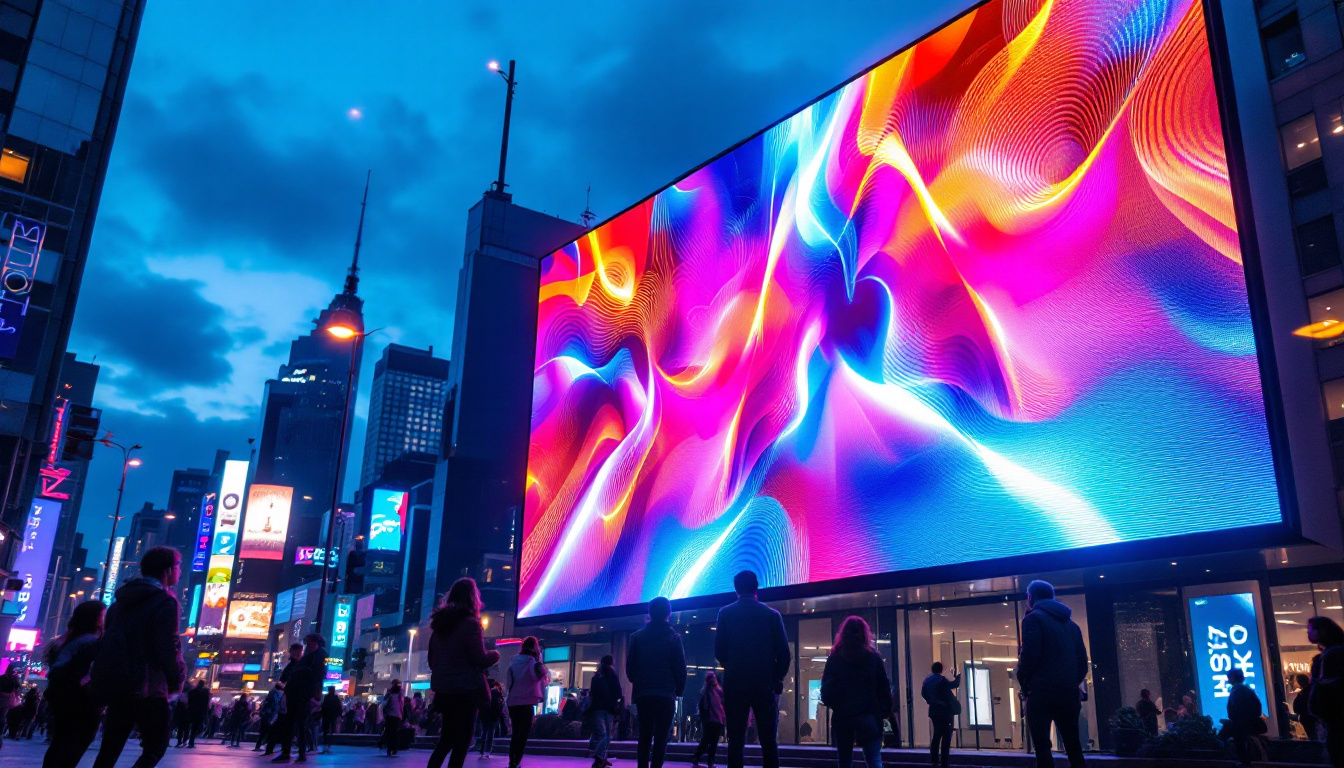
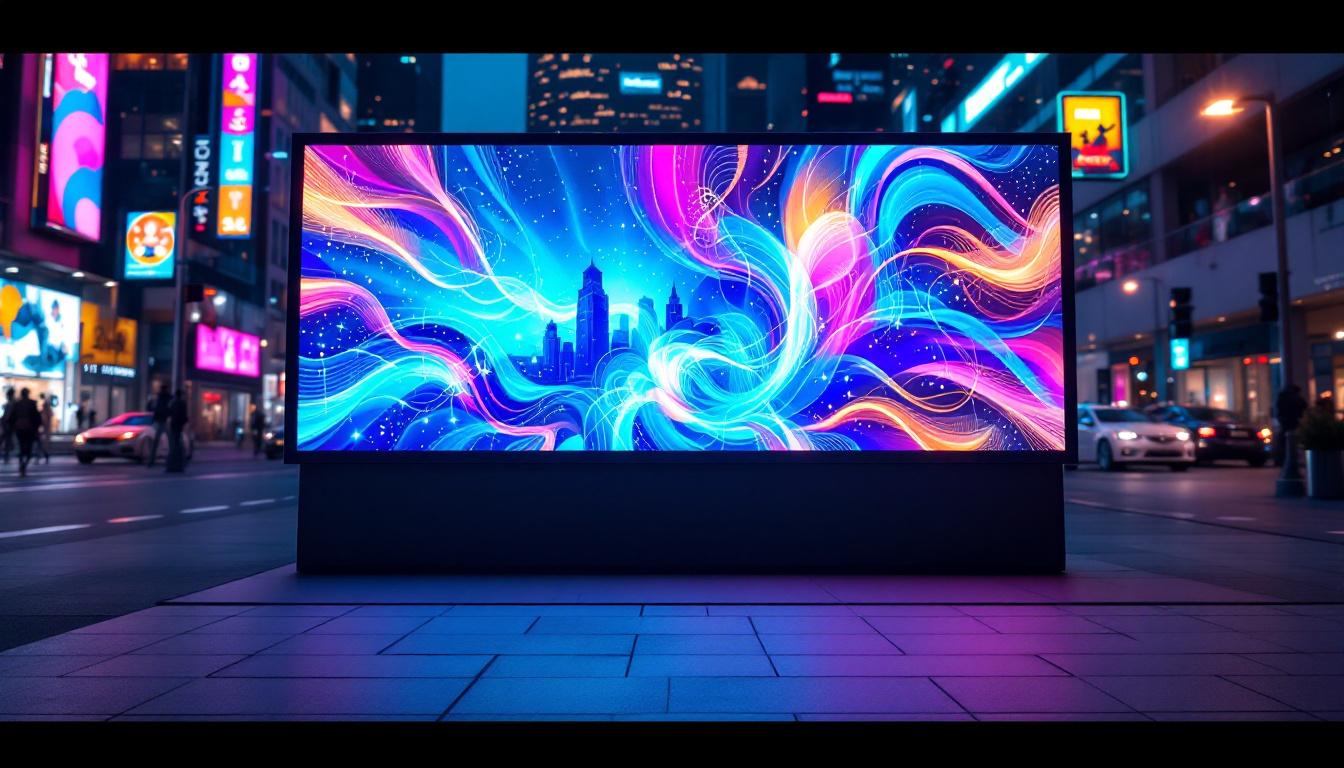
For example, flagship stores in major cities often use LED video walls on their facades to create eye-catching digital billboards that stand out in crowded urban landscapes. The ability to update content remotely and instantly is a significant advantage for marketing teams.
Control Rooms and Command Centers
In mission-critical environments such as traffic management, utilities, and emergency services, LED video walls provide operators with a comprehensive view of multiple data streams simultaneously. The high brightness and contrast help ensure that vital information is always visible, even in brightly lit rooms.
These video walls often integrate with sophisticated software platforms that allow real-time monitoring, data visualization, and rapid decision-making. The reliability and clarity of LED displays are essential to maintaining situational awareness and operational effectiveness.
Entertainment and Events
Concerts, sports arenas, and theaters utilize LED video walls to deliver immersive visual experiences to audiences. Their ability to produce vibrant colors and large-scale images makes them ideal for live events where visual impact is paramount.
LED walls can be configured in various shapes and sizes to fit the venue and event requirements. They also support high refresh rates and low latency, which are crucial for synchronizing visuals with live performances and broadcasts.
Emerging Trends and Innovations in LED Video Walls
MicroLED and MiniLED Technologies
MicroLED and MiniLED represent the next generation of LED display technology. MicroLEDs are much smaller than traditional LEDs, allowing for even finer pixel pitches and higher resolutions. This technology promises superior brightness, contrast, and energy efficiency, potentially rivaling OLED displays in image quality.
MiniLEDs, while larger than MicroLEDs, offer improved backlighting for LCD panels, enhancing contrast and brightness. Both technologies are expected to drive innovation in video wall design, making displays thinner, lighter, and more versatile.
AI-Driven Content Optimization
Artificial intelligence is increasingly being integrated into video wall systems to optimize content delivery based on viewer behavior, ambient conditions, and contextual data. For example, AI algorithms can adjust brightness and color settings dynamically or select content most relevant to the audience in real-time.
This level of automation enhances user engagement and reduces manual intervention, making video walls smarter and more adaptive to changing environments.
Interactive and Touch-Enabled LED Walls
Interactivity is a growing trend in video wall technology. Touch-enabled LED walls allow users to engage directly with content, making them ideal for educational settings, corporate presentations, and retail experiences.
Advances in touch sensor technology have made it possible to integrate multi-touch capabilities into large-scale LED displays without compromising image quality or durability, opening new possibilities for collaboration and customer interaction.
Choosing the Right LED Video Wall Monitor
Assessing Your Needs
Selecting the appropriate LED video wall depends on several factors, including the intended application, viewing distance, ambient lighting, and budget. For indoor environments where viewers are close, fine-pitch LED walls with pixel pitches under 2mm are ideal. For outdoor or large-venue installations, larger pixel pitches and higher brightness levels are necessary.
Additionally, consider the content type and resolution requirements. High-definition video or detailed graphics demand higher pixel density, whereas simpler signage can be displayed effectively on lower-resolution walls.
Installation and Maintenance Considerations
LED video walls require professional installation to ensure proper alignment, calibration, and connectivity. Modular designs facilitate easier maintenance, allowing individual panels to be serviced or replaced without dismantling the entire wall.
It is also important to evaluate the manufacturer’s support and warranty offerings, as well as the availability of spare parts, to ensure long-term reliability.
Conclusion
LED video wall monitors represent a powerful and versatile solution for delivering large-scale, high-impact visual content across a variety of industries. Their superior brightness, seamless design, energy efficiency, and scalability make them an excellent choice for applications ranging from retail advertising to mission-critical control rooms.
As LED technology continues to advance with innovations like MicroLED and AI integration, video walls are becoming smarter, more interactive, and visually stunning. Understanding the fundamentals of LED displays and carefully assessing your specific needs will help you select the right video wall solution to maximize engagement and operational effectiveness.
Investing in LED video wall monitors today means embracing a technology that not only meets current demands but is also poised to evolve with the future of digital display innovation.
Discover LumenMatrix LED Display Solutions
Ready to elevate your visual impact with cutting-edge LED technology? Explore LumenMatrix’s comprehensive range of LED display solutions, from vibrant Indoor and Outdoor LED Wall Displays to innovative Custom and All-in-One LED Displays. Whether you’re looking to captivate shoppers, enhance your event, or command attention in control rooms, LumenMatrix is your partner in creating immersive and engaging visual experiences. Check out LumenMatrix LED Display Solutions today and transform your space with unparalleled brightness, clarity, and reliability.