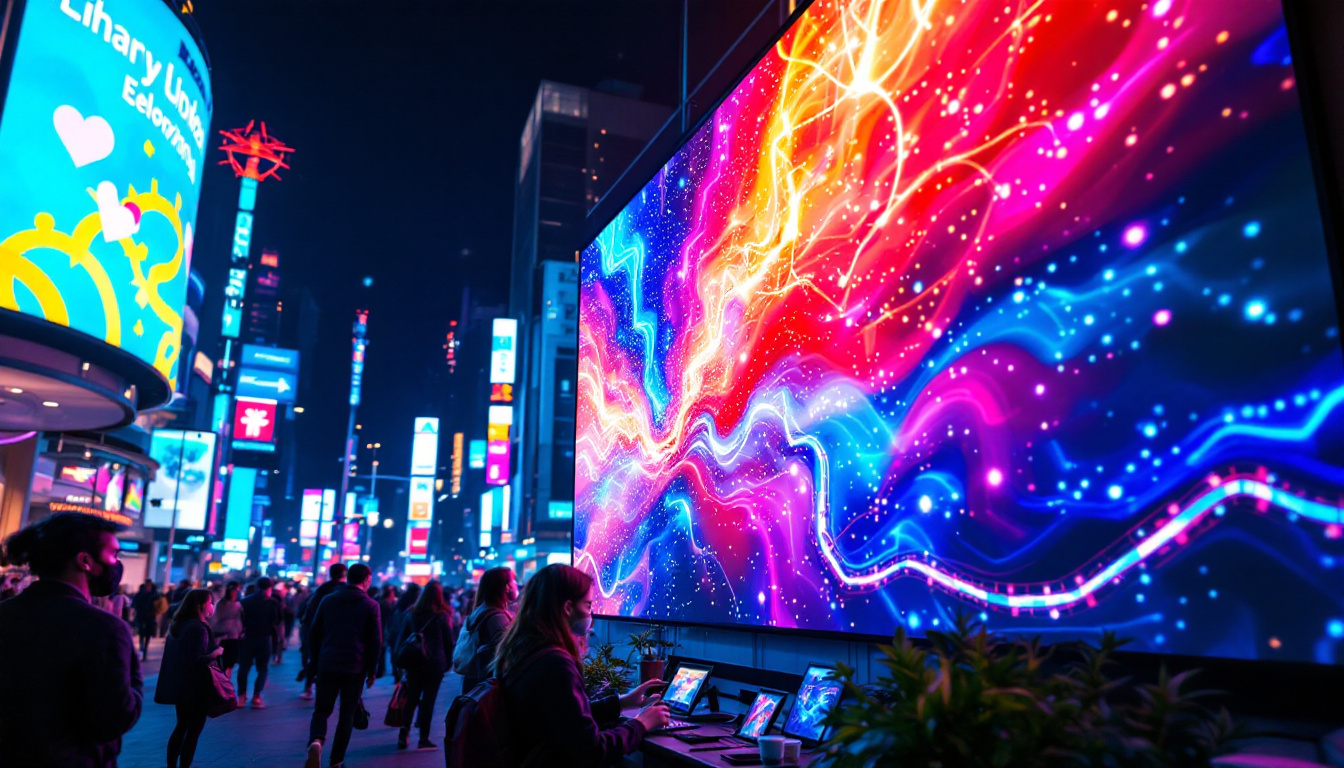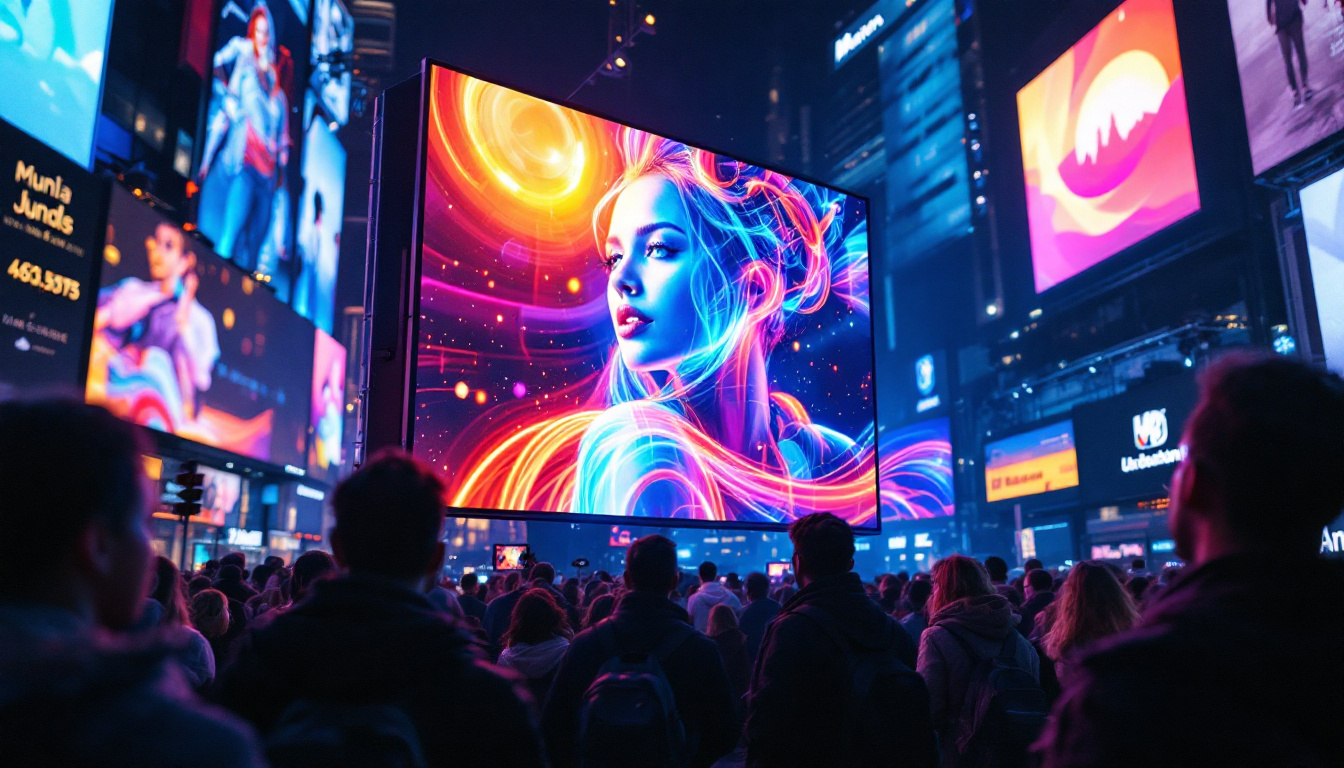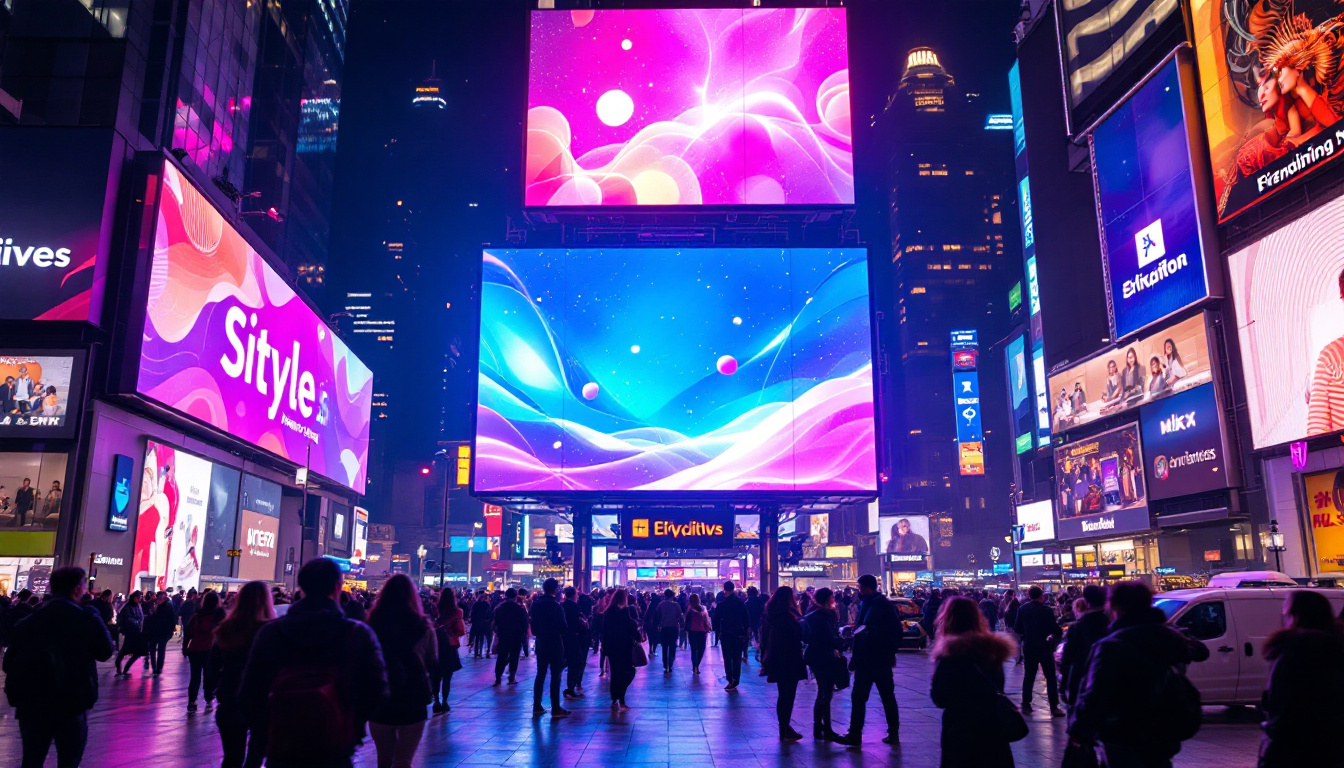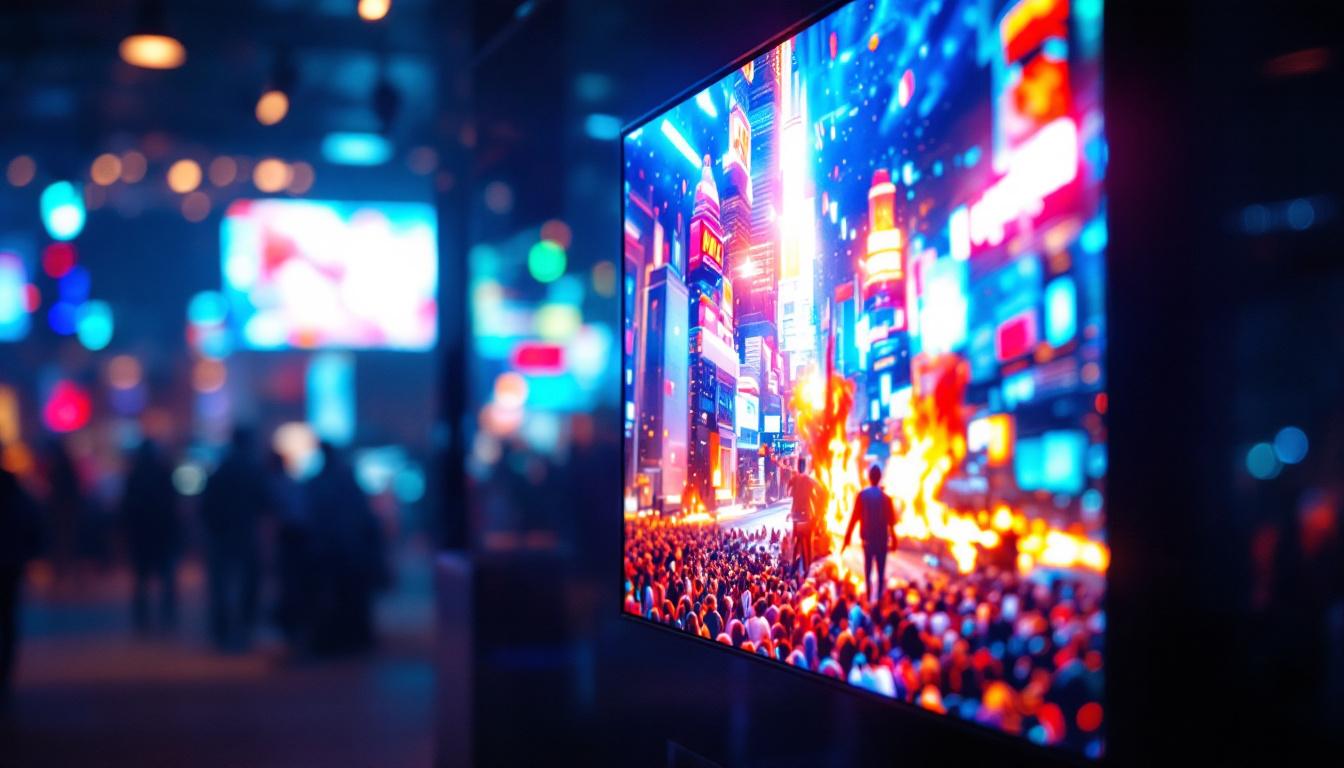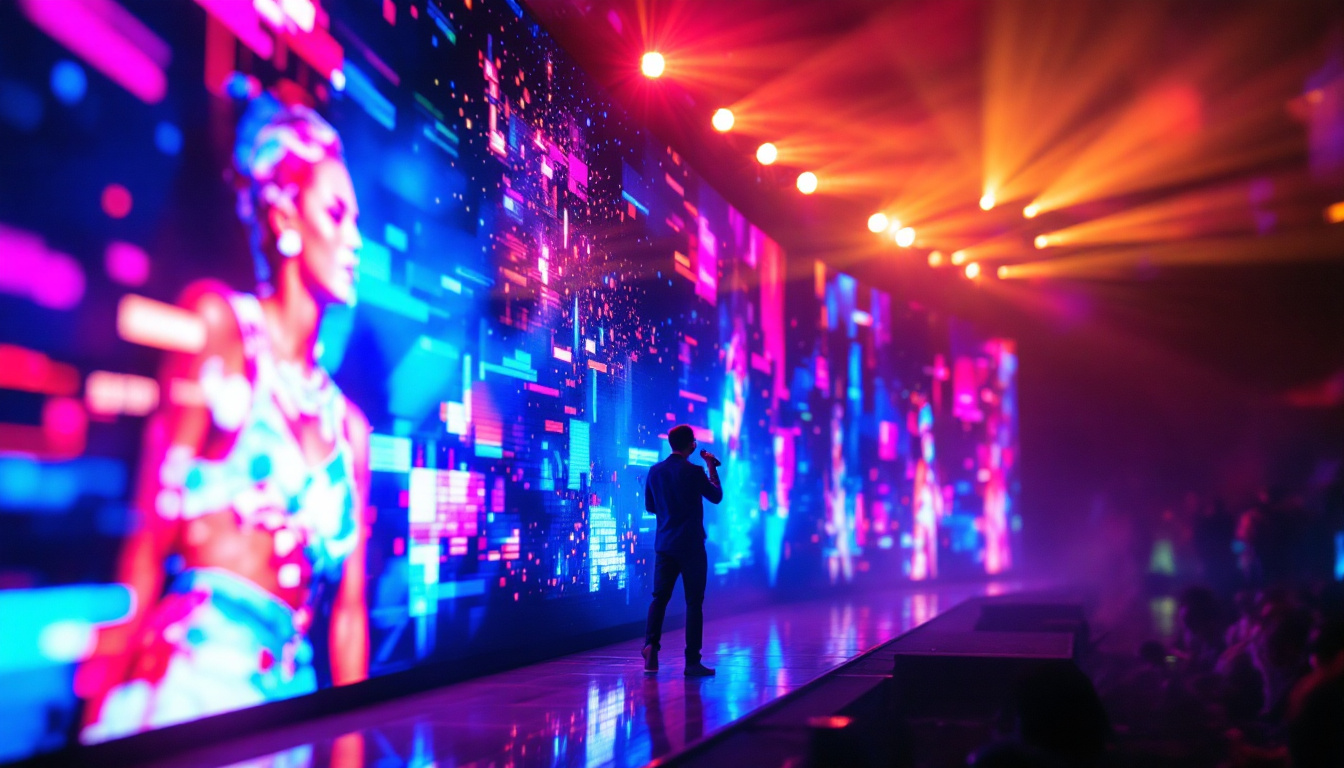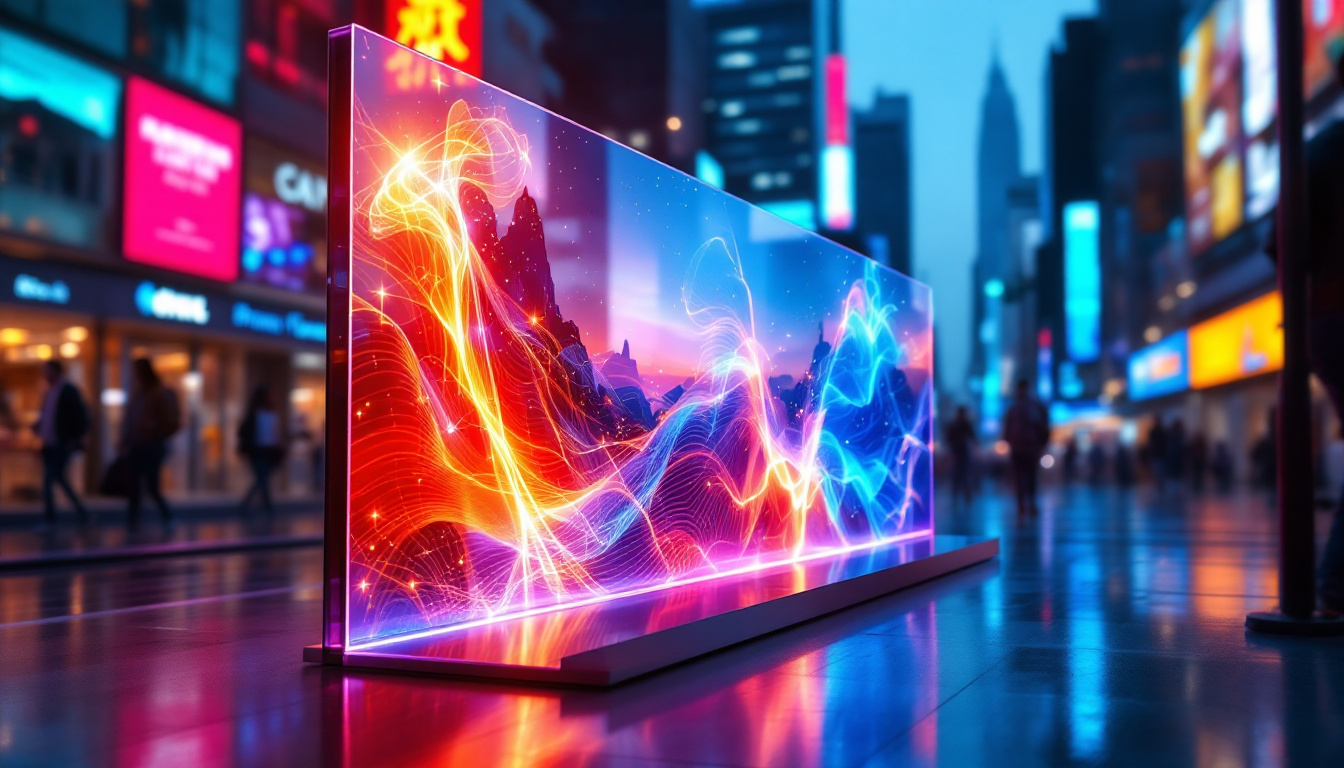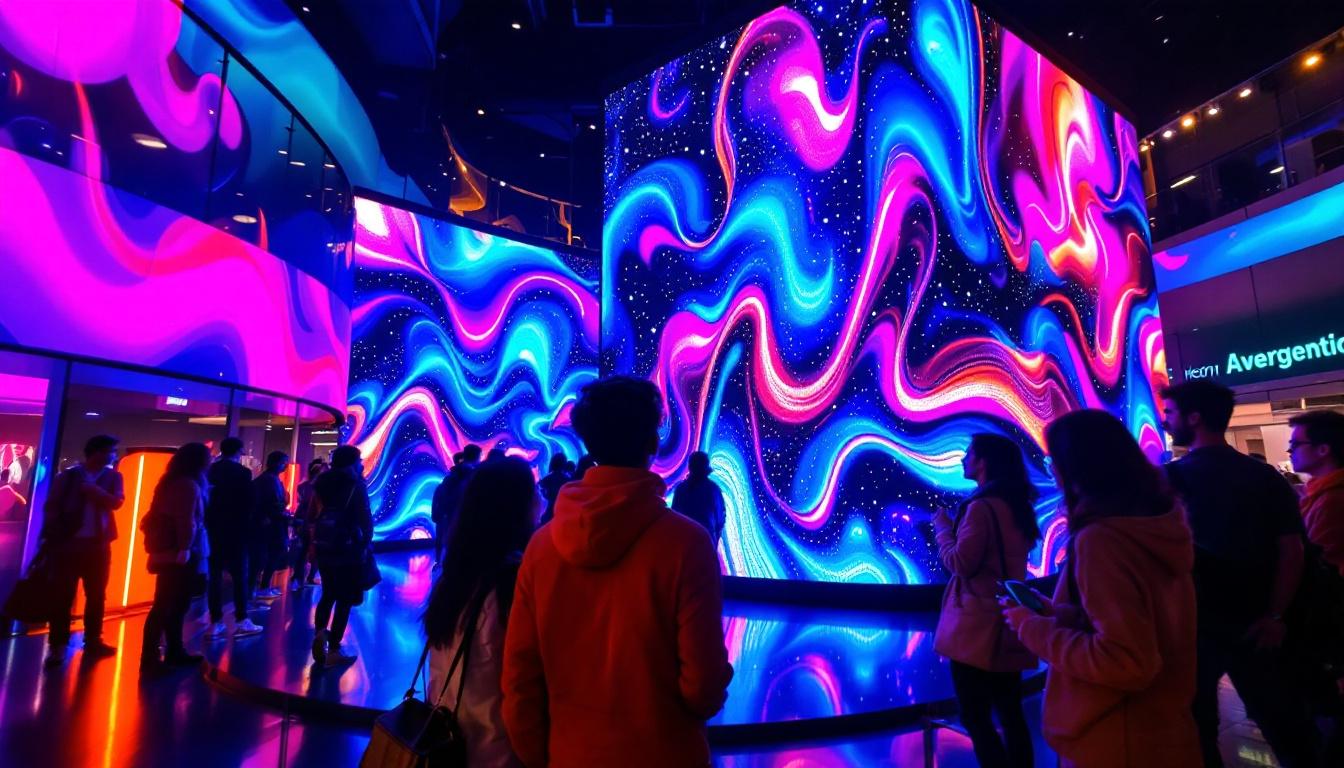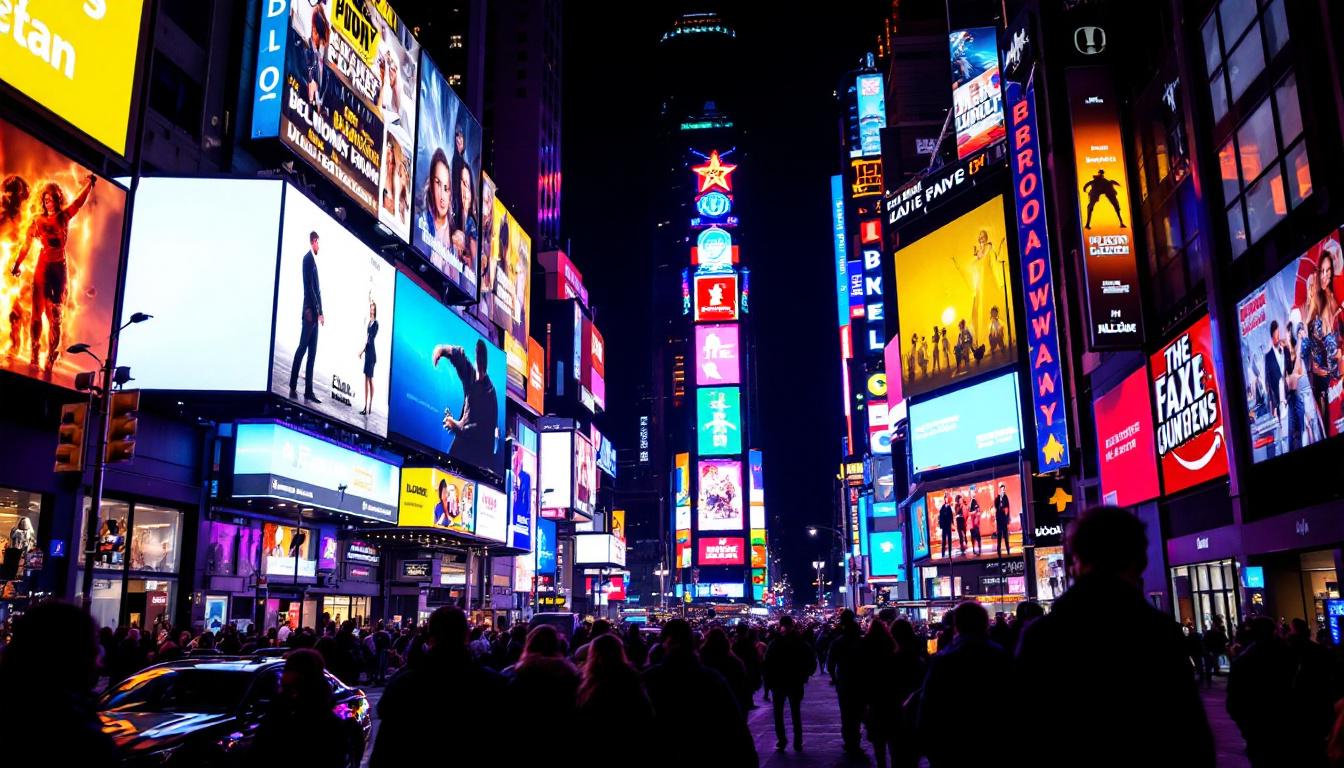
Broadway, the iconic heart of New York City‘s theater district, is renowned not only for its world-class performances but also for its dazzling visual landscape. Among the most captivating elements of this vibrant scene are the towering LED billboards that illuminate Times Square and its surroundings. These digital displays have transformed the way advertisers, producers, and brands communicate with millions of visitors and locals alike.
This article delves into the technology behind Broadway’s LED billboards, exploring how they work, why they are so effective, and what the future holds for this dynamic form of advertising.
The Evolution of Broadway Billboards
The bright lights of Broadway have always been a symbol of entertainment and excitement. Historically, traditional billboards and painted signs were the norm, but the advent of LED technology revolutionized the visual landscape.
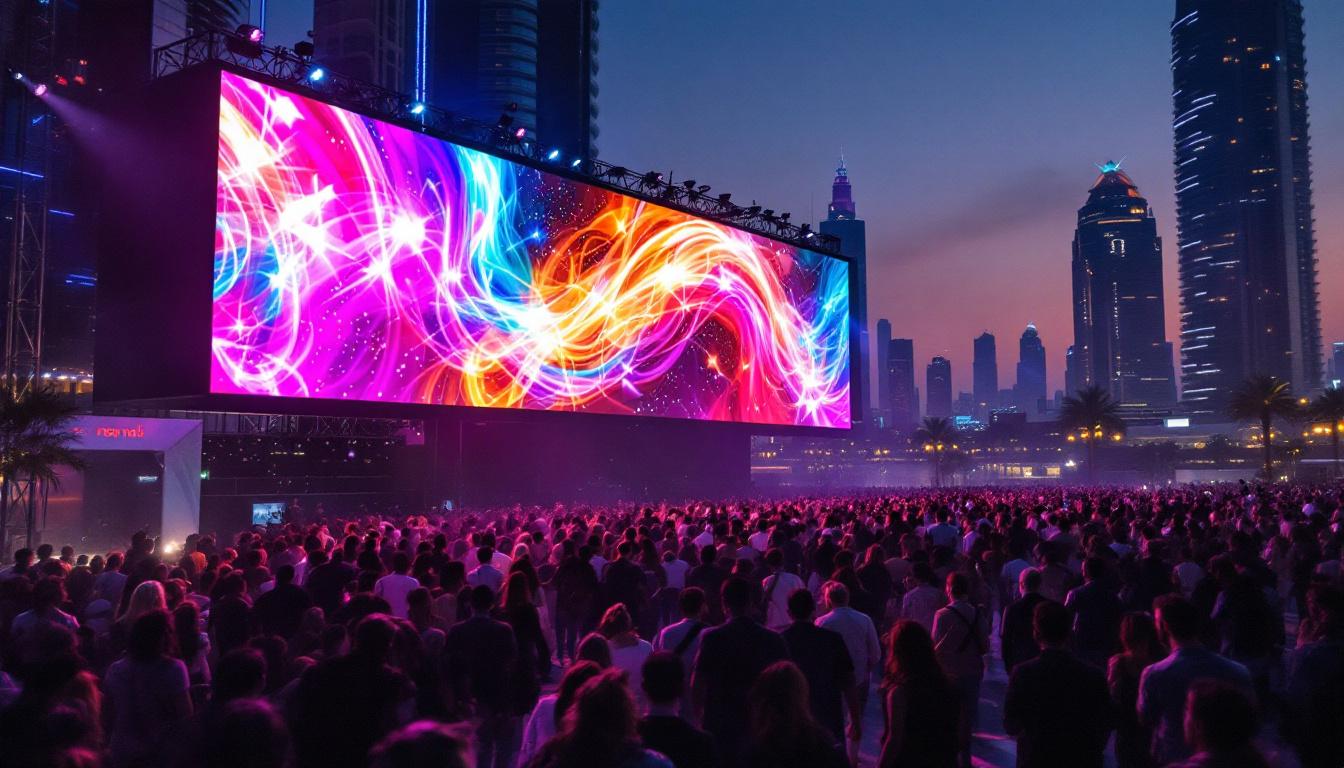
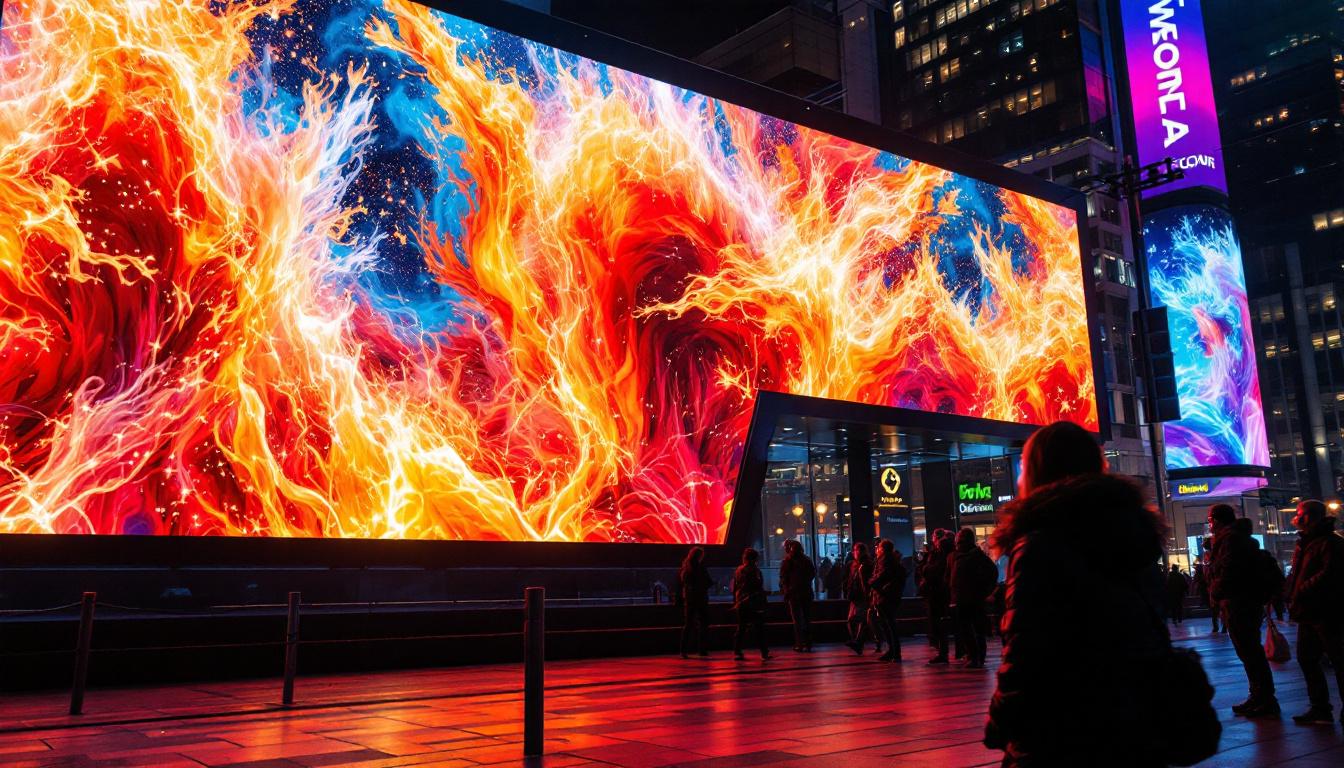
LED (Light Emitting Diode) displays began appearing in Times Square in the late 1990s and early 2000s. These digital billboards offered a level of brightness, color vibrancy, and animation that static signs simply could not match. Today, more than 80% of the signage in Times Square is digital, with LED displays dominating the scene.
This shift has not only enhanced the aesthetic appeal of Broadway’s advertising but also allowed for dynamic content that can be updated in real-time, providing advertisers with unprecedented flexibility and engagement opportunities.
From Static to Dynamic: The Impact on Broadway Advertising
Before LED technology, Broadway advertisements were limited to static images or printed posters. This format restricted creativity and engagement. With LED displays, advertisers can now incorporate motion graphics, video, and interactive elements, capturing the attention of passersby more effectively.
The ability to update content quickly means Broadway shows can promote last-minute ticket deals, highlight cast changes, or showcase audience reactions almost instantly. This immediacy is crucial in a fast-paced environment like Times Square, where millions of impressions are made daily.
Moreover, the integration of social media feeds into these digital displays has transformed how audiences interact with Broadway. Real-time tweets, Instagram posts, and audience reviews can be showcased, creating a sense of community and excitement around the shows. This not only encourages more foot traffic but also fosters a deeper connection between the audience and the productions. As people engage with the content, they feel more inclined to share their experiences online, further amplifying the reach of Broadway shows.
Additionally, the shift to digital billboards has sparked a new wave of creativity among advertisers and designers. With the ability to experiment with various formats, including augmented reality and 3D visuals, the advertising landscape on Broadway is evolving into an immersive experience. This innovation not only captivates tourists but also engages locals who frequent the area, ensuring that Broadway remains a vibrant and dynamic part of New York City’s cultural fabric.
How LED Billboards Work: The Technology Behind the Glow
Understanding the technology behind Broadway’s LED billboards requires a look at the core components and how they function together to produce stunning visual effects.
LED Modules and Pixels
At the heart of every LED billboard are thousands, sometimes millions, of tiny LED modules. Each module contains multiple pixels, and each pixel is made up of red, green, and blue LEDs. By varying the intensity of these three colors, the display can produce a full spectrum of colors.
The resolution of an LED billboard depends on the pixel pitch, which is the distance between the centers of two adjacent pixels. A smaller pixel pitch means higher resolution and sharper images, which is essential for close-up viewing in crowded urban environments like Times Square. This precision is particularly important for capturing the attention of pedestrians and drivers alike, as the vibrant colors and crisp details can convey messages quickly and effectively, making the billboard an essential tool for advertisers.
Brightness and Visibility
One of the defining features of Broadway’s LED billboards is their extraordinary brightness. These displays can reach brightness levels of 5,000 to 8,000 nits, far exceeding typical indoor screens. This high brightness ensures visibility even in direct sunlight and under the intense ambient lighting of Times Square at night. The ability to maintain clarity and impact in varying light conditions is a testament to the advanced engineering behind these displays.
Advanced sensors often adjust the brightness automatically based on surrounding light conditions, optimizing visibility while conserving energy. This adaptive technology not only enhances the viewing experience but also contributes to sustainability efforts by reducing unnecessary power consumption during low-light periods. Additionally, many billboards are equipped with features that allow them to display dynamic content, such as animations or videos, which can further captivate audiences and create a more immersive advertising experience.
Control Systems and Content Management
Behind the scenes, sophisticated control systems manage the content displayed on LED billboards. These systems allow for scheduling, real-time updates, and integration with external data sources. For example, a Broadway show might synchronize its billboard content with social media feeds, ticket sales data, or live event schedules. This level of integration ensures that the content remains relevant and engaging, adapting to the fast-paced environment of urban life.
Content management software enables advertisers to tailor messages to different times of day or target specific audiences, enhancing the effectiveness of their campaigns. The flexibility of these systems allows for creative marketing strategies, such as countdowns to showtimes or promotional offers that can be updated instantly. Furthermore, the ability to analyze viewer engagement through data analytics helps advertisers refine their approaches, ensuring that their messages resonate with the diverse audience that frequents the bustling streets of Broadway.
The Strategic Importance of LED Billboards for Broadway Shows
LED billboards are more than just bright signs; they are strategic marketing tools that play a critical role in the success of Broadway productions.
Capturing Attention in a Crowded Market
Times Square is one of the busiest pedestrian areas in the world, with over 330,000 people passing through daily. In such a crowded and competitive environment, standing out is essential. LED billboards, with their vibrant colors and dynamic content, are uniquely suited to capture the fleeting attention of potential theatergoers.
Studies show that digital billboards can increase brand recall by up to 47% compared to static signs, a significant advantage for Broadway shows competing for audience attention.
Driving Ticket Sales and Engagement
Beyond visibility, LED billboards directly influence ticket sales. Interactive features and real-time updates allow shows to promote special offers, last-minute discounts, and exclusive events. For instance, a billboard might display a countdown to opening night or highlight rave reviews, creating urgency and excitement.
Moreover, integrating QR codes or social media prompts encourages passersby to engage digitally, bridging the gap between physical advertising and online ticket purchasing.
Enhancing the Broadway Brand Experience
Broadway is not just about individual shows; it’s a cultural brand synonymous with quality and spectacle. LED billboards contribute to this brand by creating a visually immersive environment that reflects the energy and creativity of the theater district.
The seamless blend of technology and artistry in these displays reinforces Broadway’s reputation as a cutting-edge entertainment hub, attracting tourists and locals alike.
Challenges and Considerations in LED Billboard Deployment
While LED billboards offer many advantages, deploying and maintaining them in a complex urban environment like Broadway comes with challenges.
Technical and Maintenance Issues
LED displays require regular maintenance to ensure optimal performance. Issues such as dead pixels, color calibration, and weather-related wear can impact visual quality. Given the scale of Broadway billboards, maintenance teams must work efficiently to minimize downtime.
Additionally, power consumption is a significant consideration. Although LED technology is energy-efficient compared to older lighting methods, the sheer size and brightness of these displays mean they consume substantial electricity, prompting a focus on sustainable solutions.
Regulatory and Aesthetic Constraints
New York City has strict regulations governing signage, including brightness limits, size restrictions, and content guidelines. Broadway billboards must comply with these rules while still delivering impactful messages.
Moreover, preserving the historic and cultural character of the theater district requires balancing modern technology with aesthetic sensitivity. This often involves collaboration between advertisers, city planners, and community stakeholders.
The Future of Broadway LED Billboards
As technology continues to evolve, the future of Broadway’s LED billboards promises even greater innovation and engagement.
Integration with Augmented Reality and AI
Emerging technologies such as augmented reality (AR) and artificial intelligence (AI) are beginning to influence digital advertising. Future Broadway billboards may incorporate AR elements that interact with smartphones, creating immersive experiences that extend beyond the physical display.
AI-driven content personalization could tailor billboard messages to different demographics in real-time, optimizing engagement and conversion rates.
Sustainability and Energy Efficiency
With growing awareness of environmental impact, Broadway’s LED billboards are likely to adopt greener technologies. Innovations in LED efficiency, solar power integration, and smart energy management systems will reduce the carbon footprint of these massive displays.
Such efforts align with New York City’s broader sustainability goals and enhance the public image of both advertisers and the Broadway district.
Enhanced Interactivity and Connectivity
Future displays may offer greater interactivity, allowing pedestrians to influence content through gestures, voice commands, or mobile apps. This two-way communication can deepen audience engagement and create memorable experiences.
Connectivity with other digital platforms will enable seamless integration of billboard content with social media, live events, and e-commerce, making Broadway advertising more dynamic and responsive than ever before.
Conclusion
Broadway’s LED billboards are a testament to the power of technology to transform urban advertising and cultural expression. Combining cutting-edge LED technology with strategic marketing, these displays not only illuminate the theater district but also shape the way audiences experience Broadway.
As the industry advances, the fusion of innovation, creativity, and sustainability will continue to redefine the role of LED billboards in one of the world’s most vibrant entertainment hubs.
For advertisers, producers, and audiences alike, understanding the technology and strategy behind Broadway’s LED displays offers valuable insight into the future of urban advertising and the enduring allure of the Great White Way.
Illuminate Your Brand with LumenMatrix
Ready to elevate your advertising to the dazzling heights of Broadway’s LED billboards? LumenMatrix is at the forefront of LED display technology, offering a wide array of solutions that bring your brand to life. From the bustling streets to the grandeur of theater, our innovative LED displays ensure your message resonates with brilliance and clarity. Check out LumenMatrix LED Display Solutions and transform your visual communication into an unforgettable experience.