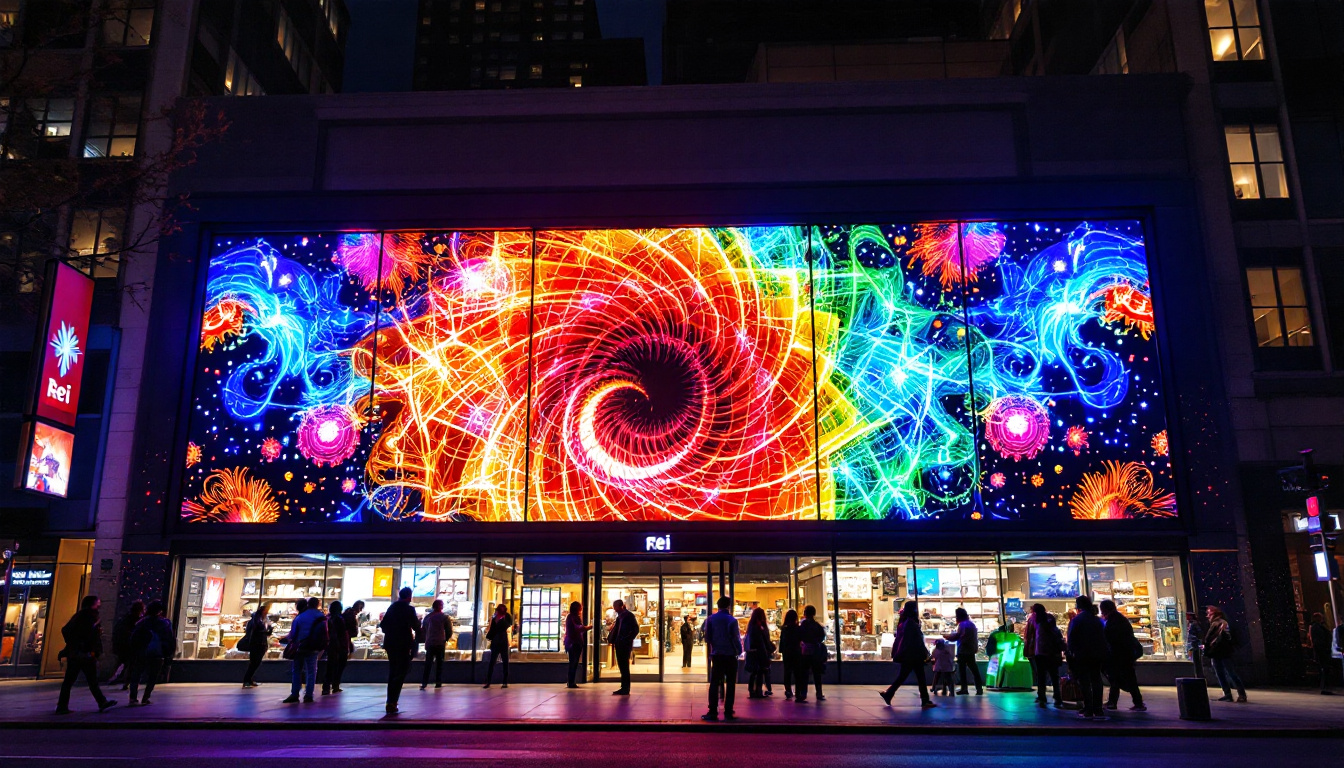
In today’s fast-paced world, capturing attention quickly and effectively is crucial for businesses, public services, and event organizers alike. Outdoor LED signs have emerged as a powerful tool in this regard, offering vibrant, dynamic displays that can be seen from great distances and in various lighting conditions. This article explores the technology behind LED displays, their applications, benefits, and key considerations for those looking to invest in outdoor LED signage.
Understanding LED Technology
What is an LED Display?
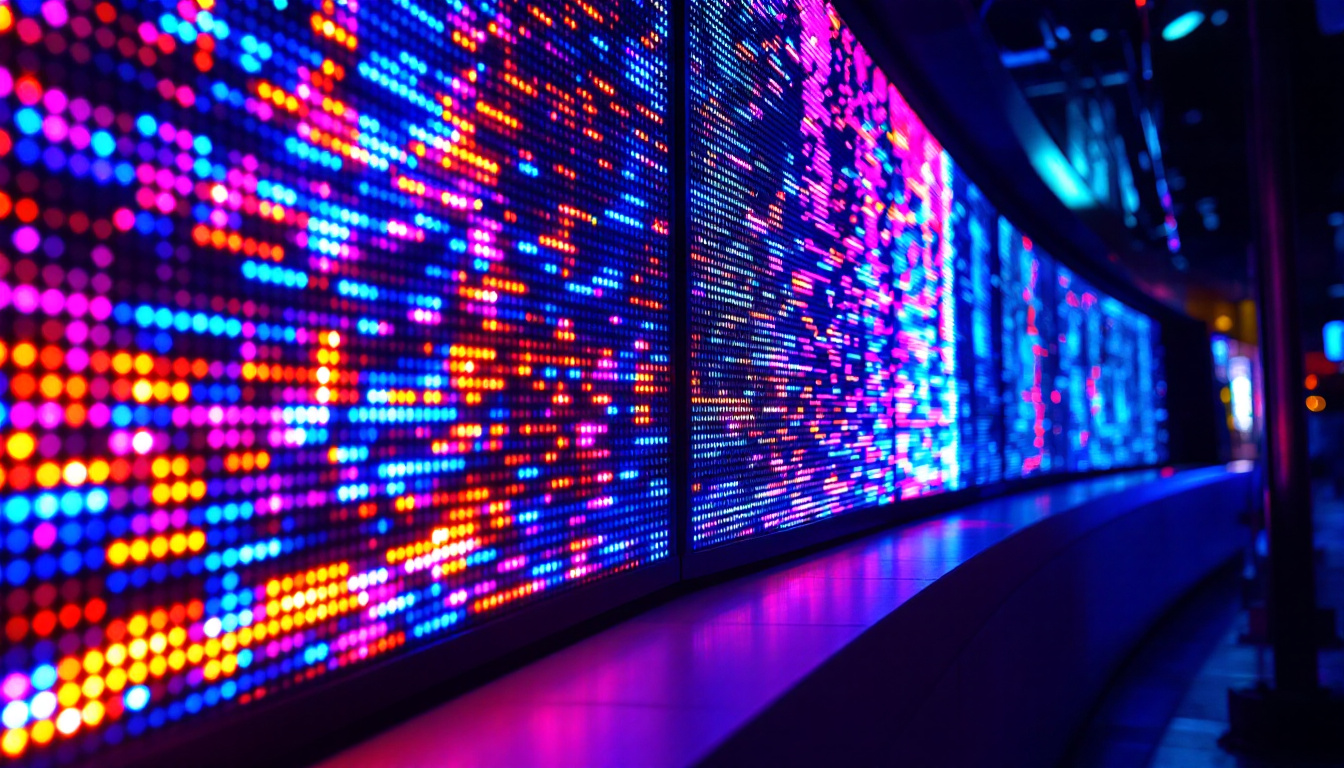
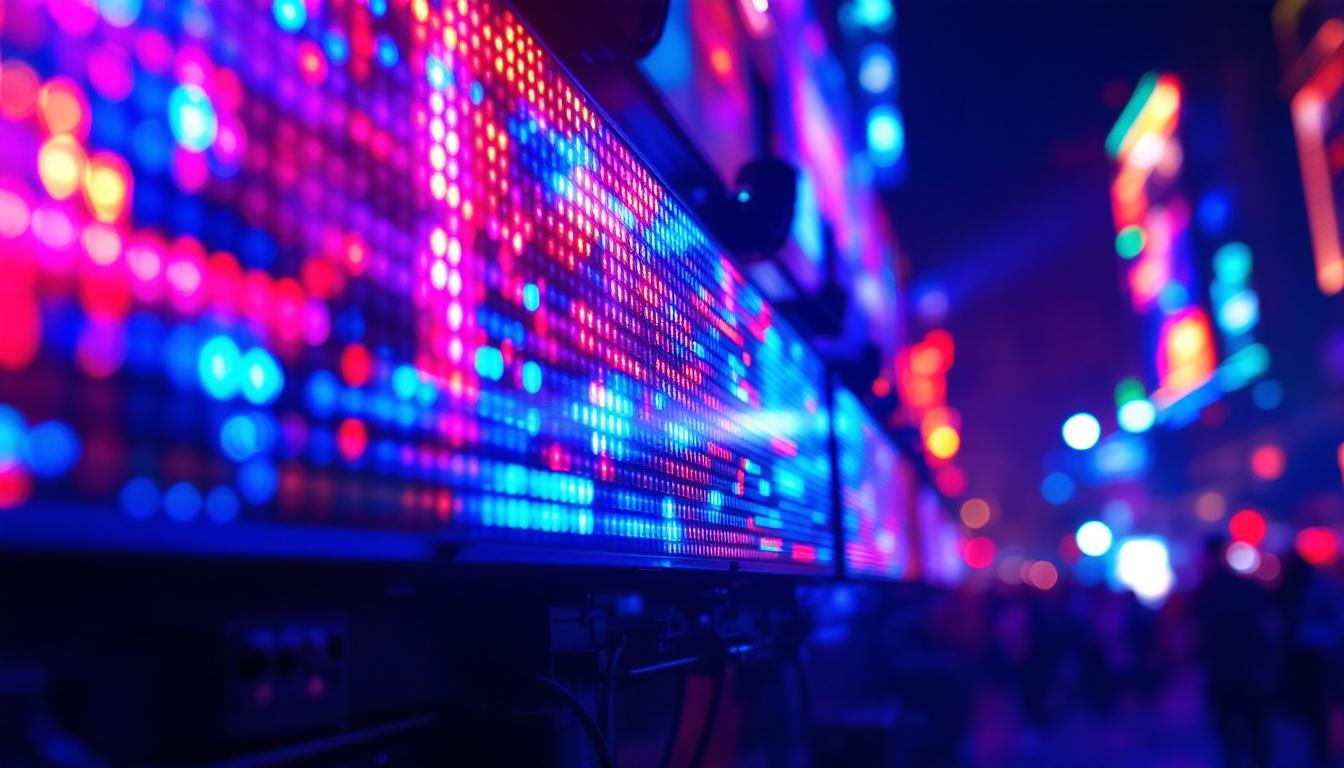
LED stands for Light Emitting Diode, a semiconductor device that emits light when an electric current passes through it. LED displays are made up of thousands of these tiny diodes arranged in a matrix to form images, text, or video. Unlike traditional lighting or display technologies, LEDs are highly energy-efficient, durable, and capable of producing bright, vivid colors. This efficiency not only reduces energy costs but also contributes to a smaller carbon footprint, making LED technology an environmentally friendly choice for modern displays.
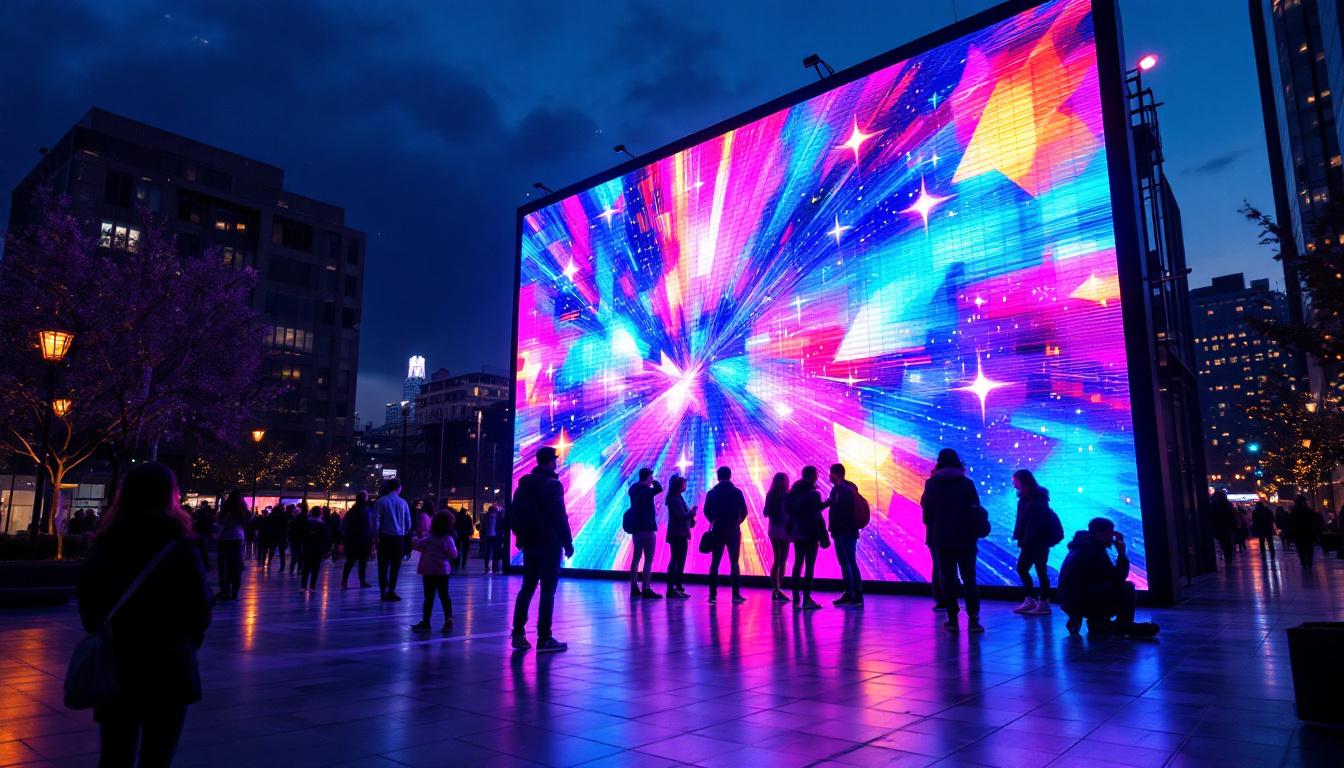
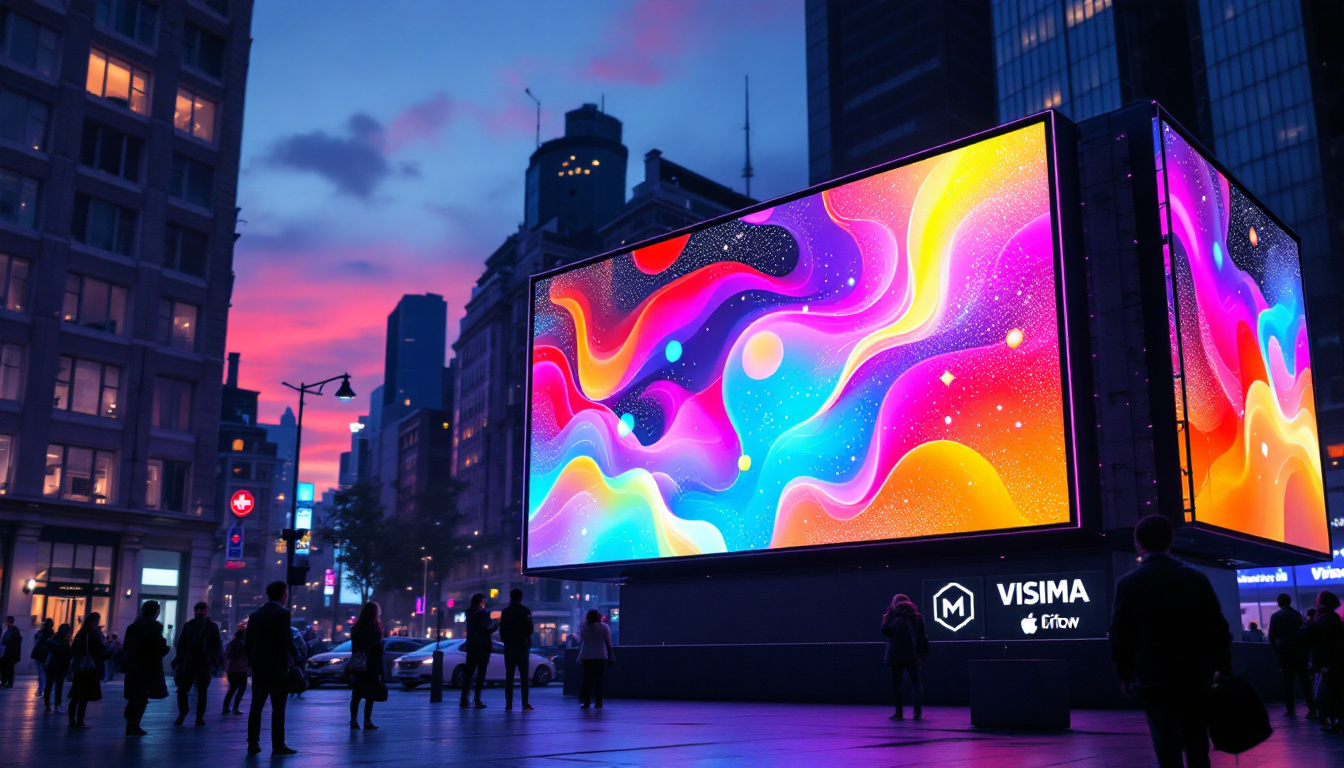
Outdoor LED signs utilize these diodes to create large-scale digital displays that can be easily seen in daylight and adverse weather conditions. The technology behind these displays has evolved significantly over the past decade, making them more affordable and accessible for a wide range of uses. With advancements in control systems and software, users can now easily update content remotely, allowing for real-time messaging and dynamic advertising strategies that can adapt to changing circumstances or target specific audiences effectively.
Types of Outdoor LED Displays
There are several types of LED displays tailored for outdoor use, each with unique characteristics:
- Full-Color LED Displays: These use red, green, and blue LEDs to produce millions of colors, enabling vibrant and dynamic images or videos. They are ideal for advertising, entertainment, and public information, as they can convey complex messages through eye-catching visuals.
- Monochrome LED Displays: Typically using a single color, such as red or amber, these are often used for text-based messaging like scrolling news or traffic updates. Their simplicity makes them cost-effective solutions for businesses looking to communicate essential information without the need for elaborate graphics.
- RGB LED Displays: A subset of full-color displays, RGB LEDs combine the three primary colors at varying intensities to create a broad color spectrum. These displays are particularly popular in concert venues and sporting events, where high-quality visuals can enhance the audience’s experience.
Choosing the right type depends on the intended use, budget, and desired visual impact. Factors such as pixel pitch, brightness levels, and viewing distance also play crucial roles in determining the suitability of a specific display type. For instance, a display intended for a busy urban environment may require a higher brightness level to stand out against the backdrop of competing lights and distractions, while a display in a more subdued setting might prioritize resolution and color accuracy over sheer brightness.
Moreover, the installation and maintenance of outdoor LED displays are critical considerations. Proper mounting and protection against environmental factors like moisture, dust, and extreme temperatures are essential to ensure longevity and optimal performance. Many manufacturers now offer weatherproof designs and easy-access features to facilitate maintenance, allowing businesses to keep their displays looking fresh and functional with minimal downtime. As technology continues to advance, we can expect even more innovative solutions that enhance the capabilities and durability of outdoor LED displays, making them an increasingly popular choice for advertisers and information providers alike.
Key Features and Benefits of Outdoor LED Signs
Visibility and Brightness
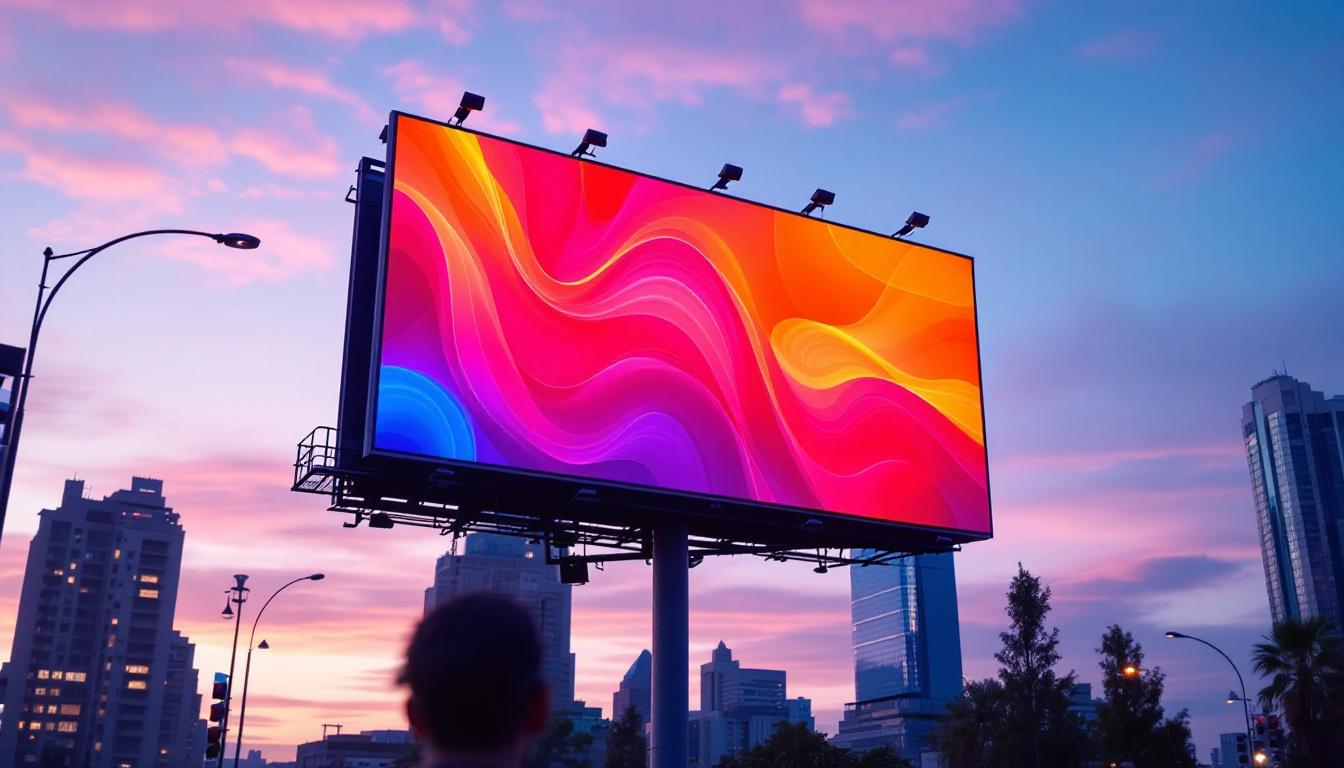
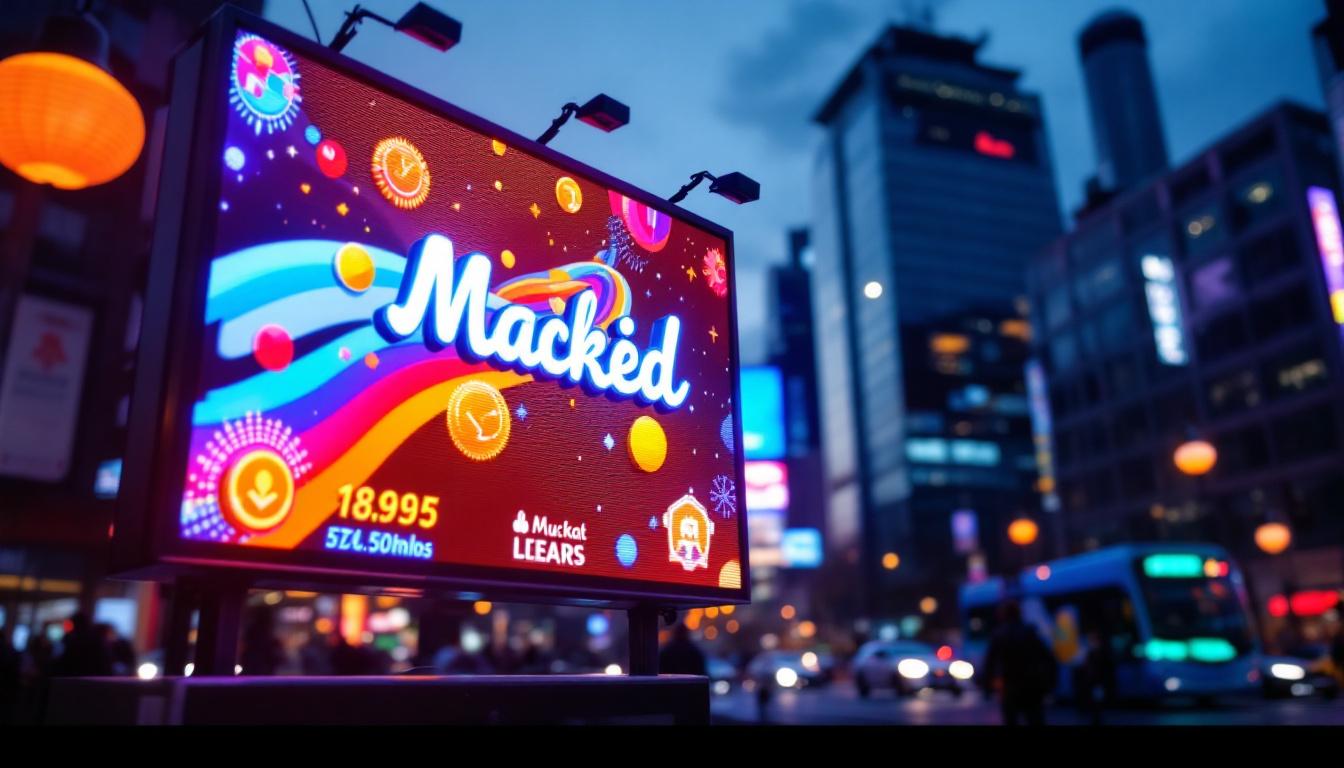
One of the most significant advantages of outdoor LED signs is their exceptional visibility. LEDs can achieve brightness levels of over 5,000 nits, which allows the display to remain clear and readable even under direct sunlight. This is a critical factor for roadside advertising, public information boards, and event signage where visibility can directly influence effectiveness.
Additionally, LED displays offer wide viewing angles, ensuring that messages are visible from various perspectives without significant color distortion or loss of brightness. This feature is particularly beneficial in urban environments where traffic and pedestrian flow can come from multiple directions. The ability to capture attention from afar means that businesses can effectively reach a larger audience, maximizing the impact of their advertising efforts.
Energy Efficiency and Longevity
Compared to traditional neon or incandescent signage, LED signs consume significantly less power. This energy efficiency translates into lower operating costs, which is particularly important for businesses running signs 24/7. Furthermore, LEDs have a long lifespan, often exceeding 100,000 hours of operation, reducing maintenance needs and replacement costs. This longevity not only benefits businesses financially but also contributes to sustainability efforts by reducing waste and the frequency of sign replacements.
Moreover, many LED signs are designed with built-in energy-saving features, such as automatic brightness adjustment based on ambient light conditions. This means that during the day, the sign can dim slightly to save energy, while at night, it can brighten to ensure maximum visibility. Such features not only enhance the sign’s performance but also align with eco-friendly practices that are increasingly important to consumers and businesses alike.
Dynamic Content and Flexibility
Unlike static signs, LED displays can be programmed to show a variety of content, including text, images, animations, and videos. This flexibility allows businesses to update promotions in real-time, tailor messaging to different audiences, or display emergency alerts instantly. The ability to schedule content also helps optimize messaging for different times of day or special events. For instance, a restaurant can promote breakfast specials in the morning and switch to dinner deals in the evening, ensuring that the content remains relevant and engaging throughout the day.
Furthermore, the integration of social media feeds and live data can enhance the interactivity of LED signs. Businesses can display their latest tweets, customer reviews, or even live sports scores, creating a dynamic environment that encourages customer engagement. This capability not only attracts attention but also fosters a sense of community, as passersby can see real-time updates and feel connected to the business and its activities. With such versatility, outdoor LED signs are not just tools for advertising; they become vibrant platforms for communication and interaction.
Applications of Outdoor LED Signs
Retail and Advertising
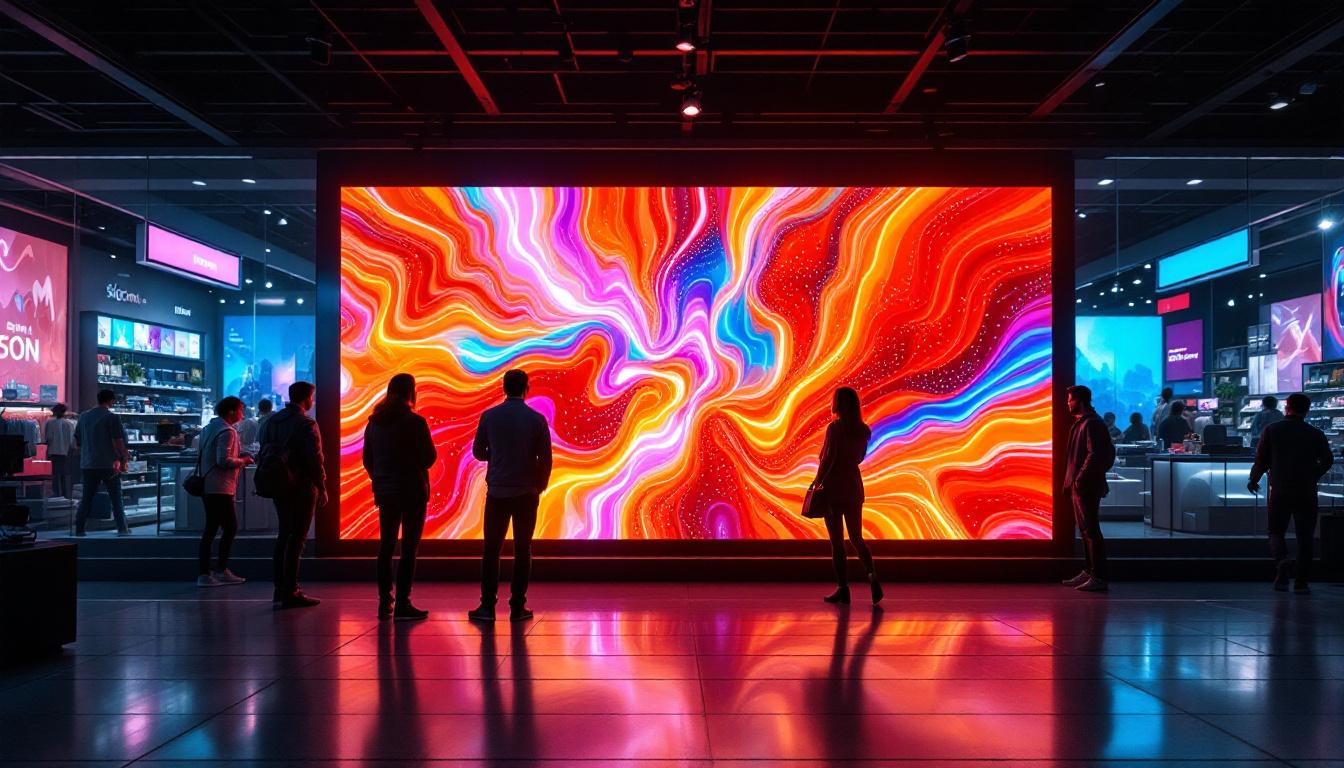
Retailers leverage outdoor LED signs to attract customers with eye-catching promotions and announcements. According to recent market research, digital signage, including LED displays, can increase sales by up to 30% due to improved customer engagement. LED signs enable retailers to highlight flash sales, new arrivals, or store hours dynamically, creating a more interactive shopping experience.
Transportation and Public Safety
LED signs are extensively used in transportation hubs, highways, and urban centers to convey real-time information such as traffic updates, weather alerts, and safety warnings. Their high visibility and reliability make them indispensable for public safety communications. For example, variable message signs (VMS) on highways use LED technology to inform drivers about road conditions, accidents, or detours, helping to reduce congestion and improve safety.
Events and Entertainment
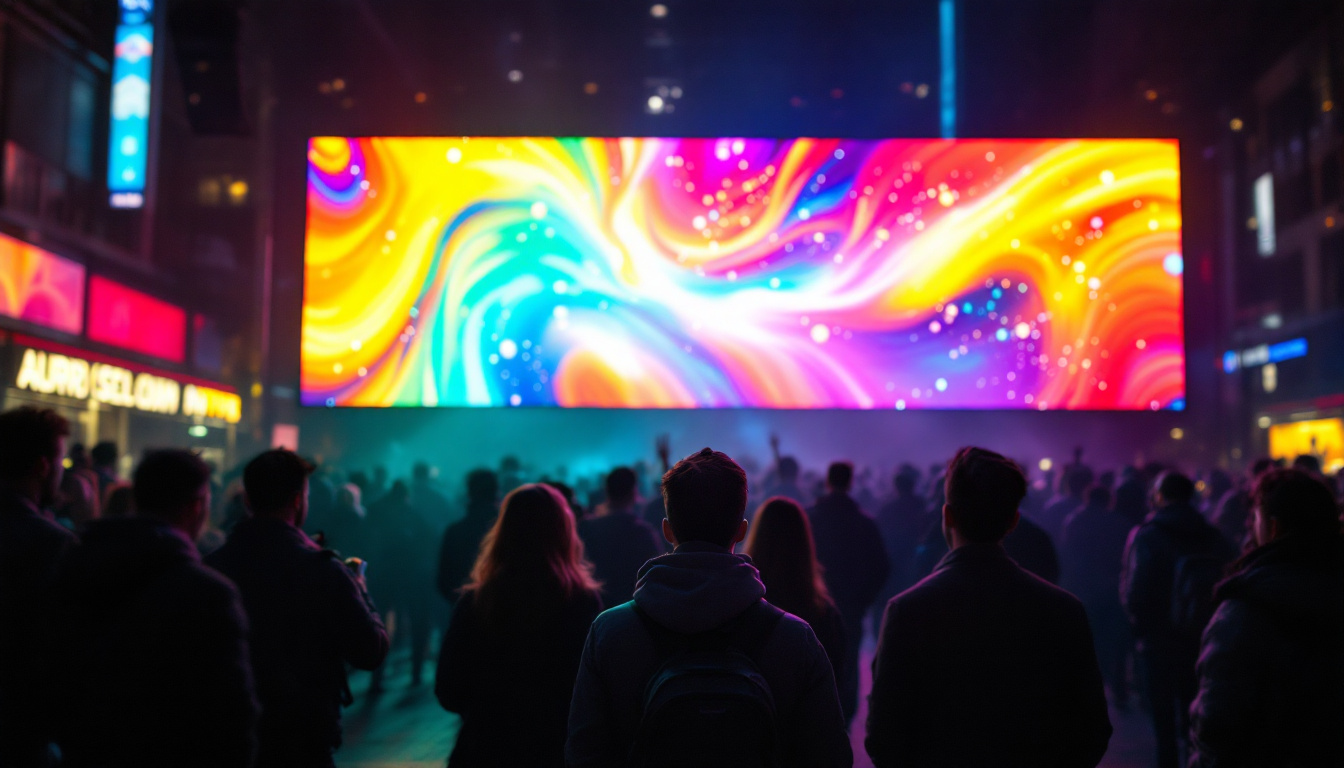
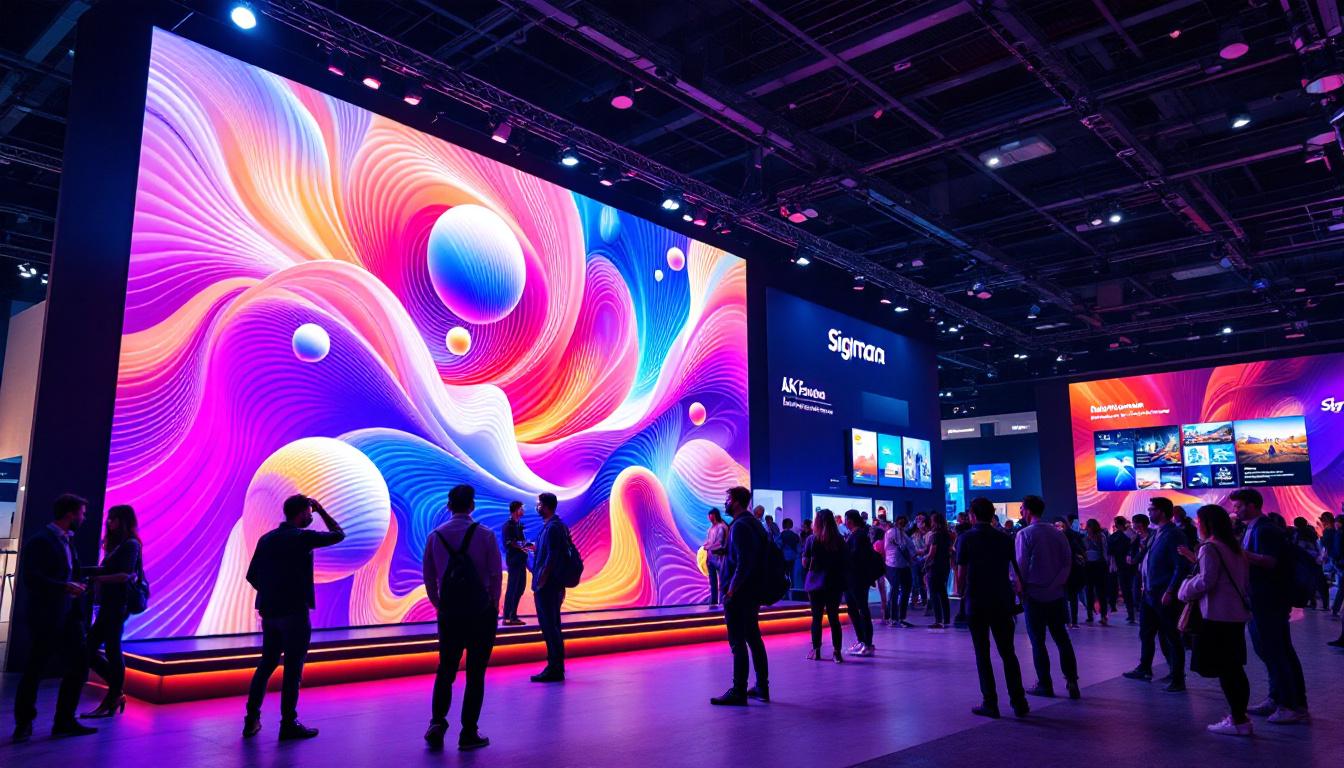
Concerts, sports arenas, and festivals utilize large outdoor LED displays to enhance the audience experience. These screens provide live video feeds, event schedules, and interactive content, making events more engaging and accessible. The scalability of LED displays allows for installations ranging from small venue signs to massive stadium screens.
Technical Considerations When Choosing Outdoor LED Signs
Pixel Pitch and Resolution
Pixel pitch refers to the distance between the centers of two adjacent LEDs, usually measured in millimeters. A smaller pixel pitch means higher resolution and sharper images, which is important for displays viewed from close distances. For outdoor signs viewed from afar, a larger pixel pitch is often sufficient and more cost-effective.
For example, a pixel pitch of 10mm might be ideal for a billboard seen from 50 feet away, whereas a 4mm pitch would be better for a sign located near pedestrian traffic.
Weather Resistance and Durability
Outdoor LED signs must withstand harsh environmental conditions, including rain, wind, dust, and extreme temperatures. Look for displays with high IP (Ingress Protection) ratings—typically IP65 or higher—to ensure water and dust resistance. Additionally, robust housing and protective coatings help prolong the lifespan of the sign in outdoor settings.
Control Systems and Connectivity
Modern LED displays come with sophisticated control systems that allow remote content management via wired or wireless connections. Cloud-based platforms enable users to update content from anywhere, schedule playlists, and monitor system health in real-time. Choosing a system with user-friendly software and reliable connectivity is essential for maximizing the utility of the LED sign.
Cost Factors and Return on Investment
Initial Investment and Installation
The cost of outdoor LED signs varies widely depending on size, resolution, and features. On average, prices range from $1,000 to $10,000 per square meter. Installation costs can also be significant, especially for large or complex setups requiring structural support or electrical work.
Despite the upfront cost, many businesses find LED signage to be a worthwhile investment due to its long-term benefits and impact on customer engagement.
Operational Costs and Maintenance
Operating costs for LED signs are relatively low due to their energy efficiency. Maintenance typically involves periodic cleaning and occasional repairs, but the long lifespan of LEDs minimizes downtime and replacement expenses.
Measuring ROI
Return on investment can be measured through increased sales, improved brand visibility, and enhanced communication effectiveness. Many businesses track metrics such as foot traffic, customer inquiries, and sales conversions before and after installing LED signage to quantify its impact.
Future Trends in Outdoor LED Signage
Integration with Smart Technologies
The future of outdoor LED signs is closely tied to advancements in smart technology. Integration with IoT (Internet of Things) devices allows for real-time data-driven content adjustments based on weather, traffic, or audience demographics. For instance, a sign could automatically switch to rain-related promotions during a storm or update traffic alerts based on live sensor data.
Enhanced Interactivity and Personalization
Emerging technologies like facial recognition and mobile device integration enable personalized advertising and interactive experiences. Outdoor LED signs may soon tailor messages to individual viewers, increasing engagement and effectiveness.
Sustainability and Eco-Friendly Designs
As environmental concerns grow, manufacturers are focusing on developing LED signs with lower power consumption, recyclable materials, and solar-powered options. These innovations help reduce the environmental footprint of outdoor advertising and align with corporate sustainability goals.
Conclusion
Outdoor LED signs represent a versatile and impactful medium for communication, advertising, and public information. Their brightness, energy efficiency, and dynamic capabilities make them a superior choice over traditional signage methods. By understanding the technology, applications, and key considerations, businesses and organizations can make informed decisions to maximize the benefits of LED displays.
As LED technology continues to evolve, outdoor signs will become even more interactive, intelligent, and sustainable, offering exciting opportunities for engagement and innovation in the years to come.
Discover LumenMatrix LED Display Solutions
Ready to elevate your brand’s visibility and captivate your audience with the most dynamic visual experiences? Look no further than LumenMatrix, a pioneer in LED display technology. From vibrant outdoor LED walls to innovative transparent displays, our solutions are designed to revolutionize visual communication and engage viewers like never before. Whether for advertising, public information, or entertainment, LumenMatrix provides a full spectrum of LED display modules tailored to your unique needs. Check out LumenMatrix LED Display Solutions today and transform the way you share your message with the world.