In today’s digital age, visual communication plays a pivotal role in how businesses, advertisers, and event organizers engage their audiences. Among the various display technologies available, LED displays stand out for their brightness, versatility, and energy efficiency. This article delves into the world of LED displays, explaining what they are, how they work, and why they have become the go-to solution for a wide range of applications.
Understanding LED Display Technology
What Is an LED Display?
LED stands for Light Emitting Diode, a semiconductor device that emits light when an electric current passes through it. An LED display is a flat panel that uses an array of these tiny light-emitting diodes as pixels to create images, videos, or text. Unlike traditional LCD or plasma screens that rely on backlighting, LED displays produce their own light, which results in higher brightness and better contrast.
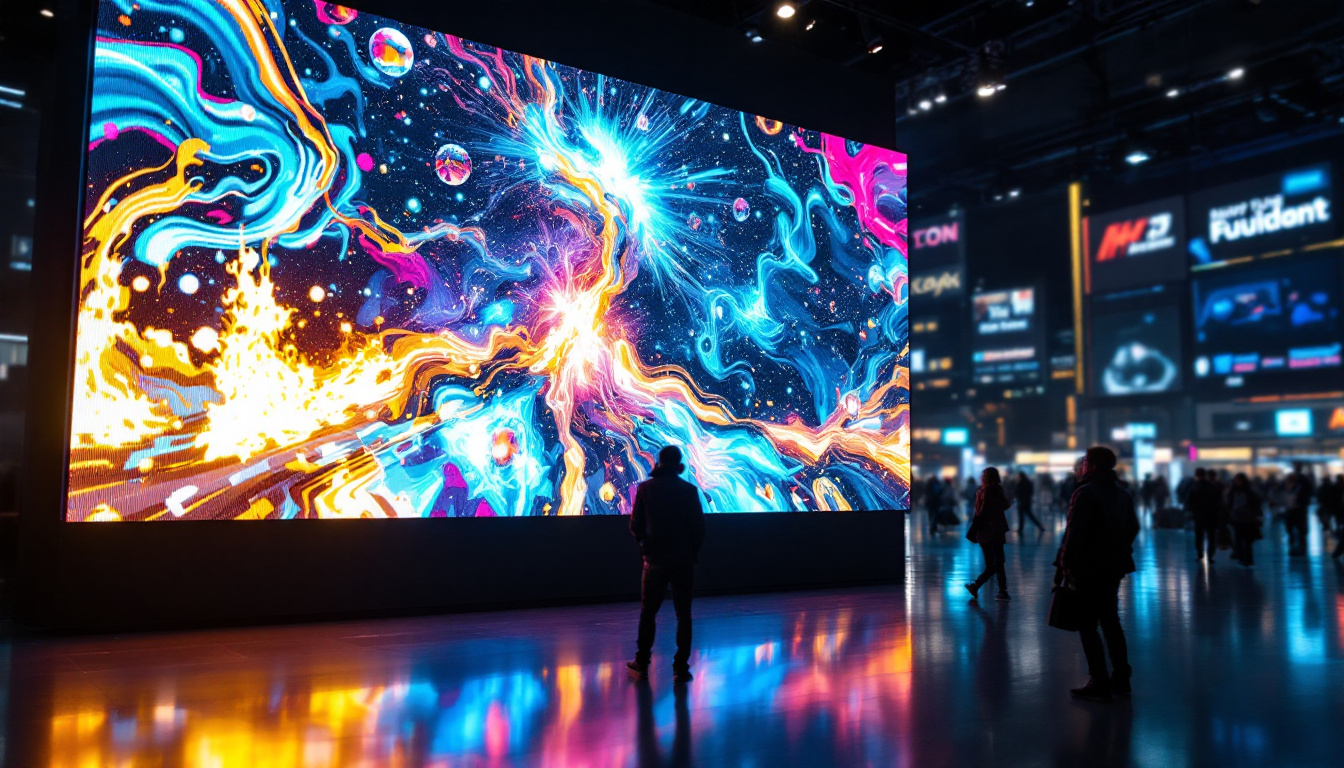
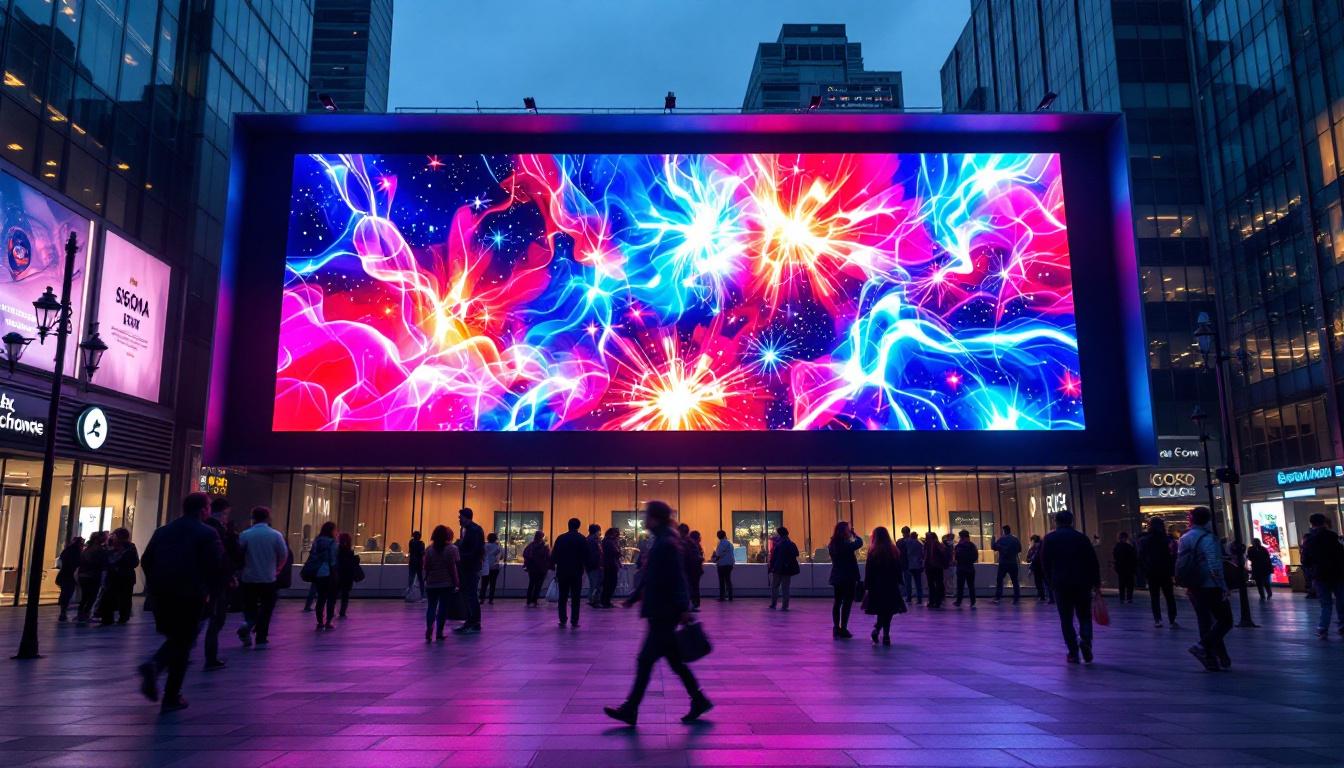
These displays can range from small digital billboards to massive stadium screens spanning thousands of square feet. The modular nature of LED panels allows them to be assembled in various sizes and shapes, making them highly adaptable to different environments and purposes. This versatility is particularly beneficial in the advertising industry, where dynamic content can be showcased in real-time, capturing the attention of passersby and enhancing brand visibility. Additionally, the energy efficiency of LED technology contributes to lower operational costs, making it an attractive option for businesses looking to maximize their return on investment.
How Do LED Displays Work?
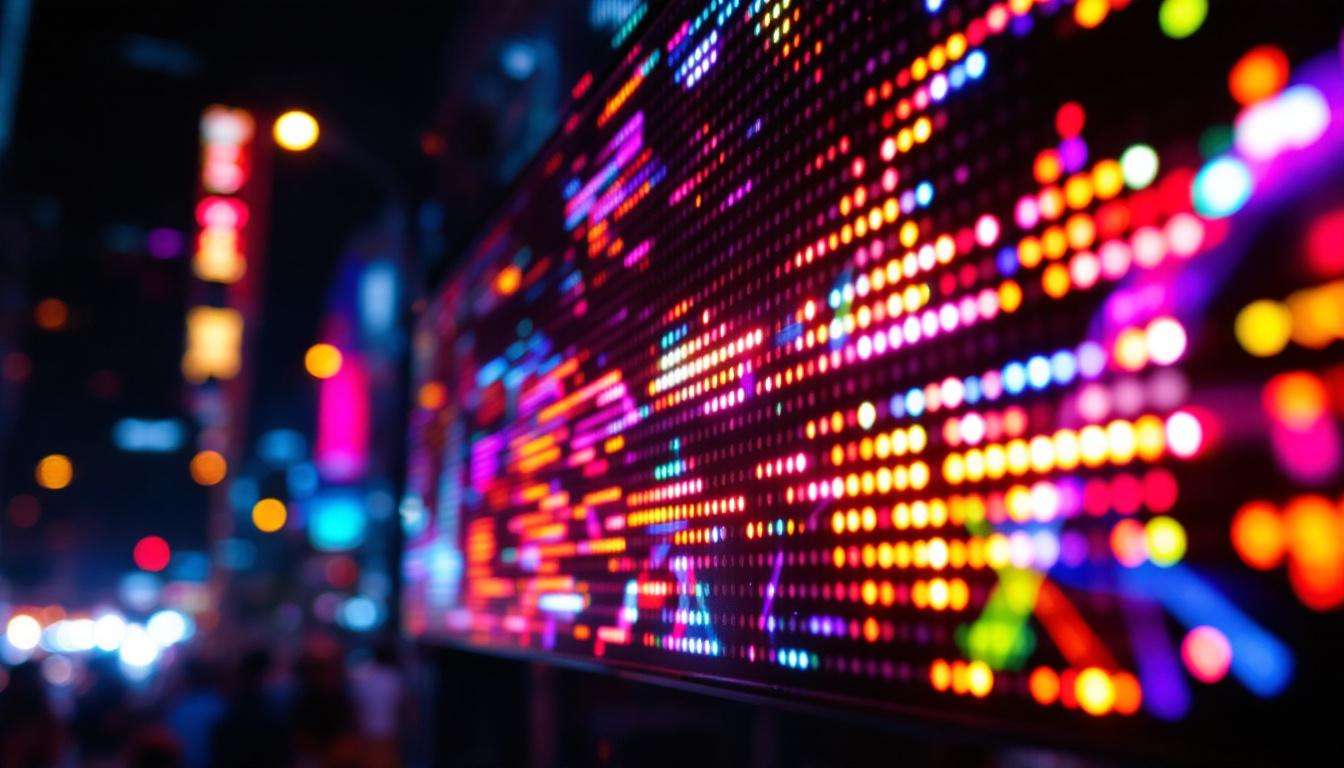
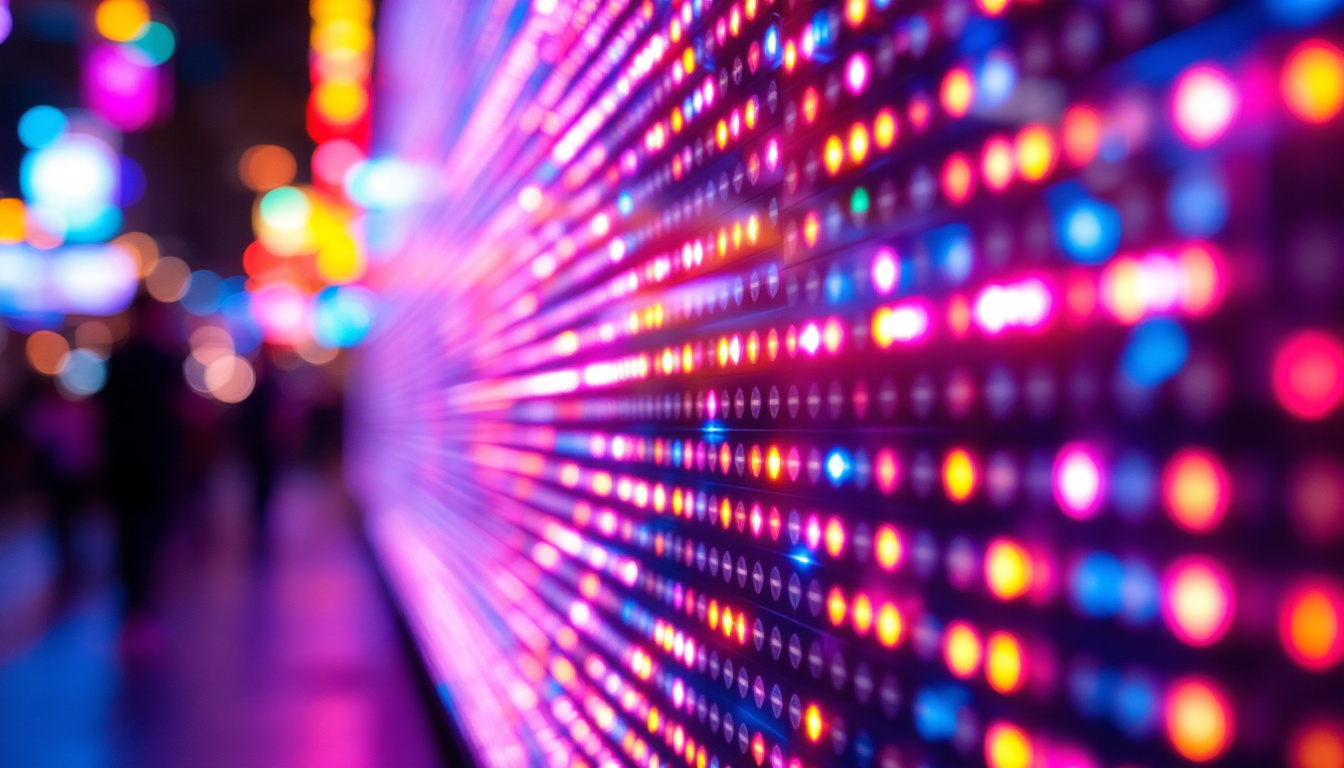
Each pixel on an LED display is made up of one or more LEDs, usually red, green, and blue (RGB). By adjusting the intensity of each color, the display can produce a wide spectrum of colors visible to the human eye. This process is known as color mixing.
The display is controlled by a driver circuit and a processing unit that translates the input signal—such as a video feed or computer graphics—into electrical signals that power the individual LEDs. The refresh rate and resolution determine how smooth and sharp the image appears. Modern LED displays often support refresh rates of 60 Hz or higher, ensuring flicker-free viewing even in high-motion content. Furthermore, advancements in technology have led to the development of HDR (High Dynamic Range) capabilities in LED displays, allowing for richer colors and deeper blacks, which significantly enhances the viewing experience, especially in cinematic applications.
Types of LED Displays
LED displays come in several forms, each suited to specific applications:
- Indoor LED Displays: Designed for use inside buildings, these displays have smaller pixel pitches (the distance between individual LEDs) to provide high resolution at close viewing distances. They are commonly found in conference rooms, retail stores, and control centers.
- Outdoor LED Displays: Built to withstand weather conditions, these displays have larger pixel pitches for visibility from greater distances. They are used for billboards, sports arenas, and public information screens.
- Transparent LED Displays: These innovative panels allow light to pass through them, making them ideal for storefront windows or glass walls where visibility from both sides is desired. This feature not only enhances aesthetics but also enables retailers to engage customers with vibrant displays while maintaining a clear view of their products.
- Flexible and Curved LED Displays: Made with bendable materials, these displays can wrap around surfaces or create immersive environments, often used in exhibitions and creative installations. Their adaptability opens up new possibilities for artistic expression and interactive experiences, allowing designers to push the boundaries of traditional display formats.
Advantages of LED Displays Over Other Technologies
Superior Brightness and Visibility
One of the most significant advantages of LED displays is their brightness. With luminance levels often exceeding 5,000 nits for outdoor screens, LED displays are clearly visible even in direct sunlight. This makes them ideal for outdoor advertising and public information systems where ambient light conditions can vary dramatically.
In contrast, LCD screens typically max out around 500 to 700 nits, which can struggle under bright daylight. The self-emissive nature of LEDs ensures vibrant colors and sharp contrast, enhancing the overall viewing experience.
Energy Efficiency and Longevity
LED technology is known for its energy efficiency. LEDs consume significantly less power than traditional display technologies like plasma or incandescent lighting. This translates into lower operating costs, especially for large-scale installations that run continuously.
Additionally, LED displays have a long lifespan, often rated between 50,000 to 100,000 hours of operation. This durability reduces maintenance needs and replacement costs, making LED displays a cost-effective investment over time.
Flexibility and Customization
Because LED displays are constructed from modular panels, they offer unparalleled flexibility in size and shape. Whether a business needs a small digital menu board or a massive video wall covering an entire building facade, LED technology can accommodate these requirements.
Moreover, the ability to create curved and transparent displays opens up creative possibilities for architects and designers, allowing for innovative visual experiences that were previously unattainable with traditional screens.
Applications of LED Displays Across Industries
Advertising and Marketing
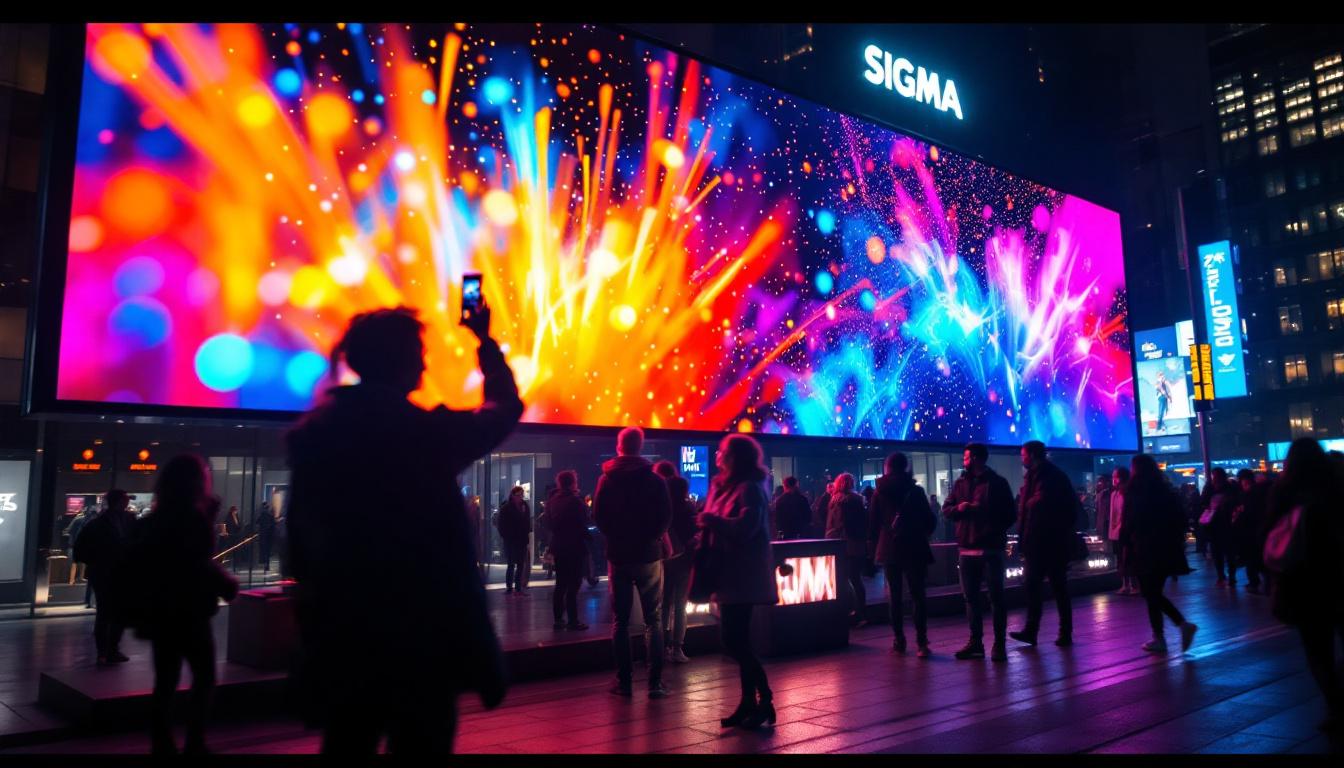
Outdoor LED billboards have revolutionized advertising by providing dynamic, eye-catching content that can be updated in real-time. According to recent market research, the global digital signage market, heavily driven by LED displays, is expected to grow at a compound annual growth rate (CAGR) of over 8% through 2028.
Retailers use indoor LED displays to showcase promotions, enhance brand visibility, and create immersive shopping experiences. The ability to display high-resolution video and interactive content helps capture customer attention and drive sales.
Sports and Entertainment Venues
Stadiums and arenas rely on large LED screens to provide spectators with live game footage, replays, and interactive content. These displays enhance the fan experience by ensuring that every seat has a clear view of the action, regardless of distance.
Concerts and festivals also utilize LED walls and stages to create visually stunning backdrops that synchronize with music and lighting effects, elevating the overall production value.
Corporate and Control Rooms
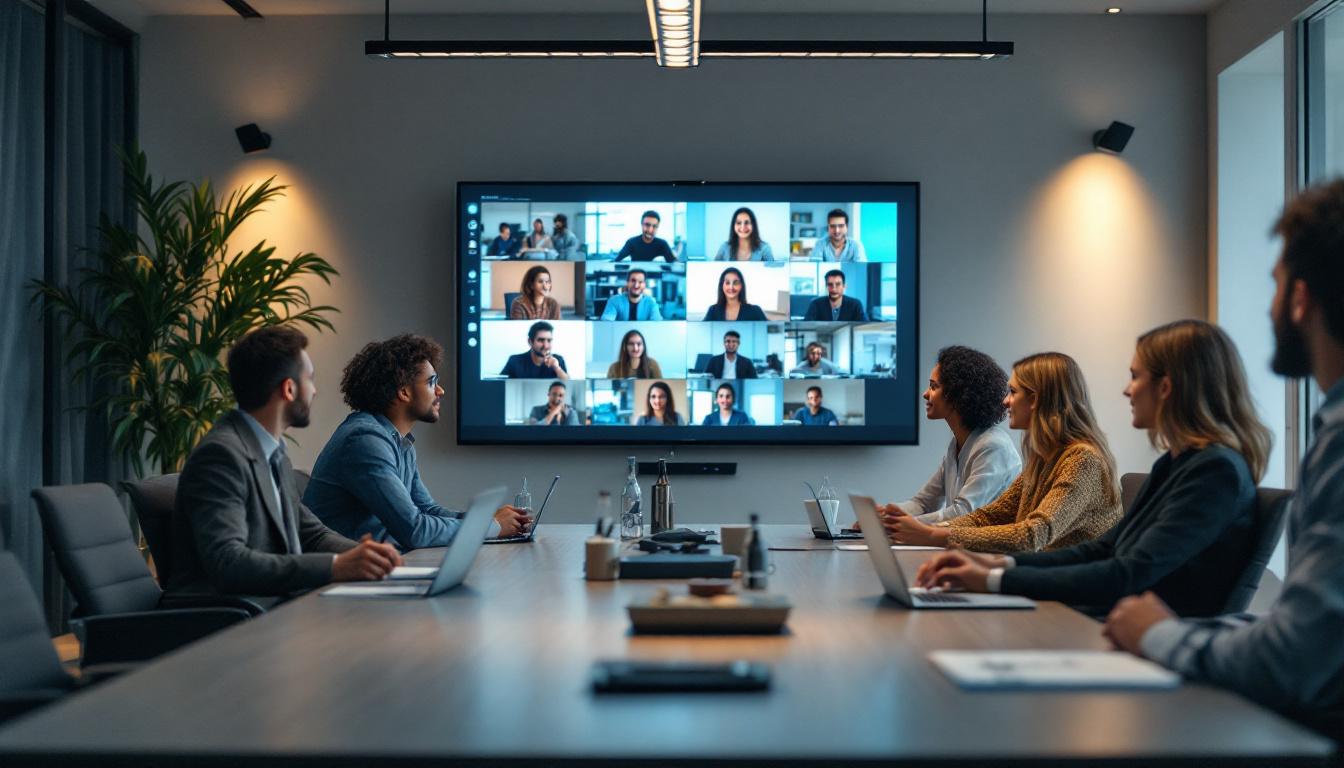
In corporate environments, LED video walls are used for presentations, video conferencing, and data visualization. Control rooms in industries such as transportation, utilities, and emergency services depend on high-resolution LED displays to monitor operations and respond quickly to critical situations.
The clarity and reliability of LED technology make it indispensable in these settings where accurate information display is crucial.
Transportation and Public Information
Airports, train stations, and bus terminals employ LED displays to provide travelers with real-time schedule updates, gate information, and safety messages. The high brightness and visibility of LED screens ensure that information is accessible even in crowded or brightly lit environments.
Smart city initiatives also integrate LED displays for traffic management, public announcements, and environmental monitoring, contributing to safer and more efficient urban living.
Key Considerations When Choosing an LED Display
Pixel Pitch and Resolution
The pixel pitch, measured in millimeters, is a critical factor that determines the resolution and viewing distance of an LED display. Smaller pixel pitches mean higher resolution and better image clarity at close range, making them ideal for indoor use.
For outdoor applications, larger pixel pitches are acceptable since viewers are typically farther away. Selecting the right pixel pitch ensures optimal image quality without unnecessary costs.
Brightness and Contrast Ratio
Brightness levels must match the ambient lighting conditions of the installation site. Outdoor displays require higher brightness to combat sunlight, while indoor displays can operate at lower levels to reduce eye strain.
Contrast ratio, the difference between the darkest black and brightest white, affects image depth and color richness. LED displays generally offer excellent contrast due to their self-emissive nature.
Durability and Weather Resistance
For outdoor LED displays, weatherproofing is essential. Look for displays with an IP65 rating or higher, indicating protection against dust and water ingress. Additionally, temperature control features such as fans or heaters help maintain performance in extreme climates.
Installation and Maintenance
Modular LED panels simplify installation and allow for easy maintenance or upgrades. However, it is important to consider the weight, mounting options, and accessibility for servicing when planning an installation.
Partnering with experienced suppliers and installers can ensure that the display performs reliably and meets all safety standards.
The Future of LED Display Technology
Mini-LED and Micro-LED Innovations
Emerging technologies like Mini-LED and Micro-LED are pushing the boundaries of LED display performance. Mini-LED uses thousands of tiny LEDs as backlighting for LCD panels, improving contrast and brightness. Micro-LED takes this further by creating displays made entirely of microscopic LEDs, offering superior color accuracy, efficiency, and lifespan.
While still in early stages of commercial adoption, these technologies promise to revolutionize displays in smartphones, televisions, and large-scale installations.
Integration with Smart Technologies
LED displays are increasingly integrated with IoT (Internet of Things) and AI-driven content management systems. This enables real-time data-driven content updates, personalized advertising, and interactive experiences that respond to audience behavior.
Such advancements enhance engagement and provide valuable analytics for marketers and operators.
Sustainability and Environmental Impact
As sustainability becomes a priority, LED manufacturers are focusing on reducing environmental impact through energy-efficient designs, recyclable materials, and longer product lifecycles. The low power consumption of LED displays already contributes to greener operations compared to older technologies.
Future innovations will likely emphasize circular economy principles, ensuring that LED display technology supports sustainable development goals.
Conclusion
LED displays have transformed the way information and entertainment are presented across multiple industries. Their superior brightness, energy efficiency, and versatility make them an all-in-one solution for dynamic visual communication. Whether used for advertising, sports, corporate environments, or public information, LED technology continues to evolve, offering exciting possibilities for the future.
For businesses and organizations looking to invest in display technology, understanding the fundamentals of LED displays and their advantages is crucial to making informed decisions that maximize impact and return on investment.
Discover LumenMatrix’s Innovative LED Solutions
Ready to elevate your visual communication strategy with the latest in LED technology? LumenMatrix is at the forefront of LED innovation, offering a comprehensive range of LED display solutions tailored to your needs. From vibrant Indoor LED Walls to robust Outdoor LED Displays, and from sleek LED Posters to dynamic Sports and Custom LED Displays, we have the tools to bring your vision to life. Experience the future of digital signage with our All-in-One and Transparent LED Displays. Check out LumenMatrix LED Display Solutions today and transform your space into a captivating visual experience.