In today’s digital age, LED displays have become an essential medium for communication, advertising, and entertainment. Among the many innovations in this field, Cloud Ledlights stand out as a transformative technology that combines the brilliance of LED displays with the flexibility and power of cloud computing. This article delves deep into what Cloud Ledlights are, how they work, and why they are rapidly becoming the preferred choice for businesses and organizations worldwide.
Understanding LED Displays: The Basics
What is an LED Display?
LED (Light Emitting Diode) displays are screens made up of tiny light sources called diodes that emit light when an electric current passes through them. Unlike traditional LCD or plasma screens, LED displays offer superior brightness, energy efficiency, and durability. They are commonly used in billboards, stadium screens, traffic signs, and indoor digital signage.
LED technology has evolved significantly over the past decade. Modern LED displays can produce vibrant colors, high contrast ratios, and wide viewing angles, making them ideal for both indoor and outdoor applications. The modular nature of LED panels allows for scalable and customizable screen sizes, from small retail displays to massive outdoor video walls. Additionally, advancements in LED technology have led to the development of features such as dynamic content management systems, which enable real-time updates and interactive displays that engage viewers more effectively than ever before.
Types of LED Displays
There are several types of LED displays, each designed for specific use cases:
- Indoor LED Displays: These have a higher pixel density and smaller pixel pitch, providing sharper images suitable for close viewing distances. They are often used in venues such as theaters, conference rooms, and retail spaces, where clarity and detail are paramount.
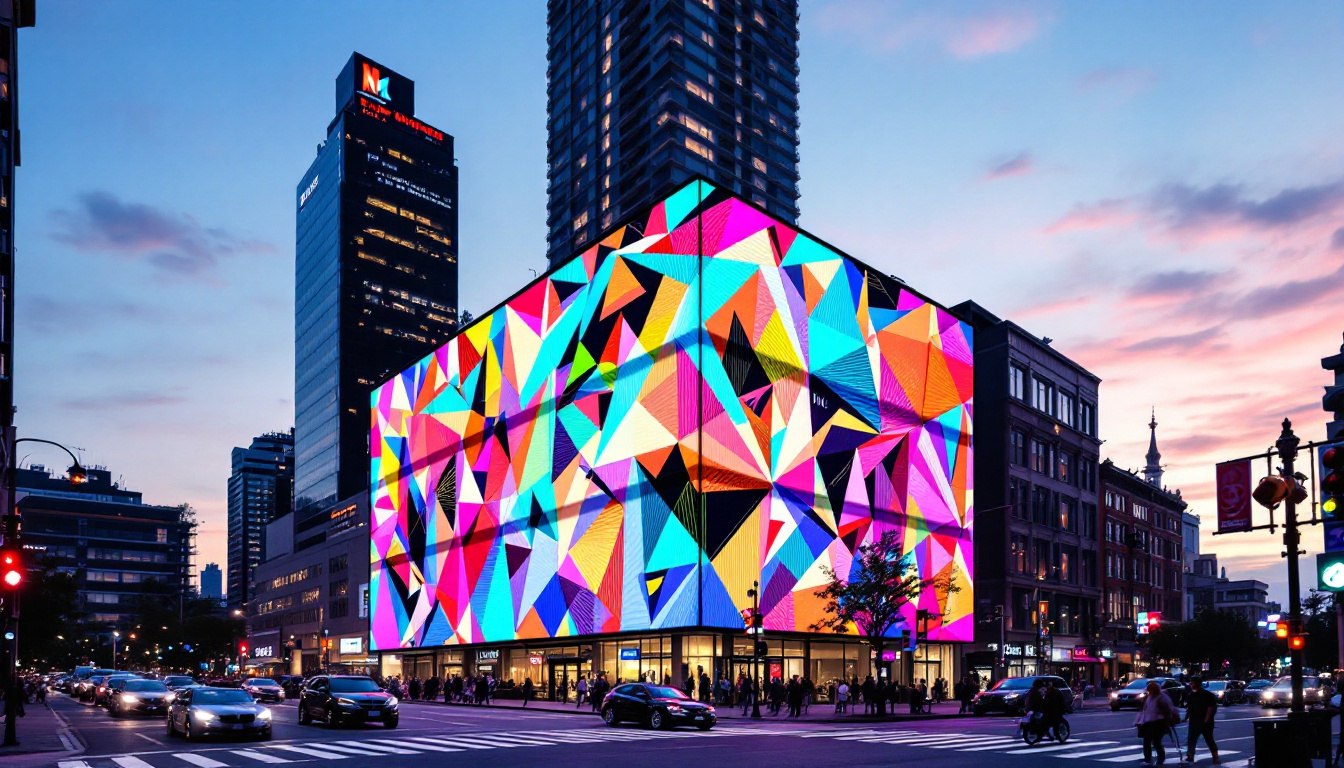
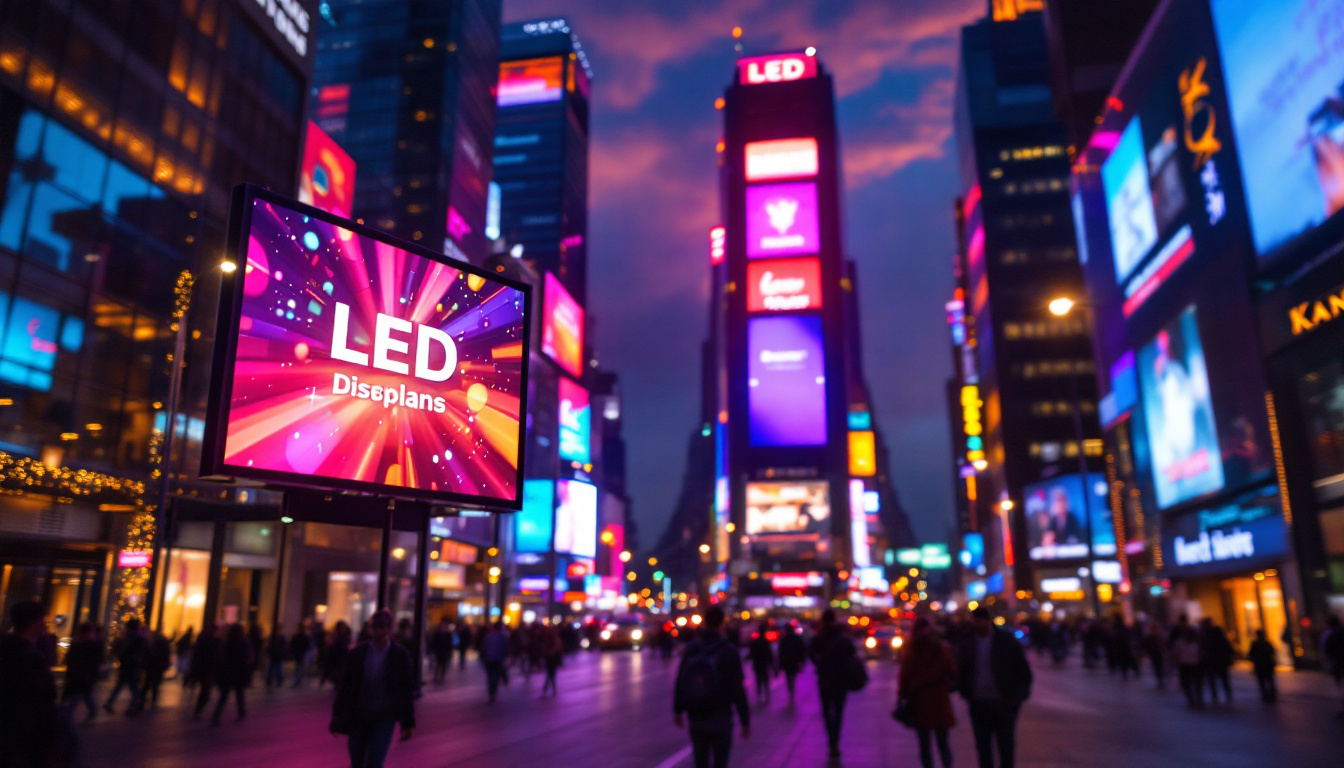
- Outdoor LED Displays: Built to withstand harsh weather conditions, these displays have higher brightness levels to combat sunlight glare. Their robust construction ensures longevity, making them ideal for advertising in high-traffic areas, such as highways and city centers.
- Transparent LED Displays: These allow light to pass through, making them perfect for storefront windows and architectural applications. They create a visually stunning effect, blending digital content with the physical environment, which can enhance brand visibility without obstructing the view.
- Flexible LED Displays: These can bend and curve, enabling creative installations on irregular surfaces. This adaptability opens up new possibilities for designers and advertisers, allowing for innovative displays that can fit into unique spaces and capture the attention of passersby.
Moreover, the rise of smart LED displays has introduced features such as touch interactivity and integration with IoT devices, allowing for a more immersive experience. These smart displays can analyze viewer engagement and adapt content accordingly, providing businesses with valuable insights into consumer behavior. As the technology continues to advance, we can expect to see even more innovative applications of LED displays across various industries, from entertainment and education to healthcare and transportation.
Introducing Cloud Ledlights: The Next Generation LED Display
What Are Cloud Ledlights?
Cloud Ledlights refer to LED display systems that are integrated with cloud-based management and control platforms. Instead of relying solely on local hardware and software, these displays connect to the internet and leverage cloud computing to deliver content, monitor performance, and facilitate remote control.
This integration offers unprecedented flexibility and scalability. Users can update content in real-time, schedule playlists, and manage multiple displays from anywhere in the world using a web interface or mobile app. The cloud infrastructure also enables advanced analytics, helping businesses optimize their digital signage strategies. Furthermore, the ability to access and analyze data remotely allows for more informed decision-making, enabling businesses to tailor their messaging to specific audiences or events dynamically.
How Cloud Ledlights Work
The core components of a Cloud Ledlight system include the LED display hardware, a network connection, and a cloud-based content management system (CMS). Here’s a simplified breakdown of the process:
- Content Creation: Users create or upload digital content such as images, videos, or animations to the cloud platform.
- Content Scheduling: The CMS allows users to schedule when and where specific content will be displayed.
- Content Distribution: The cloud platform sends the content to the LED display via the internet, either through Wi-Fi, Ethernet, or cellular networks.
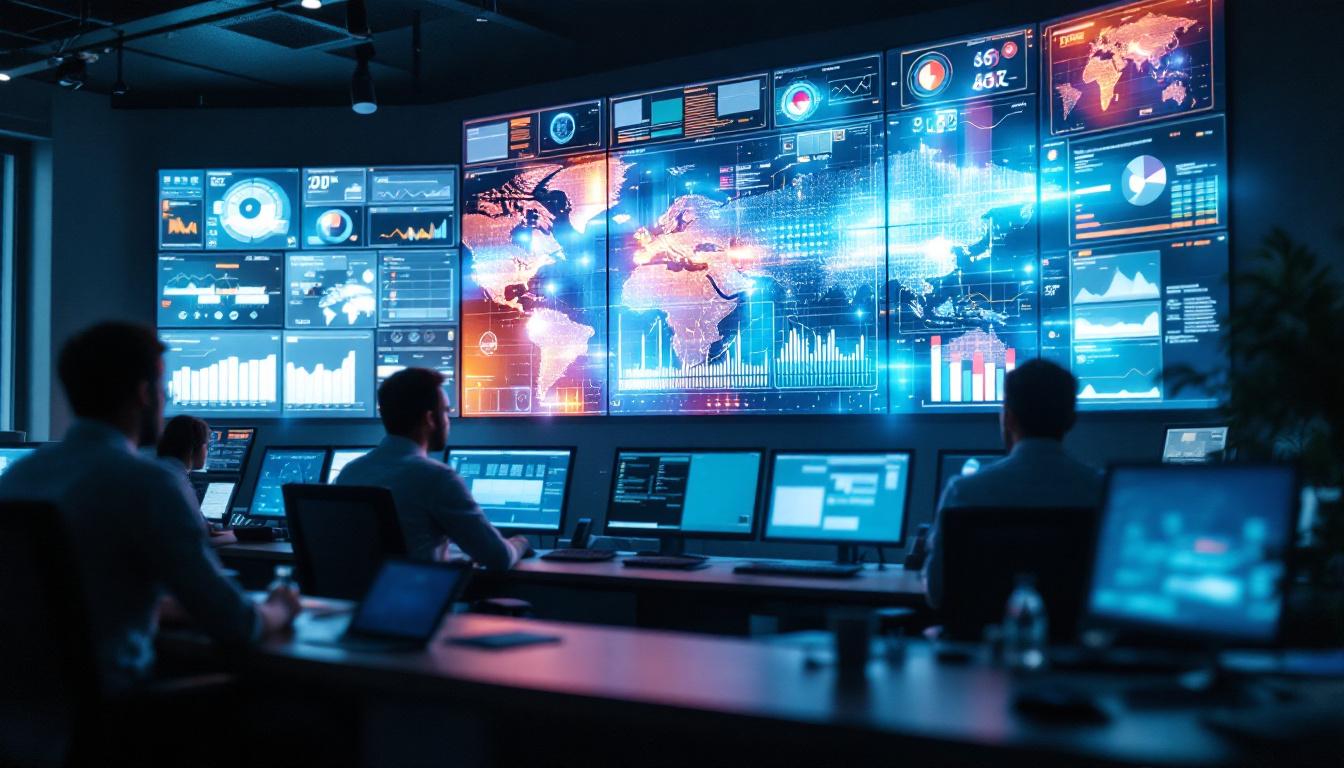
- Display and Monitoring: The LED display shows the content as scheduled, while the cloud system monitors performance metrics like uptime, brightness, and temperature.
- Remote Management: Users can make real-time changes, troubleshoot issues, and update content remotely without needing physical access to the display.
In addition to these core functionalities, Cloud Ledlights also support interactive features, allowing users to engage audiences in innovative ways. For instance, businesses can incorporate touch screens or motion sensors that respond to viewer interactions, creating immersive experiences that captivate and retain attention. This interactivity can be particularly beneficial in retail environments, where engaging customers can lead to increased sales and brand loyalty.
Moreover, the environmental impact of Cloud Ledlights cannot be overlooked. These systems are designed to be energy-efficient, utilizing advanced LED technology that consumes less power than traditional display methods. By reducing energy consumption and enabling remote management, businesses can not only cut costs but also contribute to sustainability efforts, making Cloud Ledlights an appealing choice for eco-conscious organizations.
Benefits of Cloud Ledlights for Businesses
Enhanced Flexibility and Control
One of the most significant advantages of Cloud Ledlights is the ability to manage digital signage remotely. For businesses with multiple locations, this means centralized control over all displays, ensuring consistent messaging and branding. Updates can be rolled out instantly across all screens, which is particularly valuable for time-sensitive promotions or emergency notifications.
Cost Efficiency and Scalability
Traditional LED display systems often require expensive on-site hardware and dedicated personnel for maintenance. Cloud Ledlights reduce these costs by offloading much of the processing and management to the cloud. Additionally, businesses can start with a single display and seamlessly scale up to a network of screens without investing in complex infrastructure.
According to a recent market analysis, companies utilizing cloud-managed LED displays have reported up to a 30% reduction in operational costs compared to conventional systems.
Improved Customer Engagement
Dynamic content powered by cloud platforms allows for personalized and interactive experiences. For example, retailers can display targeted ads based on the time of day or customer demographics, while event organizers can update schedules and announcements in real-time. This level of engagement drives higher foot traffic and increases conversion rates.
Data-Driven Insights
Cloud Ledlight platforms often include analytics tools that track viewer interactions, display performance, and content effectiveness. This data empowers businesses to make informed decisions about their marketing strategies and optimize content for maximum impact.
Applications of Cloud Ledlights Across Industries
Retail and Advertising
Retailers leverage Cloud Ledlights to create eye-catching window displays, in-store promotions, and interactive kiosks. The ability to update content remotely means marketing campaigns can be synchronized across multiple stores, ensuring a cohesive brand experience.
Outdoor advertising benefits from the high visibility and adaptability of cloud-managed LED billboards, allowing advertisers to tailor messages based on location, weather, or current events.
Transportation and Public Spaces
Airports, train stations, and bus terminals use Cloud Ledlights for real-time information displays, including arrival/departure times, gate changes, and emergency alerts. The cloud infrastructure ensures that information is always accurate and up-to-date, improving passenger experience and safety.
Sports and Entertainment
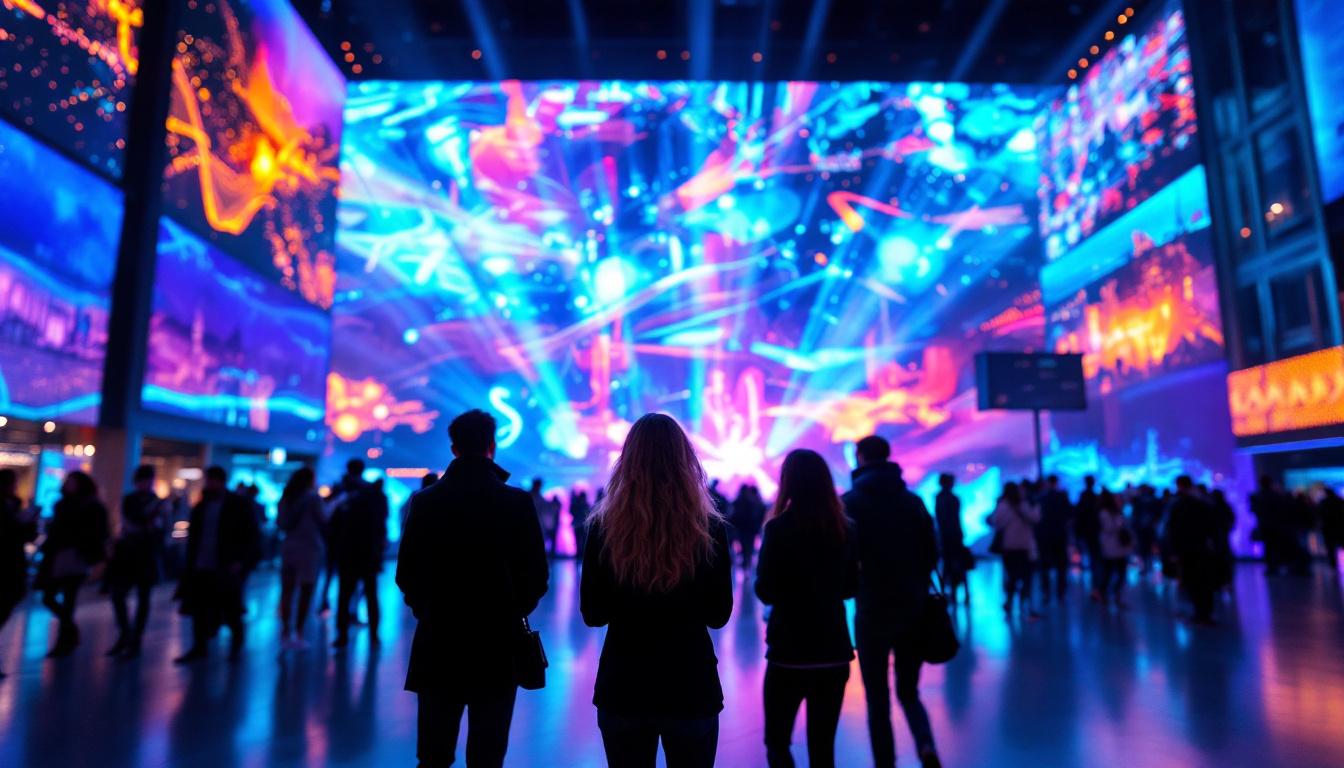
Stadiums and concert venues utilize large-scale LED video walls to enhance the spectator experience with live feeds, replays, and interactive content. Cloud-based control enables event organizers to manage displays efficiently, even when coordinating multiple screens across a venue.
Corporate and Education
In corporate environments, Cloud Ledlights serve as digital notice boards, meeting room schedulers, and internal communication tools. Educational institutions use these displays for announcements, event promotions, and wayfinding, benefiting from the ease of remote content management.
Technical Considerations When Choosing Cloud Ledlights
Connectivity and Network Reliability
Since Cloud Ledlights depend on internet connectivity, a stable and secure network is crucial. Businesses should evaluate their network infrastructure and consider backup options such as cellular failover to ensure uninterrupted operation.
Security and Data Privacy
Cloud platforms must adhere to stringent security protocols to protect content and user data. Look for providers that offer encrypted data transmission, multi-factor authentication, and compliance with industry standards like GDPR.
Display Resolution and Pixel Pitch
The choice of LED display depends heavily on viewing distance and environment. A smaller pixel pitch provides higher resolution and sharper images but comes at a higher cost. Cloud Ledlight solutions often offer a range of options to match specific needs.
Integration with Existing Systems
For organizations with current digital signage infrastructure, compatibility with existing hardware and software is important. Many cloud platforms provide APIs and integration tools to facilitate seamless adoption.
The Future of Cloud Ledlights
The convergence of LED technology and cloud computing is set to revolutionize the digital signage landscape further. Emerging trends include the integration of artificial intelligence (AI) for automated content optimization, augmented reality (AR) enhancements for immersive experiences, and 5G connectivity for ultra-fast data transmission.
As smart cities and the Internet of Things (IoT) continue to evolve, Cloud Ledlights will play a pivotal role in creating connected, responsive environments. From adaptive traffic management displays to personalized advertising triggered by real-time data, the possibilities are vast and exciting.
In summary, Cloud Ledlights represent a powerful fusion of cutting-edge display technology and cloud innovation. Their ability to deliver vibrant, dynamic content with unparalleled control and efficiency makes them an invaluable asset for businesses and organizations aiming to engage audiences effectively in an increasingly digital world.
Discover LumenMatrix’s Innovative LED Solutions
Ready to elevate your visual communication strategy with the latest in LED technology? LumenMatrix is at the forefront of creating immersive and dynamic visual experiences that captivate and engage. From Indoor and Outdoor LED Wall Displays to specialized solutions like Vehicle, Sports, and Floor LED Displays, our extensive range caters to every need. Embrace the future with our Custom, All-in-One, and Transparent LED Displays, designed to revolutionize your brand’s presence. Don’t miss out on the opportunity to transform your space. Check out LumenMatrix LED Display Solutions today and see the difference innovation can make.