In recent years, fiber optic lighting kits have surged in popularity across various industries, from interior design and automotive customization to entertainment and architectural applications. Their ability to deliver vibrant, energy-efficient illumination combined with flexibility and durability makes them a preferred choice for creative lighting solutions. Central to these kits is the LED display technology that powers the light source, enabling stunning visual effects through fiber optic cables.
This article explores the fundamentals of fiber optic lighting kits, with a detailed explanation of the LED display technology that drives them. It will cover how these systems work, their advantages, typical applications, and what to consider when selecting a fiber optic lighting kit for your project.
Understanding Fiber Optic Lighting Kits
What Is Fiber Optic Lighting?
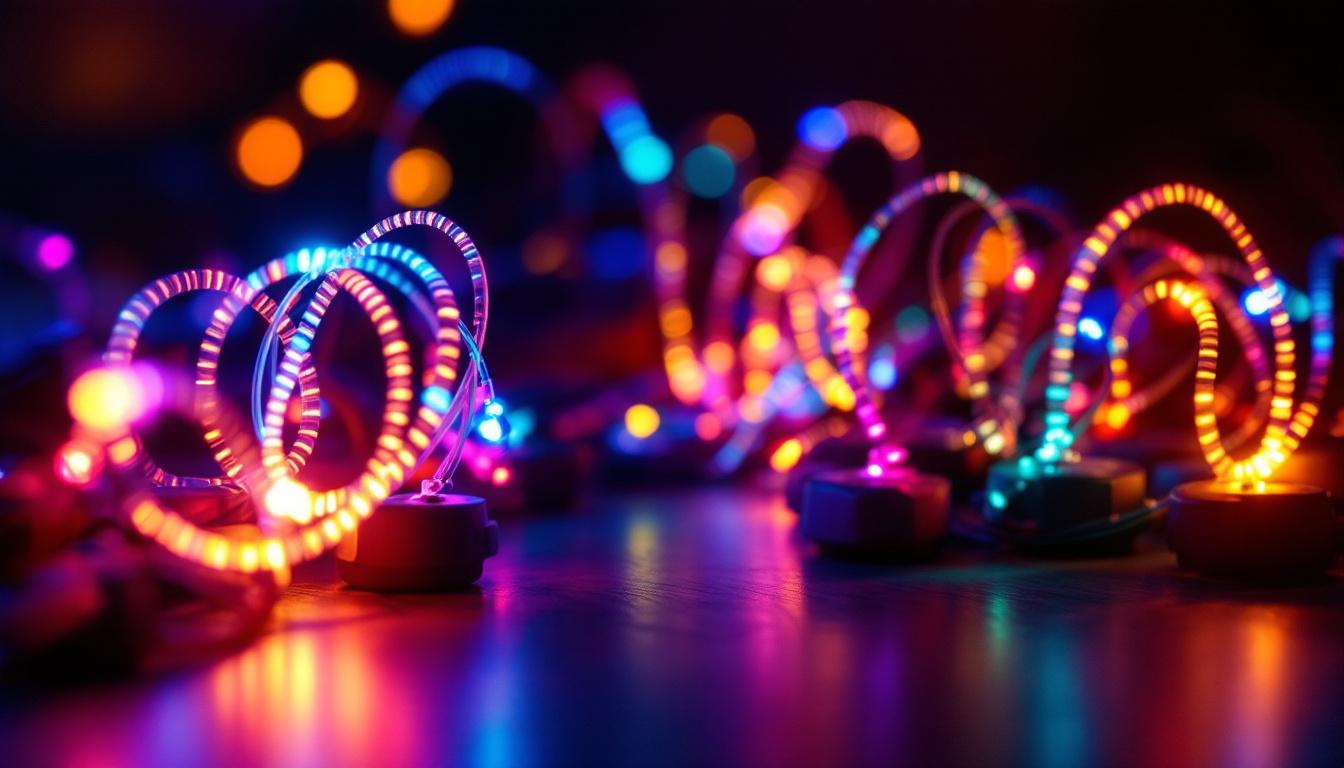
Fiber optic lighting involves the transmission of light through thin, flexible fibers made of glass or plastic. Unlike traditional lighting methods that emit light directly from a bulb or fixture, fiber optic systems separate the light source from the illuminated area. The light is generated at a central point and transmitted through the fibers to the desired location.
This technology offers several benefits, including the ability to place the light source remotely, which reduces heat and electrical hazards at the illumination point. Additionally, fiber optic lighting can produce intricate lighting patterns and effects that are difficult to achieve with conventional lighting. For instance, it can create starry night effects in ceilings, simulate underwater lighting in aquariums, or highlight architectural features in a visually stunning manner. The versatility of fiber optic lighting makes it an appealing choice for both residential and commercial applications, allowing for creative expression in design.
Components of a Fiber Optic Lighting Kit
A typical fiber optic lighting kit consists of three primary components:
- Light Source: Usually an LED or halogen lamp that generates the light.
- Fiber Optic Cables: Bundles of thin fibers that transmit light from the source to the display area.
- Display or Terminal End: The end of the fiber optic cable where light is emitted, often arranged in patterns or embedded into surfaces.
Among these, the light source is critical because it determines the brightness, color quality, and energy efficiency of the entire system. Modern kits predominantly use LED technology due to its superior performance characteristics. LEDs not only consume less energy but also have a longer lifespan compared to traditional bulbs, making them a cost-effective choice in the long run. Furthermore, the light emitted by LEDs can be easily manipulated to produce a wide range of colors, allowing users to customize their lighting effects to suit different moods or themes.
In addition to these components, many fiber optic lighting kits come with various accessories that enhance their functionality. For example, some kits include controllers that allow users to adjust the brightness, color transitions, and even create dynamic lighting effects that can change in response to music or other stimuli. This level of control adds an interactive element to the lighting experience, making it particularly popular for events, parties, and theatrical productions. As technology continues to advance, we can expect even more innovative features and applications for fiber optic lighting systems in the future.
The Role of LED Displays in Fiber Optic Lighting Kits
Why LED Technology?
Light Emitting Diodes (LEDs) have revolutionized lighting technology over the past decade. Their advantages include low power consumption, long lifespan, compact size, and the ability to produce a wide range of colors without the need for filters. These features make LEDs ideal for fiber optic lighting kits.
According to a 2023 report by the U.S. Department of Energy, LED lighting consumes up to 75% less energy and lasts 25 times longer than incandescent lighting. This efficiency translates to lower operational costs and reduced environmental impact, which is increasingly important for both consumers and businesses. Additionally, the durability of LEDs means they are less prone to breakage compared to traditional bulbs, making them a safer choice for various applications, especially in environments where fragile lighting solutions could pose a risk.
How LEDs Integrate with Fiber Optic Systems
In a fiber optic lighting kit, the LED serves as the centralized light source. The LED’s light output is coupled into the fiber optic cables, which then carry the light to the display area. This setup allows for precise control over the lighting effects, including brightness, color changes, and dynamic patterns.
The integration involves specialized LED modules designed to maximize light coupling efficiency. These modules often include lenses and reflectors to direct the LED light into the fiber bundle with minimal loss. The quality of this coupling directly affects the brightness and clarity of the fiber optic display. Furthermore, advancements in optical technology have led to the development of high-performance fiber optics that enhance light transmission, ensuring that the colors remain vibrant and the illumination is evenly distributed across the display area, creating stunning visual effects that can transform any space.
Types of LEDs Used in Fiber Optic Kits
Different types of LEDs are employed depending on the application:
- Single-Color LEDs: Provide consistent illumination in one color, commonly used for accent lighting.
- RGB LEDs: Combine red, green, and blue LEDs to produce a full spectrum of colors through mixing, ideal for dynamic and customizable lighting effects.
- White LEDs: Used when natural or neutral lighting is required, often in architectural or retail settings.
RGB LED modules are particularly popular for fiber optic lighting kits used in entertainment and decorative installations, as they allow for programmable color changes and effects controlled via software or remote systems. The versatility of RGB LEDs enables designers to create immersive environments that can shift in mood and atmosphere with the push of a button, making them a favorite in theatrical productions, concerts, and themed events. Moreover, with the rise of smart technology, many fiber optic lighting kits now feature connectivity options that allow users to sync their lighting with music or other visual elements, further enhancing the overall experience.
Applications of Fiber Optic Lighting Kits with LED Displays
Interior Design and Architectural Lighting
Fiber optic lighting kits are widely used in interior design to create ambient and accent lighting. Their ability to deliver light without heat makes them perfect for sensitive environments such as museums, galleries, and luxury retail stores.
Architects use fiber optic lighting to highlight structural features, create starry ceiling effects, or illuminate pathways subtly. The flexibility of fiber optic cables allows for creative installations that would be difficult or unsafe with traditional lighting.
Automotive and Marine Lighting
In the automotive industry, fiber optic lighting kits with LED sources provide customizable interior and exterior lighting solutions. They are used for dashboard illumination, ambient cabin lighting, and even exterior accent lights that enhance vehicle aesthetics.
Similarly, marine applications benefit from fiber optic lighting due to its resistance to moisture and the ability to keep electrical components away from damp or hazardous areas. LED-powered fiber optics are used in yacht interiors, underwater lighting, and navigation aids.
Entertainment and Event Lighting
The entertainment sector extensively utilizes fiber optic lighting kits for stage design, special effects, and interactive displays. LED-based fiber optic systems enable designers to create dynamic, colorful environments that enhance audience experiences.
Concerts, theaters, and theme parks use these kits to produce star fields, glowing costumes, and immersive light shows. The low heat emission and safety of fiber optic lighting make it ideal for close-proximity installations around performers and audiences.
Choosing the Right Fiber Optic Lighting Kit
Factors to Consider
Selecting the appropriate fiber optic lighting kit depends on several factors:
- Light Source Type: Decide between single-color, RGB, or white LEDs based on your lighting goals.
- Brightness and Intensity: Consider the lumen output and coupling efficiency to ensure adequate illumination.
- Fiber Length and Flexibility: Longer fibers allow for more extensive installations but may reduce brightness due to light loss.
- Control Options: Kits with programmable LED controllers offer greater versatility for dynamic lighting effects.
- Durability and Environmental Resistance: For outdoor or marine use, ensure the kit components are rated for moisture and temperature extremes.
Installation and Maintenance
Fiber optic lighting kits are generally straightforward to install, but professional guidance may be necessary for complex setups. Proper alignment of the LED light source and fiber bundle is crucial to maximize light transmission.
Maintenance is minimal compared to traditional lighting because LEDs have long lifespans and fiber optic cables do not degrade easily. However, periodic cleaning of the fiber ends and checking connections can help maintain optimal performance.
Future Trends in Fiber Optic LED Lighting
Advancements in LED Efficiency and Color Quality
Ongoing research continues to improve LED efficiency and color rendering capabilities. Innovations such as quantum dot LEDs and micro-LEDs promise even brighter, more vibrant lighting with lower energy consumption, enhancing fiber optic lighting kits further.
Smart Lighting Integration
The integration of fiber optic lighting kits with smart home and building automation systems is becoming more prevalent. LED displays can be controlled via smartphones, voice commands, or automated schedules, enabling personalized lighting experiences and energy savings.
Expanded Applications
As technology evolves, fiber optic lighting kits are finding new uses in medical devices, horticulture, and even data communication, where precise light delivery is essential. The combination of LED displays and fiber optics continues to unlock innovative possibilities across industries.
Conclusion
Fiber optic lighting kits powered by LED displays offer a versatile, efficient, and aesthetically pleasing solution for a wide range of lighting needs. Understanding the technology behind these systems helps users make informed decisions when selecting kits for their projects. With ongoing advancements in LED technology and smart integration, fiber optic lighting is poised to remain at the forefront of innovative lighting design.
Whether enhancing architectural interiors, customizing vehicles, or creating captivating entertainment environments, fiber optic lighting kits deliver unparalleled control and creativity, making them an essential tool for modern lighting professionals and enthusiasts alike.
Illuminate Your Space with LumenMatrix
Ready to transform your environment with the latest in fiber optic LED lighting technology? Look no further than LumenMatrix, a pioneer in crafting mesmerizing LED display modules that bring your space to life. From indoor and outdoor LED walls to specialized vehicle displays and beyond, our solutions are designed to captivate and engage. Embrace the future of visual communication with our diverse range of LED displays, each tailored to make your message resonate. Check out LumenMatrix LED Display Solutions today and start creating unforgettable visual experiences.