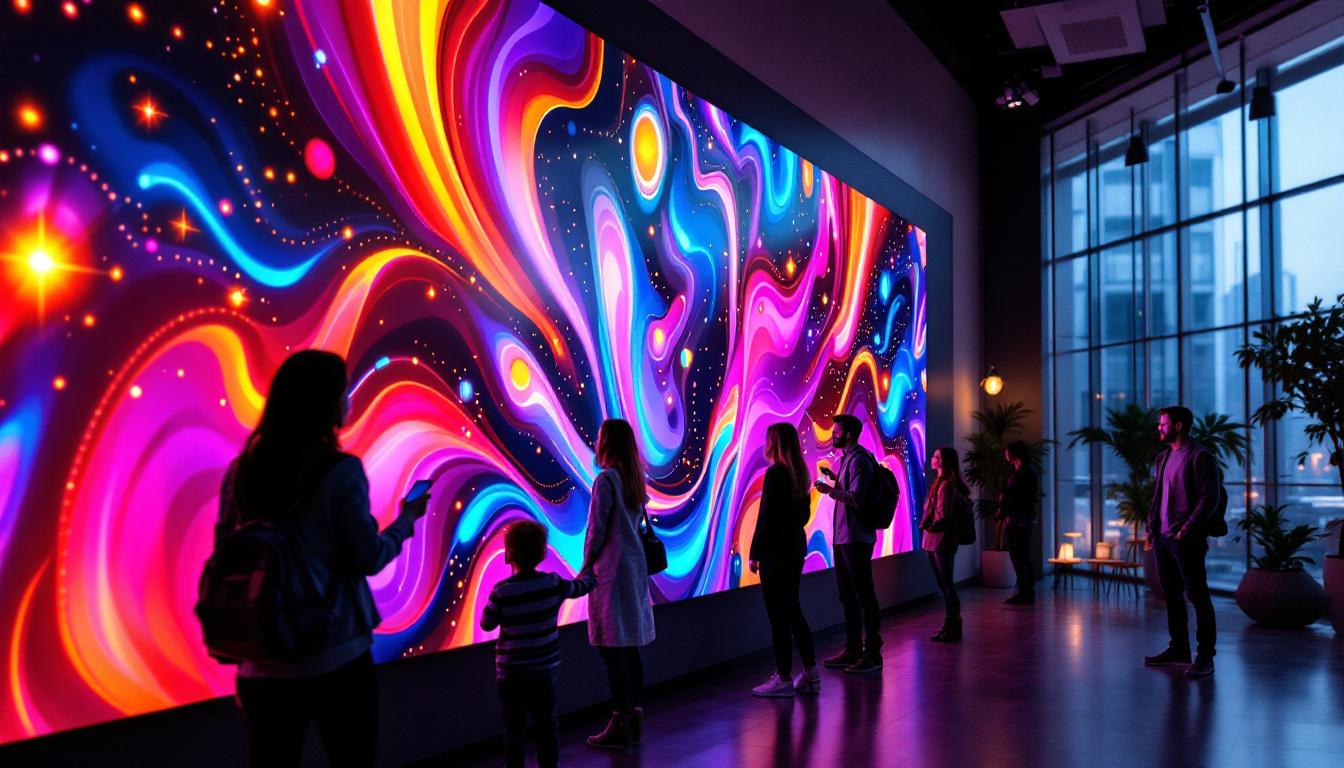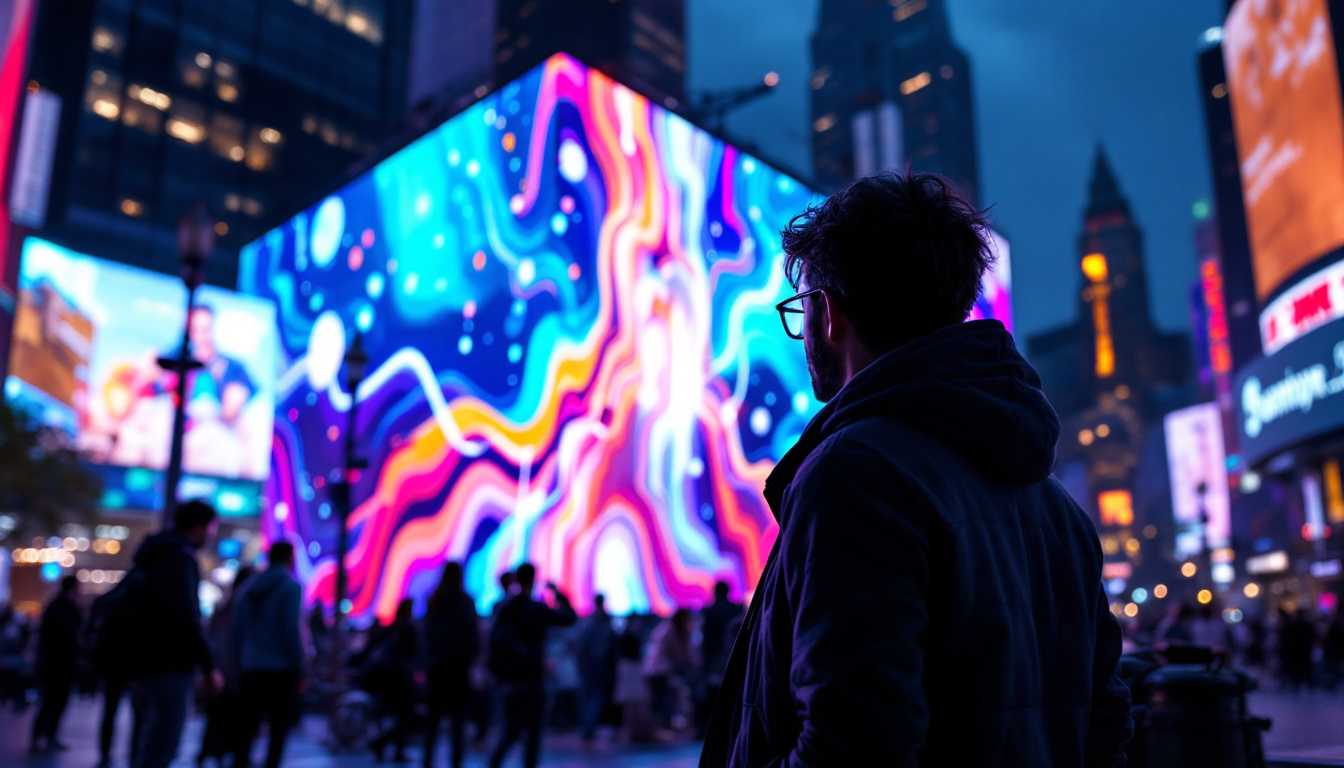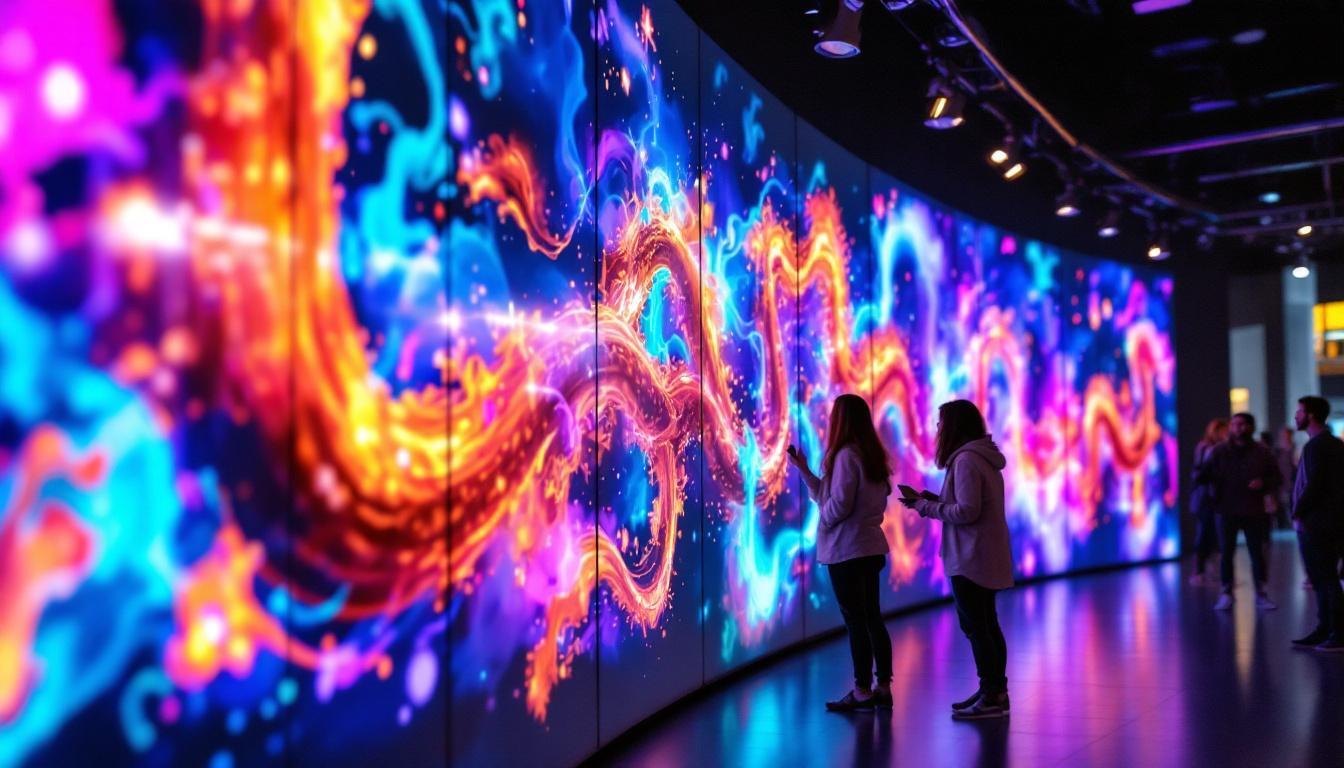
In today’s digital age, LED displays have become an integral part of how we interact with information and media. From giant outdoor billboards to interactive touch screens in retail stores and corporate environments, LED technology continues to evolve and shape the way we experience visual content. This article delves into the intricacies of LED displays, especially focusing on screen touch video applications, and explains how this technology works, its benefits, and its growing importance in various industries.
Understanding LED Display Technology
What is an LED Display?
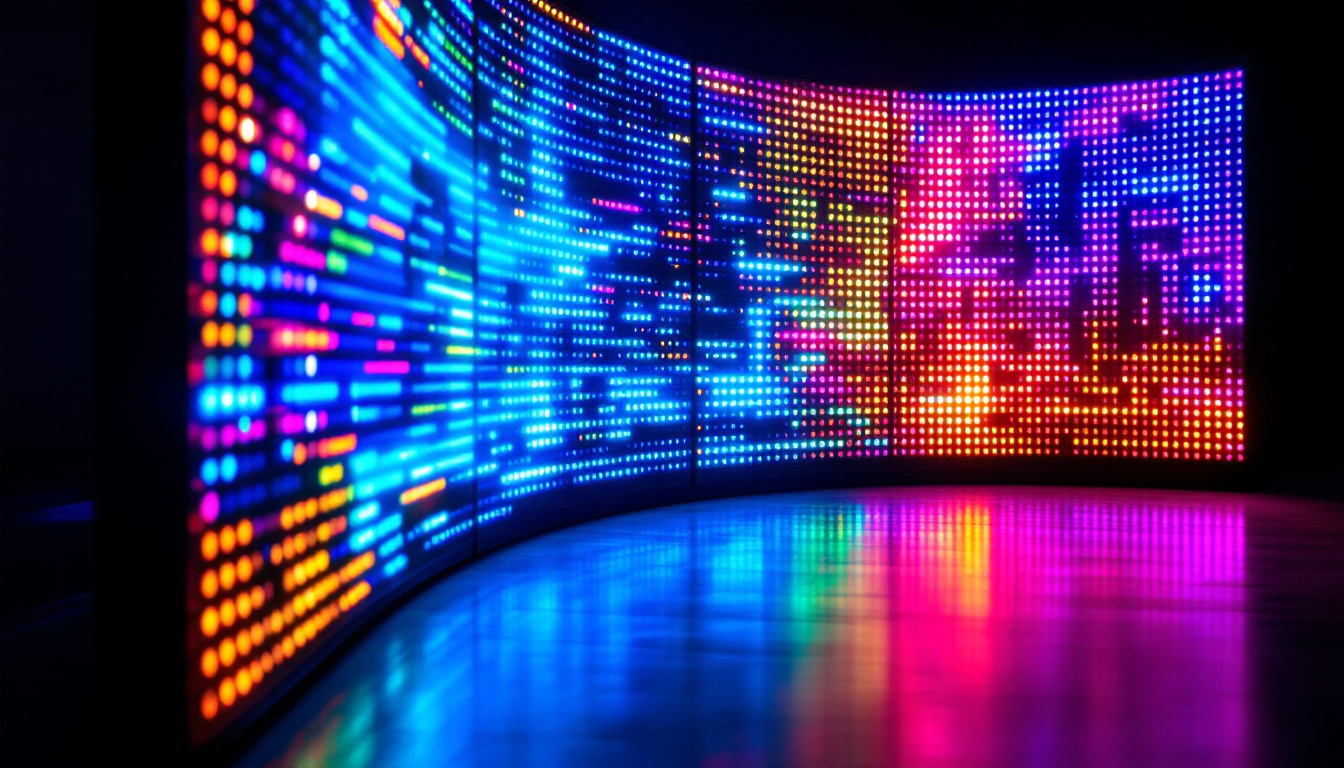
LED stands for Light Emitting Diode, a semiconductor device that emits light when an electric current passes through it. An LED display is essentially a screen made up of many tiny LEDs arranged in a grid or matrix. These LEDs can be individually controlled to produce images, videos, and animations with vibrant colors and high brightness.
Unlike traditional LCD screens that rely on backlighting, LED displays produce their own light, which results in better contrast ratios and more vivid colors. This self-illumination characteristic also allows LED displays to be visible even in direct sunlight, making them ideal for outdoor advertising and public information displays. Furthermore, the energy efficiency of LED technology means that these displays consume significantly less power compared to older technologies, leading to lower operational costs and a reduced carbon footprint. As a result, LED displays are not only a visually appealing choice but also an environmentally friendly one.
Types of LED Displays
LED displays come in various forms, each suited for different applications:
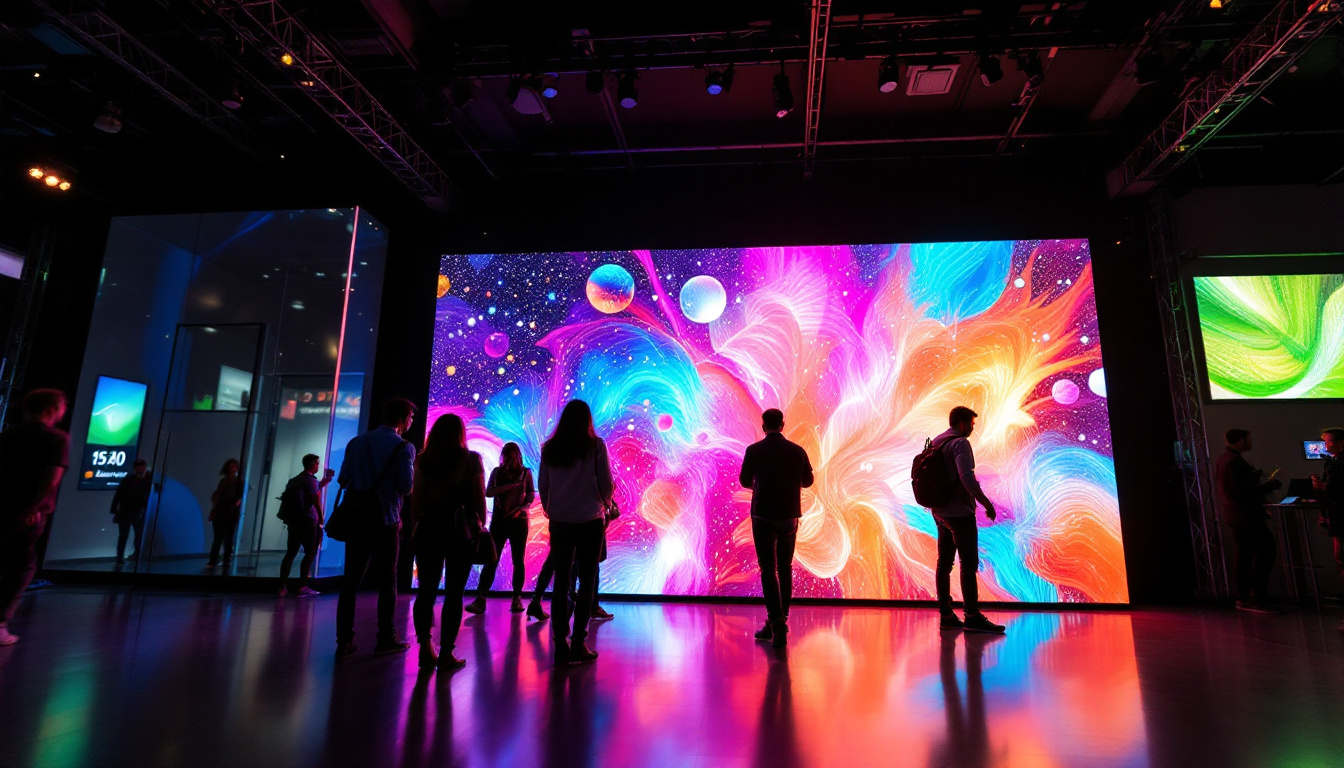
- Indoor LED Displays: Designed for controlled environments, these displays offer high resolution and are commonly used in conference rooms, retail stores, and entertainment venues. Their ability to render sharp images and text makes them ideal for presentations and advertisements that require clarity and detail.
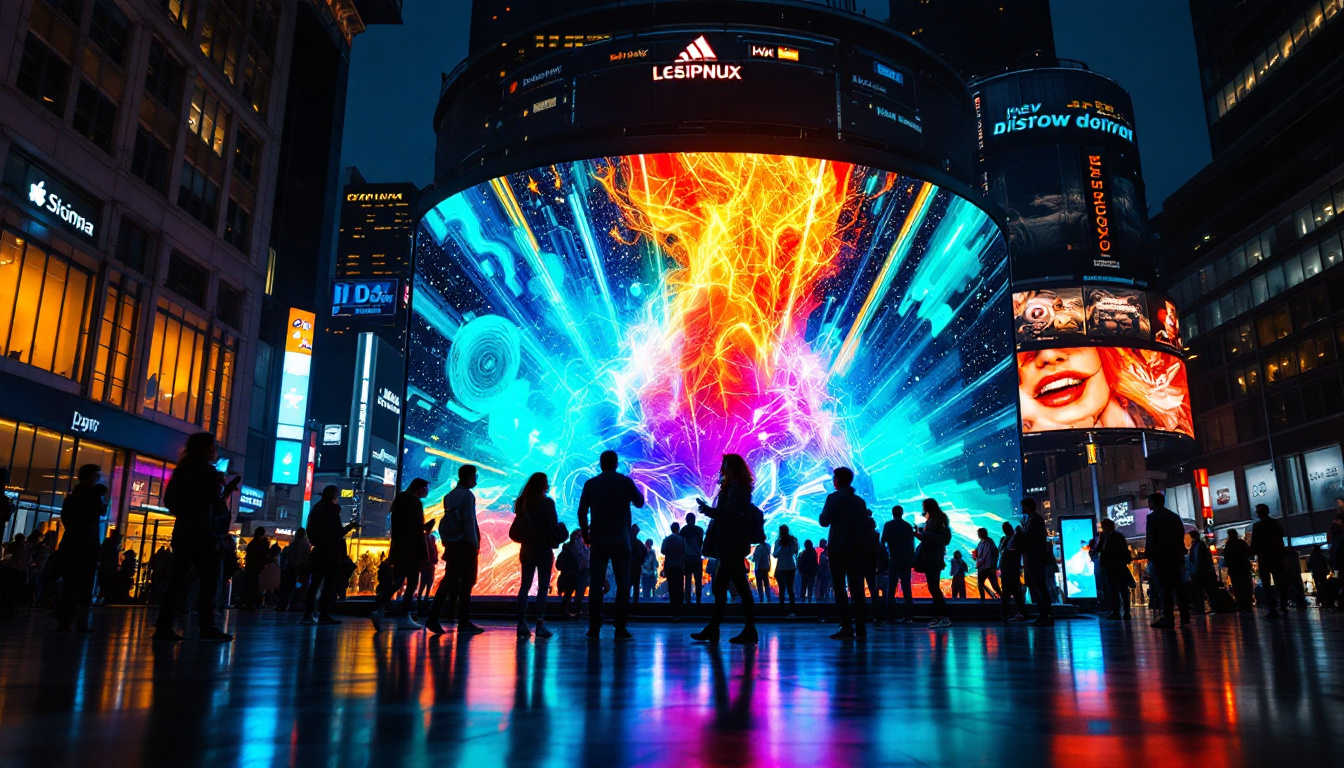
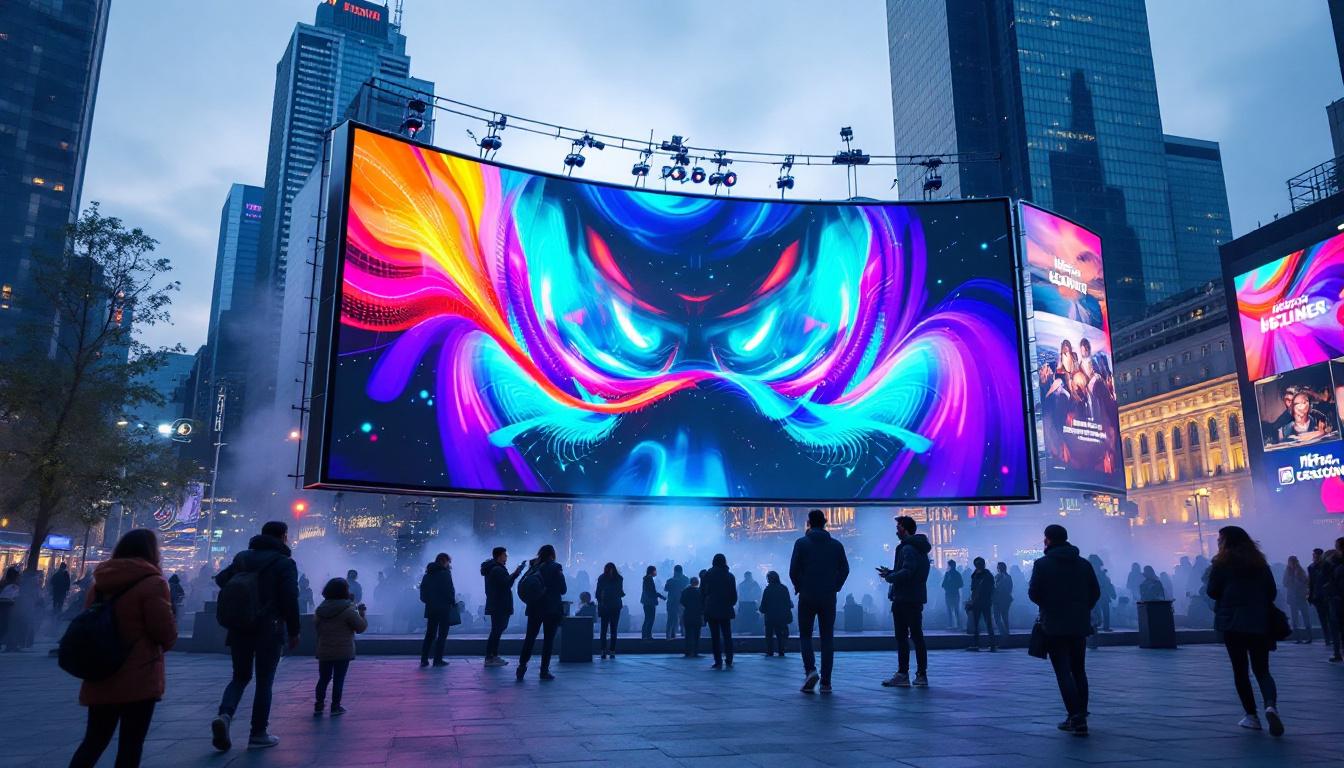
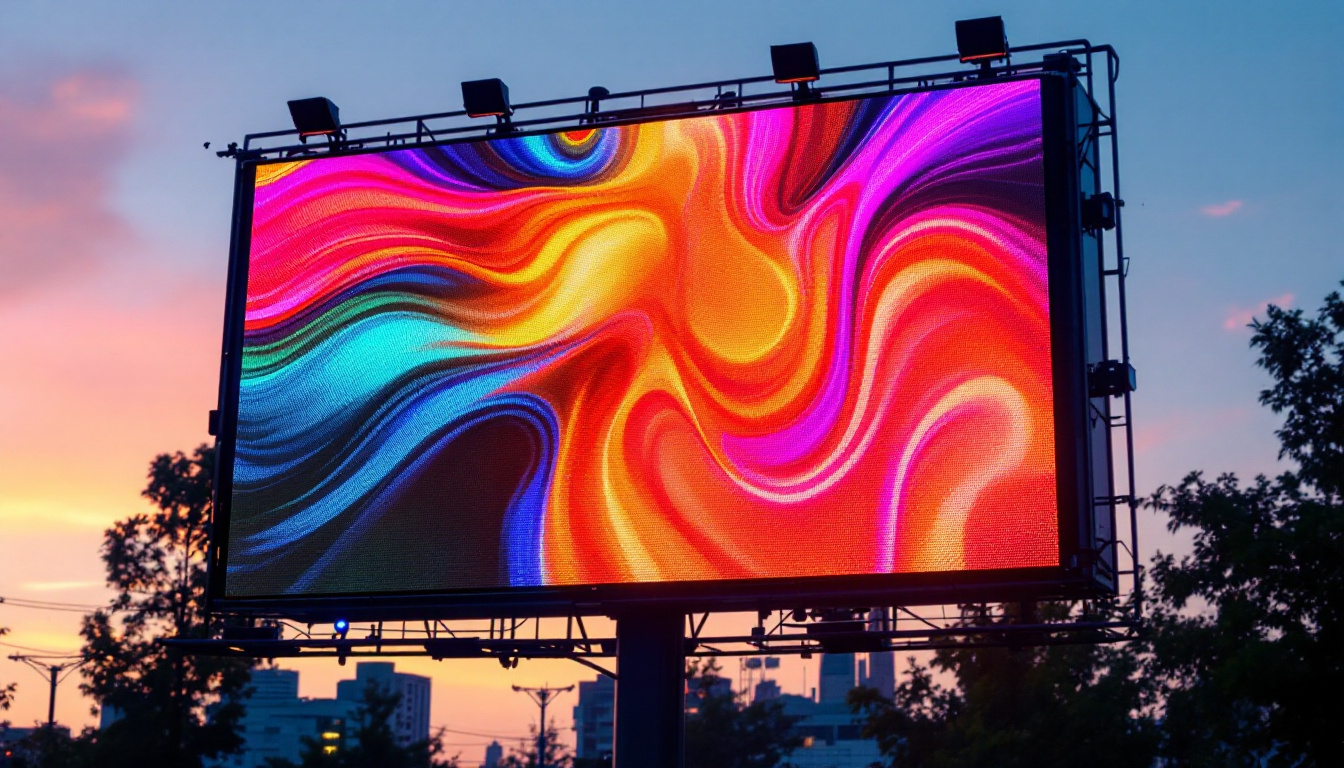
- Outdoor LED Displays: Built to withstand weather conditions, these displays have higher brightness levels and are used for billboards, sports stadiums, and public announcements. Many outdoor LED displays are equipped with protective coatings to shield against rain, dust, and UV rays, ensuring longevity and consistent performance even in harsh environments.
- Flexible and Transparent LED Displays: Emerging technologies allow LED screens to be curved, flexible, or even transparent, opening new possibilities for architectural integration and creative advertising. These innovative displays can be used in unique ways, such as wrapping around columns or being integrated into glass facades, allowing for dynamic visual experiences that blend seamlessly with their surroundings.
Additionally, advancements in LED technology have led to the development of high-definition and ultra-high-definition displays, which offer greater pixel density and improved image quality. This makes them increasingly popular in applications such as digital signage, where clear and engaging visuals are crucial for capturing audience attention. The versatility of LED displays also extends to their use in events and exhibitions, where they can be configured in various shapes and sizes to create immersive environments that enhance the overall experience for attendees.
The Integration of Touch Technology with LED Displays
How Touch Screens Work with LED Displays
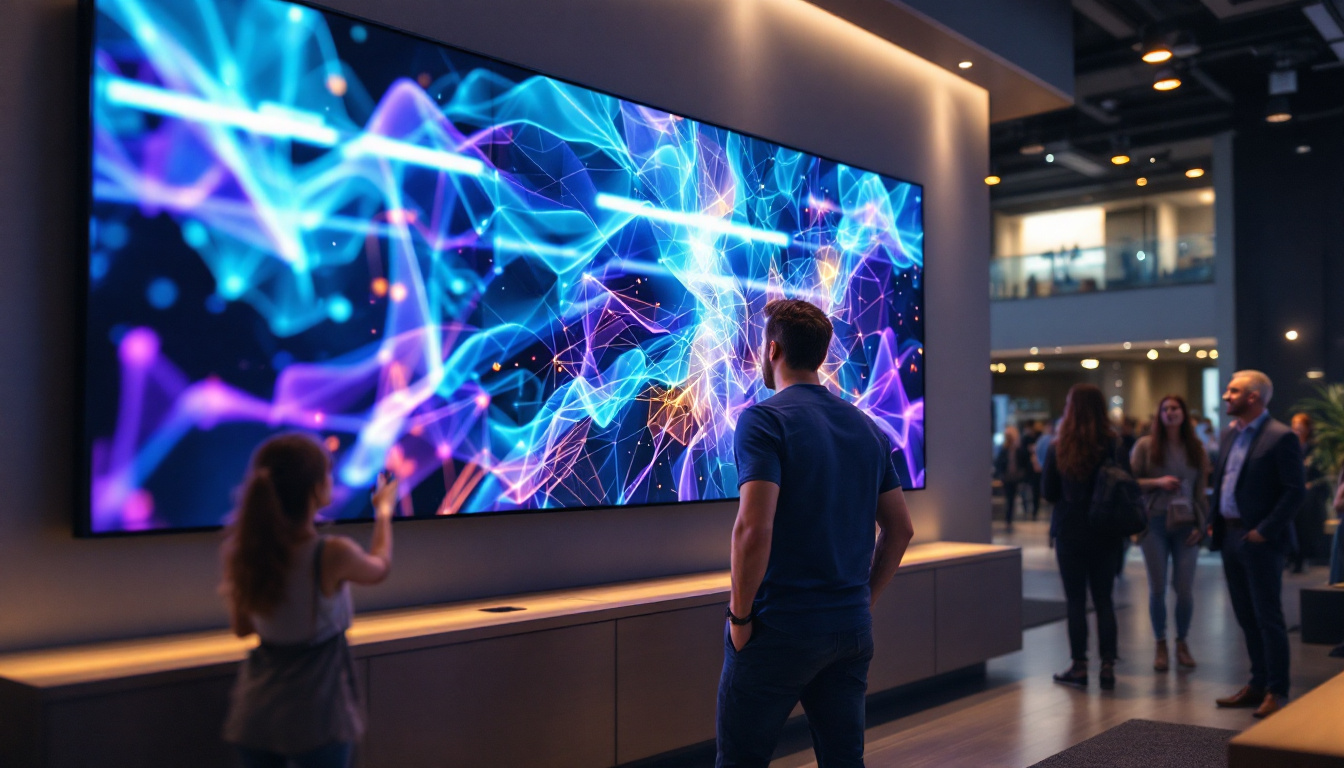
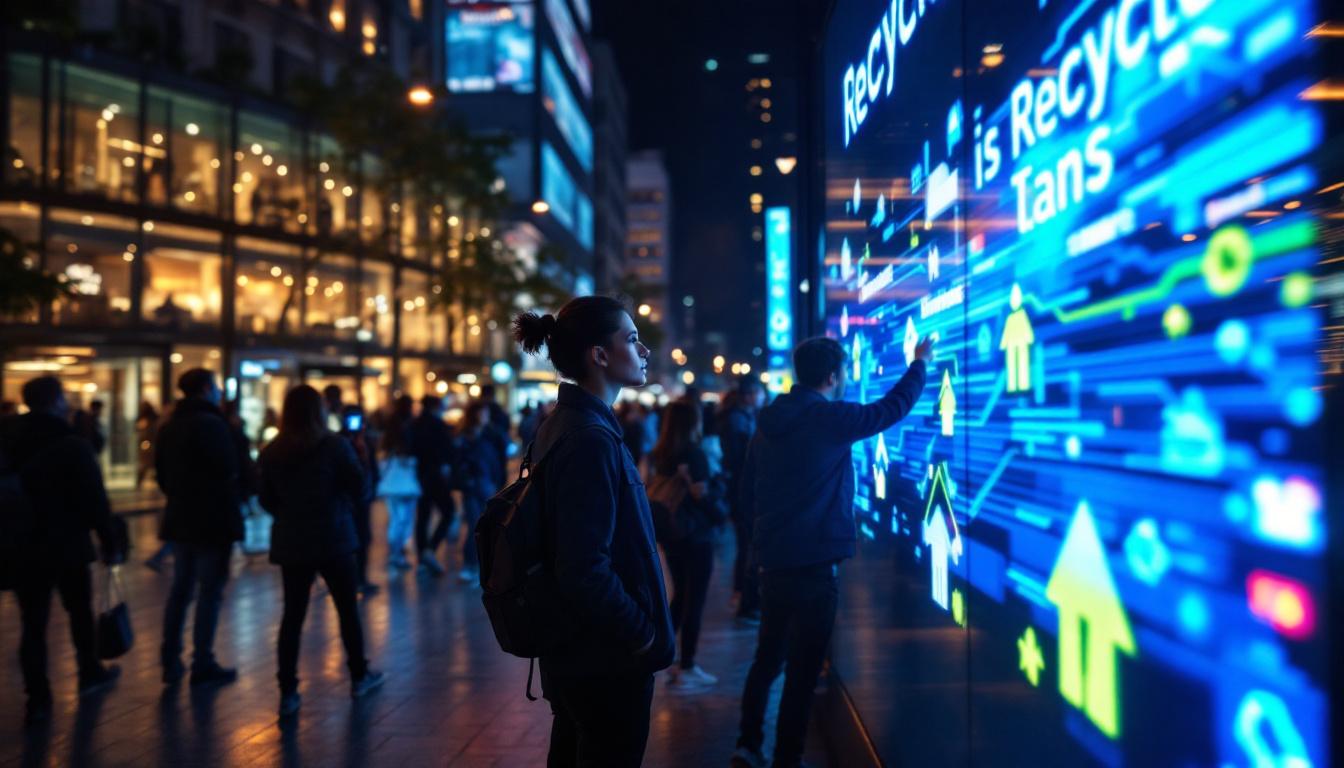
Combining touch technology with LED displays creates interactive experiences that engage users more effectively. Touchscreens detect the presence and location of a touch within the display area, allowing users to control content directly with their fingers or styluses.
There are several types of touch technologies commonly integrated with LED displays:
- Capacitive Touch: Uses the electrical properties of the human body to detect touch. It is highly responsive and supports multi-touch gestures.
- Infrared Touch: Employs an array of infrared LEDs and photodetectors around the edges of the screen to detect touch by interruption of light beams.
- Optical Touch: Uses cameras or optical sensors to detect touch points, often used in large-format displays.
Each technology has its advantages depending on the application, screen size, and environmental conditions. For instance, capacitive touch is often favored in smartphones and tablets due to its sensitivity and ability to recognize multiple touch points simultaneously, while infrared touch systems are more suitable for larger displays in public spaces, where durability and robustness are essential.
Advantages of Touch-Enabled LED Displays
Integrating touch functionality into LED displays offers several benefits:
- Enhanced User Engagement: Touch interaction encourages users to actively participate, making the experience more memorable and effective.
- Intuitive Navigation: Users can easily browse menus, zoom in on images, or interact with video content without external devices.
- Versatility: Touch-enabled LED displays can serve multiple purposes, from digital signage and kiosks to interactive presentations and collaborative workspaces.
Moreover, the integration of touch technology with LED displays can significantly improve accessibility. For individuals with disabilities, touchscreens can offer customized interfaces that cater to their specific needs, allowing for a more inclusive experience. Additionally, the tactile feedback from touch interactions can enhance the usability of applications, making it easier for users to understand and navigate complex information. This adaptability not only broadens the audience reach but also fosters a more engaging environment for learning and collaboration.
Furthermore, the synergy between touch technology and LED displays is paving the way for innovative applications in various fields. In retail, for example, interactive displays can provide customers with product information, reviews, and even virtual try-ons, transforming the shopping experience. In education, touch-enabled LED displays facilitate interactive lessons where students can engage with content dynamically, promoting active learning. As technology continues to evolve, the potential for touch-enabled LED displays to revolutionize user interaction across different sectors is immense, driving creativity and enhancing communication in ways previously unimagined.
Applications of Screen Touch Video in LED Displays
Retail and Advertising
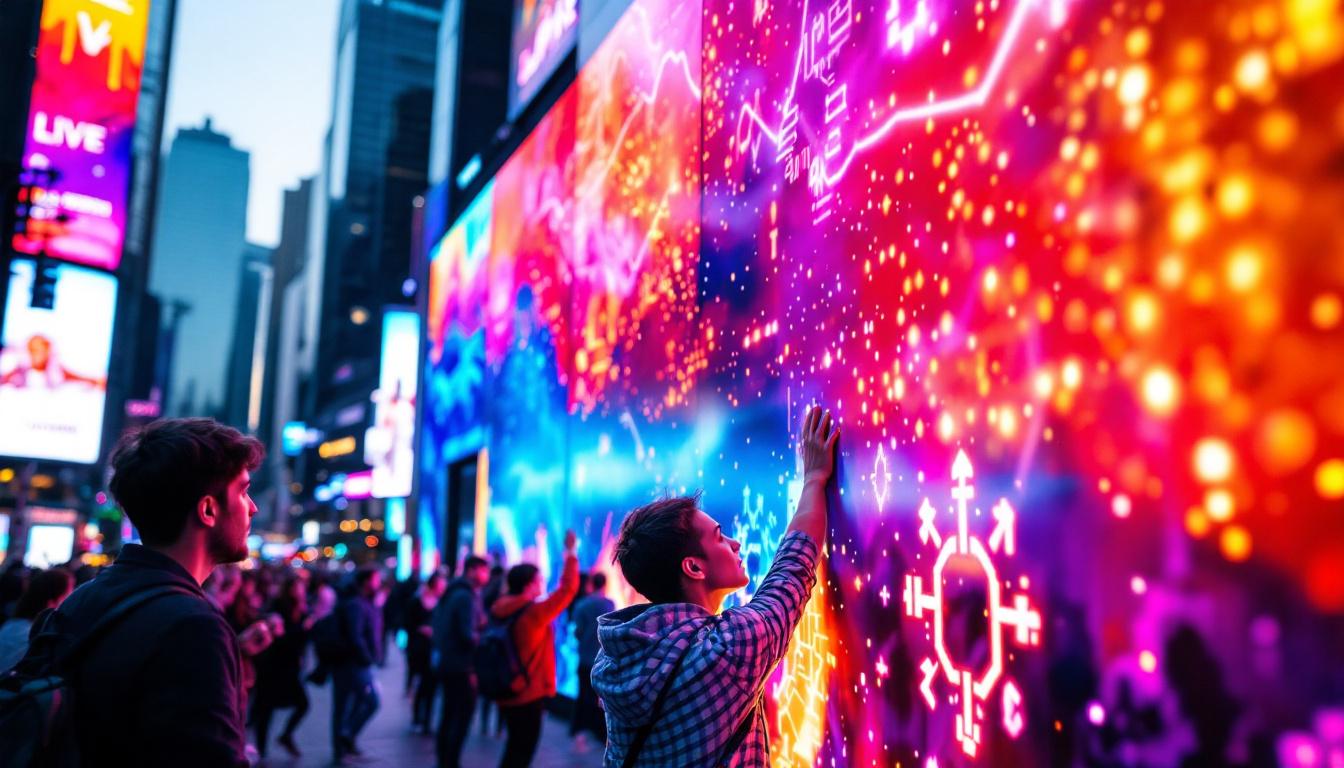
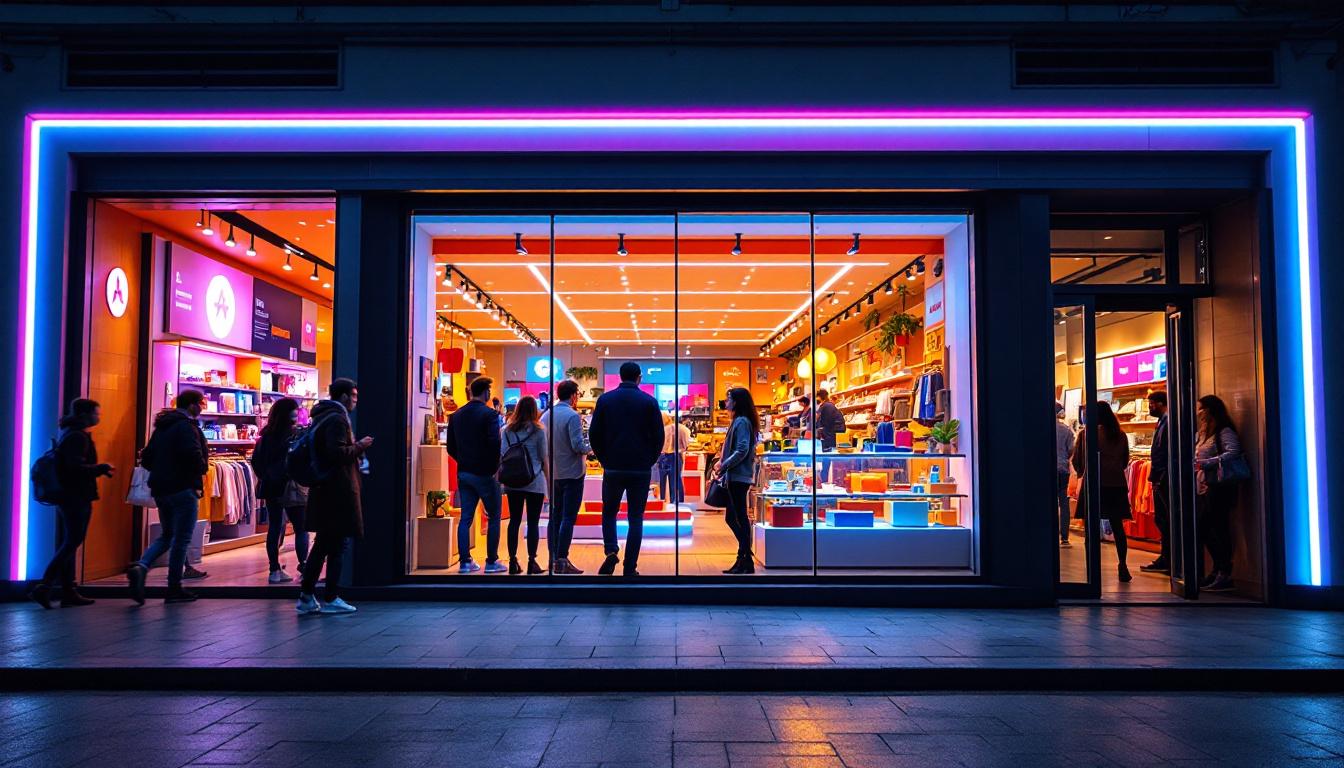
Retailers leverage touch-enabled LED displays to create immersive shopping experiences. Interactive video walls allow customers to explore product catalogs, customize items, or access promotions directly on the screen. According to a 2023 report by Grand View Research, the global interactive digital signage market is expected to grow at a compound annual growth rate (CAGR) of 11.5% from 2023 to 2030, highlighting the increasing demand for such technologies.
Outdoor LED touch displays also enable dynamic advertising that can adapt to real-time data such as weather, traffic, or audience demographics, optimizing marketing effectiveness.
Corporate and Educational Environments
In corporate settings, touch-enabled LED displays enhance collaboration by enabling multiple users to interact with presentations, annotate documents, and brainstorm ideas in real-time. This fosters creativity and improves communication during meetings.
Educational institutions use these displays to create engaging lessons, allowing students to interact with multimedia content, simulations, and quizzes. The tactile experience helps improve retention and makes learning more enjoyable.
Public Information and Transportation Hubs
Airports, train stations, and other public venues utilize large LED touch screens to provide travelers with real-time information, wayfinding assistance, and service updates. Interactive maps and schedules reduce confusion and improve the overall user experience.
Technical Considerations and Challenges
Resolution and Pixel Pitch
Resolution is a critical factor in LED display quality. It is determined by the number of pixels per unit area, with pixel pitch referring to the distance between the centers of two adjacent pixels. A smaller pixel pitch results in higher resolution and sharper images, which is especially important for indoor and close-viewing applications.
For touch-enabled LED displays, maintaining high resolution while integrating touch sensors can be challenging. Manufacturers must balance pixel density with touch sensitivity and durability.
Durability and Maintenance
Touch screens are subject to frequent physical contact, making durability a key concern. LED displays designed for touch applications often use reinforced glass or protective coatings to resist scratches and impacts.
Maintenance also involves ensuring the touch sensors remain calibrated and responsive over time. Environmental factors such as humidity, temperature changes, and dust can affect performance, especially in outdoor settings.
Power Consumption and Heat Management
LED displays, particularly large ones, consume significant power and generate heat. Efficient power management and cooling systems are essential to maintain performance and extend the lifespan of the display.
Touch technology integration adds complexity, as additional components may increase power requirements. Innovations in low-power LEDs and energy-efficient touch sensors help mitigate these challenges.
The Future of Screen Touch Video and LED Displays
Advancements in Display Technology
Emerging trends in LED display technology include microLED and miniLED innovations, which offer higher brightness, better color accuracy, and improved energy efficiency compared to traditional LEDs. These advances will enhance the visual quality of touch-enabled displays, making them even more appealing for high-end applications.
Artificial Intelligence and Interactivity
Artificial intelligence (AI) is increasingly being integrated with interactive LED displays to personalize content and improve user engagement. AI-powered analytics can track user interactions, optimize content delivery, and even enable voice or gesture controls alongside touch.
Expanding Use Cases
As costs continue to decrease and technology becomes more accessible, touch-enabled LED displays are expected to penetrate new markets such as healthcare, hospitality, and smart cities. For example, hospitals can use interactive LED screens for patient check-in and information, while smart city initiatives may deploy touch-enabled public kiosks for citizen services.
Conclusion
Screen touch video on LED displays represents a powerful convergence of visual technology and user interactivity. Its ability to deliver bright, vibrant images combined with intuitive touch controls opens up a wide array of applications across industries. As technology continues to advance, these displays will become even more versatile, engaging, and integral to how people consume information and interact with digital content.
Understanding the technical aspects, benefits, and future trends of LED touch displays equips businesses and organizations to make informed decisions when adopting this technology. Whether for advertising, collaboration, education, or public information, touch-enabled LED displays offer a compelling solution that enhances communication and user experience in the modern digital landscape.
Discover LumenMatrix’s Innovative LED Display Solutions
Ready to elevate your visual communication and engage with your audience like never before? Explore LumenMatrix’s comprehensive range of LED display solutions tailored to meet your needs. From vibrant Indoor and Outdoor LED Wall Displays to dynamic Vehicle and Sports LED Displays, each product is crafted to captivate and convey your message with unparalleled clarity. Experience the future of interactive digital signage with our All-in-One and Custom LED Displays, designed for maximum impact. Don’t miss the opportunity to transform your space with LumenMatrix’s cutting-edge technology. Check out LumenMatrix LED Display Solutions today and see the difference for yourself.