In recent years, the fusion of 3D printing technology with LED display systems has opened new horizons in design, functionality, and customization. The Wall Control 3D Print LED Display represents a cutting-edge innovation, combining the precision of additive manufacturing with the dynamic capabilities of LED technology. This article delves into the technical aspects, applications, and benefits of Wall Control 3D Print LED Displays, providing a comprehensive understanding for enthusiasts, designers, and industry professionals alike.
Understanding Wall Control 3D Print LED Displays
What is Wall Control 3D Print?
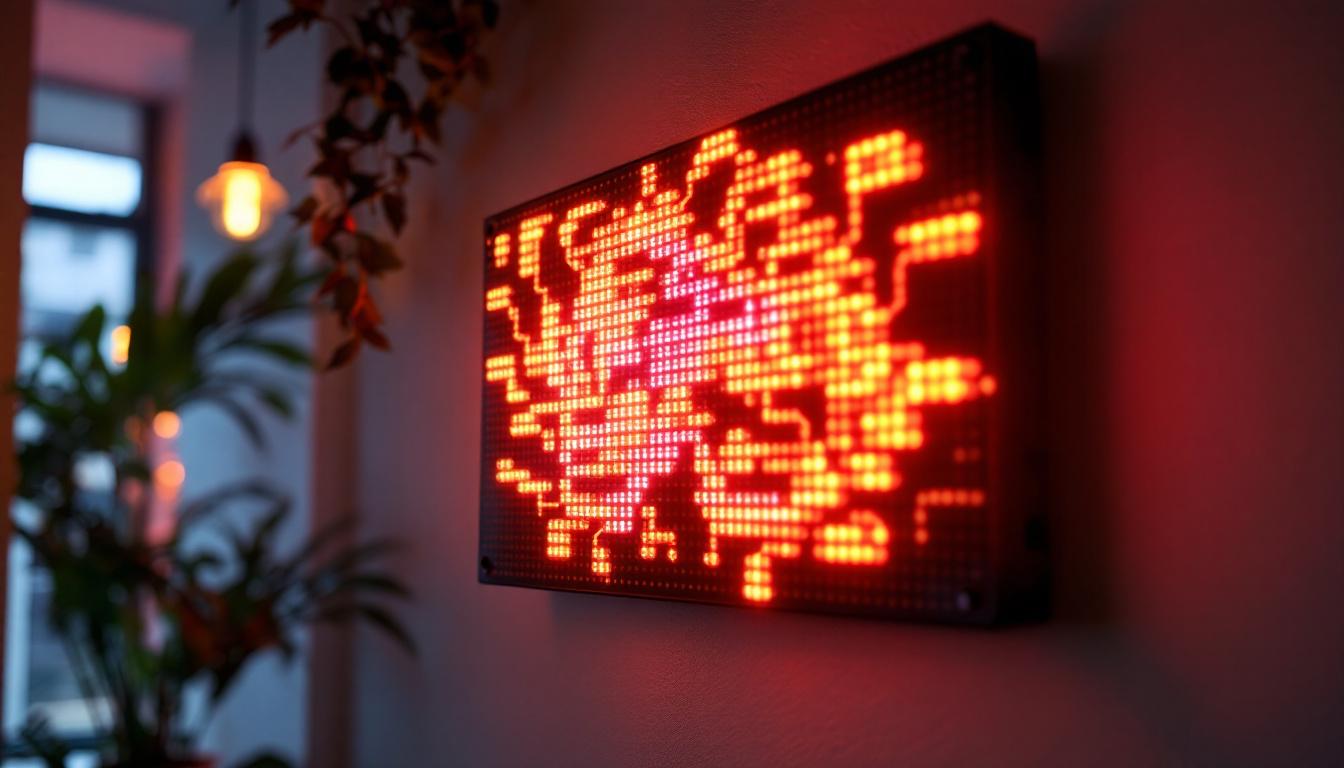
Wall Control 3D Print refers to the integration of 3D printed components into wall-mounted control systems, particularly those incorporating LED displays. Unlike traditional manufacturing methods, 3D printing allows for the creation of highly customized and intricate parts that can be tailored to specific design requirements. This technology enables the production of lightweight, durable, and complex structures that seamlessly house LED modules and electronic components.
The term “Wall Control” typically describes modular wall organization systems that can be adapted for various uses, including tool storage, decoration, and information display. By incorporating 3D printed elements, these systems can be enhanced with LED displays that provide real-time data, notifications, or aesthetic lighting effects, all controlled through user-friendly interfaces. The flexibility of 3D printing means that designers can easily iterate on their concepts, creating unique solutions that meet the specific needs of different environments, from home offices to retail spaces.
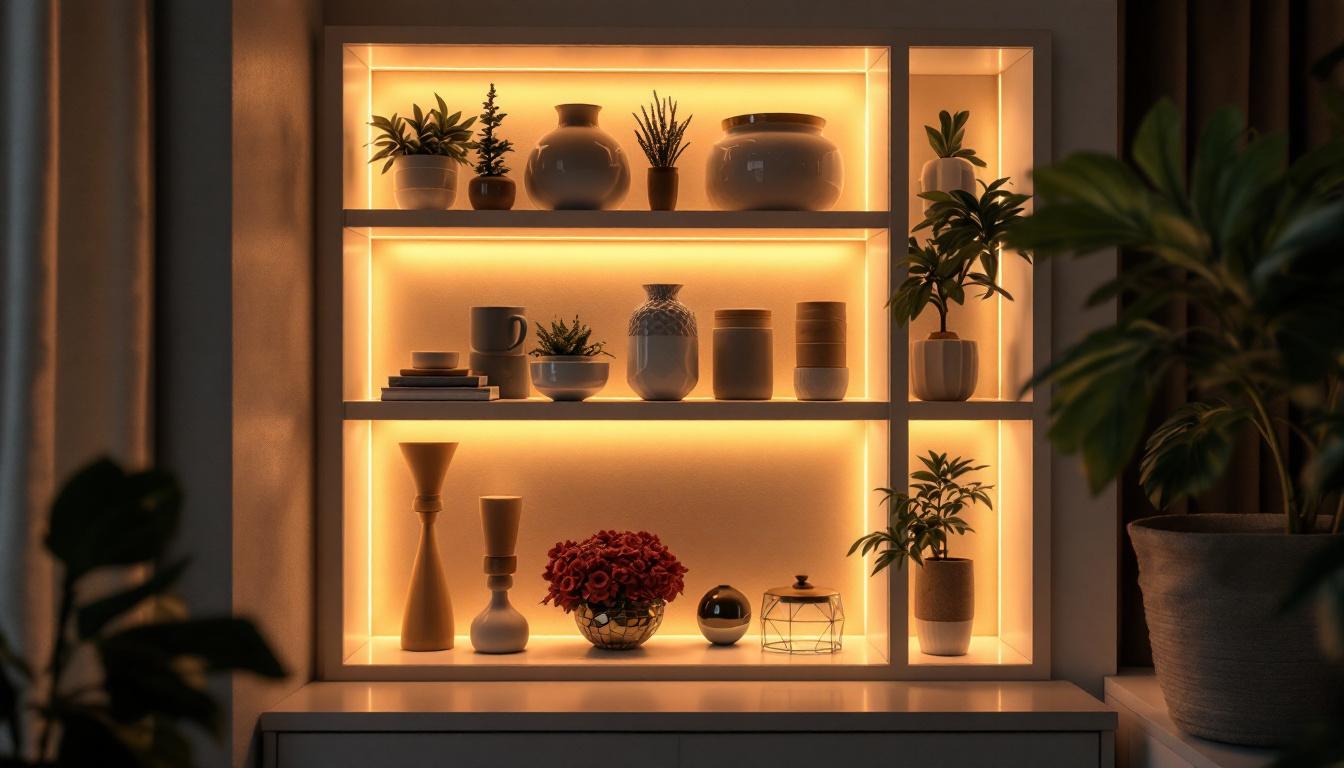
Moreover, the aesthetic potential of 3D printed designs can transform a simple wall-mounted system into a striking focal point. With the ability to choose colors, textures, and shapes, users can create displays that not only serve functional purposes but also contribute to the overall decor of a space. This blend of functionality and artistry is particularly appealing in modern interior design, where the lines between technology and decor are increasingly blurred.
How LED Displays Work in This Context
LED (Light Emitting Diode) displays consist of an array of tiny light sources that can be individually controlled to produce images, text, or animations. In Wall Control 3D Print systems, these LEDs are embedded within or mounted onto 3D printed panels or frames. The 3D printed structures not only serve as physical supports but also optimize light diffusion, heat dissipation, and wiring management. This integration ensures that the LED displays operate efficiently, maintaining brightness and color accuracy while minimizing the risk of overheating.
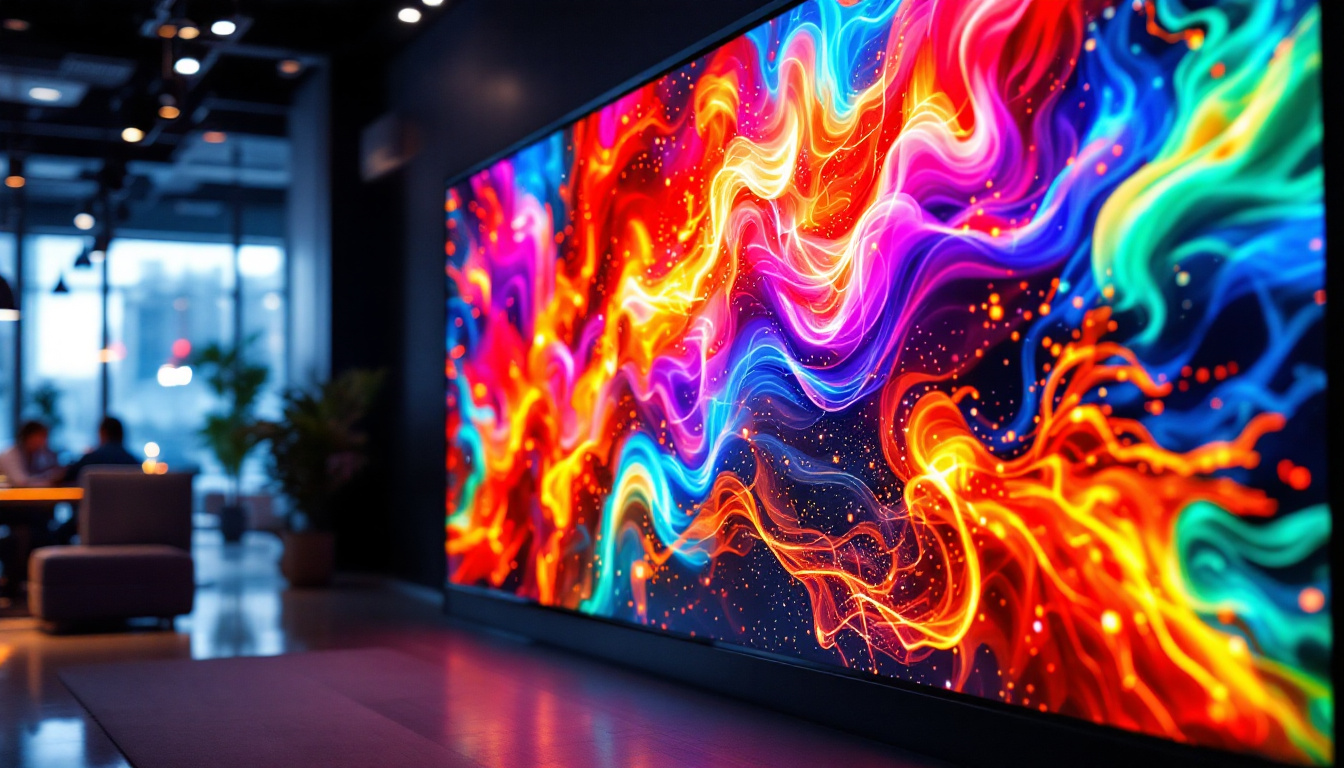
Modern LED displays used in these applications often employ addressable RGB LEDs, allowing for millions of color combinations and dynamic effects. Control is typically achieved via microcontrollers or integrated circuits that communicate with software interfaces, enabling users to customize the display content and behavior. The software can range from simple apps for basic control to complex programming environments that allow for synchronized light shows or interactive installations. This level of customization opens up endless possibilities for creative expression, making it a popular choice for artists and designers looking to push the boundaries of traditional display technology.
Additionally, the integration of sensors and IoT (Internet of Things) capabilities can enhance the functionality of these LED displays. For instance, motion sensors can trigger specific animations or color changes when someone approaches, creating an engaging and interactive experience. This technology not only captivates viewers but also allows for the implementation of smart features, such as notifications that adapt based on user behavior or environmental conditions, further bridging the gap between digital and physical spaces.
Advantages of Combining 3D Printing with LED Displays
Customization and Design Flexibility
One of the most significant advantages of using 3D printing in LED display systems is the unparalleled customization it offers. Designers can create bespoke shapes, sizes, and mounting solutions that would be difficult or impossible with traditional manufacturing techniques. This flexibility extends to integrating channels for wiring, ventilation slots, and mounting points, all optimized for the specific LED modules in use.
For example, a workshop wall organizer can be designed with embedded LED indicators that highlight tool locations or status updates, all housed within a uniquely shaped 3D printed frame that complements the room’s aesthetic.
Improved Thermal Management
LEDs generate heat during operation, which can affect performance and longevity if not properly managed. 3D printing allows for the creation of complex heat sinks and ventilation structures that are custom-fit to the LED layout. Materials such as thermally conductive filaments can be used to enhance heat dissipation, ensuring the display remains cool and reliable over extended use.
Rapid Prototyping and Iteration
3D printing accelerates the development process by enabling rapid prototyping. Designers and engineers can quickly produce and test multiple versions of LED display housings or control panels, refining ergonomics, aesthetics, and functionality without the need for costly molds or tooling. This iterative approach leads to better final products and reduces time-to-market.
Technical Components of Wall Control 3D Print LED Displays
Materials Used in 3D Printing
The choice of 3D printing material significantly impacts the performance and durability of the LED display system. Common materials include PLA (Polylactic Acid), ABS (Acrylonitrile Butadiene Styrene), and PETG (Polyethylene Terephthalate Glycol). For applications requiring enhanced heat resistance and mechanical strength, advanced materials like nylon blends or carbon fiber-infused filaments are preferred.
Additionally, some manufacturers are experimenting with conductive filaments that allow for embedding circuitry directly into the 3D printed parts, reducing assembly complexity and improving reliability.
LED Modules and Control Electronics
The LED modules used in Wall Control displays are typically addressable RGB LEDs such as WS2812B or SK6812, which allow individual control of each LED’s color and intensity. These modules are connected to microcontrollers like Arduino, ESP32, or Raspberry Pi, which run the software responsible for managing the display’s behavior.
Power management is crucial, especially for larger displays. Proper voltage regulation, current limiting, and heat management circuits are integrated to ensure safe and efficient operation. Additionally, wireless connectivity options such as Wi-Fi or Bluetooth enable remote control and real-time updates.
Software and User Interface
The software driving the LED display is often custom-developed or based on open-source platforms like FastLED or NeoPixel libraries. These frameworks provide extensive control over lighting effects, animations, and user interactions. For Wall Control systems, software interfaces may include touchscreen panels, smartphone apps, or voice control integration, enhancing usability and accessibility.
Advanced implementations can incorporate sensors to trigger LED responses based on environmental conditions, motion, or user input, creating interactive and intelligent wall displays.
Applications and Use Cases
Industrial and Workshop Environments
In industrial settings, Wall Control 3D Print LED Displays serve as dynamic information hubs. For example, LED indicators can signal machine status, safety warnings, or workflow progress directly on tool storage walls. This real-time visual feedback improves operational efficiency and safety.
Moreover, the modularity of 3D printed components allows for easy reconfiguration as workflows evolve, making these systems adaptable to changing industrial needs.
Retail and Advertising
Retail environments benefit from the eye-catching and customizable nature of Wall Control LED displays. 3D printed frames can be tailored to brand aesthetics, while the LED panels display promotional content, pricing updates, or interactive advertisements. The ability to rapidly prototype new designs means marketing teams can experiment with novel display concepts without significant investment.
Home Automation and Smart Living
Smart homes increasingly incorporate LED displays for ambient lighting, notifications, and control interfaces. Wall Control 3D Print LED Displays can be integrated into home automation systems, providing personalized lighting scenes, weather updates, or security alerts. The customization potential allows homeowners to match the displays to their interior design seamlessly.
Artistic and Creative Installations
Artists and designers leverage the combination of 3D printing and LED technology to create immersive installations that blend form and function. Sculptural wall pieces with embedded LEDs can respond to sound, movement, or user interaction, offering new dimensions in experiential art.
Challenges and Considerations
Material Limitations and Durability
While 3D printing offers many advantages, certain materials may degrade over time when exposed to UV light, heat, or mechanical stress. Selecting the right filament and applying protective coatings can mitigate these issues, but designers must carefully consider the operating environment.
Complexity of Assembly
Integrating LED modules with 3D printed parts requires precise alignment and secure connections. Poor assembly can lead to electrical failures or mechanical instability. Designing for ease of assembly and maintenance is essential to ensure long-term reliability.
Cost Factors
Although 3D printing reduces tooling costs, the expense of high-quality filaments, LED components, and control electronics can add up. Balancing cost with performance and customization needs is a critical part of project planning.
Future Trends in Wall Control 3D Print LED Displays
Advancements in Materials and Printing Techniques
Emerging materials such as flexible and transparent filaments will expand design possibilities, enabling curved or translucent LED display elements. Multi-material printers that combine conductive and insulating materials in a single print job will simplify electronics integration.
Integration with IoT and AI
As Internet of Things (IoT) devices proliferate, Wall Control LED displays will increasingly connect with smart home and industrial networks. Artificial intelligence can enable predictive lighting patterns, adaptive displays, and voice or gesture control, enhancing user experience and efficiency.
Increased Sustainability
Eco-friendly filaments made from recycled or biodegradable materials are gaining traction, aligning with global sustainability goals. Energy-efficient LED technologies and optimized power management will further reduce environmental impact.
Conclusion
The Wall Control 3D Print LED Display represents a compelling intersection of technology, design, and functionality. By leveraging the customization and rapid prototyping capabilities of 3D printing alongside the dynamic visual power of LED technology, these systems offer versatile solutions across industrial, commercial, residential, and artistic domains.
Understanding the technical components, advantages, and challenges is essential for anyone looking to implement or innovate in this space. As materials and software continue to evolve, the potential for Wall Control 3D Print LED Displays to transform environments and user interactions will only grow, making this an exciting area to watch in the coming years.
Explore Cutting-Edge LED Displays with LumenMatrix
Ready to elevate your space with the latest in LED display technology? LumenMatrix is at the forefront of innovation, offering a diverse range of LED display solutions tailored to your unique needs. From captivating Indoor LED Wall Displays to versatile All-in-One LED Displays and beyond, our products are designed to enhance engagement and transform visual communication. Discover how LumenMatrix can empower your business to make a lasting impression. Check out LumenMatrix LED Display Solutions today and step into the future of digital signage.