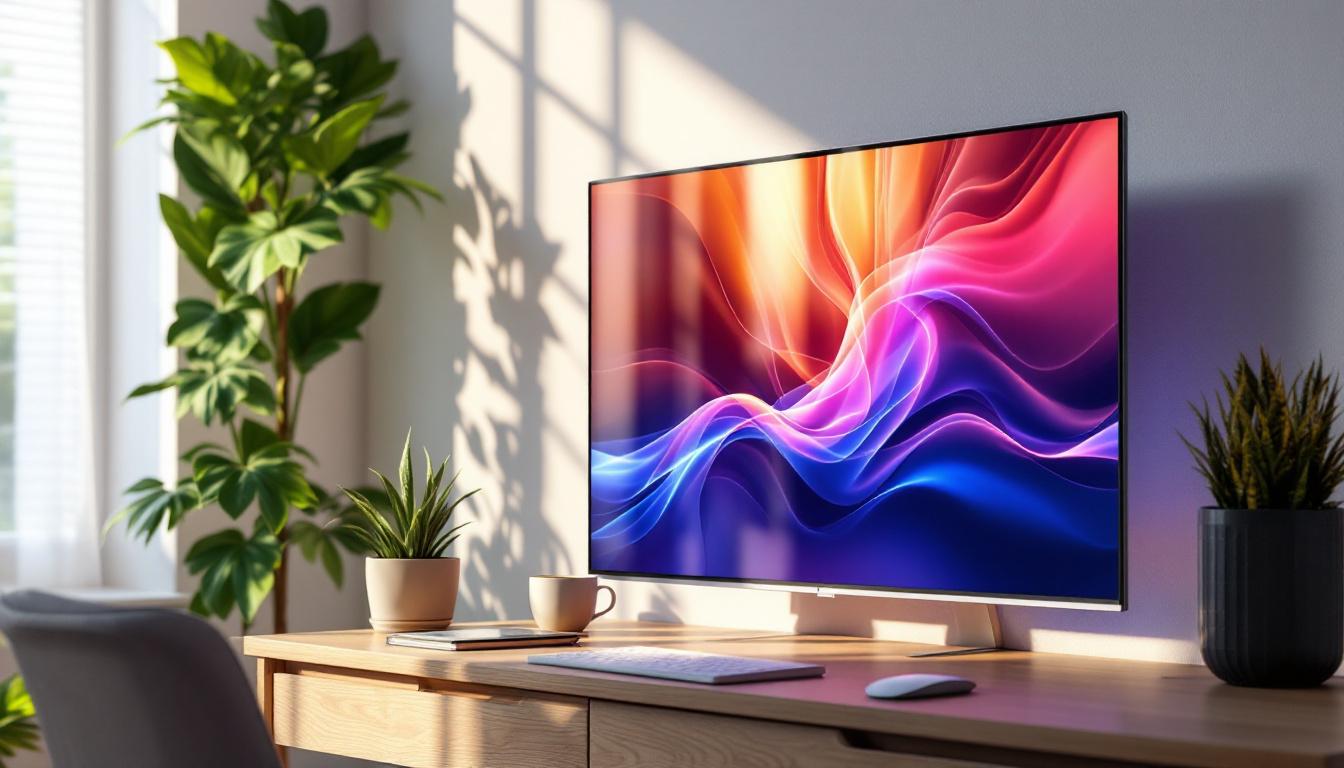
In recent years, LED technology has revolutionized the way we illuminate spaces and display information. Among the many innovations in this field, slim LED lights and LED displays have garnered significant attention for their versatility, energy efficiency, and sleek design. Whether used in commercial advertising, home decor, or professional presentations, slim LED displays offer a compelling combination of aesthetics and functionality.
This article delves into the world of slim LED lights, exploring how LED displays work, their benefits, types, and practical applications. By understanding the technology and its advantages, businesses and consumers alike can make informed decisions when choosing LED solutions for their needs.
What Are Slim LED Lights?
Slim LED lights refer to light-emitting diode (LED) lighting fixtures designed with a thin, compact profile. Unlike traditional bulky lighting systems, slim LED lights integrate advanced semiconductor technology to produce bright illumination in a minimal form factor. This slim design is particularly beneficial in spaces where aesthetics and space-saving are priorities. Their sleek appearance allows them to blend seamlessly into modern interior designs, making them a popular choice for both residential and commercial applications.
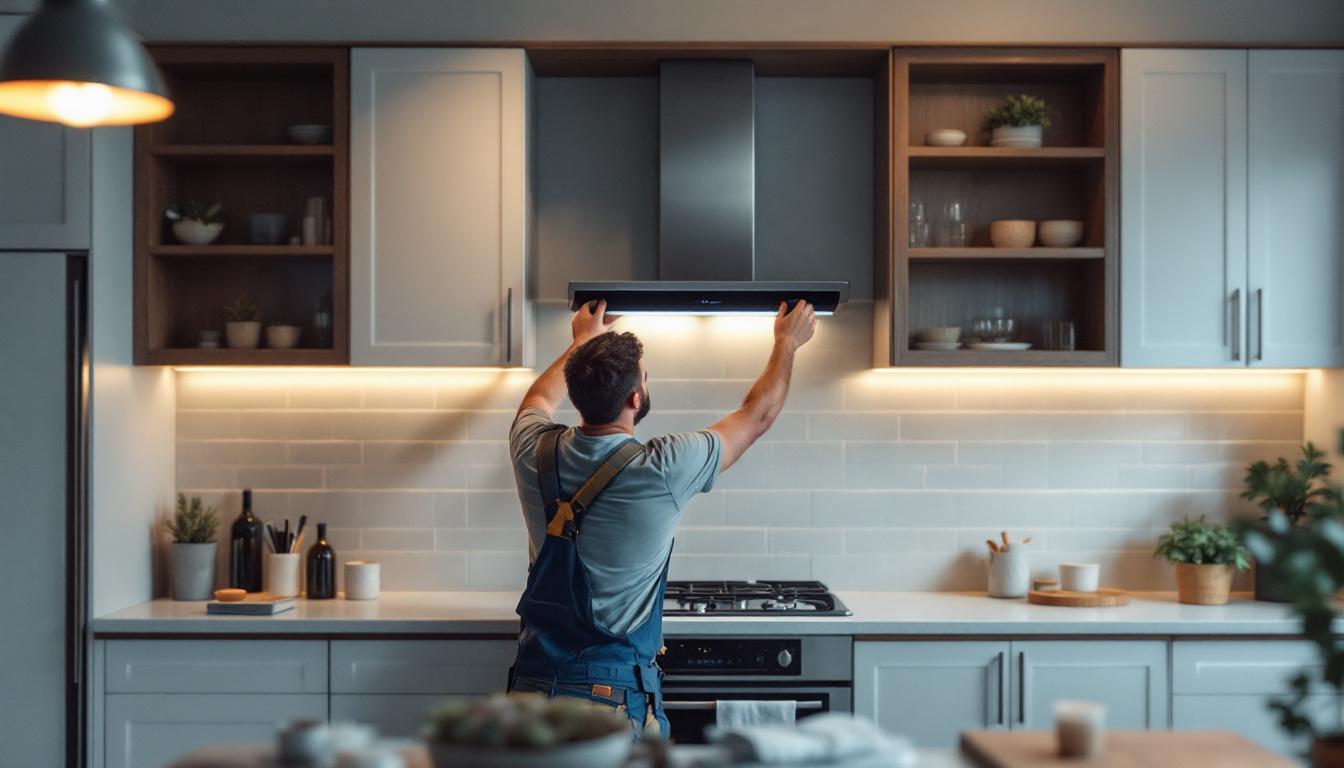
The development of slim LED lights has been driven by advancements in LED chip manufacturing and heat dissipation techniques. Modern slim LED panels and strips can be as thin as a few millimeters, allowing them to be installed seamlessly on walls, ceilings, or embedded within architectural elements. This versatility not only enhances the visual appeal of a space but also opens up new possibilities for creative lighting solutions, such as backlighting for artwork or under-cabinet lighting in kitchens.
How Slim LED Lights Differ from Traditional Lighting
Traditional lighting solutions, such as incandescent bulbs and fluorescent tubes, tend to be larger and less energy-efficient. Incandescent bulbs convert only about 10% of the energy they consume into visible light, with the rest lost as heat. Fluorescent lights are more efficient but still contain hazardous materials like mercury and require bulky fixtures. These limitations can restrict design choices and increase the environmental impact of lighting systems.
In contrast, slim LED lights offer:
- Higher energy efficiency: LEDs convert up to 80-90% of energy into light, significantly reducing electricity consumption.
- Longer lifespan: LEDs can last up to 50,000 hours or more, reducing maintenance and replacement costs.
- Compact design: Their slim profiles enable more creative and unobtrusive lighting installations.
- Lower heat emission: LEDs produce minimal heat, making them safer and more comfortable for indoor environments.
Moreover, the versatility of slim LED lights extends beyond mere aesthetics and energy savings. They can be easily integrated with smart home technologies, allowing users to control brightness, color temperature, and even create dynamic lighting scenes through mobile apps or voice commands. This adaptability not only enhances user experience but also promotes energy conservation by allowing for tailored lighting solutions that meet specific needs at different times of the day.
Another significant advantage of slim LED lights is their environmental impact. With the growing emphasis on sustainability, choosing LED lighting contributes to reducing carbon footprints. Unlike traditional lighting options, LEDs do not contain harmful substances and are fully recyclable, making them a more eco-friendly choice. As the demand for energy-efficient and environmentally responsible lighting solutions continues to rise, slim LED lights are poised to play a pivotal role in shaping the future of illumination.
Understanding LED Displays
LED displays are electronic visual display boards that use light-emitting diodes as pixels to present images, videos, and text. These displays have become ubiquitous in advertising, public information systems, entertainment venues, and even personal devices.
The term “LED display” encompasses a range of technologies, from small indicator lights on electronic devices to massive outdoor video walls. Slim LED displays specifically refer to those designed with a thin profile, enabling sleek installations without sacrificing brightness or image quality.
How LED Displays Work
At the core of an LED display are thousands to millions of tiny LEDs arranged in a matrix. Each LED acts as a pixel that can emit light in different colors and intensities. By controlling these pixels, the display can render complex images and videos.
There are two main types of LED displays:
- Monochrome LED displays: Use single-color LEDs, typically red or green, for simple text or numeric information.
- Full-color LED displays: Combine red, green, and blue LEDs in each pixel to produce a wide spectrum of colors through color mixing.
The brightness of LED displays is measured in nits (candelas per square meter). Outdoor LED displays often exceed 5,000 nits to remain visible in direct sunlight, while indoor displays typically range from 300 to 1,000 nits.
Pixel Pitch and Resolution
One of the most important technical specifications of an LED display is the pixel pitch, which is the distance between the centers of two adjacent pixels. Pixel pitch directly impacts the resolution and image clarity of the display.
A smaller pixel pitch means higher pixel density, resulting in sharper images and finer detail. For example, an LED display with a 1.5 mm pixel pitch is suitable for close viewing distances, such as indoor retail signage, whereas a 10 mm pixel pitch is more appropriate for large outdoor billboards viewed from afar.
Benefits of Slim LED Displays
Slim LED displays combine the advantages of LED technology with a sleek, space-saving design. This combination makes them highly attractive for a variety of applications. Below are some of the key benefits.
Energy Efficiency and Cost Savings
LED displays consume significantly less power than traditional display technologies such as LCD or plasma screens. According to the U.S. Department of Energy, LED lighting can reduce energy use by up to 75% compared to incandescent lighting. This efficiency translates into lower operating costs, especially for large-scale installations that operate for extended hours.
Additionally, the long lifespan of LEDs reduces maintenance and replacement expenses, making slim LED displays a cost-effective investment over time.
Enhanced Visual Quality
Slim LED displays offer excellent brightness, contrast, and color accuracy. Their ability to produce vibrant colors and deep blacks enhances the visual impact of advertisements, presentations, and informational content.
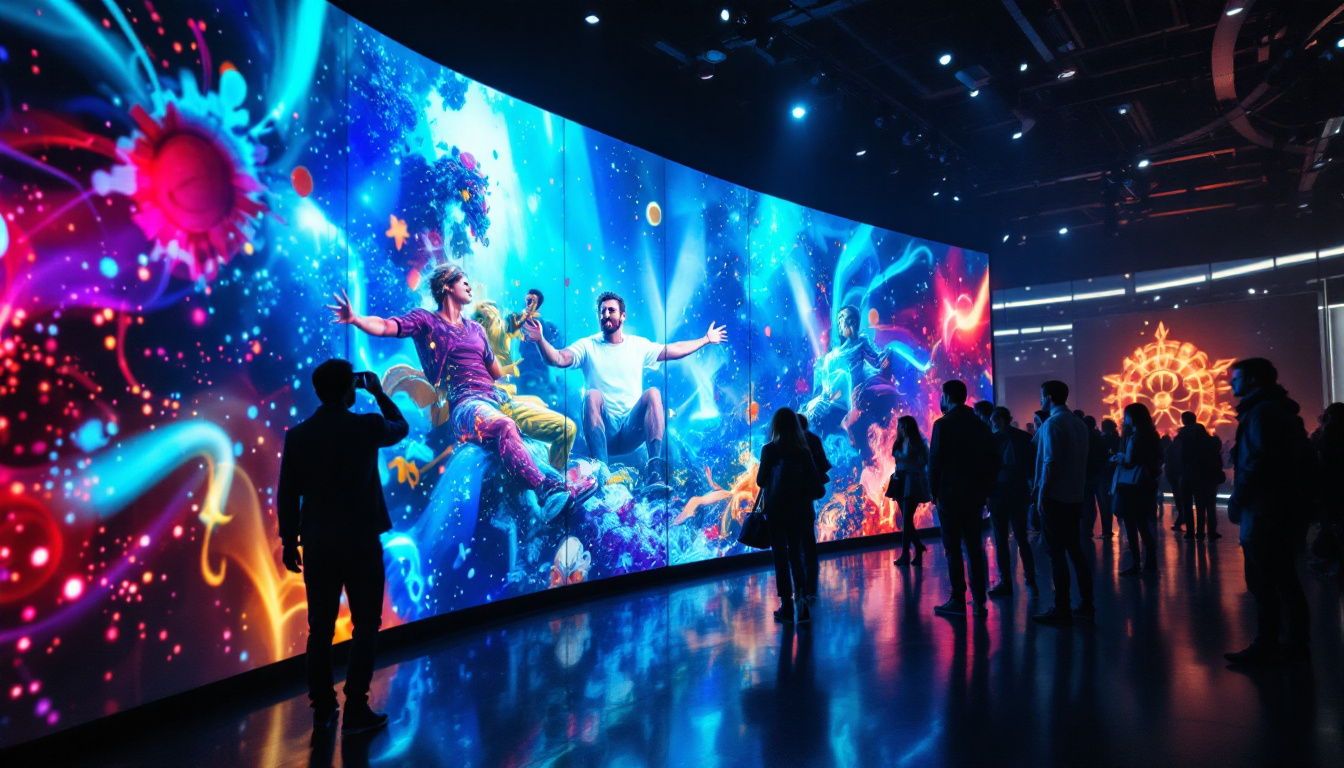
Moreover, the thin design allows for seamless video walls without bulky bezels, creating immersive viewing experiences in retail stores, conference rooms, and event venues.
Flexibility and Design Integration
The slim profile of these LED displays enables flexible installation options. They can be mounted flush on walls, suspended from ceilings, or integrated into furniture and architectural elements without disrupting the aesthetics of a space.
This flexibility is particularly valuable in modern commercial environments where branding and design cohesion are critical.
Applications of Slim LED Lights and Displays
The versatility of slim LED lights and displays has led to their widespread adoption across various industries. Here are some prominent applications.
Retail and Advertising
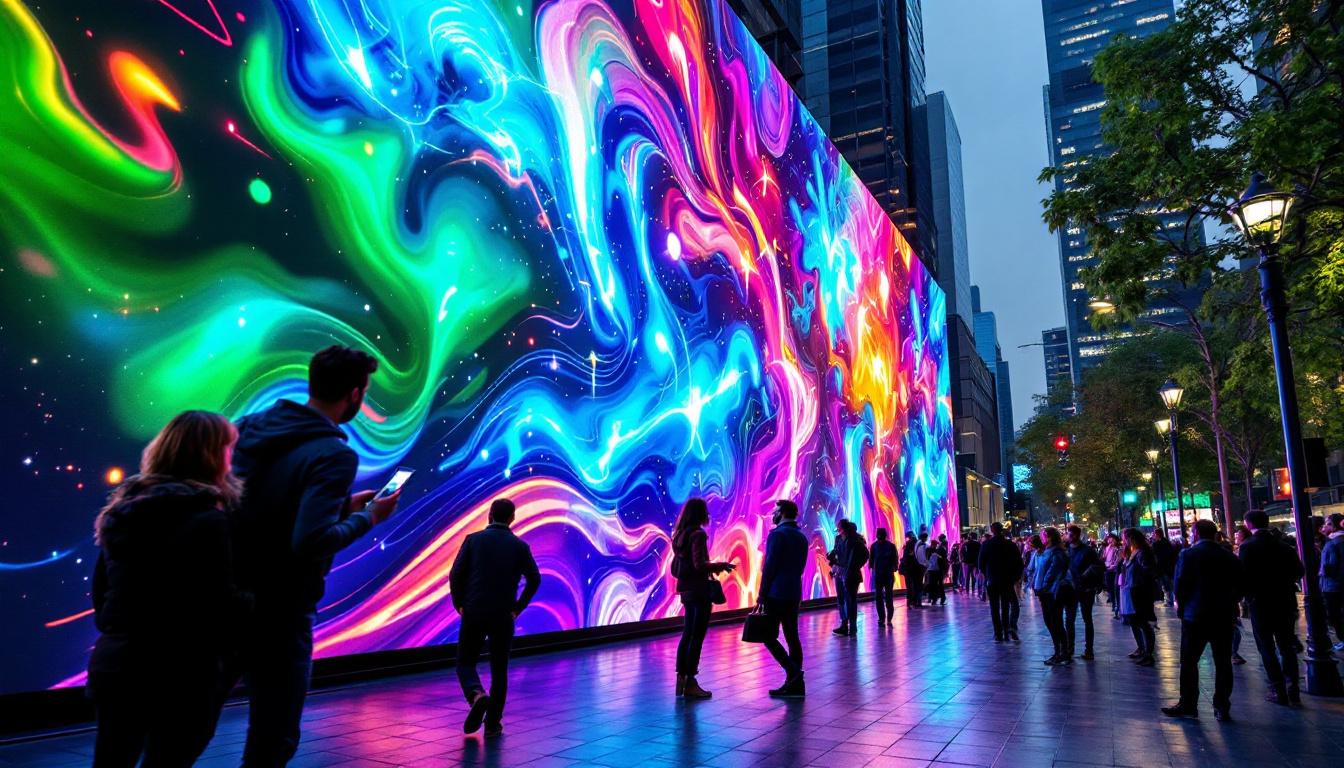
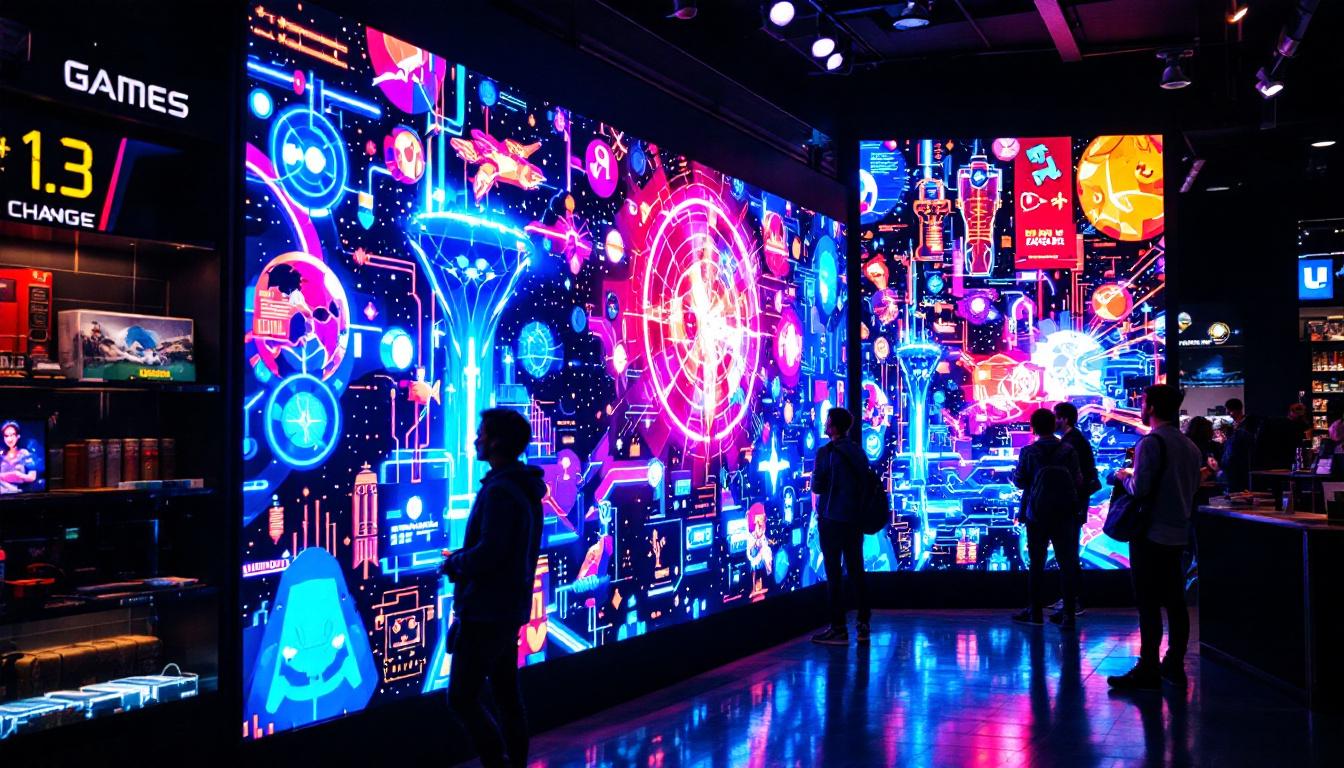
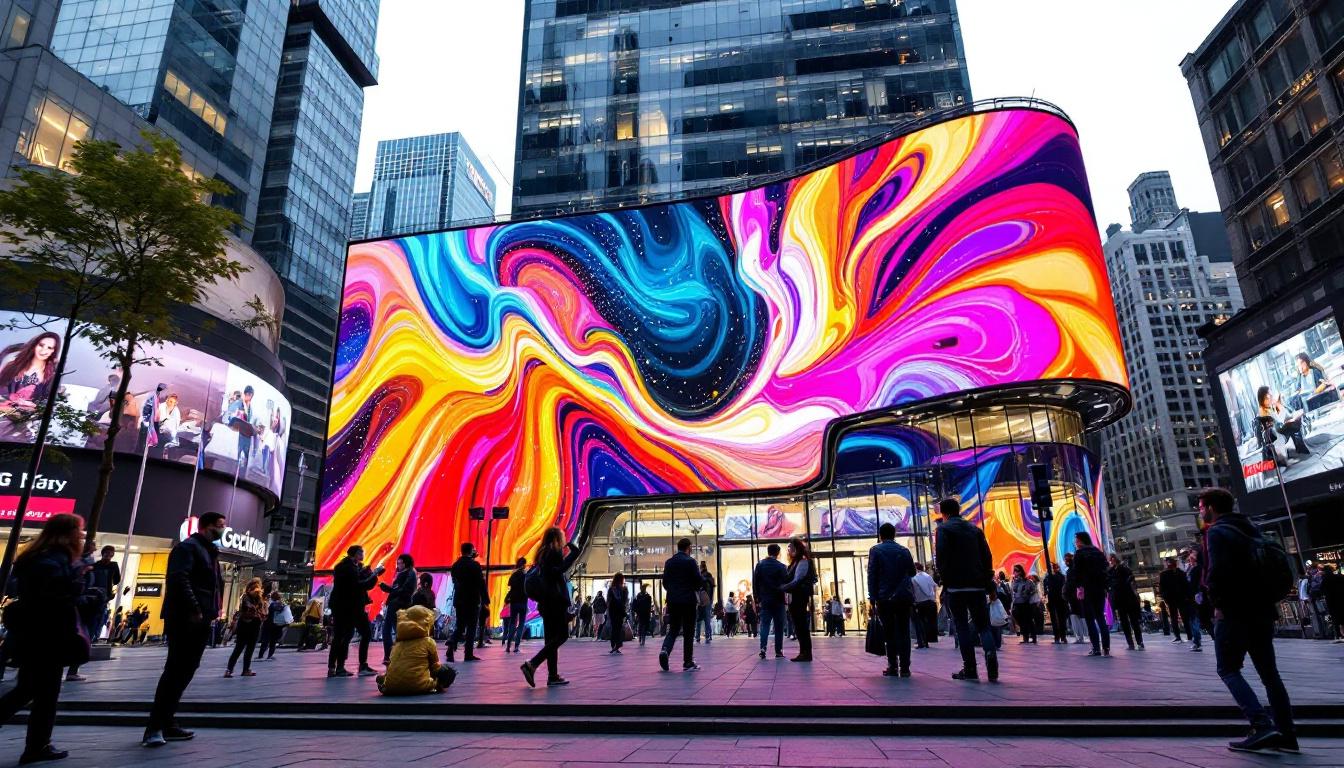
Retailers use slim LED displays to create eye-catching digital signage that attracts customers and promotes products. These displays can be updated in real time, allowing for dynamic content such as flash sales, new arrivals, and interactive promotions.
Outdoor LED billboards with slim designs are also popular for advertising due to their high brightness and durability under varying weather conditions.
Corporate and Conference Environments
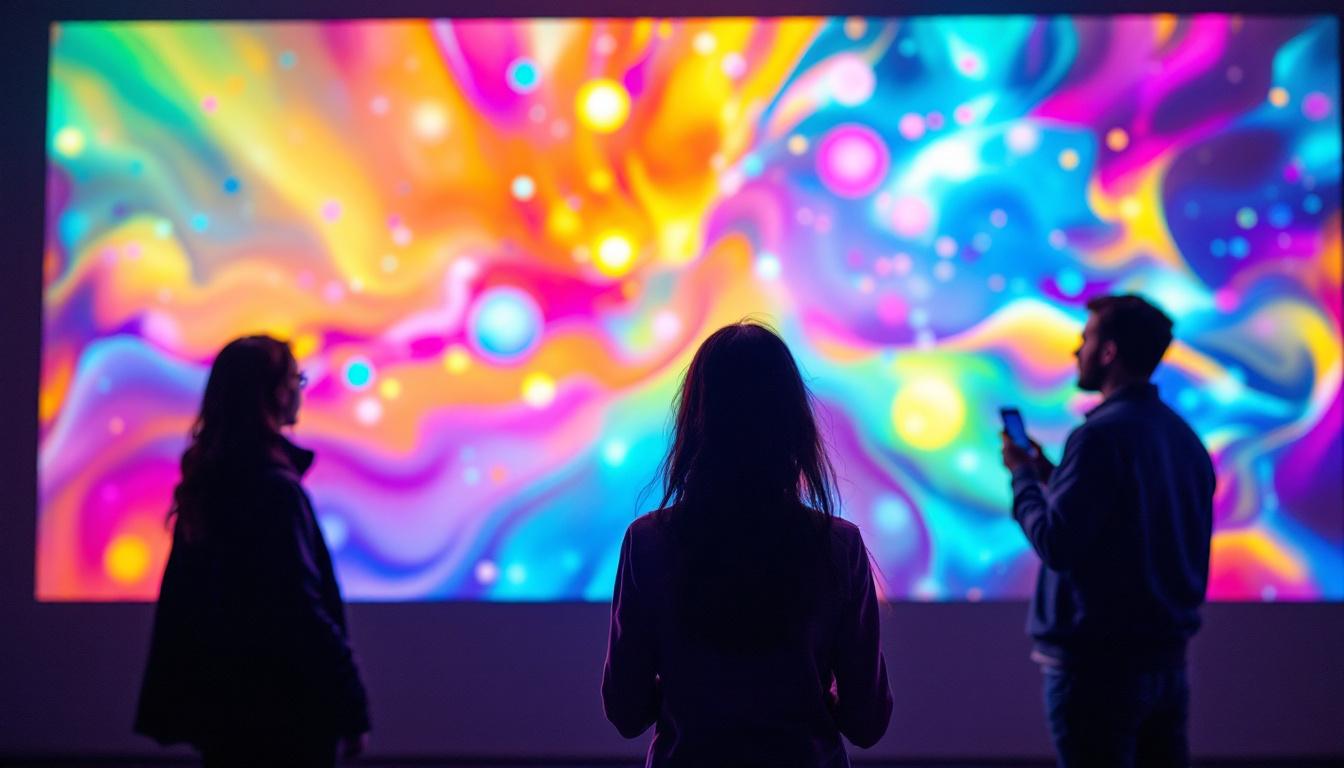
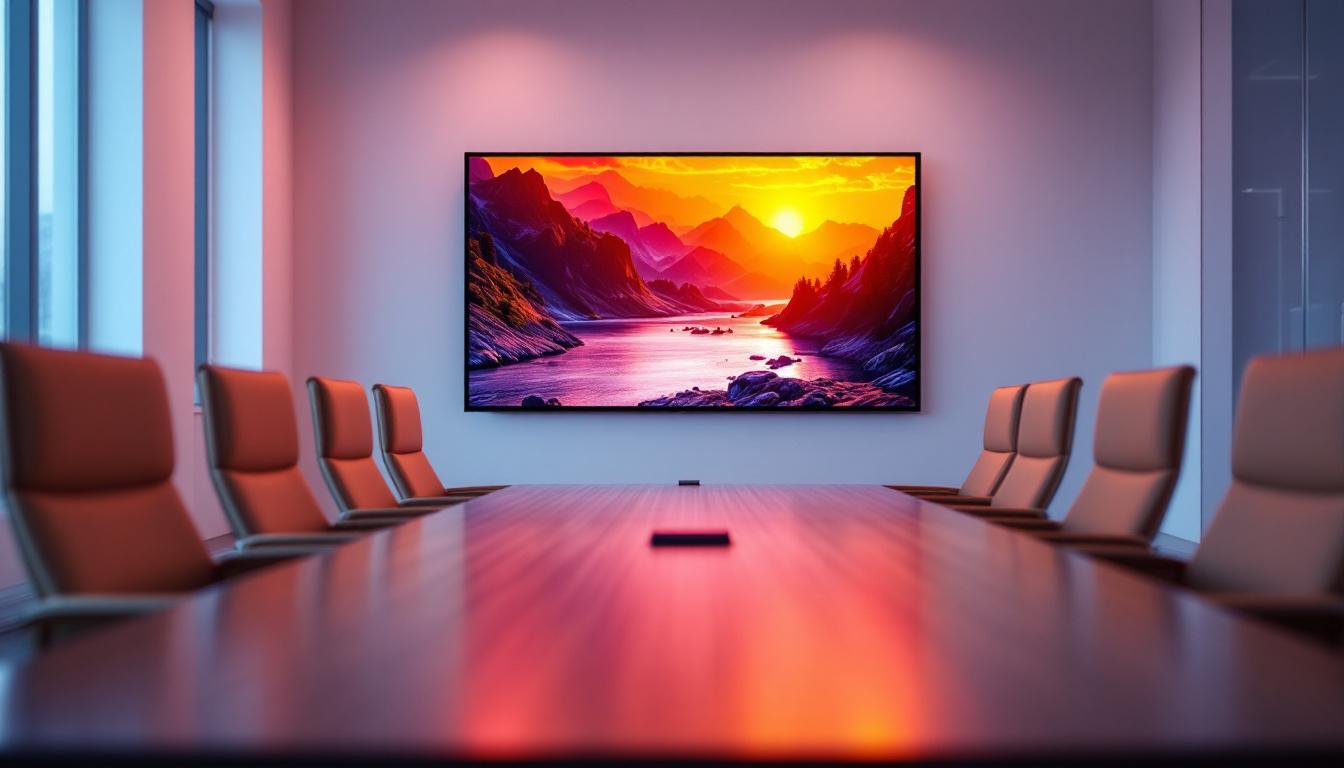
In corporate settings, slim LED displays serve as presentation screens, video conferencing backdrops, and information boards. Their sleek appearance complements modern office interiors and facilitates clear communication during meetings and events.
Entertainment and Events
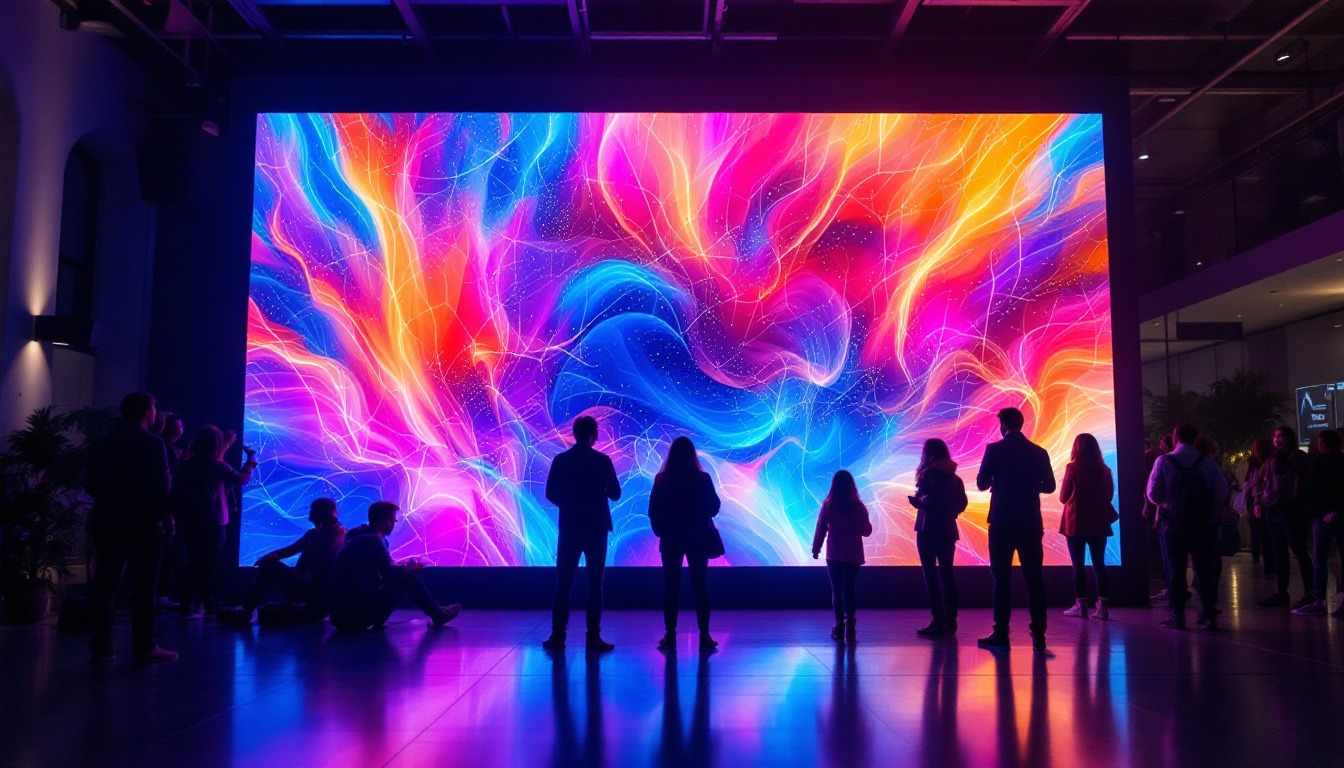
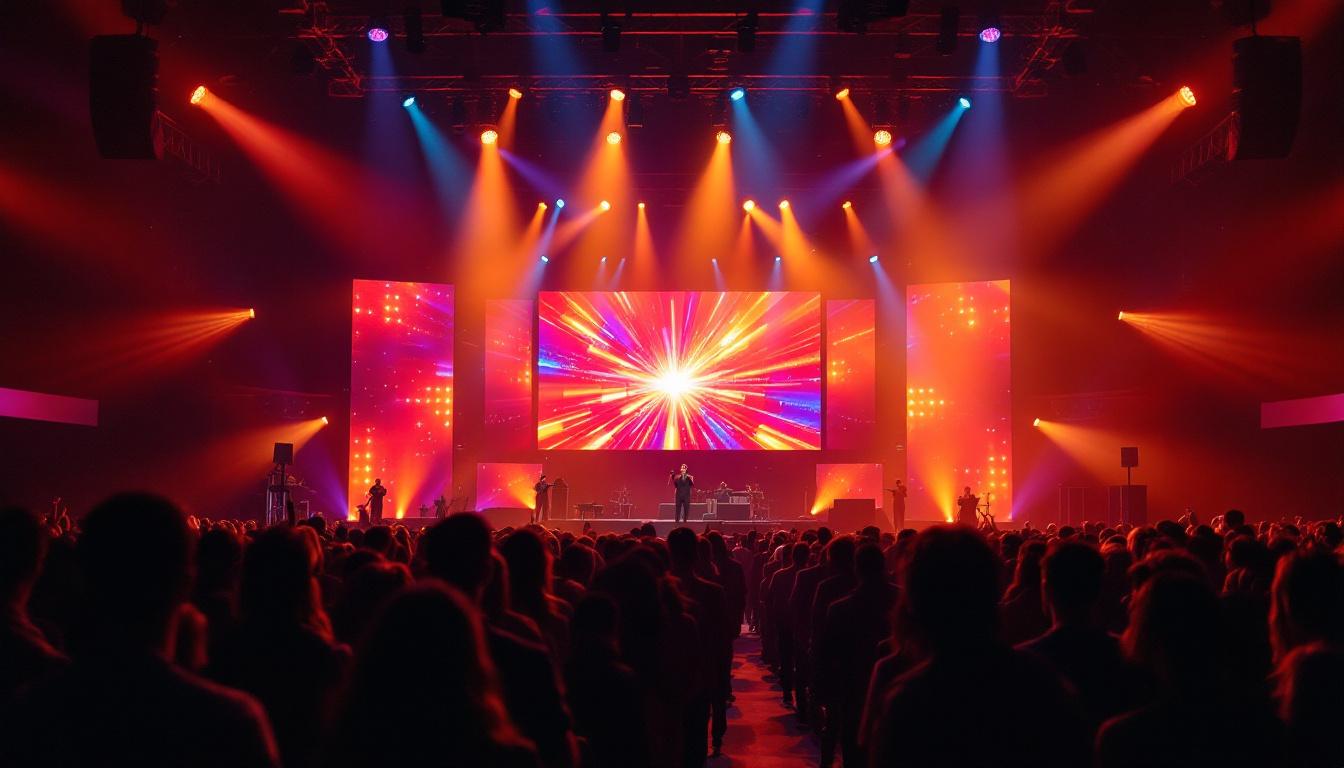
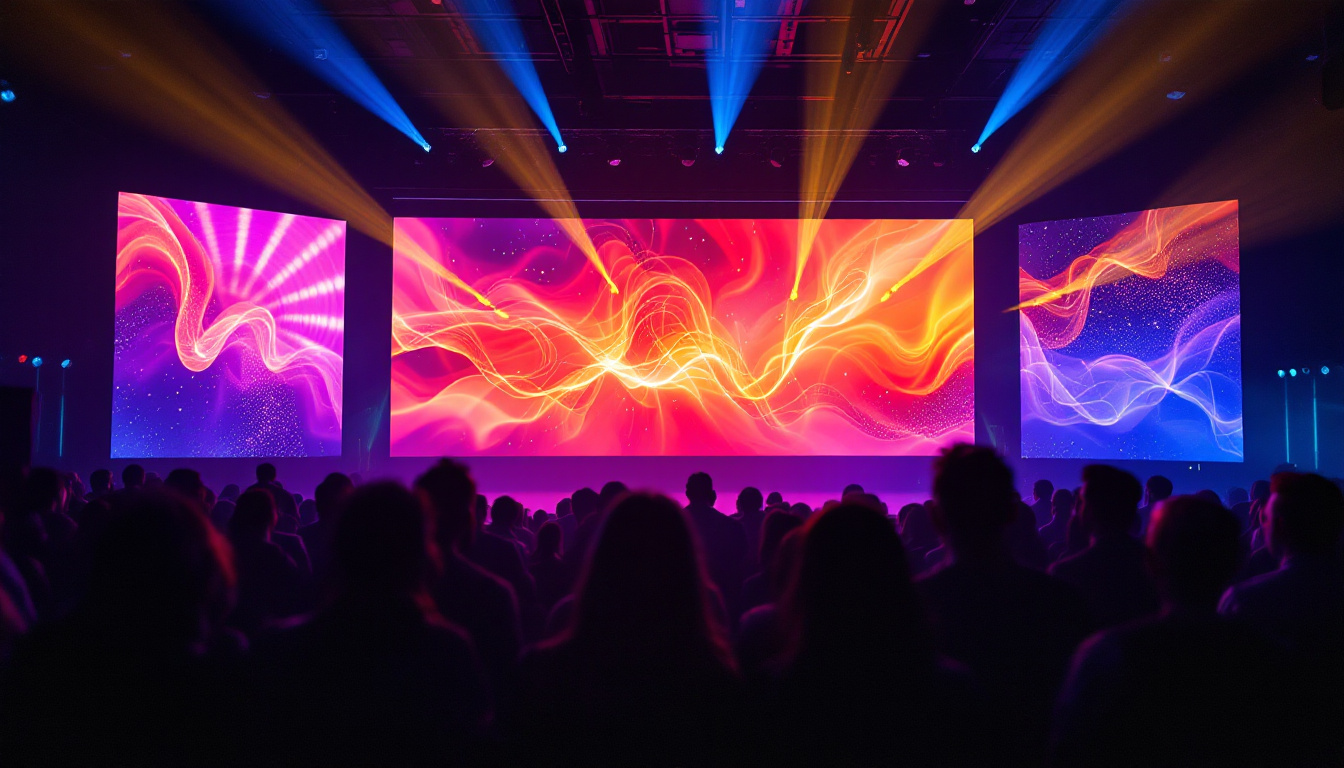
Concerts, theaters, and sports arenas often employ large slim LED video walls to enhance audience engagement. These displays provide vivid visuals, live feeds, and interactive content that enrich the entertainment experience.
Residential and Smart Home Use
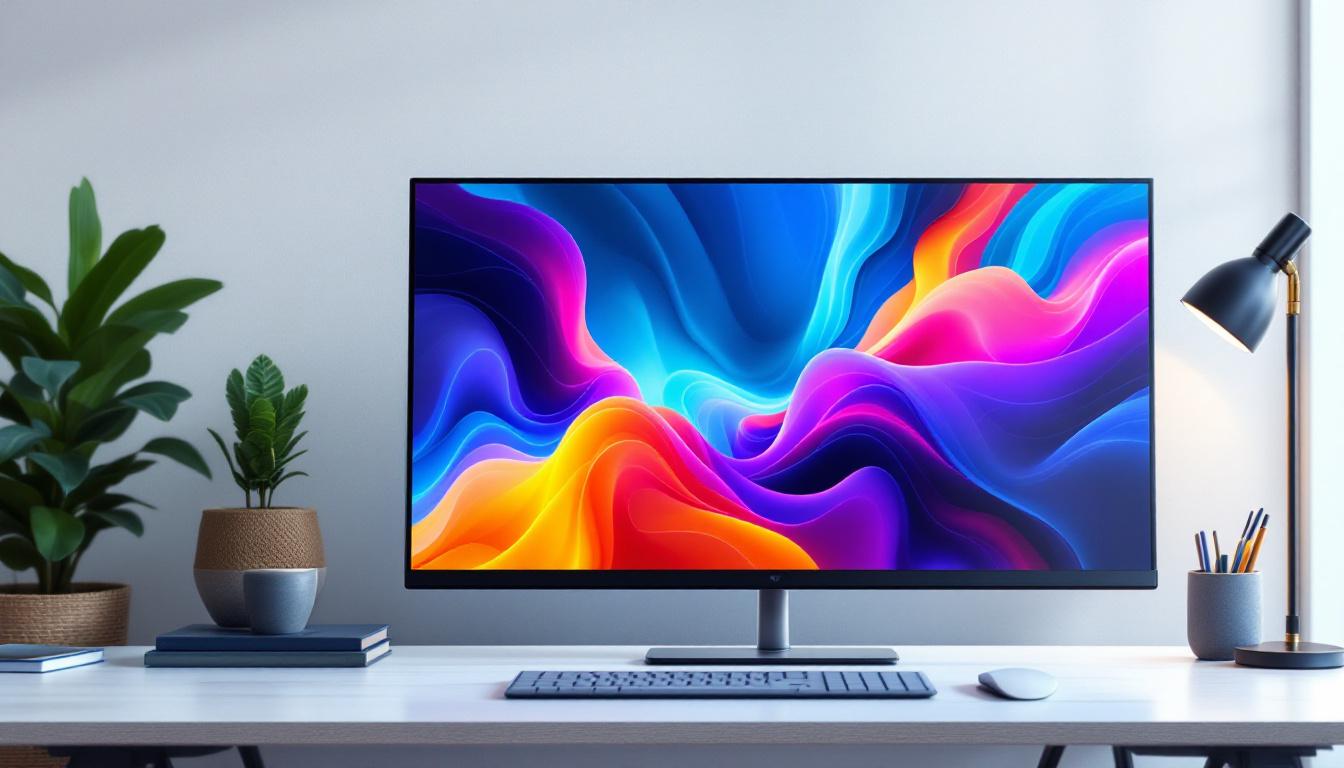
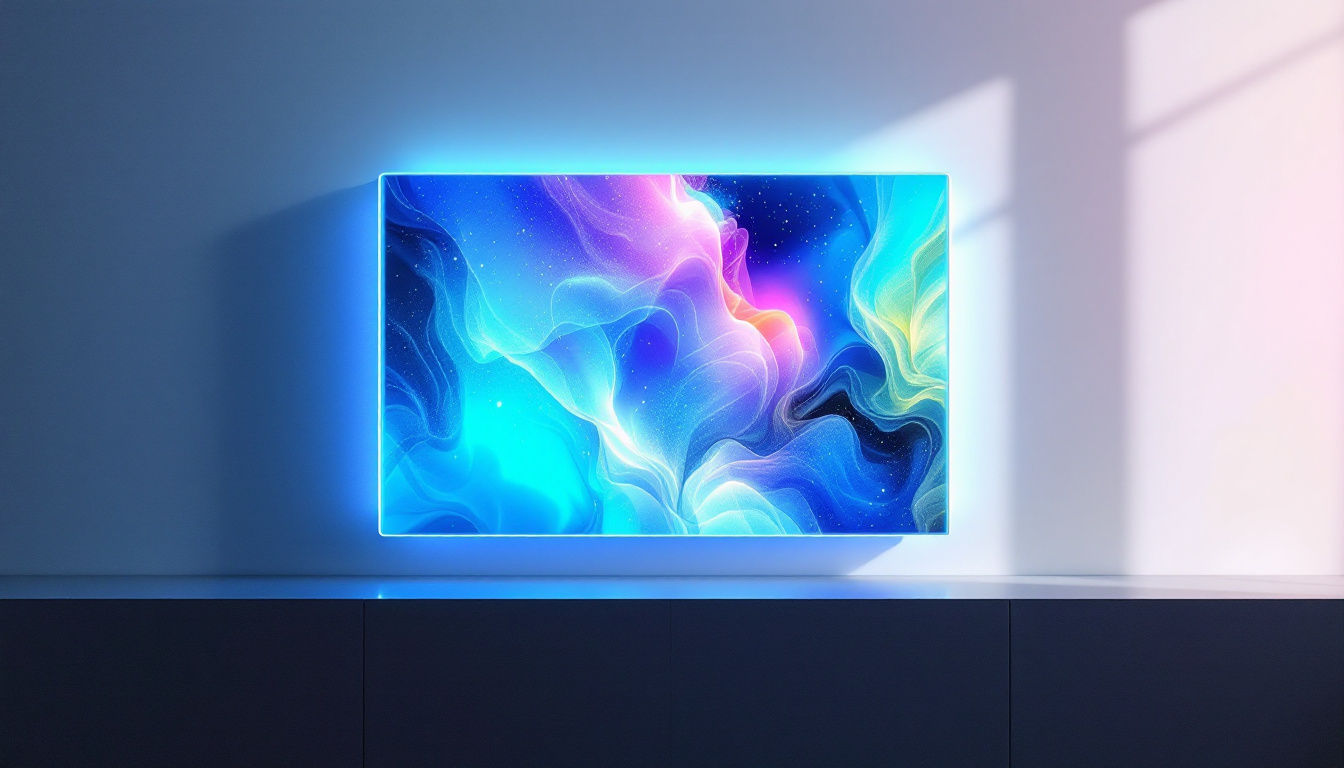
Advances in slim LED technology have made it accessible for residential applications. Homeowners use slim LED panels for ambient lighting, decorative wall displays, and home theaters. Integration with smart home systems enables customizable lighting scenes and remote control.
Choosing the Right Slim LED Display
Selecting the appropriate slim LED display requires consideration of several factors to ensure optimal performance and value.
Viewing Distance and Resolution
Understanding the typical viewing distance is crucial for choosing the right pixel pitch. For close-up viewing, a smaller pixel pitch is necessary to avoid pixelation, while larger pixel pitches suffice for displays viewed from a distance.
Brightness and Environment
Consider the ambient lighting conditions where the display will be installed. High-brightness displays are essential for outdoor or brightly lit indoor environments, whereas lower brightness levels may be adequate for dimmer spaces.
Size and Aspect Ratio
The physical size and aspect ratio of the display should align with the intended content and installation space. Customizable modular LED panels allow for flexible sizing and shapes.
Durability and Maintenance
For outdoor or high-traffic areas, ensure the display has appropriate weatherproofing and robust construction. Also, consider ease of maintenance and access for repairs.
Future Trends in Slim LED Technology
The LED industry continues to innovate, pushing the boundaries of slimness, efficiency, and functionality.
MicroLED and MiniLED Advances
Emerging technologies like MicroLED and MiniLED promise even thinner displays with higher resolution and improved color accuracy. MicroLEDs, in particular, consist of microscopic LEDs that can be individually controlled, offering superior performance for next-generation displays.
Flexible and Transparent LED Displays
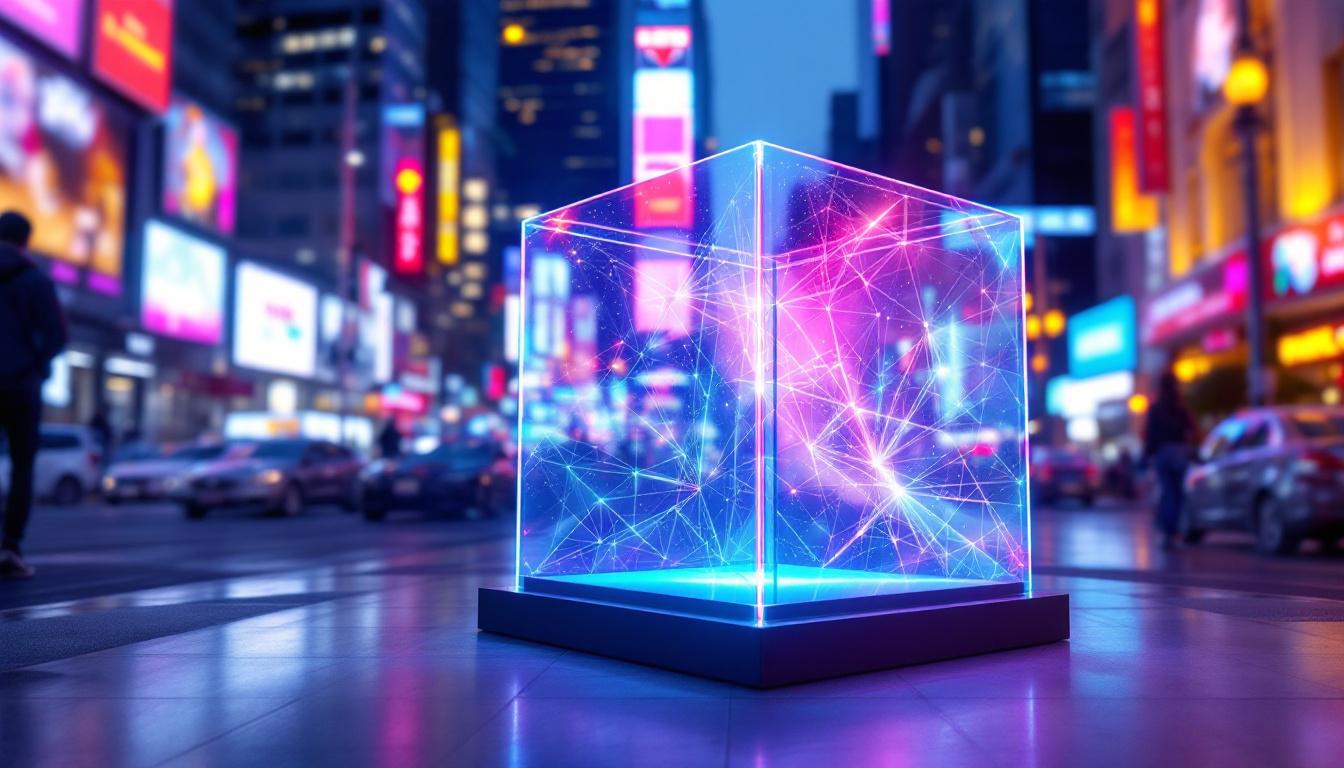
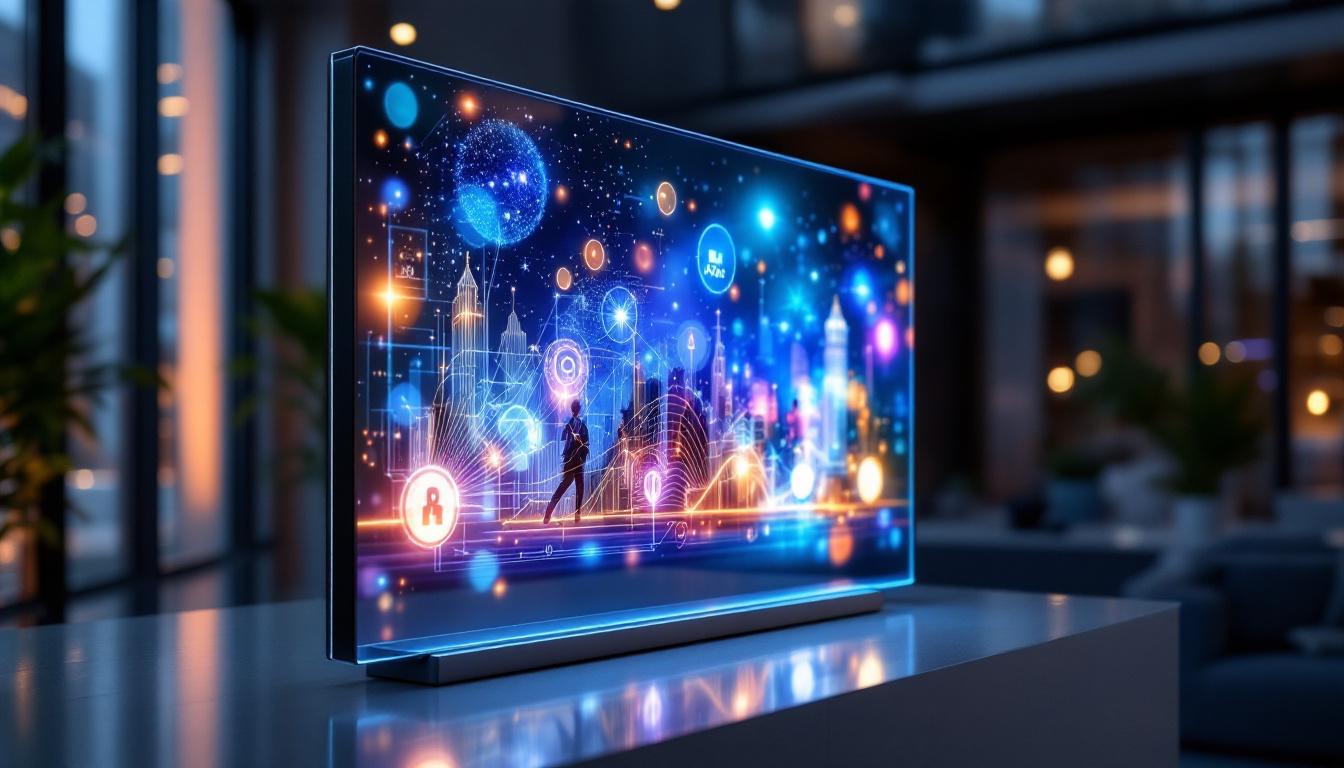
Research into flexible and transparent LED panels is opening new possibilities for creative installations. These displays can be curved, bent, or integrated into glass surfaces, expanding design options for architects and advertisers.
Integration with IoT and Smart Systems
Integration of LED displays with Internet of Things (IoT) platforms allows for real-time data-driven content, remote monitoring, and energy management. This connectivity enhances the functionality and sustainability of LED display systems.
Conclusion
Slim LED lights and displays represent a significant advancement in lighting and visual communication technology. Their combination of energy efficiency, high visual quality, and sleek design makes them ideal for a wide range of applications, from retail advertising to corporate environments and smart homes.
As LED technology continues to evolve, slim LED displays will become even more versatile and integrated into everyday life, offering new opportunities for creativity and efficiency. Understanding the key features and benefits of slim LED displays empowers businesses and consumers to leverage this technology effectively.
Whether upgrading existing signage or designing new lighting solutions, slim LED lights and displays provide a future-proof choice that balances aesthetics, performance, and sustainability.
Illuminate Your Space with LumenMatrix
Ready to elevate your visual experience with the sleek design and superior performance of slim LED lights and displays? LumenMatrix is at the forefront of LED display technology, offering a wide array of innovative solutions tailored to your needs. From captivating Indoor and Outdoor LED Wall Displays to dynamic Vehicle and Sports LED Displays, our products are designed to revolutionize your visual communication. Discover the endless possibilities with our Custom, All-in-One, and Transparent LED Displays, and see how LumenMatrix can transform your space. Check out LumenMatrix LED Display Solutions today and step into the future of lighting and display technology.