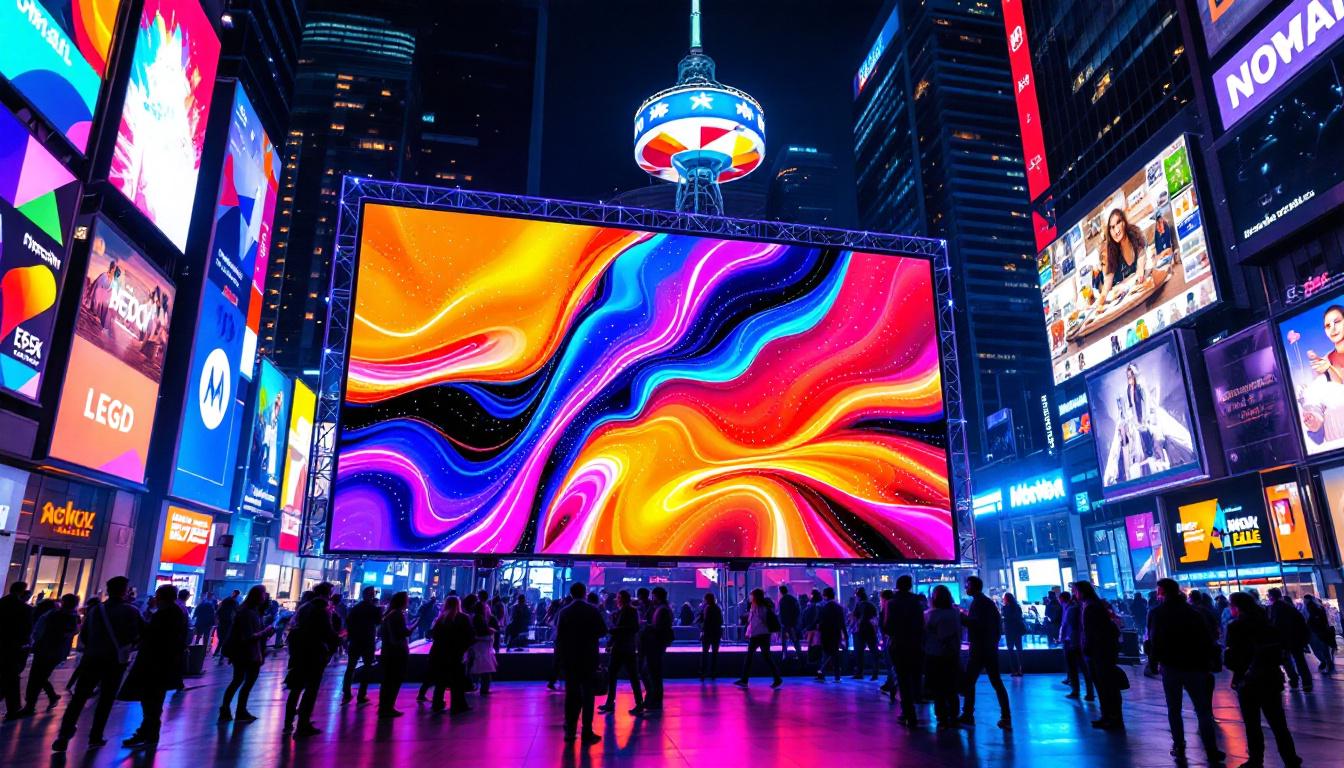
In the world of modern visual technology, display screens have evolved dramatically over the past few decades. Among the most popular and widely used types are plasma displays and LED displays. Both technologies have distinct characteristics that make them suitable for different applications, from home entertainment to large-scale advertising. This article aims to clarify the differences and similarities between plasma and LED displays, explain how they work, and explore their advantages and disadvantages. Whether you’re a consumer looking to purchase a new TV or a professional involved in digital signage, understanding these technologies will help you make informed decisions.
Understanding Plasma Displays
What is a Plasma Display?
Plasma displays, often referred to as plasma TVs, were once the go-to technology for large, high-definition screens. Introduced commercially in the late 1990s, plasma screens use small cells containing electrically charged ionized gases—plasma—to produce images. Each pixel in a plasma display is made up of three sub-pixels, which emit red, green, and blue light respectively. By controlling the intensity of these sub-pixels, the screen can produce a full spectrum of colors.
This technology is inherently different from LCD or LED displays because plasma screens emit light directly from the plasma cells themselves, rather than relying on a backlight. This direct emission allows for deeper blacks and more vibrant colors, which made plasma displays popular among home theater enthusiasts. Additionally, plasma displays are known for their ability to render smooth gradients and subtle color variations, making them ideal for watching movies and playing video games where visual fidelity is paramount.
How Plasma Displays Work
Inside a plasma display panel, millions of tiny cells filled with a mixture of noble gases (typically neon and xenon) are sandwiched between two glass panels. When an electrical current passes through these cells, the gases become ionized and form plasma. This plasma then emits ultraviolet (UV) light, which strikes phosphor coatings inside the cells. The phosphors fluoresce, emitting visible light in red, green, or blue depending on the coating.
Because each pixel is self-illuminating, plasma displays offer excellent contrast ratios and wide viewing angles. The technology also supports high refresh rates, making it suitable for fast-moving images such as sports broadcasts and video games. Moreover, plasma displays can achieve a higher brightness level than many LCDs, which enhances their performance in well-lit environments. However, they do have some drawbacks, such as susceptibility to screen burn-in, which can occur if static images are displayed for extended periods. This phenomenon is particularly relevant for users who frequently watch news channels or play video games with static HUDs (heads-up displays).
Despite these challenges, the unique characteristics of plasma technology have led to a loyal following among enthusiasts. Many users appreciate the natural color reproduction and the cinematic experience that plasma displays provide, often citing their preference for plasma over newer technologies like OLED. In fact, some argue that the rich colors and deep blacks of a plasma display create an immersive viewing experience that is hard to replicate, making them a cherished choice for dedicated home theaters.
Exploring LED Displays
What is an LED Display?
LED stands for Light Emitting Diode, a semiconductor device that emits light when an electric current passes through it. LED displays use these diodes as the primary source of light to create images. However, it’s important to distinguish between two main types of LED displays commonly found in consumer electronics: LED-backlit LCDs and direct LED displays (including OLED and microLED).
Most modern “LED TVs” are actually LCD panels that use LED backlighting instead of the older cold cathode fluorescent lamps (CCFLs). This hybrid design combines the liquid crystal display’s ability to modulate light with the efficiency and brightness of LEDs. On the other hand, direct LED displays use arrays of LEDs to form each pixel, which can be found in large outdoor screens and some high-end televisions.
How LED Displays Work
In LED-backlit LCDs, the liquid crystal layer does not emit light on its own. Instead, LEDs positioned behind or along the edges of the screen provide the backlight. The liquid crystals twist and untwist to block or allow light through color filters, creating the image. This design allows for thinner and more energy-efficient screens compared to older LCDs with CCFL backlights.
Direct LED displays, such as OLED (Organic LED) and microLED, operate differently. OLED pixels emit their own light when an electric current stimulates organic compounds, enabling extremely thin screens with perfect black levels and outstanding color accuracy. MicroLED technology, still emerging in the market, uses microscopic LEDs to achieve similar or superior performance without the organic materials’ lifespan limitations.
Comparing Plasma and LED Displays
Picture Quality and Color Accuracy
Plasma displays are renowned for their excellent color accuracy and deep blacks. Because each pixel emits its own light, plasma screens can turn off pixels completely to achieve true black, resulting in high contrast ratios. This makes them ideal for dark room viewing and cinematic experiences.
LED-backlit LCDs have improved significantly over the years, especially with technologies like local dimming, which allows sections of the backlight to dim independently. However, they still struggle to match plasma’s black levels due to light bleed. OLED displays, a type of direct LED display, surpass plasma in this regard by offering perfect blacks and vibrant colors.
Brightness and Viewing Environment
LED displays generally outperform plasma screens in terms of brightness. This makes LED TVs better suited for brightly lit rooms or outdoor use. Plasma screens can appear washed out under strong ambient light because their maximum brightness is lower. For digital signage and outdoor advertising, LED displays are the preferred choice due to their high brightness and visibility in various lighting conditions.
Energy Consumption and Lifespan
Energy efficiency is a critical factor for many consumers and businesses. Plasma displays typically consume more power than LED-backlit LCDs, especially when displaying bright images. This higher energy consumption can translate to increased operating costs over time.
In terms of lifespan, plasma screens generally have a shorter useful life compared to LED displays. The phosphors in plasma cells degrade over time, leading to reduced brightness and color accuracy. LED displays, particularly OLED and microLED, offer longer lifespans, although OLEDs can suffer from burn-in if static images are displayed for extended periods.
Screen Size and Thickness
Plasma displays were traditionally available in larger sizes, often 42 inches and above, making them suitable for home theaters and large rooms. However, they are relatively thick and heavy due to the glass panels and gas-filled cells.
LED displays, especially LED-backlit LCDs and OLEDs, can be manufactured much thinner and lighter. This has enabled the production of ultra-slim TVs and flexible displays, expanding the range of design possibilities for consumers and manufacturers alike.
Applications and Use Cases
Home Entertainment
For many years, plasma TVs were the preferred choice for home theaters due to their superior contrast and color reproduction. However, with advancements in LED technology, particularly OLED, many consumers have shifted to LED-based displays that offer similar or better picture quality with added benefits like lower power consumption and slimmer designs.
LED TVs dominate the market today, offering a wide range of sizes and price points. OLED TVs are gaining traction among enthusiasts who prioritize picture quality above all else. Plasma TVs, while still appreciated by some, have largely been phased out by manufacturers.
Commercial and Outdoor Displays
In commercial settings such as retail stores, airports, and stadiums, LED displays are the standard. Their high brightness, durability, and scalability make them ideal for digital signage and large video walls. Direct-view LED displays can be assembled in virtually any size and shape, providing flexibility for creative installations.
Plasma displays are rarely used in commercial or outdoor environments due to their lower brightness and fragility. Instead, LED technology continues to evolve, with innovations like transparent LED panels and curved LED walls expanding the possibilities for advertising and information dissemination.
Gaming and Professional Use
Gamers and professionals working in video production or graphic design often seek displays with fast response times, accurate colors, and high refresh rates. Plasma displays historically offered excellent motion handling, but modern LED displays with high refresh rates and low input lag have largely surpassed plasma in this area.
OLED displays are particularly favored by professionals for their color accuracy and wide color gamut. Additionally, LED-backlit LCDs with advanced features such as HDR (High Dynamic Range) support provide vibrant visuals that enhance gaming and creative workflows.
Future Trends in Display Technology
The Decline of Plasma and Rise of LED Variants
Plasma technology has seen a steady decline since the early 2010s, with major manufacturers discontinuing plasma TV production by the mid-2010s. The reasons include high manufacturing costs, energy consumption, and competition from LED-based technologies that offer comparable or superior performance.
LED displays, including LCD-LED, OLED, and emerging microLED technologies, continue to dominate the market. MicroLED, in particular, promises to combine the best features of plasma and OLED—perfect blacks, high brightness, long lifespan, and energy efficiency—potentially revolutionizing the industry in the coming years.
Innovations in LED Technology
Recent advances in LED technology focus on improving brightness, color accuracy, and energy efficiency. Quantum dot LED (QLED) displays, which use quantum dots to enhance color reproduction, have become popular in mid-to-high-end TVs. These displays offer brighter images and wider color gamuts than traditional LED-backlit LCDs.
Flexible and transparent LED displays are also gaining attention, opening new possibilities for design and interactivity in consumer electronics and commercial applications. As manufacturing techniques improve, these innovative displays will become more affordable and widespread.
Conclusion: Choosing Between Plasma and LED Displays
While plasma displays once set the standard for high-quality visuals, their relevance has diminished in the face of rapid advancements in LED display technology. Today, LED displays—whether LED-backlit LCDs, OLEDs, or emerging microLEDs—offer superior brightness, energy efficiency, and design versatility.
For consumers, the choice often comes down to usage environment, budget, and personal preferences regarding picture quality. Those seeking deep blacks and cinematic color may lean towards OLED displays, while those needing bright screens for well-lit rooms or outdoor applications will find LED-backlit LCDs or direct-view LED panels more suitable.
Understanding the fundamental differences between plasma and LED displays empowers buyers and professionals to select the right technology for their specific needs, ensuring an optimal viewing experience and long-term satisfaction.
Discover LumenMatrix’s Advanced LED Display Solutions
As you consider the transition from plasma to LED displays, explore the future of visual technology with LumenMatrix. Our innovative LED display modules are designed to meet a variety of needs, from enhancing brand visibility to creating immersive environments. Whether you’re interested in Indoor LED Walls, Outdoor Displays, or specialized solutions like Vehicle and Sports Displays, LumenMatrix has the expertise to bring your vision to life. Experience the revolution in visual communication and check out LumenMatrix LED Display Solutions today to see how we can empower your business with our state-of-the-art products.