In today’s fast-paced world, capturing consumer attention is more challenging than ever. Digital advertising displays, particularly LED displays, have emerged as powerful tools for brands and businesses to communicate messages dynamically and effectively. This article delves into the technology behind LED displays, their advantages, applications, and why they have become a cornerstone in modern digital advertising strategies.
Understanding LED Display Technology
LED stands for Light Emitting Diode, a semiconductor device that emits light when an electric current passes through it. LED displays use thousands, sometimes millions, of these tiny diodes arranged in a grid to create images, videos, and animations. Unlike traditional displays that rely on backlighting, LEDs produce their own light, resulting in brighter and more vibrant visuals. This self-illuminating feature not only enhances the overall quality of the display but also contributes to energy efficiency, making LED technology a preferred choice for both commercial and residential applications.
How LED Displays Work
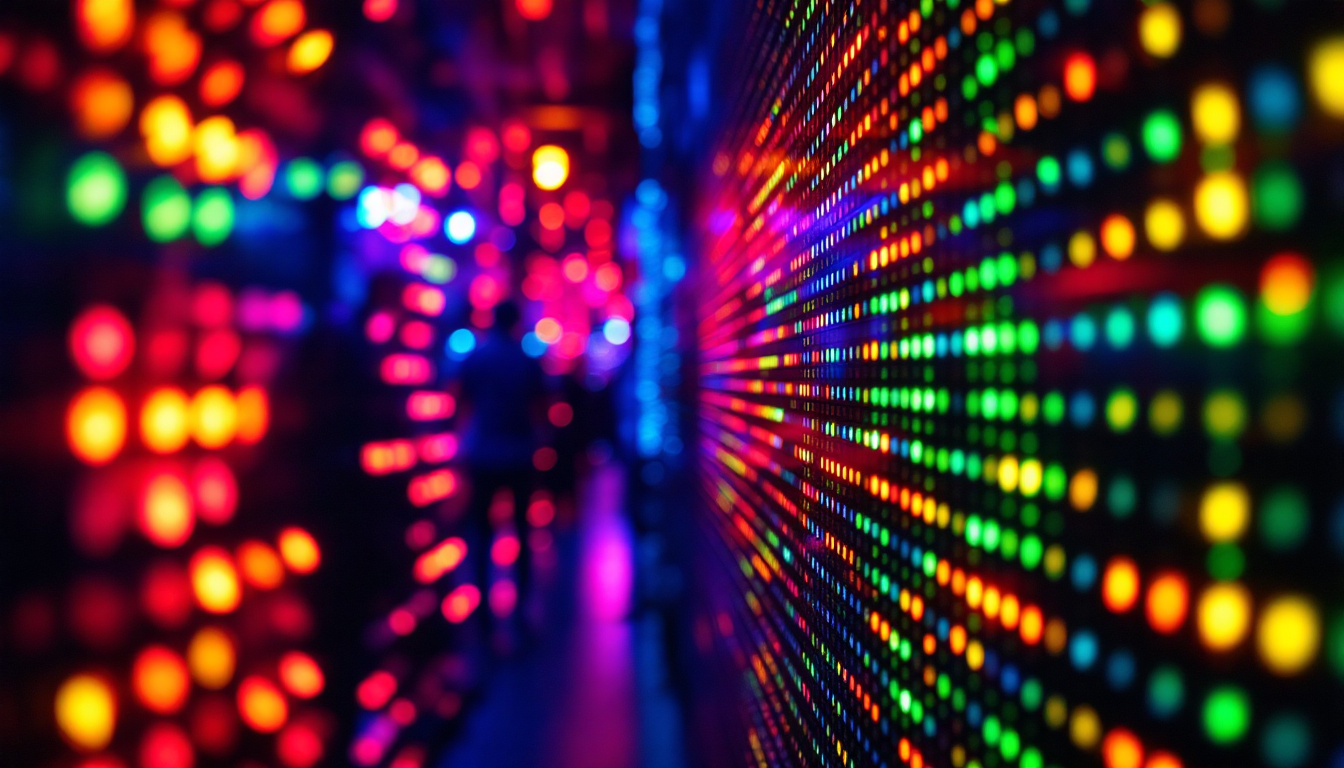
Each LED in the display can be controlled individually to emit different colors and brightness levels. These LEDs are typically grouped into pixels, with each pixel comprising red, green, and blue diodes. By adjusting the intensity of these three colors, the display can render a full spectrum of colors. This method, known as RGB color mixing, allows for detailed and vivid imagery. The precision with which these colors can be manipulated enables LED displays to showcase everything from simple text to complex animations, making them versatile tools for communication and advertising.
The resolution of an LED display depends on the pixel pitch—the distance between the centers of two adjacent pixels. Smaller pixel pitches mean higher resolution and sharper images, which is crucial for displays viewed at close range, such as indoor advertising screens. Conversely, larger pixel pitches are suitable for outdoor billboards where viewers are farther away. The advancements in pixel technology have also led to the development of ultra-high-definition displays, which provide an even more immersive viewing experience, essential for applications like sports broadcasting and live events.
Types of LED Displays
LED displays come in various forms tailored to different advertising needs:
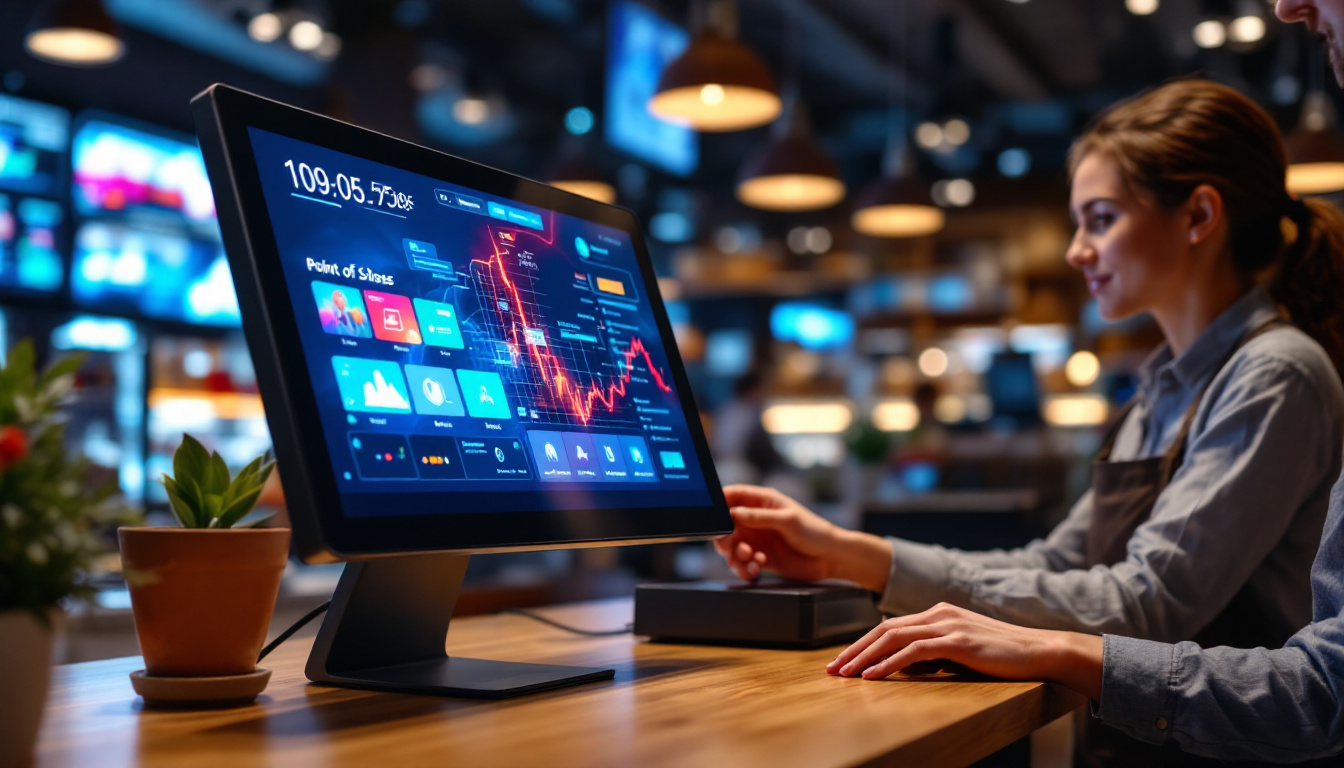
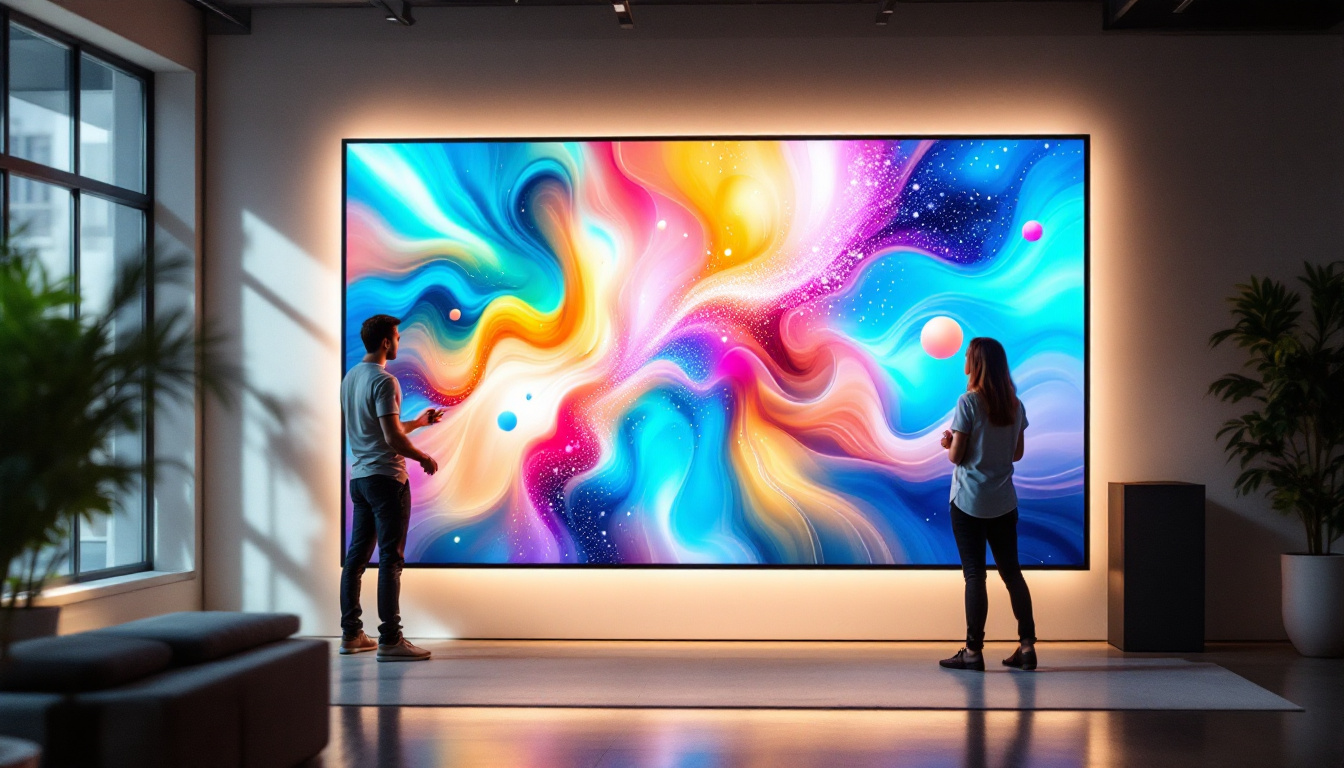
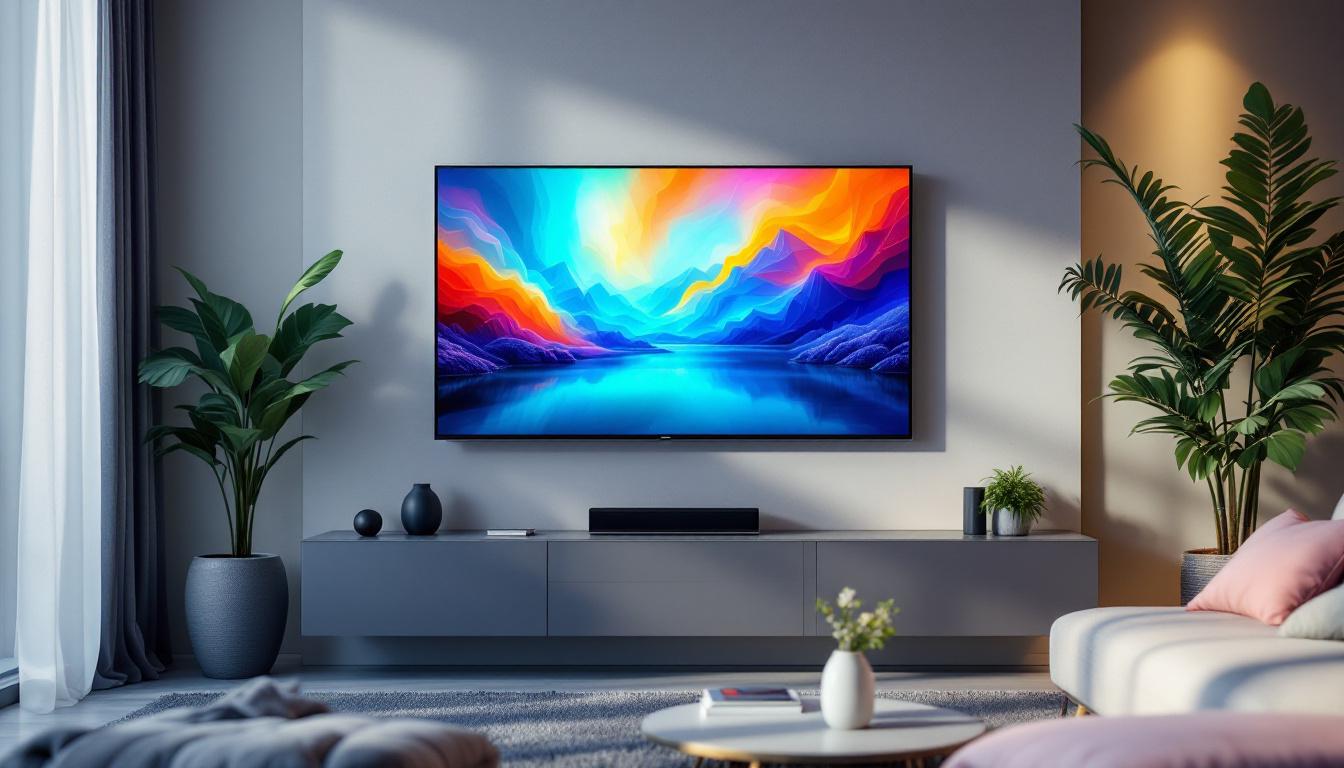
- Indoor LED Displays: Designed for environments like shopping malls, airports, and retail stores. These displays have finer pixel pitches for high-resolution content and operate at lower brightness levels suitable for indoor lighting. Their ability to display dynamic content makes them ideal for engaging customers and enhancing the shopping experience.
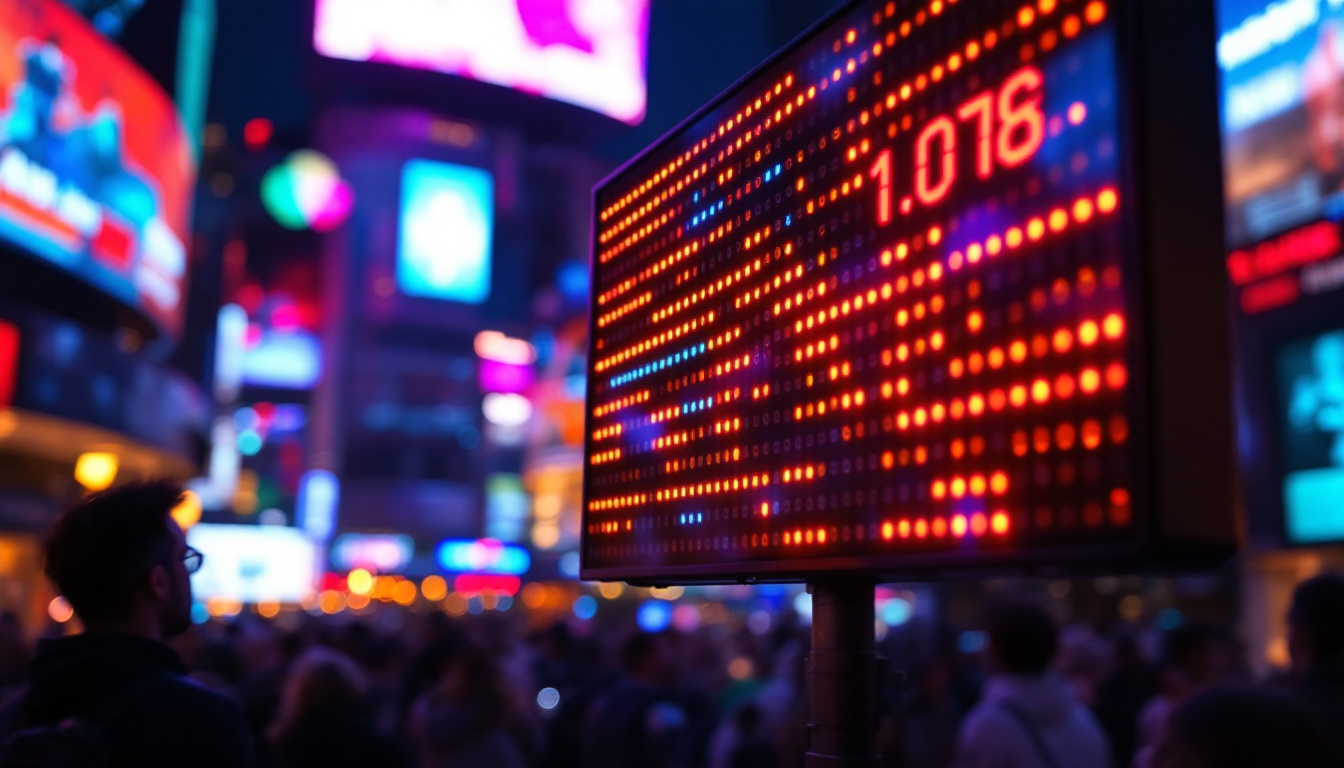
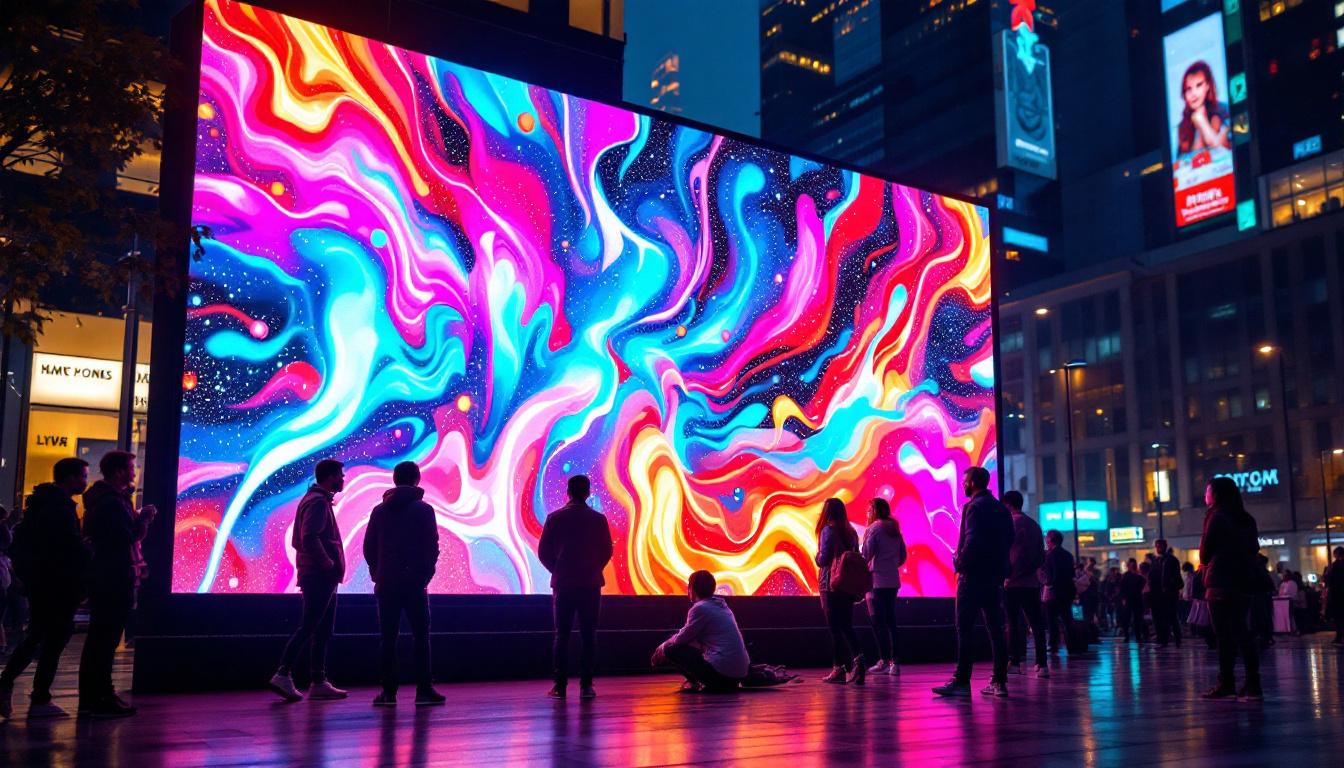
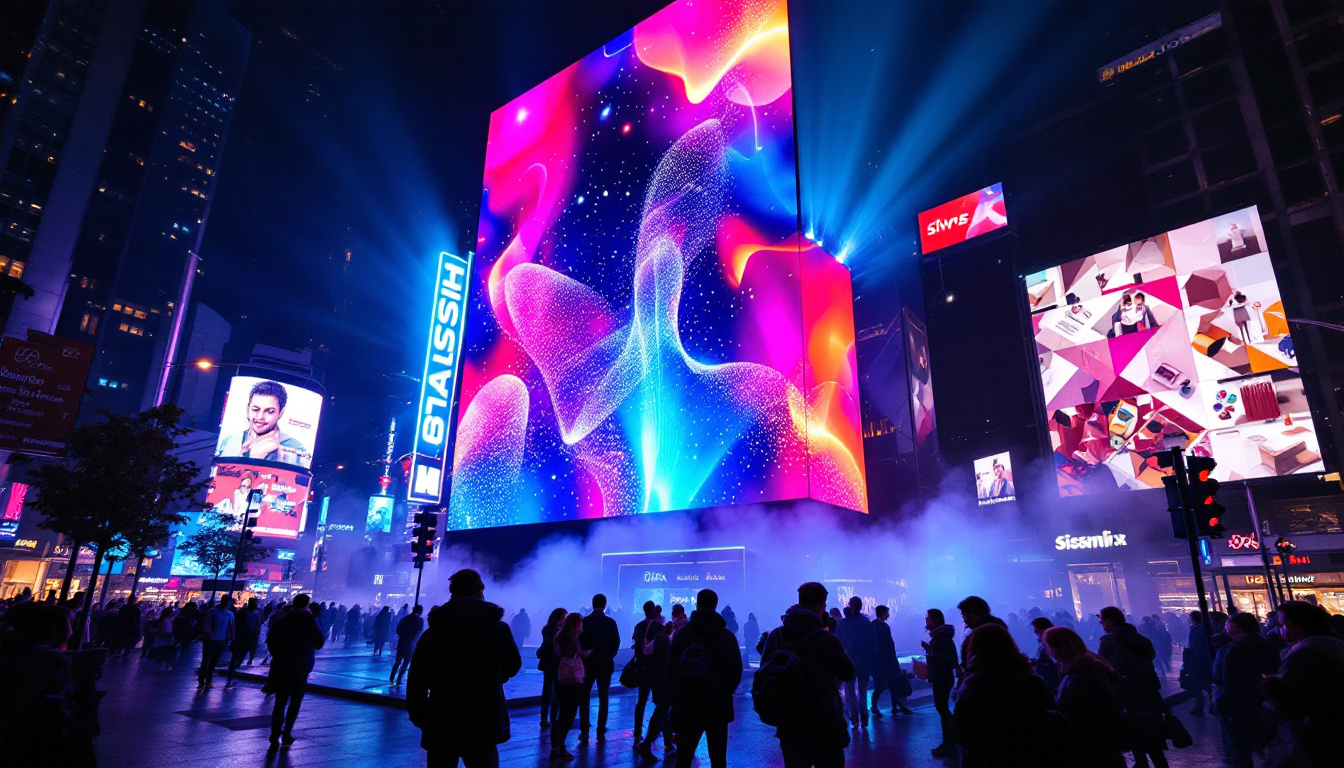
- Outdoor LED Displays: Built to withstand weather conditions and deliver high brightness to combat sunlight glare. These are commonly used for billboards, stadiums, and public squares. Their durability and visibility ensure that advertisements can be seen clearly from a distance, maximizing impact and reach.
- Transparent LED Displays: These innovative screens allow light to pass through, making them ideal for glass storefronts and windows, enabling advertising without obstructing the view. This technology not only promotes products but also maintains the aesthetic appeal of the space, merging functionality with design.
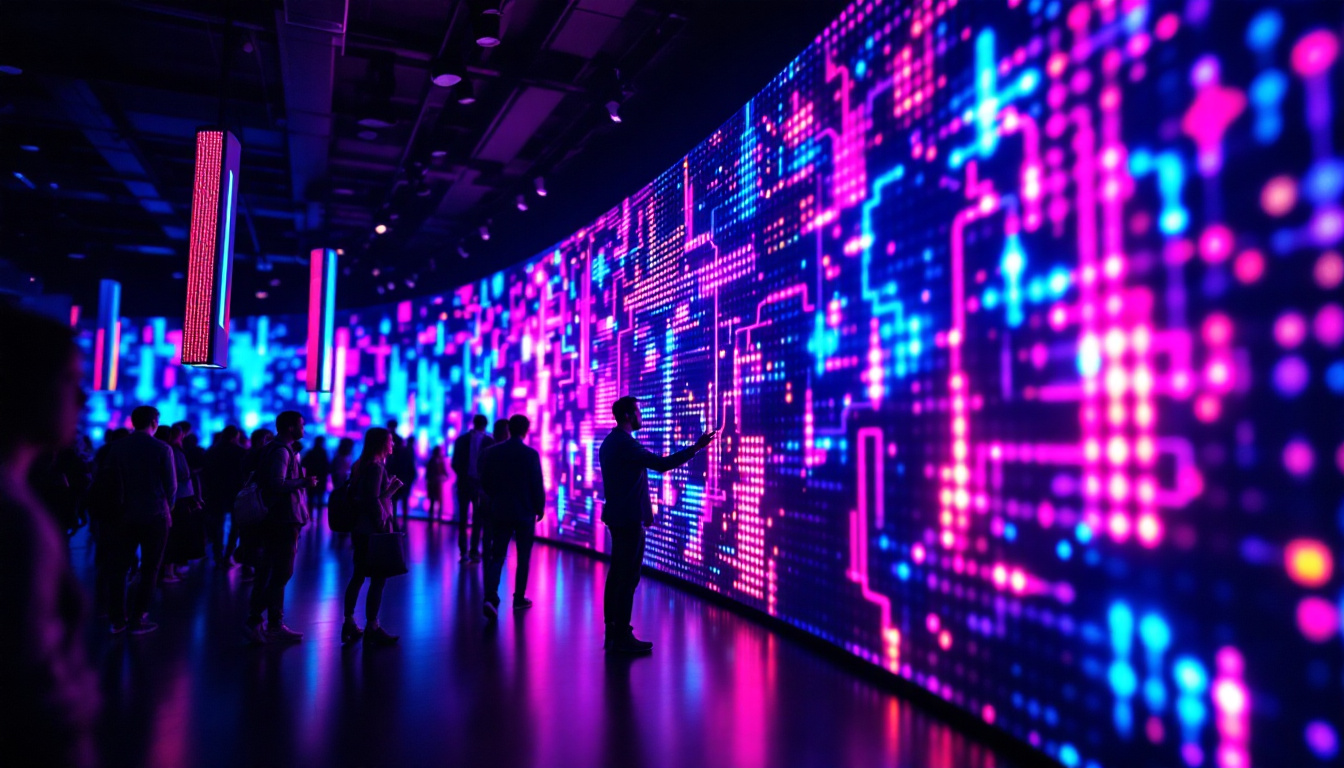
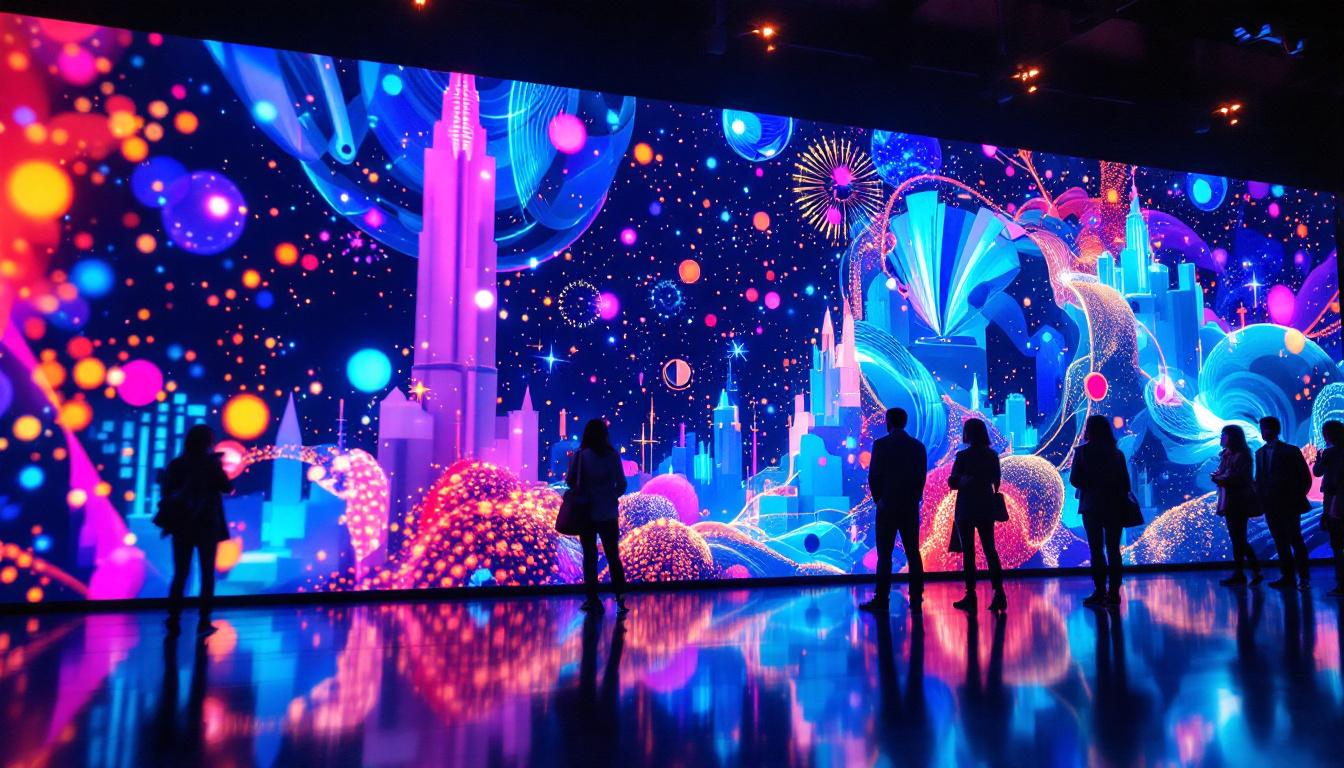
- Flexible and Curved LED Displays: Offering creative freedom, these displays can wrap around structures or be shaped into unique forms, enhancing visual impact. Their adaptability allows for immersive experiences in environments like museums, exhibitions, and themed attractions, where traditional flat screens would be less effective.
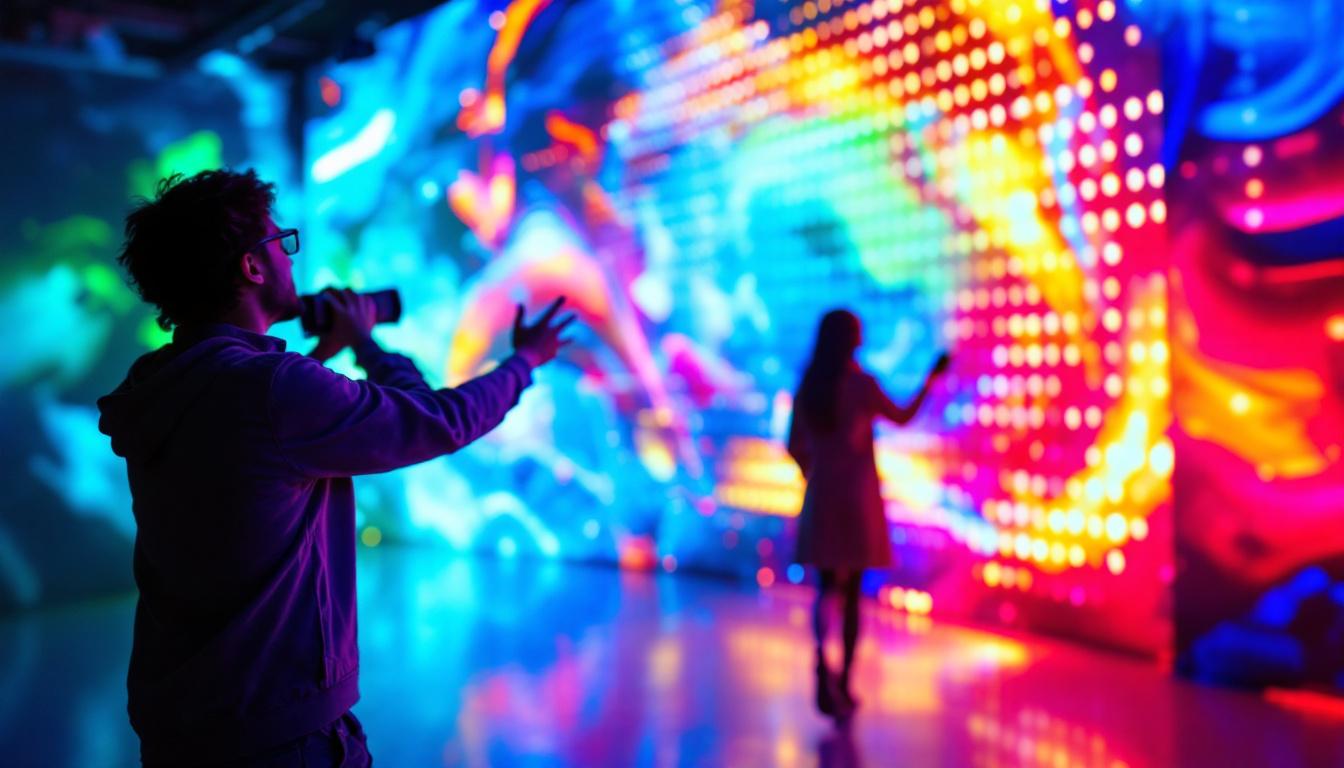
As LED technology continues to evolve, we are witnessing the emergence of even more innovative applications, such as interactive displays that respond to touch or movement. This interactivity adds a layer of engagement that traditional displays cannot offer, making them increasingly popular in both retail and entertainment sectors. Furthermore, the integration of smart technology into LED displays allows for real-time content updates and data-driven advertising, ensuring that the messages are not only visually appealing but also relevant to the audience at any given moment.
The Advantages of LED Displays in Digital Advertising
LED displays have revolutionized digital advertising by offering several distinct benefits over traditional static signs and other digital display technologies.
High Visibility and Brightness
One of the most significant advantages of LED displays is their brightness. Outdoor LED screens can reach brightness levels of up to 5,000 nits or more, ensuring visibility even in direct sunlight. This makes them ideal for roadside billboards and public spaces where lighting conditions vary throughout the day.
Indoor LED displays, while less bright, still outperform LCD and projection screens in terms of clarity and color vibrancy, drawing attention in busy retail environments. The ability to adjust brightness levels automatically based on ambient light conditions further enhances their effectiveness, ensuring that the content remains eye-catching at all times. This adaptability is crucial for businesses looking to maximize their visibility and engagement with potential customers.
Dynamic and Engaging Content
LED displays enable advertisers to showcase dynamic content including videos, animations, live feeds, and interactive elements. This flexibility allows for real-time updates, targeted messaging, and seasonal campaigns without the need for physical replacements. For example, a restaurant can change its menu display based on the time of day or promote special offers instantly.
Moreover, the interactivity of LED displays can significantly enhance customer engagement. Touchscreen capabilities allow users to interact with the content, whether it’s browsing a product catalog or participating in a promotional game. This level of engagement not only captures attention but also encourages customers to spend more time in front of the display, increasing the likelihood of a purchase.
Energy Efficiency and Longevity
Compared to older technologies like neon or incandescent lighting, LEDs consume significantly less power, reducing operational costs. Additionally, LED displays have a long lifespan, often exceeding 100,000 hours of use, which translates to years of reliable service before replacement is necessary.
The energy efficiency of LED technology also contributes to a reduced carbon footprint, making it an environmentally friendly choice for businesses looking to promote sustainability. As more companies adopt green practices, utilizing LED displays not only aligns with these values but can also enhance a brand’s image as a forward-thinking and responsible entity.
Cost-Effectiveness Over Time
While the initial investment in LED display technology can be higher than traditional signage, the durability, low maintenance, and ability to update content digitally make it a cost-effective solution in the long run. Businesses can avoid recurring printing and installation costs associated with static advertisements.
Additionally, the potential for increased sales and customer engagement through the use of LED displays can offset the initial costs. With the ability to analyze viewer engagement through data analytics, businesses can fine-tune their advertising strategies, ensuring that they are not only reaching their target audience but also maximizing their return on investment. This strategic approach to advertising can lead to higher conversion rates and ultimately, greater profitability.
Applications of LED Displays in Advertising
LED displays have found widespread use across various industries and advertising scenarios due to their versatility and impact.
Retail and Shopping Centers
Retailers leverage LED displays to enhance the shopping experience by promoting products, announcing sales, and creating immersive brand environments. For instance, fashion brands use large LED walls to showcase runway videos and seasonal collections, attracting customers and encouraging engagement.
Transportation Hubs and Public Spaces
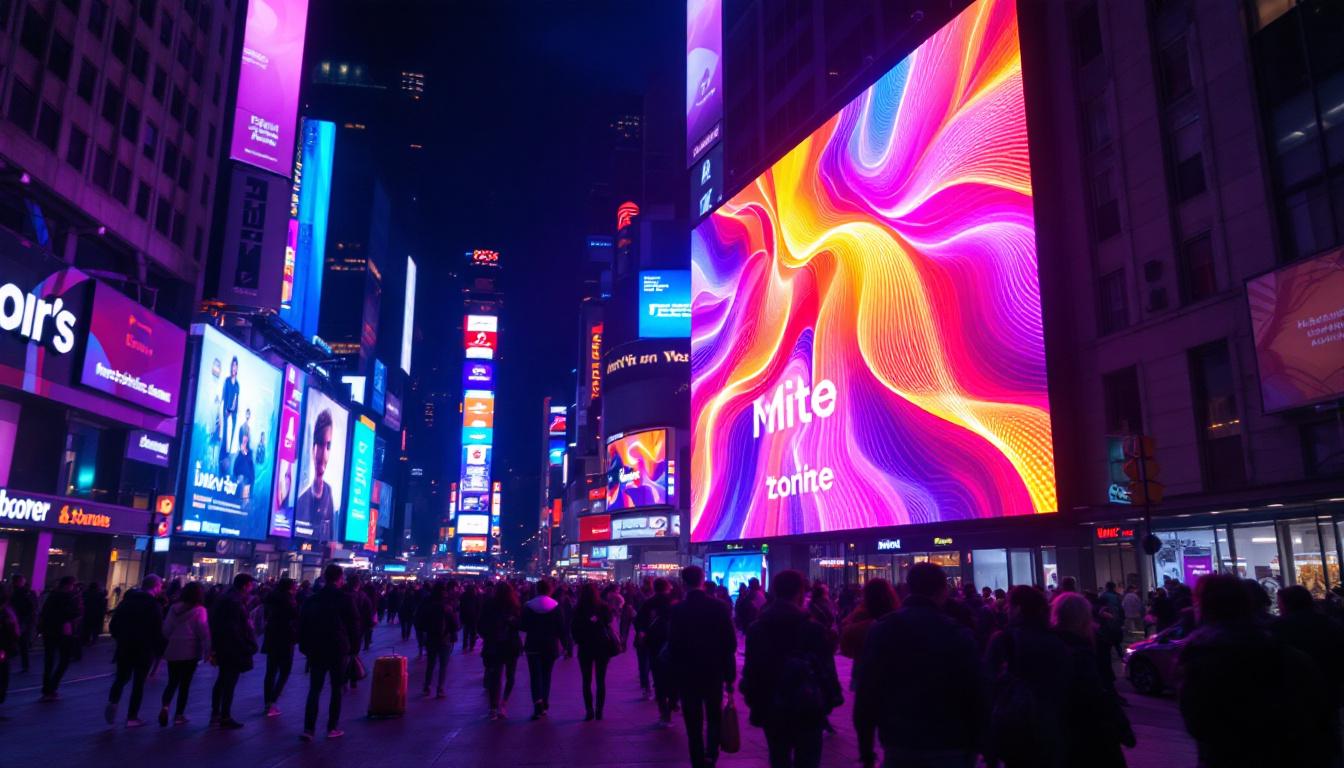
Airports, train stations, and bus terminals utilize LED displays for wayfinding, announcements, and advertising. The ability to update content in real-time is crucial in these fast-moving environments. Moreover, outdoor LED billboards in urban areas capture the attention of commuters and pedestrians, delivering high-impact advertising messages.
Sports and Entertainment Venues
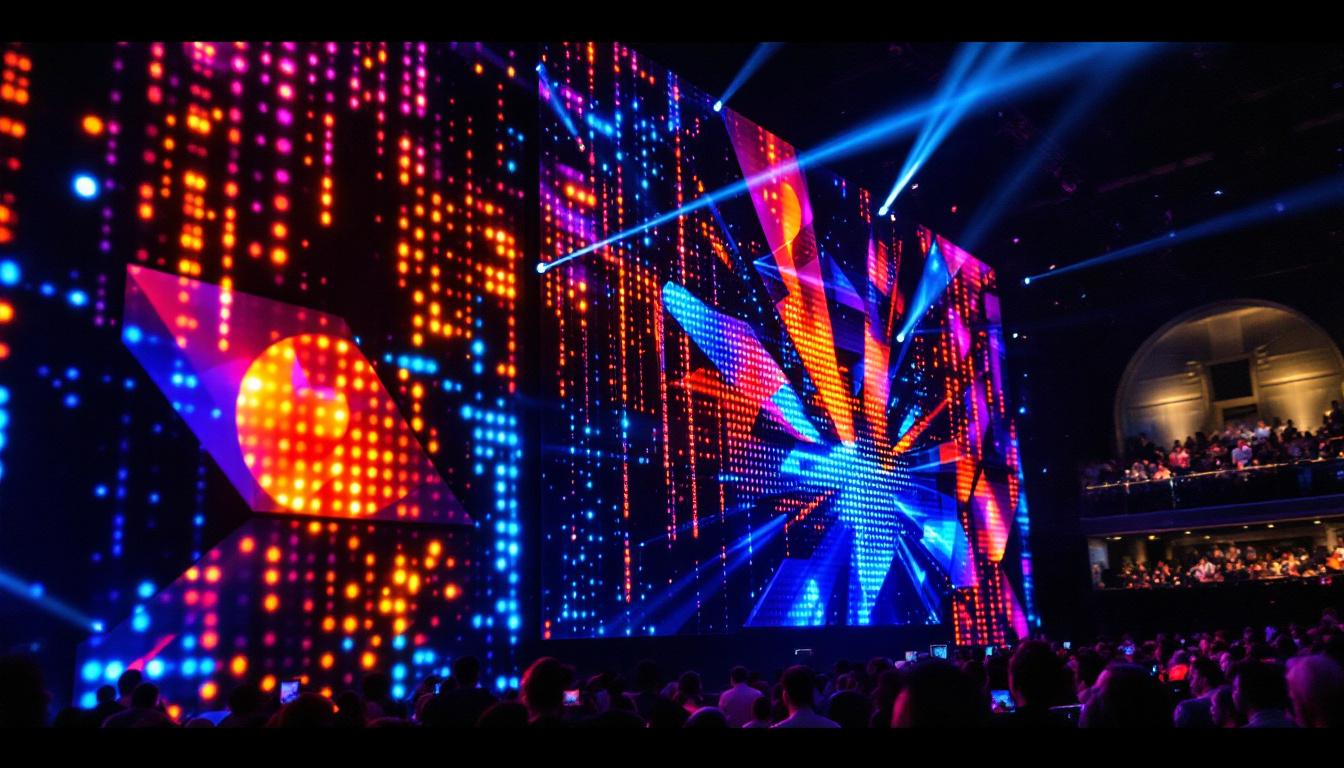
Stadiums and arenas incorporate massive LED screens to display live game footage, advertisements, and interactive content. These displays enhance the spectator experience while providing lucrative advertising opportunities during events.
Corporate and Event Marketing
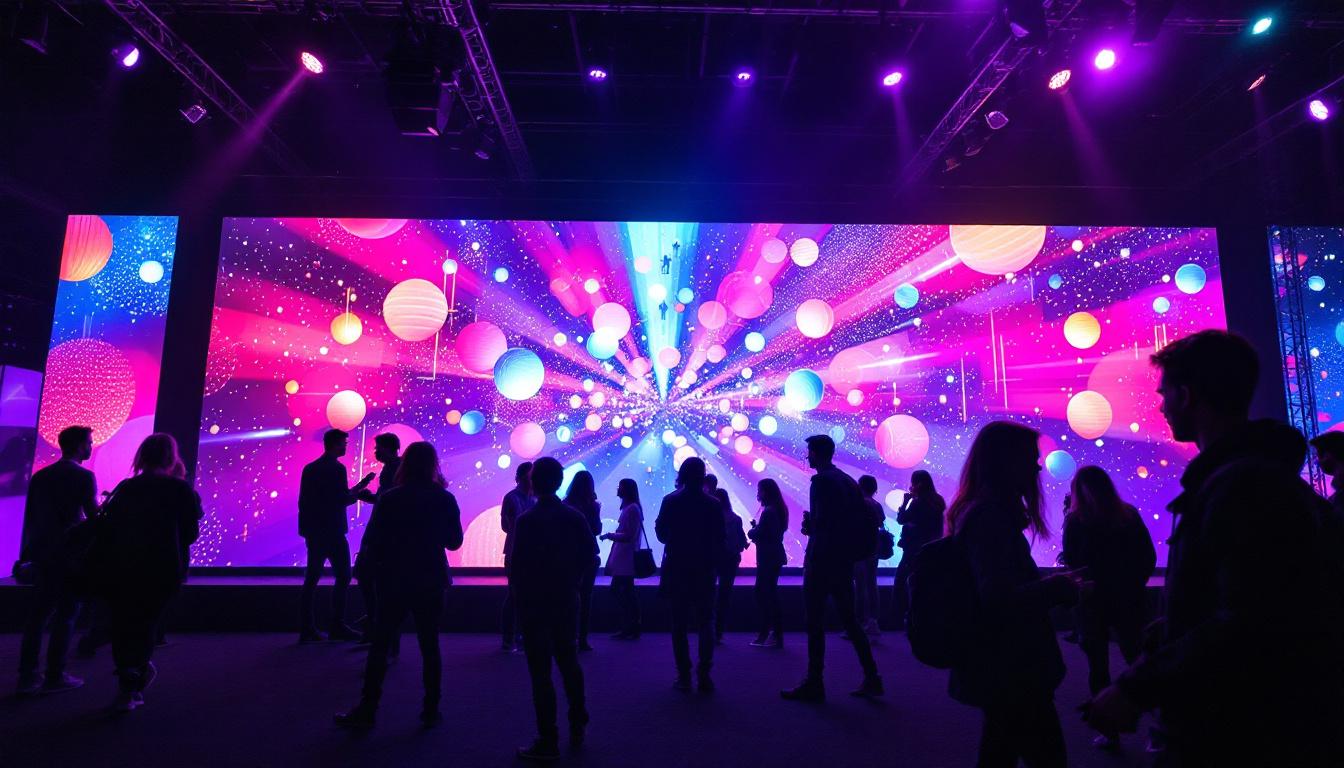
Businesses use LED displays at conferences, trade shows, and corporate events to showcase products, presentations, and branding. The flexibility to customize content and the visual appeal of LED screens help companies stand out in competitive environments.
Key Considerations When Choosing an LED Display for Advertising
Selecting the right LED display involves evaluating several factors to ensure it meets the specific needs of the advertising campaign and environment.
Location and Viewing Distance
The intended location of the display heavily influences the choice of pixel pitch and brightness. For example, a display inside a retail store viewed from a few feet away requires a much finer pixel pitch than a roadside billboard seen from hundreds of feet.
Content Type and Resolution
High-resolution content demands displays with smaller pixel pitches to maintain image clarity. Advertisers should consider the types of content they plan to show—whether static images, video, or interactive elements—to select a display capable of rendering these effectively.
Environmental Durability
Outdoor displays must be weatherproof, resistant to dust, moisture, and temperature fluctuations. Certifications like IP65 or higher indicate the level of protection. Indoor displays, while not exposed to harsh elements, should still be robust enough to handle continuous operation.
Installation and Maintenance
The complexity of installation varies with display size and type. Modular LED panels facilitate easier installation and maintenance, allowing for quick repairs or upgrades. Businesses should also consider the availability of technical support and warranty services.
The Future of LED Displays in Digital Advertising
As technology advances, LED displays continue to evolve, offering new possibilities for advertisers.
Integration with AI and Data Analytics
Future LED advertising displays are expected to incorporate artificial intelligence to deliver personalized content based on audience demographics, behavior, and environmental factors. For example, a digital billboard could change its advertisement dynamically depending on the time of day, weather, or traffic conditions.
Improved Energy Efficiency and Sustainability
Manufacturers are developing LED displays with even lower power consumption and environmentally friendly materials. This aligns with growing corporate responsibility goals and consumer demand for sustainable advertising practices.
Enhanced Interactivity
Interactive LED displays that respond to gestures, touch, or mobile device inputs will become more prevalent, creating engaging experiences that foster deeper consumer connections and brand loyalty.
Conclusion
LED displays have transformed digital advertising by combining technological innovation with creative flexibility. Their ability to deliver bright, dynamic, and engaging content makes them indispensable for businesses aiming to capture attention and communicate effectively in diverse environments.
Understanding the technology, advantages, and applications of LED displays empowers advertisers to make informed decisions that maximize impact and return on investment. As LED technology continues to advance, its role in shaping the future of advertising will undoubtedly grow, offering exciting opportunities for brands to connect with audiences in meaningful ways.
Discover LumenMatrix’s Innovative LED Solutions
Ready to elevate your advertising strategy with the latest in LED display technology? LumenMatrix is at the forefront of creating immersive visual experiences that captivate and engage. From vibrant Indoor and Outdoor LED Wall Displays to dynamic Vehicle and Sports LED Displays, our extensive range of solutions is designed to meet your unique needs. Whether you’re looking for a Custom LED Display, a sleek LED Poster, or an All-in-One solution, we have the cutting-edge technology to bring your vision to life. Experience the future of visual communication with our LED Transparent and Floor Displays that promise to transform any space. Don’t miss the opportunity to enhance your brand’s visibility and impact. Check out LumenMatrix LED Display Solutions and join the revolution in digital advertising.