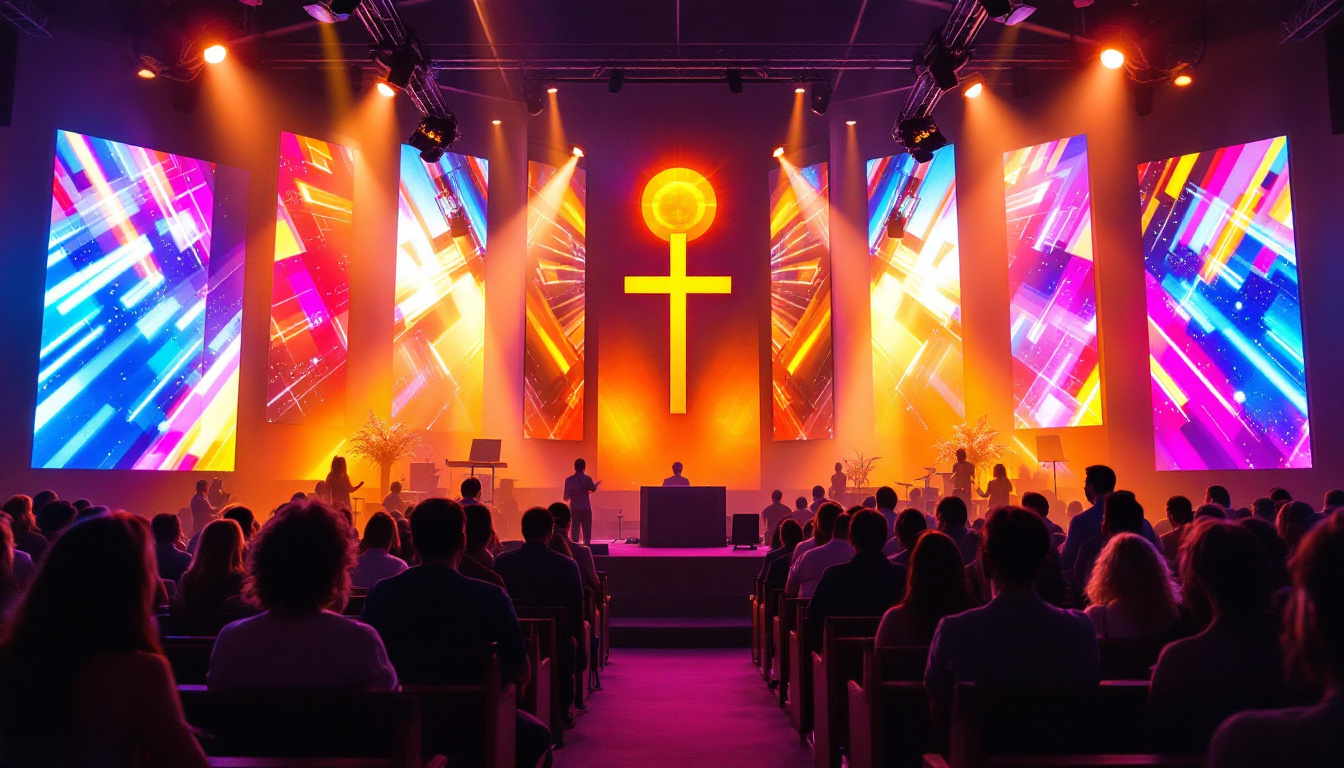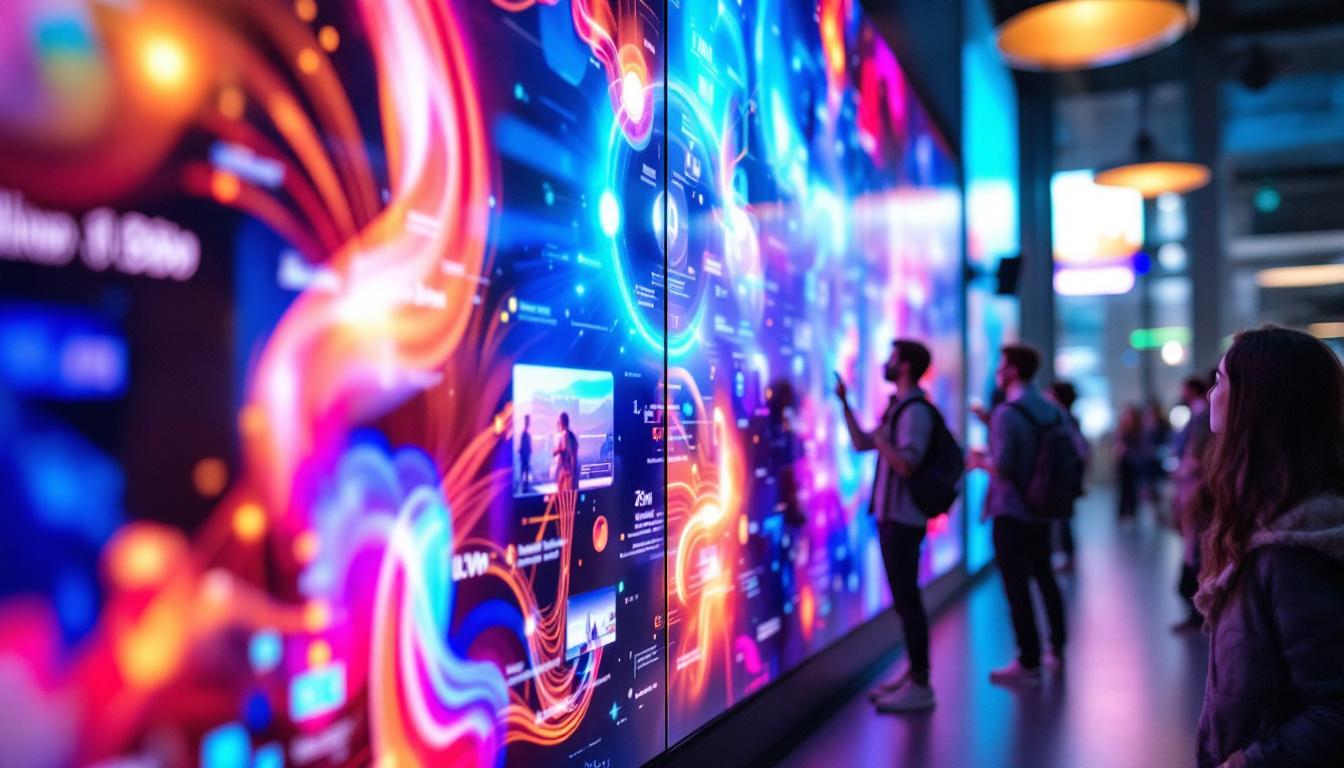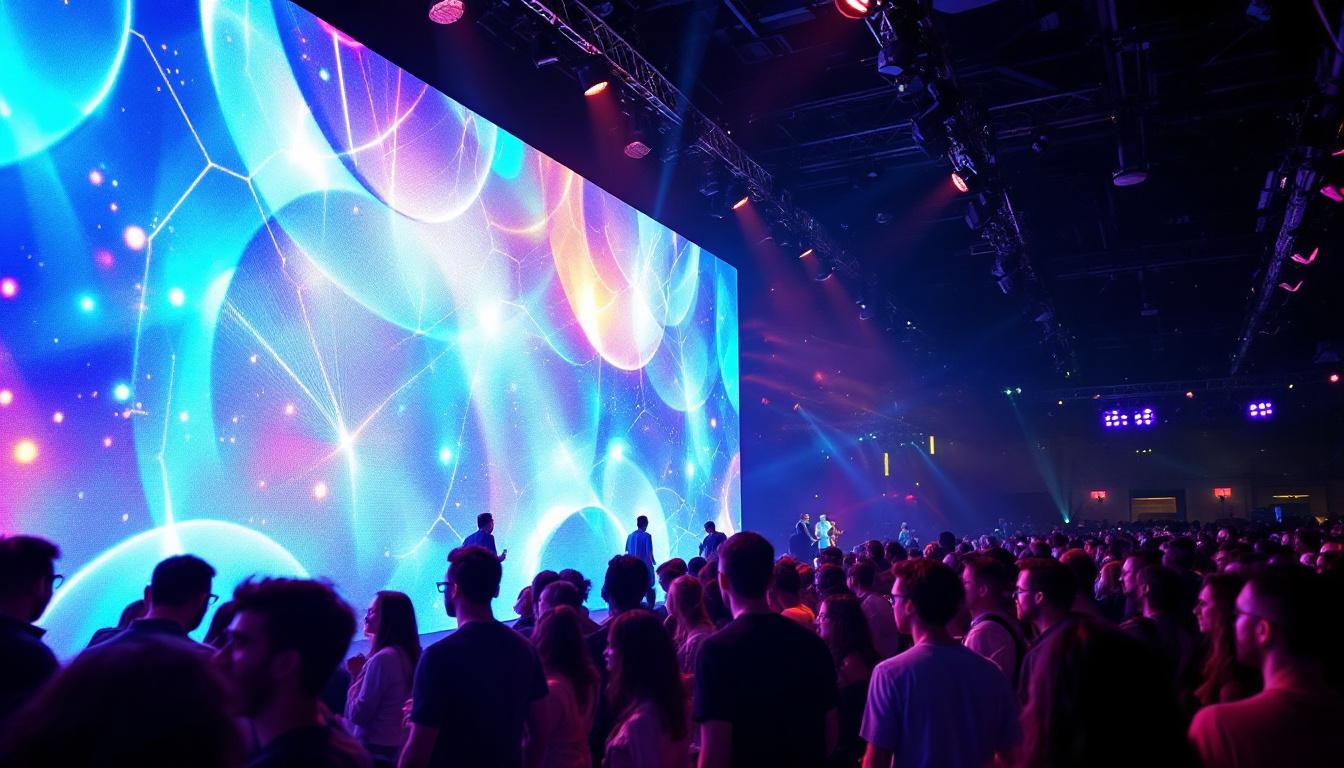
In the world of event production, visual impact is everything. Whether it’s a corporate conference, a music festival, a product launch, or a theatrical performance, the backdrop sets the tone and atmosphere for the entire experience. Over the past decade, LED display technology has revolutionized how event backdrops are designed and implemented, offering unparalleled flexibility, brightness, and engagement. This article delves into the essentials of LED displays as event backdrops, exploring their technology, benefits, applications, and key considerations for event planners and production teams.
Understanding LED Display Technology
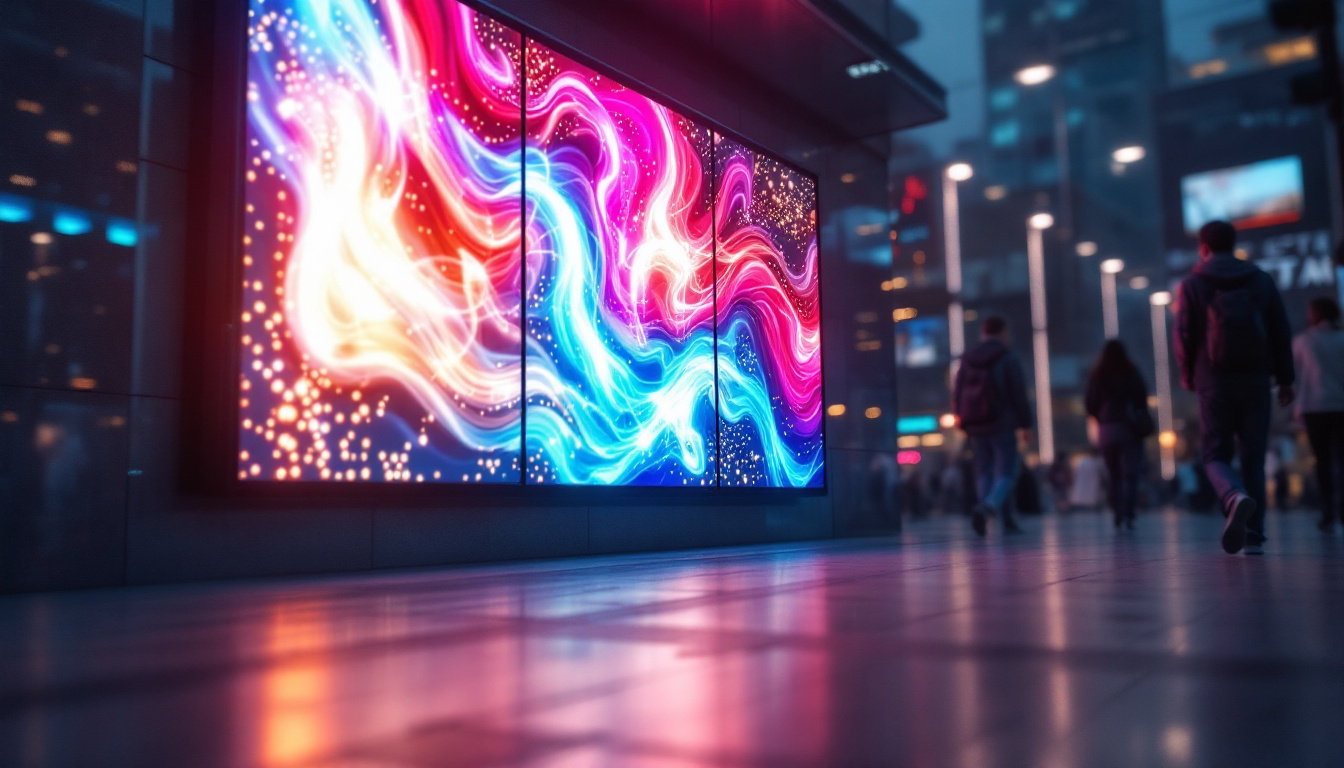
LED, or Light Emitting Diode, displays are composed of thousands of tiny diodes that emit light when an electric current passes through them. Unlike traditional projection or printed backdrops, LED displays produce their own light, resulting in vivid colors and high contrast even in brightly lit environments. This self-illuminating characteristic not only enhances visibility but also allows for dynamic content that can change in real-time, making them an attractive option for engaging audiences during events.
Modern event LED backdrops typically use modular panels that can be seamlessly connected to create large, customizable screens. These panels contain arrays of LEDs arranged in various pixel pitches, which refers to the distance between the centers of two adjacent pixels. The smaller the pixel pitch, the higher the resolution and clarity, especially important for close viewing distances. This flexibility in design enables event planners to tailor the backdrop to fit specific themes or branding requirements, ensuring that the visual experience is both memorable and impactful.
Advancements in LED technology have led to thinner, lighter panels with improved energy efficiency and longer lifespans. For example, the latest indoor LED panels can achieve pixel pitches as fine as 0.9mm, delivering crystal-clear images suitable for corporate events and exhibitions. Furthermore, these innovations have made it possible to integrate LED displays into various surfaces, such as walls and ceilings, creating immersive environments that captivate attendees and enhance the overall atmosphere of an event.
Types of LED Displays for Event Backdrops
There are several types of LED displays commonly used as event backdrops, each suited to different environments and purposes:
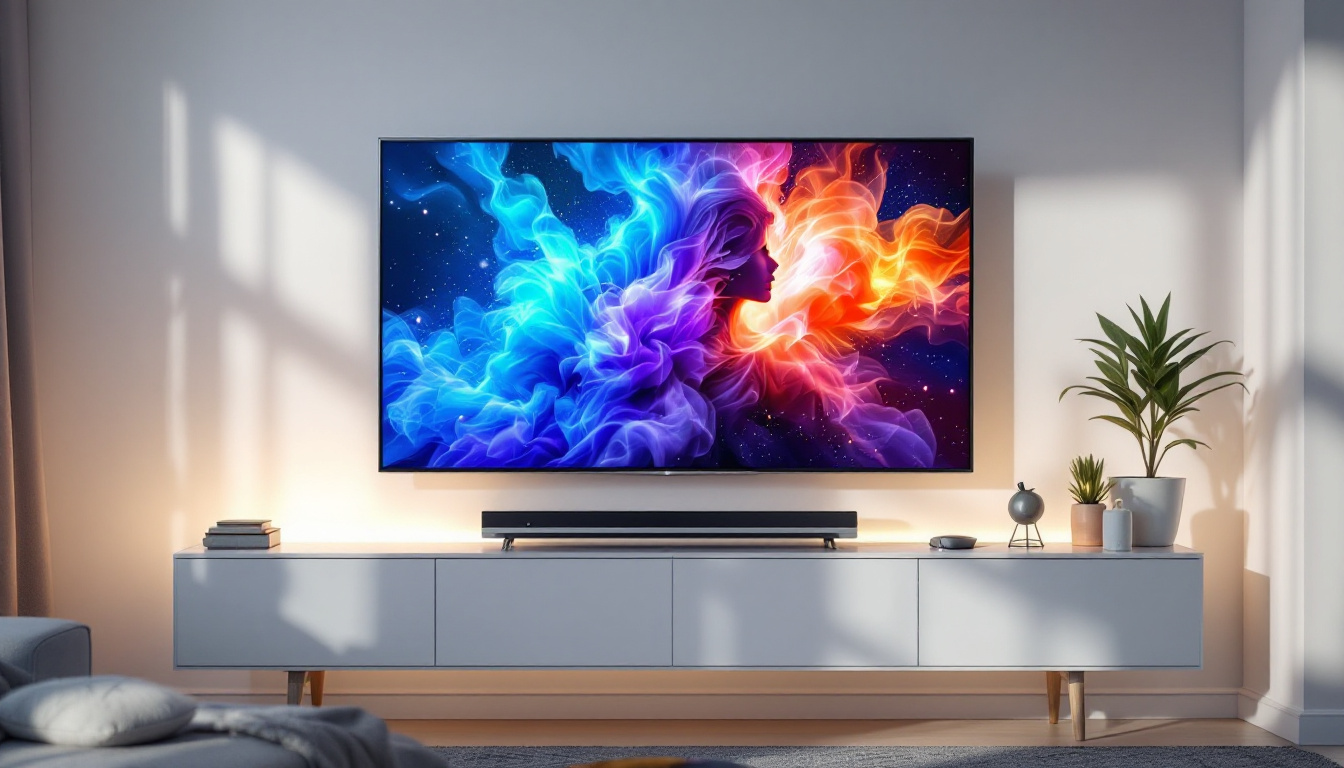
- Indoor LED Displays: Designed for controlled lighting environments, these displays offer high resolution and brightness levels around 800-1500 nits. They are ideal for conferences, trade shows, and theater productions. The ability to display intricate graphics and videos with stunning clarity makes them a favorite among event organizers looking to create a polished and professional look.
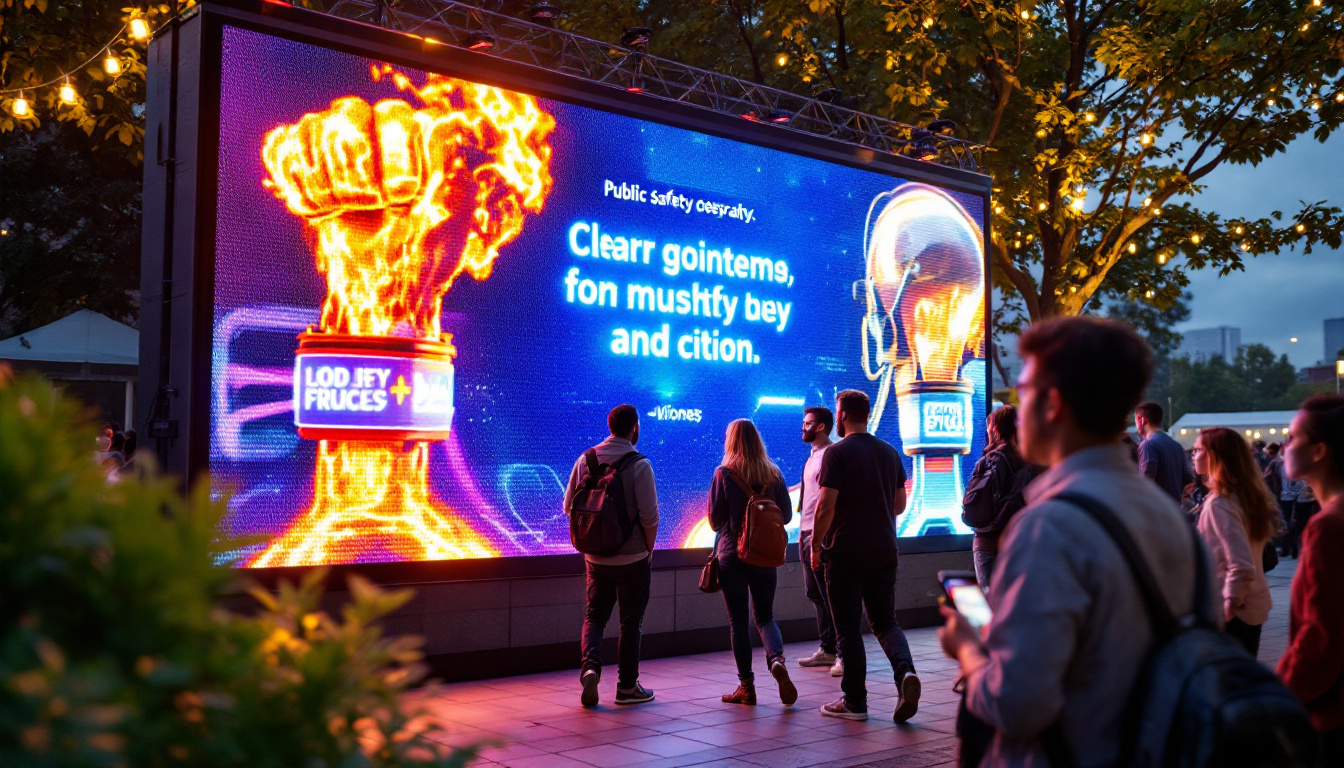
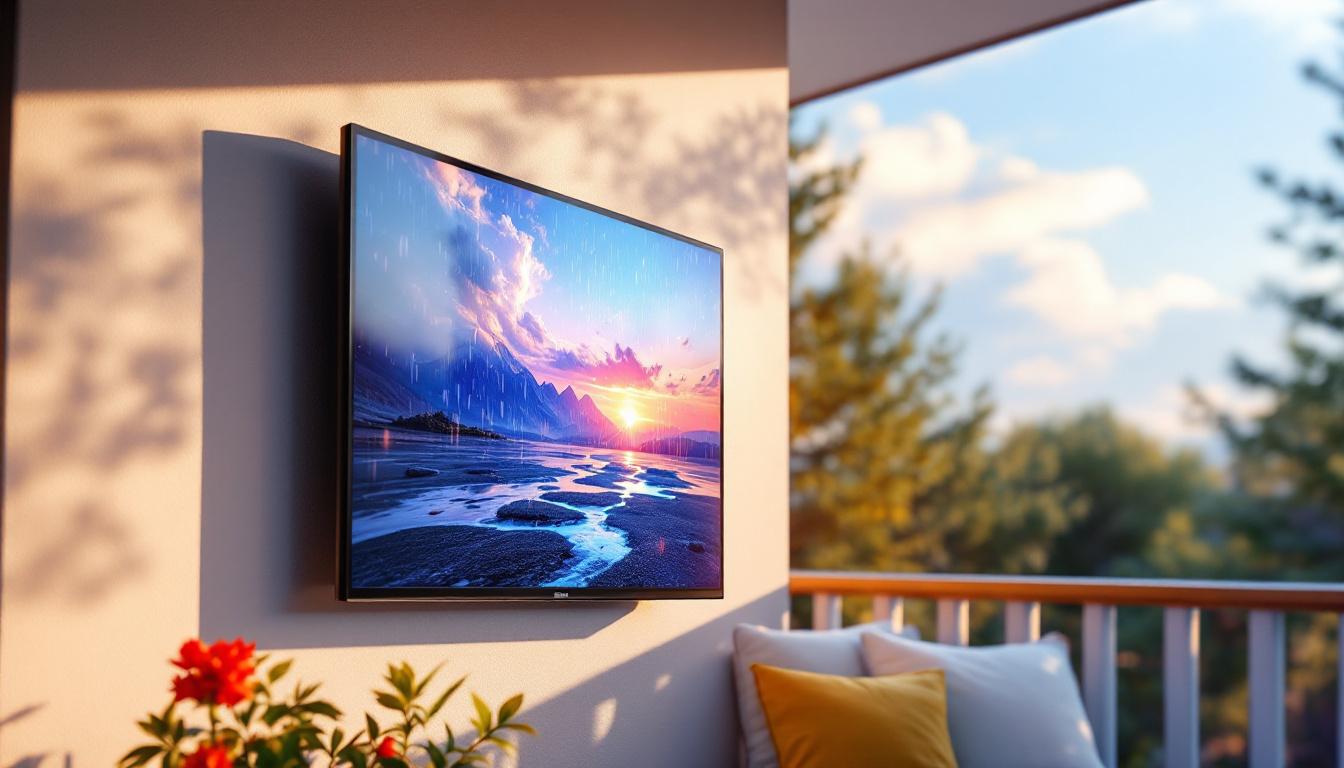
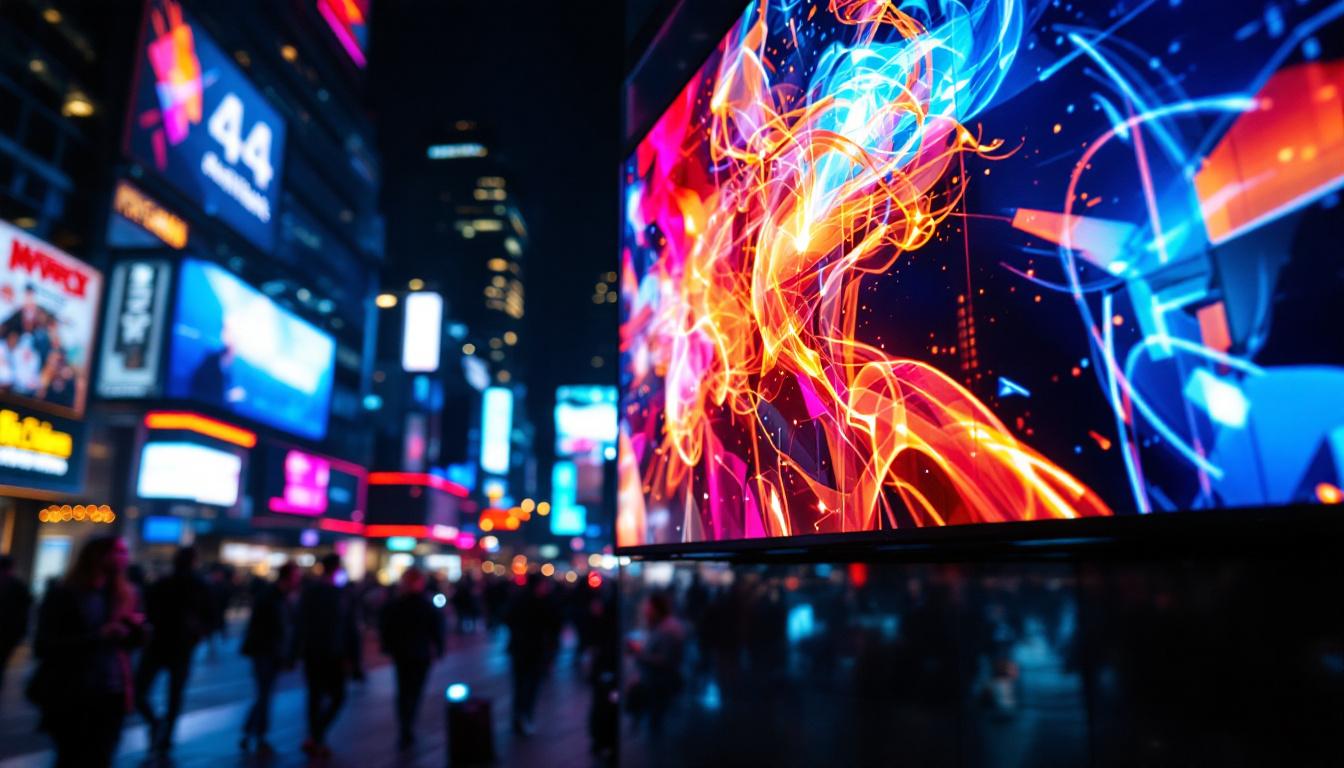
- Outdoor LED Displays: Built to withstand weather conditions, these displays have higher brightness levels (often exceeding 5,000 nits) to remain visible in direct sunlight. They are perfect for festivals, sports events, and outdoor concerts. Additionally, many outdoor models are equipped with protective casings to shield against rain, dust, and extreme temperatures, ensuring reliable performance regardless of the elements.
- Flexible and Transparent LED Displays: Emerging technologies allow LED panels to be curved or see-through, enabling innovative stage designs and creative installations. These displays can be used to create unique shapes and forms, allowing event designers to push the boundaries of traditional backdrops. For instance, transparent LED screens can be layered over physical objects, creating a stunning visual effect that blends digital content with the real world.
As LED technology continues to evolve, we can expect even more exciting developments, such as advancements in color accuracy and refresh rates, which will further enhance the viewing experience. The integration of smart technology into LED displays also opens up possibilities for interactive features, allowing audiences to engage with the content in real-time through mobile devices or other means. This interactivity can transform a standard event into a dynamic experience, fostering a deeper connection between the audience and the presented material.
Benefits of Using LED Displays as Event Backdrops
LED displays offer numerous advantages over traditional backdrops, making them an increasingly popular choice for event organizers worldwide.
Dynamic Content and Visual Versatility
One of the most significant benefits is the ability to display dynamic, high-definition content. Unlike static printed banners or fabric backdrops, LED screens can showcase videos, animations, live feeds, and interactive graphics. This versatility allows event producers to tailor the visual experience in real-time, adapting to the mood, theme, or speaker.
For instance, a product launch can feature a rotating 3D animation of the new product, while a music concert can synchronize visuals with the performance, enhancing audience engagement. Furthermore, event planners can leverage social media feeds, displaying live tweets or Instagram posts, which encourages audience interaction and creates a sense of community during the event. This real-time engagement can significantly amplify the event’s reach, as attendees share their experiences online, effectively promoting the event beyond its physical location.
High Brightness and Visibility
LED backdrops maintain excellent visibility even under challenging lighting conditions. Their self-illuminating nature means they do not rely on external lighting, reducing shadows and glare. This is particularly beneficial for events held in large venues or outdoors during daylight hours. Additionally, the brightness of LED displays can be adjusted to suit various environments, ensuring that visuals remain crisp and clear, regardless of the surrounding light levels. This adaptability not only enhances the aesthetic appeal but also ensures that important messages or branding are always visible, maximizing the impact of the visual presentation.
Seamless Integration and Scalability
Modular LED panels can be configured into virtually any size or shape, from small stage accents to massive video walls covering entire backdrops. This scalability allows event designers to create immersive environments that captivate audiences. The flexibility of LED technology also means that these displays can be arranged in creative ways, such as curved or angled formations, which can add depth and intrigue to the stage design. Moreover, LED displays can be integrated with other stage elements such as lighting rigs, sound systems, and automation controls, enabling synchronized audiovisual experiences. This integration allows for a cohesive production where visuals, sound, and lighting work in harmony to create a memorable atmosphere.
Durability and Reusability
Unlike printed materials that may wear out or become obsolete, LED panels are durable and reusable across multiple events. Their long lifespan—often exceeding 100,000 hours of operation—makes them a cost-effective investment for event production companies. Additionally, the technology has advanced to include weather-resistant options, making them suitable for both indoor and outdoor events without the risk of damage from the elements. This durability not only reduces waste but also allows for consistent quality across different events, ensuring that organizers can rely on their LED displays to perform flawlessly time and time again. As sustainability becomes increasingly important in event planning, the reusability of LED displays aligns with eco-friendly practices, reducing the need for single-use materials and promoting a greener approach to event production.
Applications of LED Backdrops in Events
The versatility of LED displays has led to their adoption across a wide range of event types and industries.
Corporate Events and Conferences
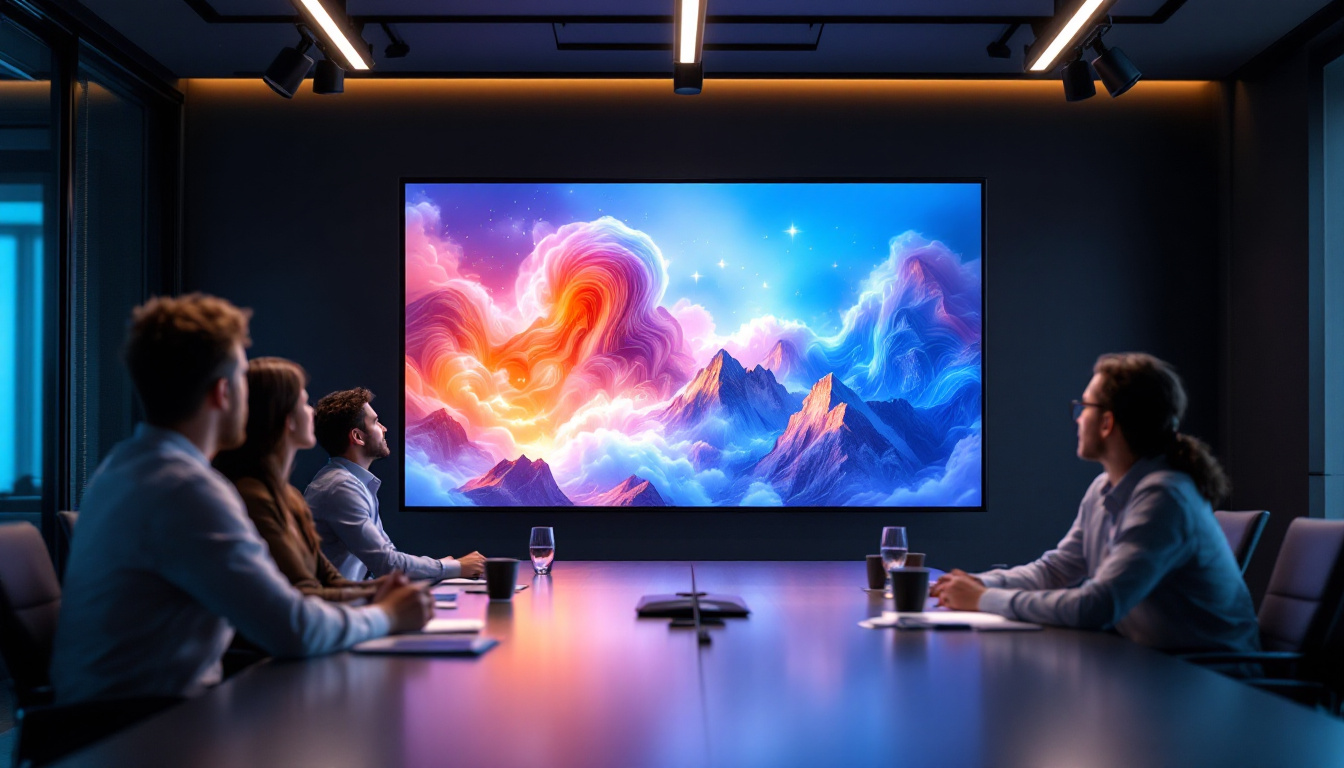
Corporate events benefit from LED backdrops by enhancing brand visibility and delivering impactful presentations. High-resolution screens can display slides, videos, and live social media feeds, keeping attendees engaged. Additionally, LED walls can be used for wayfinding and informational displays throughout the venue.
Concerts and Live Performances
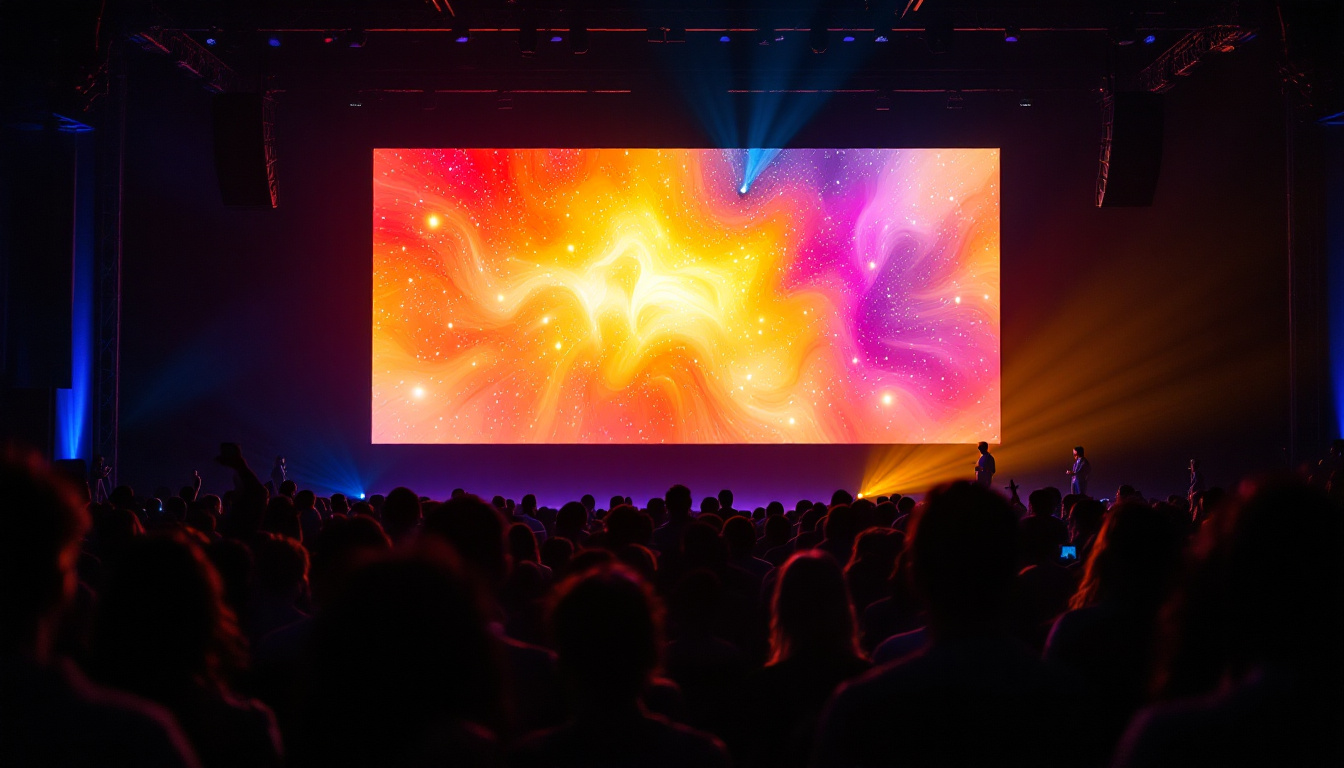
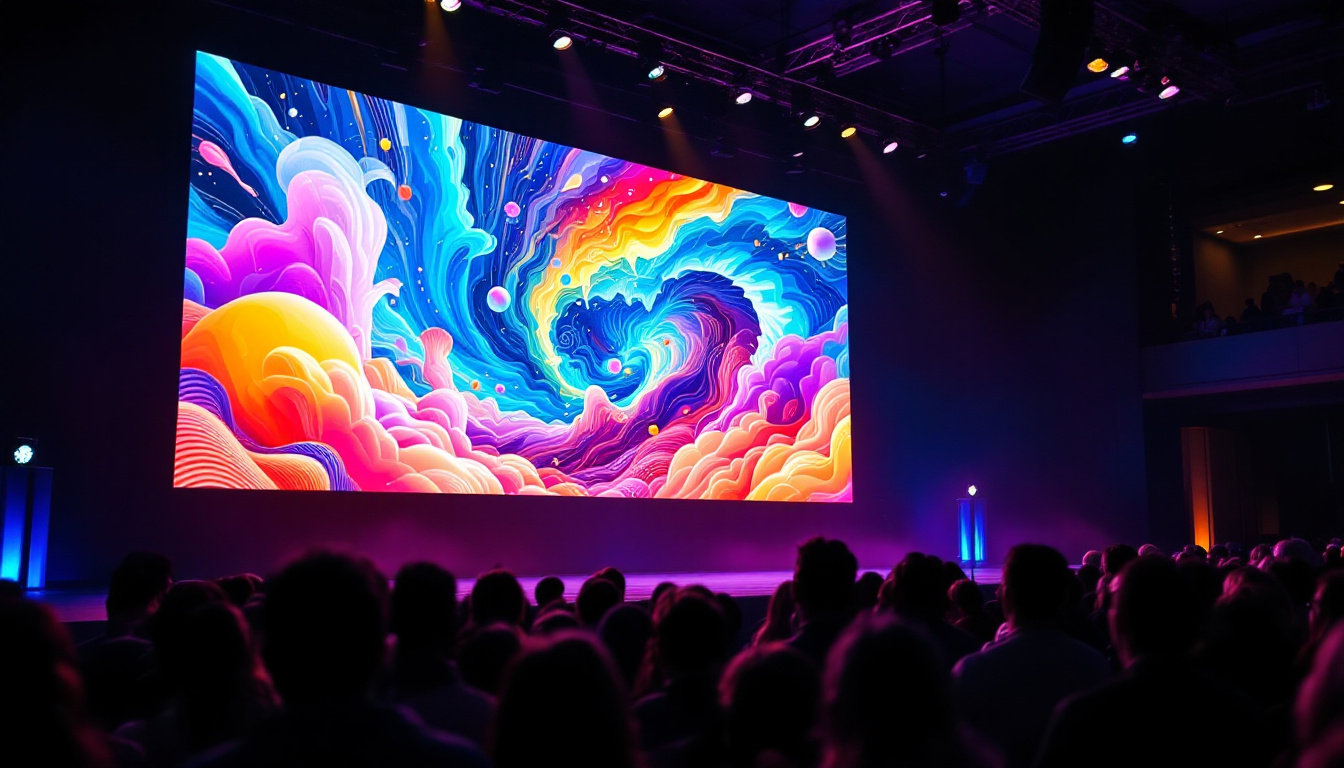
In the entertainment industry, LED backdrops have become a staple for creating immersive stage environments. Artists and producers use them to project thematic visuals, synchronize lighting effects, and even create virtual sets. For example, major tours by artists like Beyoncé and Coldplay have incorporated massive LED walls to elevate the concert experience.
Trade Shows and Exhibitions
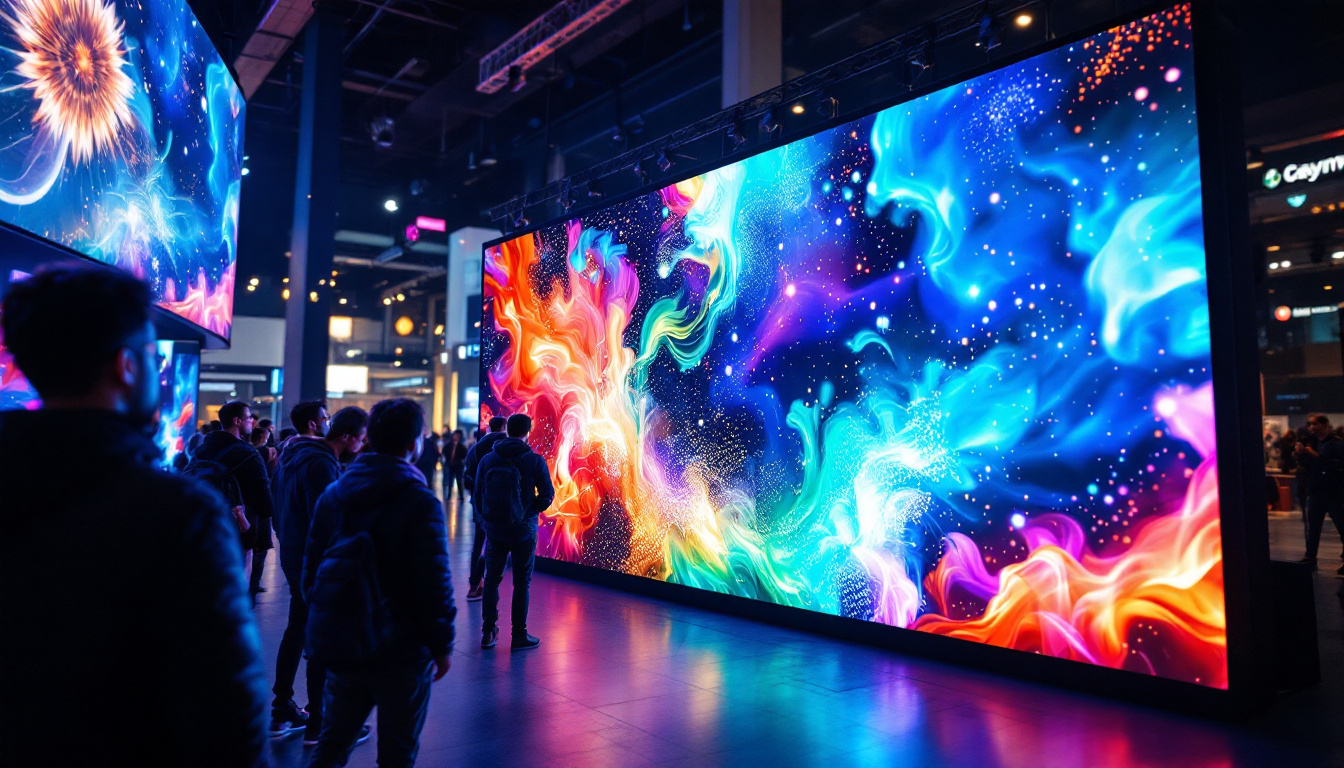
Trade show booths equipped with LED backdrops attract more visitors by showcasing products and services through engaging multimedia presentations. The ability to quickly update content also allows exhibitors to tailor messaging for different audiences or sessions.
Sports Events and Outdoor Festivals
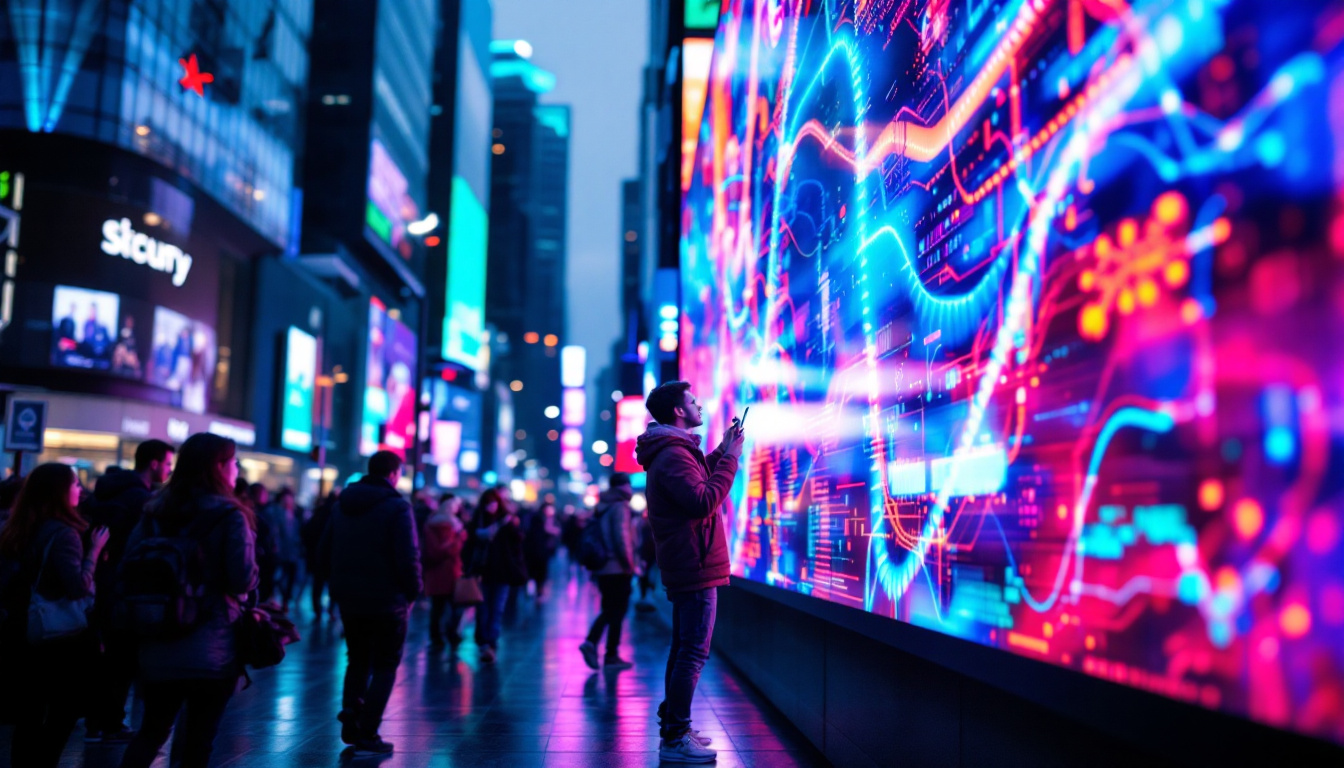
Outdoor LED screens serve both as backdrops and as giant displays for live action, replays, and advertisements. Their brightness and weather resistance make them indispensable for large-scale sporting events and open-air festivals.
Key Considerations When Choosing an LED Backdrop
Selecting the right LED display for an event backdrop requires careful consideration of several factors to ensure optimal performance and audience impact.
Resolution and Pixel Pitch
The viewing distance largely determines the required resolution. For events where the audience is close to the stage, a finer pixel pitch (e.g., 1.5mm to 2.5mm) is necessary to avoid visible pixelation. Conversely, for large outdoor events viewed from a distance, a coarser pitch (e.g., 6mm to 10mm) may suffice.
Brightness and Contrast
Brightness is measured in nits, and higher values are essential for outdoor or brightly lit indoor environments. Contrast ratio also affects image quality, with higher contrast providing deeper blacks and more vibrant colors.
Size and Aspect Ratio
The physical dimensions of the LED backdrop should complement the stage design and venue size. Aspect ratios can be customized to fit widescreen presentations or square formats depending on content requirements.
Installation and Rigging
Consider the ease of assembly, weight of panels, and rigging capabilities. Some LED panels are designed for quick setup and teardown, which is critical for touring events or multi-day conferences.
Content Management and Control Systems
Effective content management software is essential for seamless operation. The system should support various media formats, live inputs, and allow for real-time content adjustments. Compatibility with industry-standard protocols and hardware is also important.
Budget and ROI
While LED displays represent a significant upfront investment, their reusability and impact often justify the cost. Event organizers should evaluate total cost of ownership, including rental versus purchase options, maintenance, and operational expenses.
Future Trends in Event LED Backdrops
The LED display industry continues to evolve rapidly, driven by technological innovation and creative demand.
MicroLED and MiniLED Technologies
Emerging MicroLED and MiniLED technologies promise even higher resolutions, improved brightness, and better energy efficiency. These advancements will enable ultra-fine pixel pitches and thinner, lighter panels.
Interactive and Augmented Reality Integration
Future LED backdrops are expected to incorporate interactive elements, such as touch sensitivity and motion tracking, enhancing audience engagement. Integration with augmented reality (AR) will allow blending physical and digital experiences on stage.
Eco-Friendly and Sustainable Solutions
As sustainability becomes a priority, manufacturers are focusing on reducing energy consumption and using recyclable materials in LED panel production. Event planners are increasingly seeking greener options to minimize environmental impact.
Conclusion
LED displays have transformed event backdrops into dynamic, immersive canvases that elevate the audience experience. Their brightness, versatility, and durability make them an indispensable tool for modern event production. Understanding the technology, benefits, and key considerations ensures that event professionals can select and deploy LED backdrops effectively, creating memorable and impactful events.
As LED technology continues to advance, the possibilities for creative expression and audience engagement will only expand, making LED backdrops a cornerstone of event design for years to come.
Discover LumenMatrix LED Display Solutions
Ready to elevate your next event with cutting-edge LED technology? LumenMatrix is at the forefront of LED display innovation, offering a wide array of solutions that bring your vision to life. From Indoor and Outdoor LED Wall Displays to specialized options like Vehicle, Sports, and Floor LED Displays, we have the tools to create an unforgettable visual experience. Embrace the future of event design with our Custom, All-in-One, and LED Transparent Displays. Visit LumenMatrix LED Display Solutions to see how we can transform your event into a dynamic spectacle that captivates and engages.