In the evolving world of digital technology, photo frames have transformed from simple, static displays into dynamic, interactive devices. The advent of touch screen LED photo frames has revolutionized how people showcase memories, blending innovation with convenience. This article delves into the technology behind photo frame touch screens, focusing on LED displays, their benefits, and how they are shaping the future of digital photo viewing.
Understanding LED Displays in Photo Frames
What is an LED Display?
LED, or Light Emitting Diode, displays are a type of screen technology that uses tiny light-emitting diodes to produce images. Unlike traditional LCDs that rely on backlighting, LED displays generate their own light, offering brighter images and better contrast ratios. This technology has been widely adopted in various devices, from televisions to smartphones, and now, digital photo frames.
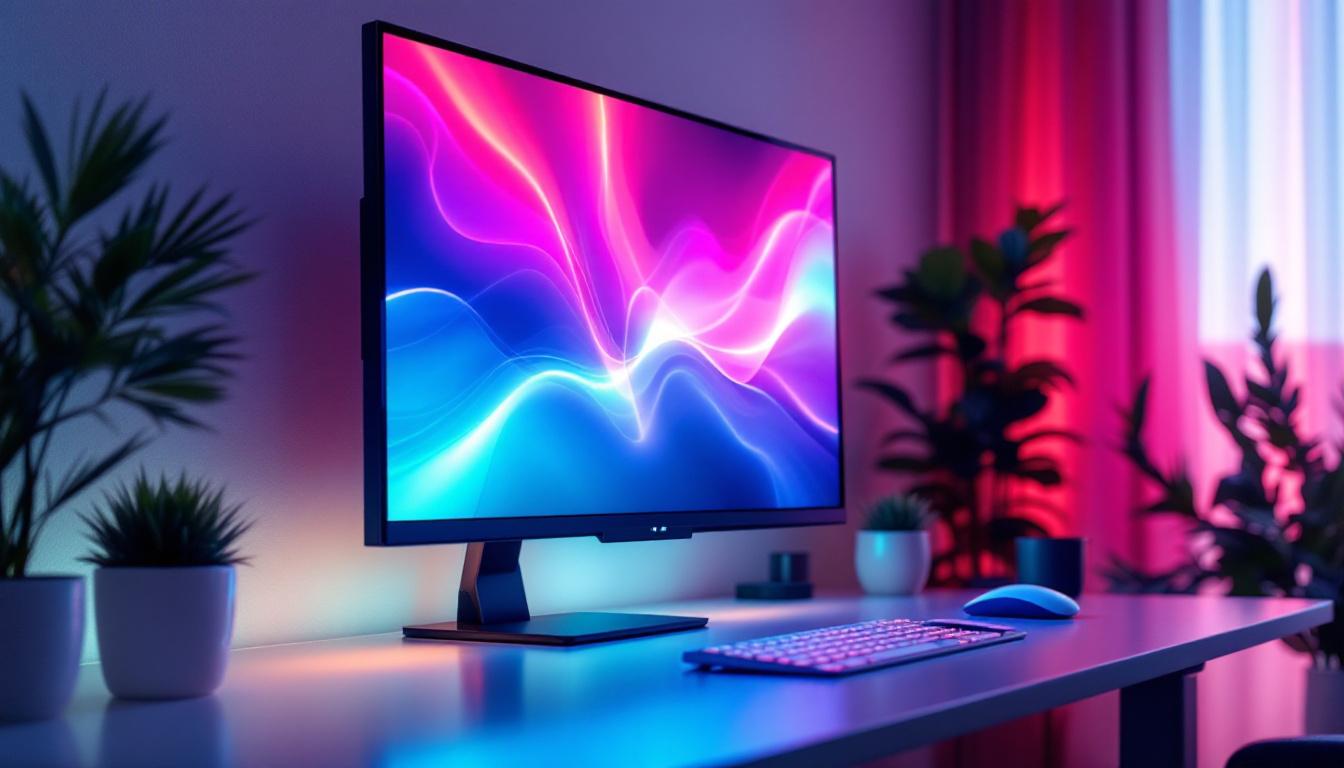
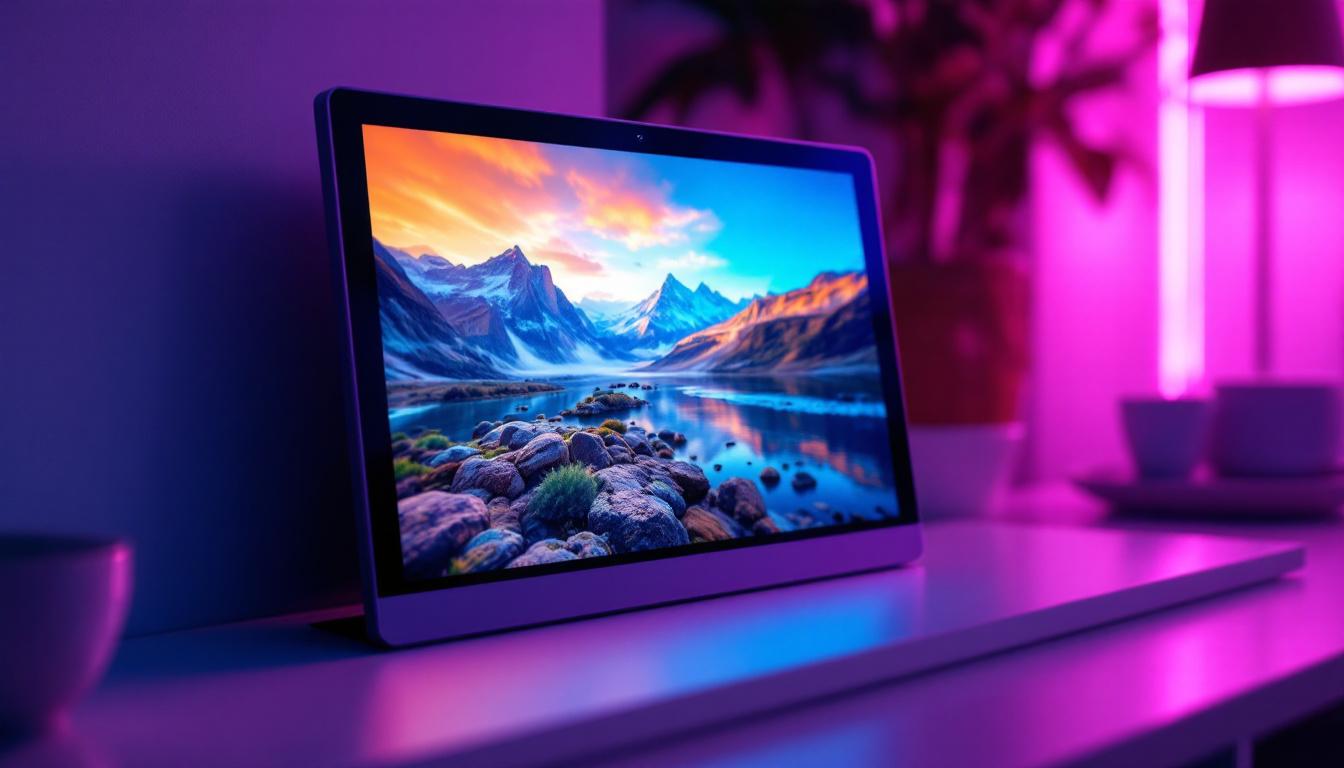
In the context of photo frames, LED displays provide vibrant colors and sharp image quality, making photos appear more lifelike. The energy efficiency of LEDs also means these frames consume less power, an important consideration for devices often left running for extended periods. Additionally, many modern LED photo frames come with features such as automatic brightness adjustment, which optimizes the display based on ambient light conditions, ensuring that images look their best at any time of day.
Types of LED Displays Used in Photo Frames
There are primarily two types of LED displays used in photo frames: traditional LED-backlit LCDs and OLEDs (Organic Light Emitting Diodes). The former uses LEDs as a backlight behind an LCD panel, while OLEDs are self-emissive, meaning each pixel emits its own light.
Most photo frames on the market use LED-backlit LCDs due to their cost-effectiveness and durability. However, OLED technology is gaining traction for its superior color accuracy, deeper blacks, and thinner design. Although OLED photo frames are currently more expensive, they represent the cutting edge of display technology. Furthermore, OLED displays tend to have faster response times, which can be particularly beneficial for frames that feature dynamic content, such as slideshows or video playback. As manufacturers continue to innovate, we may see even more advanced features integrated into these displays, such as touch sensitivity and customizable display settings that allow users to adjust color temperatures and saturation levels for a personalized viewing experience.
The Role of Touch Screens in Modern Photo Frames
How Touch Screens Enhance User Experience
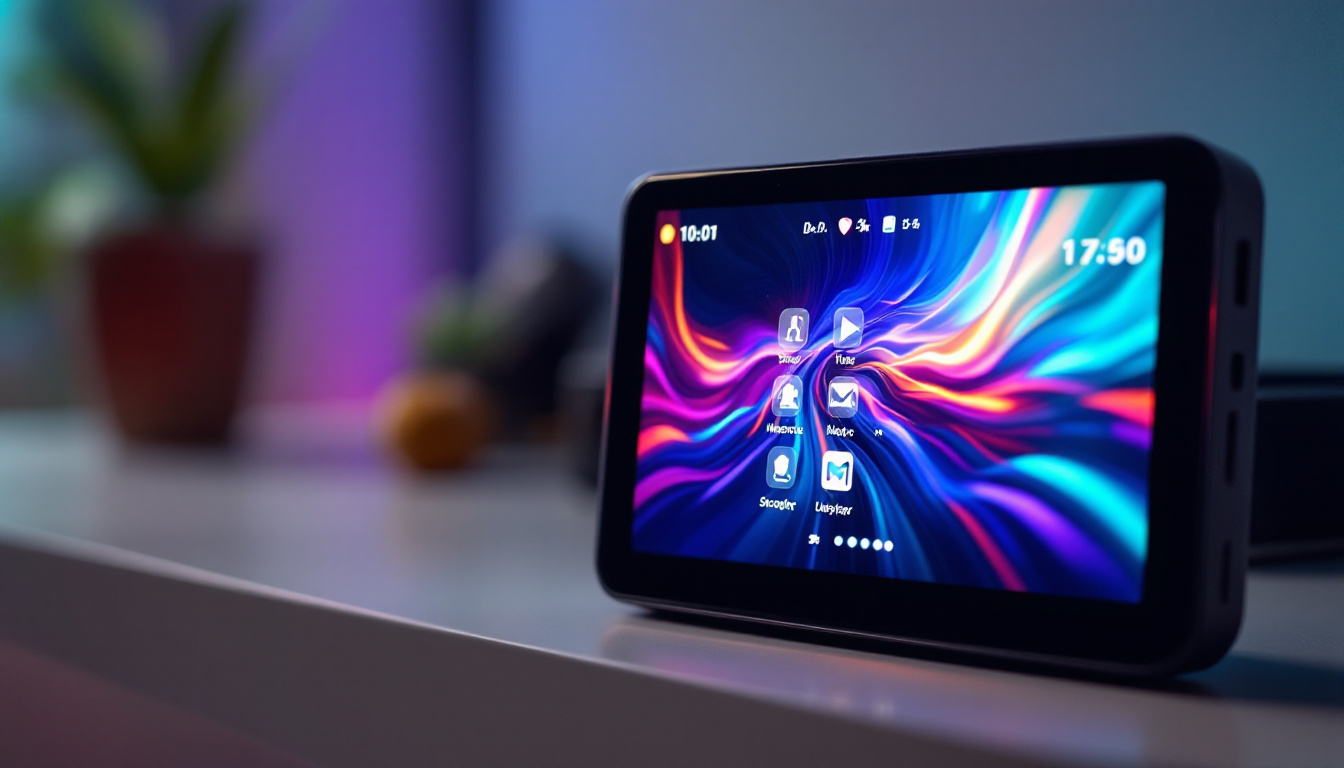
Integrating touch screen technology into photo frames has significantly improved user interaction. Instead of relying on buttons or remote controls, users can now swipe through photos, zoom in on images, or access menus directly on the screen. This intuitive interface makes it easier for all age groups to operate the device without frustration.
Touch screens also enable additional features such as on-screen editing, slideshow customization, and connectivity options. For example, users can select specific albums, adjust display settings, or even connect to Wi-Fi networks to download new photos—all through simple touch gestures. The ability to easily share photos from social media platforms or cloud storage directly onto the frame adds a layer of convenience that traditional photo frames simply cannot match. This seamless integration of technology into everyday life allows users to keep their cherished memories alive and accessible at all times, enhancing the emotional value of the displayed images.
Capacitive vs. Resistive Touch Screens
Photo frame touch screens typically use either capacitive or resistive touch technology. Capacitive screens detect touch through the electrical properties of the human body, offering multi-touch capabilities and a smooth, responsive experience. This type is common in smartphones and tablets and is increasingly used in high-end photo frames.
Resistive touch screens, on the other hand, rely on pressure applied to the screen and can be operated with a finger, stylus, or any pointed object. While generally less sensitive and offering only single-touch input, resistive screens are more affordable and durable, making them suitable for budget-friendly photo frames. The choice between these technologies often depends on the target market; for instance, high-end models may prioritize the sleekness and responsiveness of capacitive screens, while more economical options may focus on durability and ease of use with resistive screens. Additionally, as technology advances, we may see hybrid models that combine the best features of both types, catering to a wider range of user preferences and enhancing the overall experience of digital photography.
Advantages of LED Touch Screen Photo Frames
Vivid Image Quality and Brightness
One of the most significant advantages of LED displays in photo frames is their ability to present images with exceptional brightness and color accuracy. This is especially important in various lighting conditions, such as bright rooms or near windows, where traditional LCD frames might appear washed out.
High-quality LED frames can reproduce millions of colors, ensuring that photographs look true to life. This feature enhances the emotional impact of displayed images, making memories feel more vibrant and engaging.
Energy Efficiency and Longevity
LED technology is known for its energy efficiency compared to older display types. Photo frames equipped with LED displays consume less power, which is crucial for devices intended to run continuously. This efficiency not only reduces electricity costs but also extends the lifespan of the device.
Moreover, LED displays tend to have longer operational lifespans, often lasting tens of thousands of hours before significant degradation occurs. This durability makes LED touch screen photo frames a cost-effective investment for long-term use.
Interactive Features and Connectivity
The combination of LED displays and touch screen technology enables photo frames to offer interactive features that go beyond simple photo viewing. Many modern frames support Wi-Fi or Bluetooth connectivity, allowing users to upload photos directly from smartphones, cloud services, or social media platforms.
Some frames also include motion sensors that activate the display when someone approaches, conserving energy when not in use. Others integrate with smart home systems, enabling voice commands or automated scheduling to change photo displays throughout the day.
Choosing the Right Photo Frame Touch Screen LED Display
Screen Size and Resolution Considerations
Selecting the appropriate screen size and resolution is critical for an enjoyable viewing experience. Common photo frame sizes range from 7 inches to 15 inches diagonally, with resolutions varying from 800×600 pixels to Full HD (1920×1080 pixels) or higher.
A higher resolution ensures sharper images, especially on larger screens. For example, a 10-inch frame with 1280×800 pixels will display photos more crisply than one with 800×600 pixels. Users should consider where the frame will be placed and the typical viewing distance when choosing size and resolution.
Touch Screen Responsiveness and Durability
The responsiveness of the touch screen affects how smoothly users can navigate through photos and menus. Frames with capacitive touchscreens generally provide faster and more accurate touch responses. Durability is also a factor, particularly in households with children or high traffic areas where the frame may be handled frequently.
Frames with scratch-resistant glass or protective coatings can withstand daily use better, maintaining clarity and touch sensitivity over time. Checking product reviews and manufacturer specifications can help identify models with robust touch screens.
Additional Features to Look For
Beyond display and touch capabilities, several other features can enhance the functionality of photo frame touch screens:
- Storage Capacity: Internal memory or support for external SD cards and USB drives allows users to store thousands of photos.
- Slideshow Options: Customizable transitions, timing, and effects can make photo viewing more engaging.
- Connectivity: Wi-Fi, Bluetooth, and cloud integration enable seamless photo updates and sharing.
- Remote Control: Some frames come with remote controls or companion apps for convenient operation.
- Audio Support: Frames that play background music or video clips add multimedia experiences.
Future Trends in Photo Frame Touch Screen LED Technology
Integration with Artificial Intelligence
Artificial Intelligence (AI) is beginning to influence digital photo frames by enabling smart photo selection and organization. AI algorithms can analyze photo content, faces, and events to curate personalized slideshows automatically. This reduces the effort required by users to manage large photo libraries.
Additionally, AI-powered frames might offer voice recognition for hands-free control or suggest photo enhancements to improve image quality on the fly.
Enhanced Connectivity and Smart Home Integration
As smart homes become more prevalent, photo frames are expected to integrate more deeply with home automation systems. This could include syncing photo displays with calendar events, weather updates, or even mood lighting to create immersive environments.
Frames might also connect with other smart devices, such as digital assistants or security cameras, expanding their utility beyond photo display to become central hubs for home information.
Advancements in Display Technology
Emerging display technologies like microLED and flexible OLED panels promise even better image quality, thinner designs, and new form factors for photo frames. These advancements could lead to frames that can be curved, rolled, or embedded seamlessly into furniture and walls.
Such innovations will likely make photo frames more versatile and aesthetically pleasing, further integrating digital memories into everyday living spaces.
Conclusion
Photo frame touch screen LED displays represent a significant leap forward in how people interact with and enjoy their digital photographs. By combining vibrant LED technology with intuitive touch interfaces, these devices offer an engaging, user-friendly experience that traditional frames cannot match.
Understanding the types of LED displays, the benefits of touch screen integration, and the features to consider when purchasing can help consumers make informed decisions. As technology continues to advance, photo frames will become even more interactive, intelligent, and seamlessly integrated into modern lifestyles, ensuring that cherished memories are displayed in the best possible light.
Discover the Future of Digital Displays with LumenMatrix
Ready to elevate your digital photo viewing experience? LumenMatrix, a pioneer in LED display technology, offers an array of innovative solutions that bring your cherished memories to life. From Indoor LED Walls that transform your living space to Custom LED Displays tailored to your unique needs, LumenMatrix is committed to revolutionizing visual communication. Embrace the future of vibrant, energy-efficient, and interactive displays. Check out LumenMatrix LED Display Solutions today and witness the transformation of your digital memories into captivating visual experiences.