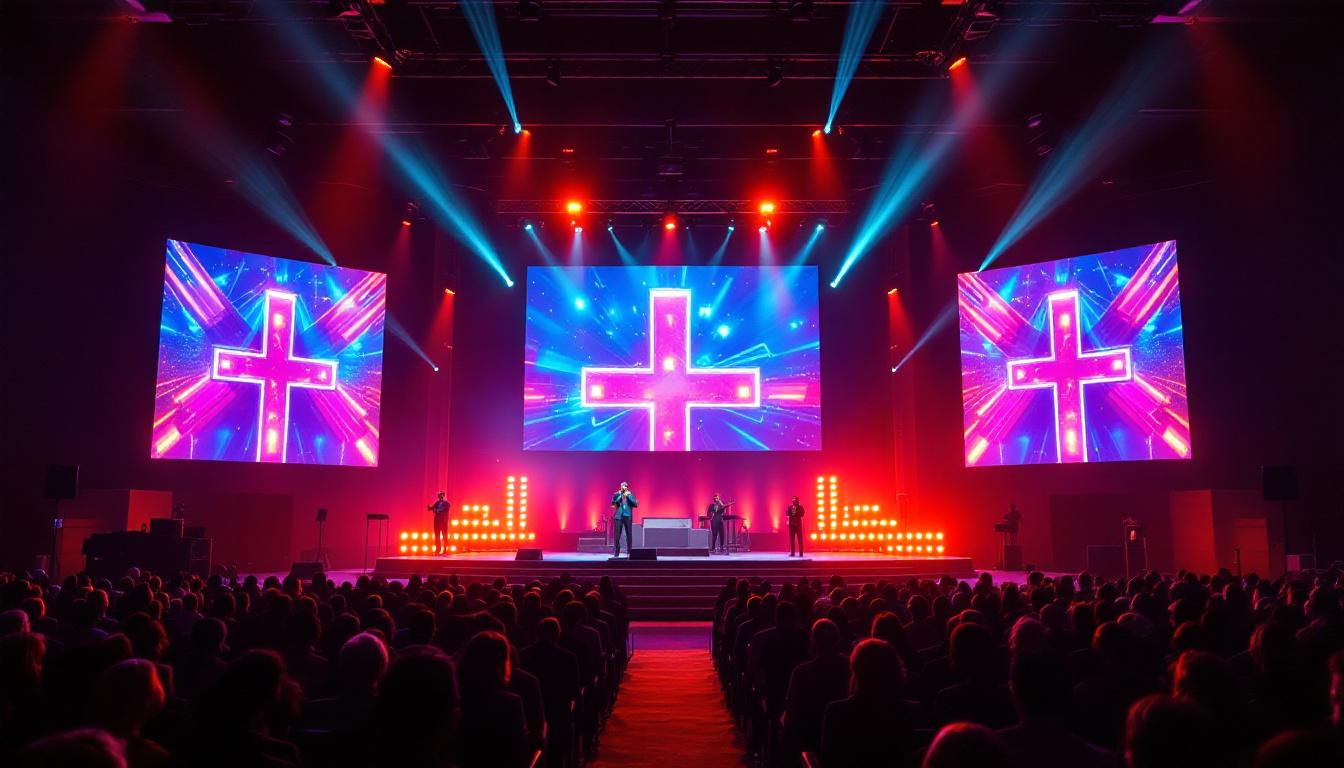
In recent years, the use of LED displays as backdrops for church stages has revolutionized the way congregations experience worship services. These vibrant, dynamic screens offer unparalleled flexibility and visual impact, enhancing the atmosphere and helping to communicate messages more effectively. Whether a small community church or a large cathedral, LED stage backdrops are becoming a staple in modern worship environments.
This article explores the technology behind LED displays, their advantages for church settings, practical considerations for implementation, and tips for maximizing their impact. Understanding these elements will help church leaders and technical teams make informed decisions about integrating LED backdrops into their worship spaces.
Understanding LED Display Technology
What Are LED Displays?
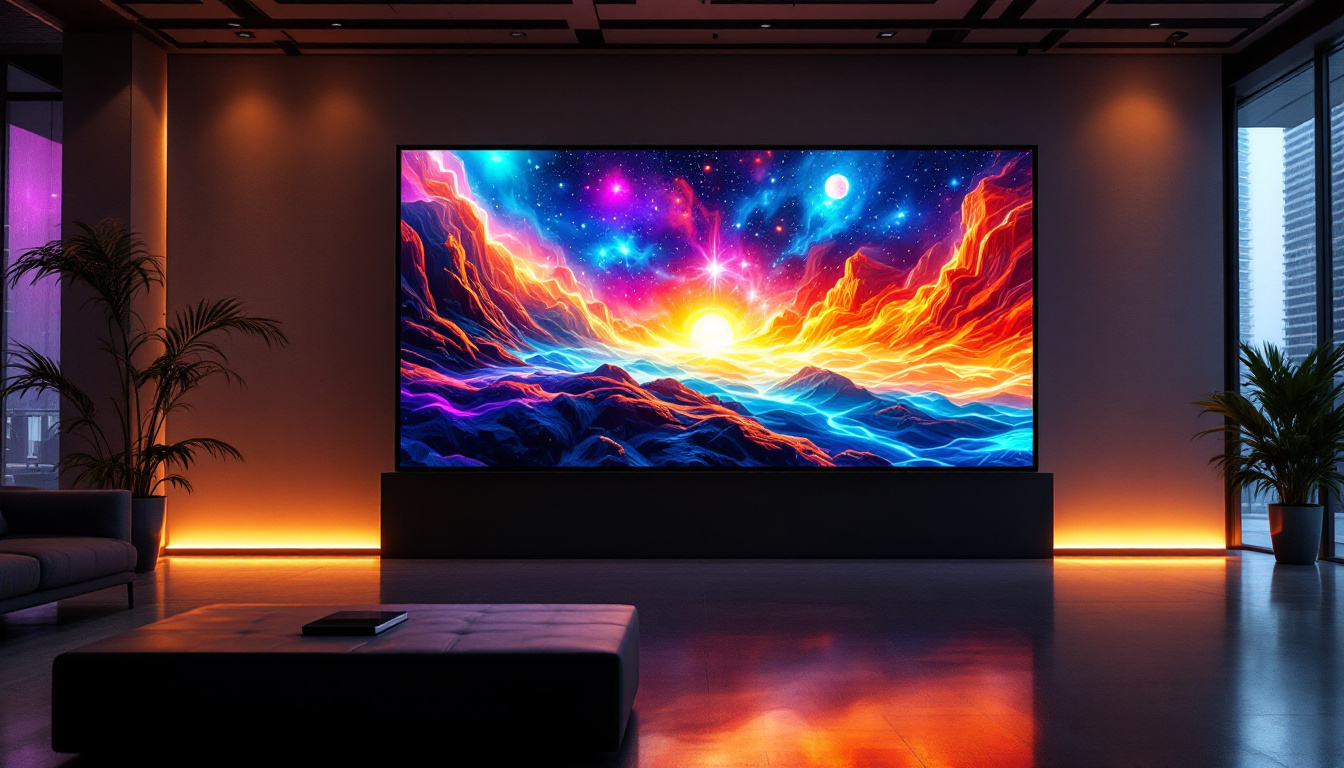
LED, or Light Emitting Diode, displays are screens composed of numerous tiny LEDs that emit light individually. Unlike traditional projection systems or LCD screens, LED displays produce their own light, which results in brighter images and better visibility even in well-lit environments. This self-illuminating feature not only enhances the vibrancy of colors but also significantly reduces the need for external lighting, making them an energy-efficient choice for various applications.
These displays come in various forms, including fixed panels, modular tiles, and flexible strips, allowing for customization to fit any stage size or shape. The resolution of an LED display is determined by the pixel pitch—the distance between the centers of two adjacent LEDs. Smaller pixel pitches mean higher resolution and sharper images, which is particularly important for close viewing distances common in church auditoriums. Furthermore, advancements in technology have led to the development of high-definition and ultra-high-definition LED displays, which provide an even more immersive experience for congregants, enhancing the overall atmosphere of worship.
Types of LED Displays Suitable for Churches
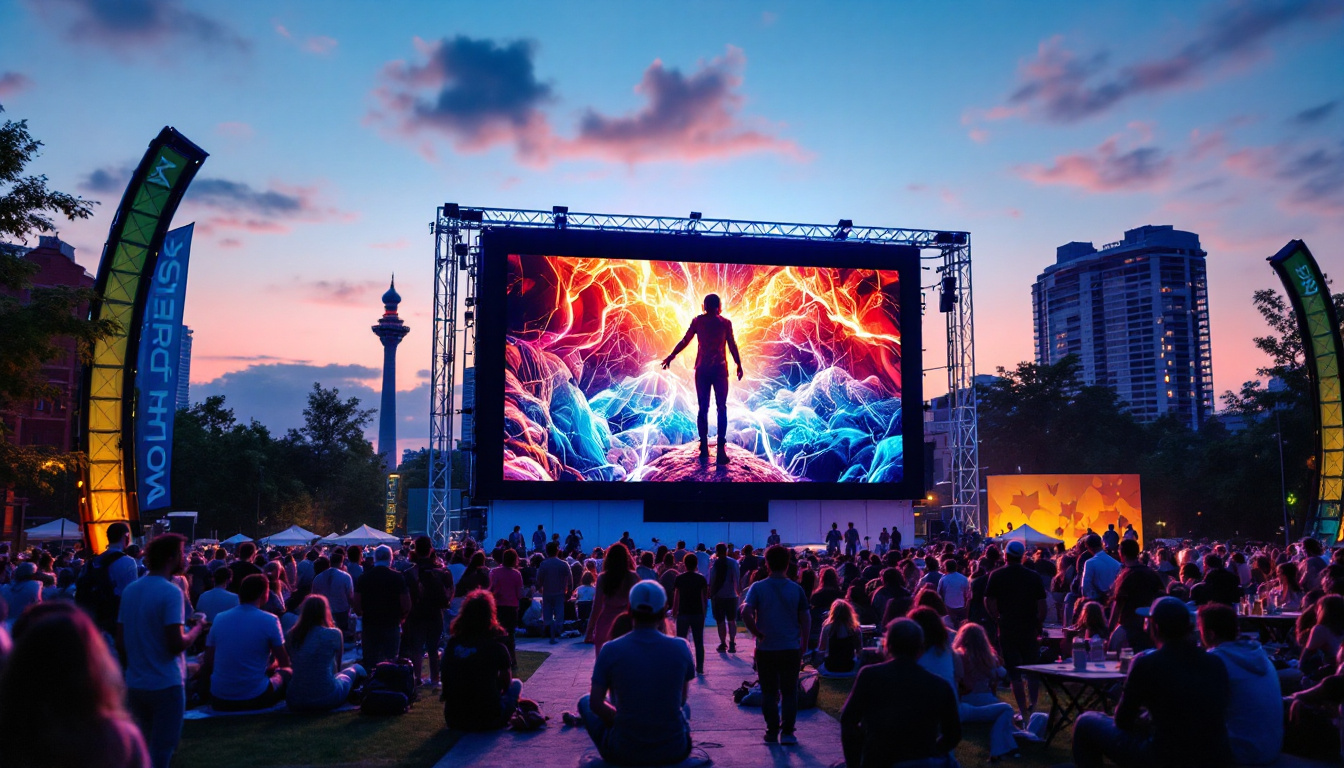
Churches typically choose from two main types of LED displays: indoor and outdoor. Indoor LED displays are designed for controlled lighting environments and offer higher resolution with finer pixel pitches, often between 1.5mm to 4mm. Outdoor LED displays are built to withstand weather and have larger pixel pitches, generally 6mm or above, making them less suitable for indoor church stages. The durability of outdoor displays is particularly beneficial for churches that hold events in open-air settings, ensuring that messages and visuals remain clear regardless of the weather conditions.
Additionally, there are transparent LED displays that allow some light to pass through, which can be creatively used to maintain natural light or architectural features behind the screen. Curved and flexible LED panels are also gaining popularity for creating immersive stage designs. These innovative designs can wrap around pillars or create dynamic backdrops, enhancing the visual storytelling aspect of services. Moreover, with the integration of advanced software, churches can easily manage content across multiple displays, allowing for synchronized worship experiences that engage the congregation in a more profound way. The ability to showcase live feeds, announcements, or even artistic visuals can transform a traditional service into a multi-sensory event that resonates with attendees of all ages.
Benefits of LED Backdrops for Church Stages
Enhanced Visual Engagement
One of the most significant advantages of LED backdrops is their ability to captivate the congregation visually. The vibrant colors and high brightness levels make images, videos, and text stand out clearly, even in large auditoriums. This visual engagement helps maintain attention and enhances the overall worship experience.
For example, during sermons, LED screens can display relevant scripture passages, sermon points, or thematic imagery that reinforces the message. During musical worship, dynamic visuals can complement the mood and energy of the songs, creating a multisensory experience that resonates with attendees.
Flexibility and Customization
LED displays offer unmatched flexibility compared to traditional static backdrops. The content can be changed instantly, allowing churches to tailor visuals to different services, seasons, or special events without the need for physical set changes.
This adaptability is especially valuable for churches with diverse programming, including youth services, conferences, weddings, and community events. LED backdrops can be programmed to display anything from serene nature scenes to bold graphic designs, making the stage a versatile canvas.
Improved Visibility and Accessibility
LED displays provide clear visuals from virtually any seat in the auditorium, improving accessibility for all attendees. High-resolution screens ensure that text and images are legible even from the back rows, which is crucial for inclusive worship experiences.
Moreover, LED backdrops can support multi-language displays or sign language interpretation videos, further enhancing accessibility for diverse congregations.
Key Considerations When Choosing LED Displays for Church Stages
Stage Size and Viewing Distance
Determining the appropriate size and resolution of an LED backdrop depends largely on the stage dimensions and the typical viewing distance of the congregation. A larger stage requires a bigger screen to maintain proportionality and visual impact.
Pixel pitch should be selected based on viewing distance: the closer the audience, the smaller the pixel pitch needed for clear images. For example, a pixel pitch of 2.5mm to 3mm is ideal for stages where viewers are seated within 15 to 20 feet, while a 4mm to 6mm pitch may suffice for larger venues with more distant seating.
Brightness and Ambient Lighting
Church environments often have varying lighting conditions, from bright daylight streaming through windows to dimmed settings for evening services. LED displays must be bright enough to compete with ambient light without causing glare or discomfort.
Most indoor LED displays offer brightness levels ranging from 800 to 1500 nits, which is suitable for typical church lighting. Adjustable brightness controls allow the technical team to optimize visibility for different service times and lighting setups.
Content Management Systems (CMS)
Managing content on LED backdrops requires reliable software solutions. A good CMS allows for easy scheduling, layering of images and videos, and integration with other audiovisual systems.
Many LED display manufacturers provide proprietary CMS platforms, but third-party software options are also available. Churches should look for user-friendly interfaces that enable volunteers or staff with limited technical expertise to operate the system efficiently.
Installation and Maintenance
Proper installation is critical for the longevity and performance of LED displays. Modular panels should be securely mounted to prevent movement or damage during services. Additionally, adequate ventilation and power supply considerations are essential to avoid overheating and ensure consistent operation.
Maintenance plans should include regular cleaning of the LED modules, firmware updates, and inspection for any dead pixels or connectivity issues. Partnering with experienced installation and service providers can help churches avoid common pitfalls and maximize their investment.
Maximizing the Impact of LED Backdrops in Worship
Integrating Visuals with Worship Themes
To fully leverage LED backdrops, churches should align visual content with the themes and messages of their services. This requires collaboration between pastors, worship leaders, and media teams to curate or create visuals that support sermon points and worship songs.
For example, during Easter services, visuals might include sunrise imagery, crosses, or scriptural verses about resurrection. During Christmas, scenes of nativity or festive designs can enhance the celebratory mood. Consistent thematic visuals help reinforce spiritual messages and create memorable worship experiences.
Using Motion Graphics and Video Content
Static images are effective, but motion graphics and video content can take stage backdrops to another level. Animated backgrounds, lyric videos, and sermon illustrations add dynamic elements that engage the congregation more deeply.
However, it’s important to balance motion with focus. Overly busy or distracting visuals can detract from the worship experience. Thoughtful design and timing ensure that LED content complements rather than competes with the service.
Training and Volunteer Involvement
Successful use of LED backdrops depends on skilled operators who understand both the technical and artistic aspects of content delivery. Churches should invest in training volunteers or staff to manage the LED systems effectively.
Empowering volunteers to handle content transitions, troubleshoot issues, and coordinate with worship teams fosters a smooth and professional presentation. Additionally, involving volunteers in content creation can bring fresh creativity and ownership to the media ministry.
Case Studies: LED Backdrops Transforming Church Worship
Large Urban Church Embraces LED for Multi-Purpose Use
A metropolitan church with a seating capacity of over 2,000 installed a 30-foot-wide LED backdrop with a 2.5mm pixel pitch. This allowed the church to host diverse events, from worship services to conferences and concerts, using the same stage setup.
The LED display’s brightness and resolution ensured clear visibility even in daylight, while its modular design enabled quick reconfiguration for different events. The church reported increased engagement during services and positive feedback from attendees about the enhanced worship atmosphere.
Small Community Church Enhances Worship with Budget-Friendly LED
A smaller church with limited budget opted for a 12-foot-wide LED display with a 4mm pixel pitch. Though smaller and less dense than larger installations, the screen significantly improved the visibility of song lyrics and sermon notes.
The church used affordable content management software and trained volunteers to operate the system, demonstrating that LED backdrops are accessible to churches of all sizes. The congregation appreciated the modernized worship environment, which helped attract younger attendees.
Future Trends in LED Backdrops for Churches
Advancements in LED Technology
LED technology continues to evolve, with improvements in resolution, energy efficiency, and flexibility. MicroLED displays, which offer even finer pixel pitches and higher contrast ratios, are on the horizon and may soon become viable options for church stages.
Additionally, transparent and flexible LED panels will enable more creative stage designs that integrate with architectural elements, enhancing the immersive worship experience.
Integration with Augmented Reality (AR) and Interactive Media
Emerging technologies like augmented reality and interactive media are beginning to intersect with LED displays. Churches may soon incorporate AR elements that interact with LED backdrops, creating engaging and participatory worship experiences.
Interactive LED displays could allow congregants to engage with content via mobile devices or touch interfaces, fostering deeper connection and involvement.
Conclusion
LED displays have transformed church stage backdrops from static backgrounds into dynamic, engaging canvases that enhance worship and communication. Their brightness, flexibility, and visual impact make them ideal for modern worship environments seeking to connect with diverse congregations.
By understanding the technology, benefits, and practical considerations, church leaders can make informed decisions about adopting LED backdrops that fit their unique needs and budgets. With thoughtful content integration and skilled operation, LED displays can elevate the worship experience and help churches communicate their message more powerfully than ever before.
Discover LumenMatrix LED Solutions for Your Church
Ready to transform your church stage into a vibrant hub of worship and connection? LumenMatrix is at the forefront of LED display technology, offering a wide array of solutions tailored to your needs. From Indoor and Outdoor LED Wall Displays to innovative Transparent and Custom LED options, our displays are designed to captivate your congregation and amplify your message. Experience the difference with LumenMatrix and take the first step towards a more engaging worship experience. Check out LumenMatrix LED Display Solutions today and witness how our technology can revolutionize your church’s visual communication.