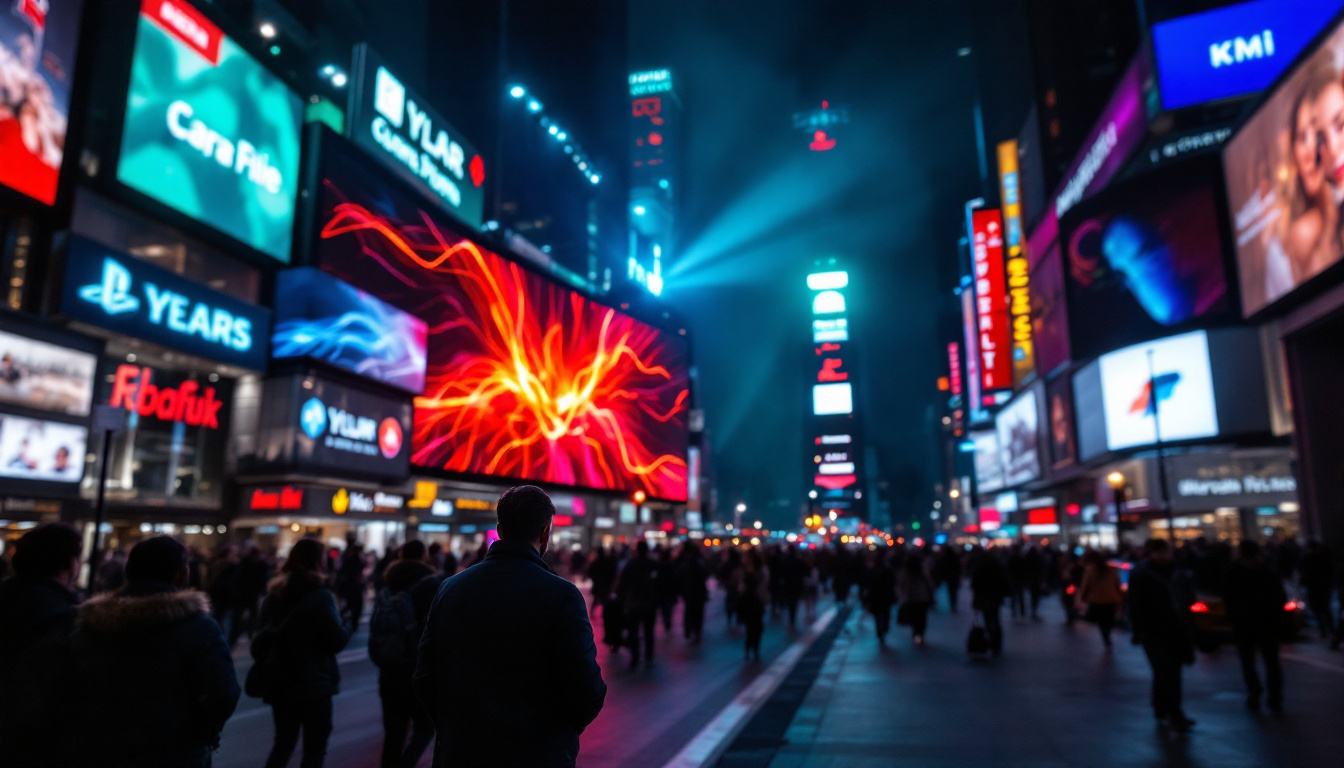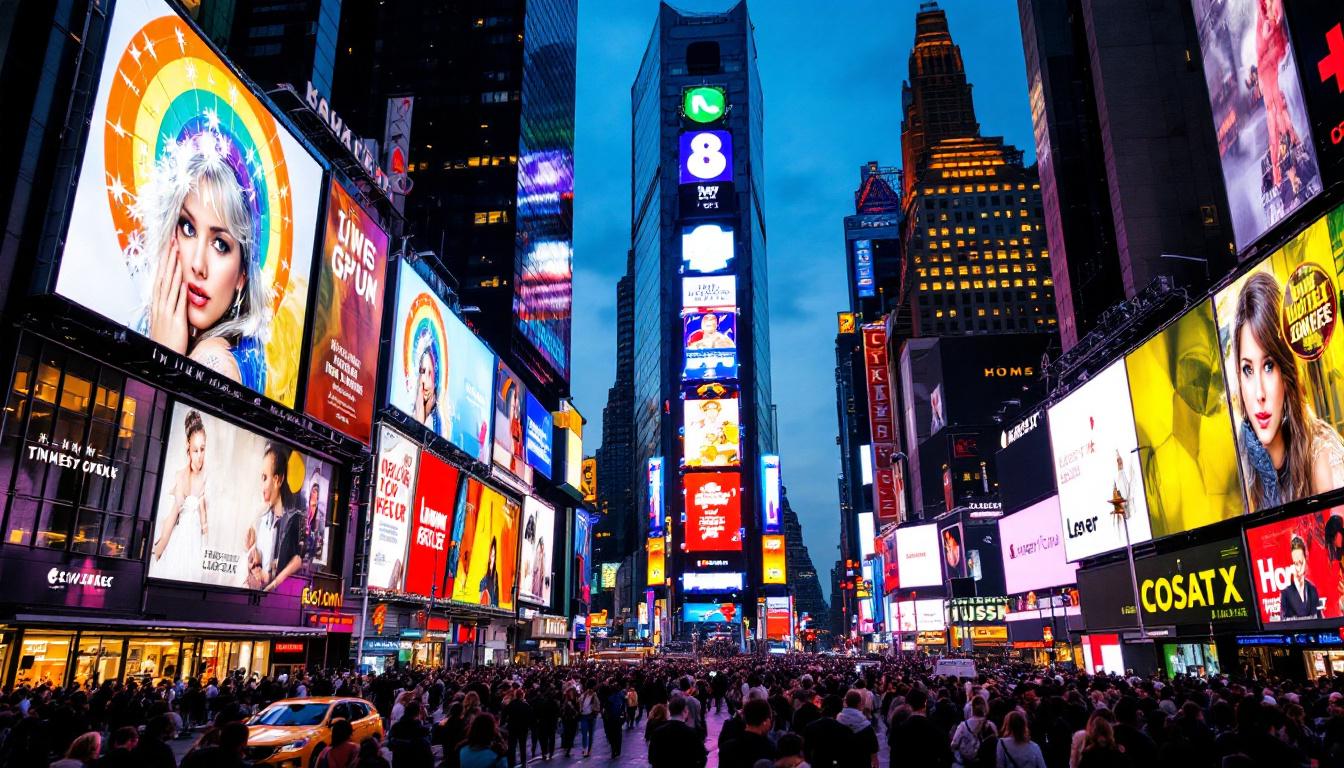
Times Square, often called “The Crossroads of the World,” is famous for its dazzling LED billboards and vibrant advertising displays. For businesses and marketers, securing ad space here is a coveted opportunity to reach millions of people daily. However, understanding the pricing and mechanics behind Times Square LED displays can be complex. This article breaks down the key factors influencing Times Square ad prices, explains how LED displays work, and offers insights into the value of advertising in this iconic location.
Understanding Times Square Advertising: Why LED Displays Matter
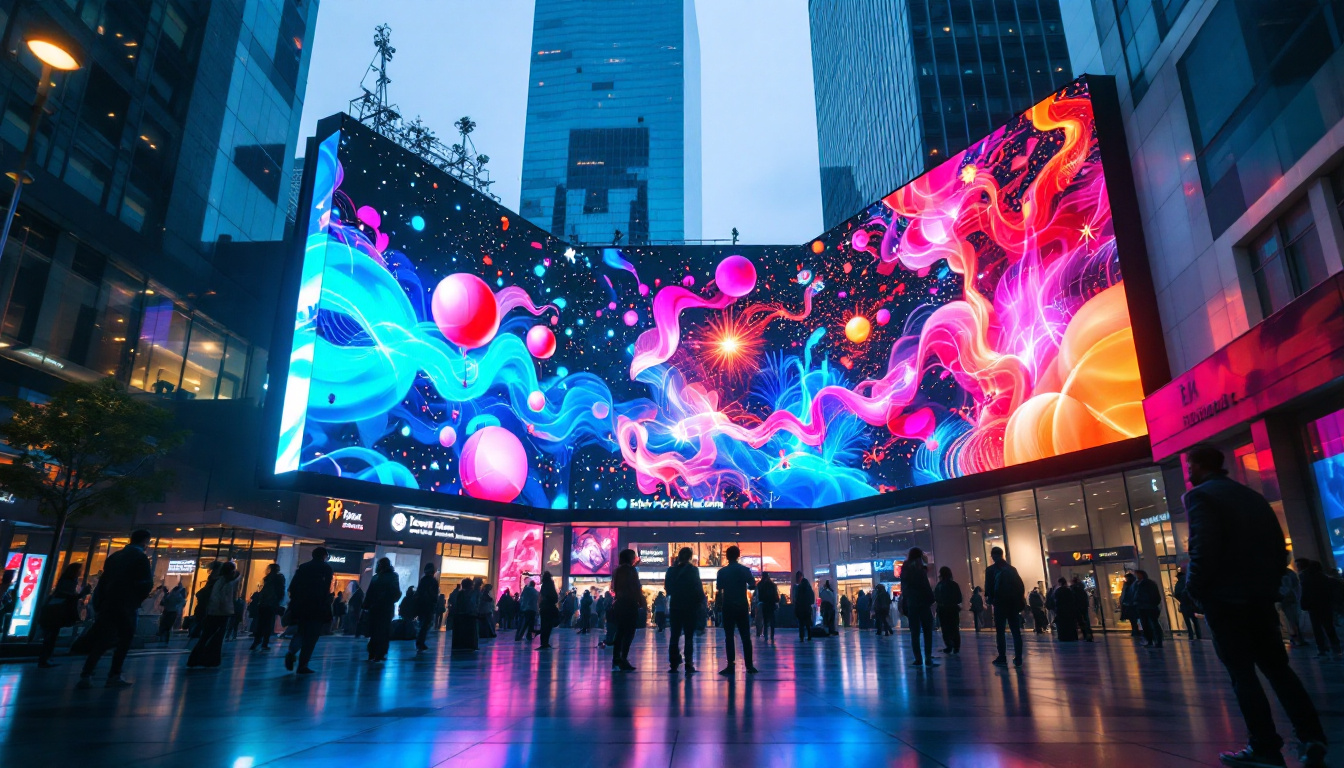
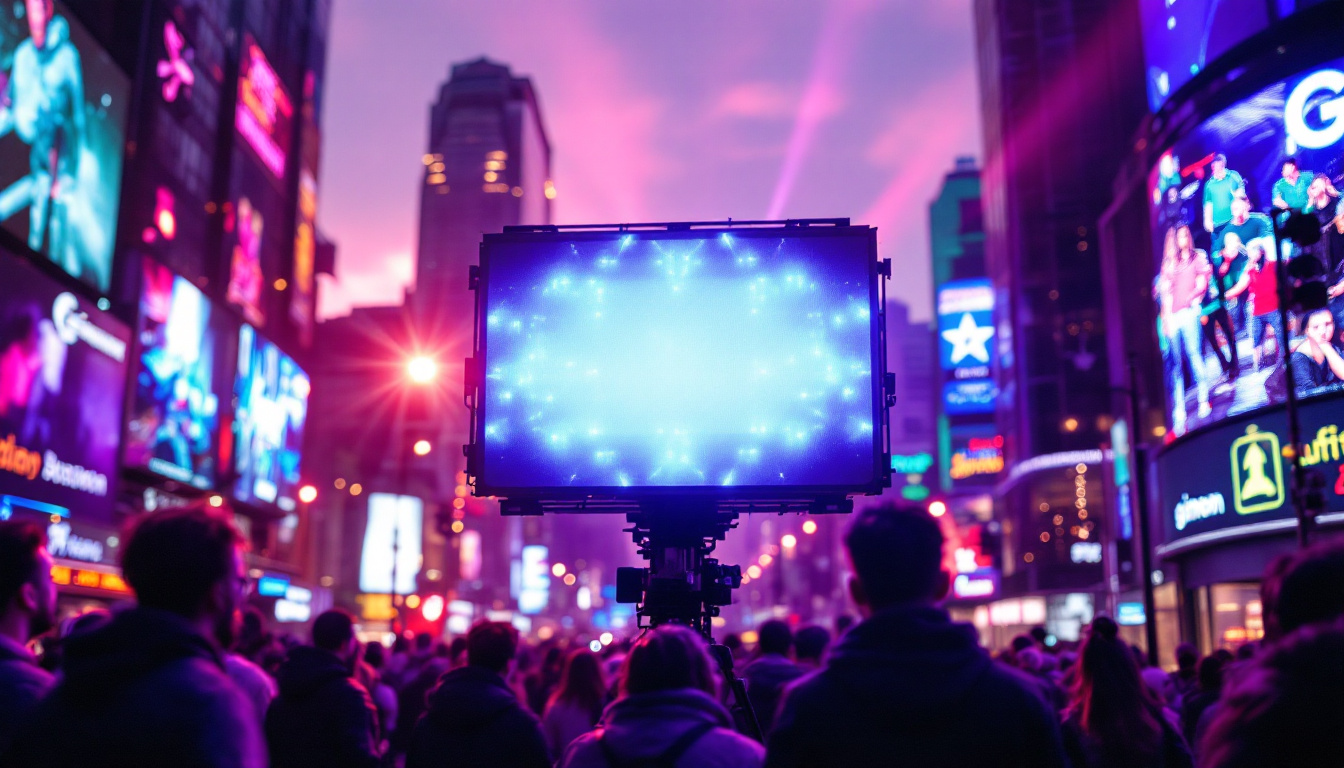
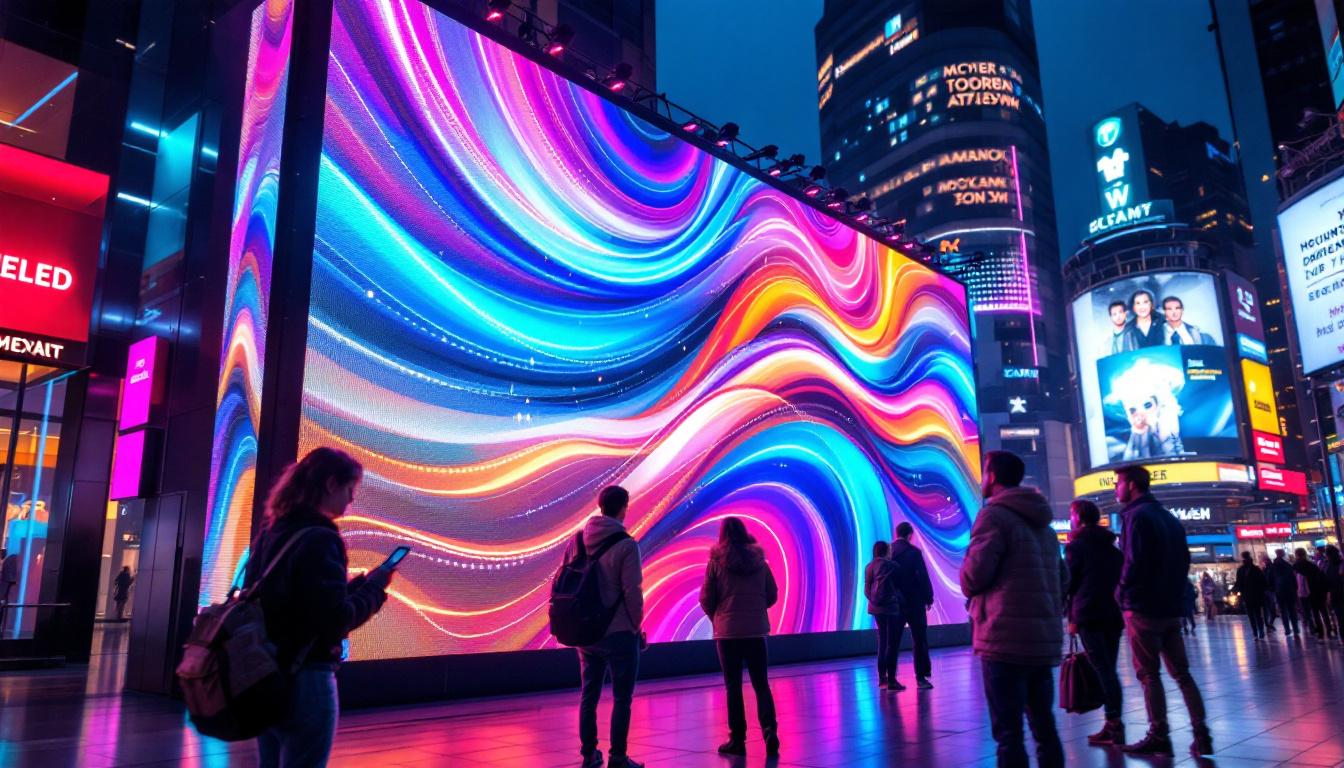
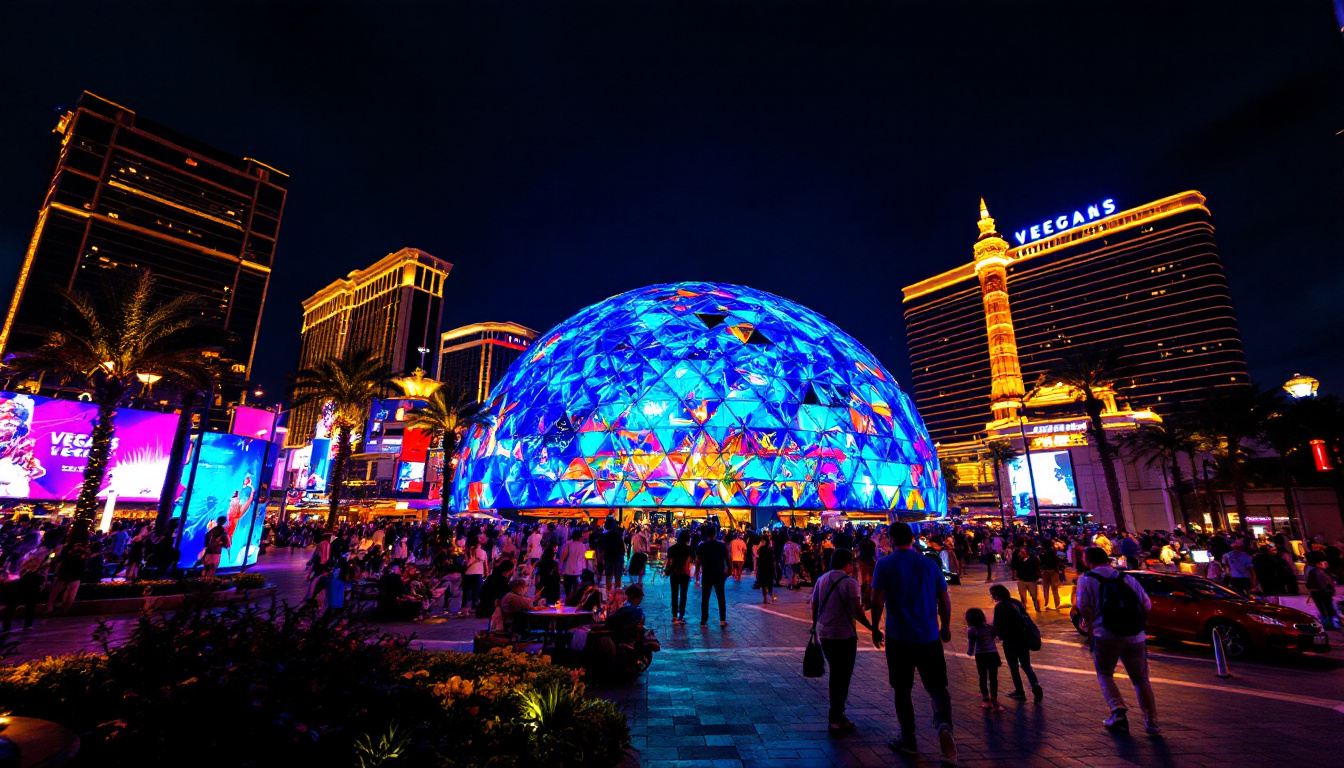
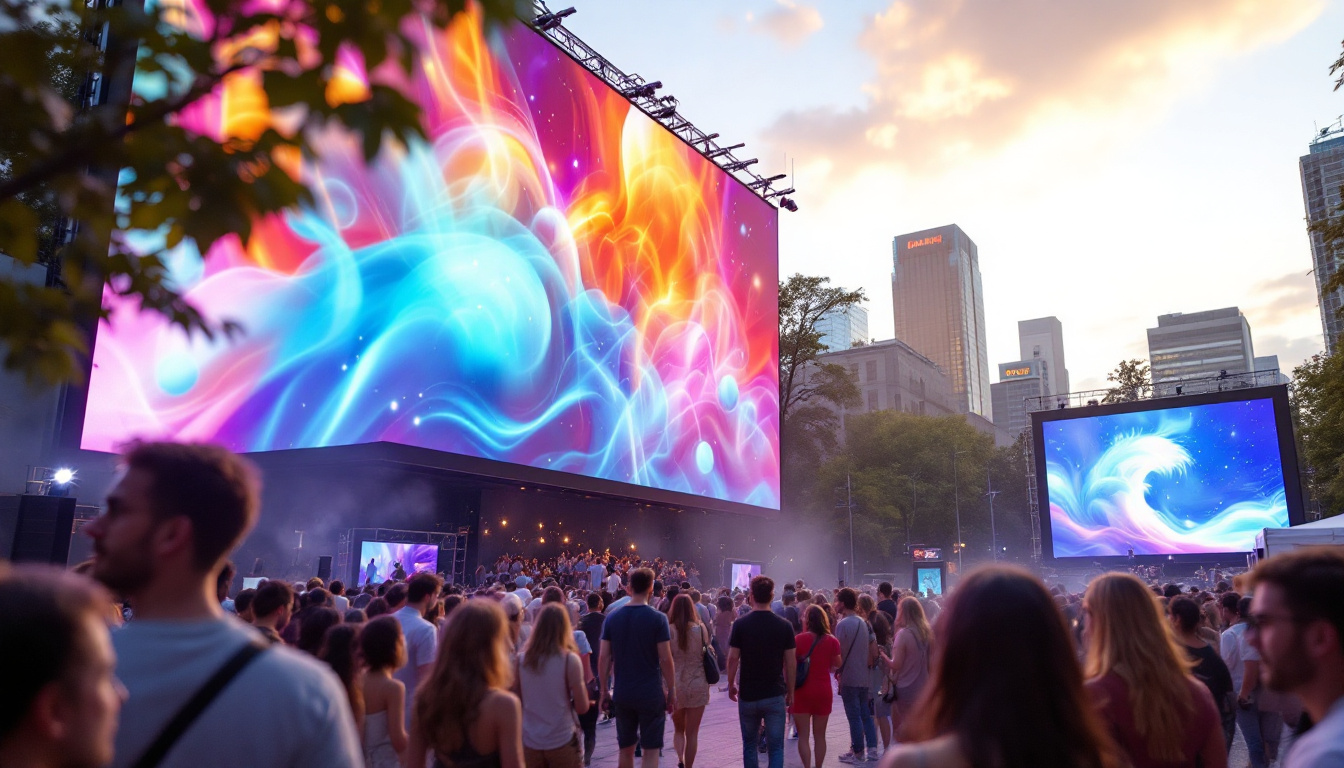
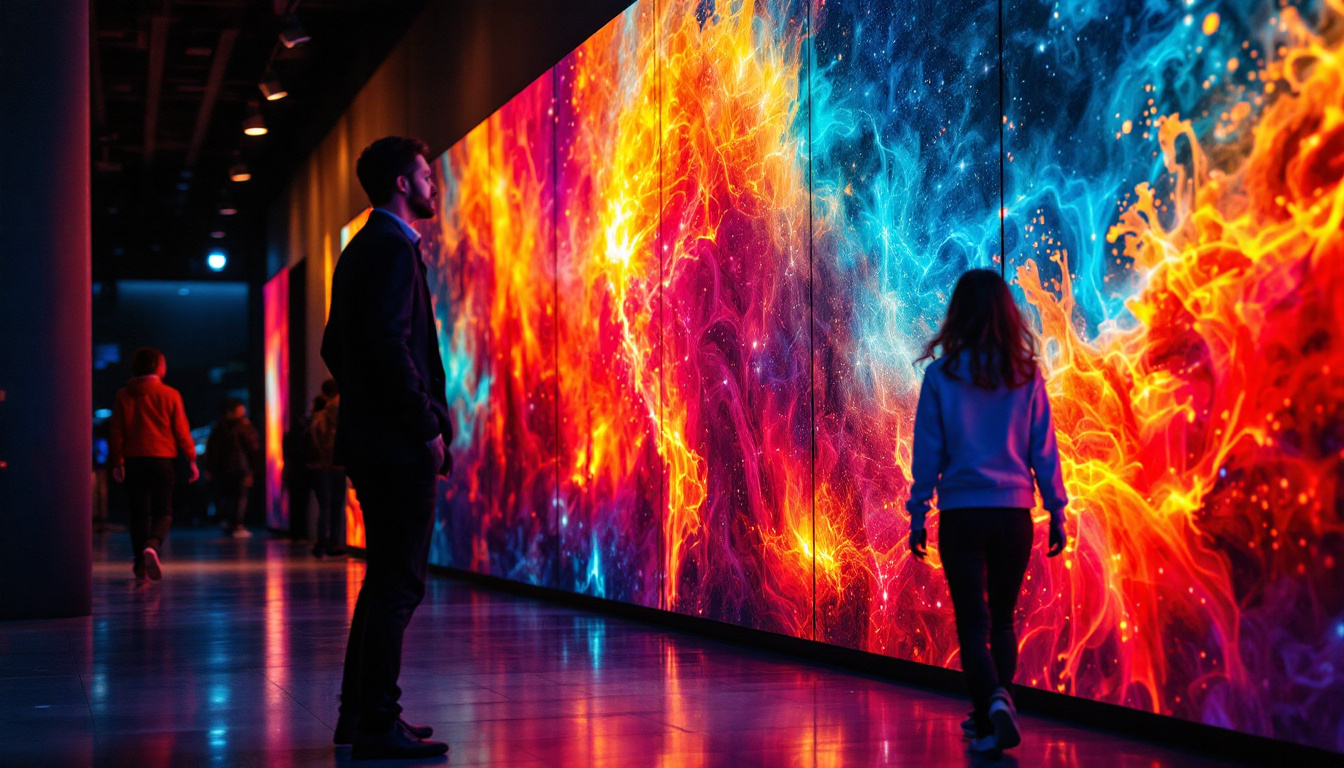
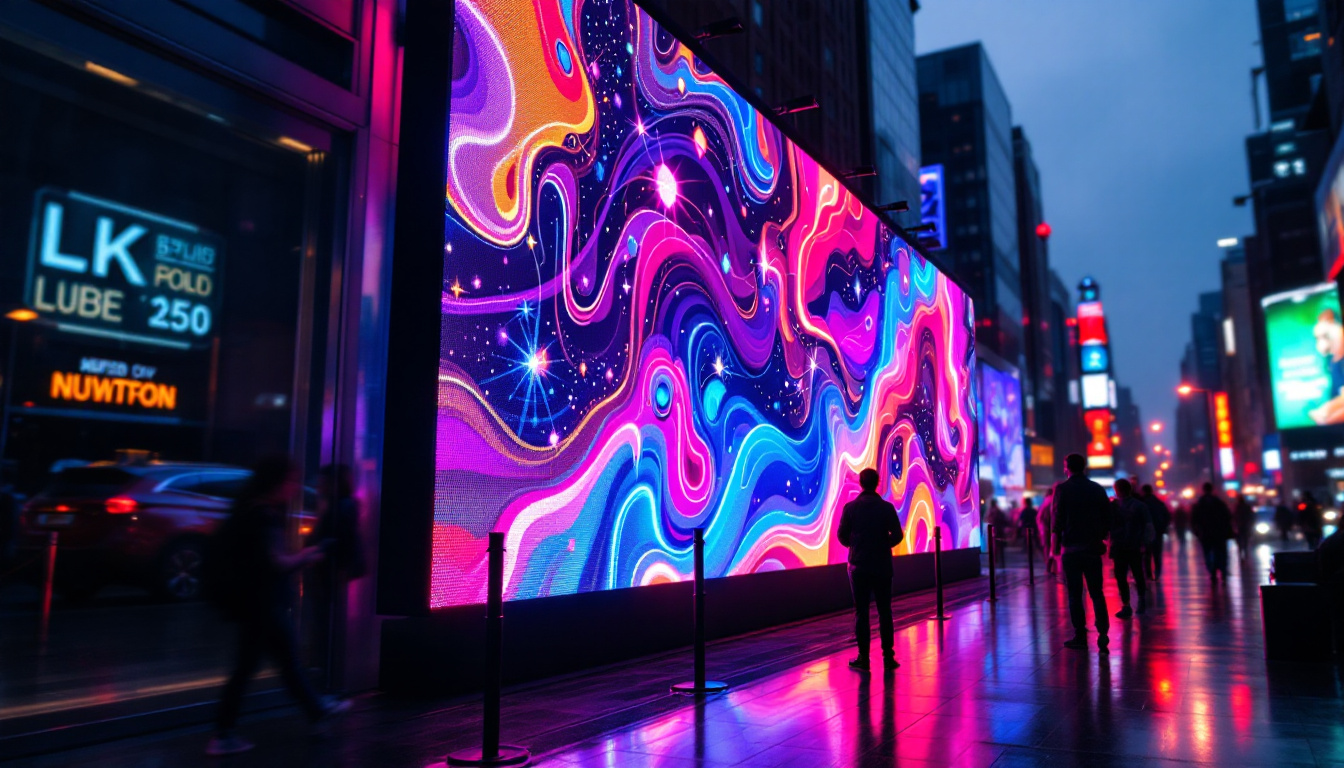
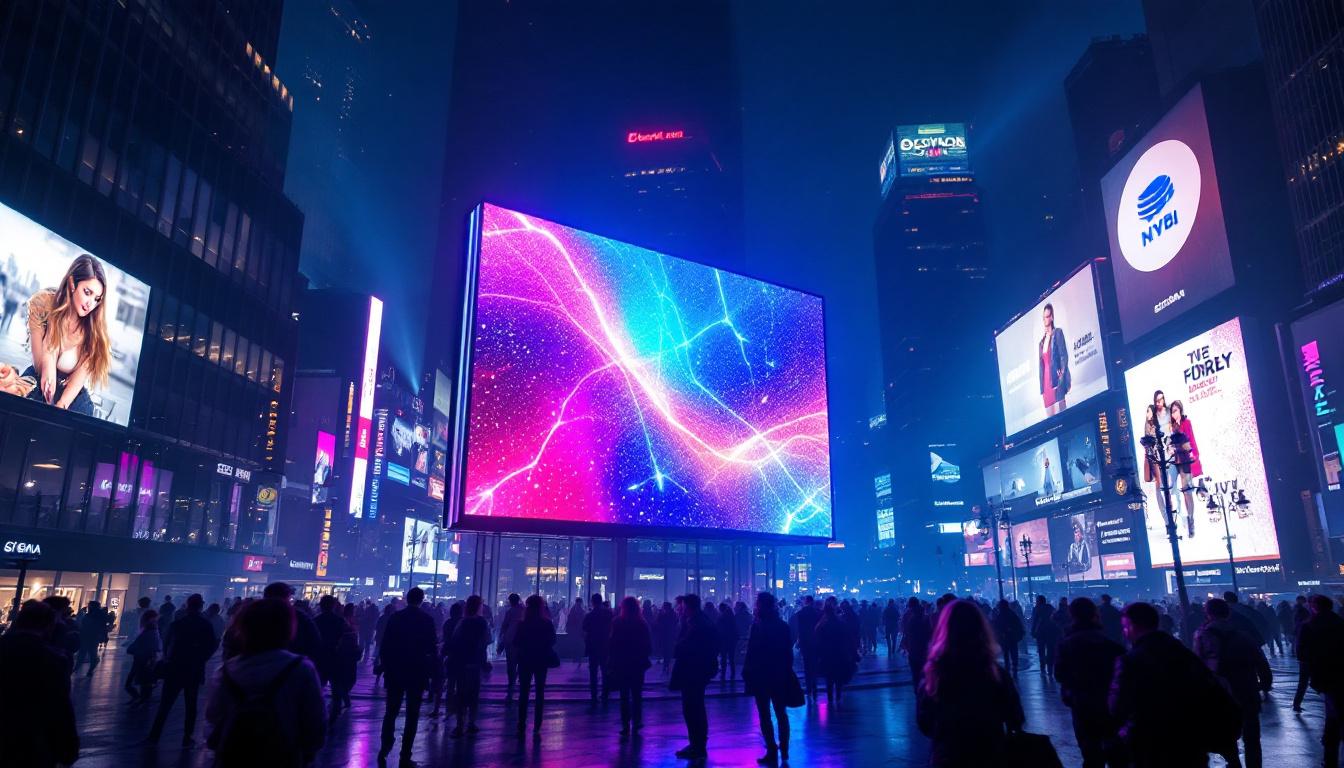
Times Square is a unique advertising ecosystem. Unlike traditional billboards, the majority of Times Square advertisements are dynamic LED displays that can showcase video, animations, and interactive content. This flexibility makes LED ads highly engaging and visually impactful, which is why they command premium prices.
LED (Light Emitting Diode) technology allows for bright, high-resolution images that are visible even in daylight and from great distances. This ensures that ads stand out amid the sensory overload of Times Square, capturing the attention of both pedestrians and commuters. The combination of high foot traffic—estimated at over 330,000 pedestrians daily—and the location’s global recognition makes these LED spaces invaluable for brand exposure.
The Role of Location and Size in Pricing
One of the primary factors affecting Times Square ad prices is the physical location of the LED display. Prime spots—such as those facing Broadway or Seventh Avenue, or near major landmarks like the TKTS booth—tend to command higher rates due to superior visibility and foot traffic. Additionally, the size of the LED screen plays a crucial role; larger displays require more advanced technology and maintenance, increasing costs.
For example, the iconic One Times Square building, which hosts the New Year’s Eve ball drop, features some of the most expensive ad spaces. A large-scale LED ad there can cost upwards of $1.1 million for a single day during peak seasons. In contrast, smaller or less centrally located screens might offer more affordable options, though still in the tens of thousands of dollars per day.
Moreover, the timing of the advertisement can significantly influence pricing. High-demand periods, such as holidays or major events like the Super Bowl or the New York Fashion Week, see rates skyrocket as brands vie for the attention of the massive crowds drawn to the area. Advertisers must also consider the duration of their campaigns; longer placements can sometimes negotiate better rates, allowing brands to maintain a presence in this bustling hub over time. The strategic planning involved in selecting the right time and place for an ad can make a substantial difference in its effectiveness and return on investment.
In addition to location and timing, the creative content of the advertisement itself plays a pivotal role in its success. Brands are increasingly leveraging cutting-edge technology to create immersive experiences, integrating augmented reality (AR) and interactive elements that invite audience participation. These innovative approaches not only enhance viewer engagement but also encourage social sharing, amplifying the reach of the campaign beyond the physical space of Times Square. As advertisers continue to push the boundaries of creativity, the competition for standout displays will only intensify, making Times Square a continually evolving landscape for marketing strategies.
How Much Does a Times Square LED Ad Cost?
Pricing for Times Square LED advertising varies widely based on several factors including screen size, location, duration, and time of year. Here’s a breakdown of the typical costs involved:
Daily and Monthly Rates
On average, renting a Times Square LED billboard can range from $30,000 to over $1 million per day. For smaller displays, daily rates might start around $30,000 to $50,000. Larger, premium locations can easily exceed $500,000 per day during high-demand periods such as the holiday season or major events.
Monthly contracts are common for brands seeking sustained presence. A month-long campaign on a mid-sized LED display can cost between $500,000 and $2 million. High-profile campaigns, such as those run by global brands like Coca-Cola or Samsung, often negotiate multi-month deals that include prime time slots and multiple screens. These long-term contracts not only provide brands with consistent visibility but also allow them to build a narrative over time, engaging audiences in a more profound way.
Time of Year and Event Impact
Seasonality greatly influences pricing. The holiday season, New Year’s Eve, and major events like the Super Bowl or the United Nations General Assembly see a spike in demand. Advertisers pay a premium to capitalize on increased foot traffic and media coverage during these times.
For instance, the week leading up to New Year’s Eve in Times Square is the most expensive advertising period of the year. Advertisers may pay double or triple the standard rates to ensure their ads are seen by the massive crowds gathered for the ball drop and televised celebrations. Additionally, brands often leverage this peak season to launch innovative campaigns that incorporate interactive elements, such as live social media feeds or augmented reality experiences, further enhancing audience engagement and making their ads stand out amidst the vibrant chaos of Times Square.
Moreover, the location of the LED screens plays a crucial role in determining their cost-effectiveness. Billboards situated at the crossroads of Broadway and Seventh Avenue, for example, attract a higher price due to the sheer volume of pedestrian traffic and visibility to passing vehicles. Advertisers must carefully consider their target demographics and the specific audience they wish to engage when selecting a location, as the right placement can significantly amplify the impact of their message, ensuring it resonates with the diverse crowd that frequents this iconic destination.
Technical Aspects of Times Square LED Displays
Beyond pricing, understanding the technical specifications of Times Square LED displays helps clarify why these ads are so effective and costly.
Resolution and Pixel Pitch
LED billboards are composed of thousands of tiny light-emitting diodes arranged in a grid. The density of these diodes, known as pixel pitch, determines the resolution and clarity of the image. Times Square displays typically have a pixel pitch ranging from 10mm to 20mm, balancing high resolution with visibility from long distances.
Higher resolution screens allow for more detailed and vibrant content, but they also require more sophisticated hardware and higher energy consumption, contributing to increased costs.
Brightness and Visibility
Times Square LED displays are designed to be exceptionally bright—often exceeding 5,000 nits—to compete with the intense ambient lighting of the area. This ensures ads remain visible and eye-catching during both day and night.
Advanced sensors adjust brightness automatically to optimize visibility and reduce energy consumption. This technology adds to the operational costs but enhances the overall effectiveness of the advertising.
Content Flexibility and Interactivity
Unlike static billboards, LED displays can showcase dynamic content including videos, animations, and real-time updates. Some displays incorporate interactive elements such as motion sensors or social media integrations, allowing brands to engage audiences in innovative ways.
This flexibility attracts advertisers willing to invest in creative campaigns that leverage the medium’s full potential, often resulting in higher prices for premium content slots.
How Advertisers Maximize ROI in Times Square
Given the high costs associated with Times Square LED advertising, brands must carefully strategize to maximize their return on investment (ROI).
Targeting and Timing
Successful campaigns align their messaging with peak foot traffic times and relevant events. For example, launching a new product during the holiday shopping season or a major sporting event can amplify impact.
Advertisers also consider the demographic composition of Times Square visitors, which includes tourists, business professionals, and locals, tailoring content to resonate with these diverse audiences.
Creative Content Design
Compelling visuals and storytelling are essential to stand out amid the sensory overload of Times Square. High-quality animations, bold colors, and clear messaging help capture attention quickly.
Many brands collaborate with creative agencies specializing in digital out-of-home (DOOH) advertising to develop content optimized for LED displays, ensuring maximum engagement.
Leveraging Social Media and Digital Integration
Integrating Times Square ads with social media campaigns can extend reach beyond physical viewers. For instance, hashtags displayed on screens encourage passersby to share photos online, amplifying brand exposure.
Some advertisers use real-time social media feeds or user-generated content on their LED screens, creating interactive experiences that boost both online and offline engagement.
Challenges and Considerations for Times Square Advertising
While Times Square offers unparalleled visibility, advertisers face several challenges and considerations when investing in LED display ads.
High Costs and Budgeting
The premium pricing means that only brands with substantial marketing budgets can afford sustained campaigns. Smaller businesses may find it difficult to justify the expense, although shorter-term or smaller-scale ads can sometimes be negotiated.
Content Restrictions and Regulations
Times Square advertising is subject to strict regulations regarding content, brightness, and safety. The Times Square Alliance and New York City government enforce guidelines to maintain the area’s aesthetic and prevent distractions to drivers and pedestrians.
Advertisers must work closely with display operators and regulatory bodies to ensure compliance, which can affect creative freedom and timelines.
Competition for Attention
Times Square is saturated with advertising, entertainment, and crowds. Standing out requires exceptional creativity and strategic placement. Even with a premium location, ads can be overshadowed by neighboring displays or events.
Conclusion: Is Advertising on Times Square LED Displays Worth the Investment?
Advertising on Times Square LED displays offers unmatched exposure in one of the world’s most iconic locations. The combination of high foot traffic, global media attention, and advanced display technology creates a powerful platform for brand visibility.
However, the high costs and competitive environment mean that careful planning, creative excellence, and strategic timing are essential to achieve a strong ROI. For major brands seeking to make a bold statement or launch a high-profile campaign, Times Square remains a premier advertising destination.
For businesses considering this investment, understanding the nuances of pricing, technology, and audience engagement is critical. Partnering with experienced media buyers and creative agencies can help navigate the complexities and maximize the impact of Times Square LED advertising.
Illuminate Your Brand with LumenMatrix
Ready to make your mark in the heart of Times Square with unparalleled LED display technology? LumenMatrix is at the forefront of creating immersive visual experiences that transform brand storytelling. From the vibrant Indoor LED Wall Display to the dynamic Outdoor LED Wall Display, and from the innovative Vehicle LED Display to the eye-catching LED Sports Display, our extensive range of solutions is designed to captivate and engage. Discover how our Custom LED Displays and All-in-One LED Display solutions can elevate your message in this iconic advertising landscape. Check out LumenMatrix LED Display Solutions today and take the first step towards revolutionizing your visual impact in Times Square and beyond.