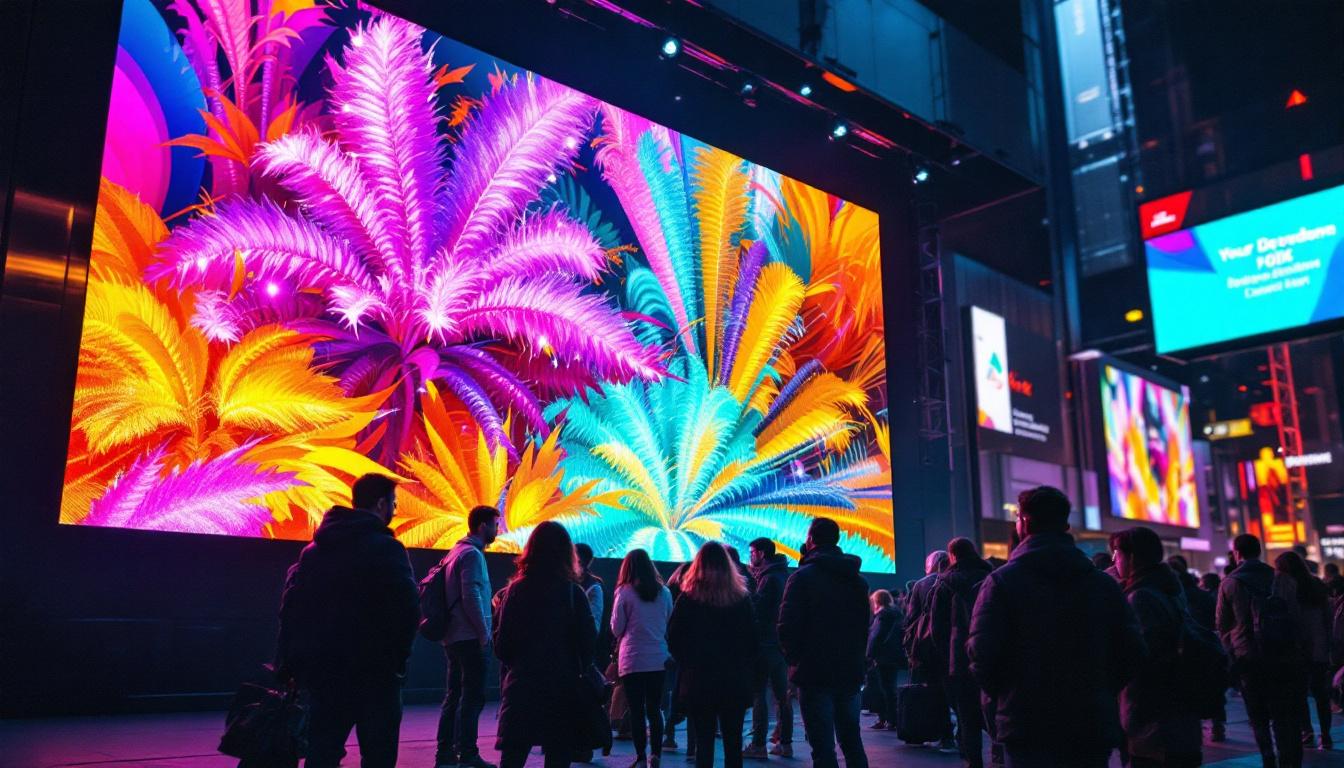
In today’s fast-paced world, digital signage has become an essential tool for businesses aiming to capture attention and communicate effectively with their audience. Whether it’s retail stores, corporate offices, transportation hubs, or entertainment venues, digital signage transforms static displays into dynamic, engaging experiences. Among the various technologies powering digital signage, LED displays stand out for their brightness, flexibility, and visual impact.
This article explores the fundamentals of LED displays, their advantages, and how to find the right digital signage companies near you to implement these solutions. Understanding these elements will help businesses make informed decisions and leverage digital signage to its fullest potential.
Understanding LED Displays: What Makes Them Unique?
LED, or Light Emitting Diode, displays are a type of digital screen that uses tiny light-emitting diodes to create images and videos. Unlike traditional LCD or projection screens, LED displays emit their own light, allowing for exceptional brightness and contrast levels. This self-illuminating feature not only enhances visibility in well-lit environments but also contributes to energy efficiency, making LED displays a sustainable choice for various applications.
LED technology is widely used in digital signage due to its versatility. These displays can be configured in various sizes and shapes, from small indoor panels to massive outdoor billboards. Their modular design means individual LED panels can be combined seamlessly to create large-scale displays that maintain high resolution and clarity. Furthermore, the lightweight nature of LED panels facilitates easier installation and transportation, which is particularly advantageous for events and temporary installations.
How LED Displays Work
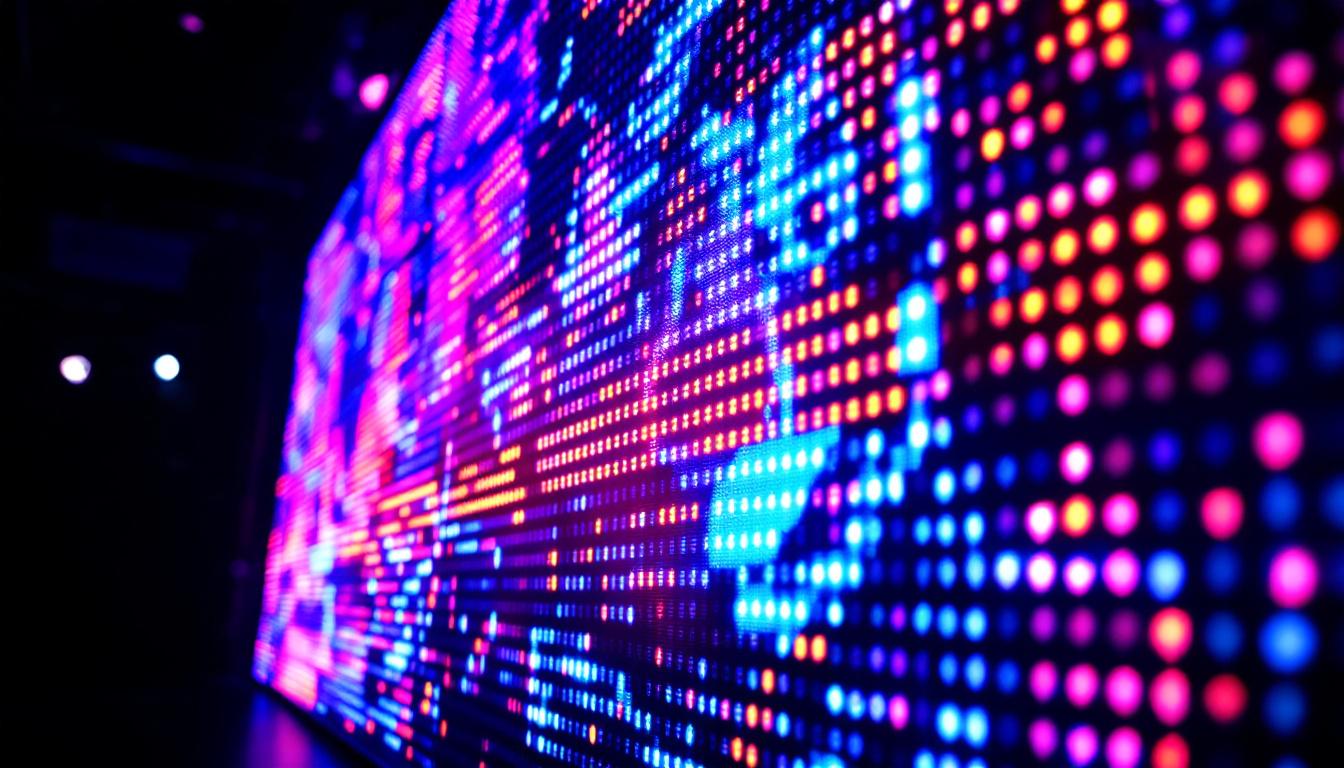
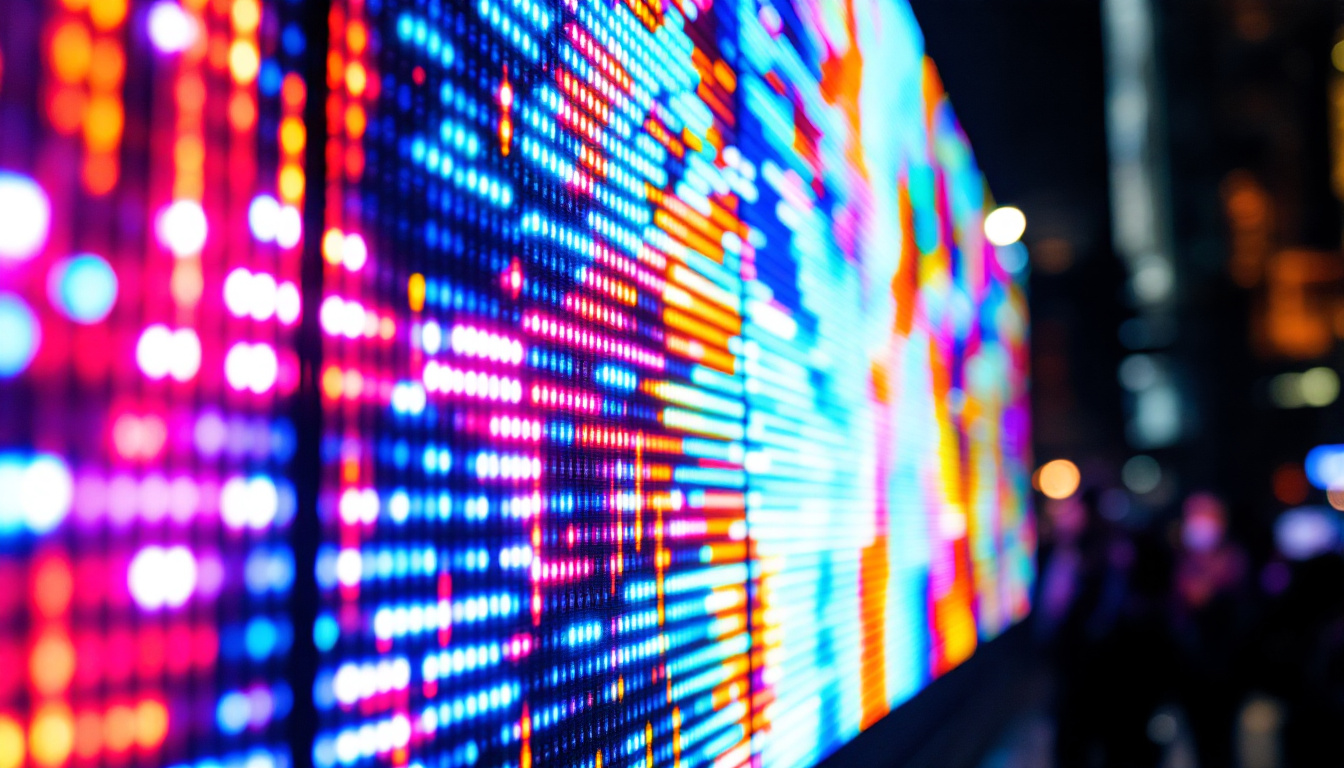
Each LED display consists of thousands to millions of tiny diodes that emit light when an electrical current passes through them. These diodes are arranged in a grid, with each diode representing a pixel on the screen. By varying the intensity of red, green, and blue LEDs, the display can produce a full spectrum of colors. This ability to mix colors at the pixel level allows for vibrant imagery and smooth transitions, making LED displays ideal for dynamic content such as videos and animations.
The key to LED display quality lies in pixel pitch — the distance between the centers of two adjacent pixels. A smaller pixel pitch means higher resolution and sharper images, which is crucial for close-viewing applications like retail or corporate environments. Additionally, advancements in technology have led to the development of high-density LED displays that can achieve pixel pitches as small as 1mm, providing incredible detail and clarity even at close distances.
Types of LED Displays
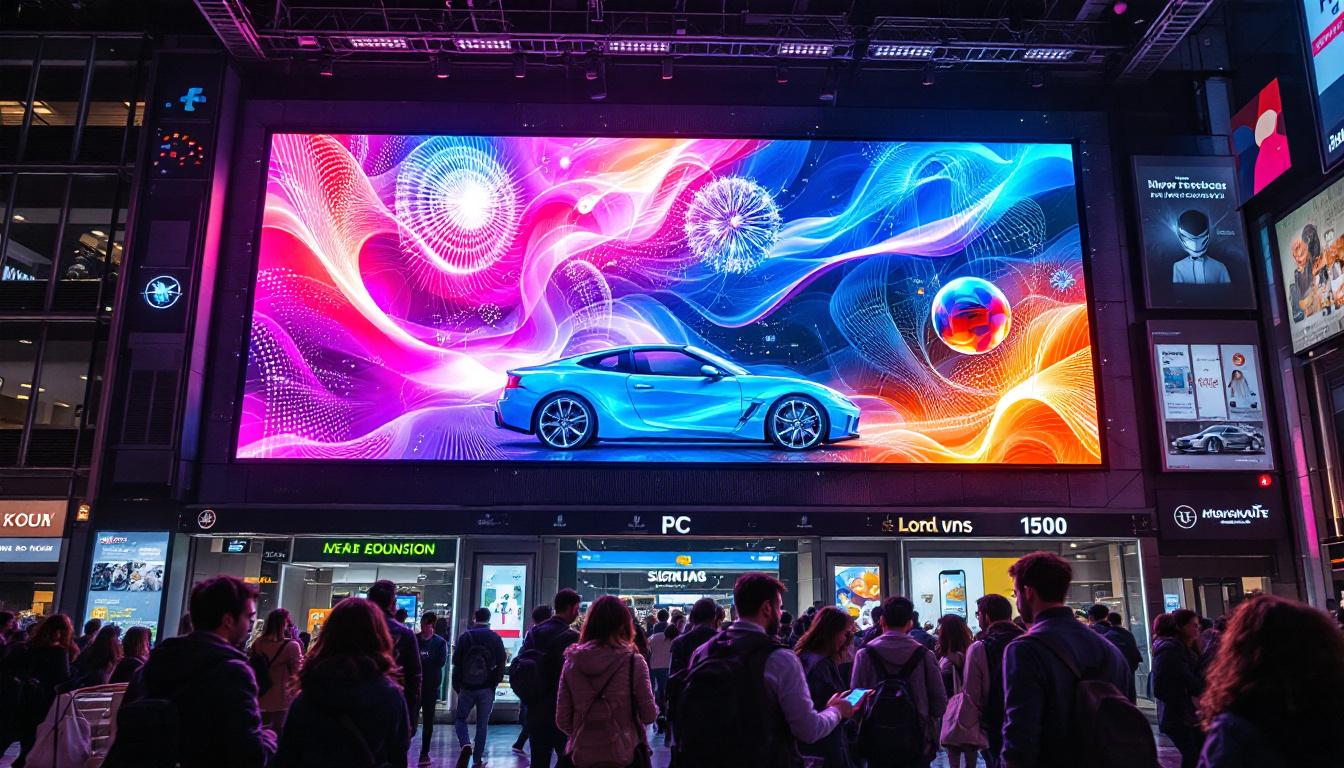
LED displays generally fall into two categories: indoor and outdoor. Indoor LED displays prioritize high resolution and color accuracy for close-range viewing, while outdoor displays focus on brightness and durability to withstand environmental conditions. Outdoor displays are often designed with weatherproof enclosures and enhanced brightness levels, ensuring visibility even in direct sunlight or adverse weather.
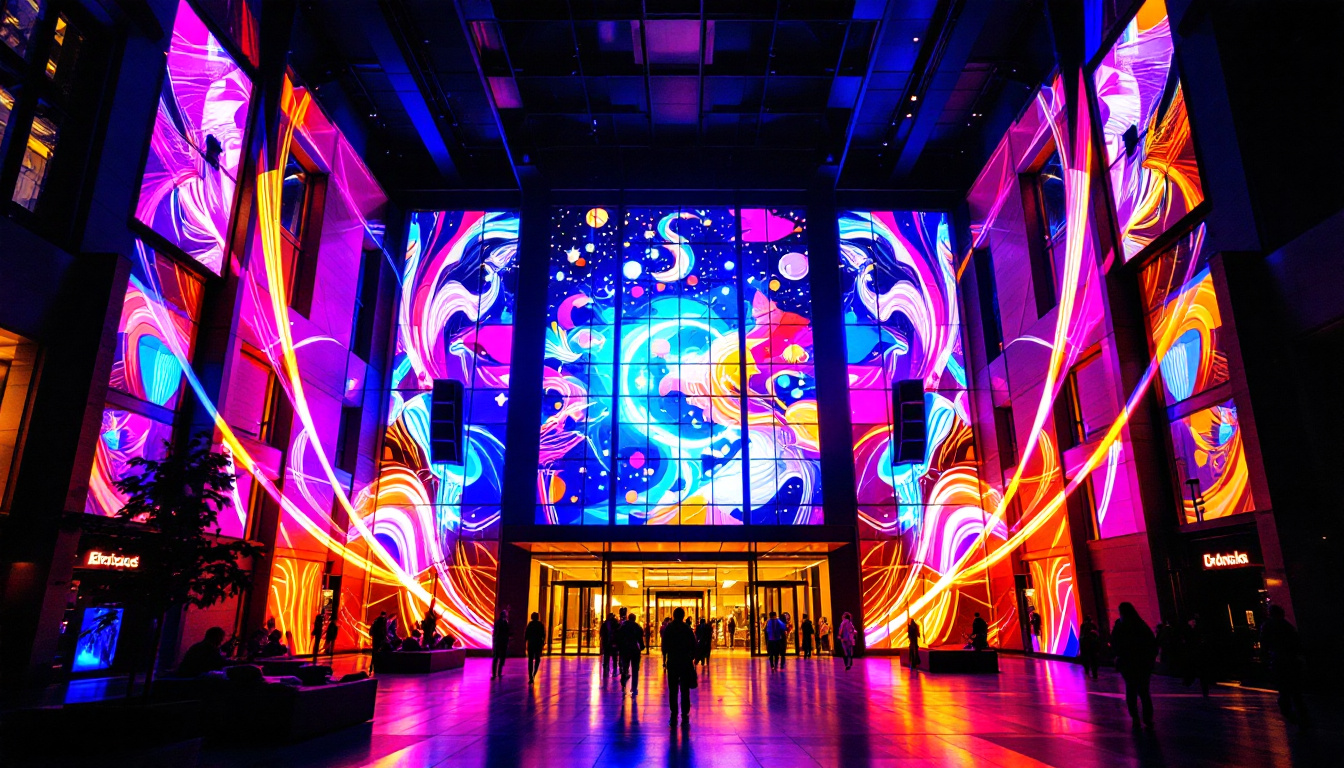
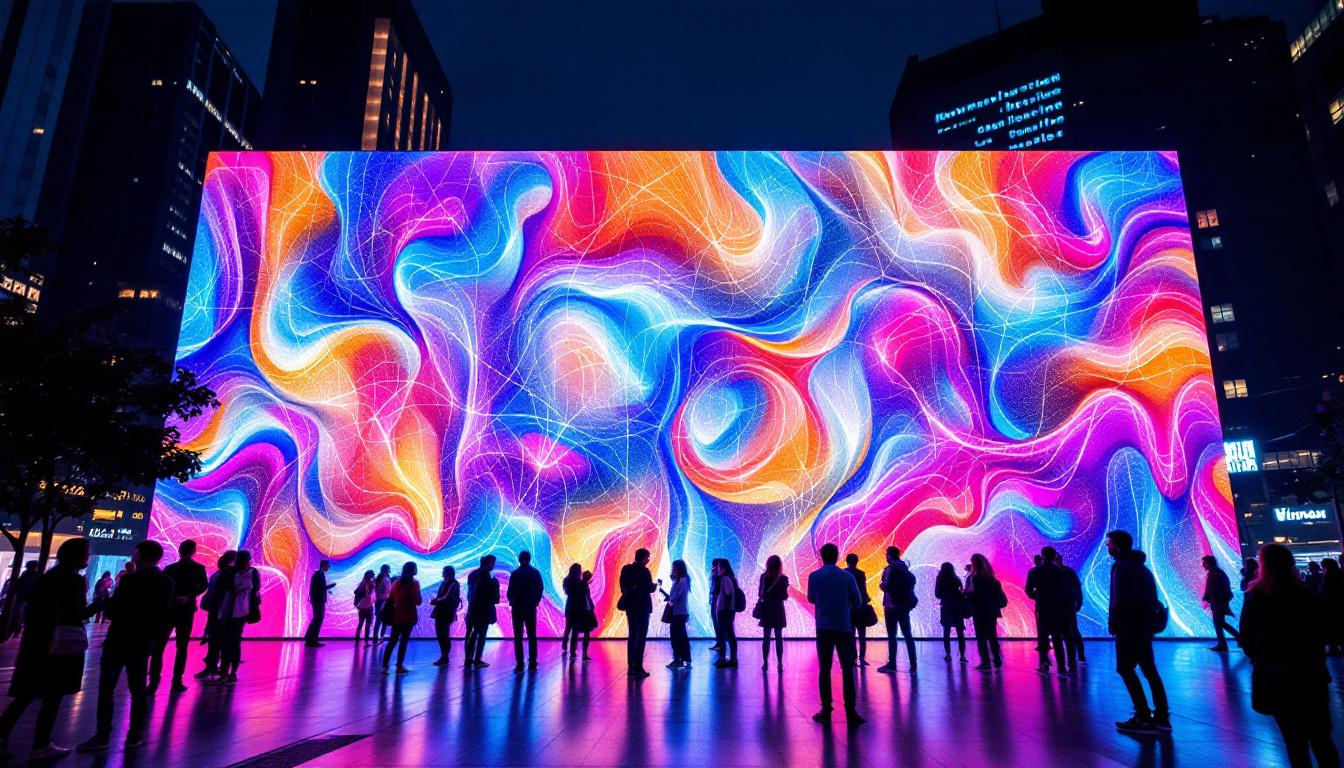
There are also transparent LED displays, which allow for see-through effects, and flexible LED displays that can curve or bend, opening new creative possibilities for digital signage. These innovations have expanded the scope of applications for LED technology, enabling unique installations in retail spaces, museums, and even architecture, where LED displays can be integrated into building facades or used as artistic installations. The adaptability of LED technology continues to inspire creative solutions across various industries, pushing the boundaries of traditional display systems.
Benefits of LED Displays in Digital Signage
LED displays offer several advantages that make them a preferred choice for digital signage solutions. These benefits directly impact how businesses engage with their customers and convey their messages.
Exceptional Brightness and Visibility
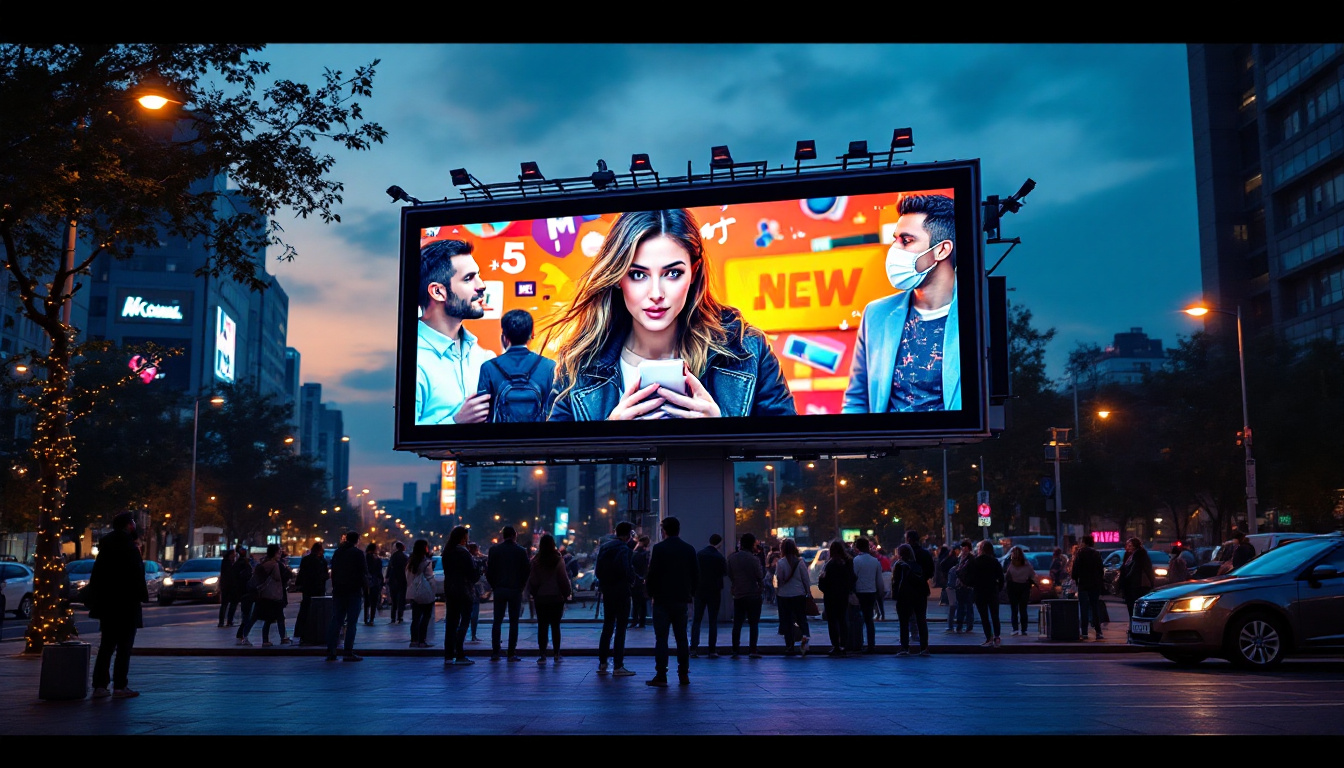
One of the most significant advantages of LED displays is their brightness. They can reach up to 5,000 nits or more, making them visible even in direct sunlight. This makes LED signage ideal for outdoor advertising, transit stations, and other environments where ambient light can be a challenge.
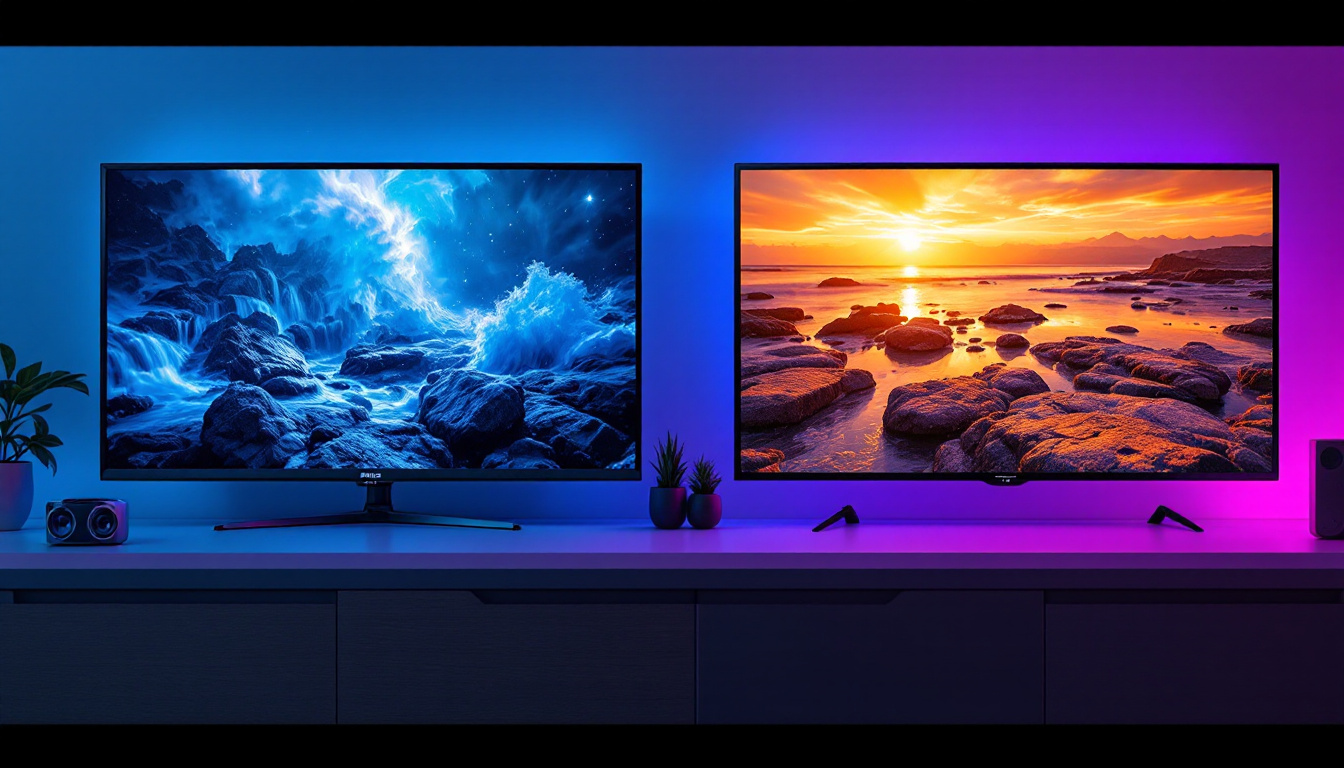
Indoor LED displays also benefit from their ability to maintain vivid colors and sharp images under various lighting conditions, ensuring messages are clear and attention-grabbing. The high contrast ratio of LED technology enhances the viewing experience, making it easier for customers to absorb information quickly. This is particularly important in high-traffic areas where consumers are often on the move and need to grasp messages at a glance.
Energy Efficiency and Longevity
Compared to traditional lighting and display technologies, LEDs consume less power, which translates into lower operating costs. Modern LED displays are designed to be energy-efficient without compromising brightness or image quality.
Additionally, LED displays have a longer lifespan, often exceeding 100,000 hours of operation. This durability reduces maintenance costs and downtime, making them a cost-effective investment over time. The reduced need for frequent replacements not only saves money but also minimizes the environmental impact, as fewer displays end up in landfills. This sustainability aspect is increasingly appealing to businesses looking to enhance their corporate responsibility profiles.
Flexibility and Customization
LED displays can be customized to fit a wide range of applications and environments. Their modular construction allows for scalable solutions, whether a small lobby screen or a large stadium display.
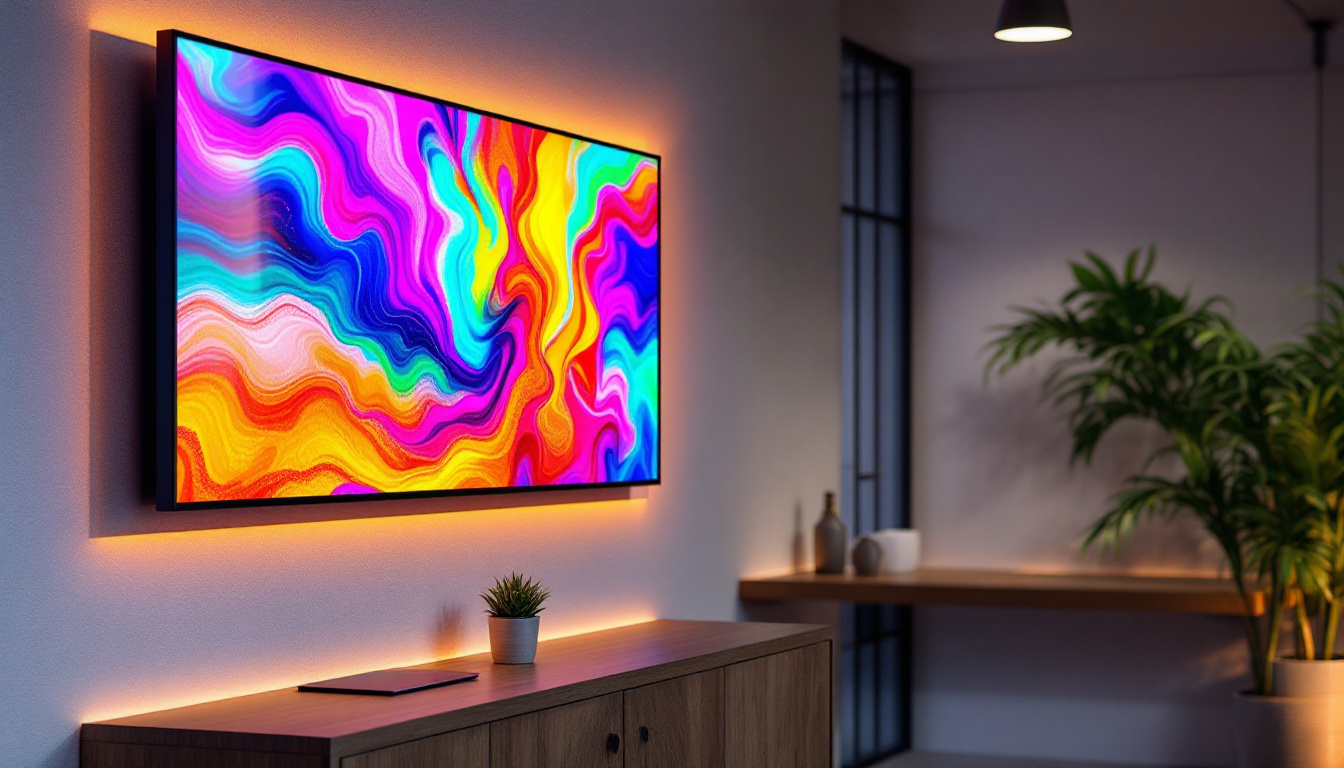
Creative configurations, such as curved walls, 3D shapes, or transparent panels, enable businesses to design unique visual experiences that differentiate their brand and captivate audiences. This level of customization allows for seamless integration into architectural designs, making the displays not just functional but also a part of the aesthetic appeal of a space. Furthermore, businesses can tailor their messaging to fit specific events or promotions, enhancing the overall customer experience.
Real-Time Content Updates
Digital signage powered by LED technology supports dynamic content that can be updated instantly. This capability is invaluable for businesses needing to display time-sensitive information, promotions, or interactive content.
Integration with content management systems (CMS) allows remote control and scheduling of content, reducing the need for manual updates and enabling targeted messaging based on time, location, or audience demographics. This real-time adaptability not only keeps the content fresh but also allows businesses to respond quickly to market trends or customer feedback, ensuring that their communications remain relevant and engaging. Moreover, the ability to run multiple campaigns simultaneously on different screens maximizes visibility and impact across various customer touchpoints.
How to Find the Right Digital Signage Company Near You
Choosing a reliable digital signage company is crucial for a successful LED display installation. The right partner will provide expertise in design, installation, and ongoing support, ensuring your digital signage meets your business goals.
Evaluate Experience and Portfolio
Start by researching companies with a proven track record in LED digital signage. Review their portfolio to see examples of past projects, paying attention to the variety of industries served and the complexity of installations.
Experienced companies will understand the nuances of LED technology, such as pixel pitch selection, brightness requirements, and environmental considerations, tailoring solutions to your specific needs.
Assess Technical Support and Maintenance Services
LED displays require regular maintenance to ensure optimal performance. Choose a company that offers comprehensive technical support, including installation, troubleshooting, and routine maintenance.
Look for service agreements that include remote monitoring and quick response times to minimize downtime and protect your investment.
Consider Customization and Integration Capabilities
Digital signage is most effective when integrated with your existing systems, such as POS, social media feeds, or data analytics platforms. A capable digital signage company will offer customization and integration services that enhance the functionality of your LED displays.
Discuss your content strategy and technical requirements upfront to ensure the company can deliver a solution that aligns with your business objectives.
Request Transparent Pricing and ROI Analysis
LED display installations can represent a significant investment. Request detailed pricing that covers hardware, software, installation, and ongoing support.
Additionally, seek guidance on measuring the return on investment (ROI) through metrics like increased foot traffic, sales uplift, or brand engagement. A reputable company will help you set realistic expectations and track performance over time.
Current Trends in LED Digital Signage
The digital signage industry continues to evolve rapidly, with LED technology at the forefront of innovation. Staying informed about current trends can help businesses maximize the impact of their signage investments.
High-Resolution MicroLED Displays
MicroLED technology is emerging as the next step in LED displays, offering even higher resolution, better color accuracy, and improved energy efficiency. These displays consist of microscopic LEDs, enabling ultra-fine pixel pitches suitable for close-viewing environments.
While still in the early stages of commercial adoption, MicroLED displays promise to revolutionize digital signage with unparalleled image quality.
Interactive and Touch-Enabled LED Displays
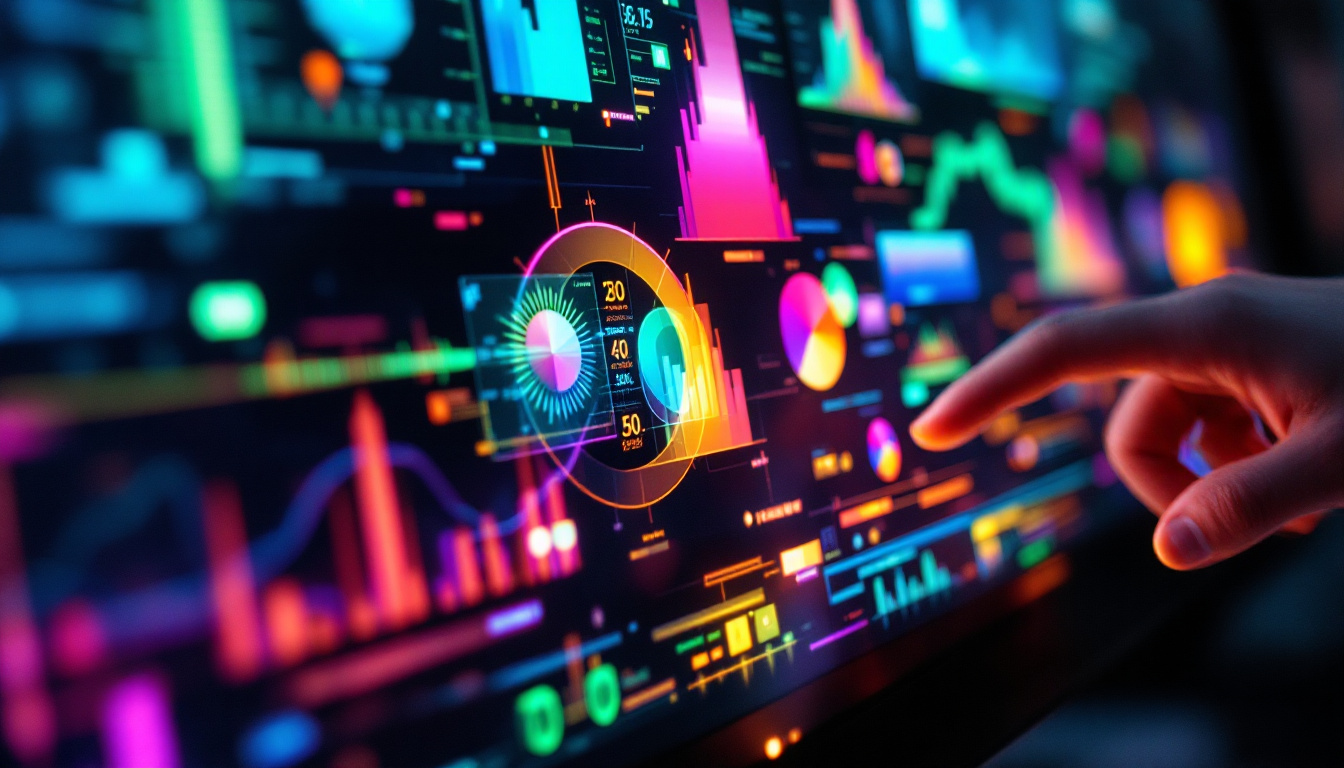
Interactivity is becoming a key feature in digital signage, enhancing customer engagement. Touch-enabled LED displays allow users to interact directly with content, providing personalized experiences and gathering valuable data.
This trend is particularly popular in retail, hospitality, and wayfinding applications, where user input can improve service and satisfaction.
Integration with Artificial Intelligence (AI)
AI-powered digital signage can analyze audience demographics, behavior, and preferences in real time, adjusting content dynamically to maximize relevance and impact.
For example, facial recognition technology can tailor advertisements based on age or gender, while AI-driven analytics provide insights into campaign effectiveness, enabling continuous optimization.
Conclusion: Leveraging LED Displays for Effective Digital Signage
LED displays are a powerful medium for digital signage, offering brightness, flexibility, and durability unmatched by other technologies. Their ability to deliver vibrant, dynamic content makes them ideal for businesses seeking to enhance customer engagement and brand visibility.
Finding the right digital signage company near you is essential to harness the full potential of LED displays. By considering experience, support, customization, and pricing, businesses can ensure successful implementation and ongoing performance.
As LED technology continues to advance, embracing current trends like MicroLED, interactivity, and AI integration will keep digital signage strategies innovative and effective in a competitive marketplace.
Discover LumenMatrix LED Display Solutions
Ready to transform your business with the power of LED digital signage? LumenMatrix is at the forefront of LED display innovation, offering a wide array of solutions tailored to your unique needs. From Indoor and Outdoor LED Wall Displays to specialized options like Vehicle, Sports, and Floor LED Displays, our products are designed to captivate and engage your audience. Embrace the future of visual communication with our Custom, All-in-One, and Transparent LED Displays. Elevate your brand’s visibility and create unforgettable visual experiences with LumenMatrix. Check out LumenMatrix LED Display Solutions today and see the difference cutting-edge technology can make.