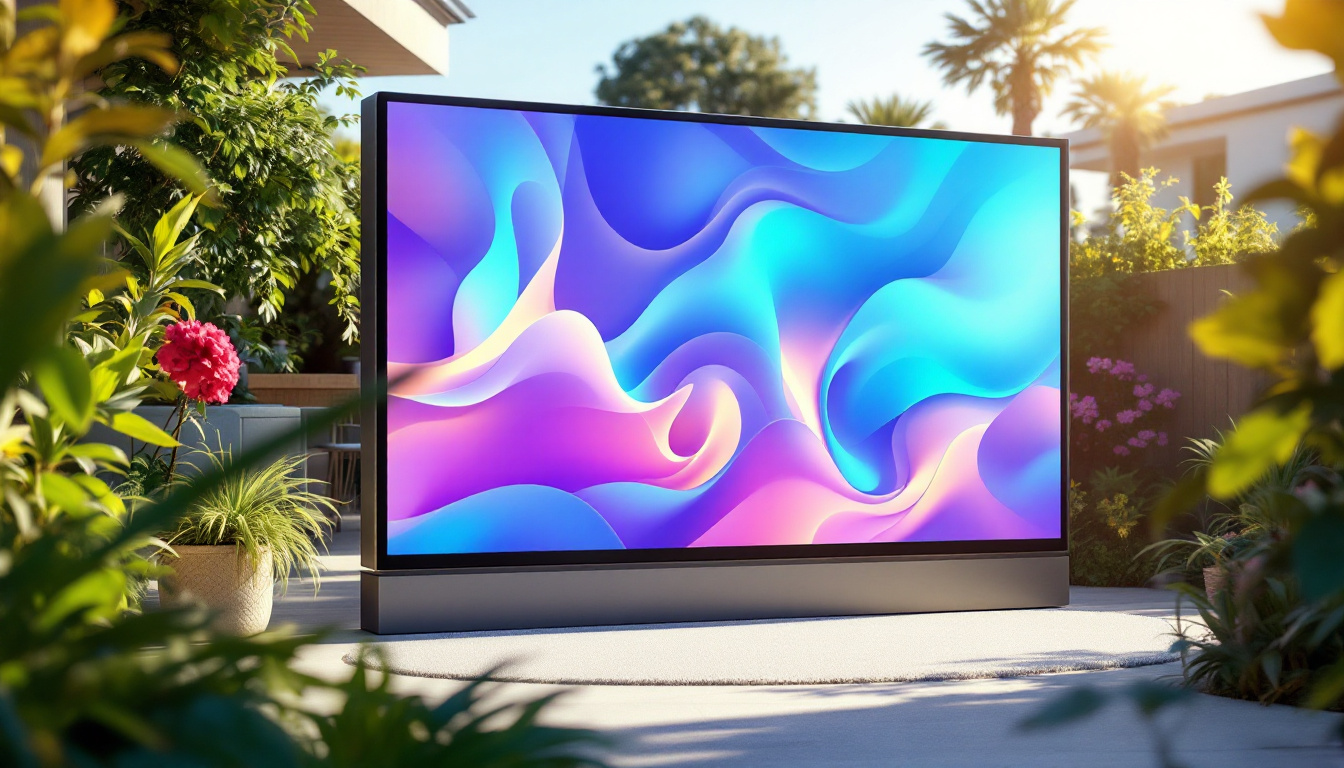
In the rapidly evolving world of television technology, LED displays have become a dominant force, offering consumers vibrant visuals, energy efficiency, and sleek designs. Among the many models and specifications available, the term “136 Tv” often arises, referring to a specific size or series within LED TV offerings. This article delves into the intricacies of LED displays, focusing on what makes the 136 Tv model stand out, the technology behind LED screens, and how to choose the right LED TV for your needs.
Understanding LED Display Technology
LED, or Light Emitting Diode, technology has revolutionized the way screens display images. Unlike traditional LCD (Liquid Crystal Display) TVs that rely on fluorescent backlighting, LED TVs use tiny light-emitting diodes to illuminate the screen. This fundamental difference leads to several advantages in picture quality, energy consumption, and design flexibility.
How LED Displays Work
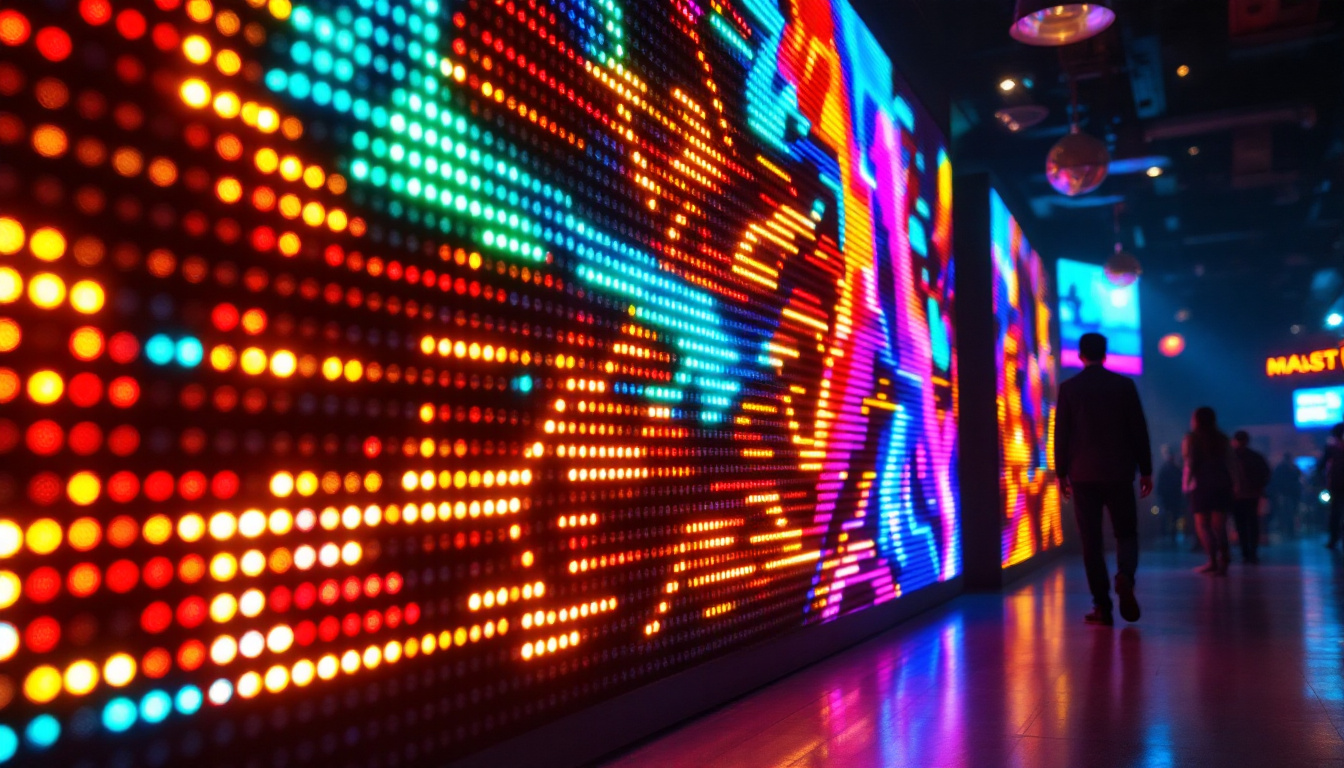
At the core of an LED TV is an LCD panel that controls the color and brightness of each pixel. The LEDs act as the backlight source, shining through the LCD layer to create the images viewers see. Depending on the type of LED backlighting used, the display can achieve varying levels of brightness and contrast.
There are primarily two types of LED backlighting: edge-lit and full-array. Edge-lit LED TVs position LEDs along the edges of the screen, allowing for thinner panels but sometimes sacrificing uniform brightness. Full-array LED TVs place LEDs directly behind the screen in a grid pattern, enabling more precise control over brightness and contrast through local dimming technology. This means that full-array displays can selectively dim or brighten specific areas of the screen, resulting in a more dynamic and immersive viewing experience.
Advantages of LED Displays
LED TVs offer numerous benefits over older display technologies. They are generally more energy-efficient, consuming up to 30-40% less power than traditional LCD TVs with fluorescent backlights. This efficiency not only reduces electricity bills but also contributes to environmental sustainability. The longer lifespan of LED technology, often exceeding 50,000 hours, further underscores its cost-effectiveness, as consumers can enjoy high-quality visuals without frequent replacements.
Moreover, LED displays provide superior color accuracy and higher contrast ratios, enhancing the viewing experience. The ability to produce deeper blacks and brighter whites makes LED TVs ideal for watching high-definition content, gaming, and cinematic experiences. Additionally, advancements in LED technology, such as Quantum Dot and OLED (Organic Light Emitting Diode), have further pushed the boundaries of color reproduction and viewing angles, allowing for an even more vivid and lifelike representation of images. These innovations are particularly beneficial for professionals in fields such as graphic design and video production, where color precision is paramount.
The Significance of the “136 Tv” Designation
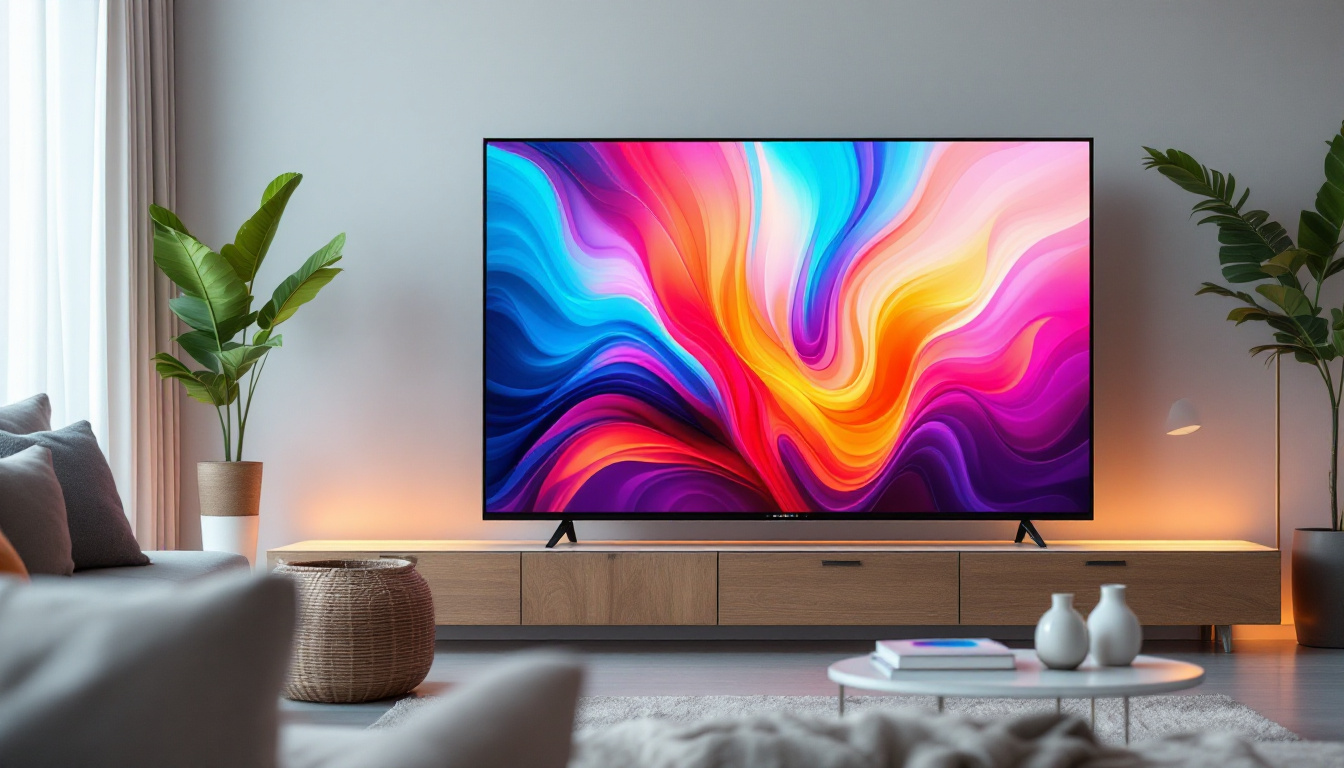
The term “136 Tv” typically refers to a television with a 136-centimeter screen size, which translates to approximately 54 inches diagonally. This size is popular among consumers seeking a balance between immersive viewing and fitting the TV comfortably into living spaces.
Why 136 cm (54 inches) is a Popular Size
Choosing the right TV size is crucial for an optimal viewing experience. A 54-inch screen offers a substantial display area without overwhelming most living rooms or entertainment centers. According to the Society of Motion Picture and Television Engineers (SMPTE), the ideal viewing distance for a 54-inch TV is about 7 to 9 feet, which aligns well with average room dimensions in many homes.
This size is especially favored for its versatility. It is large enough to appreciate 4K Ultra HD content, where the increased pixel density enhances detail and sharpness, yet compact enough to avoid excessive eye movement or neck strain during extended viewing sessions.
Market Trends and Consumer Preferences
Recent market analysis indicates a growing demand for mid-to-large screen TVs, with 50 to 60 inches being the sweet spot for many buyers. In 2023, sales data from leading electronics retailers showed that models around 54 inches accounted for nearly 25% of total TV sales, reflecting consumer preference for immersive yet manageable screen sizes.
Manufacturers have responded by offering a wide range of 136 Tv models equipped with advanced features such as HDR (High Dynamic Range), smart TV capabilities, and enhanced refresh rates, catering to diverse entertainment needs.
Key Features to Look for in a 136 Tv LED Display
When selecting a 136 Tv LED display, understanding the technical specifications and features can help ensure the best purchase decision. Here are some critical aspects to consider:
Resolution and Picture Quality
Resolution is a fundamental factor influencing image clarity. Most 136 Tv models come with 4K Ultra HD resolution (3840 x 2160 pixels), offering four times the detail of Full HD. This higher resolution is especially beneficial on larger screens, where pixel density directly affects sharpness.
Additionally, support for HDR formats such as HDR10, Dolby Vision, or HLG enhances color depth and contrast, making scenes more lifelike. Consumers should look for TVs with wide color gamut capabilities and high peak brightness to fully enjoy HDR content.
Refresh Rate and Motion Handling
A higher refresh rate contributes to smoother motion, which is critical for fast-paced content like sports and gaming. While most LED TVs offer 60Hz refresh rates, many 136 Tv models feature 120Hz or higher, reducing motion blur and judder.
Some models also incorporate motion interpolation technology, which generates additional frames to create fluid movement. However, preferences vary, and some viewers may find this effect unnatural, so it is advisable to test the TV personally if possible.
Smart TV Functionality
Modern 136 Tv LED displays often come equipped with smart platforms, enabling access to streaming services, apps, and voice assistants. Popular operating systems include Android TV, Roku TV, and proprietary platforms from manufacturers like Samsung’s Tizen or LG’s webOS.
Connectivity options such as Wi-Fi, Ethernet, Bluetooth, and multiple HDMI ports allow seamless integration with external devices like soundbars, gaming consoles, and media players.
Design and Build Quality
The aesthetic appeal of a TV is increasingly important as it becomes a centerpiece in living spaces. Slim bezels, minimalist stands, and premium materials contribute to a modern look. Additionally, build quality affects durability and overall user satisfaction.
Some 136 Tv models feature ultra-thin profiles and innovative mounting options, including wall mounts and swivel stands, offering flexibility in placement and room decor.
Comparing LED with Other Display Technologies
While LED displays dominate the market, it is essential to understand how they compare with alternative technologies such as OLED and QLED, especially when considering a 136 Tv model.
LED vs. OLED
OLED (Organic Light Emitting Diode) TVs differ fundamentally from LED TVs in that each pixel emits its own light, allowing for perfect blacks and infinite contrast ratios. This results in superior picture quality, particularly in dark scenes.
However, OLED TVs are generally more expensive and can be susceptible to burn-in with static images. For consumers prioritizing budget and brightness, LED TVs remain a compelling choice, especially in well-lit rooms.
LED vs. QLED
QLED (Quantum Dot LED) is a marketing term used by some manufacturers to describe LED TVs enhanced with quantum dot technology. These quantum dots improve color accuracy and brightness, narrowing the gap between LED and OLED performance.
QLED TVs typically offer higher peak brightness, making them excellent for HDR content in bright environments. The 136 Tv models featuring QLED technology provide vibrant colors and sharp images, appealing to users seeking premium LED experiences.
Practical Tips for Setting Up and Maintaining Your 136 Tv LED Display
To maximize the lifespan and performance of your 136 Tv LED display, proper setup and maintenance are crucial.
Optimal Placement and Viewing Environment
Position the TV to minimize glare from windows and lights, which can diminish picture quality. Using curtains or blinds can help control ambient light. The recommended viewing distance for a 54-inch screen is approximately 7 to 9 feet, ensuring comfortable eye movement and immersive viewing.
Adjust the TV’s picture settings according to the room’s lighting conditions. Many models offer preset modes such as Cinema, Sports, or Vivid, which can be fine-tuned for personal preference.
Regular Cleaning and Care
Dust and fingerprints can affect screen clarity. Use a soft, lint-free microfiber cloth to gently clean the screen. Avoid harsh chemicals or abrasive materials that can damage the display surface.
Ensure ventilation around the TV is adequate to prevent overheating, which can degrade components over time. Avoid placing the TV in enclosed spaces or near heat sources.
Software Updates and Troubleshooting
Keep your smart TV’s firmware updated to benefit from the latest features, security patches, and performance improvements. Most models allow automatic updates via Wi-Fi.
If you encounter issues such as screen flickering, connectivity problems, or app malfunctions, consult the manufacturer’s support resources or customer service for guidance.
Conclusion: Is a 136 Tv LED Display Right for You?
The 136 Tv LED display, with its approximately 54-inch screen size, strikes an excellent balance between immersive viewing and practical room fit. Leveraging the advantages of LED technology—energy efficiency, vibrant colors, and sleek design—these TVs cater to a wide range of entertainment needs.
When selecting a 136 Tv model, consider factors such as resolution, refresh rate, smart features, and design to find the best fit for your lifestyle and budget. Understanding how LED compares to other technologies like OLED and QLED can further inform your decision.
With proper setup and care, a 136 Tv LED display can provide years of high-quality viewing pleasure, making it a valuable addition to any home entertainment system.
Discover the Future of Visual Experience with LumenMatrix
Ready to elevate your viewing experience with the latest in LED display technology? Look no further than LumenMatrix, a pioneer in crafting exceptional LED display modules that bring your content to life. Whether you’re in need of an Indoor LED Wall Display for your business, an Outdoor LED Wall Display for advertising, or any of our other innovative solutions like Vehicle LED Displays and LED Sports Displays, LumenMatrix has you covered. Embrace the future of visual communication and transform your space with vibrant, energy-efficient displays that promise to captivate and engage. Check out LumenMatrix LED Display Solutions today and join the revolution in digital signage excellence.