In today’s digital age, LED displays have become a cornerstone of visual communication, from billboards and stadium screens to indoor advertising and home entertainment. Understanding how much LED displays cost and what factors influence their pricing is essential for businesses, event organizers, and consumers looking to invest in this dynamic technology. This article delves into the intricacies of LED displays, explaining what they are, how they work, and the key elements that determine their cost.
What Is an LED Display?
LED stands for Light Emitting Diode, a semiconductor device that emits light when an electric current passes through it. An LED display is a flat panel that uses an array of these tiny diodes to produce images, videos, or text. Unlike traditional LCD or plasma screens, LED displays offer superior brightness, energy efficiency, and durability, making them ideal for both indoor and outdoor applications.
LED displays come in various forms, including:
- Indoor LED Displays: Used in retail stores, conference rooms, and control centers, these displays emphasize high resolution and color accuracy.
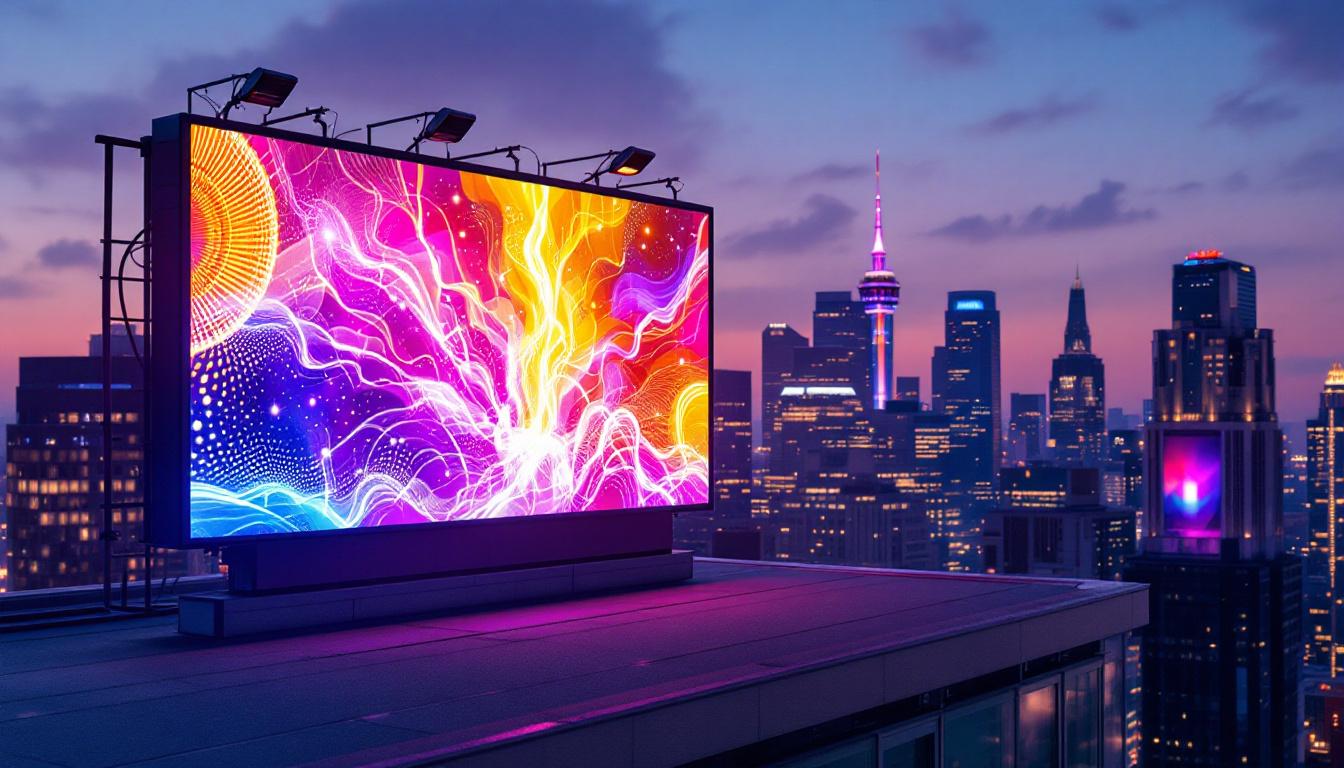
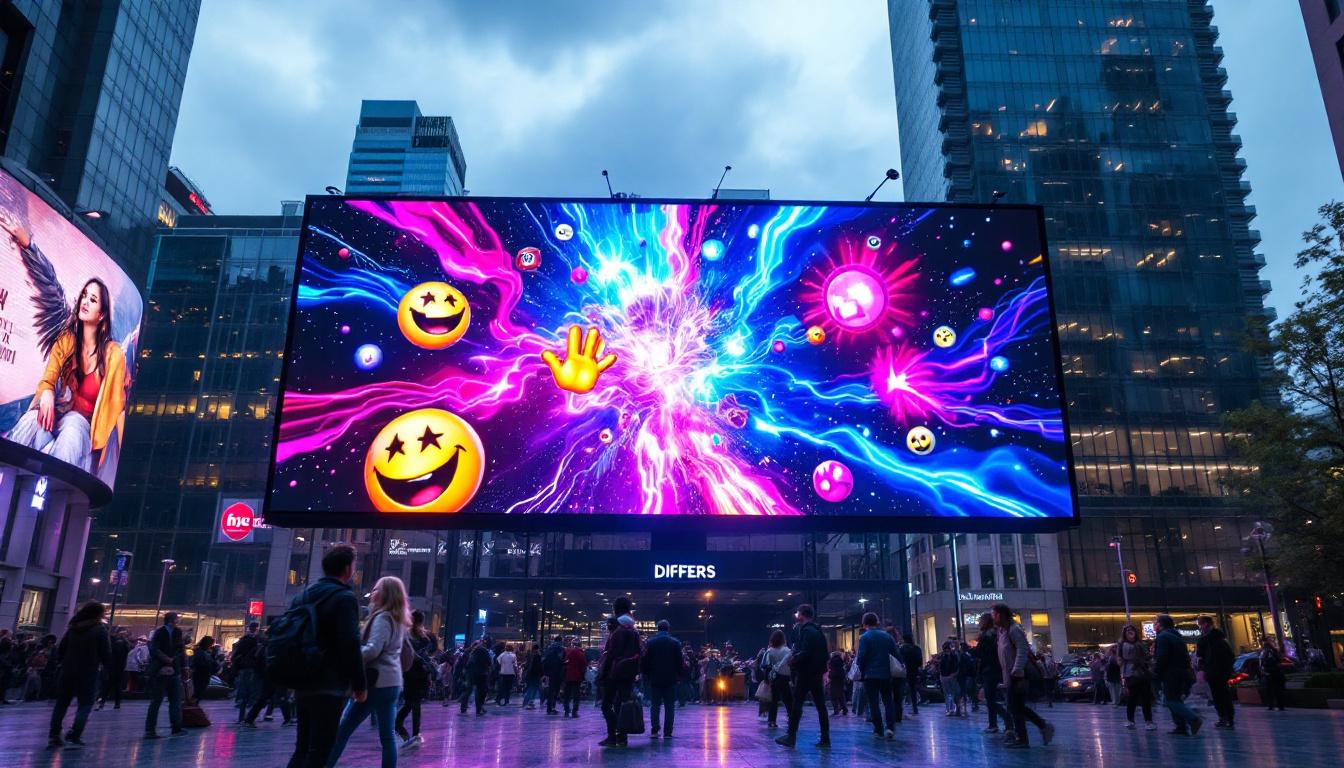
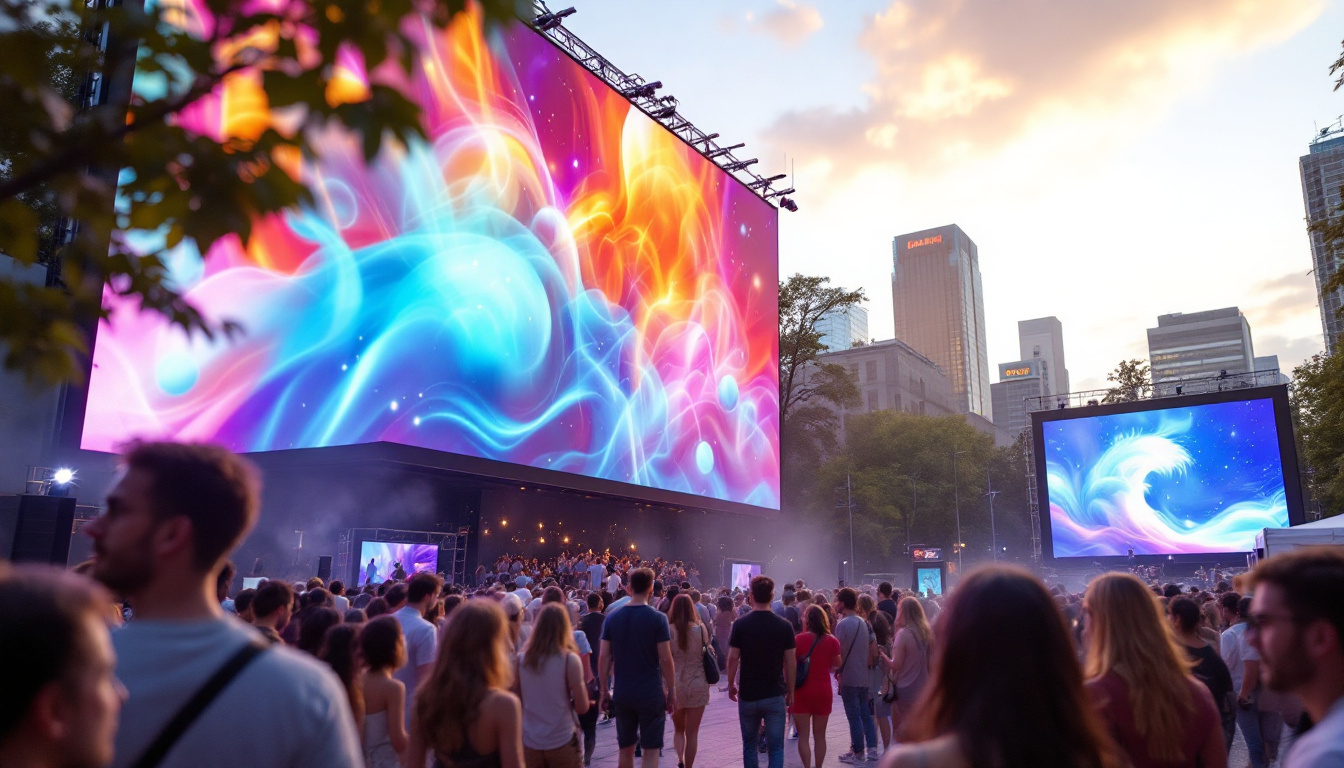
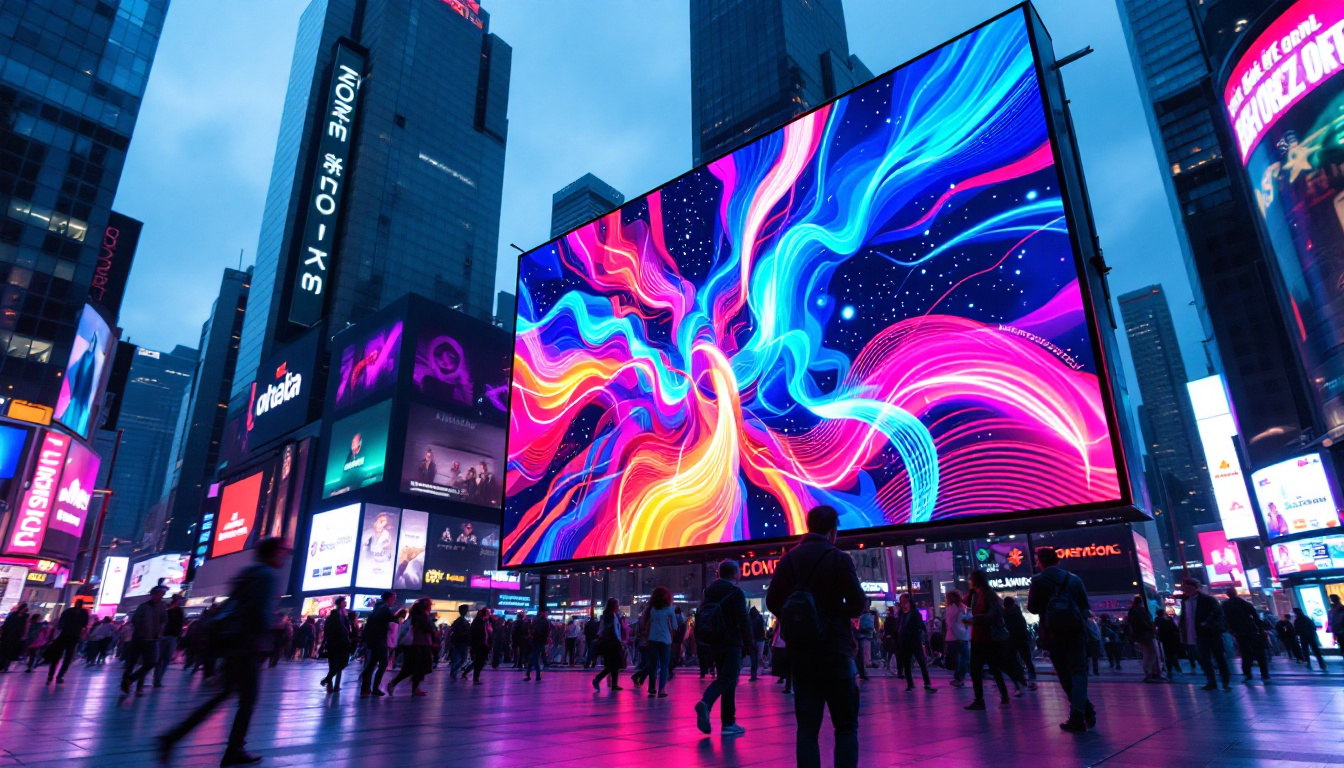
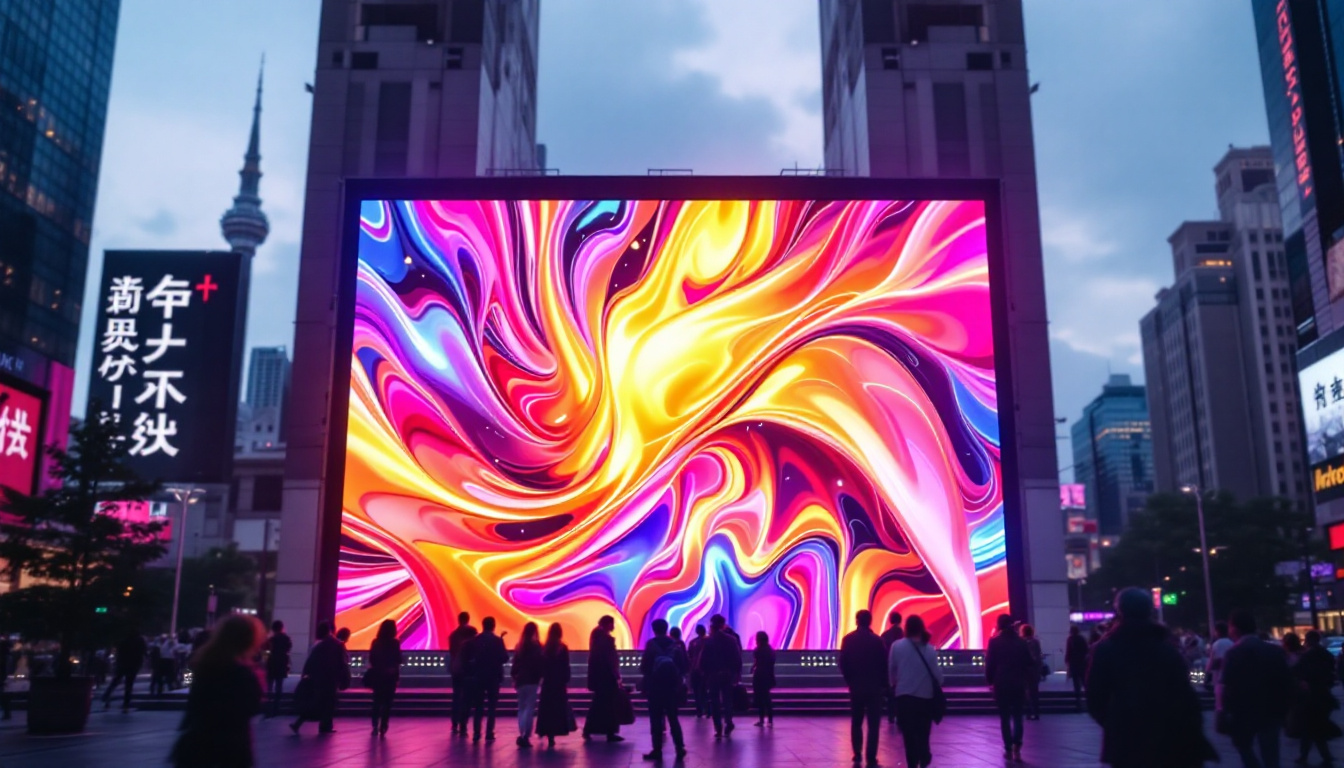
- Outdoor LED Displays: Designed to withstand harsh weather conditions, these are commonly seen in billboards, sports arenas, and public spaces.
- Flexible and Transparent LED Displays: Innovative designs that allow for curved surfaces or see-through panels, expanding creative possibilities.
The versatility and scalability of LED displays make them a popular choice across industries, but their cost can vary widely depending on several factors. For instance, the pixel pitch, which refers to the distance between the centers of two adjacent pixels, plays a crucial role in determining the display’s resolution and clarity. A smaller pixel pitch typically results in a higher resolution, making it suitable for close viewing distances, such as in retail environments or trade shows.
Moreover, advancements in LED technology have led to the development of smart LED displays that can integrate with various digital platforms. These displays can be programmed to change content dynamically based on audience interaction, time of day, or even weather conditions. This capability not only enhances user engagement but also allows businesses to tailor their messaging in real-time, making LED displays an invaluable tool for marketing and communication strategies.
“`html
Key Factors Influencing LED Display Cost
Resolution and Pixel Pitch
The resolution of an LED display is determined by the number of pixels it contains, which directly affects image clarity and detail. Pixel pitch, measured in millimeters, refers to the distance between the centers of two adjacent pixels. A smaller pixel pitch means more pixels per square meter, resulting in higher resolution and sharper images.
For example, an indoor LED display with a pixel pitch of 1.2mm offers near-retina quality suitable for close viewing distances, but it costs significantly more than a display with a 10mm pixel pitch designed for outdoor use where viewers are farther away.
Because high-resolution displays require more LEDs and advanced manufacturing, the cost per square meter increases exponentially as pixel pitch decreases. Buyers must balance resolution needs with budget constraints and intended viewing distance. Additionally, the intended application plays a critical role; for instance, displays used in retail environments may prioritize high resolution to showcase products in vivid detail, while those used for large-scale events may focus more on visibility from a distance.
Size and Configuration
Size is a straightforward but major cost driver. Larger LED displays require more LED modules, power supplies, and structural support, which all add to the price. Additionally, custom configurations—such as curved screens, irregular shapes, or modular designs—can increase manufacturing complexity and installation costs.
For instance, a 10 square meter standard rectangular LED panel may cost between $10,000 to $30,000 depending on resolution and quality, while a 100 square meter curved display with high resolution can easily exceed $200,000. The choice of configuration can also impact the overall aesthetic appeal and functionality of the display; for example, a circular or triangular display may attract more attention in a crowded environment, thus justifying the higher investment.
Brightness and Weatherproofing
Brightness, measured in nits (candelas per square meter), is crucial for outdoor LED displays that must compete with sunlight. Outdoor displays typically require brightness levels of 5,000 to 8,000 nits or more, which demands more powerful LEDs and robust cooling systems.
Weatherproofing adds another layer of cost, as outdoor LED displays must be sealed against moisture, dust, and temperature extremes. IP65 or higher ratings are common for outdoor use, ensuring protection against rain and debris. These protective features increase manufacturing and maintenance expenses. Furthermore, the choice of materials used in weatherproofing can also affect the longevity of the display; high-quality components can lead to reduced failures and lower long-term costs, making them a worthwhile investment for businesses that rely on consistent performance.
Color Quality and Refresh Rate
Color accuracy and vibrancy are essential for applications like advertising and broadcasting. LED displays with a wider color gamut and better color uniformity tend to be more expensive due to higher-quality LEDs and advanced calibration techniques.
Refresh rate, measured in Hertz (Hz), affects how smoothly motion is displayed. Higher refresh rates (above 1,000 Hz) reduce flicker and are important for video content and live events. Displays with higher refresh rates generally cost more due to enhanced electronics and processing capabilities. This is particularly important for sports venues or concert settings where fast-moving visuals need to be rendered without distortion, ensuring that the audience experiences the content as intended.
Installation and Maintenance Costs
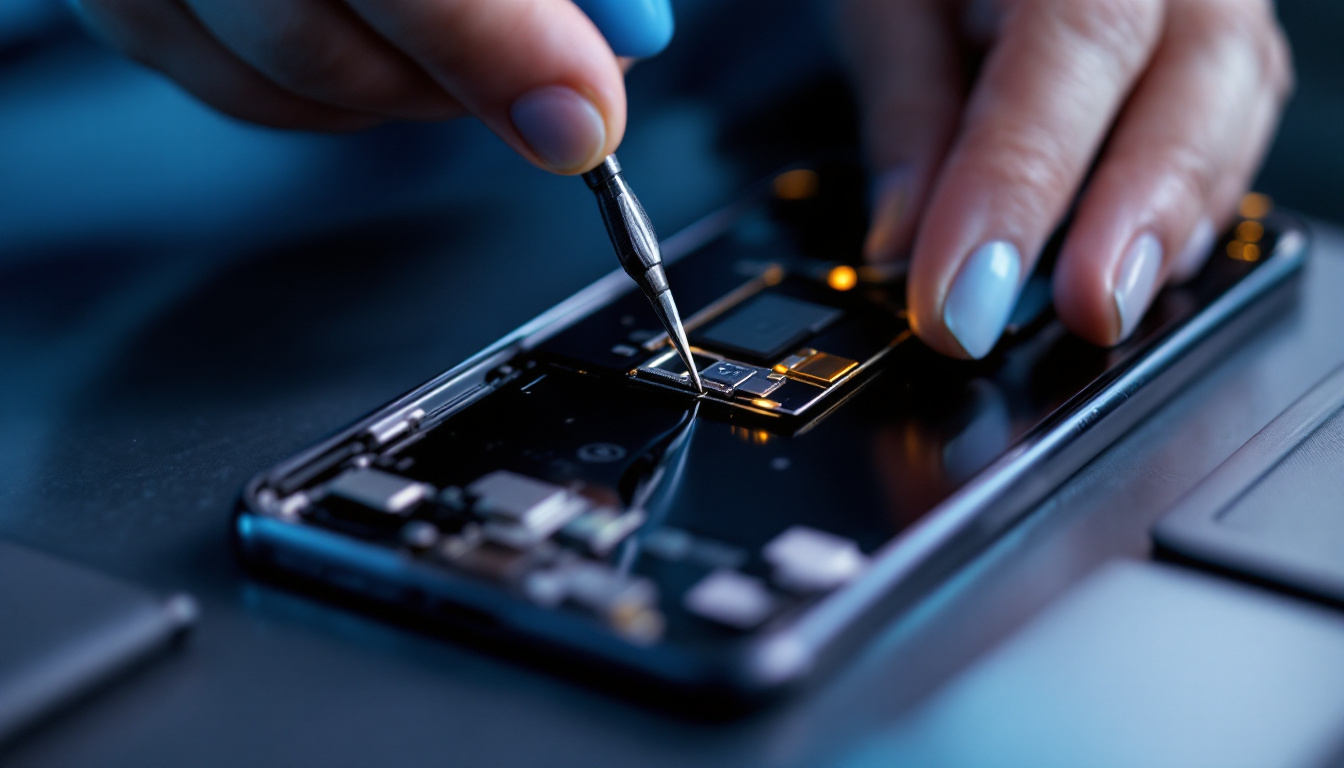
Beyond the initial purchase price, installation and ongoing maintenance significantly impact the total cost of ownership. Installation requires skilled labor, structural engineering, and sometimes permits, especially for large outdoor displays. Maintenance includes regular cleaning, LED module replacements, and software updates.
For example, a large outdoor LED billboard may require a dedicated maintenance team and annual servicing costs amounting to 5-10% of the initial investment. Moreover, the complexity of the installation process can vary based on the location; displays installed in high-traffic urban areas may face additional logistical challenges, such as limited access and the need for specialized equipment, further driving up costs. Regular maintenance not only ensures optimal performance but also extends the lifespan of the display, making it a critical factor in overall budgeting.
“`
Typical Price Ranges for LED Displays
Understanding the typical price ranges helps set realistic expectations when budgeting for an LED display. Prices vary widely based on the factors outlined above, but the following estimates provide a general framework.
Indoor LED Displays
Indoor LED displays usually have smaller pixel pitches (1.2mm to 4mm) and prioritize high resolution and color accuracy. Prices typically range from:
- Low-end models: $1,500 to $3,000 per square meter
- Mid-range models: $3,000 to $6,000 per square meter
- High-end models: $6,000 to $12,000+ per square meter
These prices include the LED panels, control systems, and basic installation but may exclude custom mounting or advanced software.
Outdoor LED Displays
Outdoor LED displays require higher brightness, weatherproofing, and durability, leading to higher costs. Typical price ranges are:
- Low-end models: $1,000 to $2,500 per square meter
- Mid-range models: $2,500 to $5,000 per square meter
- High-end models: $5,000 to $10,000+ per square meter
Large-scale billboards and stadium displays can reach millions of dollars, depending on size and complexity.
Specialty LED Displays
Flexible, transparent, or curved LED displays represent cutting-edge technology and command premium prices. These can cost anywhere from $10,000 to $30,000 per square meter or more, depending on the level of customization and technical sophistication.
Examples of LED Display Costs in Real-World Applications
Retail Storefronts
A retail chain looking to install a 20 square meter indoor LED display with a 2.5mm pixel pitch might expect to pay around $80,000 to $120,000 including installation. This investment enhances customer engagement with dynamic advertising and promotional content.
Sports Stadiums
Modern stadiums often feature massive LED displays for scoreboards and advertising. A 200 square meter outdoor LED display with a 10mm pixel pitch and 6,000 nits brightness can cost upwards of $1 million, including structural support and integration with broadcast systems.
Public Transportation Hubs
Airports and train stations use LED displays for schedules and announcements. A 50 square meter indoor LED display with high resolution and fast refresh rates might cost between $200,000 and $350,000, reflecting the need for reliability and clear visibility.
How to Get the Best Value When Purchasing an LED Display
Assess Your Needs Carefully
Before purchasing, clearly define the intended use, viewing distance, environment, and content type. Over-specifying resolution or brightness can lead to unnecessary expenses, while under-specifying can reduce effectiveness.
Compare Multiple Vendors
Prices and quality vary across manufacturers. Request detailed quotes, including warranties, support, and installation services. Look for reviews and case studies to gauge reliability and customer satisfaction.
Consider Total Cost of Ownership
Factor in installation, maintenance, energy consumption, and potential upgrades. Energy-efficient LED displays may have higher upfront costs but save money over time through reduced power bills.
Plan for Scalability
Modular LED displays allow for future expansion or reconfiguration, protecting your investment as needs evolve. This flexibility can reduce long-term costs and improve adaptability.
The Future of LED Displays and Pricing Trends
As LED technology advances, prices have steadily decreased while performance improves. Innovations such as micro-LED and mini-LED promise even higher resolution and energy efficiency, potentially reshaping market dynamics.
Moreover, increasing demand for digital signage and immersive experiences drives competition, encouraging manufacturers to offer more affordable and customizable solutions. However, cutting-edge features and specialty designs will likely maintain premium pricing.
Environmental considerations are also influencing LED display development, with a growing emphasis on sustainable materials and energy-saving designs. This trend may impact costs but also offers long-term benefits.
Conclusion
LED displays represent a powerful and versatile medium for visual communication, but their cost varies widely based on resolution, size, brightness, and application. By understanding the key factors that influence pricing and carefully assessing requirements, buyers can make informed decisions that balance quality, functionality, and budget.
Whether investing in a small indoor display for retail or a massive outdoor billboard, considering total cost of ownership and future scalability ensures the best value. As technology evolves, LED displays will continue to offer exciting possibilities for businesses and consumers alike.
“`html
Discover LumenMatrix LED Display Solutions
Ready to elevate your visual communication with top-tier LED displays? Look no further than LumenMatrix, a leader in innovative LED display technology. Whether you’re seeking to captivate your audience with an Indoor LED Wall Display, make a bold statement with an Outdoor LED Wall Display, or create a unique experience with Custom LED Displays, LumenMatrix has the solution for you. Embrace the future of digital signage and enhance your brand visibility today. Check out LumenMatrix LED Display Solutions and see how we can help you make a lasting impression.
“`