In the rapidly evolving world of digital signage and display technology, flexible LED displays have emerged as a groundbreaking innovation. Combining the vibrant visuals of traditional LED screens with the adaptability of flexible materials, these displays are transforming how businesses, artists, and advertisers communicate with their audiences. This article delves into the fundamentals of flexible LED displays, exploring their technology, applications, advantages, and future prospects.
Understanding Flexible LED Displays
What Is a Flexible LED Display?
A flexible LED display is a type of screen composed of light-emitting diodes (LEDs) mounted on a bendable substrate, allowing the display to curve, fold, or wrap around surfaces. Unlike conventional rigid LED panels, flexible LED displays can conform to various shapes and contours without compromising image quality. This adaptability opens up new possibilities for creative installations and functional designs. For instance, they can be integrated into architectural elements, such as curved walls or ceilings, providing immersive visual experiences in retail spaces, museums, and public art installations.
Typically, these displays use organic or inorganic LEDs arranged in a matrix on flexible printed circuit boards (PCBs) or thin, pliable materials like plastic films. The result is a lightweight, durable, and highly customizable display solution that maintains the brightness and color fidelity associated with LED technology. Moreover, the thin profile of flexible LED displays allows for seamless integration into various environments, making them ideal for applications ranging from wearable technology to automotive displays, where traditional screens might be too bulky or rigid.
How Do Flexible LED Displays Work?
At their core, flexible LED displays operate similarly to traditional LED screens. Each pixel consists of tiny LEDs that emit red, green, and blue light, which combine to produce a full spectrum of colors. The key difference lies in the substrate and assembly method. Flexible displays use bendable materials and innovative manufacturing techniques such as flexible circuit boards and encapsulation methods that protect the LEDs while allowing movement. This technology enables the displays to maintain high resolution and clarity, even when subjected to various bending and twisting motions.
Advanced driver ICs (integrated circuits) and control systems manage the image rendering, ensuring consistent brightness and color accuracy even when the display is curved or folded. The use of flexible adhesives and encapsulants also plays a crucial role in maintaining the structural integrity and longevity of the display under repeated bending. Additionally, these displays are often designed with energy efficiency in mind, utilizing smart power management systems that adjust brightness based on ambient light conditions, thereby prolonging battery life in portable applications. As the technology continues to evolve, we can expect to see even more innovative uses for flexible LED displays, including interactive surfaces and dynamic signage that adapts to user engagement in real-time.
Key Advantages of Flexible LED Displays
Design Versatility and Customization
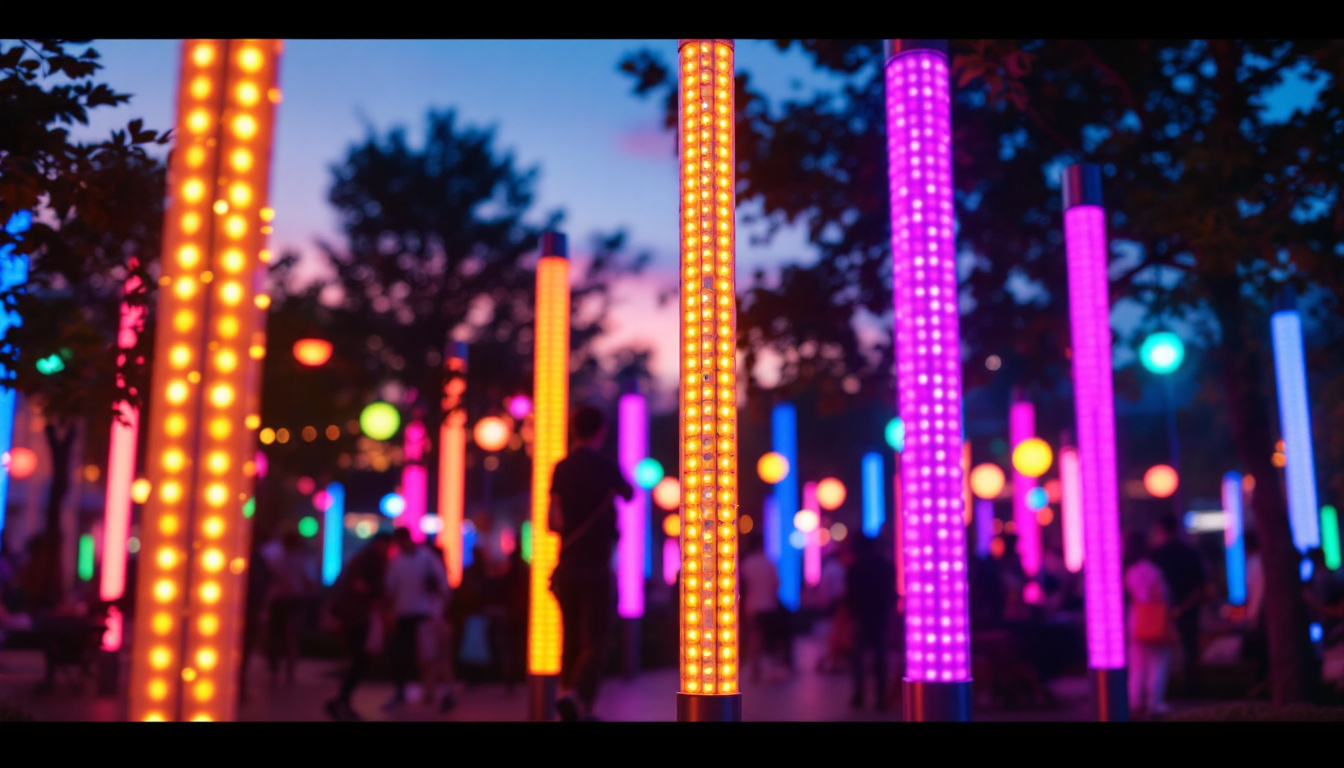
One of the most compelling benefits of flexible LED displays is their unparalleled design flexibility. These displays can be wrapped around columns, curved walls, or irregular surfaces, enabling architects and designers to integrate digital content seamlessly into physical environments. This versatility allows for eye-catching installations in retail spaces, museums, events, and public art projects.
Moreover, flexible LED displays can be manufactured in various shapes and sizes, including cylindrical, concave, convex, and even spherical forms. This level of customization is difficult to achieve with traditional rigid LED panels, which require flat surfaces and rigid mounting structures. The adaptability of these displays not only enhances aesthetic appeal but also fosters creative storytelling through visual media, allowing brands to convey their messages in innovative and engaging ways.
Additionally, the integration of flexible LED technology can transform conventional spaces into immersive experiences. For instance, in a retail setting, a flexible display can create a dynamic backdrop that changes with seasonal promotions or events, captivating customers and encouraging longer dwell times. This capability to morph and adapt to various themes and campaigns provides businesses with a powerful tool for enhancing customer engagement and driving sales.
Lightweight and Durable Construction
Flexible LED displays are significantly lighter than their rigid counterparts due to the use of thin, flexible substrates and minimal supporting frames. This lightweight nature simplifies installation and reduces structural load requirements, making them ideal for temporary setups, portable displays, and delicate architectural applications.
Durability is another advantage. Many flexible LED displays are designed to withstand bending cycles, vibrations, and environmental factors such as moisture and dust. Protective coatings and encapsulation techniques help ensure that the LEDs and circuitry remain functional over extended periods, even in challenging conditions. This resilience makes them suitable for outdoor installations, where exposure to the elements can be a significant concern.
Furthermore, the robust construction of flexible LED displays means they can be used in a variety of applications, from high-traffic public spaces to specialized environments like concerts and festivals. Their ability to endure the rigors of constant movement and interaction without compromising image quality is a testament to the advancements in LED technology, making them a reliable choice for both short-term and long-term projects.
Energy Efficiency and Brightness
LED technology is inherently energy-efficient compared to other display technologies like LCD or plasma. Flexible LED displays maintain this efficiency while delivering high brightness levels, making them suitable for both indoor and outdoor use. Their ability to produce vivid colors and high contrast ratios ensures visibility in various lighting conditions, including direct sunlight.
Energy efficiency also translates to lower operational costs, which is a crucial consideration for businesses and event organizers who rely on digital signage for extended periods. By consuming less power, flexible LED displays not only contribute to reduced energy bills but also align with sustainability goals, appealing to environmentally conscious consumers and organizations alike.
In addition to their cost-saving benefits, the high brightness and clarity of flexible LED displays enhance the overall viewer experience. Whether used for advertising, information dissemination, or artistic expression, the ability to maintain visual integrity in diverse lighting environments ensures that the content remains impactful and engaging. This capability is particularly valuable in settings where competition for attention is fierce, such as busy urban centers or crowded events.
Applications of Flexible LED Displays
Advertising and Marketing
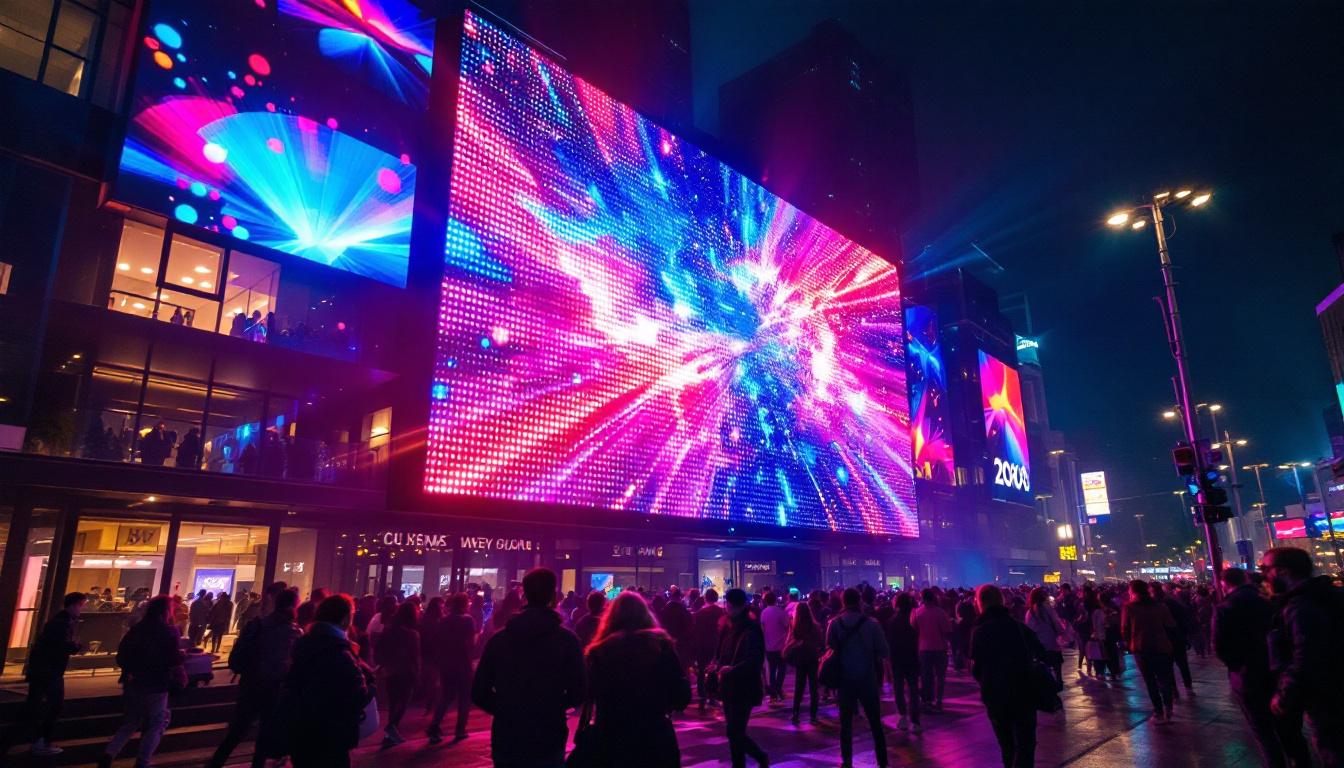
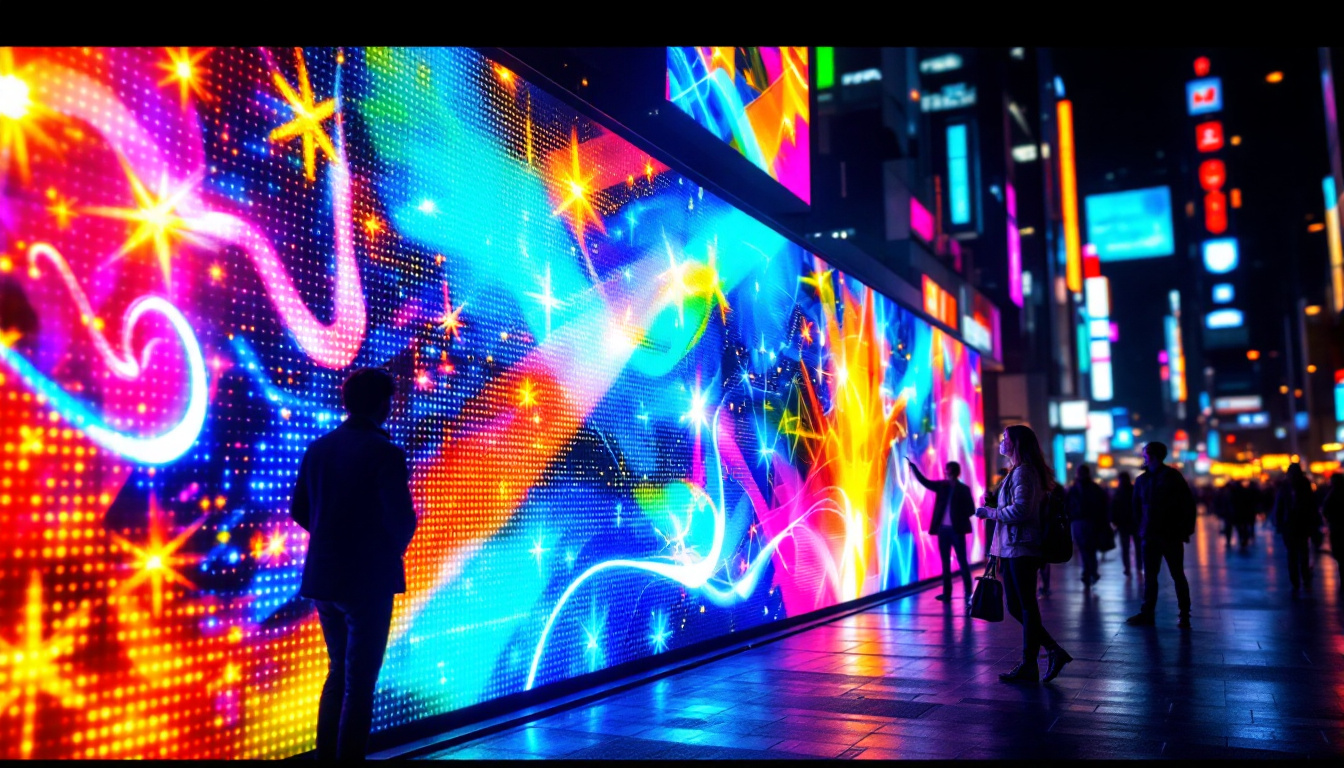
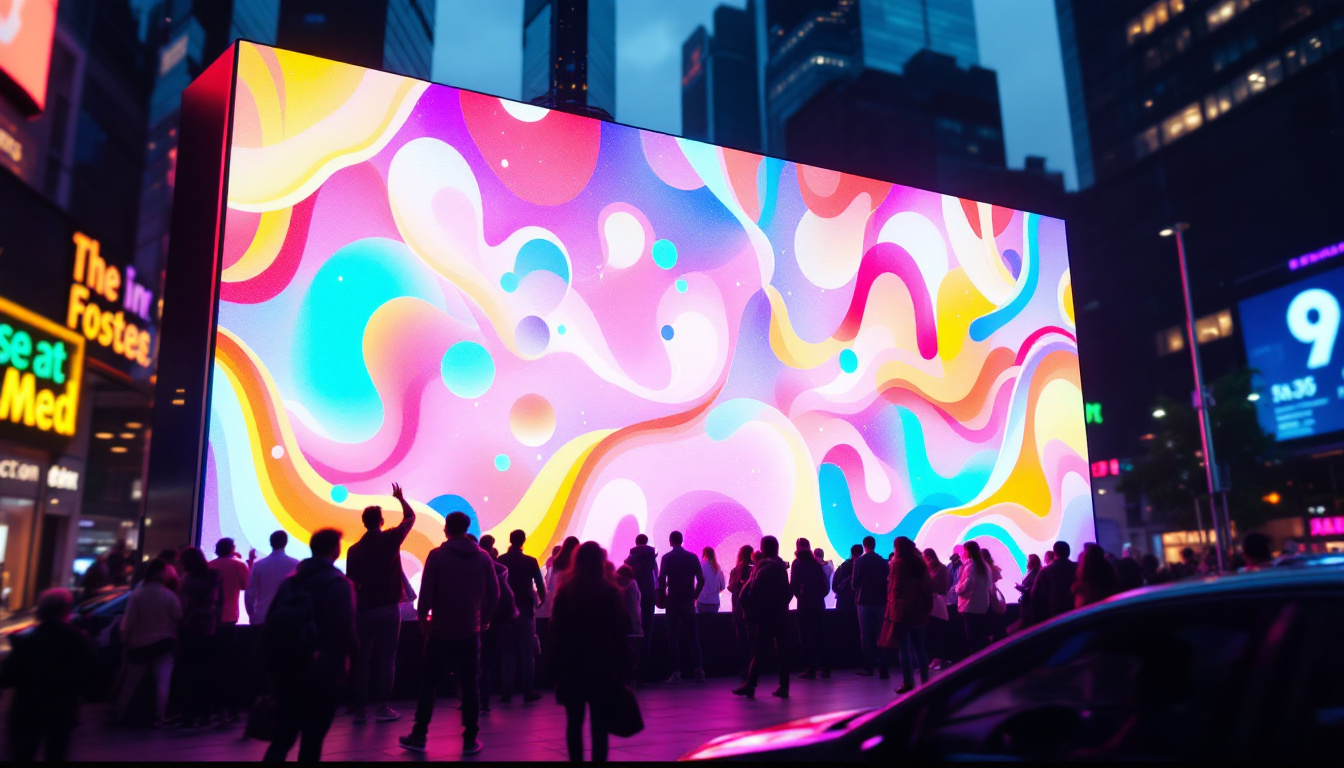
Flexible LED displays have revolutionized advertising by enabling dynamic, attention-grabbing content in unconventional locations. Retailers use flexible LED wraps around store entrances or pillars to showcase promotions and brand messages. Outdoor advertising benefits from curved LED billboards that conform to building facades, creating immersive brand experiences.
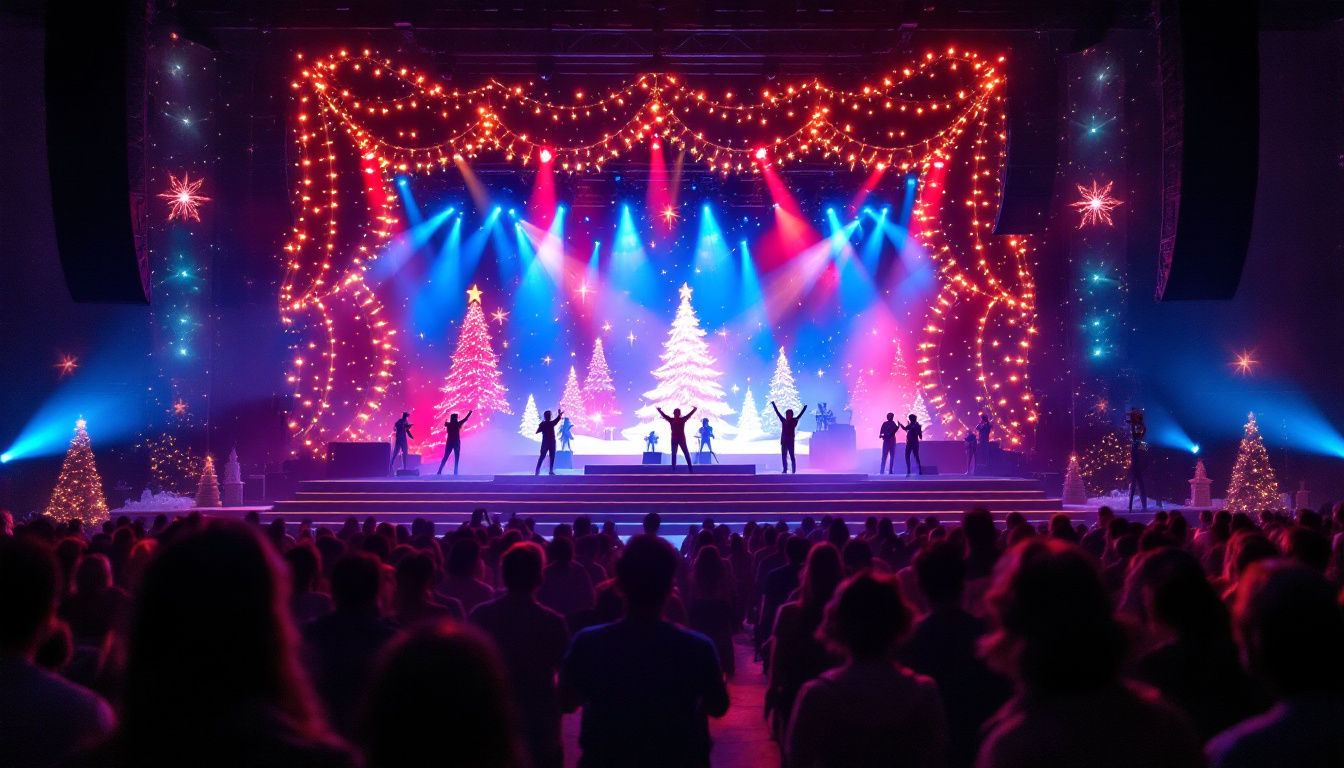
Events and trade shows also leverage flexible LED displays for stage backdrops, booth designs, and interactive installations. The ability to shape the display to fit unique spaces enhances engagement and memorability.
Architectural and Interior Design
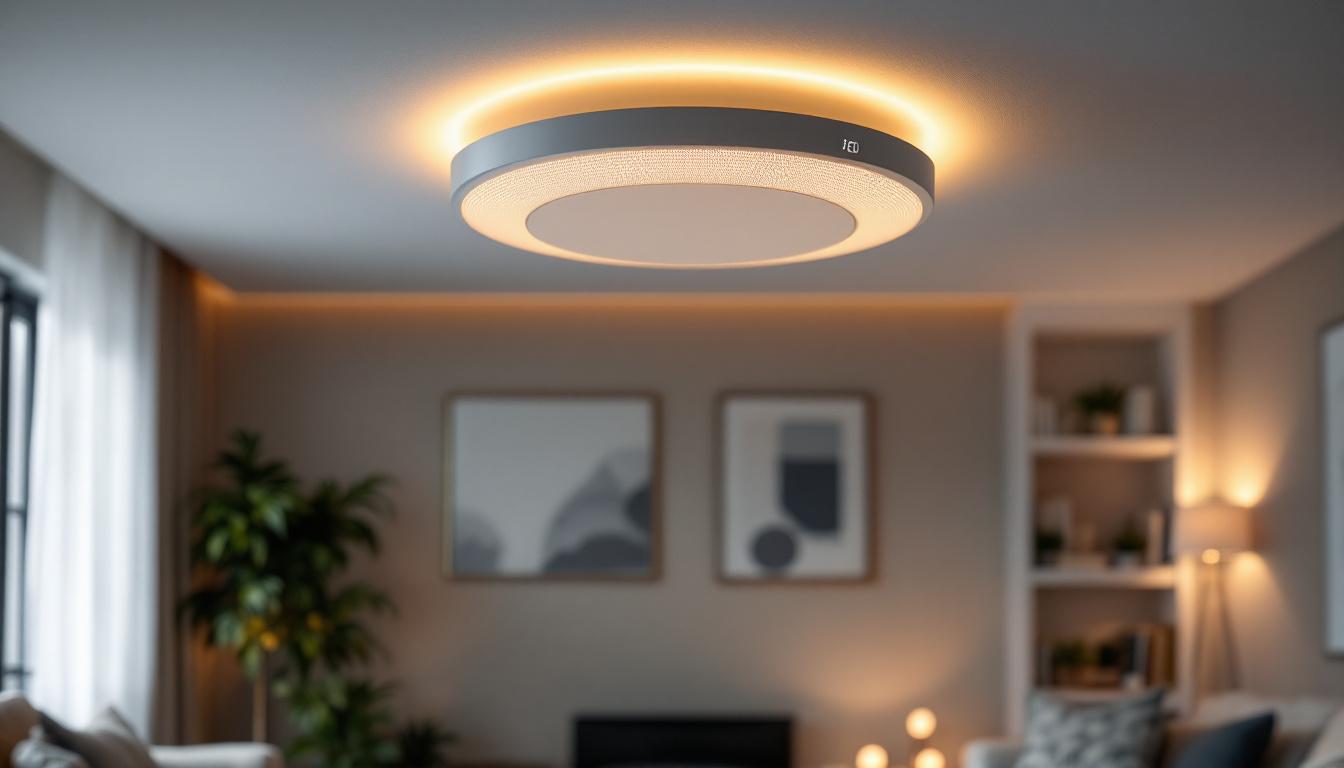
Architects and interior designers incorporate flexible LED displays to blend technology with aesthetics. These displays can form part of ceilings, walls, or furniture, providing ambient lighting, informational content, or artistic visuals that adapt to the environment’s contours.
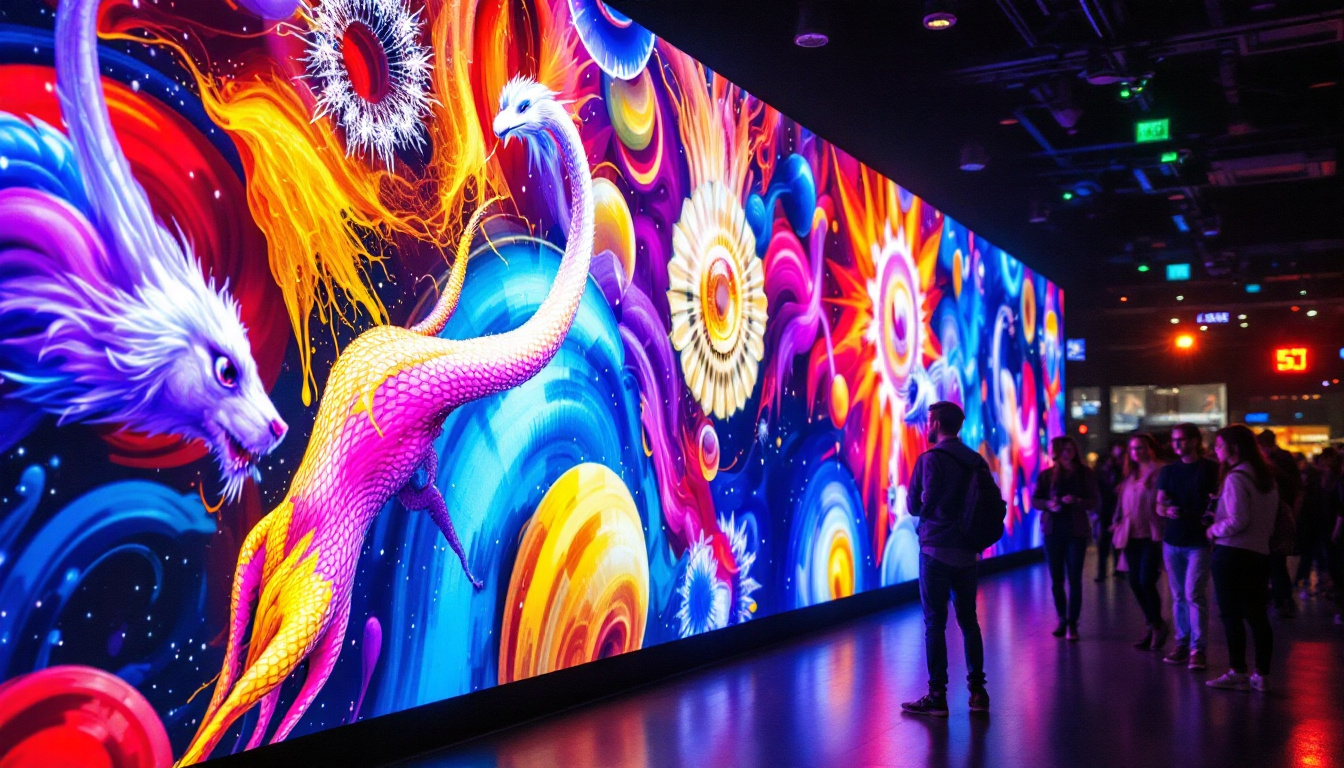
For example, luxury hotels and corporate offices use flexible LED panels to create dynamic environments that change mood and atmosphere throughout the day. Museums and galleries employ them for immersive exhibits that respond to visitor interaction or storytelling narratives.
Entertainment and Events
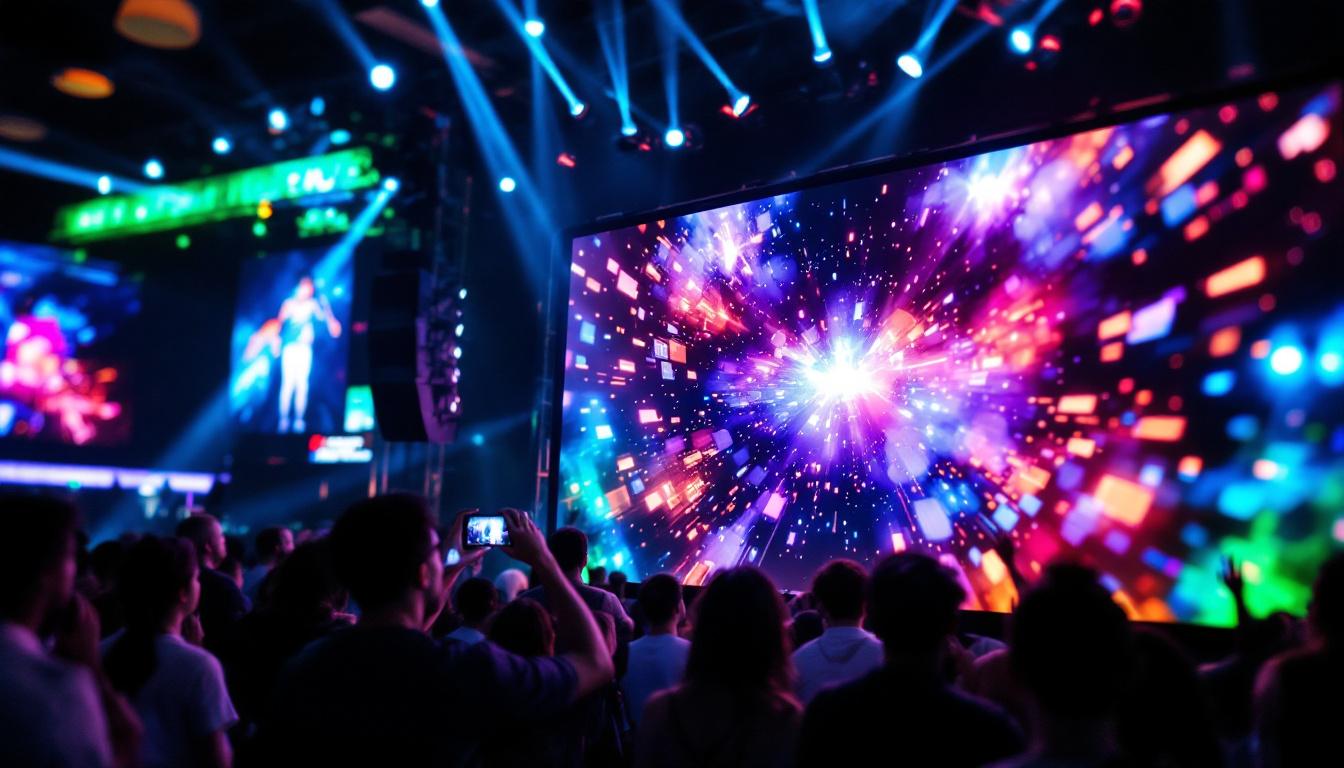
The entertainment industry benefits greatly from flexible LED displays, especially in concerts, theater productions, and sports arenas. The ability to curve and shape screens allows for innovative stage designs and immersive visual effects that captivate audiences.
Flexible LED curtains and backdrops can be quickly installed and reconfigured, providing versatility for touring shows and temporary events. Additionally, their lightweight nature reduces transportation and setup costs.
Transportation and Public Spaces
Flexible LED displays are increasingly used in transportation hubs such as airports, train stations, and bus terminals. Their adaptability enables information displays that conform to architectural elements like columns or curved walls, improving visibility and passenger experience.
In public spaces, these displays serve as dynamic signage for wayfinding, public announcements, and interactive kiosks. Their robustness and brightness make them suitable for outdoor environments, enhancing communication in urban settings.
Technological Challenges and Considerations
Durability and Longevity
While flexible LED displays offer many benefits, their durability remains a critical consideration. Continuous bending and environmental exposure can stress the materials and connections, potentially leading to pixel failures or color inconsistencies over time.
Manufacturers address these challenges by developing advanced encapsulation materials and flexible interconnects that withstand mechanical stress. However, users should consider the expected lifespan and maintenance requirements when selecting flexible LED solutions.
Resolution and Pixel Pitch
Flexible LED displays often have limitations in pixel density compared to rigid LED panels. The bending and flexible substrates can restrict how closely LEDs can be packed, affecting resolution and image sharpness. This is particularly relevant for applications requiring detailed visuals or close viewing distances.
Choosing the appropriate pixel pitch—distance between LEDs—is essential to balance flexibility with image quality. Advances in miniaturization and manufacturing continue to improve resolution capabilities for flexible displays.
Cost Factors
Flexible LED displays tend to be more expensive than traditional rigid panels due to the complexity of materials and manufacturing processes. The cost can be a barrier for some applications, especially where large surface areas are involved.
However, the unique benefits and potential for creative expression often justify the investment. As production scales and technology matures, prices are expected to become more competitive.
The Future of Flexible LED Displays
Emerging Technologies and Innovations
The future of flexible LED displays is promising, driven by ongoing research in materials science and electronics. Innovations such as micro-LED technology, which offers higher brightness and efficiency at smaller sizes, are poised to enhance flexible displays further.
Additionally, integration with sensors and interactive technologies will enable smart displays that respond to environmental cues or user input, opening new avenues for engagement and functionality.
Expanding Market Adoption
As flexible LED displays become more affordable and reliable, their adoption across industries will continue to grow. From automotive interiors to wearable displays and beyond, the potential applications are vast.
Urban planners and smart city initiatives are also exploring flexible LED technology for dynamic public art, adaptive lighting, and real-time information systems, contributing to more connected and responsive environments.
Conclusion
Flexible LED displays represent a significant advancement in digital display technology, merging the vivid visual capabilities of LEDs with the versatility of flexible materials. Their ability to conform to diverse shapes and surfaces unlocks creative possibilities across advertising, architecture, entertainment, and public infrastructure.
While challenges related to durability, resolution, and cost persist, continuous innovation is addressing these issues, making flexible LED displays an increasingly viable and exciting option for a wide range of applications. As the technology evolves, it promises to reshape how visual content is integrated into everyday environments, enhancing communication and experience in unprecedented ways.
Discover the Future of Visual Engagement with LumenMatrix
Ready to elevate your visual communication to new heights? LumenMatrix is at the forefront of LED display innovation, offering a comprehensive range of solutions that bring your brand to life. From Indoor and Outdoor LED Wall Displays to specialized options like Vehicle, Sports, and Floor LED Displays, our products are designed to captivate and engage. Experience the transformative power of our Custom, All-in-One, and Transparent LED Displays. Check out LumenMatrix LED Display Solutions today and join the revolution in digital signage excellence.