In the fast-evolving world of television production and broadcasting, the integration of cutting-edge technology is key to captivating audiences and delivering compelling narratives. One such technology that has transformed the visual landscape of TV series is the LED display. From immersive backgrounds to dynamic set designs, LED displays offer unparalleled flexibility and visual impact. This article delves into the fundamentals of LED display technology, its application in TV series production, and why it has become an indispensable tool for creators aiming to elevate their storytelling.
Understanding LED Display Technology
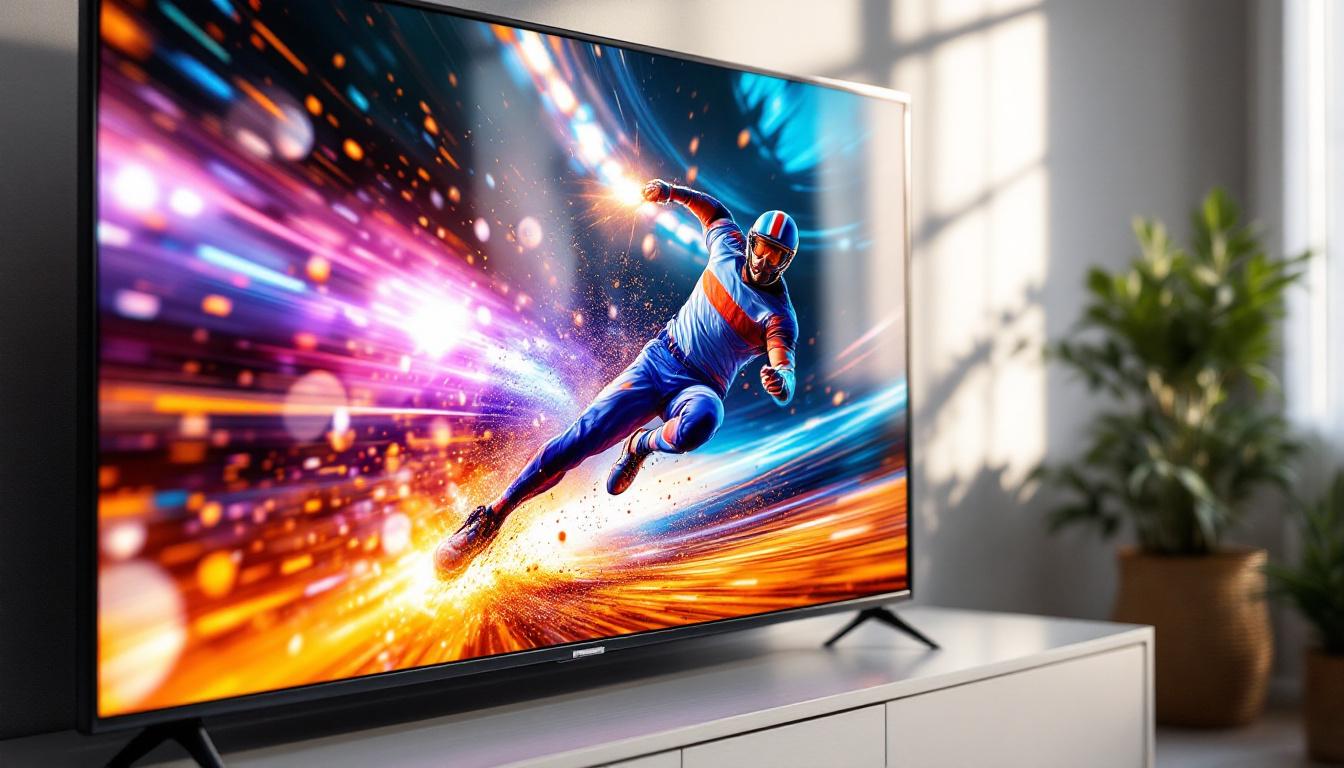
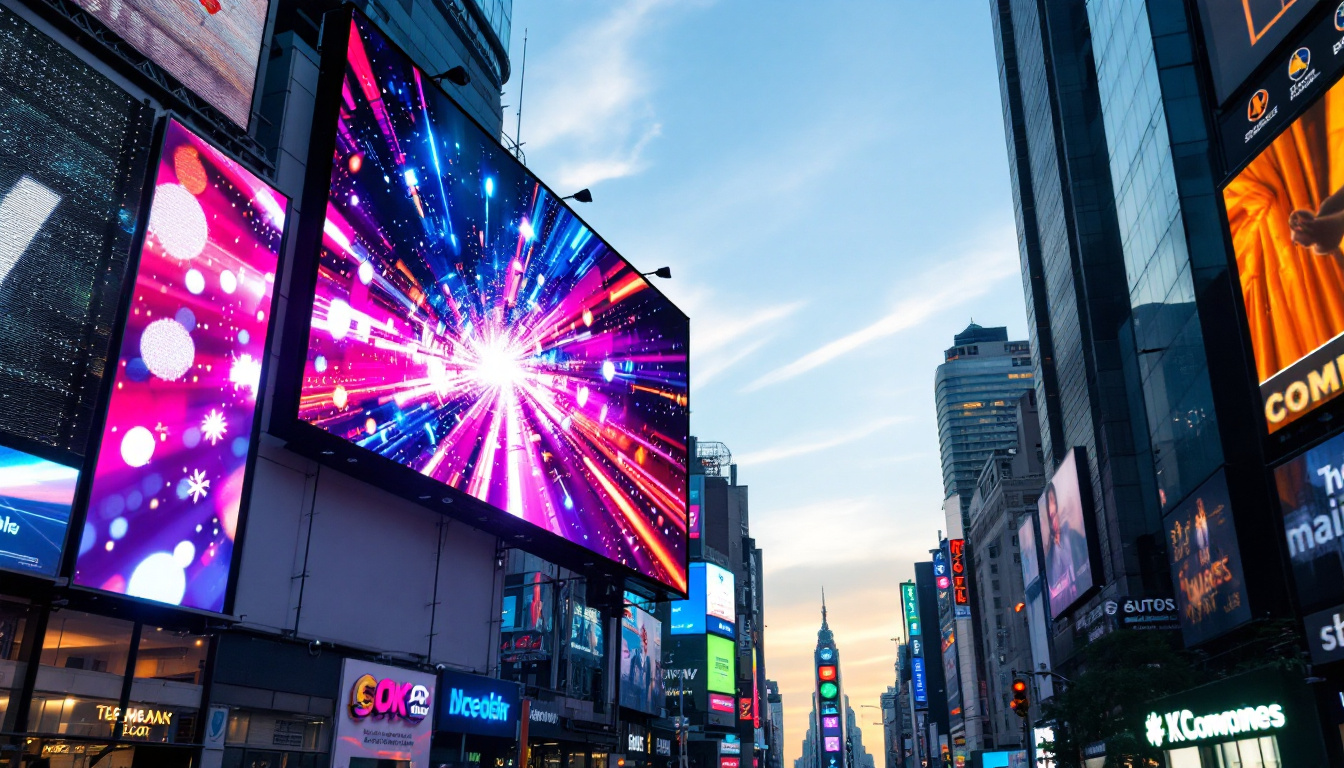
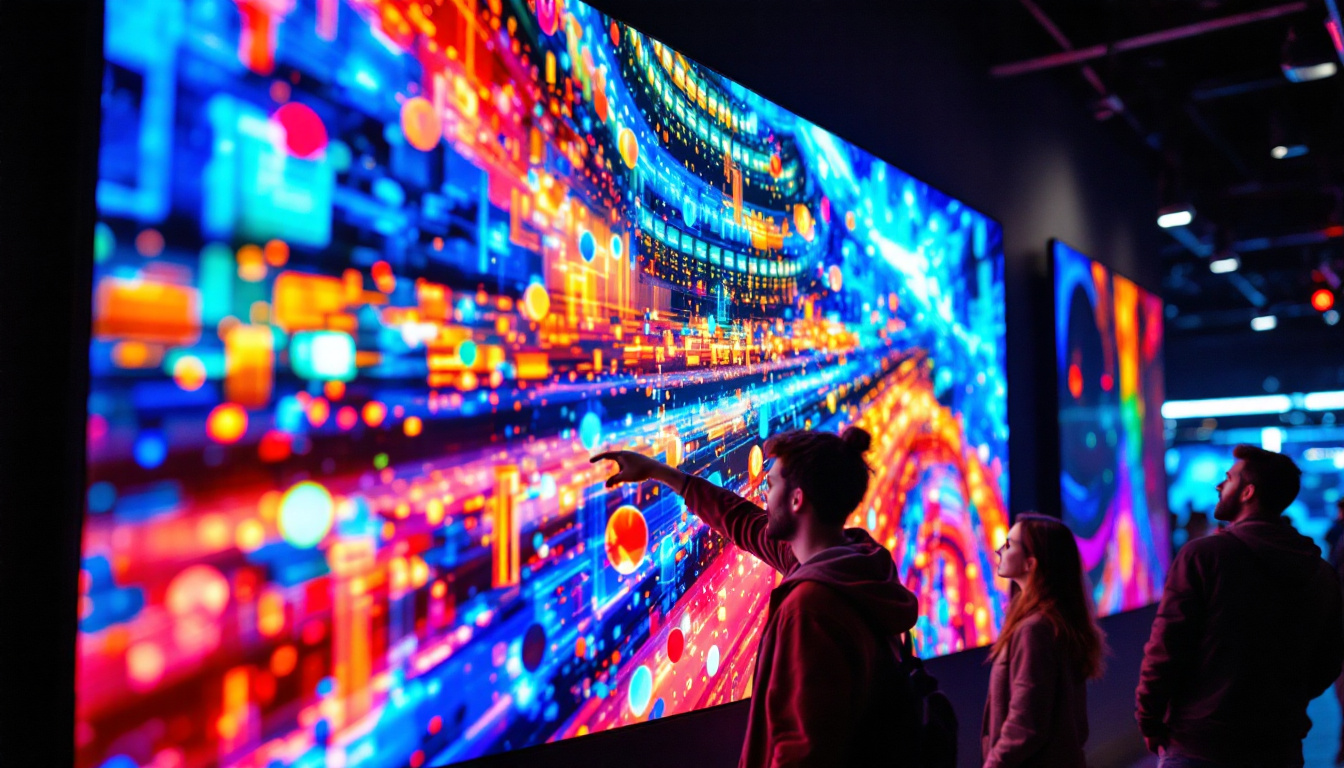
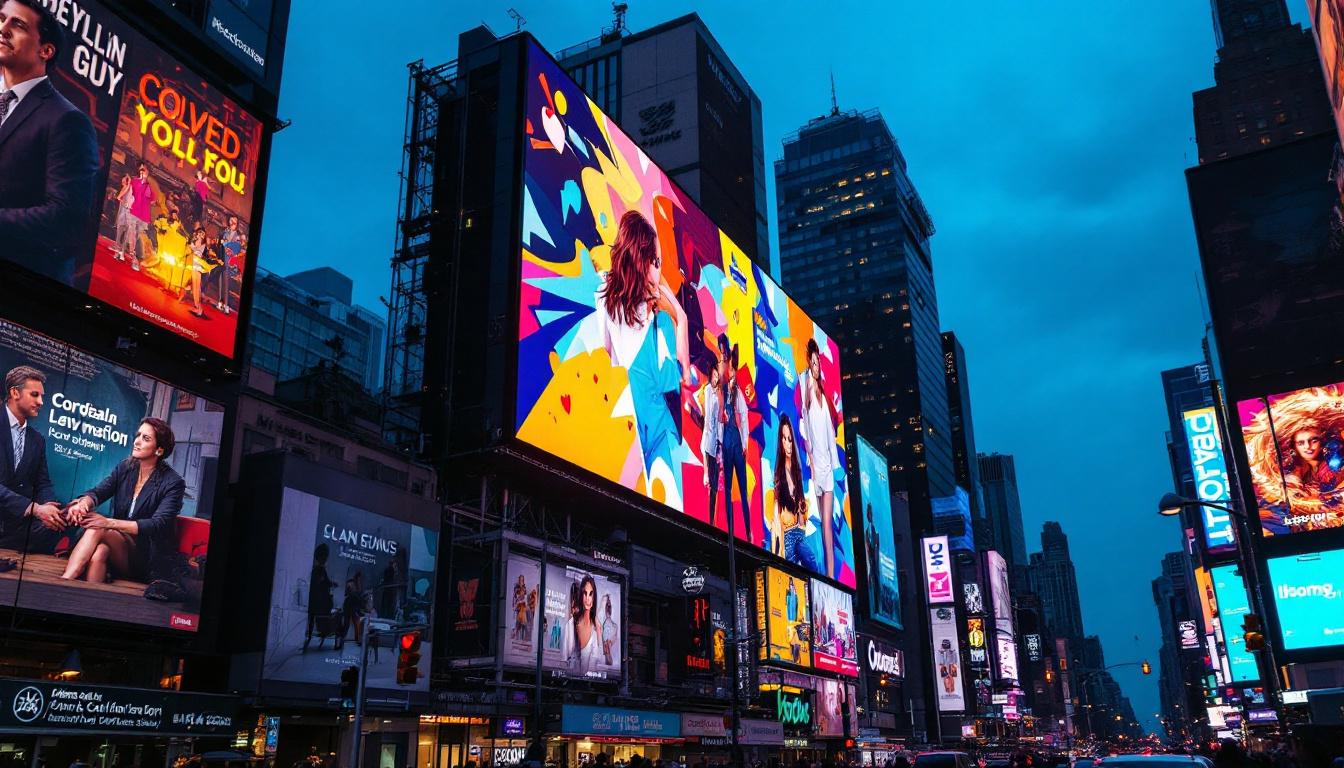
LED, or Light Emitting Diode, displays consist of numerous tiny light sources that collectively produce vibrant images and videos. Unlike traditional LCD or projection screens, LED displays emit their own light, resulting in higher brightness levels, better contrast ratios, and more vivid colors. This intrinsic advantage makes LED technology particularly suitable for environments with varying lighting conditions, such as TV studios. The self-illuminating nature of LEDs allows for deeper blacks and brighter whites, enhancing the overall visual experience, which is essential for engaging audiences in both live and recorded formats.
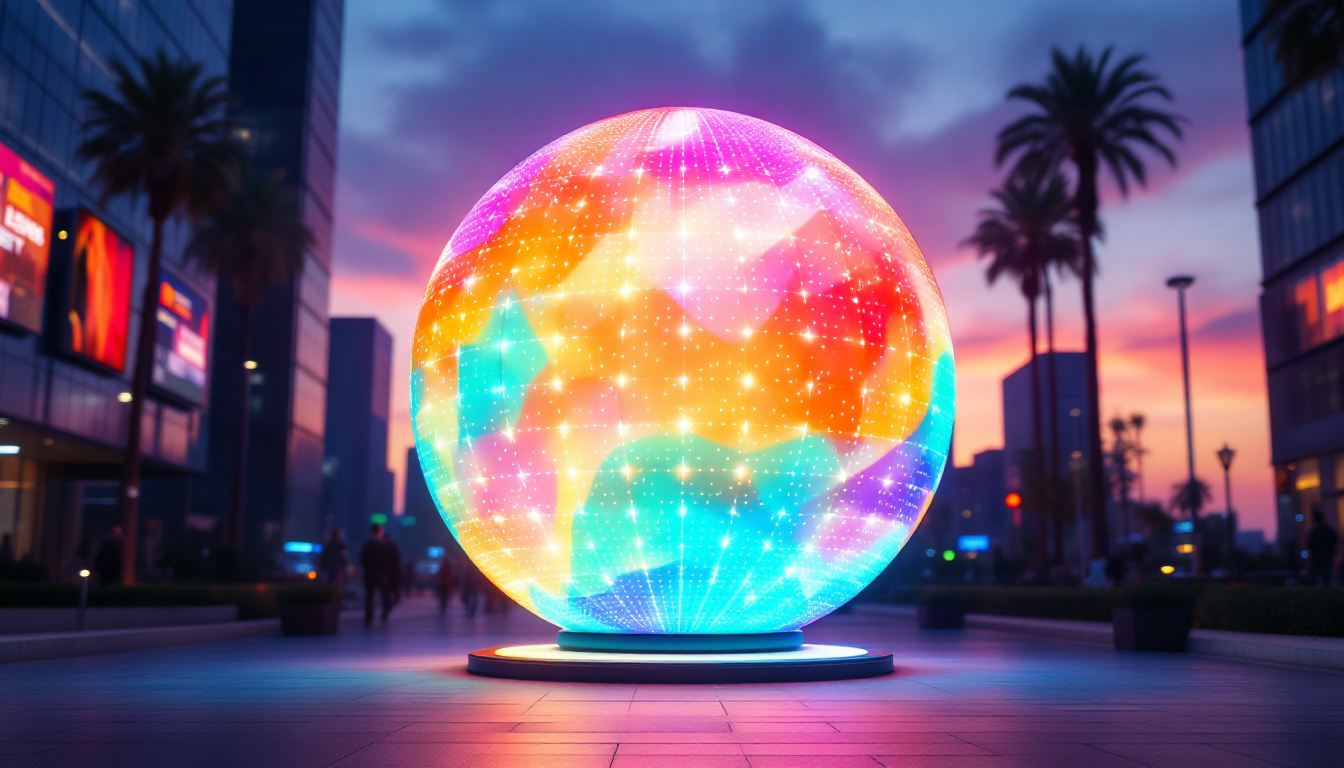
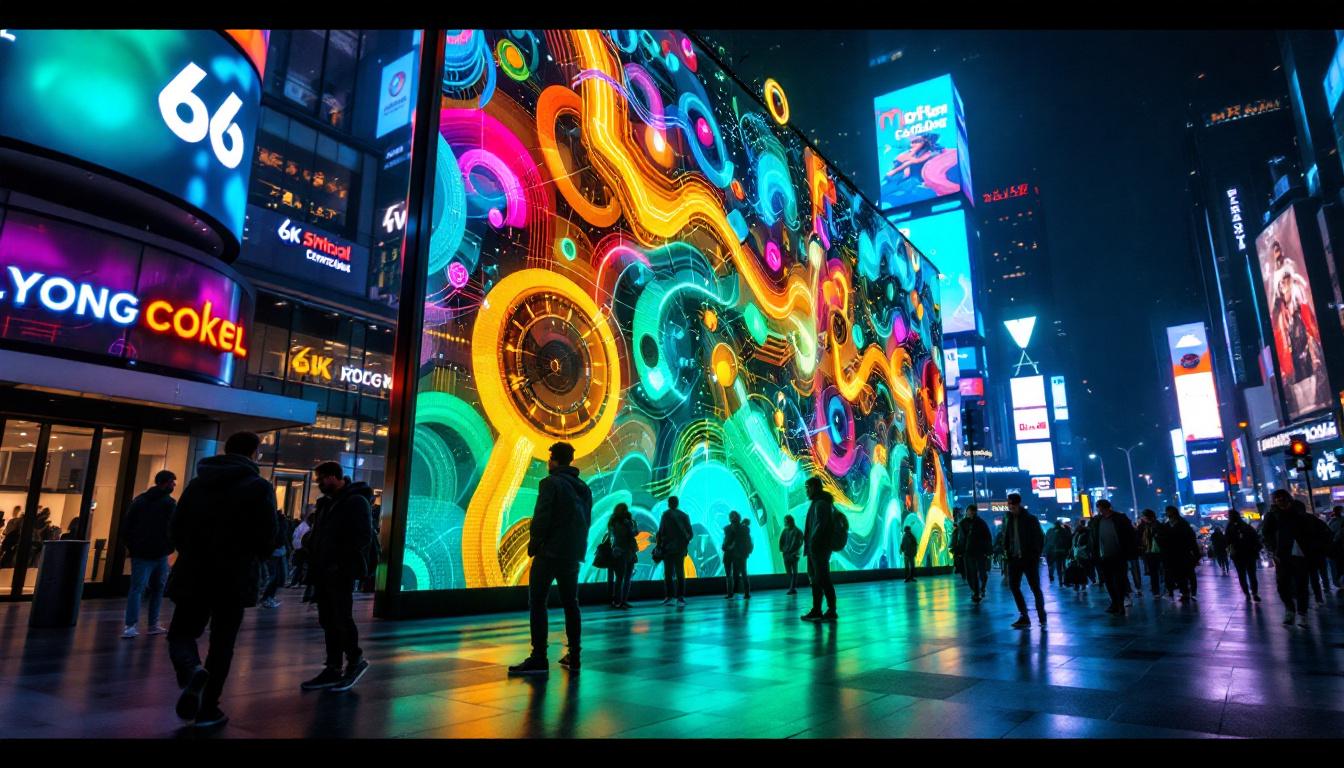
Modern LED displays are composed of modules or panels that can be assembled into large, seamless screens of virtually any size and shape. This modularity allows production designers to create expansive digital backdrops that can be easily changed or animated, offering a dynamic alternative to static sets or green screens. The versatility of LED technology not only supports creative storytelling but also allows for real-time adjustments, enabling producers to respond quickly to changes in the narrative or audience engagement. Furthermore, with advancements in software, these displays can integrate augmented reality elements, enriching the viewer’s experience and blurring the lines between physical and digital worlds.
Key Characteristics of LED Displays
Several technical attributes distinguish LED displays and contribute to their growing popularity in television production:
- High Brightness: LED panels can achieve brightness levels exceeding 1,000 nits, ensuring clear visibility even under intense studio lighting.
- Wide Color Gamut: LEDs can reproduce a broad spectrum of colors, enabling more realistic and immersive visuals.
- High Refresh Rates: With refresh rates often surpassing 1,000 Hz, LED displays minimize flicker and motion blur, critical for high-definition video capture.
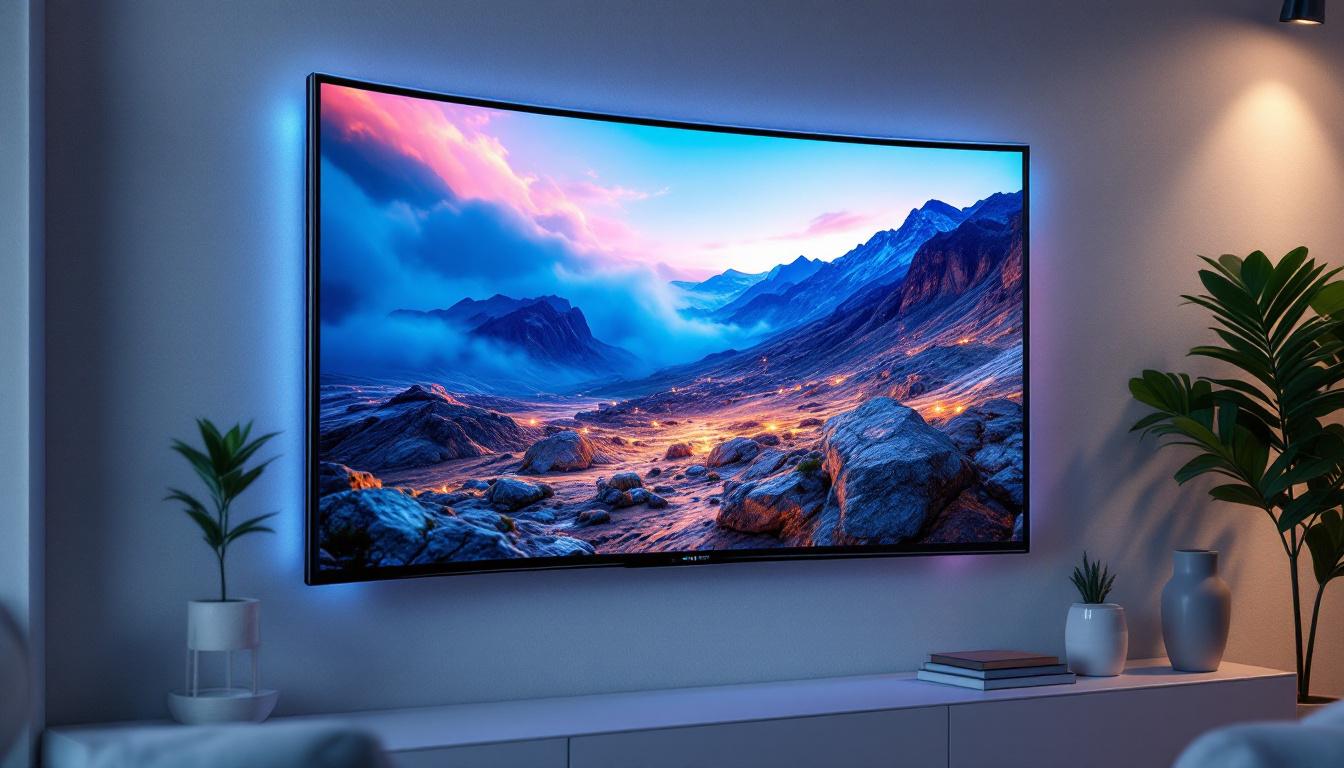
- Flexible Form Factors: Curved, angled, or irregularly shaped LED walls can be constructed to fit creative set designs.
In addition to these characteristics, LED displays are also known for their energy efficiency. Compared to traditional display technologies, LEDs consume significantly less power, which not only reduces operational costs but also aligns with sustainable practices in production. This energy efficiency is particularly beneficial for large-scale installations, where the cumulative savings can be substantial. Moreover, the longevity of LED technology—often exceeding 50,000 hours—means that production companies can invest in these displays with confidence, knowing they will provide consistent performance over time. As the industry continues to evolve, innovations such as microLED technology promise even greater advancements, pushing the boundaries of what LED displays can achieve in terms of resolution and pixel density.
The Role of LED Displays in TV Series Production
In recent years, LED display technology has revolutionized how television series are produced, particularly in genres requiring elaborate or fantastical settings. The ability to project photorealistic environments directly onto LED walls has opened new creative avenues, reducing reliance on location shoots and green screen post-production. This shift not only enhances the visual quality of the series but also allows for greater flexibility in storytelling, as creators can manipulate environments on the fly to suit the narrative’s needs.
Virtual Production and LED Volumes
One of the most significant advancements enabled by LED displays is virtual production. This technique involves filming actors in front of large LED screens that display real-time rendered backgrounds, often created using game engines like Unreal Engine. The LED volume — a studio space surrounded by LED panels — allows for dynamic camera movements without losing the correct perspective of the background imagery. This technology has become a game-changer, particularly in the realm of science fiction and fantasy, where the boundaries of reality are often pushed to their limits.
This approach offers several benefits:
- Realistic Lighting: The LED screens emit light that naturally illuminates actors and set pieces, creating seamless integration between foreground and background elements.
- Immediate Visual Feedback: Directors and cinematographers can see the final composite live, enabling better creative decisions on set.
- Cost and Time Efficiency: Virtual production reduces the need for travel and extensive post-production compositing, accelerating the overall production timeline.
Additionally, the use of LED displays allows for a more collaborative environment on set. With the ability to visualize complex scenes in real time, production teams can engage in more dynamic discussions about lighting, framing, and set design. This collaboration fosters a creative atmosphere where ideas can be rapidly tested and refined, leading to a more polished final product. The technology also encourages innovation, as filmmakers experiment with new techniques and styles that were previously impractical.
Case Studies: Successful TV Series Using LED Displays
Several high-profile TV series have embraced LED display technology to enhance their storytelling:
- “The Mandalorian”: This groundbreaking Star Wars series popularized the use of LED volumes, combining live-action performances with immersive digital environments rendered in real time.
- “Westworld”: The sci-fi drama utilized LED screens for complex futuristic settings, enabling seamless transitions between practical and digital elements.
- “Stranger Things”: The show integrated LED backdrops to create atmospheric and period-accurate environments, enriching the visual narrative.
Moreover, the impact of LED technology extends beyond just visual enhancements. It has also influenced the way stories are told, allowing for more intricate plot developments that can take advantage of the flexibility offered by virtual sets. For instance, the ability to change backgrounds instantly can lead to more dynamic storytelling, where the environment itself can reflect the emotional state of characters or the progression of the plot. As more creators explore the possibilities of LED displays, we can expect to see a new wave of innovative series that push the boundaries of traditional television production.
Technical Considerations for Implementing LED Displays in TV Series
While LED technology offers remarkable advantages, its successful application in TV production requires careful planning and technical expertise. Understanding the key parameters and challenges ensures that the final output meets both creative and broadcast standards.
Resolution and Pixel Pitch
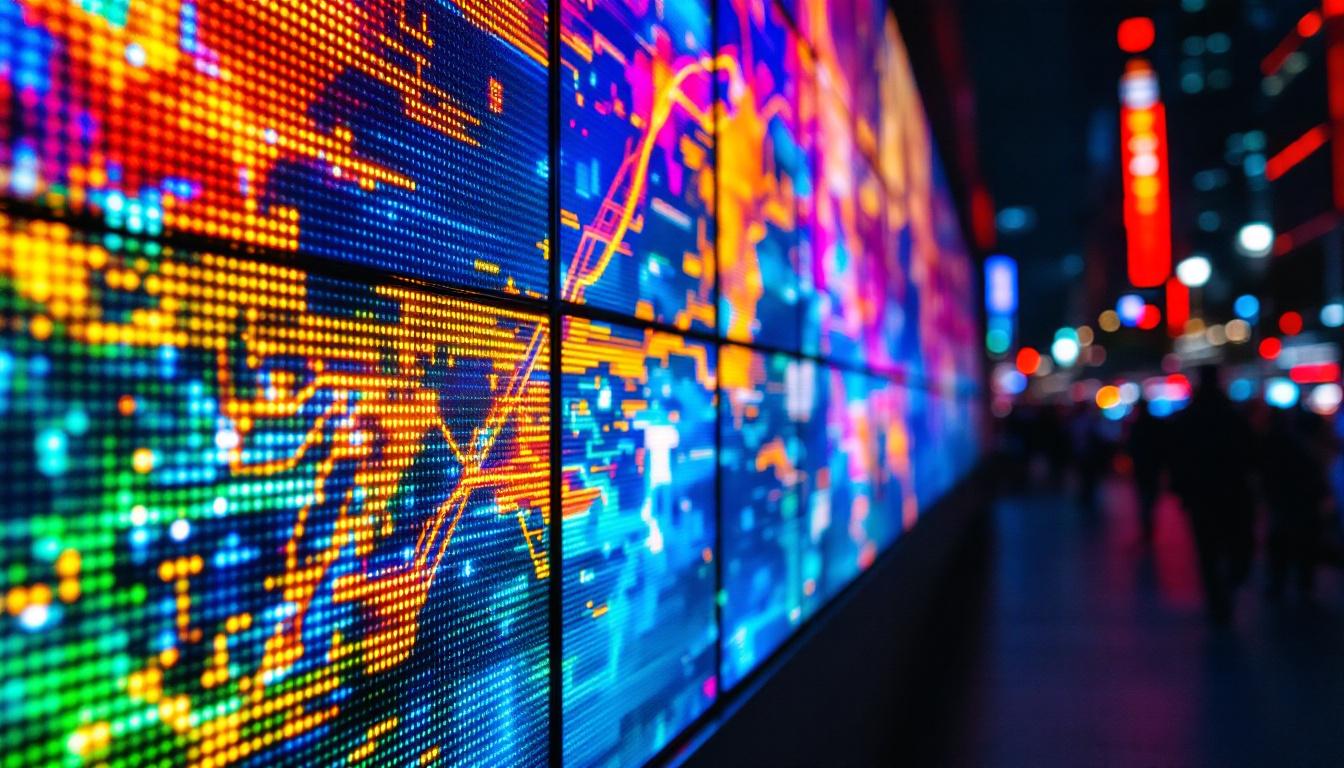
Resolution is a critical factor in LED display performance. Pixel pitch, defined as the distance between the centers of adjacent pixels, directly affects image clarity. For TV series, where cameras capture close-up shots, a fine pixel pitch (typically 1.2mm to 2.5mm) is essential to avoid visible pixelation on screen.
Choosing the appropriate resolution depends on the shooting distance and camera resolution. Higher resolution LED walls provide sharper images but come at increased cost and complexity. Moreover, the choice of resolution can also influence the overall aesthetic of the production; a higher resolution can enhance the immersive experience for viewers, making them feel as though they are part of the scene. Thus, producers must weigh the benefits of visual fidelity against budget constraints and technical capabilities.
Color Calibration and Consistency
Ensuring color accuracy across the entire LED display is vital for maintaining visual continuity. Professional calibration tools and software are used to balance color temperature, brightness, and contrast. Regular maintenance is also necessary to prevent color shifts due to aging LEDs or environmental factors. This is particularly important in long-running series where consistent visual style is crucial for audience engagement. Furthermore, different lighting conditions on set can impact how colors appear on the LED display, necessitating real-time adjustments to maintain fidelity.
Integration with Camera Systems
LED displays must be synchronized with camera shutter speeds and frame rates to prevent flickering or rolling shutter artifacts. Advanced control systems manage refresh rates and timing, enabling smooth capture even in high-speed or slow-motion scenes. This synchronization is not only a technical necessity but also a creative tool; directors can utilize the dynamic capabilities of LED technology to enhance storytelling through visual effects that seamlessly blend with live-action footage. The ability to change backgrounds or environments in real-time opens up new avenues for creative expression, allowing for more ambitious storytelling techniques.
Environmental and Logistical Factors
Studios must consider power consumption, heat dissipation, and physical support structures when installing large LED walls. Additionally, transportable or modular LED panels facilitate flexible set designs and location shoots. The logistics of setting up these displays can be complex, often requiring specialized rigging and power solutions to ensure safety and functionality. Furthermore, the environmental impact of using LED technology should not be overlooked; while LEDs are generally more energy-efficient than traditional lighting, their installation and operation still require careful management to minimize carbon footprints. This includes considering the sourcing of materials and the lifecycle of the technology itself, as well as exploring sustainable practices in production to align with industry standards for environmental responsibility.
Future Trends and Innovations in LED Display Technology for TV
The landscape of LED display technology continues to evolve rapidly, with emerging trends promising to further enhance TV series production capabilities.
MicroLED and MiniLED Advances
MicroLED and MiniLED technologies offer even finer pixel pitches and improved brightness control. These innovations enable ultra-high-definition displays with superior contrast ratios, pushing the boundaries of visual fidelity in TV production.
AI-Driven Content Adaptation
Artificial intelligence is being integrated into LED display systems to dynamically adjust content based on scene requirements, lighting conditions, and narrative context. This adaptive approach can optimize visual impact and reduce manual intervention.
Augmented Reality (AR) Integration
Combining LED displays with AR elements allows for interactive and immersive storytelling experiences. Actors can interact with virtual objects projected on LED walls, enhancing realism and audience engagement.
Conclusion: The Impact of LED Displays on TV Series Storytelling
LED display technology has fundamentally transformed the way television series are conceptualized and produced. By merging real-time digital environments with live-action footage, creators can craft visually stunning and immersive worlds that captivate audiences like never before. As the technology continues to advance, its integration into TV production will become increasingly sophisticated, offering limitless creative possibilities.
For producers, directors, and production designers, understanding the capabilities and technical requirements of LED displays is crucial to leveraging this technology effectively. Whether for sci-fi epics, period dramas, or contemporary narratives, LED displays provide a powerful tool to enhance storytelling, streamline production workflows, and deliver unforgettable viewing experiences.
Explore the Future of Visual Storytelling with LumenMatrix
Ready to take your TV series production to the next level? Discover how LumenMatrix’s advanced LED display modules can transform your storytelling and engage your audience like never before. With a wide range of solutions including Indoor and Outdoor LED Wall Displays, Vehicle LED Displays, and more, LumenMatrix is at the forefront of creating immersive visual experiences. Embrace the revolution in visual communication and check out LumenMatrix LED Display Solutions today to share your message with unparalleled impact and clarity.