In today’s visually driven world, the demand for vibrant, dynamic, and large-scale displays has skyrocketed. From bustling city centers to intimate conference rooms, LED displays have become the go-to technology for delivering captivating visual experiences. But what exactly makes LED displays so effective, and how do they work to transform images into immersive experiences? This article delves deep into the world of LED displays, explaining their technology, applications, and the future trends shaping this dynamic industry.
Understanding LED Display Technology
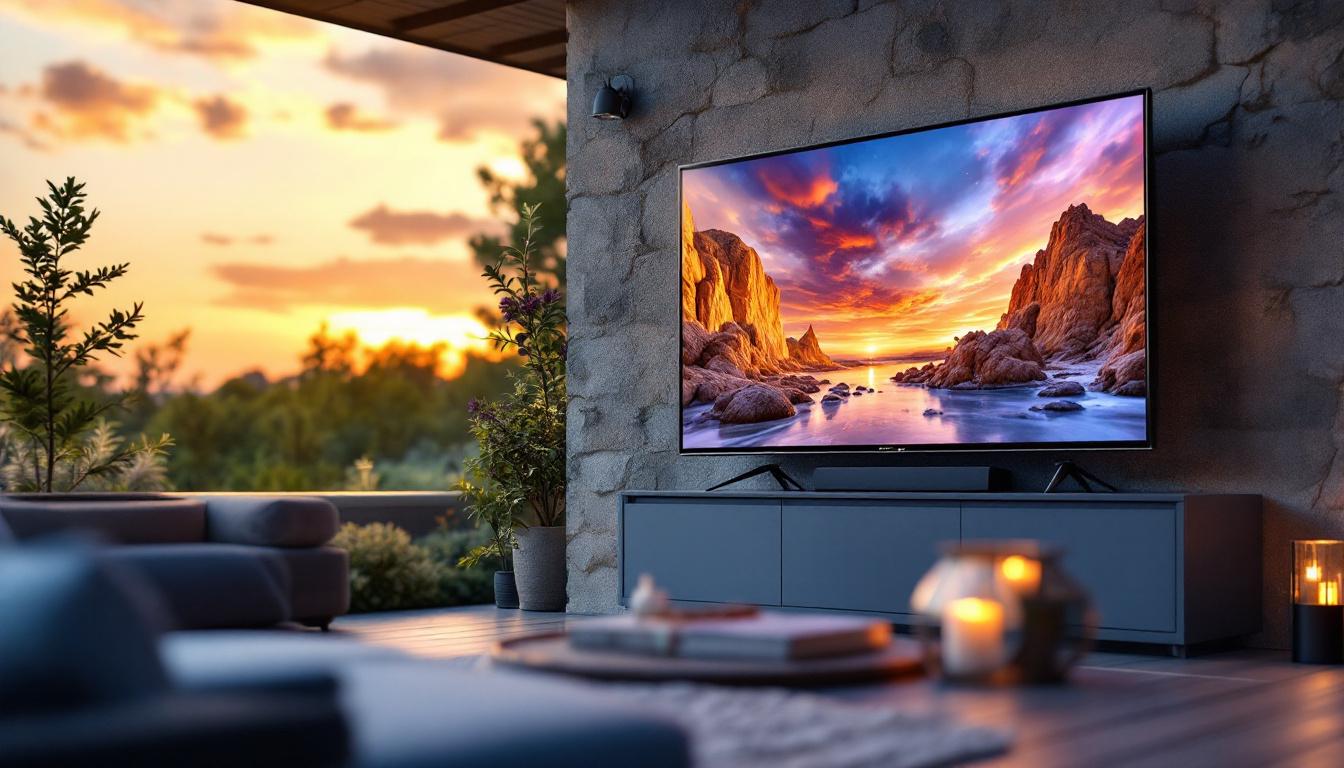
At its core, an LED display is a flat panel that uses light-emitting diodes (LEDs) as pixels to produce images. Unlike traditional LCD or plasma screens, LED displays rely on tiny semiconductor devices that emit light when an electric current passes through them. This fundamental difference gives LED displays distinct advantages in brightness, color accuracy, and energy efficiency. The ability to produce vibrant colors and sharp images makes LED technology a preferred choice in various applications, from home entertainment systems to large-scale advertising displays.
How LEDs Create Images
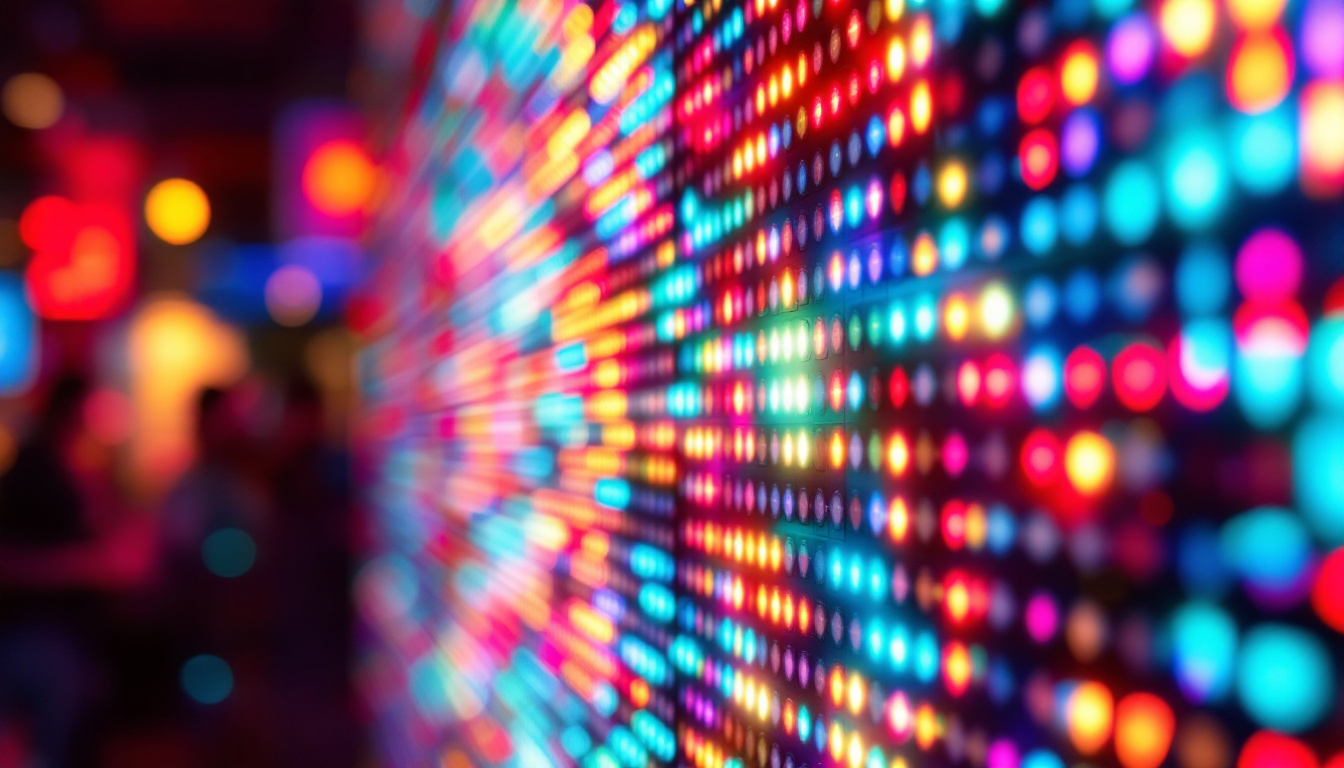
Each pixel in an LED display consists of one or more LEDs, typically red, green, and blue, which combine to produce a wide spectrum of colors. By varying the intensity of each LED, the display can render millions of colors, enabling vivid and lifelike images. The precision control over these LEDs allows for high contrast ratios and deep blacks, which are crucial for creating immersive visual content. This technology is particularly beneficial in environments where detail and clarity are paramount, such as in medical imaging or high-end graphic design.
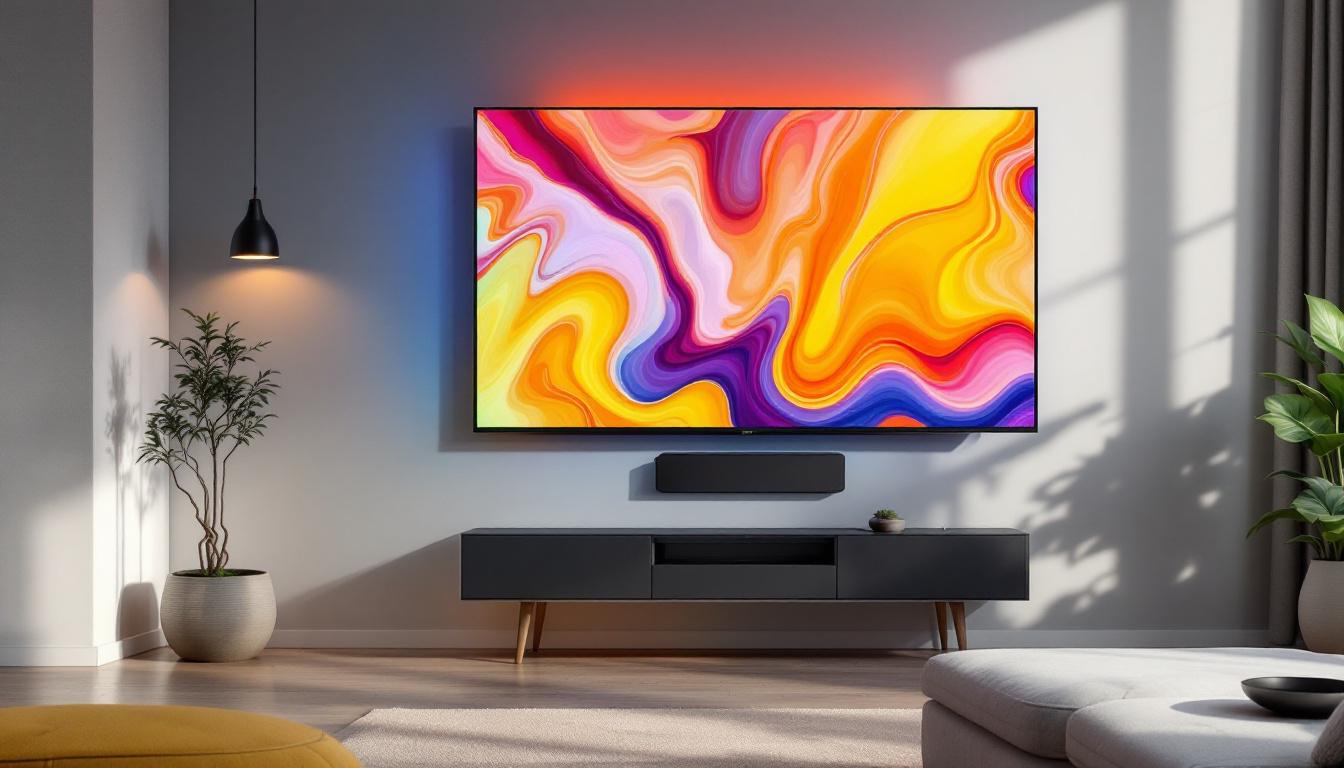
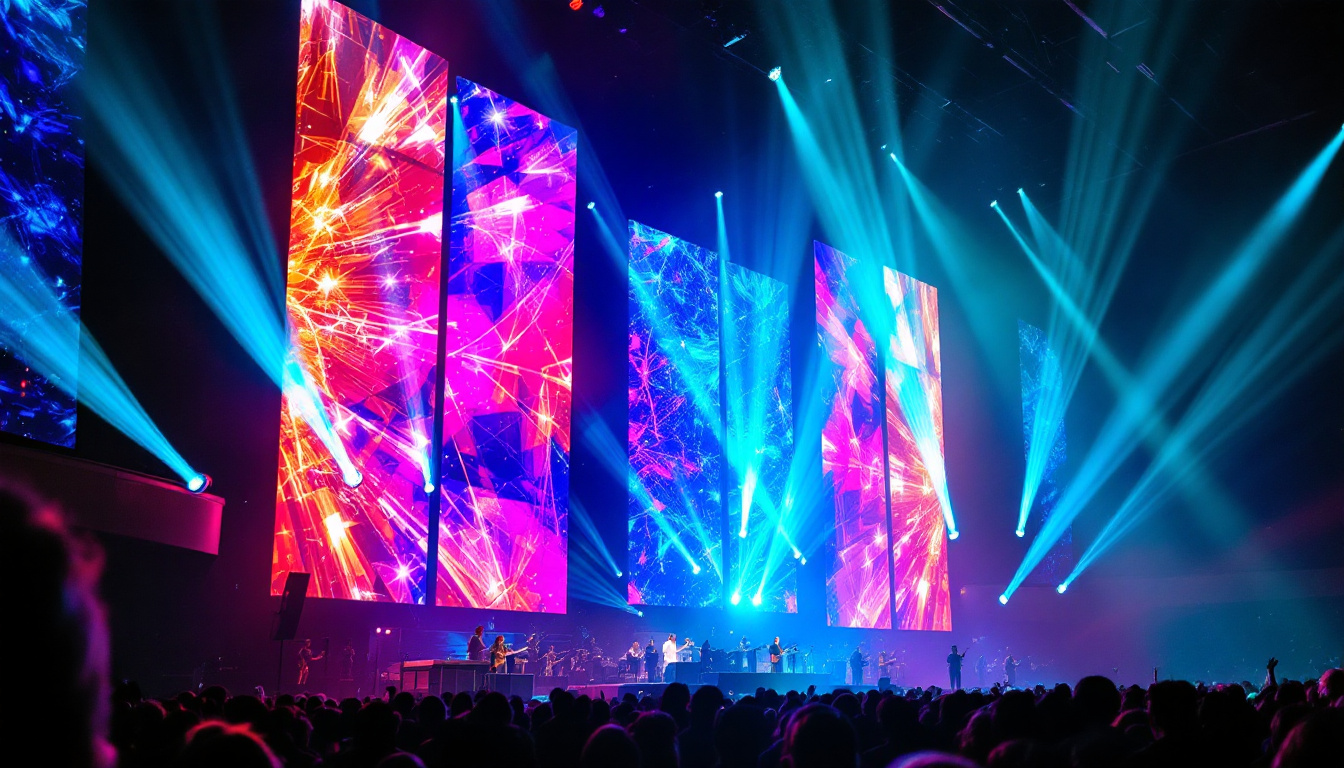
Moreover, LED displays can be designed as either direct-view or backlit. Direct-view LED displays have LEDs arranged directly on the display surface, making them ideal for large-scale outdoor screens. In contrast, LED-backlit LCDs use LEDs to illuminate an LCD panel, commonly found in consumer televisions and monitors. The direct-view option is especially popular for sports arenas and concert venues, where the need for brightness and visibility from various angles is essential for audience engagement.
Types of LED Displays
LED displays come in various forms, each tailored to specific applications:
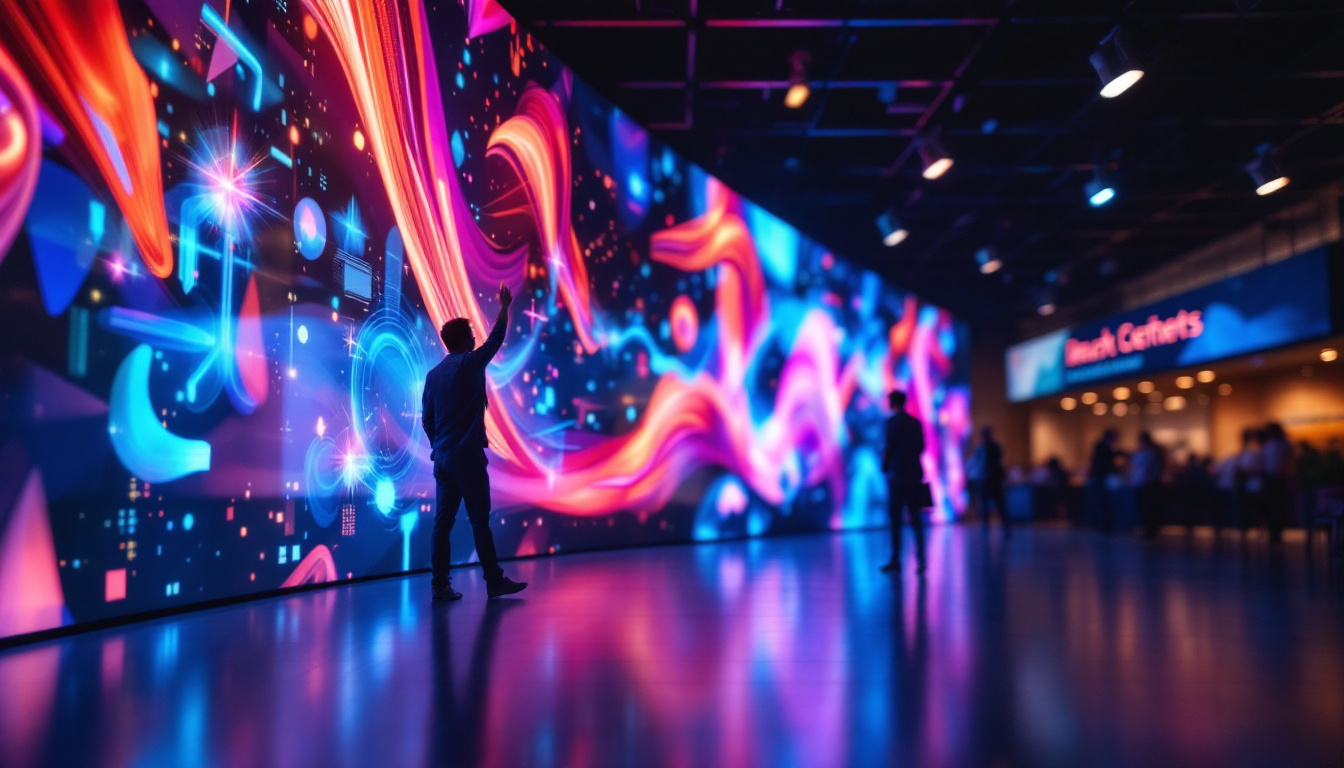
- Indoor LED Displays: These are designed for environments with controlled lighting, such as retail stores, conference halls, and airports. They offer high resolution and fine pixel pitches for close viewing distances. The versatility of indoor displays allows for dynamic content that can be easily updated, making them ideal for promotions and information dissemination.
- Outdoor LED Displays: Built to withstand harsh weather conditions, these displays are brighter to combat sunlight glare and have robust enclosures. Examples include billboards, stadium screens, and digital signage in public spaces. The durability of outdoor LED displays ensures that they can operate continuously, providing real-time information and advertising to large audiences.
- Flexible and Transparent LED Displays: Emerging technologies have introduced flexible LED panels that can curve around surfaces and transparent LED displays that allow viewers to see through the screen, opening new avenues in architectural design and advertising. These innovative designs enable creative installations in retail environments, where products can be showcased behind the display, enhancing the shopping experience while maintaining visual appeal.
As LED technology continues to evolve, advancements such as microLED and miniLED are setting new standards for display performance. MicroLED technology offers even smaller pixels, resulting in higher resolutions and improved energy efficiency, while miniLED backlighting enhances contrast and color accuracy in LCD displays. These innovations are paving the way for next-generation displays that will redefine how we interact with digital content, from personal devices to massive public installations.
The Advantages of LED Displays Over Other Technologies
While LCD and OLED technologies have their merits, LED displays offer unique benefits that make them particularly suited for large-scale and high-impact visual communication.
Brightness and Visibility
One of the standout features of LED displays is their superior brightness. Outdoor LED billboards can reach brightness levels exceeding 5,000 nits, ensuring visibility even in direct sunlight. This makes them indispensable for advertising in outdoor environments where clarity and vibrancy are paramount. Furthermore, the high brightness levels of LED displays allow for effective communication even in challenging weather conditions, such as fog or rain, where other display technologies may struggle to maintain visibility. This resilience ensures that messages remain clear and impactful, regardless of external factors.
Energy Efficiency and Longevity
LEDs are inherently energy-efficient because they emit light directly without needing a backlight. This efficiency translates into lower power consumption and reduced operating costs, especially important for large installations running continuously. Additionally, LEDs have a long lifespan, often exceeding 100,000 hours, meaning displays can operate for years with minimal maintenance. This longevity not only reduces the need for frequent replacements but also contributes to a smaller carbon footprint, making LED displays an environmentally friendly choice. As businesses increasingly prioritize sustainability, the energy-efficient nature of LED technology aligns well with these values, providing a compelling reason to choose LEDs over traditional display options.
Color Accuracy and Contrast
LED displays excel in rendering accurate colors and deep contrast ratios. The ability to turn off individual LEDs completely results in true blacks, enhancing the overall image quality. This is particularly beneficial for applications like live events, where image fidelity impacts audience engagement. Additionally, the wide color gamut of LED displays allows for vibrant and lifelike images that can captivate viewers. This capability is especially important in industries such as entertainment and advertising, where visual impact is crucial. The precise color reproduction of LED technology also ensures that brand colors are displayed accurately, reinforcing brand identity and recognition in a crowded marketplace.
Applications of LED Displays Across Industries
The versatility of LED displays has led to widespread adoption across numerous sectors, each leveraging the technology to enhance communication and engagement.
Advertising and Digital Signage
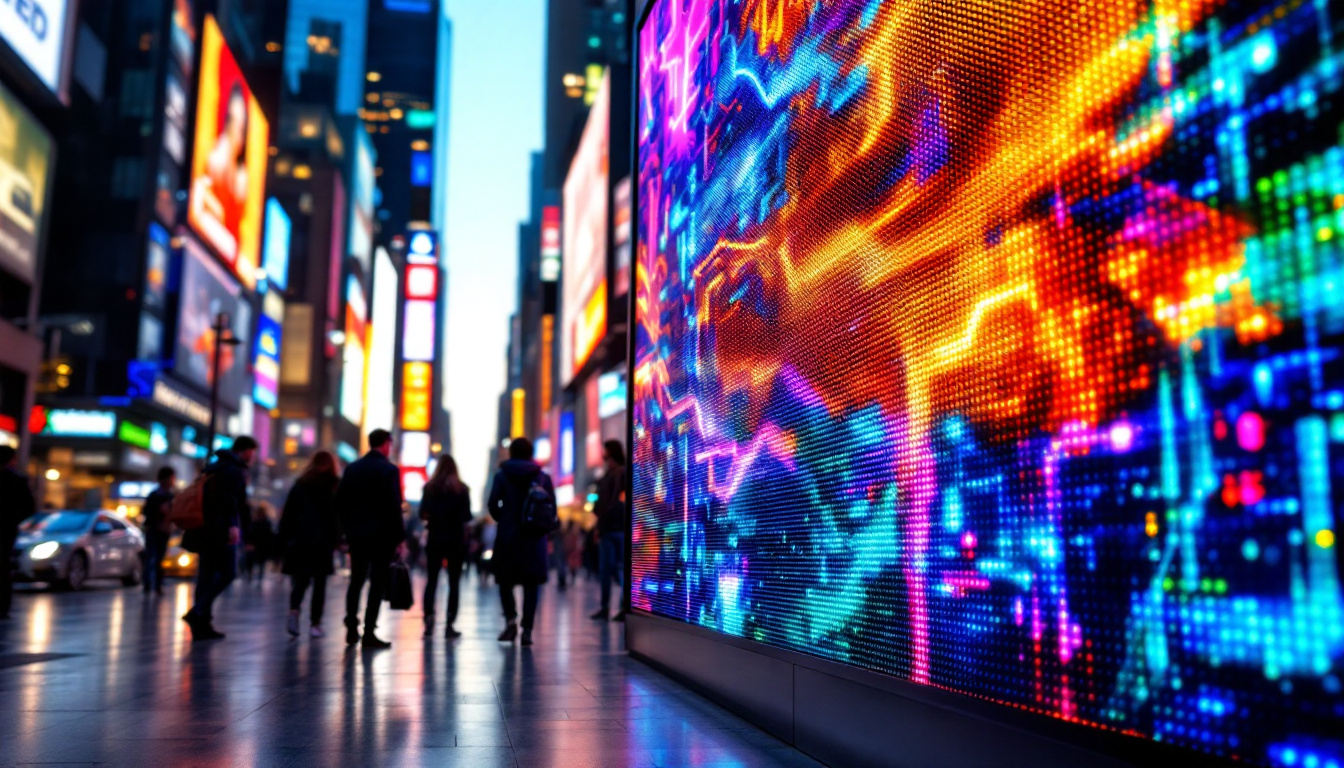
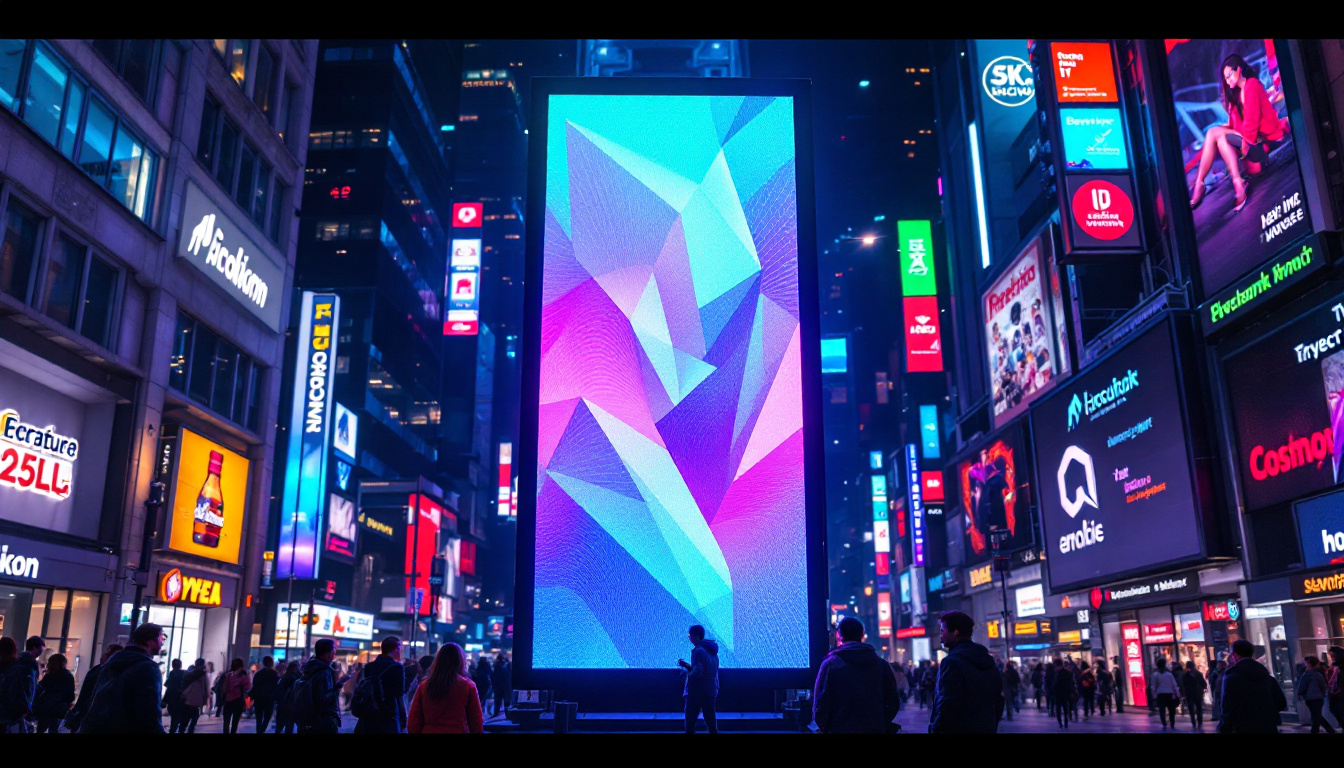
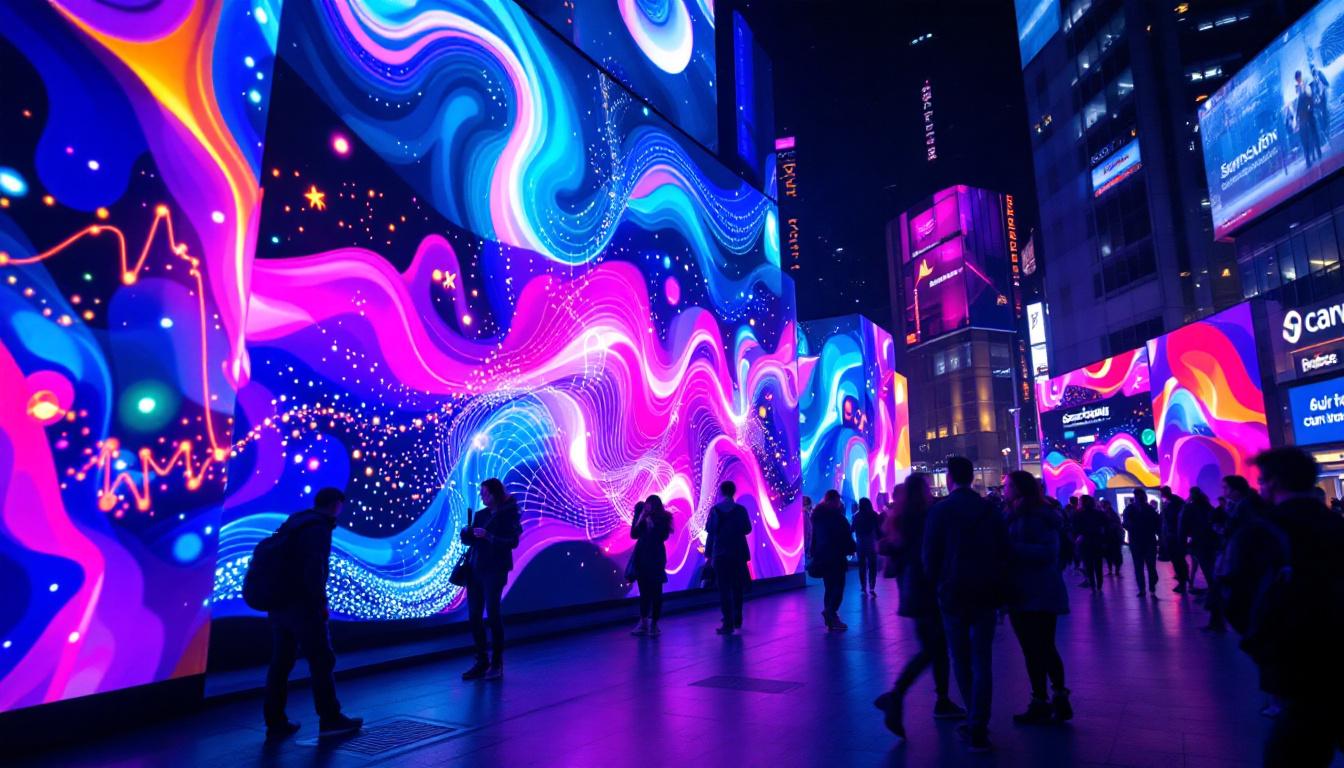
Outdoor advertising has been revolutionized by LED billboards. Cities like Times Square in New York and Shibuya Crossing in Tokyo are iconic for their massive LED screens that deliver dynamic advertisements and public information. These displays allow advertisers to update content in real-time, tailor messages to specific audiences, and create visually stunning campaigns that capture attention. Moreover, the ability to integrate social media feeds and user-generated content into these displays creates a two-way interaction between brands and consumers, fostering a deeper connection and engagement. As augmented reality (AR) technology continues to evolve, we can expect to see even more innovative uses of LED displays in advertising, where virtual elements blend seamlessly with the physical world, captivating audiences in unprecedented ways.
Entertainment and Events
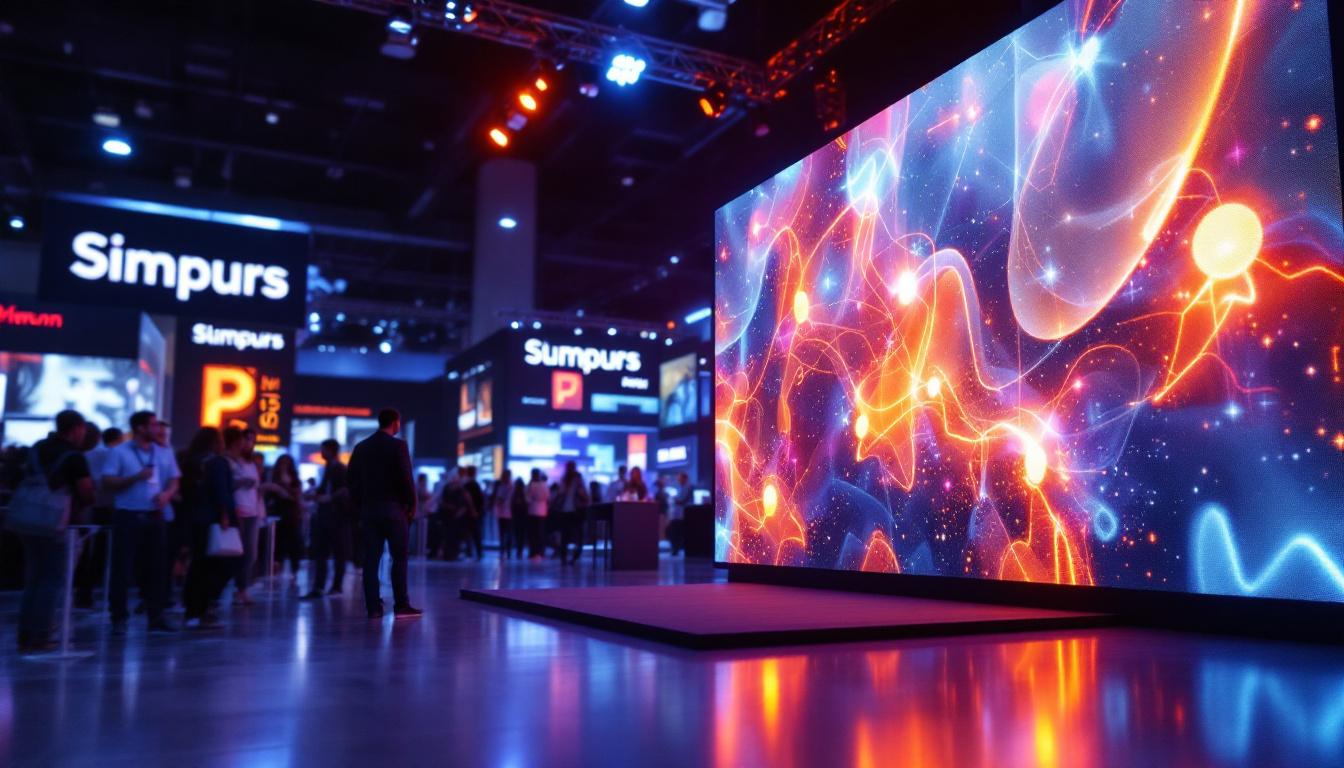
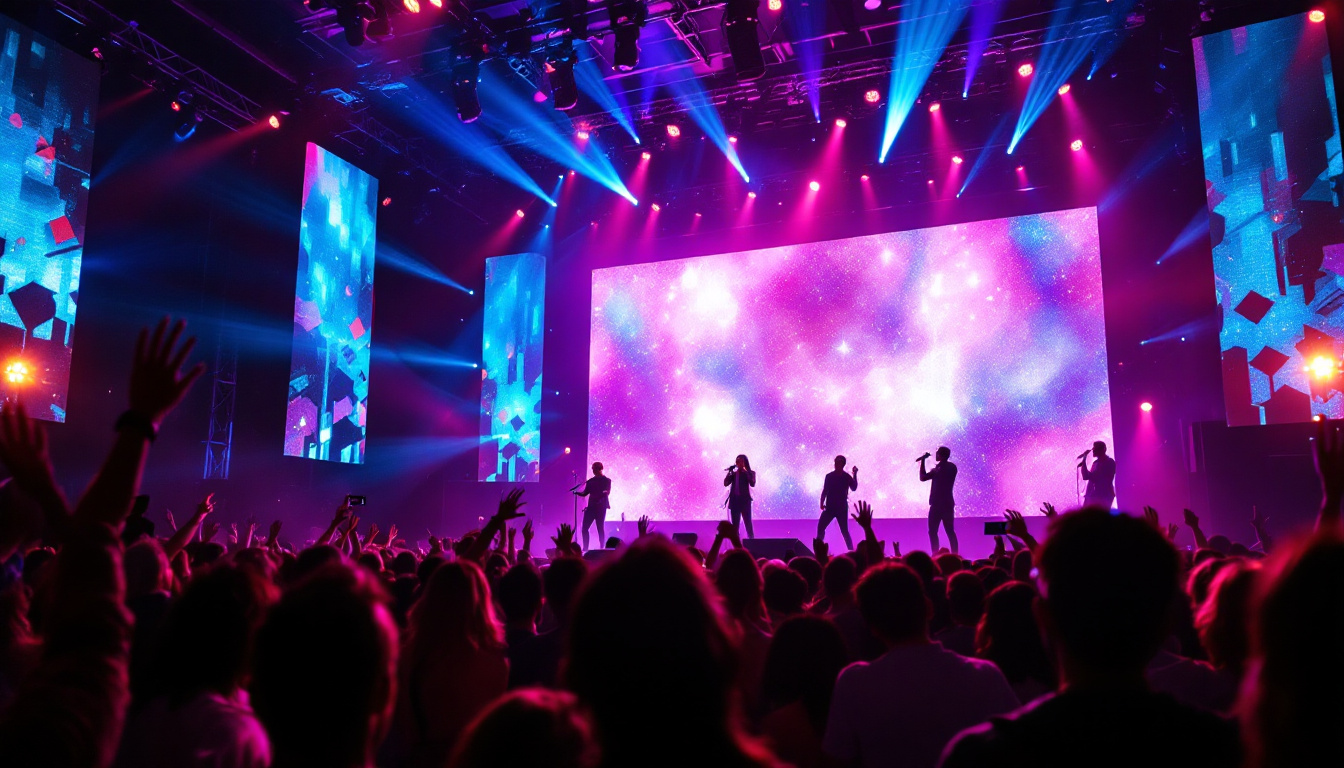
Concerts, sports arenas, and festivals utilize LED screens to provide immersive experiences. High-resolution LED walls serve as backdrops, display live feeds, and engage audiences with interactive content. The flexibility of LED panels enables creative stage designs, enhancing the overall production value. Additionally, these displays can be synchronized with audio and lighting effects, creating a cohesive sensory experience that elevates performances to new heights. As technology advances, we are also witnessing the rise of 3D LED displays, which offer a unique visual experience that can transport audiences into different worlds, making events more memorable and captivating.
Corporate and Educational Environments
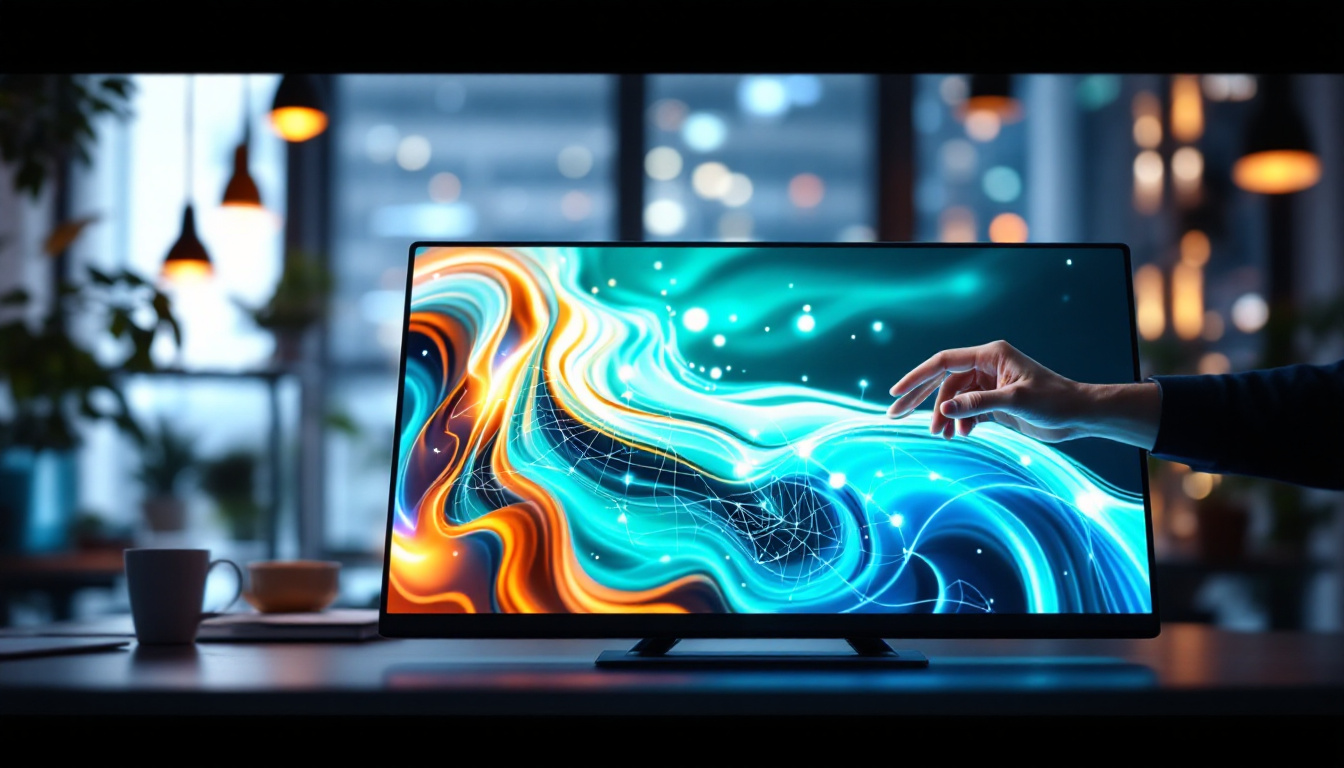
In corporate settings, LED displays are used for presentations, video conferencing, and digital whiteboards. Their clarity and scalability improve communication and collaboration. Similarly, educational institutions employ LED technology in lecture halls and auditoriums to facilitate learning through visual aids. The interactive capabilities of LED displays also allow for real-time feedback and participation from students, fostering a more engaging learning environment. Furthermore, as remote work becomes increasingly prevalent, companies are investing in large-scale LED screens for virtual meetings, ensuring that all participants, whether in-person or remote, can engage fully with the content being presented.
Transportation and Public Information
Airports, train stations, and bus terminals rely on LED displays for real-time information dissemination. The high visibility and reliability of these screens ensure travelers receive timely updates on schedules, alerts, and directions. Beyond mere information, these displays can also enhance the travel experience by showcasing local attractions, weather updates, and even entertainment options available at the destination. In addition, the integration of LED technology with mobile applications allows passengers to receive personalized notifications directly on their devices, making travel more convenient and efficient. As smart city initiatives continue to grow, we can expect to see even more advanced uses of LED displays in public transportation, including interactive kiosks that provide wayfinding assistance and real-time updates on public transit services.
Key Considerations When Choosing an LED Display
Selecting the right LED display involves evaluating several factors to ensure it meets the specific needs of the application.
Resolution and Pixel Pitch
Resolution refers to the number of pixels in the display, while pixel pitch is the distance between the centers of adjacent pixels. A smaller pixel pitch means higher resolution and sharper images, which is essential for close viewing distances. For example, indoor displays typically have pixel pitches as low as 1.2 mm, whereas outdoor displays might have pitches ranging from 4 mm to 20 mm.
Brightness and Viewing Distance
The brightness level must correspond to the ambient lighting conditions and intended viewing distance. Outdoor displays require higher brightness to combat sunlight, while indoor displays can operate at lower levels to prevent eye strain.
Durability and Maintenance
For outdoor installations, weather resistance, waterproofing, and dust protection are critical. Additionally, ease of maintenance and modular design can reduce downtime and service costs.
The Future of LED Display Technology
Innovation continues to drive the evolution of LED displays, pushing the boundaries of what is possible in visual communication.
MicroLED and MiniLED Technologies
MicroLED and MiniLED represent the next generation of LED displays, offering even higher resolution, better contrast, and improved energy efficiency. MicroLEDs are tiny LEDs that can produce incredibly sharp images and are poised to compete with OLED in the premium display market.
Integration with Augmented Reality (AR) and Interactive Technologies
Combining LED displays with AR and interactive systems is creating new immersive experiences. For instance, retail environments use interactive LED walls that respond to customer movements, blending digital content with the physical world seamlessly.
Sustainability and Environmental Impact
As sustainability becomes a priority, manufacturers are focusing on eco-friendly materials and energy-saving designs. Advances in LED technology are reducing the carbon footprint of digital signage and large-scale displays, aligning with global efforts to combat climate change.
Conclusion
LED displays have transformed how images are presented and experienced across various industries. Their superior brightness, color accuracy, energy efficiency, and adaptability make them an indispensable tool for communication in the modern age. As technology advances, LED displays will continue to evolve, offering richer, more immersive visual experiences that captivate audiences worldwide.
Understanding the intricacies of LED technology and its applications empowers businesses and organizations to harness its full potential, creating impactful visual narratives that resonate with viewers and elevate brand presence.
Discover the Future of Visual Engagement with LumenMatrix
As you’ve seen, LED displays are pivotal in creating immersive and dynamic visual experiences that captivate audiences and elevate communication. Embrace the future of visual storytelling with LumenMatrix, a leader in innovative LED display technology. Explore our comprehensive range of solutions, from Indoor and Outdoor LED Wall Displays to specialized options like Vehicle, Sports, and Floor LED Displays. Our mission is to revolutionize your visual communication, ensuring your message resonates with brilliance and clarity. Check out LumenMatrix LED Display Solutions today and transform your space into a canvas of endless possibilities.