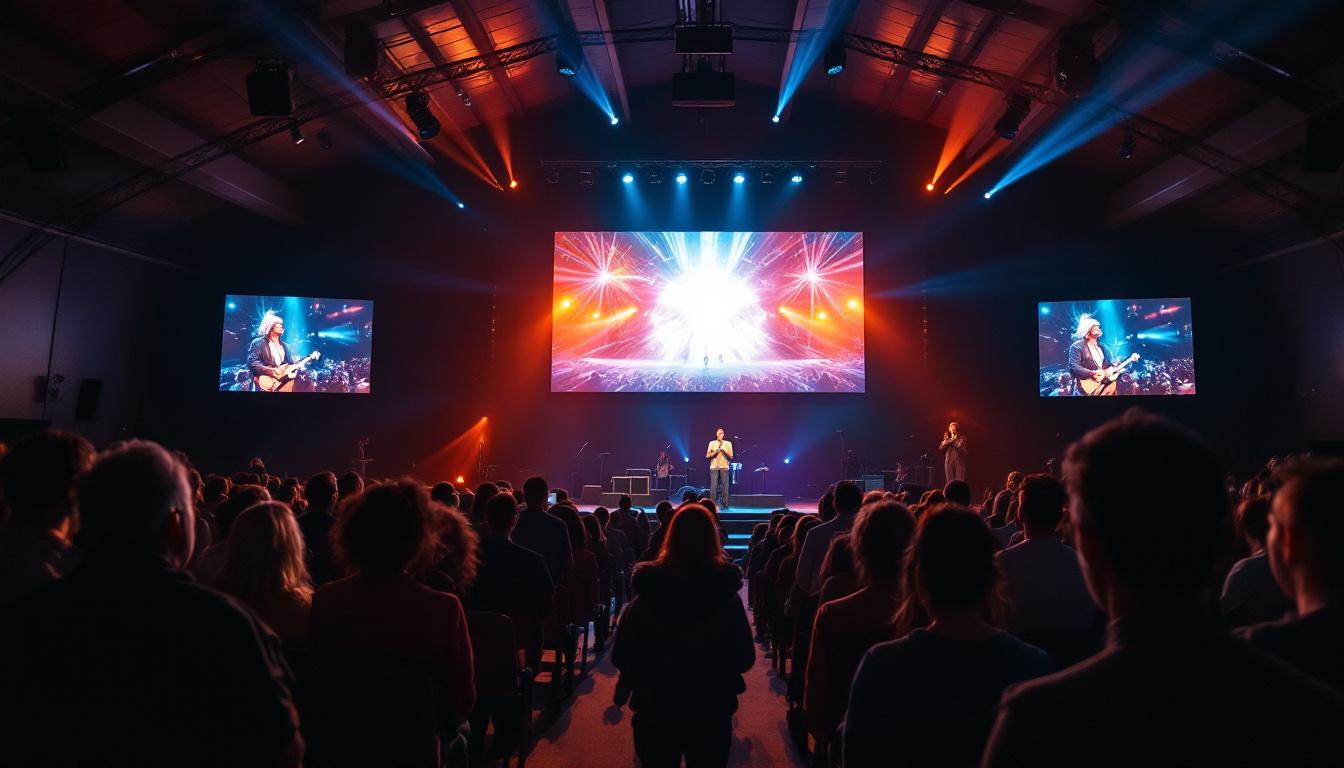
In recent years, churches worldwide have increasingly embraced modern technology to enhance worship experiences and community engagement. Among the most transformative advancements is the adoption of LED display technology for projection screens. These vibrant, high-definition displays have revolutionized how churches present sermons, lyrics, videos, and announcements, creating immersive environments that foster connection and participation.
This article explores the role of projection screens in churches, focusing on LED displays. It covers their benefits, technical considerations, installation tips, and how they compare to traditional projection methods. Whether you are a church leader, audiovisual technician, or member of a congregation interested in upgrading your worship space, this comprehensive guide will provide valuable insights.
The Evolution of Projection Technology in Churches
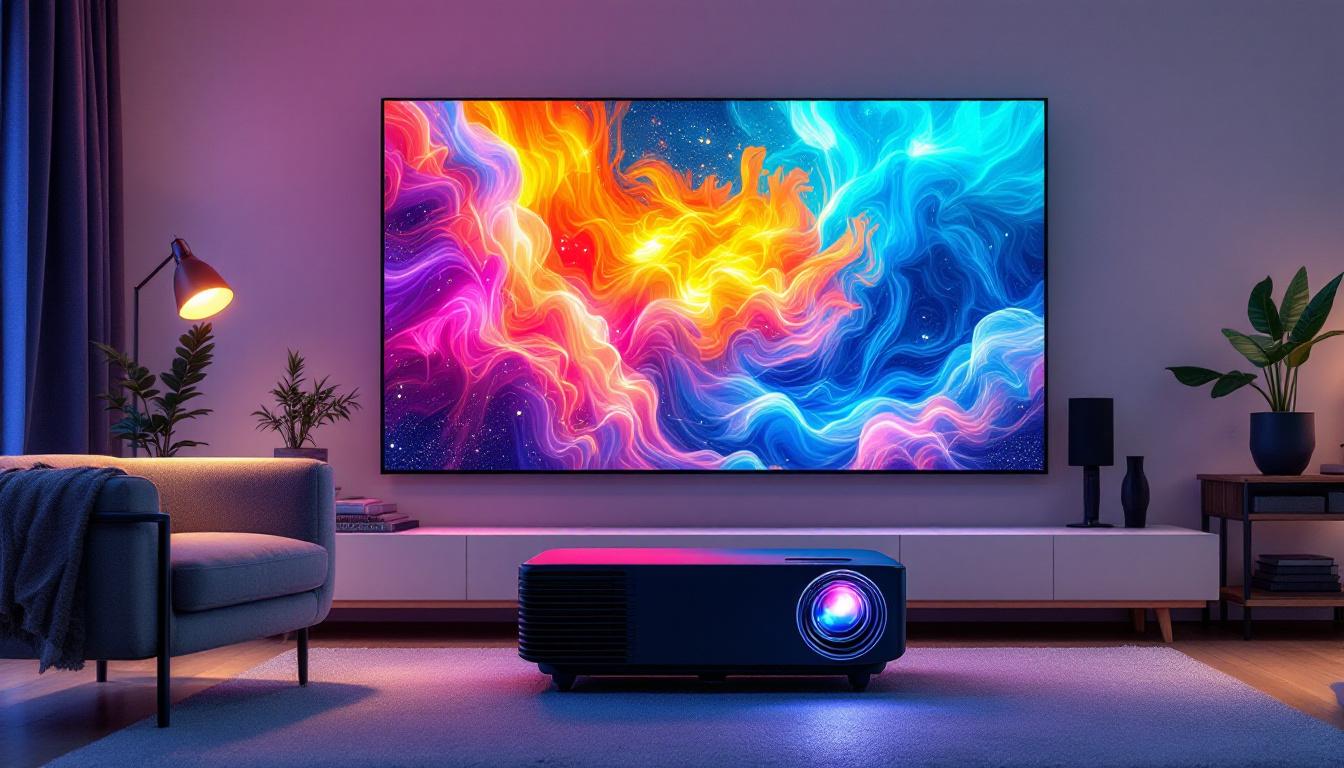
For decades, churches relied on traditional projectors paired with pull-down or fixed screens to display song lyrics, sermon notes, and multimedia content. While effective, these systems often faced challenges such as dim images in well-lit rooms, limited viewing angles, and maintenance issues like bulb replacements.
With the advent of LED display technology, many churches have transitioned to more durable, brighter, and versatile screens. LED (Light Emitting Diode) displays use an array of tiny light sources to create images, offering superior brightness and contrast compared to conventional projectors. This evolution reflects a broader trend of integrating digital media into worship spaces to meet the expectations of modern congregations.
Why Upgrade to LED Displays?
Several factors motivate churches to consider LED displays over traditional projection systems:
- Brightness and Clarity: LED screens deliver vivid images even in brightly lit environments, ensuring content is easily visible to all attendees.
- Durability: Unlike projectors that require frequent bulb replacements, LED panels have a longer lifespan and lower maintenance costs.
- Flexibility: LED displays can be customized in size and shape, allowing for creative stage designs and multi-screen setups.
- Energy Efficiency: Modern LED technology consumes less power, aligning with many churches’ sustainability goals.
Understanding LED Display Technology
To appreciate why LED displays are gaining popularity in churches, it is essential to understand their basic components and how they function.
How LED Displays Work
LED displays consist of numerous small light-emitting diodes arranged in a grid. Each diode can emit red, green, or blue light, and by varying the intensity of these colors, the screen produces a full spectrum of colors to form images and videos. This direct emission of light contrasts with traditional projectors, which rely on external light sources and lenses to cast images onto a screen.
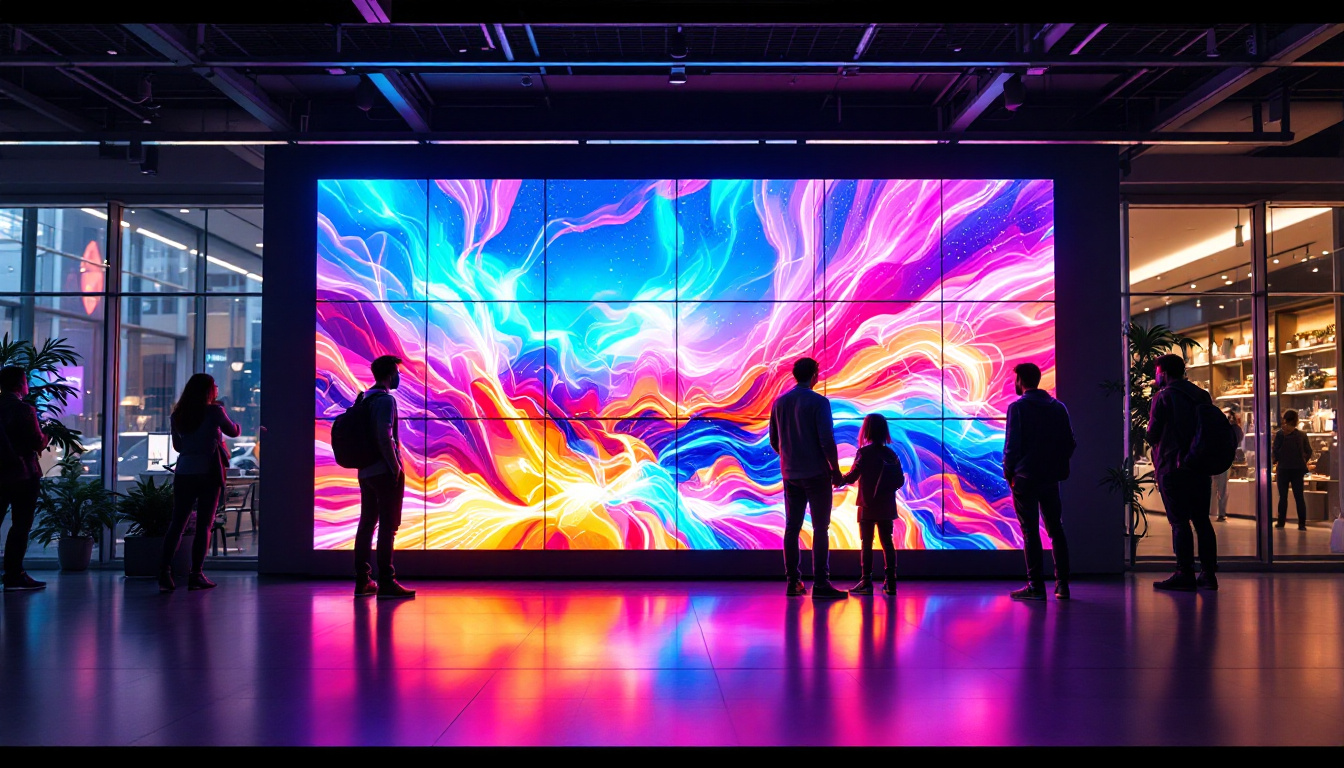
The modular nature of LED panels allows them to be assembled into virtually any size, from small information boards to massive video walls. This scalability is particularly advantageous for churches of different sizes and architectural layouts.
Types of LED Displays Suitable for Churches
When selecting an LED display for a church, understanding the different types is crucial:
- Indoor LED Displays: Designed for controlled lighting environments, these screens offer high resolution and brightness optimized for indoor use.
- Outdoor LED Displays: Built to withstand weather conditions, these are typically brighter and more rugged but may not be necessary for indoor church settings.
- Fine Pitch LED Displays: Featuring smaller pixel spacing (distance between diodes), these offer sharper images suitable for close viewing distances, ideal for sanctuary screens.
Benefits of LED Projection Screens in Church Settings
LED displays bring several tangible benefits to churches, enhancing both the aesthetic and functional aspects of worship services.
Improved Visibility and Engagement
One of the most significant advantages is improved visibility. LED screens maintain brightness and color accuracy regardless of ambient lighting, ensuring that song lyrics, scripture verses, and sermon visuals are clear from any seat in the sanctuary. This inclusivity helps congregants stay engaged and participate more fully.
Versatility in Content Presentation
LED displays support a wide range of content formats, from static images and text to dynamic videos and live camera feeds. This versatility allows churches to create multimedia-rich services that appeal to diverse age groups and learning styles. For example, during children’s ministry sessions, animated visuals can enhance storytelling, while live event broadcasts can connect remote attendees.
Enhanced Aesthetic Appeal
Modern LED screens can be seamlessly integrated into church architecture, serving as eye-catching focal points without detracting from the sacred atmosphere. Customizable shapes and sizes enable creative stage designs that complement worship themes and seasonal decorations.
Cost-Effectiveness Over Time
While the initial investment in LED technology may be higher than traditional projectors, the long-term savings in maintenance, bulb replacements, and energy consumption often offset upfront costs. Additionally, the durability of LED panels reduces downtime and repair expenses.
Key Considerations When Choosing LED Displays for Churches
To maximize the benefits of LED projection screens, churches must carefully evaluate several factors before making a purchase.
Screen Size and Resolution
The screen size should be appropriate for the sanctuary’s dimensions and seating arrangement. A screen that is too small may not be visible to attendees at the back, while an excessively large display could overwhelm the space. Resolution is equally important; higher resolution (measured in pixels) ensures crisp text and detailed images, especially for close viewing distances.
Pixel Pitch and Viewing Distance
Pixel pitch refers to the distance between individual LED diodes. A smaller pixel pitch means higher pixel density and sharper images. For churches, selecting a pixel pitch that matches the typical viewing distance is critical to avoid pixelation or blurriness. For example, a pixel pitch of 2-3 mm is ideal for viewing distances under 10 feet, while 4-6 mm suits larger rooms.
Brightness and Contrast Ratio
Brightness is measured in nits (candelas per square meter). Indoor LED displays typically range from 800 to 1500 nits, sufficient for most church environments. Contrast ratio—the difference between the darkest black and brightest white—affects image depth and clarity. High contrast ratios enhance readability of text and visual impact.
Installation and Integration
Consider the physical installation requirements, such as wall mounting, rigging, or freestanding structures. Integration with existing audiovisual systems, including sound, lighting, and control software, is also essential for seamless operation during services.
Budget and Financing
Churches should balance desired features with budget constraints. Exploring financing options, grants, or vendor partnerships can make LED displays more accessible. It is advisable to obtain multiple quotes and consult with audiovisual professionals experienced in church installations.
Comparing LED Displays with Traditional Projection Screens
Understanding how LED displays stack up against traditional projection screens helps churches make informed decisions.
Image Quality and Brightness
LED displays consistently outperform projectors in brightness and color vibrancy, especially in rooms with ambient light. Projectors often require dimmed lighting to maintain image clarity, which can limit atmosphere and visibility.
Maintenance and Longevity
Projectors rely on bulbs that typically last 2,000 to 5,000 hours and require periodic replacement, adding to maintenance costs. LED panels have lifespans exceeding 50,000 hours with minimal upkeep.
Installation Flexibility
LED screens offer greater flexibility in size and shape, while projectors depend on throw distance and screen placement. However, projectors may be more cost-effective for very large screens where LED costs escalate.
Initial Cost Considerations
Projectors generally have a lower upfront cost, but ongoing expenses and performance limitations may offset savings. LED displays represent a long-term investment with superior performance and reliability.
Practical Tips for Implementing LED Displays in Churches
Successful deployment of LED projection screens requires careful planning and execution.
Engage Stakeholders Early
Involve pastors, worship leaders, audiovisual teams, and congregation members in the decision-making process to ensure the technology meets diverse needs and expectations.
Work with Experienced Vendors
Select suppliers and installers with proven experience in church environments. They can provide tailored solutions and ongoing support.
Plan for Training and Support
Equip staff and volunteers with training on operating and troubleshooting the LED system to minimize disruptions during services.
Consider Acoustics and Lighting
Coordinate the LED installation with sound and lighting design to create an integrated worship environment that enhances the overall experience.
Test Before Full Deployment
Conduct thorough testing of the LED display with actual content and lighting conditions to identify and resolve any issues prior to official launch.
Case Studies: Churches Successfully Using LED Displays
Numerous churches have reported positive outcomes after adopting LED technology.
Community Church of Springfield
This mid-sized church installed a 12-foot by 7-foot indoor LED screen with a 3 mm pixel pitch. The enhanced visuals have improved congregational engagement, especially during multimedia sermons and worship music. Maintenance costs have decreased by 40% compared to the previous projector system.
Grace Fellowship Cathedral
Grace Fellowship integrated a curved LED video wall behind the altar, creating a dynamic backdrop that changes with sermon themes. The display’s brightness and clarity have allowed for daytime services without compromising visibility, attracting more families and younger attendees.
First Baptist Church of Lakeside
By replacing traditional projection with a modular LED display, this church achieved greater flexibility in stage design and event hosting. The system supports live streaming and remote participation, expanding the church’s reach beyond its physical location.
Conclusion
LED display technology represents a significant advancement in projection screens for churches, offering superior brightness, durability, and versatility. By carefully considering factors such as screen size, resolution, pixel pitch, and budget, churches can select LED solutions that enhance worship experiences and foster deeper community connections.
As congregations continue to evolve in their expectations and engagement with technology, investing in high-quality LED projection screens can be a transformative step toward creating vibrant, inclusive, and inspiring worship environments. Partnering with experienced vendors and planning thoroughly ensures that this investment yields lasting benefits for both church leaders and congregants alike.
Discover LumenMatrix LED Display Solutions for Your Church
Ready to elevate your worship experience with cutting-edge LED display technology? LumenMatrix specializes in a wide array of LED solutions tailored to meet the unique needs of your church. From captivating Indoor LED Wall Displays to versatile All-in-One LED Displays, our products are designed to engage your congregation and transform your worship space. Embrace the future of visual communication and check out LumenMatrix LED Display Solutions today to create unforgettable services and events that resonate with your community.