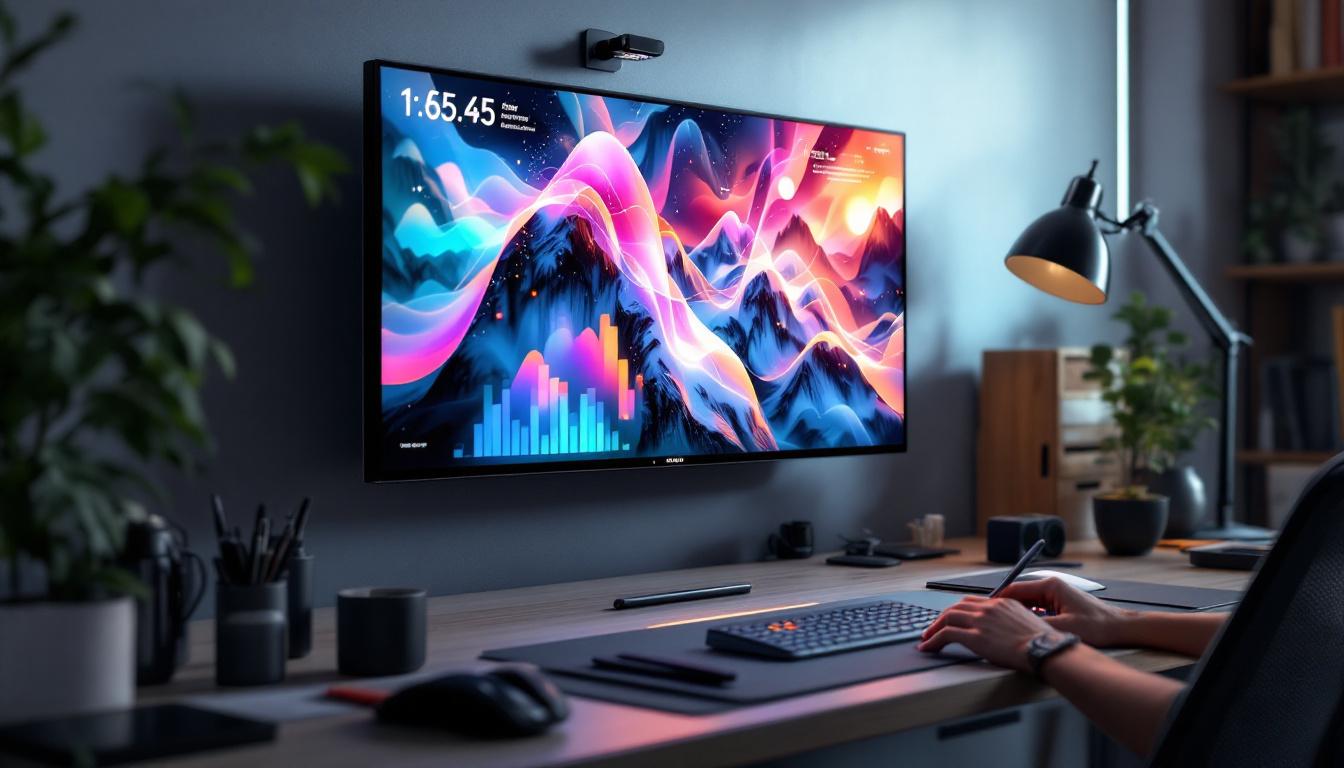
In today’s fast-paced digital world, media walls have become an essential feature for businesses, event venues, retail spaces, and public areas aiming to captivate audiences with dynamic visual content. If you’ve been searching for “media wall installers near me,” it’s likely because you want to understand what makes LED displays the preferred choice for these installations. This comprehensive guide will explain the fundamentals of LED media walls, their advantages, installation considerations, and how to find the right professionals to bring your vision to life.
What Is a Media Wall and Why Choose LED Displays?
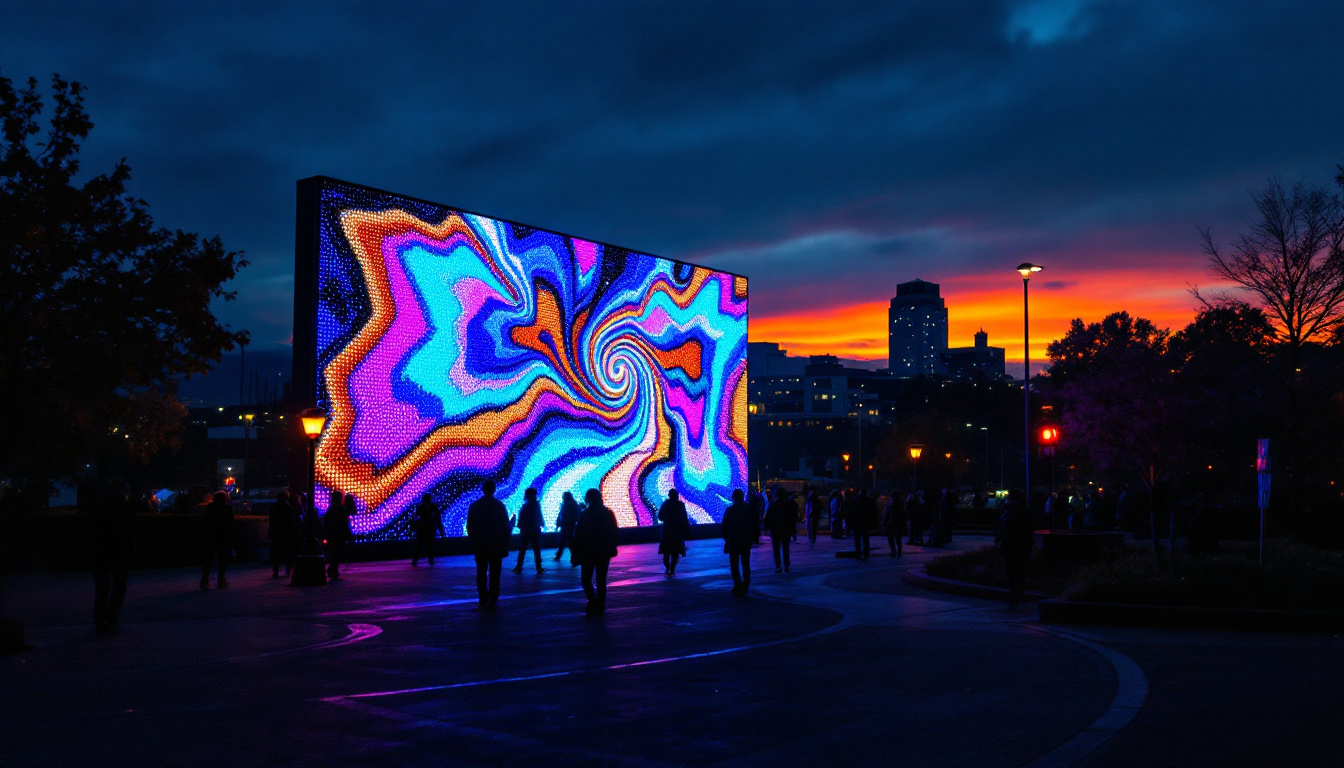
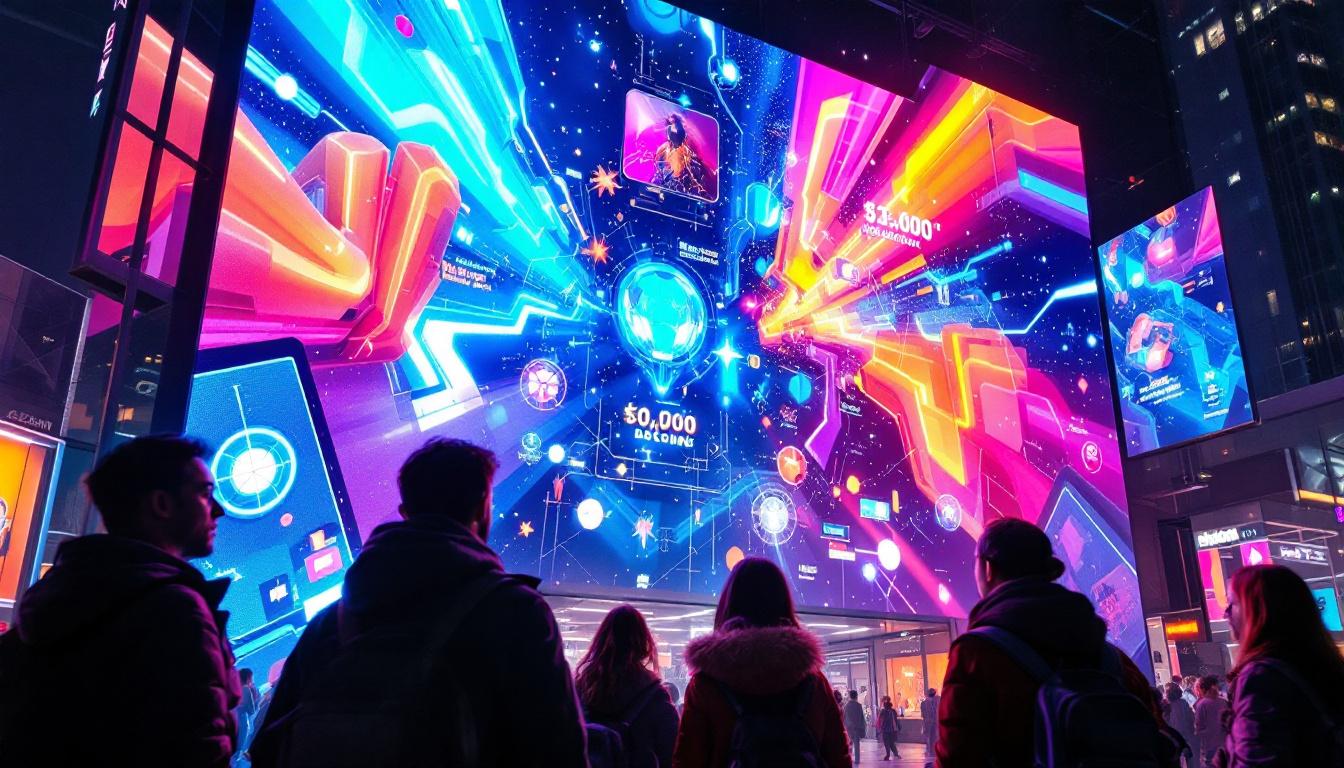
A media wall is a large-scale digital display composed of multiple screens or panels arranged together to form one cohesive visual surface. These installations are often seen in corporate lobbies, stadiums, shopping malls, airports, and control rooms. Media walls serve various purposes, from advertising and branding to information dissemination and entertainment.
Among the different technologies available, LED (Light Emitting Diode) displays have emerged as the leading choice for media walls due to their superior brightness, color accuracy, and scalability. Unlike traditional LCD or projection systems, LED panels emit their own light, enabling vibrant images that remain visible even in brightly lit environments.
Key Advantages of LED Media Walls
LED media walls offer several benefits that make them ideal for both indoor and outdoor applications:
- Brightness and Visibility: LED displays can reach brightness levels of over 1,000 nits indoors and up to 5,000 nits or more outdoors, ensuring clear visibility in direct sunlight or well-lit rooms.
- Seamless Scalability: LED panels can be tiled together without visible bezels, creating a smooth, uninterrupted image regardless of the size or shape of the installation.
- Energy Efficiency: Modern LED technology consumes less power compared to older display methods, lowering operational costs.
- Longevity and Durability: LEDs have a long lifespan, often exceeding 100,000 hours, and are resistant to environmental factors such as moisture and temperature fluctuations.
- Flexible Pixel Pitch: Pixel pitch refers to the distance between individual LEDs. Smaller pixel pitches deliver higher resolution and are perfect for close viewing distances, while larger pitches are suitable for bigger venues where viewers are farther away.
Understanding LED Display Technology
To fully appreciate the capabilities of LED media walls, it’s helpful to understand the underlying technology. LED displays consist of numerous tiny diodes that emit light when an electric current passes through them. These diodes are arranged in clusters called pixels, each typically containing red, green, and blue LEDs. By varying the intensity of each color, the display can produce millions of colors to render images and videos with remarkable clarity.
Types of LED Displays
There are two primary categories of LED displays used in media walls:
- Direct View LED (DVLED): This is the most common type for media walls. The LEDs themselves form the image directly, providing excellent brightness and contrast. DVLED displays are modular, allowing installers to create custom sizes and shapes.
- LED-Backlit LCD: While technically an LCD display with LED backlighting, these are less common for large media walls due to limited scalability and lower brightness compared to DVLED.
For media wall installers, DVLED technology is the standard due to its flexibility and performance.
Pixel Pitch and Resolution
Pixel pitch is a critical factor when selecting an LED display for your media wall. It is measured in millimeters and represents the distance between the centers of two adjacent pixels. A smaller pixel pitch means more pixels per square meter, which translates to higher resolution and sharper images.
For example, a 1.5mm pixel pitch display is ideal for close-up viewing in corporate lobbies or retail environments, where viewers are just a few feet away. Conversely, a 10mm pixel pitch is suitable for stadiums or outdoor billboards where viewers are much farther from the screen.
Installation Considerations for Media Walls
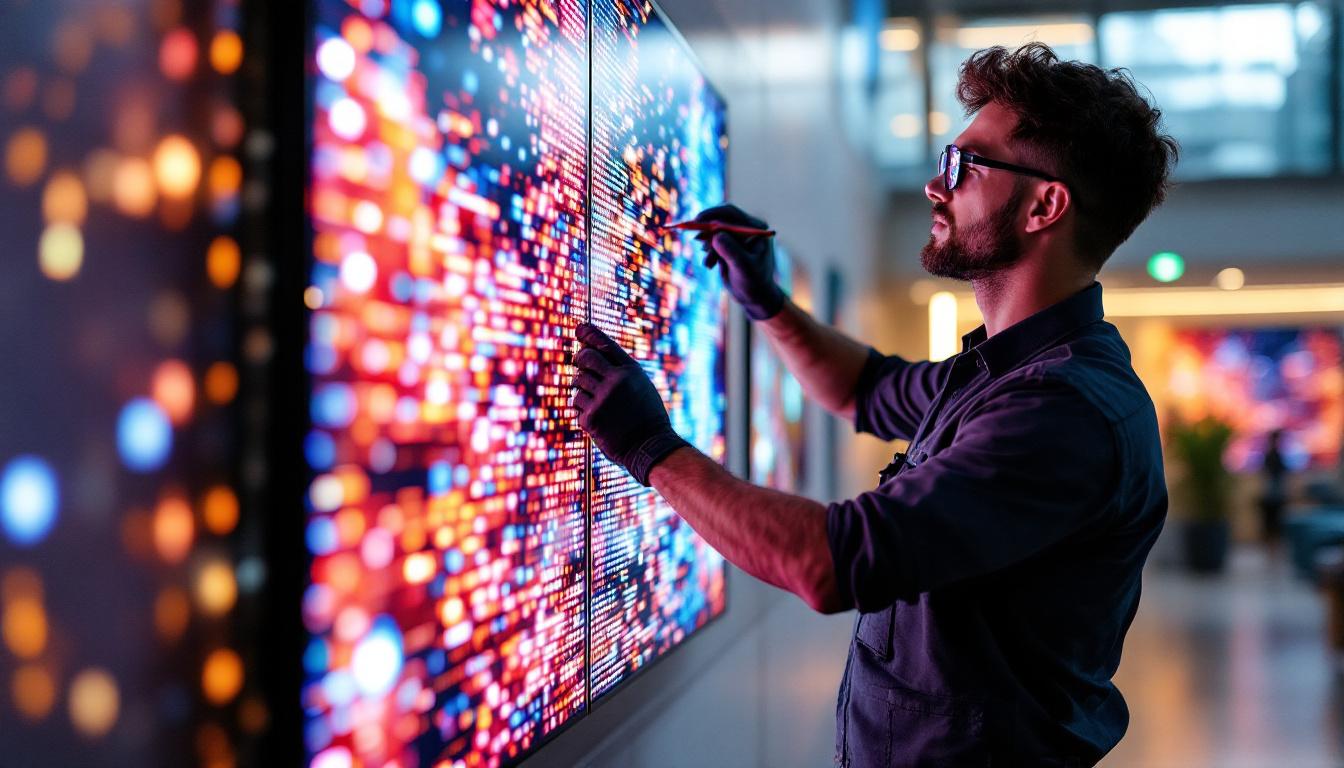
Installing a media wall is a complex process that requires careful planning and expertise. The right installation team will ensure the display is mounted securely, calibrated correctly, and integrated with your existing audiovisual systems.
Site Assessment and Design
Before installation, a thorough site assessment is essential. This includes evaluating the wall’s structural integrity, ambient lighting conditions, viewing angles, and power availability. These factors influence the choice of LED panels, pixel pitch, and mounting hardware.
Designing the media wall involves deciding on the display size, aspect ratio, and resolution to meet your content goals. Experienced installers use specialized software to simulate how the media wall will look in the space, helping you visualize the final result.
Mounting and Structural Support
Media walls can be heavy, especially large LED panels, so ensuring the wall can support the weight is critical. Installers often reinforce existing structures or build custom frames to secure the display safely.
Mounting systems vary depending on the installation type—whether it’s wall-mounted, free-standing, or curved. Precision in alignment is crucial to avoid visible seams between panels.
Electrical and Connectivity Setup
LED media walls require reliable power sources and data connections. Installers manage cable routing, power distribution, and network integration to ensure consistent performance. Many modern media walls support remote content management over IP networks, allowing real-time updates and monitoring.
Calibration and Testing
Once installed, the display undergoes calibration to optimize color accuracy, brightness uniformity, and contrast. This step ensures the media wall delivers a visually stunning experience that matches the intended content.
Comprehensive testing follows to verify that all panels function correctly, and the system integrates seamlessly with control software.
Choosing the Right Media Wall Installer Near You
Finding a qualified media wall installer is crucial to the success of your project. The right professionals bring technical knowledge, project management skills, and post-installation support.
What to Look for in an Installer
- Experience and Expertise: Choose installers with a proven track record in LED media wall projects similar to yours. Ask for case studies or references.
- Technical Certifications: Verify that the team is trained in handling LED technology, electrical work, and audiovisual integration.
- Customization Capabilities: Your installer should be able to design custom solutions tailored to your space and content needs.
- Project Management: Effective communication and timely delivery are essential. Look for companies with strong project management processes.
- After-Sales Support: Media walls require maintenance and occasional repairs. Ensure your installer offers ongoing support and service agreements.
Questions to Ask Potential Installers
When interviewing installers, consider asking:
- Can you provide examples of completed media wall installations?
- What LED panel brands and models do you recommend and why?
- How do you handle site assessments and design customization?
- What is your process for calibration and testing?
- Do you offer maintenance and technical support after installation?
- What warranties or guarantees come with your installation services?
Applications of LED Media Walls Across Industries
LED media walls are versatile and find applications in a wide range of sectors. Understanding how different industries use these displays can help you envision the possibilities for your own space.
Corporate and Office Environments
In corporate settings, media walls are used to display company branding, live data dashboards, news feeds, and event information. They enhance the lobby experience and serve as focal points during meetings and presentations.
Retail and Advertising
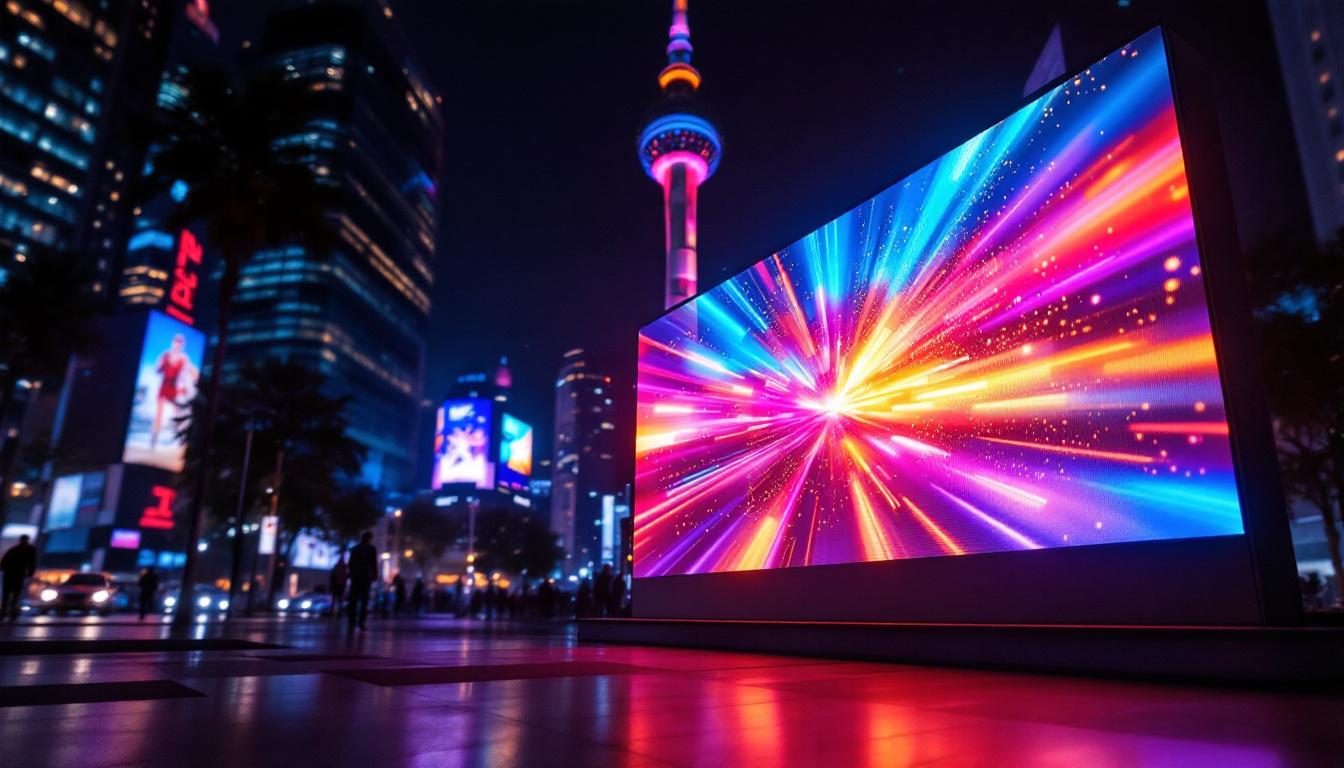
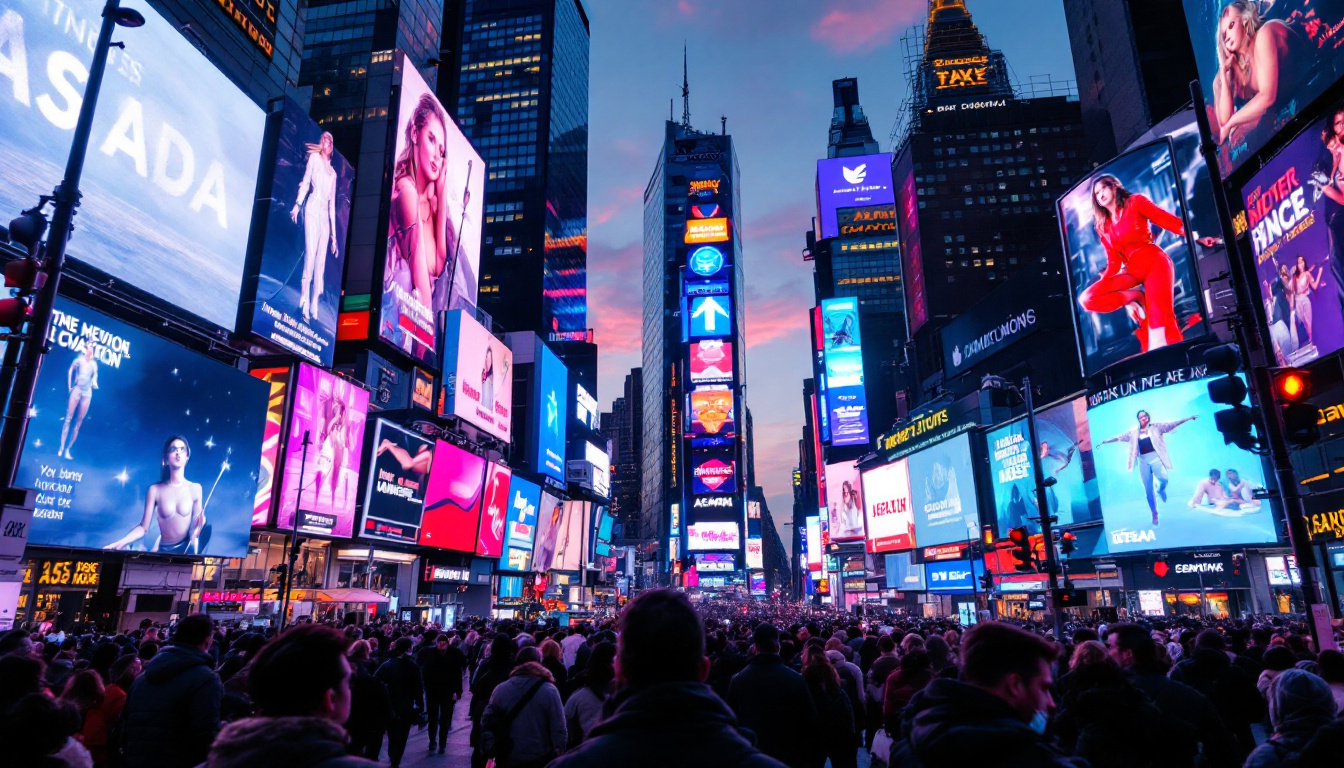
Retailers leverage LED media walls to create immersive shopping experiences, promote products, and run dynamic advertisements. The high brightness and vivid colors attract shoppers’ attention and can be updated instantly to reflect promotions or seasonal campaigns.
Entertainment and Events
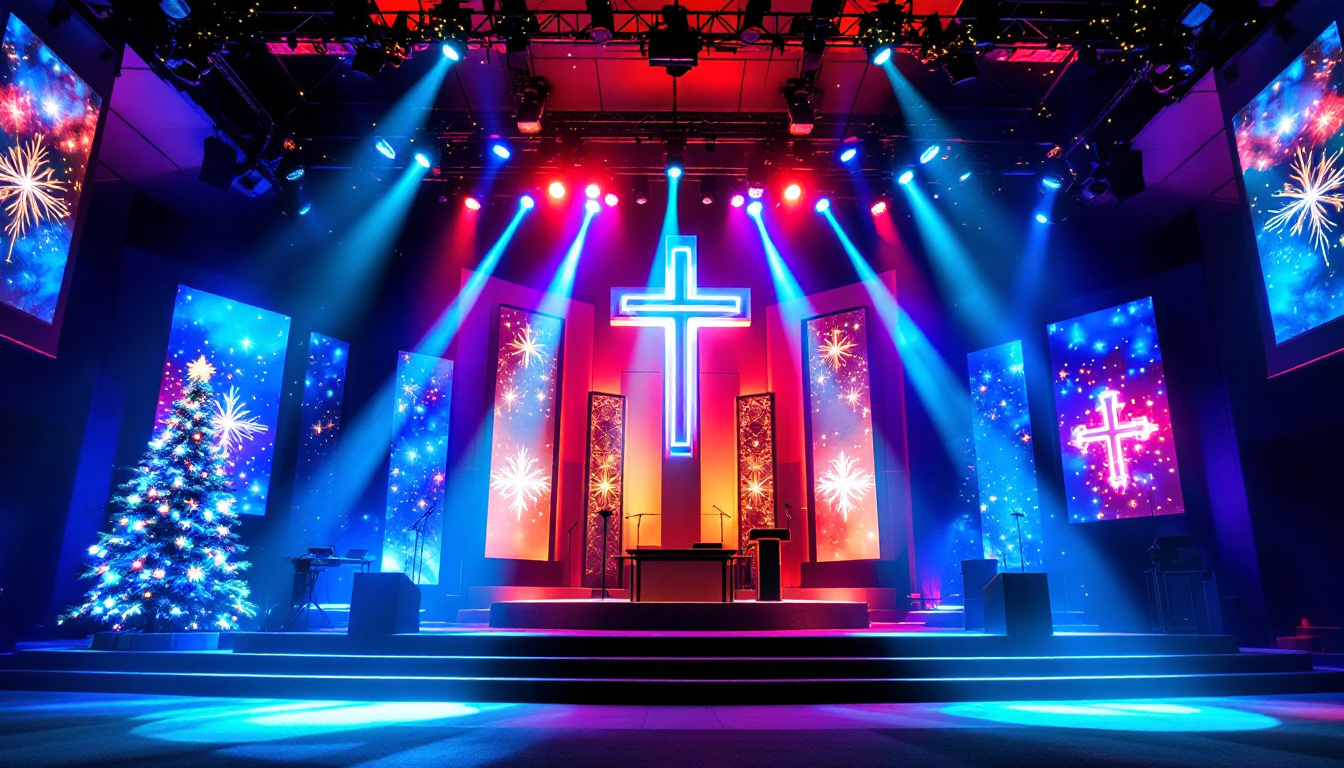
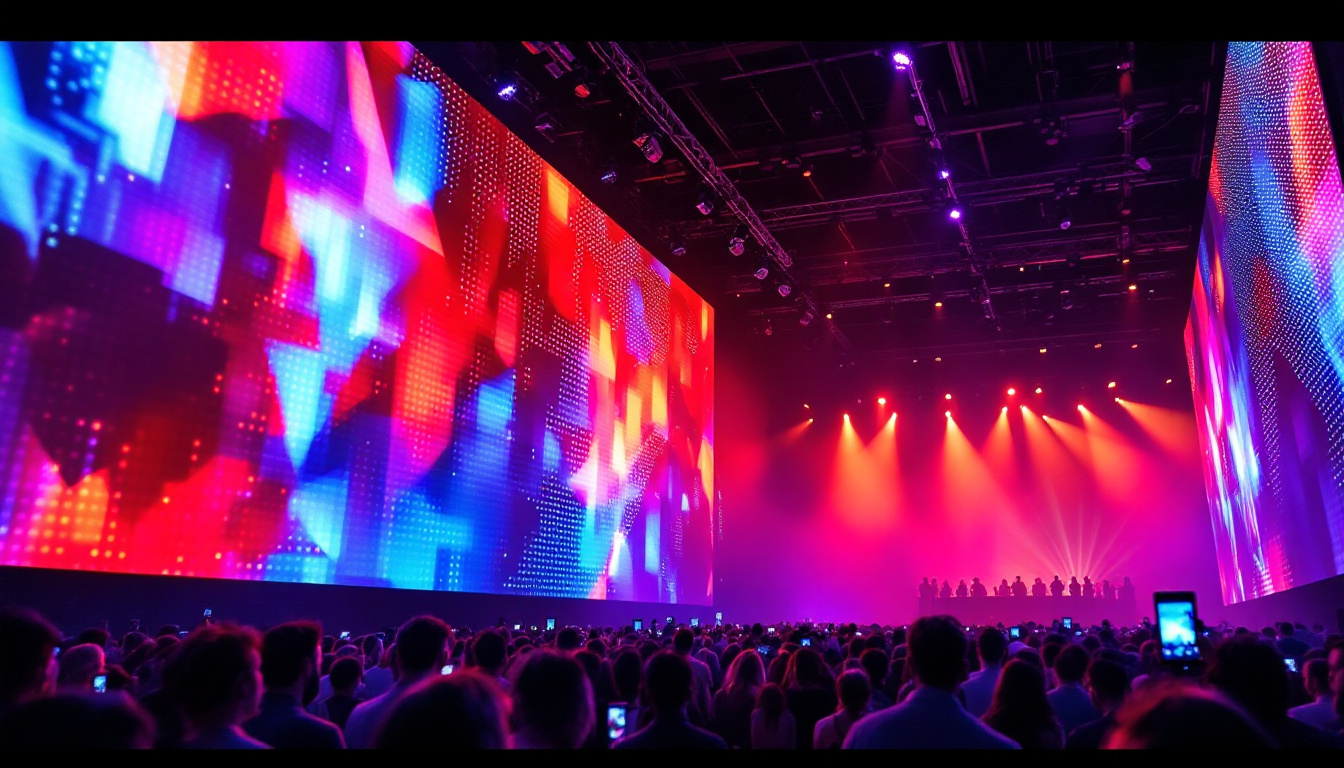
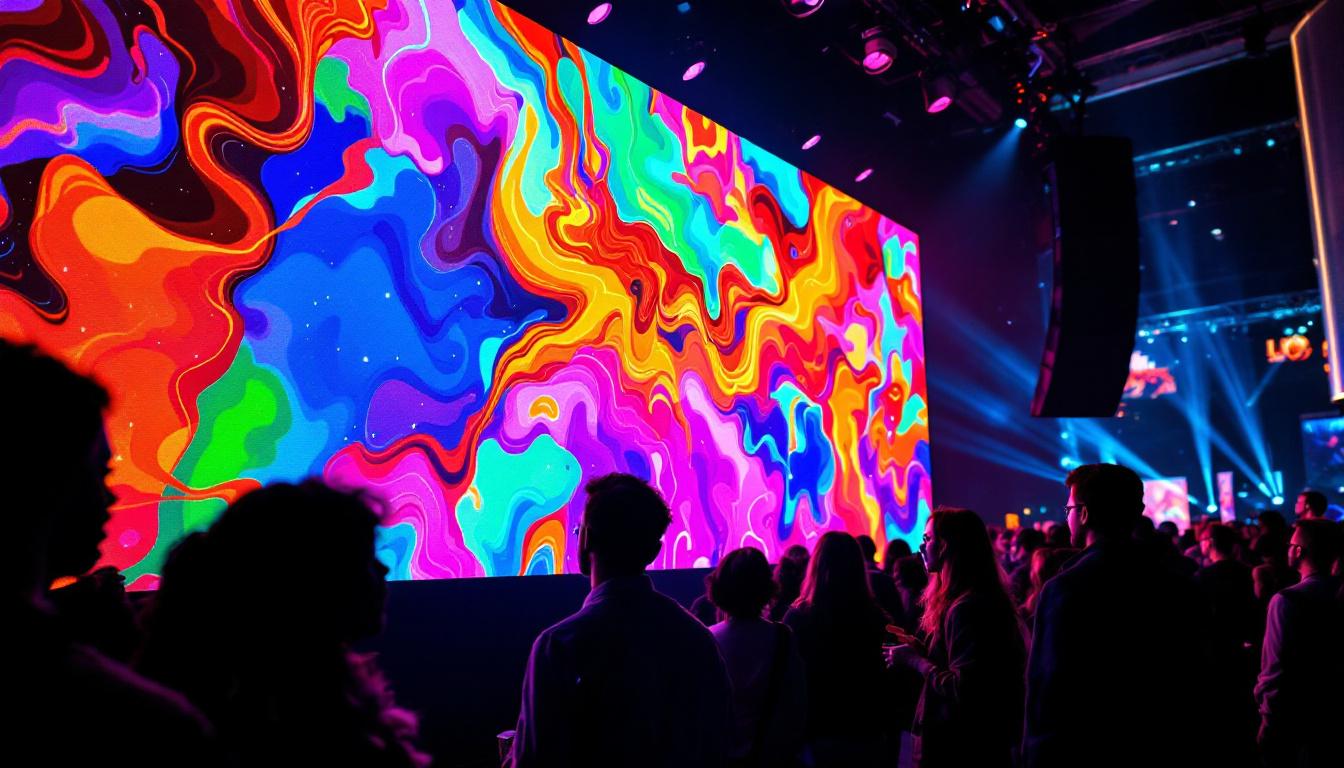
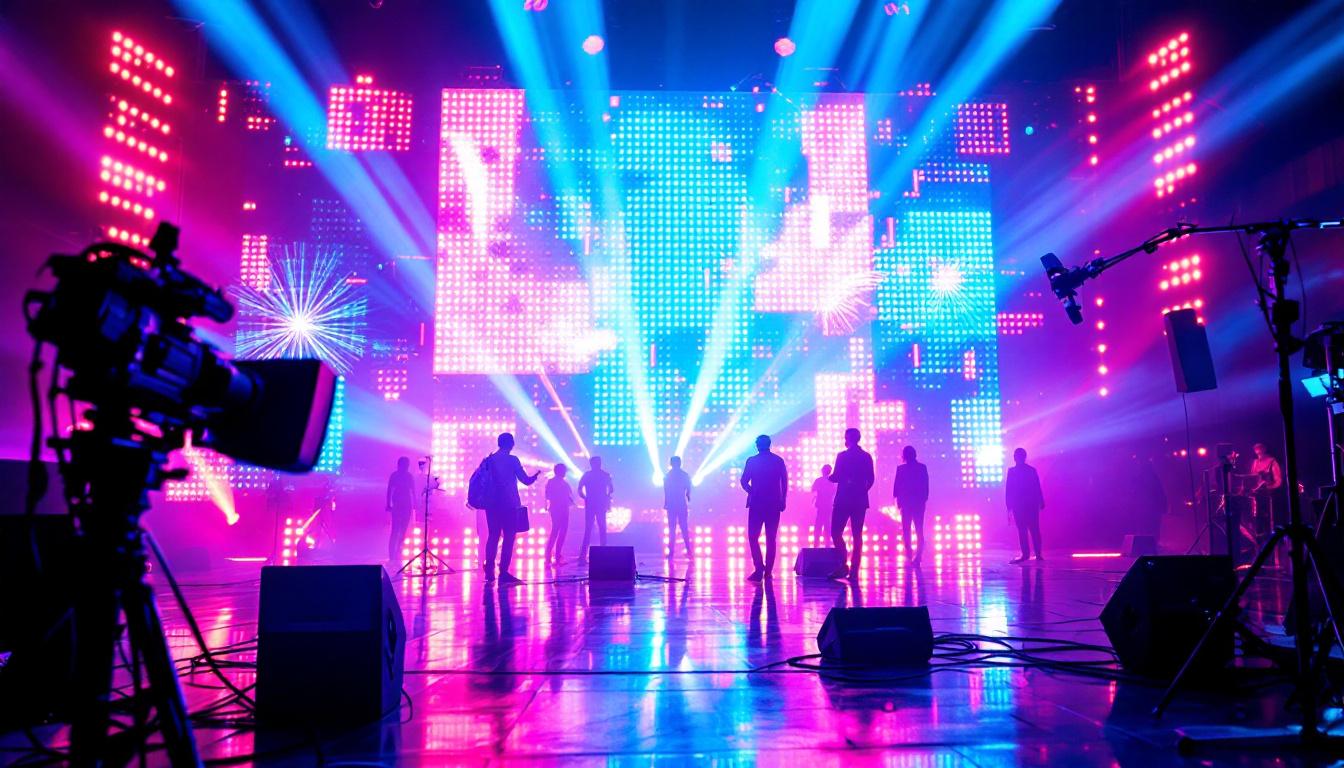
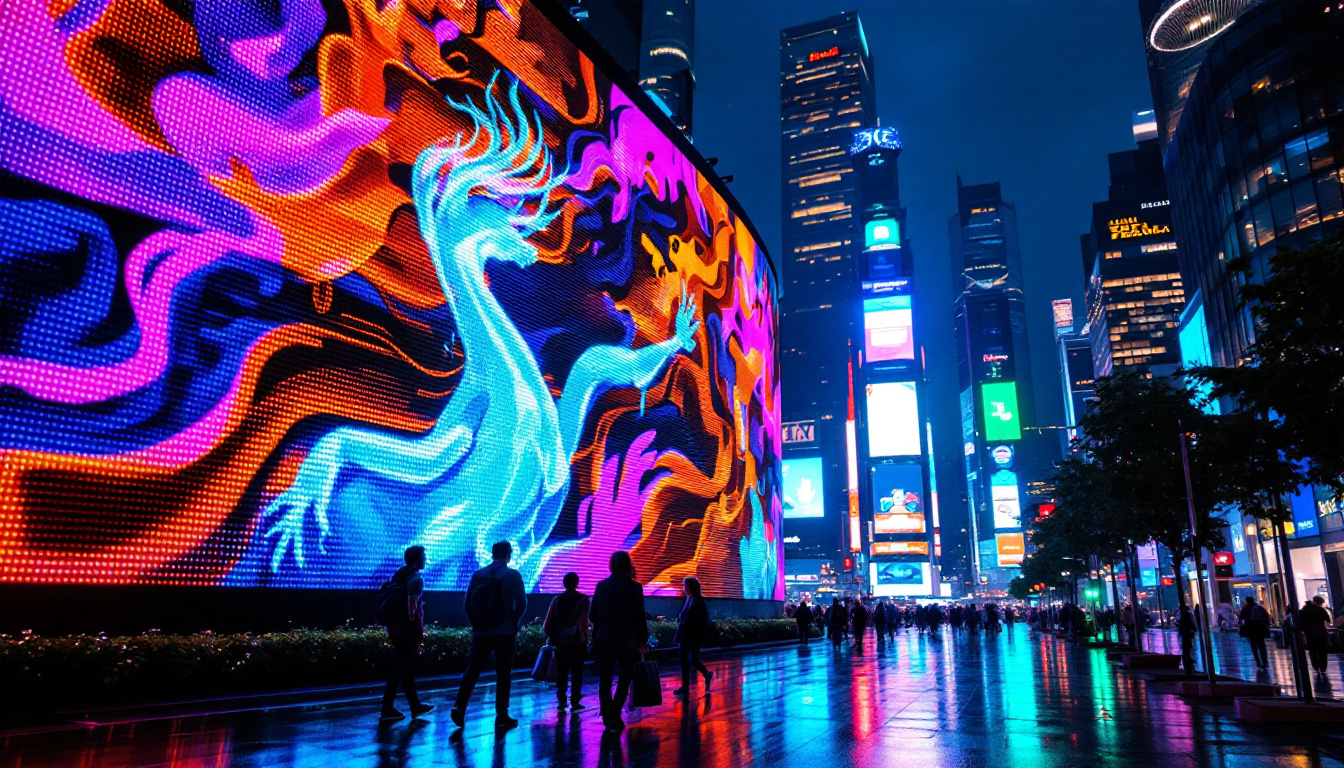
Concerts, trade shows, and sports arenas use large LED media walls to engage audiences with live video, graphics, and interactive content. The scalability of LED displays allows for creative configurations that enhance the event atmosphere.
Transportation Hubs and Public Spaces
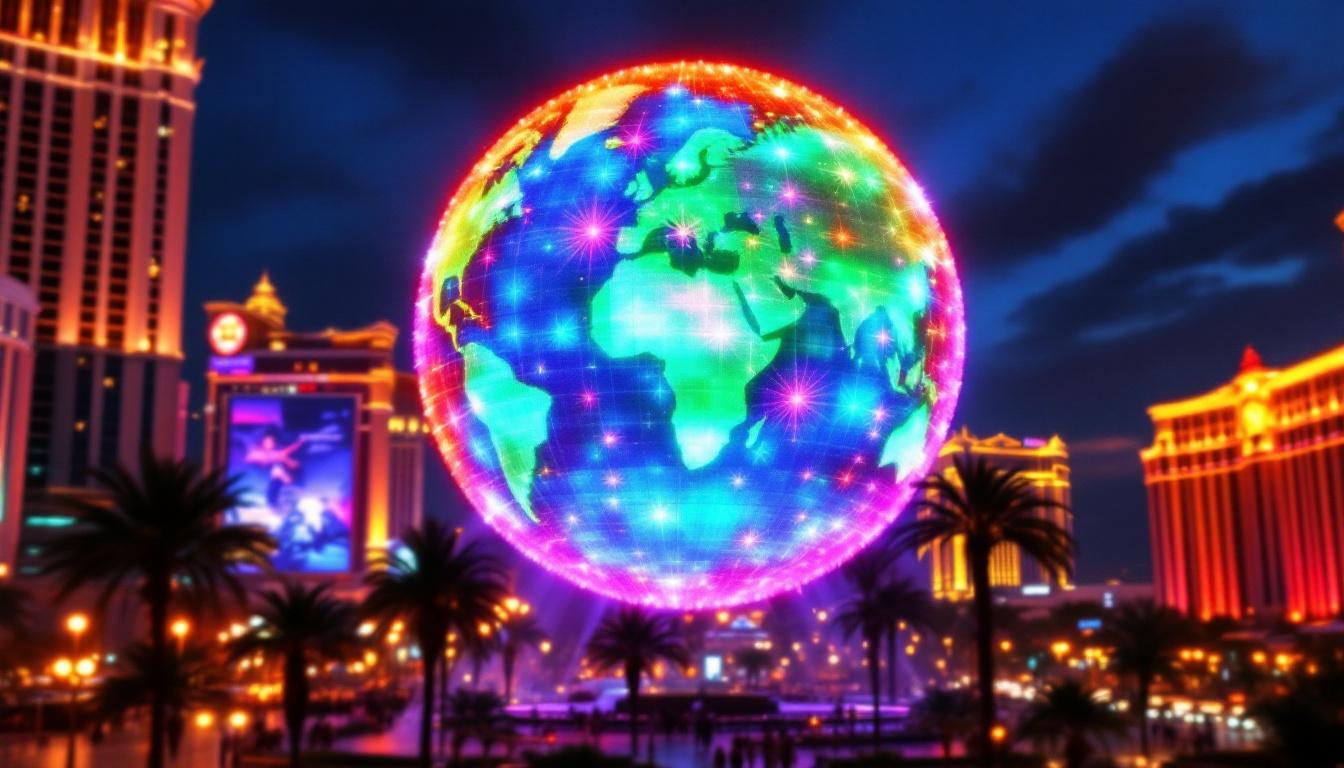
Airports, train stations, and city centers utilize media walls for wayfinding, public announcements, and advertising. The durability and brightness of LED displays make them suitable for high-traffic areas exposed to varying lighting conditions.
Future Trends in LED Media Wall Technology
The LED display industry is evolving rapidly, with innovations that promise even more impressive media wall experiences in the near future.
MicroLED and MiniLED Advancements
MicroLED and MiniLED technologies feature smaller diodes, enabling even higher resolution and improved contrast ratios. These advancements will allow for thinner, lighter, and more energy-efficient media walls.
Interactive and Touch Capabilities
Integrating touch sensors and interactive software transforms media walls from passive displays into engaging user interfaces. This is particularly valuable in retail, museums, and corporate environments where user engagement is key.
AI and Content Personalization
Artificial intelligence is being used to tailor content dynamically based on audience demographics, behavior, and environmental factors. This personalization increases the effectiveness of media walls in marketing and communication.
Conclusion
LED media walls represent a powerful tool for businesses and organizations looking to make a bold visual statement. Their brightness, flexibility, and durability make them suitable for a wide range of applications, from corporate branding to large-scale public displays.
When searching for “media wall installers near me,” it’s important to partner with experienced professionals who understand the nuances of LED technology and can deliver a custom solution tailored to your needs. By considering factors such as pixel pitch, installation logistics, and after-sales support, you can ensure your media wall installation is a success that captivates audiences for years to come.
With ongoing advancements in LED technology, media walls will continue to evolve, offering even more immersive and interactive experiences. Investing in a high-quality LED media wall today sets the stage for future-proof digital communication and engagement.
Discover LumenMatrix LED Display Solutions
Ready to elevate your space with a visually stunning LED media wall? Look no further than LumenMatrix, a leader in innovative LED display technology. Whether you’re seeking to enhance your brand’s visibility, create an immersive environment, or communicate with impact, LumenMatrix offers a comprehensive range of solutions tailored to your needs. From Indoor and Outdoor LED Wall Displays to Custom and All-in-One LED solutions, our state-of-the-art displays are designed to captivate and engage your audience. Check out LumenMatrix LED Display Solutions today and take the first step towards transforming your visual communication.