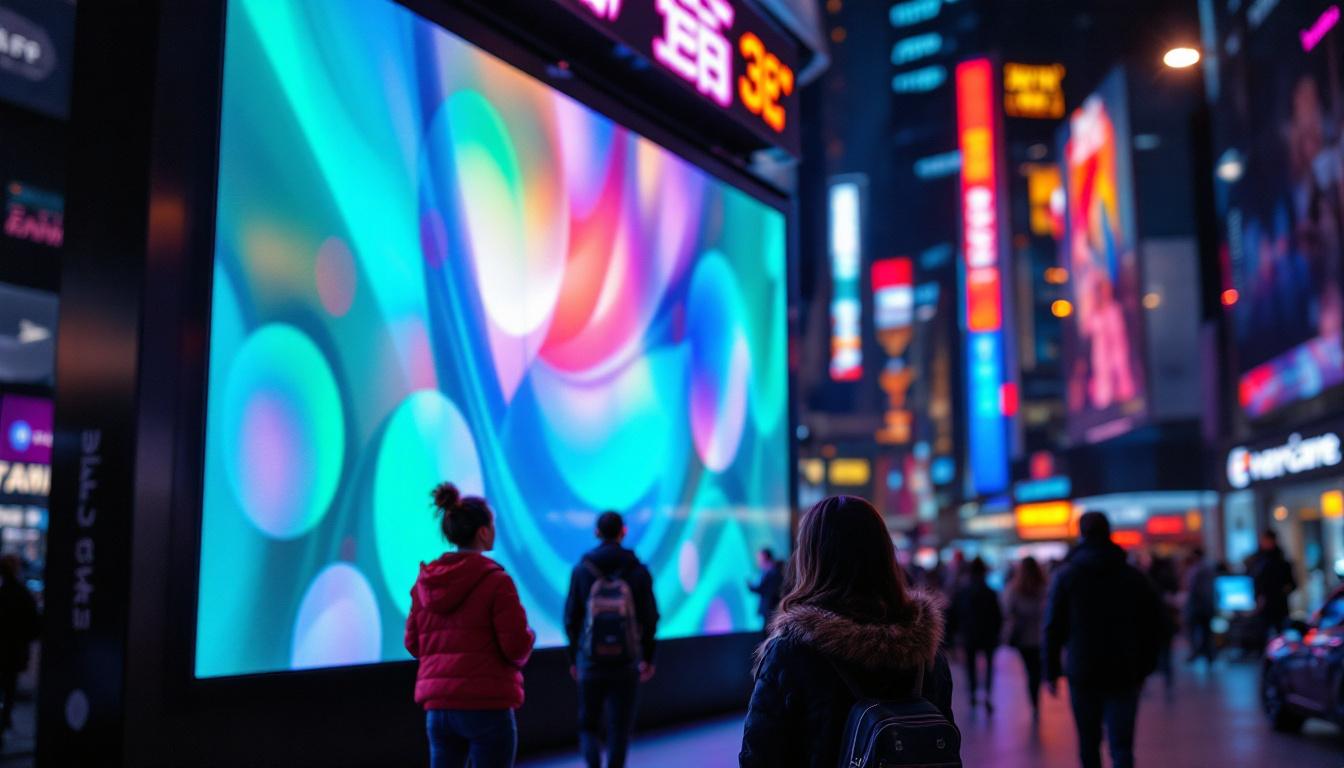
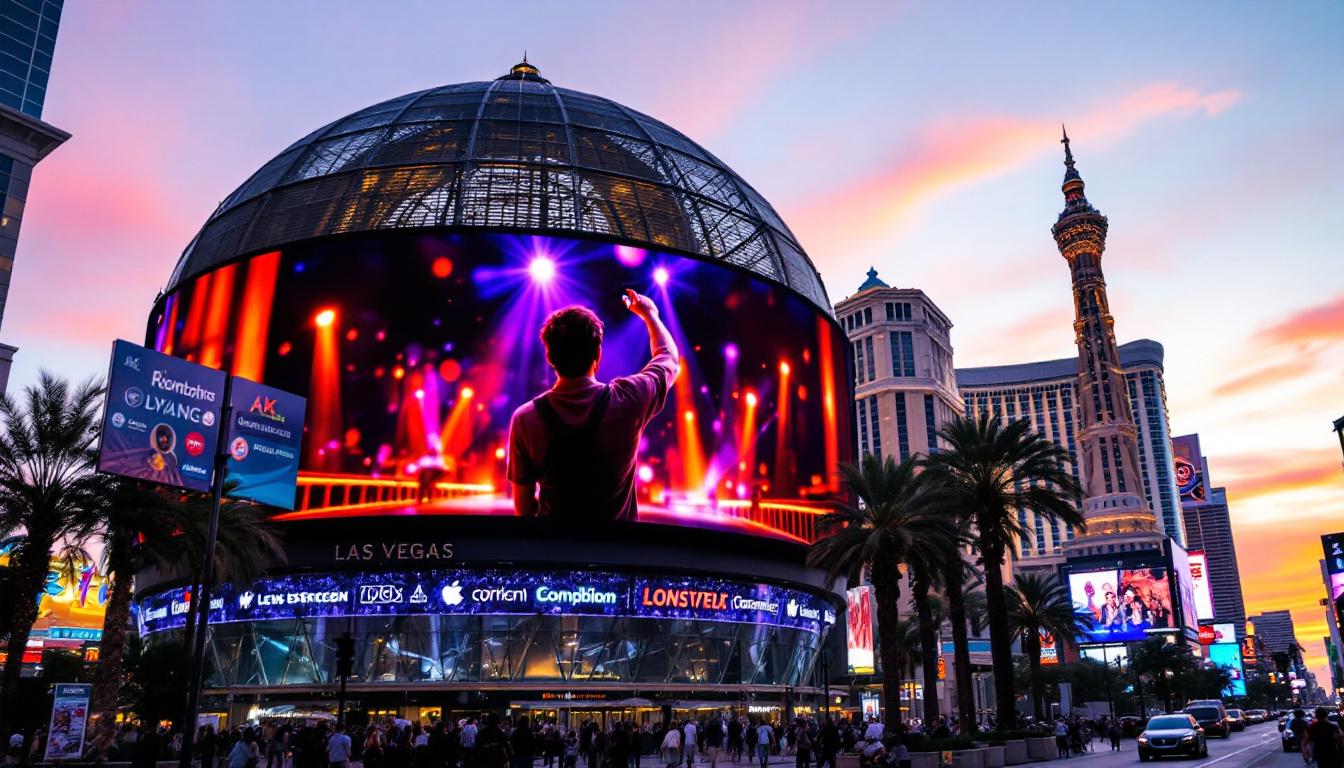
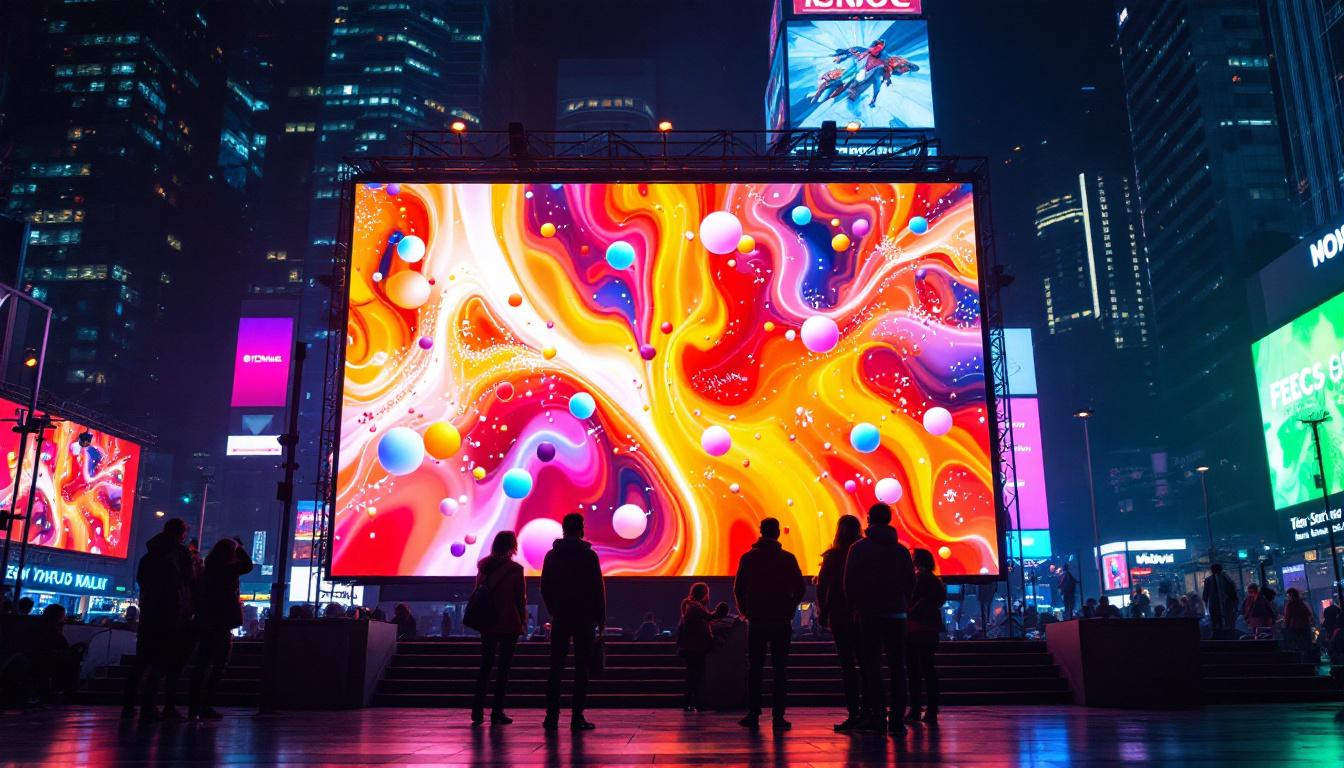
In today’s fast-paced advertising landscape, businesses are constantly seeking innovative ways to capture the attention of potential customers. Billboard signs, particularly those featuring LED displays, have emerged as powerful tools for outdoor advertising. These dynamic signs offer vibrant visuals, high visibility, and the flexibility to update content in real-time, making them an increasingly popular choice for marketers worldwide.
This article delves into the world of LED billboard signs, exploring their technology, benefits, types, and considerations for purchase. Whether you are a business owner, marketer, or sign industry professional, understanding LED display billboards can help you make informed decisions that maximize your advertising impact.
Understanding LED Billboard Technology
What is an LED Display?
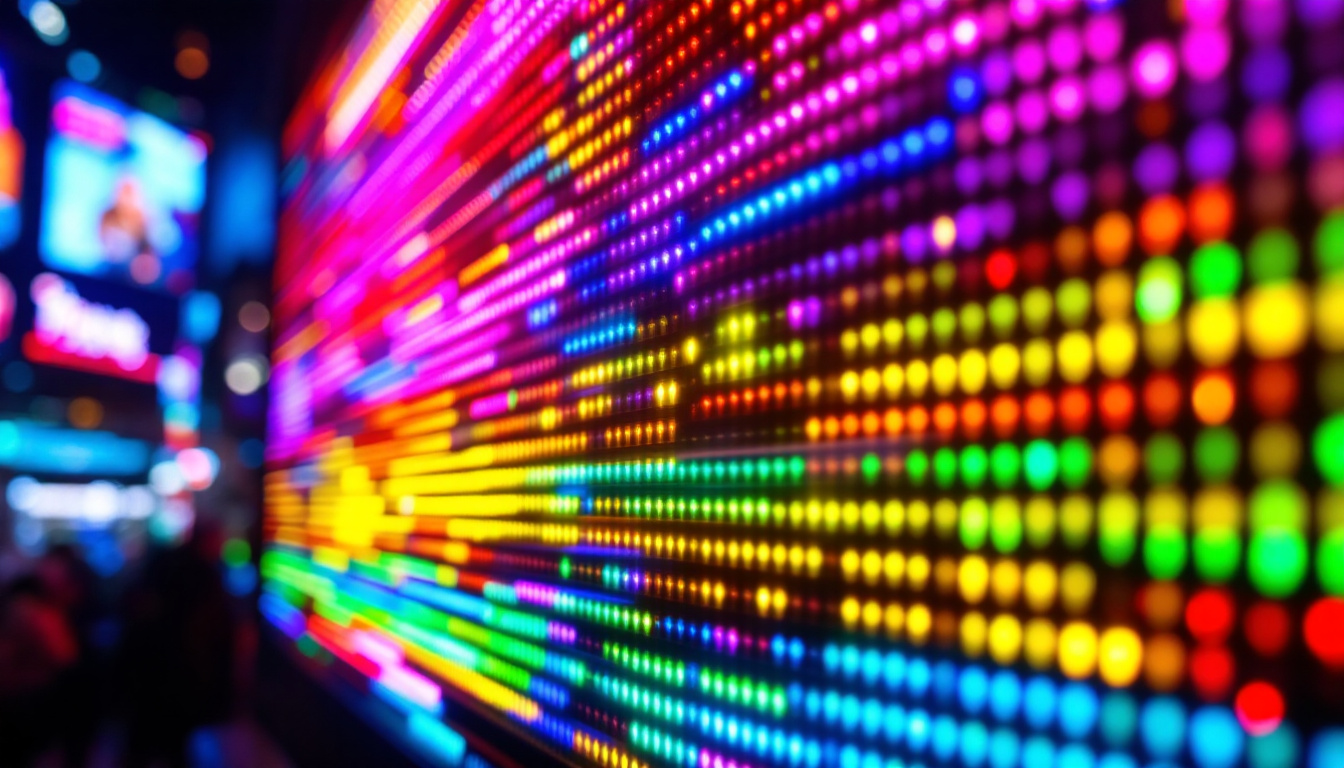
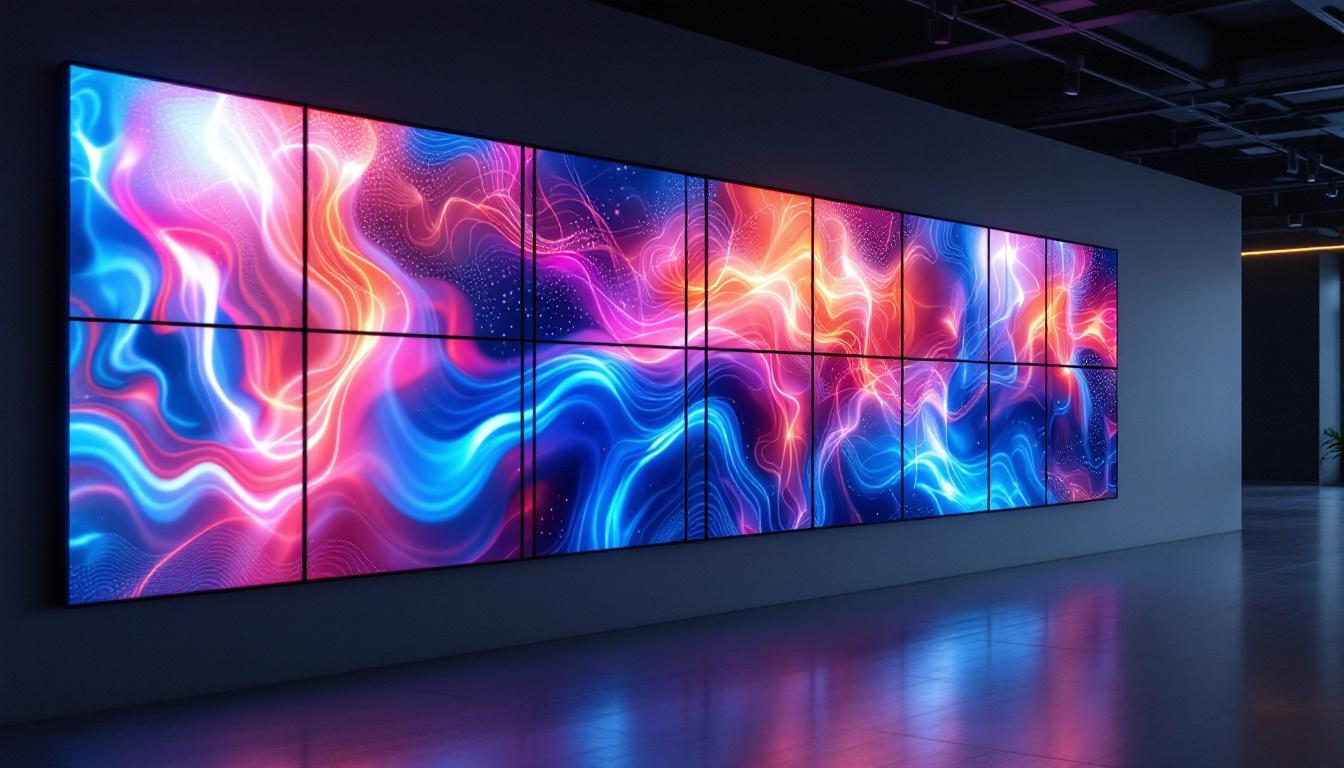
LED stands for Light Emitting Diode, a semiconductor device that emits light when an electric current passes through it. In the context of billboard signs, LED displays consist of numerous tiny LEDs arranged in a grid to form pixels. These pixels can produce a wide range of colors by combining red, green, and blue LEDs, allowing for vivid and dynamic images. The versatility of LED technology means that these displays can be used for various applications, from advertising to artistic installations, making them a popular choice for both commercial and creative uses.
Unlike traditional static billboards, LED displays are digital and programmable. This means advertisers can change the content remotely and frequently, enabling multiple advertisements to rotate on a single billboard or real-time updates such as news, weather, or event information. This flexibility not only maximizes the utility of the advertising space but also engages viewers with timely and relevant content, fostering a more interactive experience. Furthermore, the ability to display animations and videos captures attention more effectively than static images, making LED billboards a powerful tool in modern marketing strategies.
How Do LED Billboards Work?
LED billboards operate through a combination of hardware and software. The hardware includes the LED panels, power supplies, controllers, and communication modules. The software controls the display content, scheduling, brightness, and other parameters. This intricate system allows for seamless integration of various media types, including graphics, video, and text, which can be tailored to specific audiences or events, enhancing the overall impact of the advertisement.
Each LED pixel is controlled individually, allowing for precise color and brightness adjustments. Modern LED displays use advanced processing to ensure smooth video playback and high resolution. Additionally, sensors can adjust brightness automatically based on ambient light, optimizing visibility both day and night while conserving energy. This adaptability is crucial for maintaining the effectiveness of the advertisement in different lighting conditions, ensuring that the content remains eye-catching at all times. Moreover, many LED billboards are designed with weather-resistant features, enabling them to withstand various environmental conditions, from heavy rain to intense sunlight, thus ensuring longevity and consistent performance throughout their operational life.
Key Benefits of LED Billboard Signs
High Visibility and Impact
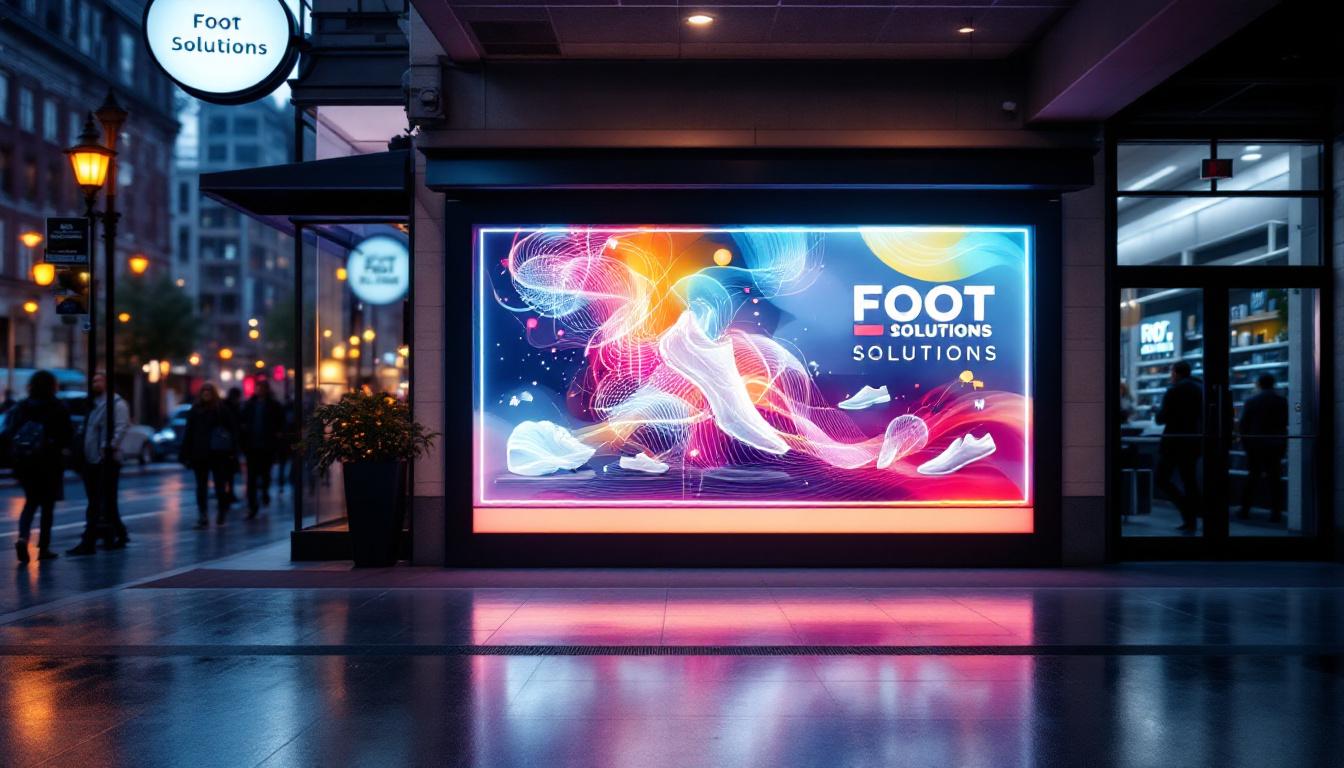
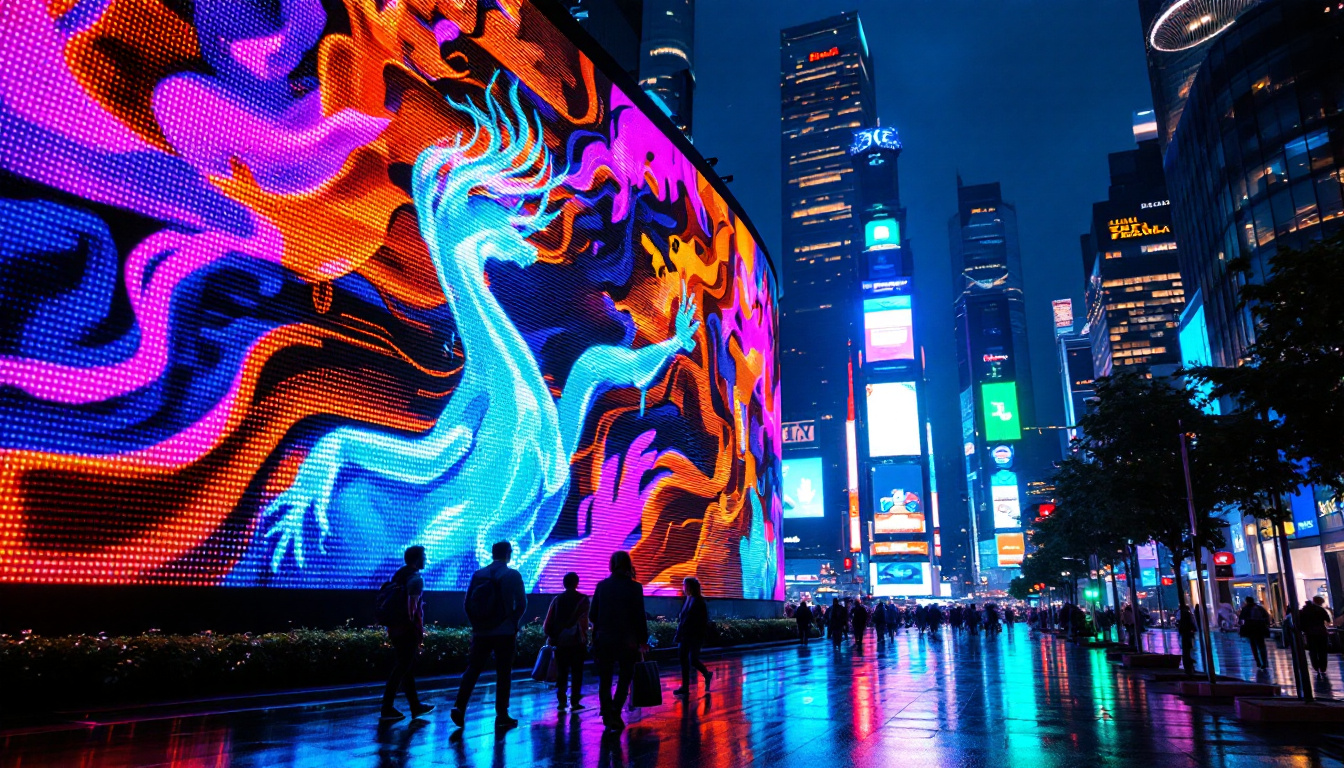
One of the primary advantages of LED billboards is their exceptional visibility. LEDs produce bright, vibrant colors that can be seen clearly from long distances, even in direct sunlight. This makes them ideal for roadside advertising where capturing the attention of passing drivers is crucial.
Studies show that digital billboards can increase brand recall by up to 47% compared to static signs. The ability to display eye-catching animations and videos further enhances engagement, making LED billboards a powerful medium for storytelling and brand messaging.
Flexibility and Content Variety
Unlike traditional printed billboards, LED displays allow advertisers to rotate multiple ads on the same sign. This flexibility means businesses can target different audiences at different times of the day or week, maximizing the use of advertising space.
Moreover, content can be updated instantly. For example, a restaurant can promote breakfast specials in the morning and dinner deals in the evening without the need for physical sign changes. This adaptability reduces costs and turnaround times associated with traditional billboard advertising.
Energy Efficiency and Longevity
Modern LED technology is highly energy-efficient compared to older lighting methods. LEDs consume less power and generate less heat, which translates into lower operating costs. Additionally, LED billboards typically have a lifespan of 100,000 hours or more, meaning they can operate for over a decade with minimal maintenance.
Energy savings and durability make LED billboards a sustainable choice for businesses looking to reduce their environmental footprint while maintaining effective advertising.
Types of LED Billboard Signs Available for Sale
Full-Color LED Billboards
Full-color LED billboards are the most common type used for outdoor advertising. They are capable of displaying a wide spectrum of colors and complex animations or video content. These billboards are ideal for brands seeking maximum visual impact and dynamic messaging.
Pixel pitch, which refers to the distance between individual LEDs, is a critical factor affecting resolution. Smaller pixel pitches deliver sharper images but at a higher cost. For roadside billboards viewed from a distance, a pixel pitch between 10mm and 20mm is typical.
Monochrome and Dual-Color LED Signs
Monochrome LED signs display a single color, often red or amber. Dual-color signs combine two colors, such as red and green. While less versatile than full-color displays, these signs are more affordable and consume less power.
Monochrome and dual-color LED signs are commonly used for simpler messages, such as pricing information, time and temperature displays, or directional signage. They offer a cost-effective solution for businesses with straightforward advertising needs.
Indoor vs. Outdoor LED Displays
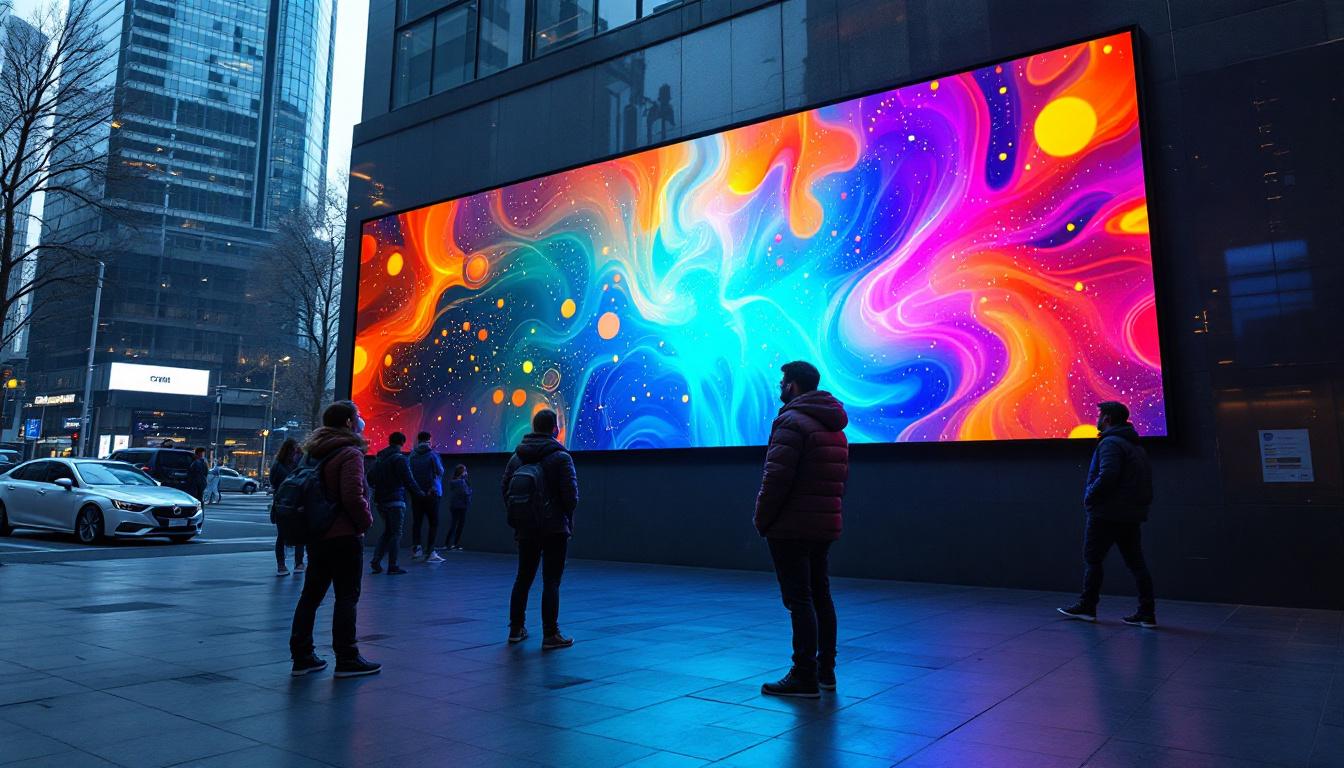
LED billboards for outdoor use are designed to withstand harsh weather conditions, including rain, wind, and extreme temperatures. They feature waterproof casings, anti-glare screens, and robust construction to ensure durability.
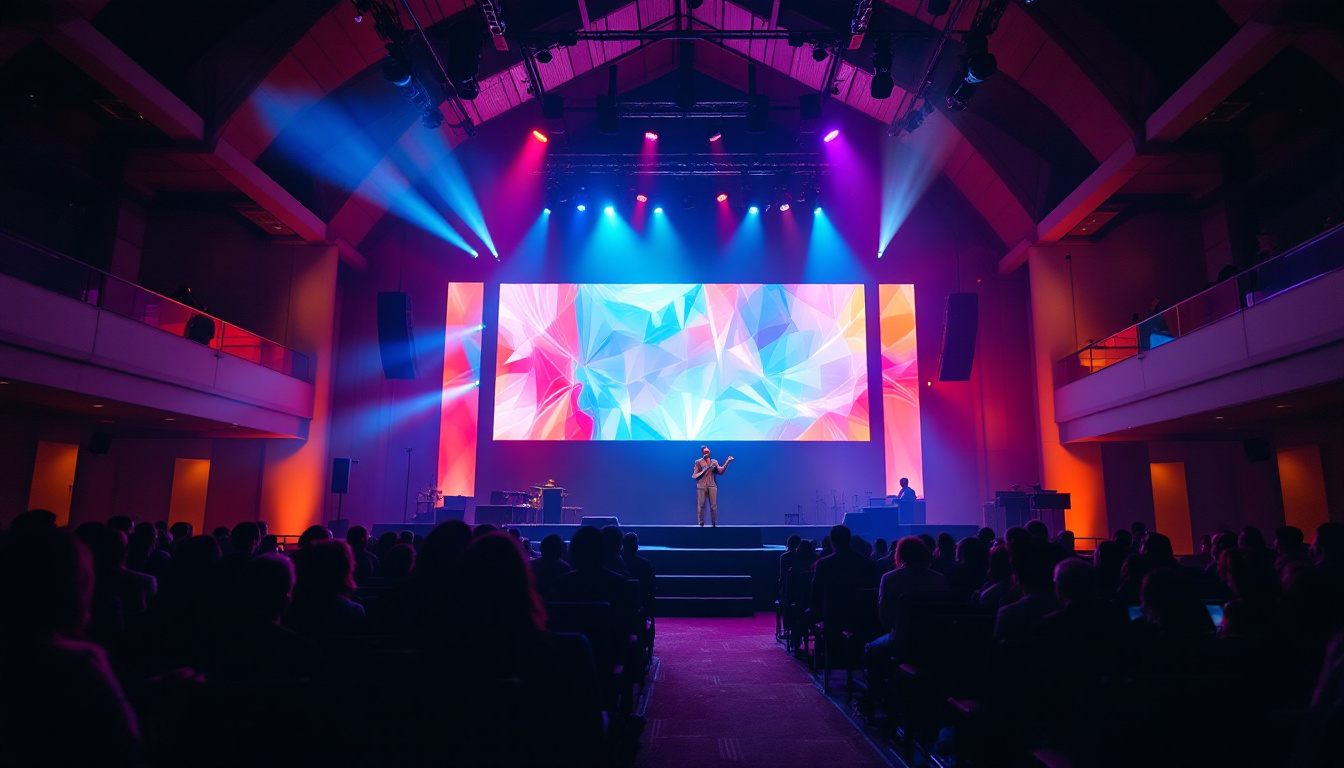
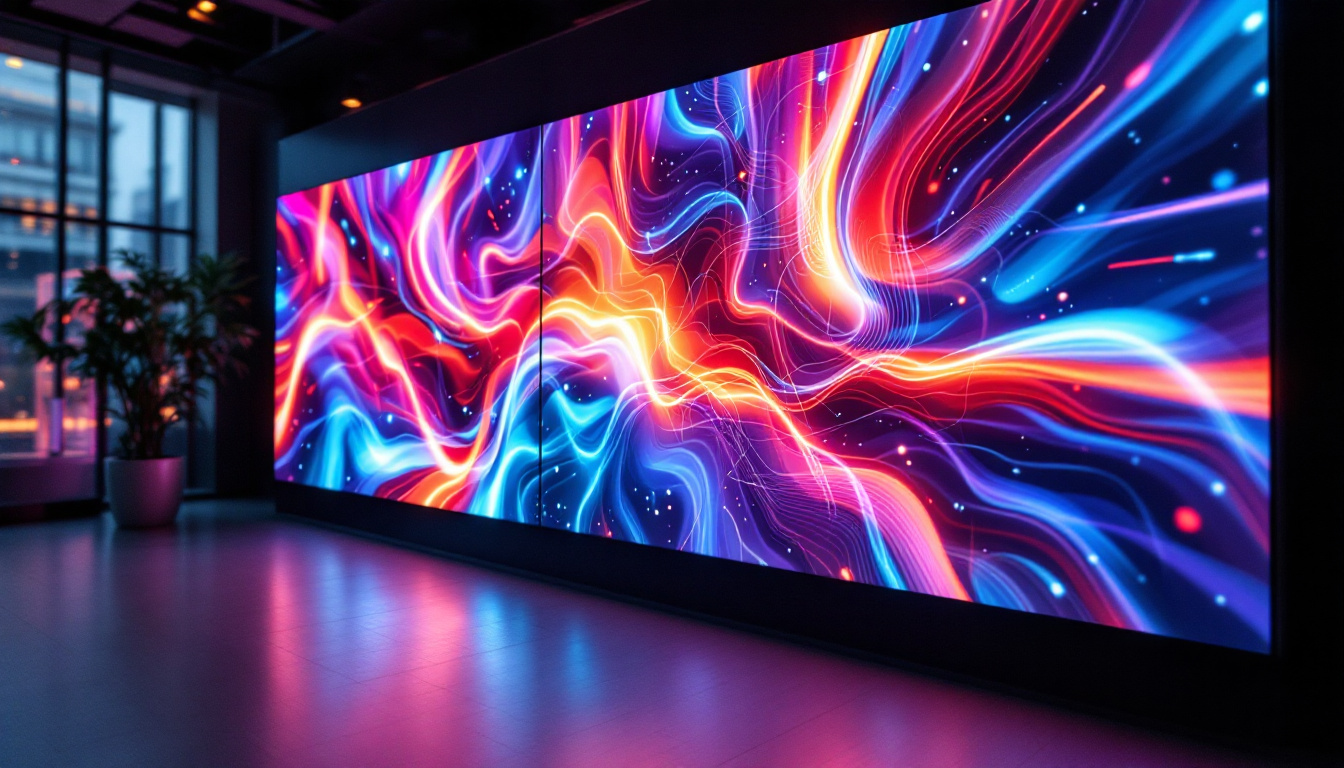
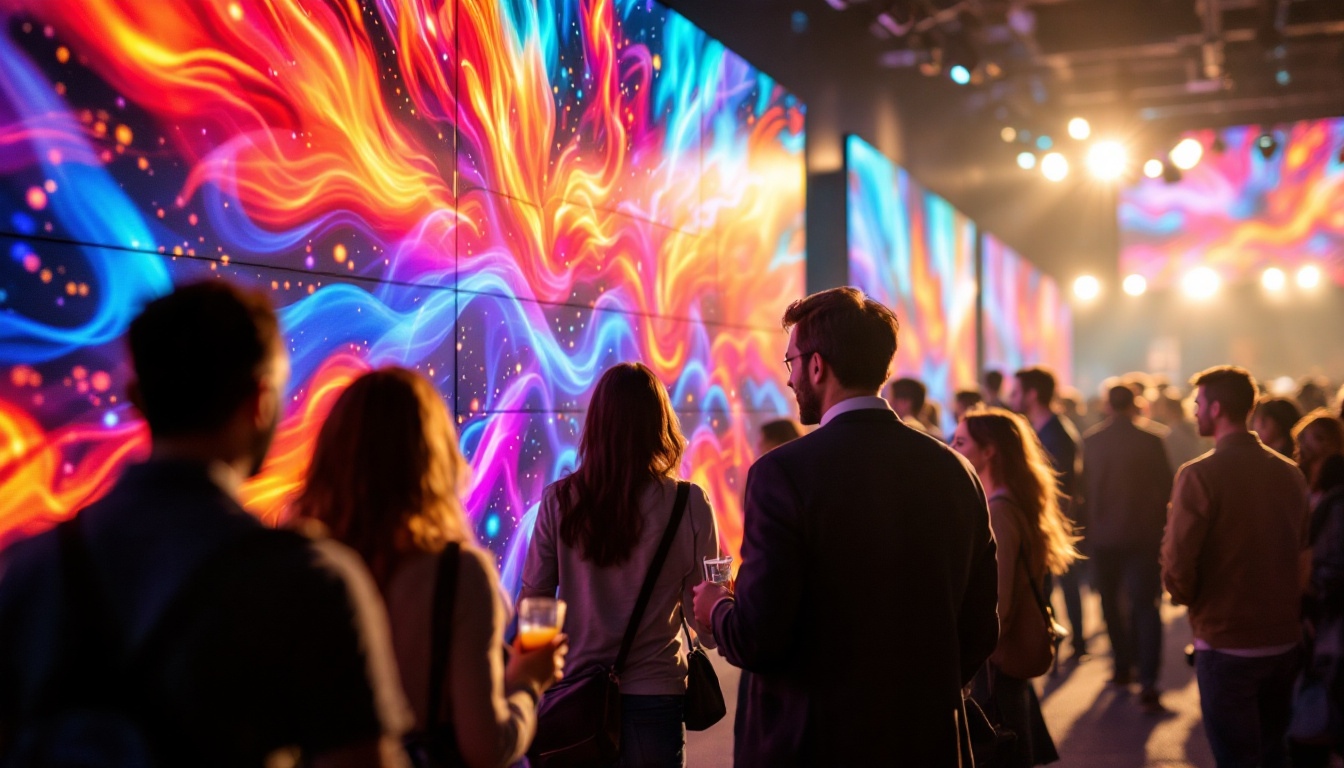
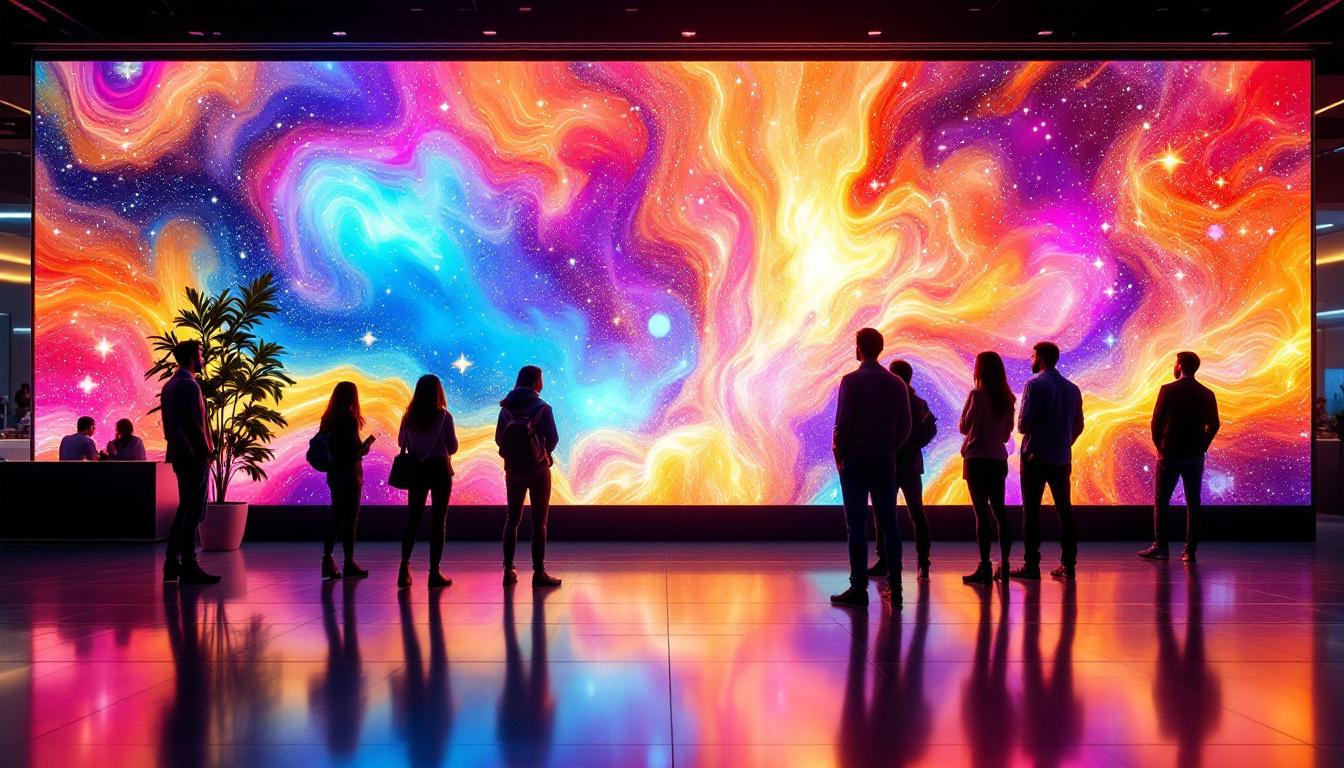
Indoor LED displays, on the other hand, prioritize higher resolution and finer pixel pitch since viewers are closer to the screen. These are often used in retail stores, airports, or event venues where vibrant digital signage enhances the customer experience.
Important Considerations When Purchasing LED Billboard Signs
Location and Viewing Distance
Determining the location of your billboard is essential for selecting the right LED display. Viewing distance influences the pixel pitch and size of the billboard. For example, a billboard placed alongside a highway where viewers are moving quickly requires larger pixels and higher brightness to ensure readability.
Conversely, signs in urban environments with slower traffic or pedestrian viewers can utilize finer pixel pitches for sharper images. Understanding your audience’s typical distance from the sign will help optimize your investment.
Budget and Total Cost of Ownership
While LED billboards have higher upfront costs compared to traditional printed signs, their flexibility and longevity often result in lower total cost of ownership over time. When budgeting, consider not only the purchase price but also installation, maintenance, energy consumption, and content management expenses.
Leasing options and financing plans are also available from many suppliers, making LED billboard ownership more accessible for small and medium-sized businesses.
Content Management and Software
Effective use of LED billboards depends heavily on content management systems (CMS). These platforms allow users to schedule, update, and monitor content remotely, often via cloud-based interfaces.
When purchasing an LED billboard, inquire about the included software and its ease of use. Some systems offer advanced features such as real-time data integration, audience analytics, and automated content rotation, which can significantly enhance advertising effectiveness.
Compliance and Permits
Local regulations regarding outdoor advertising vary widely and may include restrictions on billboard size, brightness, location, and operating hours. Before purchasing and installing an LED billboard, it is crucial to consult with municipal authorities to obtain the necessary permits and ensure compliance.
Failure to adhere to regulations can result in fines or forced removal, negating the benefits of your investment.
Trends and Innovations in LED Billboard Technology
Integration with Smart Technologies
Recent advancements have seen LED billboards integrated with smart technologies such as artificial intelligence (AI), Internet of Things (IoT), and data analytics. These innovations enable targeted advertising based on real-time audience demographics, weather conditions, or traffic patterns.
For example, AI-powered billboards can adjust content dynamically to appeal to specific groups, increasing engagement and conversion rates. IoT sensors can monitor environmental factors and optimize display settings for maximum effectiveness.
Energy Harvesting and Sustainability
Some LED billboards now incorporate solar panels or other renewable energy sources to reduce reliance on grid electricity. Combined with energy-efficient LEDs and smart power management, these signs contribute to greener advertising solutions.
As sustainability becomes a priority for many companies, eco-friendly LED billboards offer a competitive advantage by aligning brand values with environmental responsibility.
Augmented Reality and Interactive Displays
Emerging technologies are enabling LED billboards to become interactive platforms. Augmented reality (AR) features allow passersby to engage with the billboard via smartphones or other devices, creating immersive brand experiences.
Interactive LED displays can collect user data, provide personalized offers, and foster deeper connections between brands and consumers. While still in early stages, these innovations represent the future of outdoor advertising.
Conclusion
LED billboard signs represent a significant evolution in outdoor advertising, combining technological sophistication with practical benefits. Their high visibility, flexibility, and energy efficiency make them an attractive choice for businesses seeking to enhance brand awareness and customer engagement.
When considering LED billboard signs for sale, it is essential to evaluate factors such as location, budget, content management capabilities, and regulatory requirements. Staying informed about the latest trends and innovations can also help maximize the return on investment.
As digital advertising continues to evolve, LED billboards will remain a vital medium, offering dynamic, impactful messaging that captures attention and drives results.
Illuminate Your Brand with LumenMatrix
Ready to elevate your advertising strategy with the brilliance of LED technology? Discover how LumenMatrix can transform your brand’s visibility and audience engagement. As a pioneer in LED display solutions, LumenMatrix offers a comprehensive range of products from Indoor and Outdoor LED Wall Displays to innovative LED Posters and Custom Displays. Embrace the future of visual communication with our cutting-edge technology designed to captivate and inspire. Check out LumenMatrix LED Display Solutions today and light up your brand’s potential.