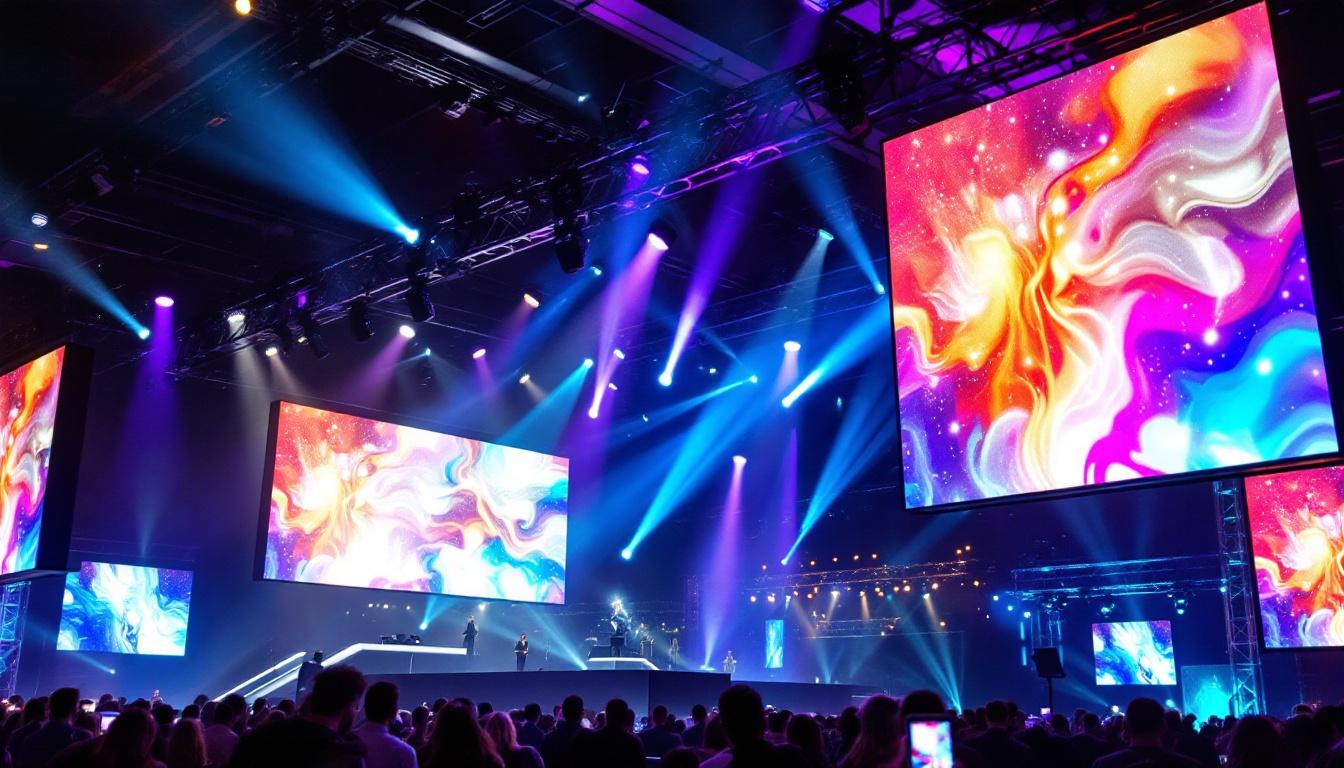
In the ever-evolving world of advertising, billboards have transformed dramatically from static printed posters to dynamic, eye-catching digital displays. Among these innovations, LED billboards stand out as a revolutionary medium that combines technology, creativity, and effectiveness. This article delves into the fascinating world of LED billboards, explaining their technology, benefits, and why they have become the coolest choice for advertisers worldwide.
Understanding LED Billboard Technology
LED, or Light Emitting Diode, technology has been around for decades, initially used in small indicator lights and electronic devices. However, its application in large-scale outdoor advertising has redefined how brands communicate with audiences in public spaces. The evolution of LED technology has not only improved visibility but also enhanced the interactivity of advertisements, allowing brands to engage consumers in innovative ways.
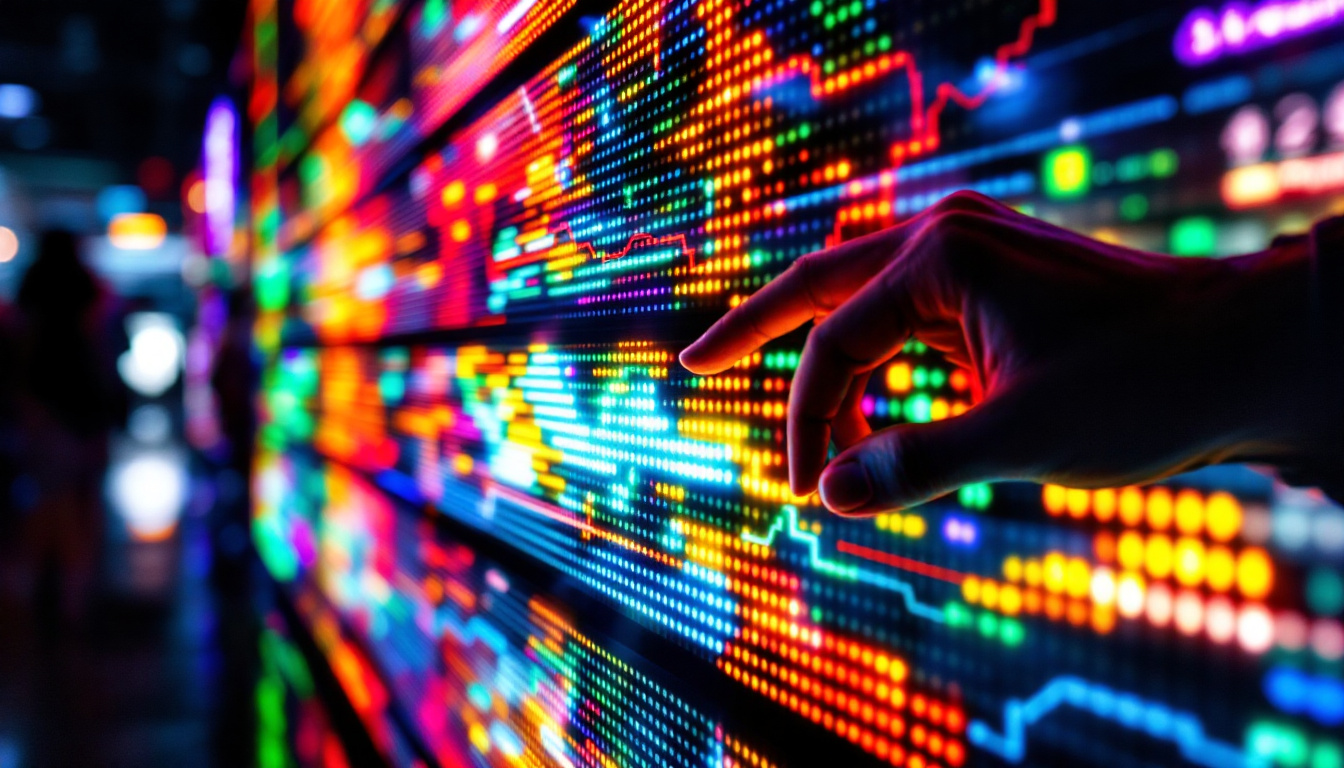
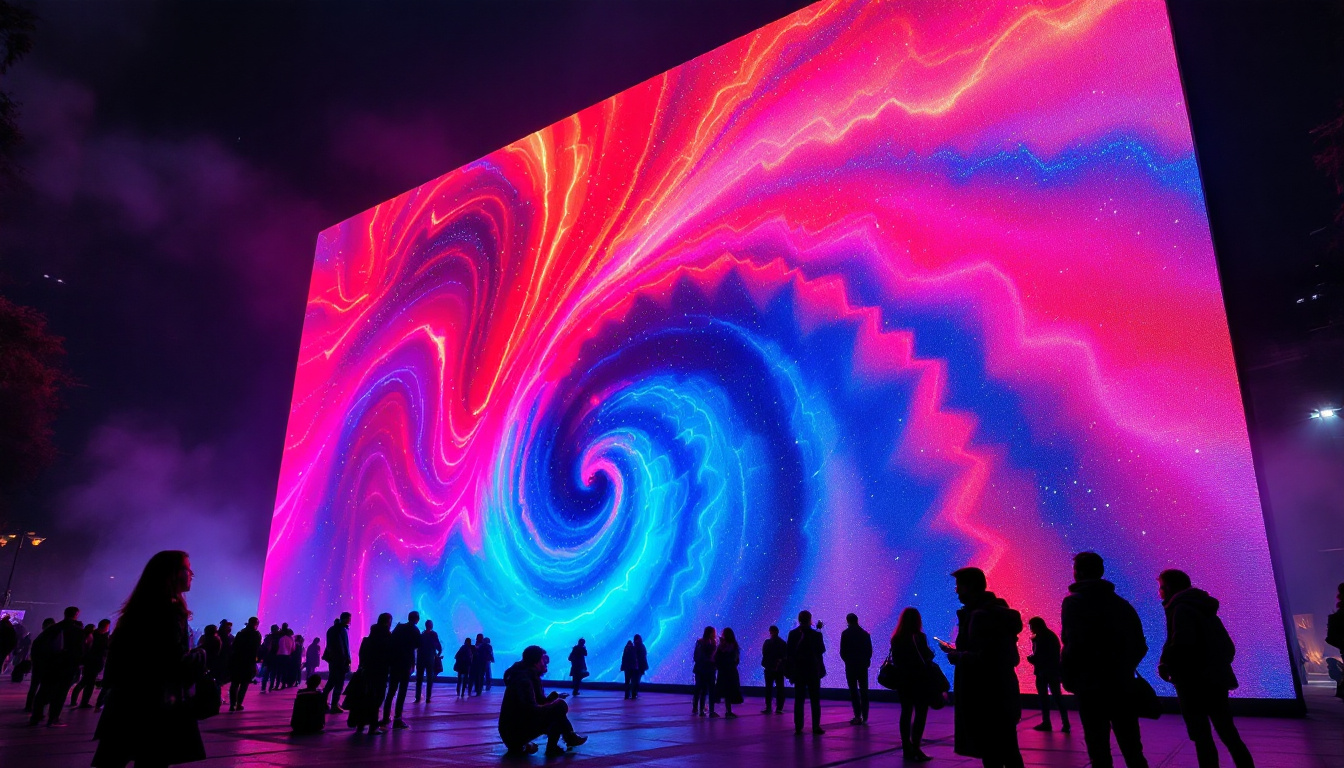
At its core, an LED billboard consists of thousands of tiny LED modules arranged in a grid. Each module contains multiple LEDs that emit red, green, and blue light, which combine to produce a full spectrum of colors. By controlling the intensity of each LED, the display can render vivid images, videos, and animations with remarkable brightness and clarity. This capability allows advertisers to create eye-catching visuals that can be seen from great distances, making them a powerful tool for capturing attention in busy urban environments.
How LED Billboards Work
LED billboards operate by receiving digital signals from a control system, which translates content into electrical impulses that power the LEDs. This process happens in real-time, allowing for instant updates and dynamic content changes. Unlike traditional billboards, which require physical replacement of printed materials, LED displays can switch ads within seconds, offering unparalleled flexibility. This immediacy not only helps brands respond to current events or trends but also allows for targeted advertising based on time of day or audience demographics.
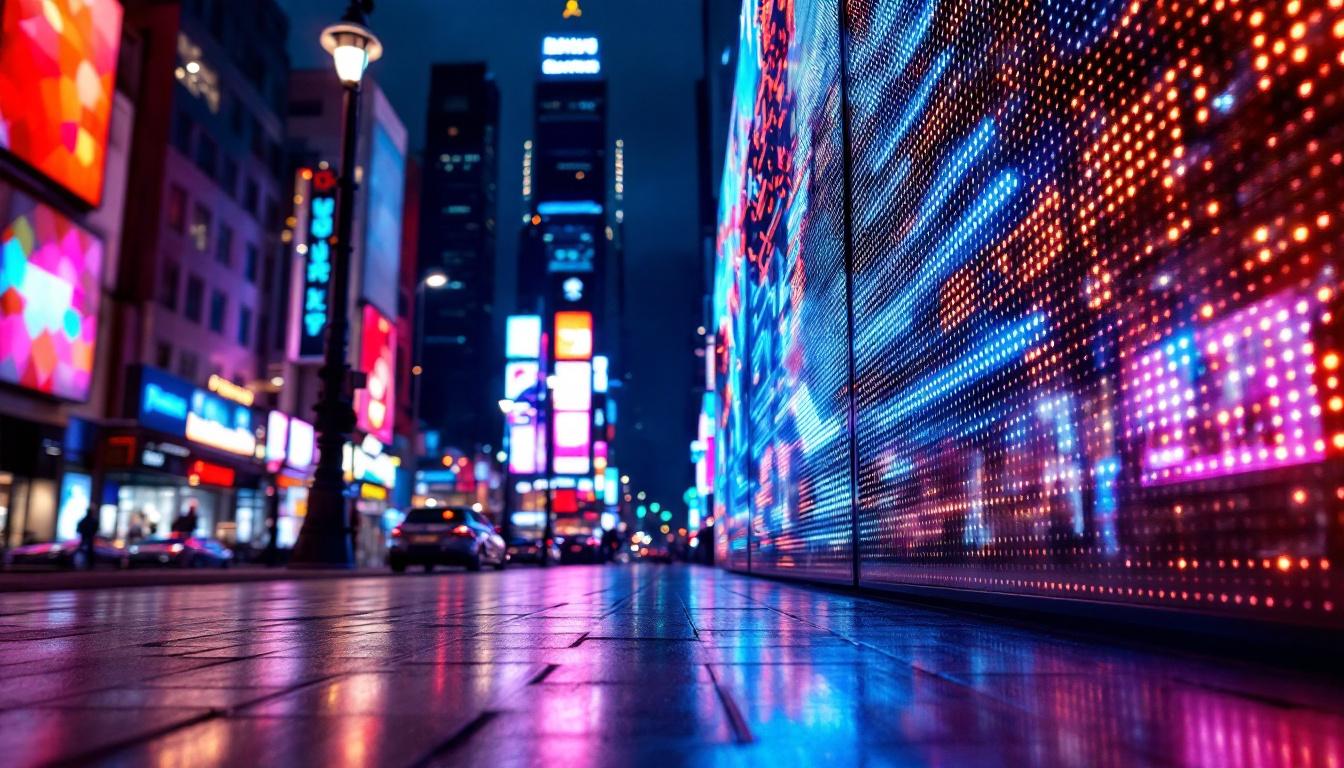
Moreover, LED technology is highly scalable. Billboards can range from small roadside signs to massive screens covering entire building facades. The pixel pitch—the distance between individual LEDs—determines the resolution and viewing distance. For example, a billboard with a pixel pitch of 10 millimeters is ideal for close-range viewing, while a 30-millimeter pitch suits larger, long-distance installations. This adaptability means that businesses can choose the right type of display for their specific needs, whether they want to promote a local event or a global brand campaign. Additionally, advancements in LED technology have led to improved energy efficiency and longer lifespans for these displays, making them not only a visually striking choice but also a more sustainable option for advertisers looking to reduce their environmental impact.
The Advantages of LED Billboards Over Traditional Advertising
LED billboards offer numerous benefits that have contributed to their growing popularity among advertisers and city planners alike. These advantages extend beyond mere aesthetics to practical considerations such as cost-efficiency and environmental impact.
Enhanced Visual Impact and Engagement
One of the most significant advantages of LED billboards is their ability to captivate audiences with vibrant colors and motion. Studies show that moving images and bright displays can increase viewer engagement by up to 400% compared to static signs. This heightened attention translates into better brand recall and higher conversion rates for advertisers.
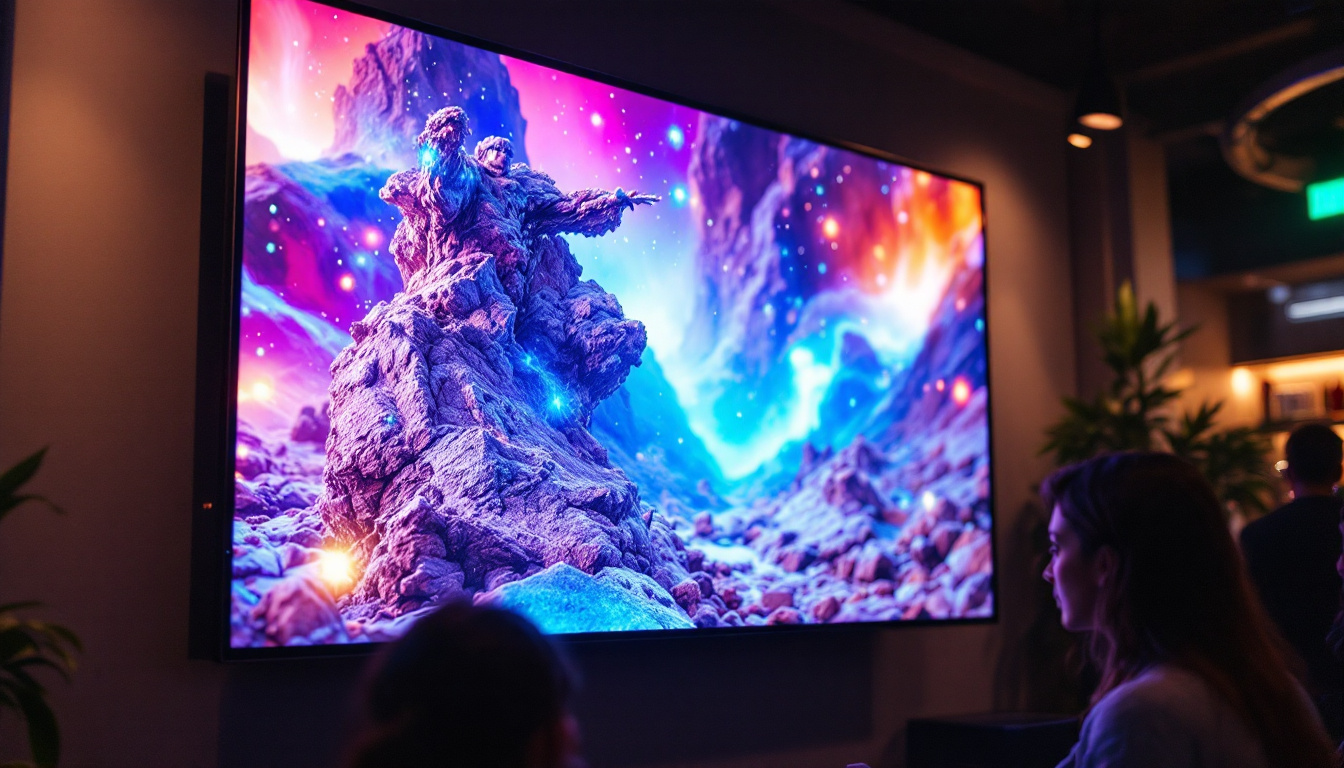
Additionally, LED billboards support dynamic content, including animations, video clips, and real-time data integration such as weather updates or social media feeds. This capability allows brands to create more personalized and timely messages, enhancing relevance and resonance with their target audience. For instance, a local restaurant can promote a flash sale during lunch hours, or a sports team can display live scores, making the billboard not just an advertisement but a source of information and entertainment for passersby.
Cost-Effectiveness and Flexibility
While the initial investment in LED billboards can be higher than traditional printed signs, the long-term cost savings are substantial. Digital content can be updated remotely and instantly, eliminating printing and installation expenses. This flexibility enables advertisers to run multiple campaigns on the same billboard throughout the day, maximizing revenue potential. Moreover, the ability to schedule content based on peak traffic times allows for strategic advertising, ensuring that the right message reaches the right audience at the right moment.
Furthermore, LED billboards reduce waste associated with disposable materials, aligning with sustainable advertising practices. Many cities now encourage or mandate digital signage to minimize environmental impact, making LED technology a forward-thinking choice. As urban areas become more focused on sustainability, the adoption of LED billboards reflects a commitment to innovative advertising solutions that are both economically viable and ecologically responsible.
Durability and Energy Efficiency
Modern LED billboards are designed to withstand harsh weather conditions, from intense sunlight to heavy rain and snow. The LEDs themselves have a lifespan of 50,000 to 100,000 hours, far exceeding traditional lighting solutions. This durability ensures consistent performance and reduces maintenance costs. Additionally, the robust construction of these billboards means they can be installed in a variety of locations, including high-traffic urban centers and remote areas, broadening their reach and effectiveness.
Energy efficiency is another key benefit. LEDs consume significantly less power than incandescent or fluorescent lighting, contributing to lower operational costs and a smaller carbon footprint. Some LED billboards incorporate smart sensors to adjust brightness based on ambient light, further optimizing energy use. This not only helps in reducing energy bills but also enhances the viewing experience, ensuring that the display is always visible without being overly bright or distracting. As cities strive for greener initiatives, the integration of energy-efficient technologies in advertising becomes increasingly vital, making LED billboards a smart choice for the future of urban advertising.
Innovative Applications and Examples of LED Billboards
LED billboards are not just advertising tools; they have become cultural landmarks and interactive platforms that engage communities and enhance urban landscapes. Below are some of the most innovative and coolest examples of LED billboard applications around the world.
Times Square, New York City
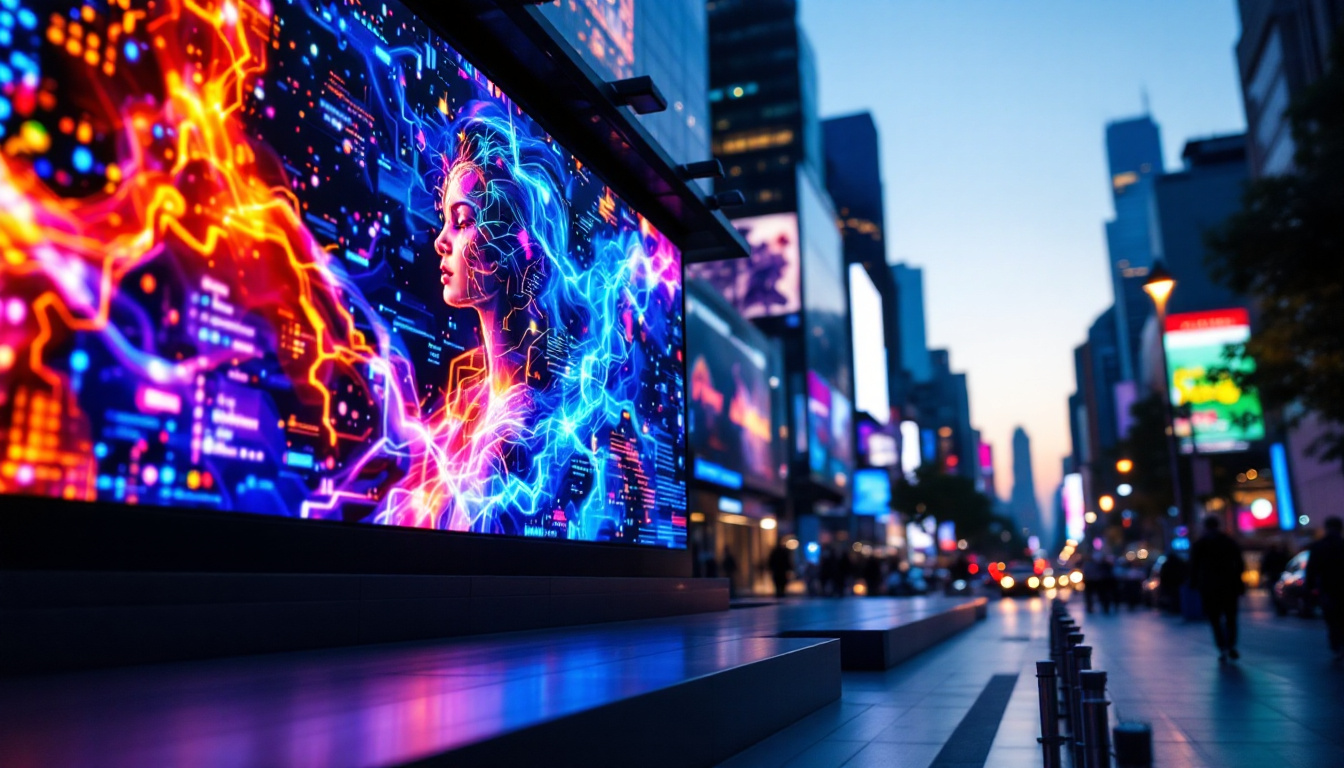
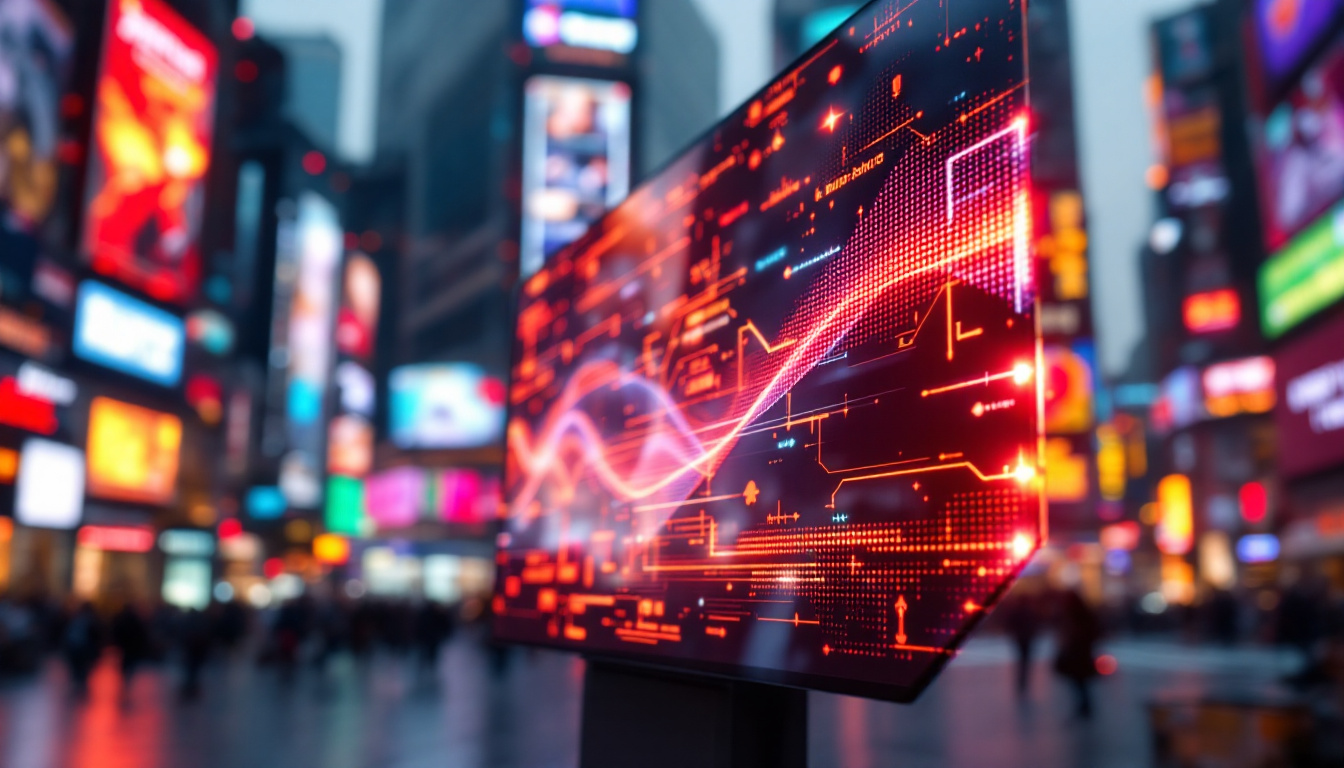
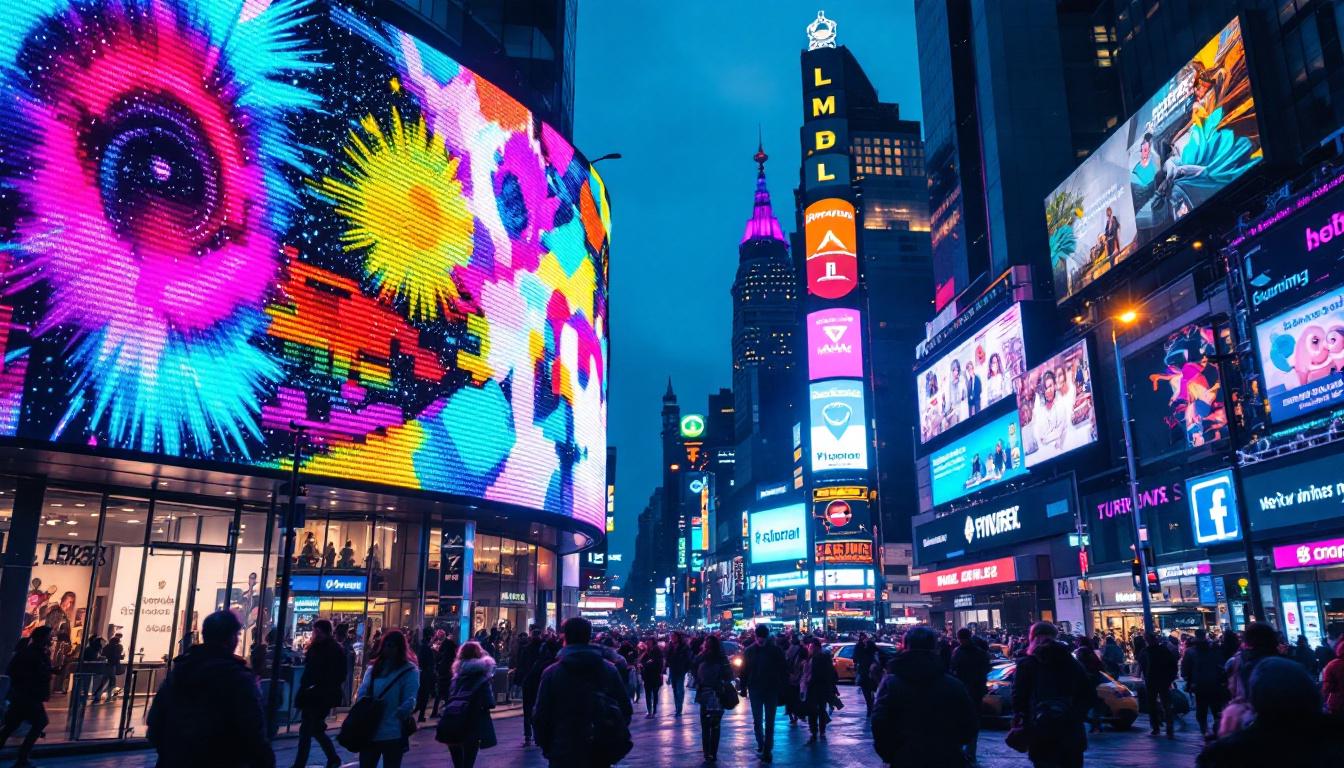
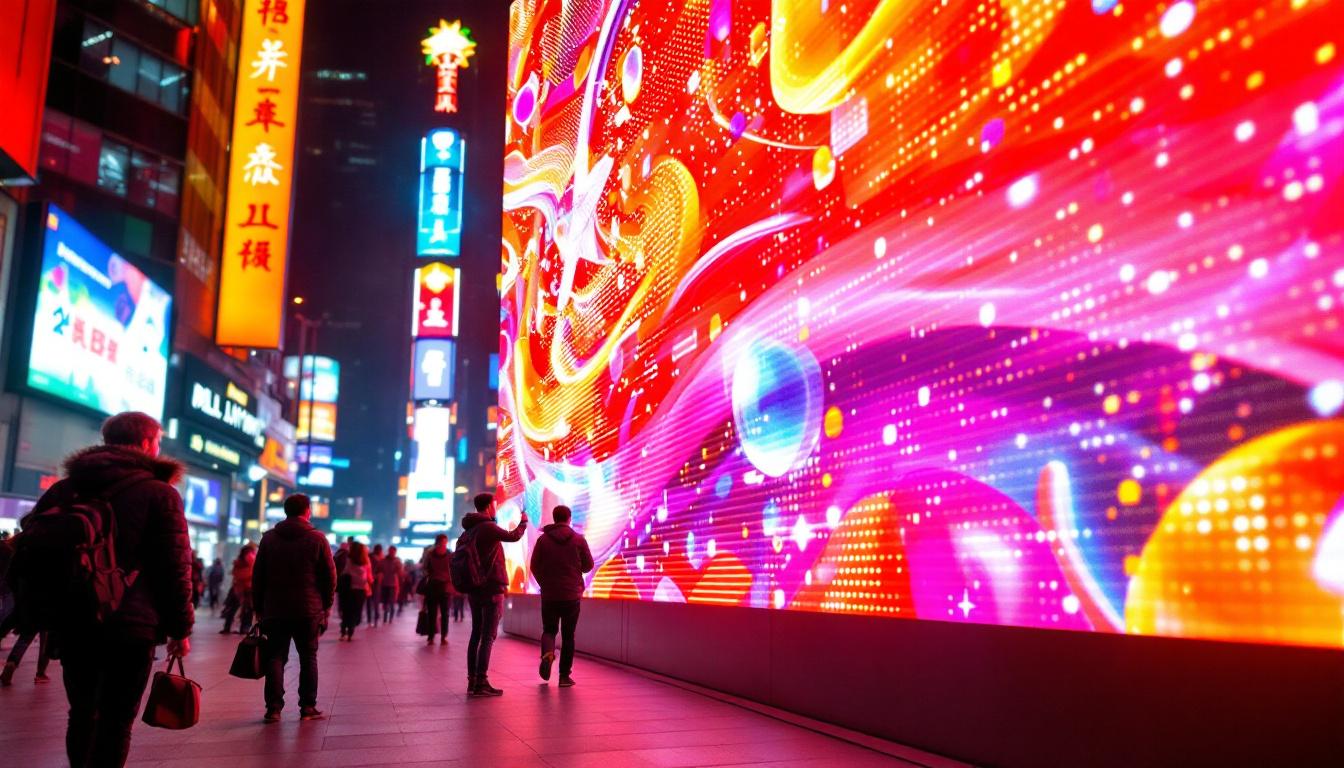
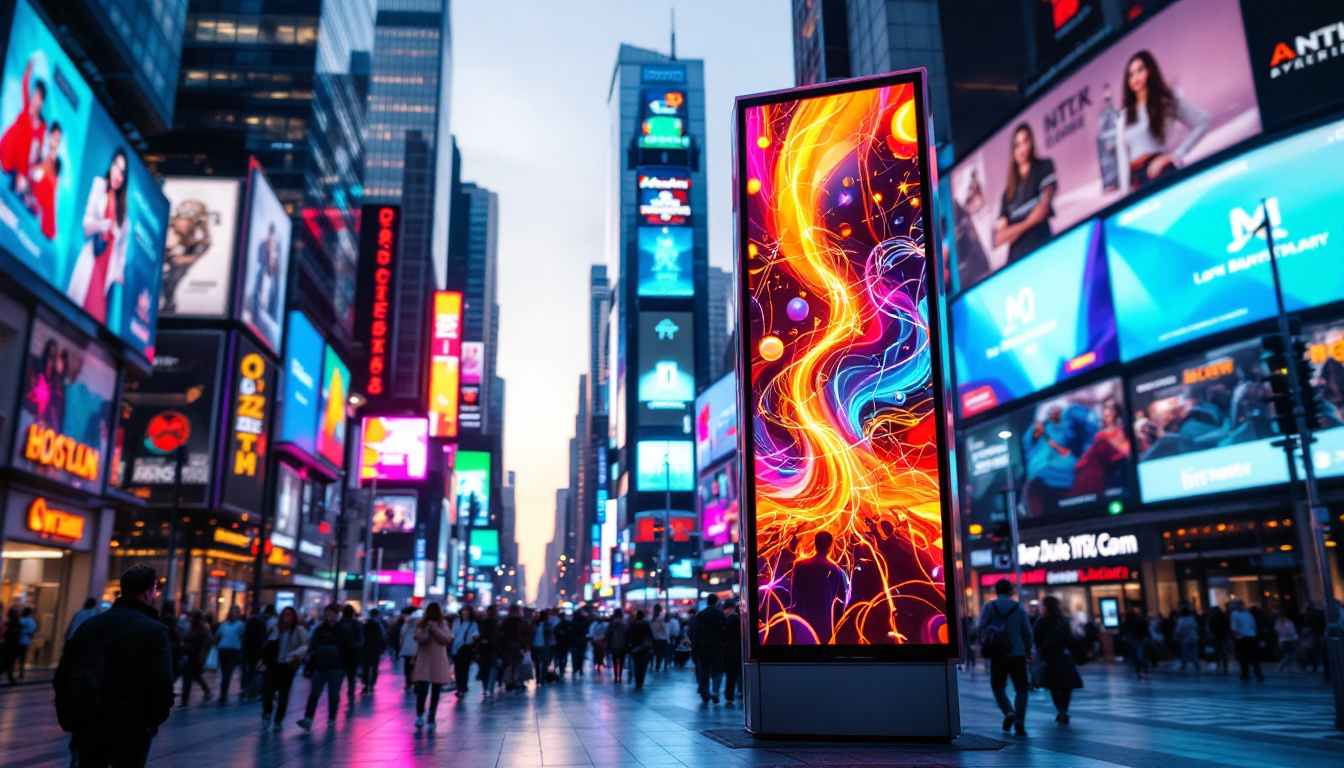
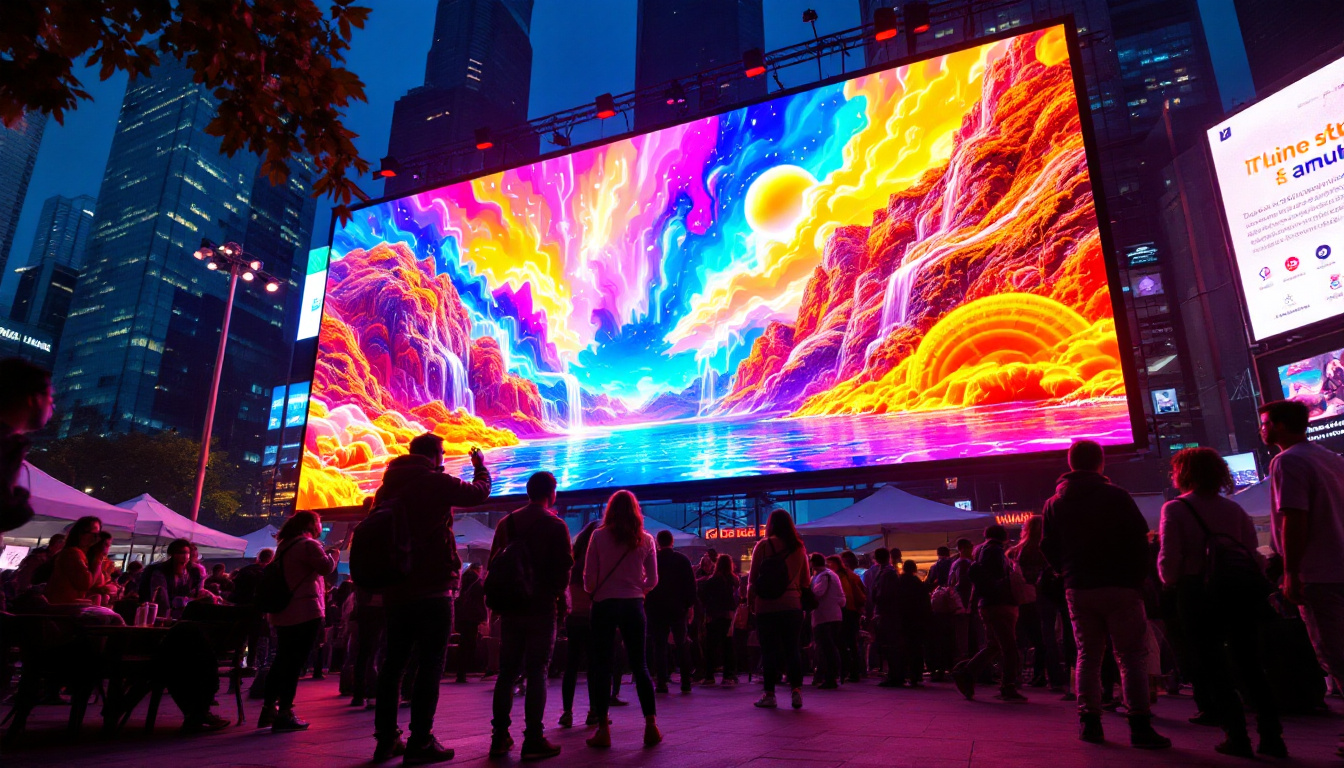
Arguably the most iconic example of LED billboards is Times Square in New York City. The area is famous for its massive, high-resolution LED screens that cover entire building fronts, creating a dazzling spectacle of light and motion. These displays not only advertise products but also host live events, countdowns, and public art installations.
The Times Square LED billboards demonstrate the power of scale and technology combined to create an immersive environment that attracts millions of visitors annually. Advertisers pay premium rates for the opportunity to showcase their brands in this high-visibility location, underscoring the value of LED signage in prime urban settings.
Interactive LED Billboards
Advancements in sensor technology and connectivity have enabled the creation of interactive LED billboards that respond to audience behavior. For example, some billboards use motion sensors or cameras to detect passersby and change content accordingly. This interactivity increases engagement and creates memorable brand experiences.
One notable example is a campaign where an LED billboard displayed different messages based on the weather or time of day, providing relevant information while promoting products. Another campaign allowed users to interact via mobile apps, influencing the billboard’s content in real-time, blending digital and physical advertising seamlessly.
Environmental and Public Service Uses
Beyond commercial advertising, LED billboards serve important public functions. Many cities use these displays to broadcast emergency alerts, traffic updates, and community announcements. Their high visibility and ability to update instantly make them invaluable tools for public safety and information dissemination.
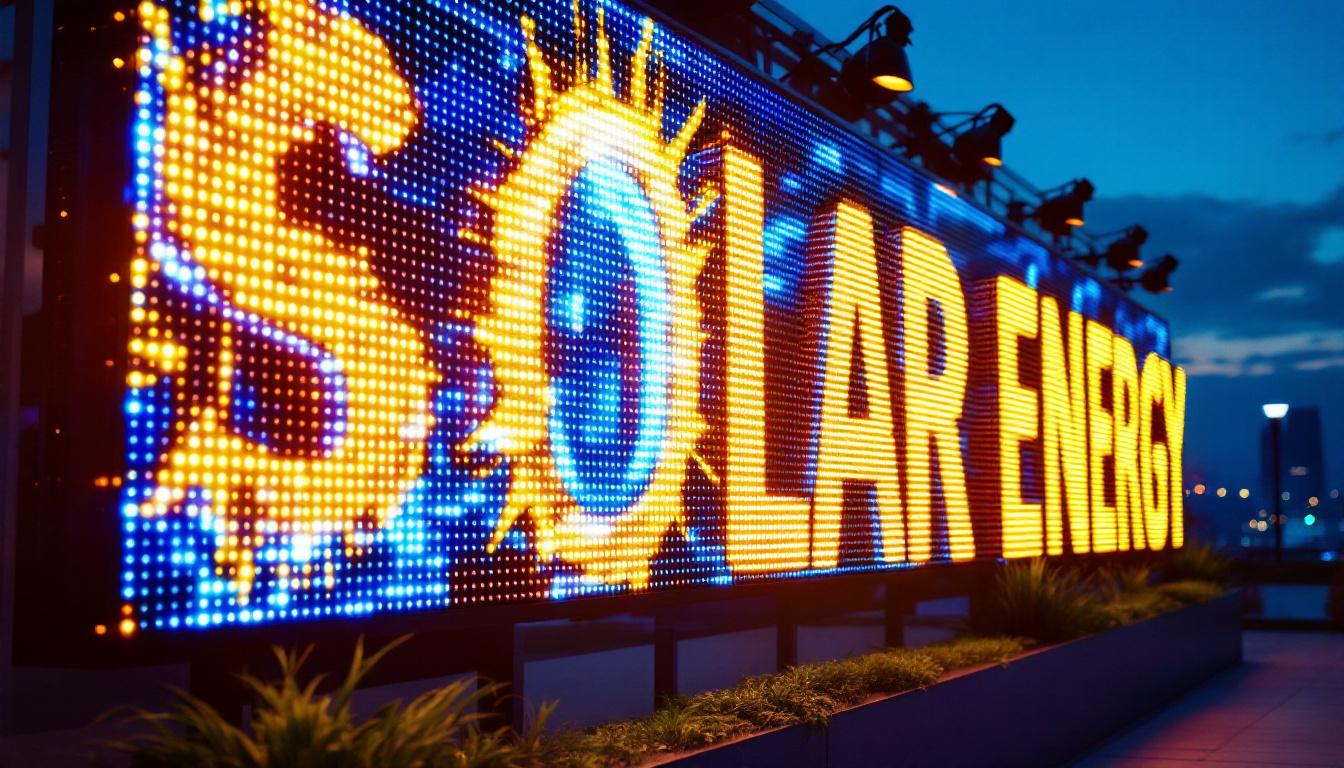
In some regions, LED billboards have been integrated with renewable energy sources such as solar panels, showcasing a commitment to sustainability. These installations highlight how LED technology can support both commercial goals and environmental stewardship.
Future Trends in LED Billboard Technology
The LED billboard industry continues to evolve rapidly, driven by technological advances and changing consumer behaviors. Understanding emerging trends can help advertisers and city planners stay ahead of the curve and leverage new opportunities.
Higher Resolution and Flexible Displays
As LED manufacturing improves, billboards are achieving higher resolutions that rival traditional screens. This enhancement allows for more detailed and immersive content, including 3D effects and ultra-high-definition video. Flexible LED panels are also becoming more common, enabling creative installations on curved or irregular surfaces.
Integration with Artificial Intelligence and Data Analytics
Artificial intelligence (AI) is poised to revolutionize LED billboard advertising by enabling real-time content optimization based on audience demographics, weather conditions, and social trends. AI-driven analytics can measure engagement and effectiveness, allowing advertisers to fine-tune campaigns for maximum impact.
For instance, an AI-powered billboard might switch ads to promote cold beverages on hot days or highlight local events during weekends, making advertising more contextually relevant and efficient.
Augmented Reality (AR) and Immersive Experiences
Combining LED billboards with augmented reality technology opens exciting possibilities for interactive and immersive advertising. Passersby could use smartphones or AR glasses to see additional digital layers over the billboard content, creating engaging storytelling experiences that extend beyond the physical screen.
Conclusion: Why LED Billboards Are the Future of Outdoor Advertising
LED billboards represent a significant leap forward in outdoor advertising, blending cutting-edge technology with creative potential. Their ability to deliver vibrant, dynamic content that captures attention and adapts in real-time makes them invaluable for brands seeking to engage modern consumers.
Beyond commercial benefits, LED billboards contribute to urban aesthetics, public safety, and environmental sustainability. As the technology continues to advance, incorporating AI, interactivity, and immersive features, LED billboards will remain at the forefront of advertising innovation.
For businesses and advertisers aiming to make a lasting impression, investing in LED billboard advertising is not just a trend but a strategic move toward the future of communication.
Illuminate Your Brand with LumenMatrix
Ready to elevate your advertising to new heights and captivate your audience like never before? Discover LumenMatrix’s comprehensive range of LED display solutions, from the mesmerizing Indoor LED Wall Display to the dynamic Outdoor LED Wall Display, and beyond. Each product is crafted with precision to ensure your message shines brightly in any setting. Embrace the future of visual communication with LumenMatrix and transform the way your brand engages with the world. Check out LumenMatrix LED Display Solutions today and light up your brand’s potential.