In today’s fast-paced world, the demand for clear, dynamic, and reliable visual displays is higher than ever. Whether it’s in control rooms, public information boards, advertising, or digital signage, LED displays have become the go-to technology for monitoring graphics and conveying real-time information. This article delves into the intricacies of LED displays used for monitoring graphics, explaining their technology, applications, benefits, and future trends.
Understanding LED Display Technology
LED, or Light Emitting Diode, displays have revolutionized how information is presented visually. Unlike traditional LCD or plasma screens, LED displays use an array of tiny diodes that emit light when an electric current passes through them. This fundamental difference offers several advantages in brightness, energy efficiency, and durability. The technology has not only transformed consumer electronics but has also made significant inroads into various industries, including advertising, entertainment, and even healthcare, where clear and vibrant displays are crucial for effective communication.
How LED Displays Work
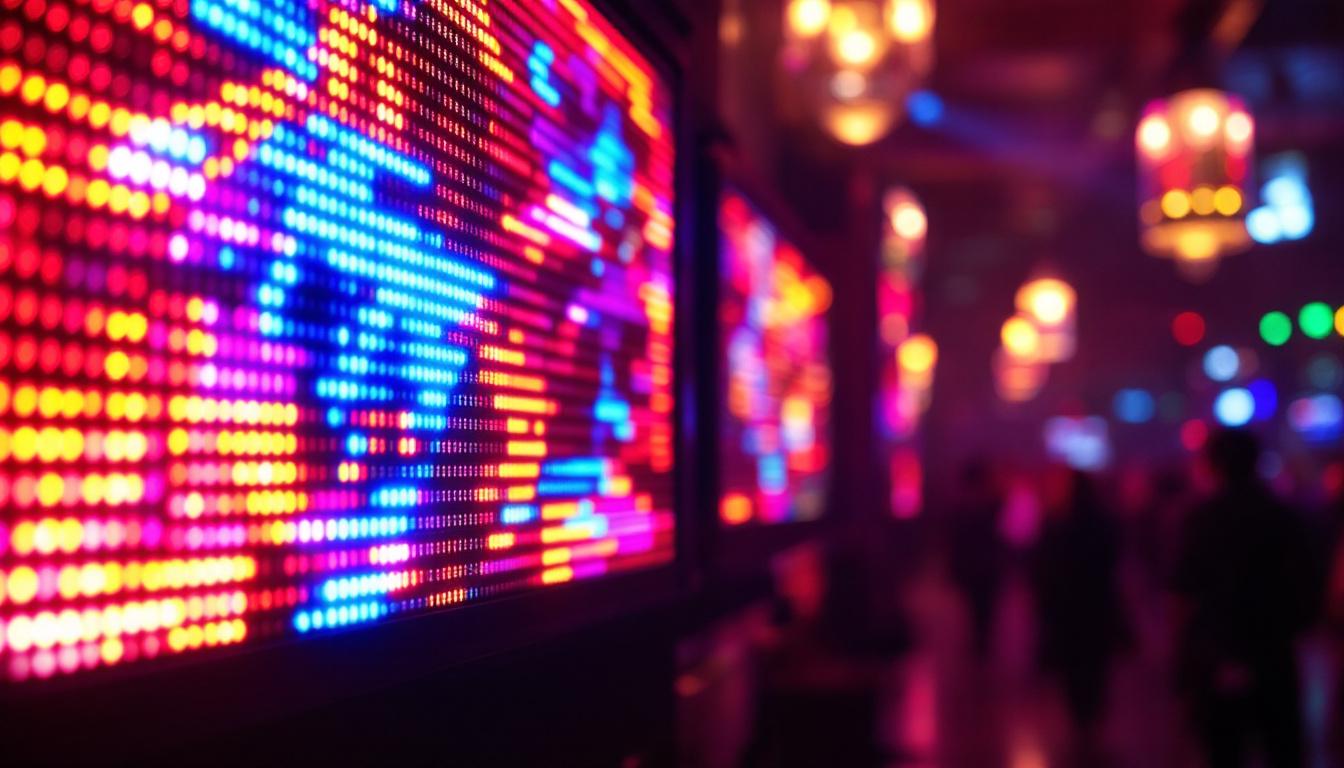
At their core, LED displays consist of thousands to millions of individual LEDs arranged in a grid. Each LED acts as a pixel that can emit light in different colors, typically red, green, and blue (RGB). By adjusting the intensity of these three colors, the display can produce a full spectrum of colors, creating vivid and accurate images. The precision with which these colors can be mixed allows for stunning visual effects and lifelike representations, making LED displays ideal for applications ranging from digital signage to high-definition televisions.
The LEDs are controlled by a driver circuit that receives image data from a video processor or computer. This processor converts the graphical information into signals that determine which LEDs light up and at what brightness level. The result is a seamless, high-resolution image that can be viewed from various distances and angles. Moreover, advancements in technology have led to the development of smart LED displays that can adjust their brightness and color based on ambient lighting conditions, further enhancing the viewing experience.
Types of LED Displays
LED displays come in several forms, each suited for different monitoring applications:
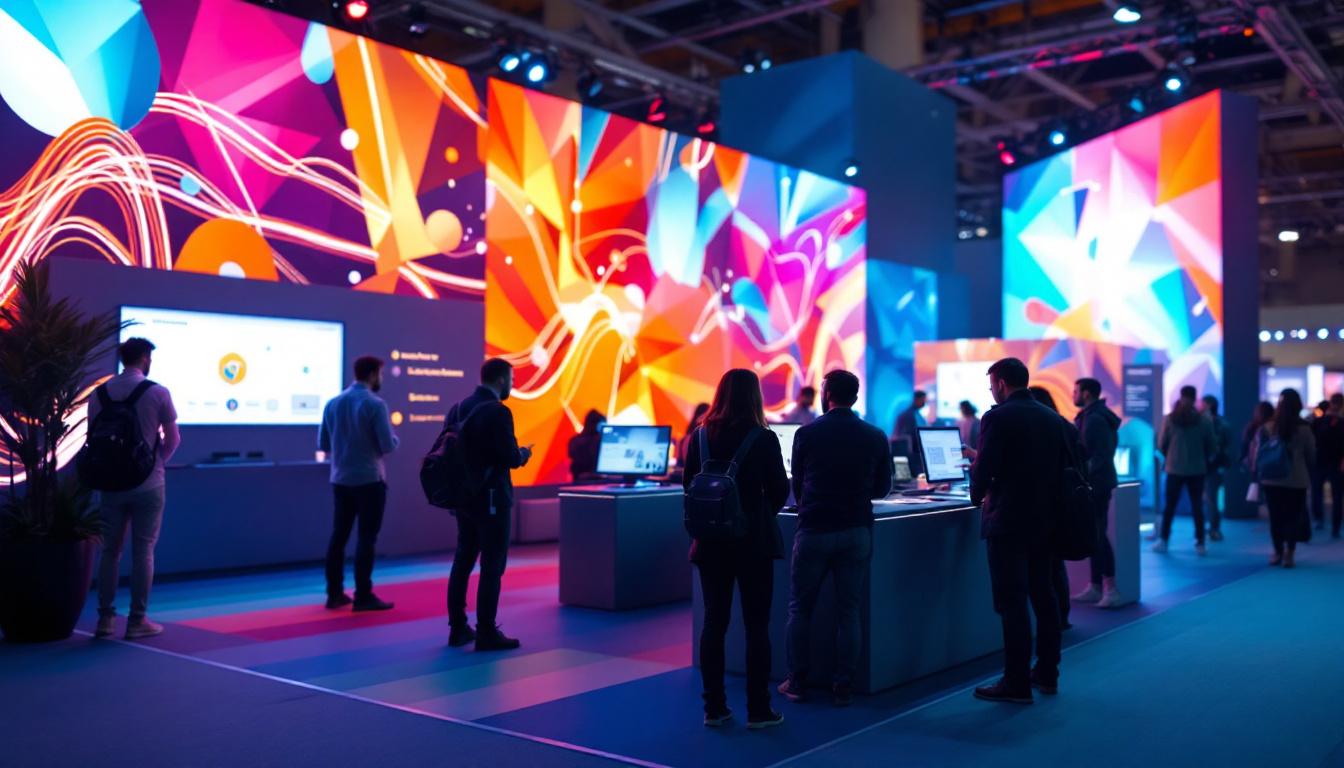
- Direct View LED Displays: These are large-format displays where the LEDs themselves form the image. They are commonly used in outdoor billboards and stadium screens due to their high brightness and visibility in daylight. The modular nature of these displays allows for easy scaling, making them perfect for large venues and events that require a captivating visual presence.
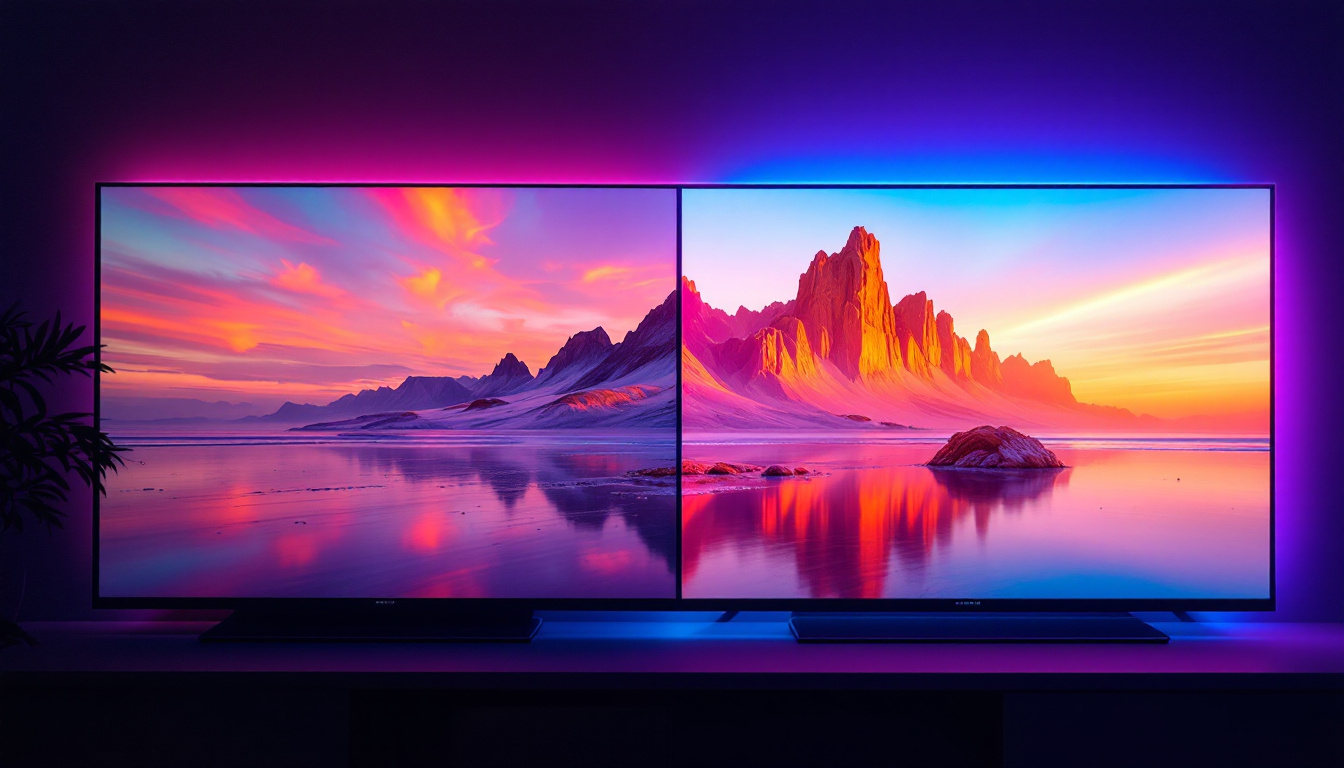
- LED-backlit LCD Displays: These combine traditional LCD panels with LED backlighting, offering improved brightness and color accuracy compared to older CCFL-backlit LCDs. They are prevalent in computer monitors and televisions. This hybrid technology not only enhances the visual quality but also contributes to energy savings, as LED backlights consume less power than their predecessors.
- MicroLED Displays: An emerging technology that uses microscopic LEDs to create displays with exceptional brightness, contrast, and energy efficiency. While still in development, MicroLEDs promise to enhance monitoring graphics in the near future. These displays are expected to provide superior performance in terms of color accuracy and viewing angles, making them a game-changer for both consumer electronics and professional applications.
In addition to these types, the versatility of LED technology has led to innovative applications such as flexible LED displays, which can be bent and shaped to fit various design needs. These displays are particularly popular in creative installations and architectural applications, allowing for dynamic and engaging visual experiences. Furthermore, advancements in LED technology continue to push the boundaries of what is possible, with ongoing research into improving the lifespan and reducing the environmental impact of LED components, ensuring that this technology remains at the forefront of visual communication for years to come.
Applications of LED Displays in Monitoring Graphics
LED displays play a critical role in various sectors where real-time data visualization and monitoring are essential. Their ability to deliver clear, bright, and dynamic images makes them indispensable in environments that require constant attention and quick decision-making.
Control Rooms and Command Centers
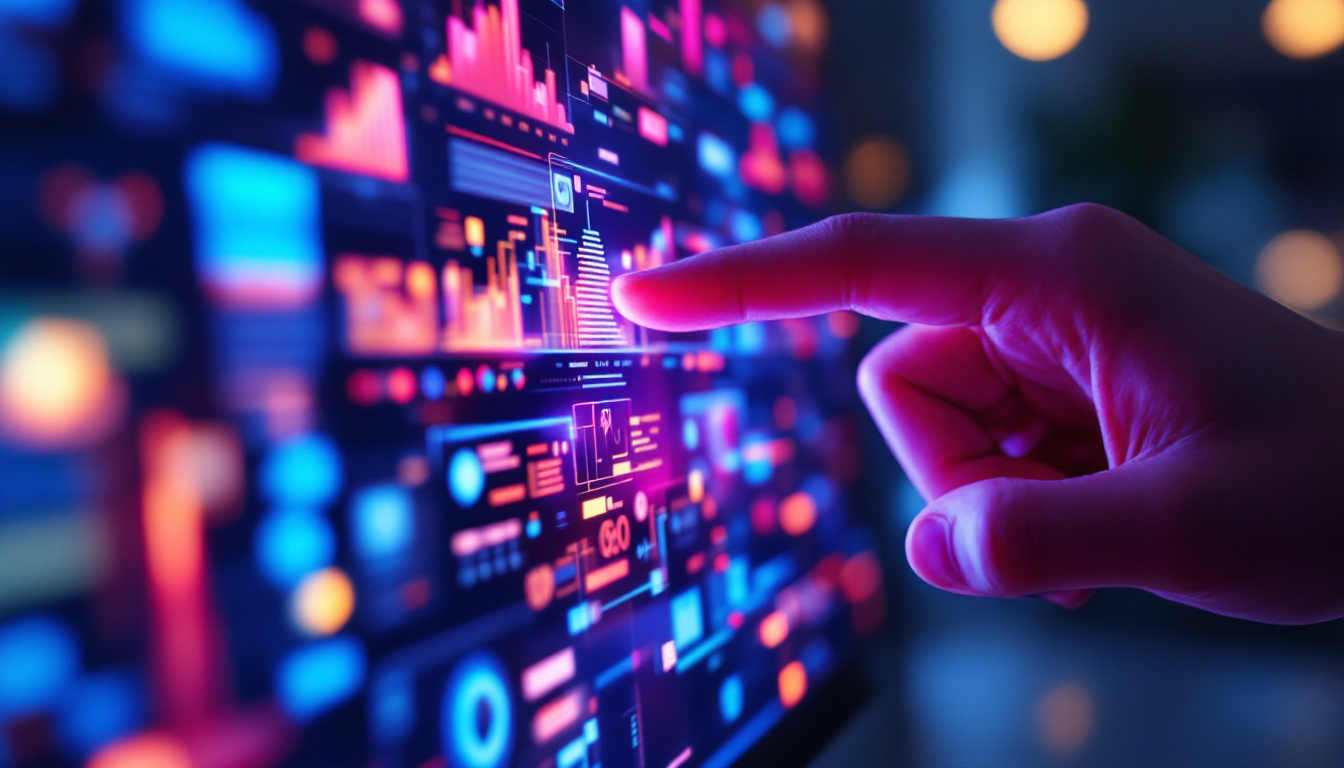
In industries such as utilities, transportation, security, and emergency services, control rooms rely heavily on LED video walls to monitor multiple data streams simultaneously. These large-scale LED displays can show complex graphical interfaces, live video feeds, and alert notifications, enabling operators to maintain situational awareness and respond promptly to incidents.
For example, a city’s traffic management center might use a multi-panel LED display to track traffic flow, accidents, and public transit status in real time. The high resolution and brightness of LED displays ensure that information remains visible under varying lighting conditions, reducing operator fatigue and errors.
Financial Trading Floors
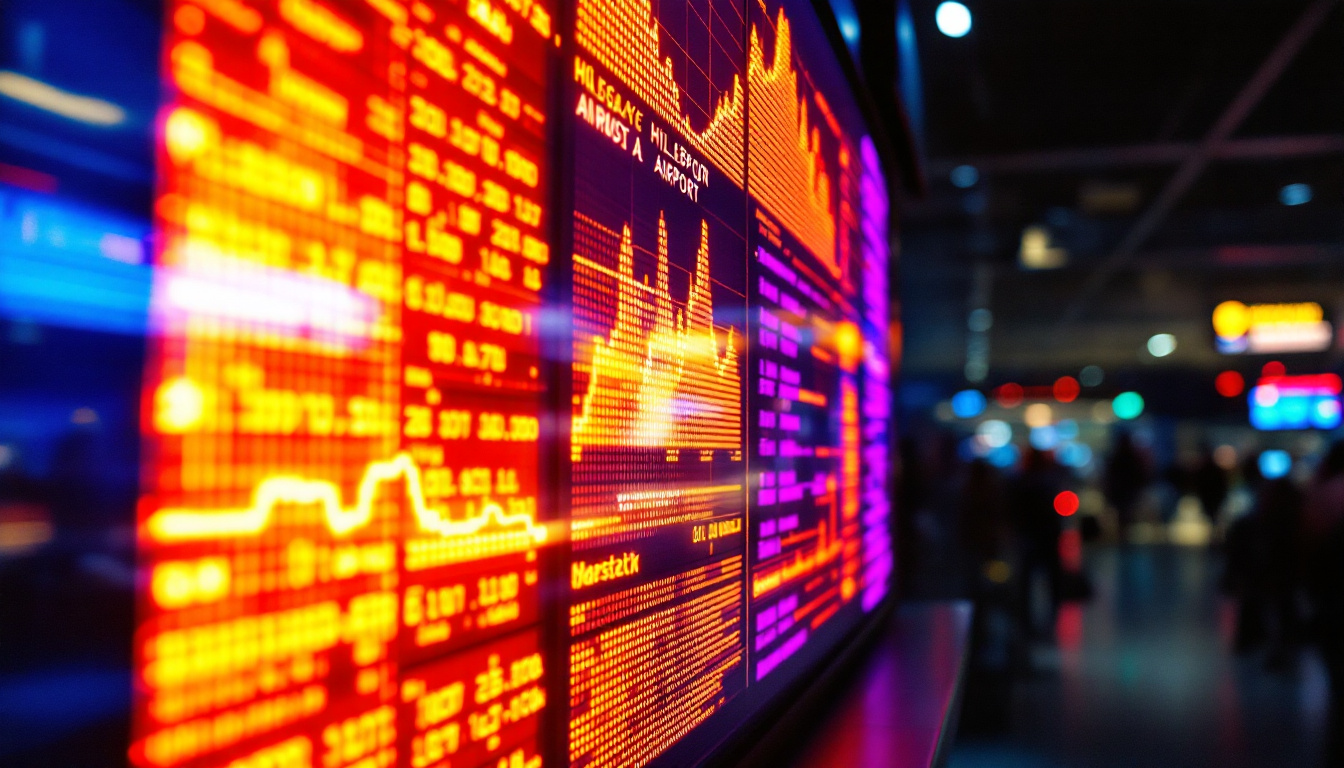
Financial markets demand rapid access to constantly changing data. LED displays are widely used on trading floors to present stock prices, market indices, news feeds, and analytical charts. Their ability to update instantly and display high-contrast visuals helps traders make informed decisions quickly.
Healthcare and Medical Monitoring
In hospitals and medical facilities, LED displays are used for patient monitoring, displaying vital signs and diagnostic images. The clarity and reliability of LED technology ensure that healthcare professionals can interpret critical information without delay, improving patient outcomes.
Public Information and Transportation Hubs
Airports, train stations, and bus terminals utilize LED displays to provide passengers with schedules, gate information, and emergency announcements. The durability and brightness of LEDs make these displays effective even in brightly lit or outdoor environments.
Advantages of LED Displays for Monitoring Graphics
LED technology offers several key benefits that make it ideal for monitoring applications. Understanding these advantages helps organizations select the right display solution for their needs.
Superior Brightness and Visibility
One of the standout features of LED displays is their exceptional brightness. LEDs can produce light levels far exceeding those of traditional display technologies, making them easily viewable in direct sunlight or brightly lit rooms. This is particularly important for outdoor monitoring stations or control rooms with large windows.
Wide Viewing Angles
LED displays maintain consistent image quality across wide viewing angles, ensuring that multiple operators or viewers can see the information clearly from different positions. This uniformity is crucial in collaborative environments like command centers where team members need to share the same visual data.
Energy Efficiency and Longevity
Compared to older display technologies, LEDs consume less power while delivering higher brightness. This energy efficiency translates into lower operating costs and reduced environmental impact. Additionally, LEDs have a longer lifespan, often exceeding 50,000 hours, minimizing maintenance and replacement expenses.
Scalability and Customization
LED displays can be configured in various sizes and shapes, from small panels to massive video walls. This flexibility allows organizations to tailor their monitoring setups to specific spatial and functional requirements. Modular LED panels can be combined seamlessly to create large, high-resolution displays that fit unique control room layouts.
Fast Response Time
LED displays offer rapid pixel response times, which means they can update images quickly without motion blur or ghosting. This capability is essential for monitoring dynamic data such as live video feeds, rapidly changing charts, or alert signals.
Key Considerations When Choosing an LED Display for Monitoring
Selecting the right LED display for monitoring graphics involves evaluating several technical and operational factors to ensure optimal performance and user experience.
Resolution and Pixel Pitch
The resolution of an LED display is determined by the number of pixels it contains, which directly affects image clarity. Pixel pitch, the distance between adjacent LEDs, influences how sharp the image appears at various viewing distances. For control rooms and detailed monitoring, a smaller pixel pitch (e.g., 1.2mm to 2.5mm) is preferred to provide high-definition visuals.
Brightness Levels
Brightness is measured in nits (cd/m²). For indoor monitoring displays, brightness levels between 800 and 1500 nits are typically sufficient. Outdoor displays require much higher brightness, often exceeding 5000 nits, to remain visible under sunlight.
Refresh Rate
A higher refresh rate reduces flicker and improves the smoothness of moving images. For monitoring applications, a refresh rate of at least 60Hz is recommended, with some advanced displays offering 120Hz or higher to enhance visual comfort during prolonged use.
Durability and Environmental Resistance
Depending on the installation environment, LED displays may need to withstand dust, moisture, temperature variations, and physical impact. Outdoor or industrial monitoring stations require displays with robust enclosures and IP ratings that certify resistance to environmental factors.
Integration and Connectivity
Modern LED displays should support various input sources and network connectivity options to integrate seamlessly with existing monitoring systems. Compatibility with standard video protocols, remote management capabilities, and software support are important considerations.
Future Trends in LED Display Technology for Monitoring
The LED display industry continues to evolve rapidly, driven by advances in materials science, electronics, and software. Several emerging trends promise to further enhance the capabilities of monitoring graphics displays.
MicroLED and MiniLED Innovations
MicroLED technology, which uses microscopic LEDs to form pixels, offers superior brightness, contrast, and energy efficiency compared to conventional LEDs. MiniLEDs, which are smaller than traditional LEDs but larger than MicroLEDs, provide improved local dimming and color accuracy. These technologies are poised to deliver ultra-high-definition, highly responsive displays for critical monitoring applications.
Flexible and Transparent LED Displays
Flexible LED panels enable curved or irregular display shapes, allowing for more ergonomic and immersive monitoring setups. Transparent LED displays can overlay digital information on glass surfaces without obstructing the view, which could transform control rooms and public information centers.
Artificial Intelligence and Smart Display Integration
Integrating AI with LED displays can facilitate automated data analysis, anomaly detection, and adaptive visualization. Smart displays that adjust brightness and content based on ambient conditions and user preferences will improve usability and reduce operator fatigue.
Energy Harvesting and Sustainability
Future LED displays may incorporate energy harvesting technologies, such as solar cells, to reduce reliance on external power sources. Sustainable manufacturing practices and recyclable materials will also become more prevalent as environmental concerns grow.
Conclusion
LED displays have become an indispensable tool for monitoring graphics across diverse industries. Their superior brightness, clarity, energy efficiency, and flexibility make them ideal for presenting critical real-time data in control rooms, financial centers, healthcare facilities, and public venues. As LED technology continues to advance, innovations like MicroLEDs, flexible panels, and AI integration will further enhance the effectiveness and versatility of monitoring displays.
Organizations looking to invest in LED display solutions for monitoring should carefully consider factors such as resolution, brightness, refresh rate, durability, and connectivity to ensure their systems meet operational demands. By understanding the technology and its applications, decision-makers can harness the full potential of LED displays to improve situational awareness, decision-making, and communication.
Discover LumenMatrix’s Advanced LED Display Solutions
Ready to elevate your monitoring graphics with unparalleled brightness, precision, and efficiency? Explore LumenMatrix’s comprehensive range of LED display solutions, tailored to meet the demands of any application. From vibrant Indoor LED Walls to robust Outdoor Displays, and from sleek LED Posters to immersive Custom Displays, LumenMatrix is at the forefront of transforming visual communication. Experience the future of LED technology today and check out LumenMatrix LED Display Solutions to captivate your audience and convey your message with unforgettable impact.