In today’s digital age, computer monitors are an essential part of daily life, whether for work, gaming, or entertainment. Among the various types of displays available, LCD and LED monitors dominate the market. However, the terminology can often be confusing, with many users unsure about the differences between LCD and LED monitors, and what exactly an LED display entails. This article aims to clarify these concepts, explain the technology behind these displays, and help readers make informed decisions when selecting a monitor.
Understanding the Basics: What is an LCD Monitor?
LCD stands for Liquid Crystal Display. This technology has been the backbone of flat-panel displays for decades, replacing older CRT (cathode ray tube) monitors due to its slim profile and energy efficiency. An LCD monitor uses liquid crystals sandwiched between two layers of glass or plastic. These crystals do not emit light themselves but manipulate light passing through them to create images.
To illuminate the display, LCD monitors rely on a backlight system. Traditionally, this backlight was provided by Cold Cathode Fluorescent Lamps (CCFLs). The backlight shines through the liquid crystal layer, which controls the amount of light reaching each pixel by twisting and aligning the crystals in response to electrical signals. This process produces the images seen on the screen.
One of the key advantages of LCD technology is its ability to produce sharp images with good color accuracy and relatively low power consumption compared to CRTs. However, the quality of an LCD monitor greatly depends on the type of backlighting used, which brings us to the role of LED technology.
LED (Light Emitting Diode) technology has revolutionized the way LCD monitors are constructed and viewed. By replacing traditional CCFL backlighting with LED lights, manufacturers have been able to enhance brightness, contrast, and color range significantly. LED-backlit LCDs can achieve deeper blacks and more vibrant colors, making them particularly appealing for graphic design, gaming, and media consumption. Furthermore, LED monitors are generally thinner and lighter, allowing for sleeker designs that fit seamlessly into modern workspaces.
Beyond the backlighting, the advancements in LCD technology have also led to the development of various panel types, such as IPS (In-Plane Switching) and TN (Twisted Nematic). IPS panels are known for their superior color reproduction and wider viewing angles, making them ideal for professional photographers and videographers. On the other hand, TN panels are favored for their faster response times, which are crucial for gaming. Each panel type caters to different user needs, highlighting the versatility of LCD technology in meeting diverse demands across various fields.
LED Monitors: What Does LED Display Mean?
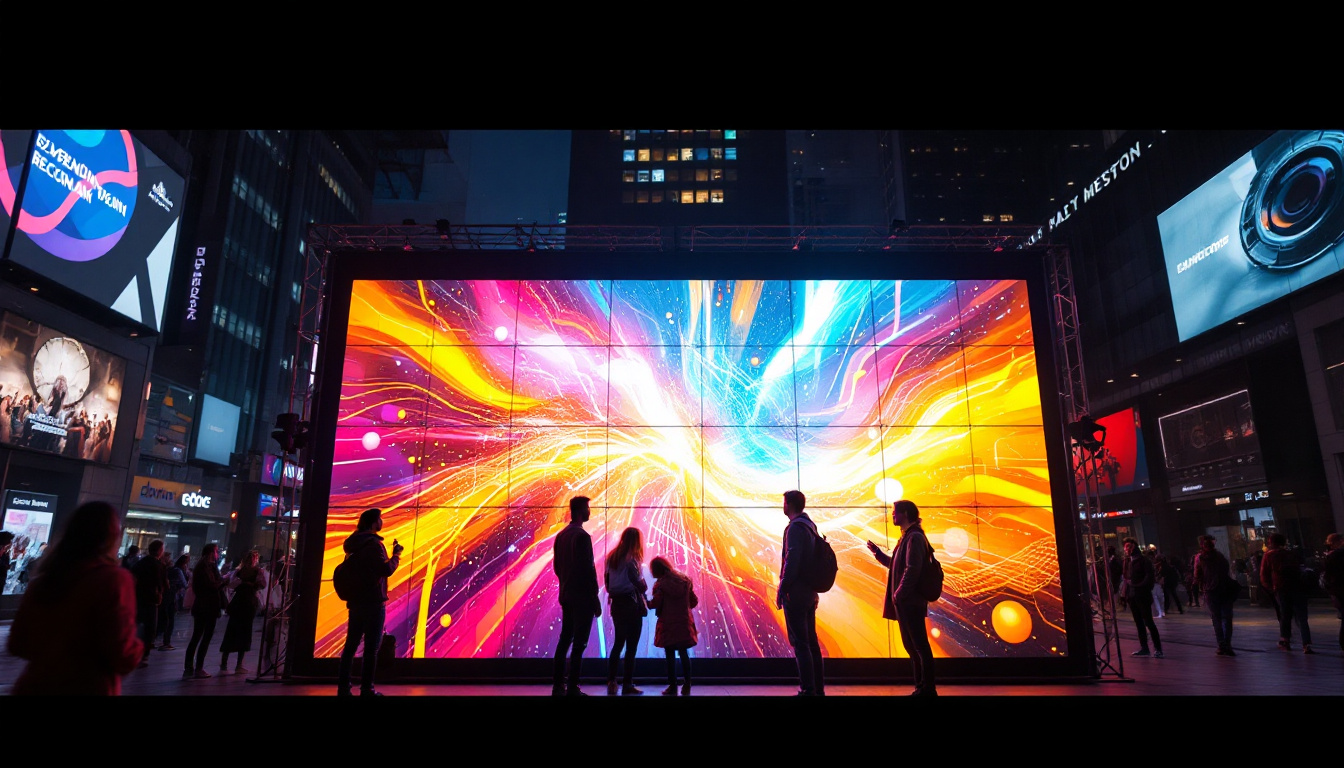
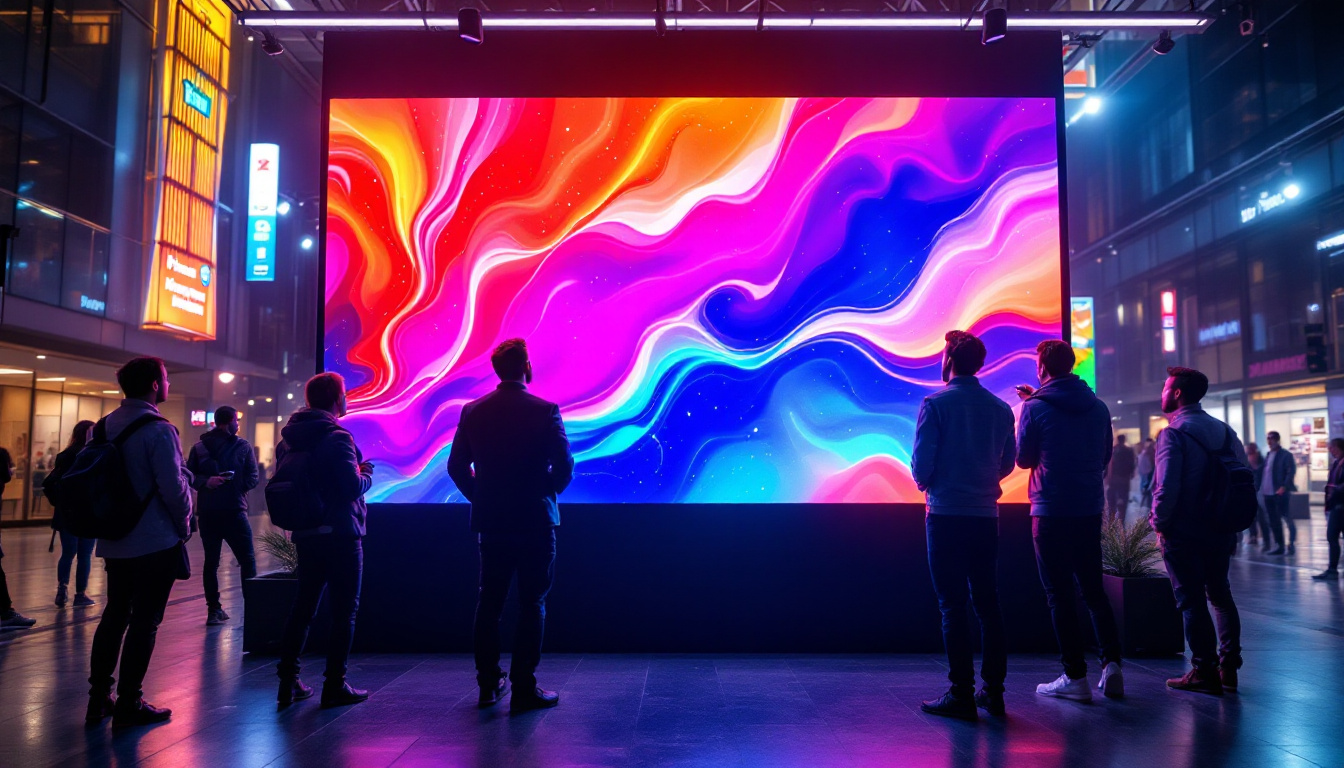
Despite common usage, the term “LED monitor” can be somewhat misleading. Technically, LED stands for Light Emitting Diode, a semiconductor light source that emits light when current flows through it. LED displays, in their purest form, use these diodes to create images directly, as seen in large outdoor billboards or advanced TV screens. However, most consumer “LED monitors” are actually LCD panels that use LEDs as their backlight source instead of CCFLs.
Switching from CCFL to LED backlighting brought significant improvements in display technology. LEDs are smaller, more energy-efficient, and can be arranged in various configurations to enhance image quality. For example, LED backlights can be placed around the edges of the screen (edge-lit) or directly behind the panel (direct-lit or full-array), allowing for better contrast and brightness control.
Moreover, LED backlighting enables monitors to achieve thinner designs and improved color reproduction. The ability to use RGB LEDs or quantum dot technology further enhances color gamut, making LED-backlit LCD monitors popular among professionals and gamers alike. The advancements in LED technology have also led to a reduction in power consumption, which is not only beneficial for the environment but also results in lower electricity bills for consumers. As a result, many manufacturers are now focusing on creating energy-efficient models that do not compromise on performance.
Types of LED Backlighting
Understanding the different LED backlighting methods helps clarify why LED monitors vary in price and performance:
- Edge-Lit LED: LEDs are positioned along the edges of the screen, and light is diffused across the panel. This design allows for ultra-thin monitors but can suffer from uneven brightness and less precise local dimming.
- Direct-Lit LED: LEDs are placed directly behind the LCD panel, providing more uniform lighting but resulting in a thicker display.
- Full-Array LED with Local Dimming: A grid of LEDs behind the panel can be dimmed or brightened in zones, improving contrast ratios and producing deeper blacks. This technology is common in higher-end monitors and TVs.
In addition to these backlighting types, the market has seen the emergence of mini-LED technology, which utilizes thousands of tiny LEDs to create even more precise control over brightness and contrast. This innovation allows for finer local dimming capabilities and can significantly enhance HDR (High Dynamic Range) performance, making images more vibrant and lifelike. As the demand for high-quality displays continues to rise, manufacturers are investing heavily in mini-LED and OLED technologies, which promise even greater advancements in visual fidelity and user experience.
Furthermore, as consumers become more discerning about their display choices, factors such as refresh rates, response times, and resolution are also gaining importance. For instance, gamers often seek monitors with higher refresh rates and lower response times to ensure smooth gameplay and reduce motion blur. In contrast, graphic designers and video editors may prioritize color accuracy and uniformity, making the choice of backlighting technology a crucial aspect of their purchasing decision. The diverse needs of users have led to a rich variety of LED monitor options, catering to everyone from casual users to professionals in creative fields.
Comparing LCD and LED Monitors: What Are the Real Differences?
Since most LED monitors are essentially LCD monitors with LED backlighting, the comparison often boils down to the type of backlight used. Here are some critical differences and what they mean for users:
Brightness and Contrast
LED-backlit monitors generally offer higher brightness levels and better contrast ratios than CCFL-backlit LCDs. This improvement is particularly noticeable in full-array LED monitors with local dimming, which can produce true blacks and vibrant colors. For users working in bright environments or those who prioritize image quality, LED monitors provide a superior viewing experience.
Energy Efficiency
LED backlighting consumes less power than CCFLs, making LED monitors more energy-efficient. This advantage not only reduces electricity bills but also contributes to longer device lifespan and environmental sustainability. According to the U.S. Department of Energy, LED-backlit displays can use up to 30% less power than their CCFL counterparts.
Design and Thickness
LED backlighting allows for thinner and lighter monitor designs. Edge-lit LED monitors, in particular, can be incredibly slim, making them ideal for modern workspaces where aesthetics and space-saving are important. In contrast, CCFL-backlit LCDs tend to be bulkier due to the size of the fluorescent tubes.
Color Accuracy and Gamut
While both LCD and LED monitors can offer good color reproduction, LED backlighting—especially when combined with technologies like quantum dots—can cover a wider color gamut. This feature is crucial for professionals in graphic design, video editing, and photography who require precise color accuracy.
Cost Considerations
Generally, LED-backlit monitors are more expensive than older CCFL LCD monitors due to their advanced technology and better performance. However, as LED technology has matured, prices have become more affordable, and LED monitors now dominate the market. Consumers purchasing new monitors today will almost exclusively find LED-backlit models.
When to Choose an LED Monitor: Use Cases and Recommendations
Choosing the right monitor depends on individual needs, budget, and usage scenarios. Here are some common use cases where LED monitors stand out:
Professional Creative Work
For photographers, video editors, and graphic designers, color accuracy and wide color gamut are paramount. LED monitors with IPS (In-Plane Switching) panels and quantum dot technology offer excellent color reproduction and consistency across viewing angles. Models supporting 99% or higher Adobe RGB or DCI-P3 color spaces are ideal for professional workflows.
Gaming
Gamers benefit from LED monitors that provide high refresh rates (120Hz and above), low response times, and vibrant colors. LED backlighting helps achieve better contrast and brightness, enhancing the gaming experience. Additionally, technologies like NVIDIA G-SYNC or AMD FreeSync, often found in LED monitors, reduce screen tearing and input lag.
General Office and Home Use
For everyday tasks such as browsing, document editing, and video streaming, LED monitors offer a balanced combination of image quality, energy efficiency, and affordability. Edge-lit LED monitors are typically sufficient for these purposes, providing slim designs and good performance.
Watching Movies and Multimedia
LED monitors with full-array local dimming deliver deeper blacks and improved contrast, making them suitable for watching movies and multimedia content. Paired with high resolution (such as 4K) and HDR support, these monitors can provide a cinematic viewing experience at home.
Future Trends in Display Technology
While LED-backlit LCD monitors remain prevalent, display technology continues to evolve rapidly. Emerging technologies promise to further enhance visual quality and user experience:
OLED Displays
Organic Light Emitting Diode (OLED) displays emit light at the pixel level, eliminating the need for backlighting. This feature allows for perfect blacks, infinite contrast ratios, and vibrant colors. OLED monitors are gaining traction, especially in high-end professional and gaming markets, though they currently come at a premium price and face challenges like burn-in.
Mini-LED and Micro-LED
Mini-LED technology uses thousands of tiny LEDs for backlighting, enabling more precise local dimming and improved contrast compared to traditional LED backlights. Micro-LED goes a step further by using microscopic LEDs as individual pixels, combining the benefits of OLED and LED technologies. These advancements are expected to become mainstream in the coming years.
Higher Resolutions and Refresh Rates
As content becomes more detailed and interactive, monitors are pushing beyond 4K resolution and 240Hz refresh rates. These improvements cater to professionals needing ultra-high detail and gamers seeking ultra-smooth gameplay.
Conclusion: Making Sense of LCD and LED Monitors
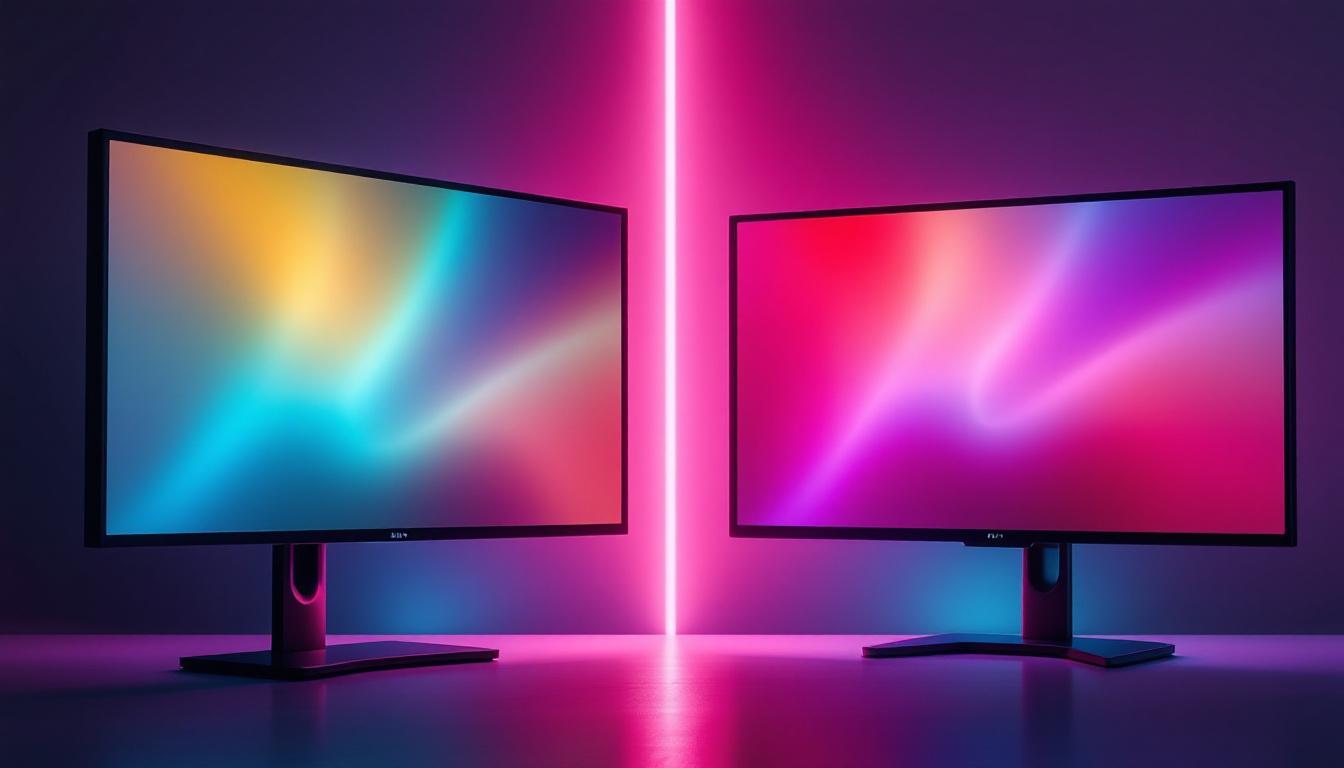
In summary, the distinction between LCD and LED monitors largely hinges on the backlighting technology used. LCD monitors with LED backlights offer numerous advantages over older CCFL-backlit models, including better energy efficiency, improved image quality, thinner designs, and enhanced color performance.
When selecting a monitor, consider the intended use, budget, and desired features. LED monitors, particularly those with IPS panels and advanced backlighting techniques, provide excellent versatility for a wide range of applications—from professional creative work to immersive gaming and everyday computing.
As display technologies continue to advance, staying informed about the latest developments will help consumers make the best choices and enjoy superior visual experiences for years to come.
Explore Cutting-Edge LED Displays with LumenMatrix
Ready to experience the pinnacle of display technology? LumenMatrix is at the forefront of LED innovation, offering a wide array of solutions tailored to meet your needs. Whether you’re looking to enhance your brand’s visibility with an Indoor LED Wall Display, captivate passersby with an Outdoor LED Wall Display, or create dynamic visual experiences with Custom LED Displays, LumenMatrix has the technology to bring your vision to life. Elevate your visual communication and engage your audience like never before. Check out LumenMatrix LED Display Solutions today and see the difference cutting-edge technology can make.