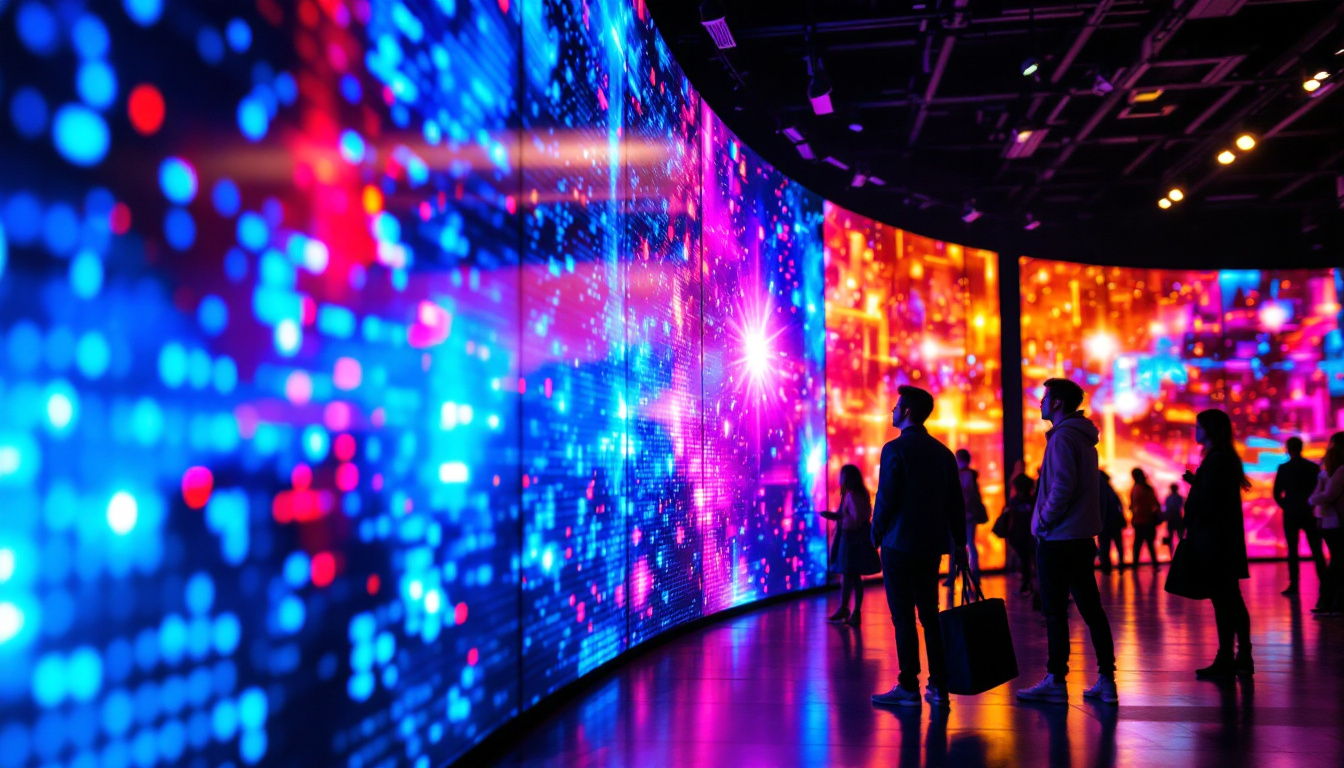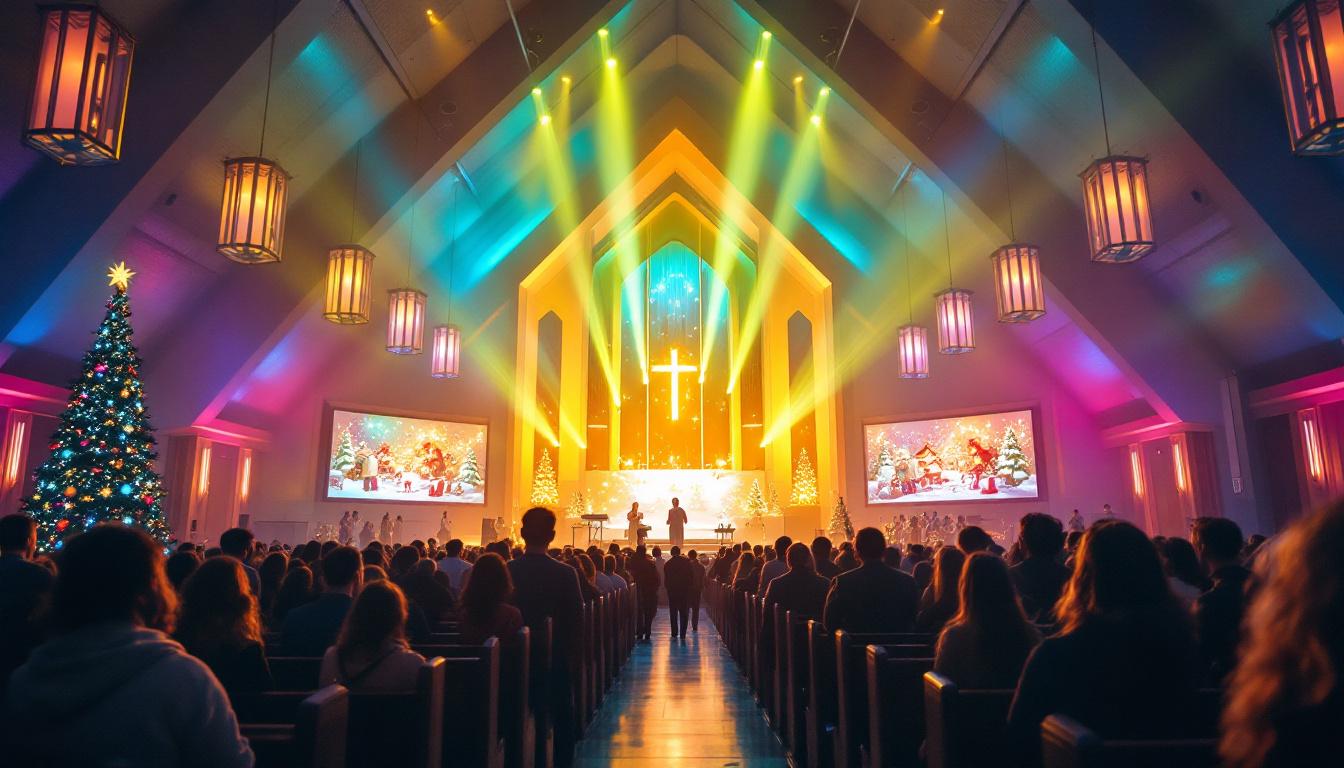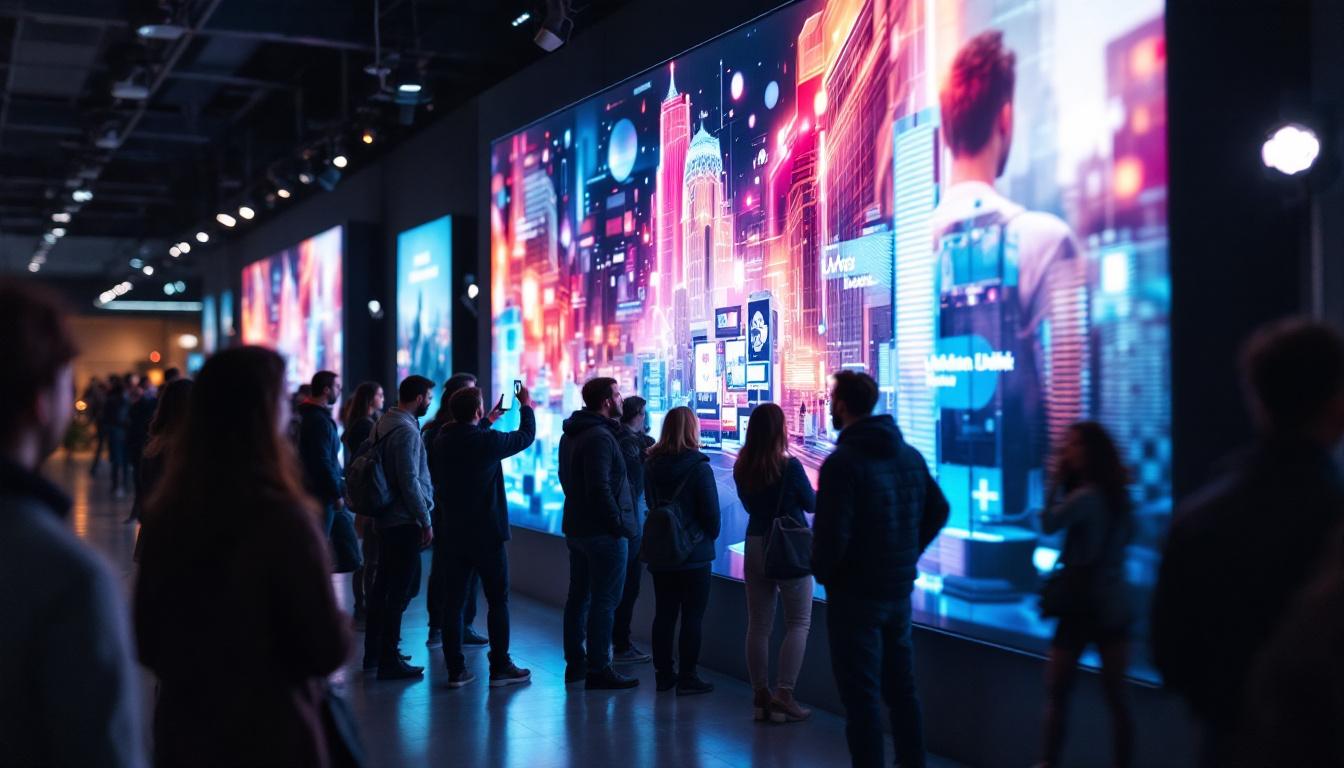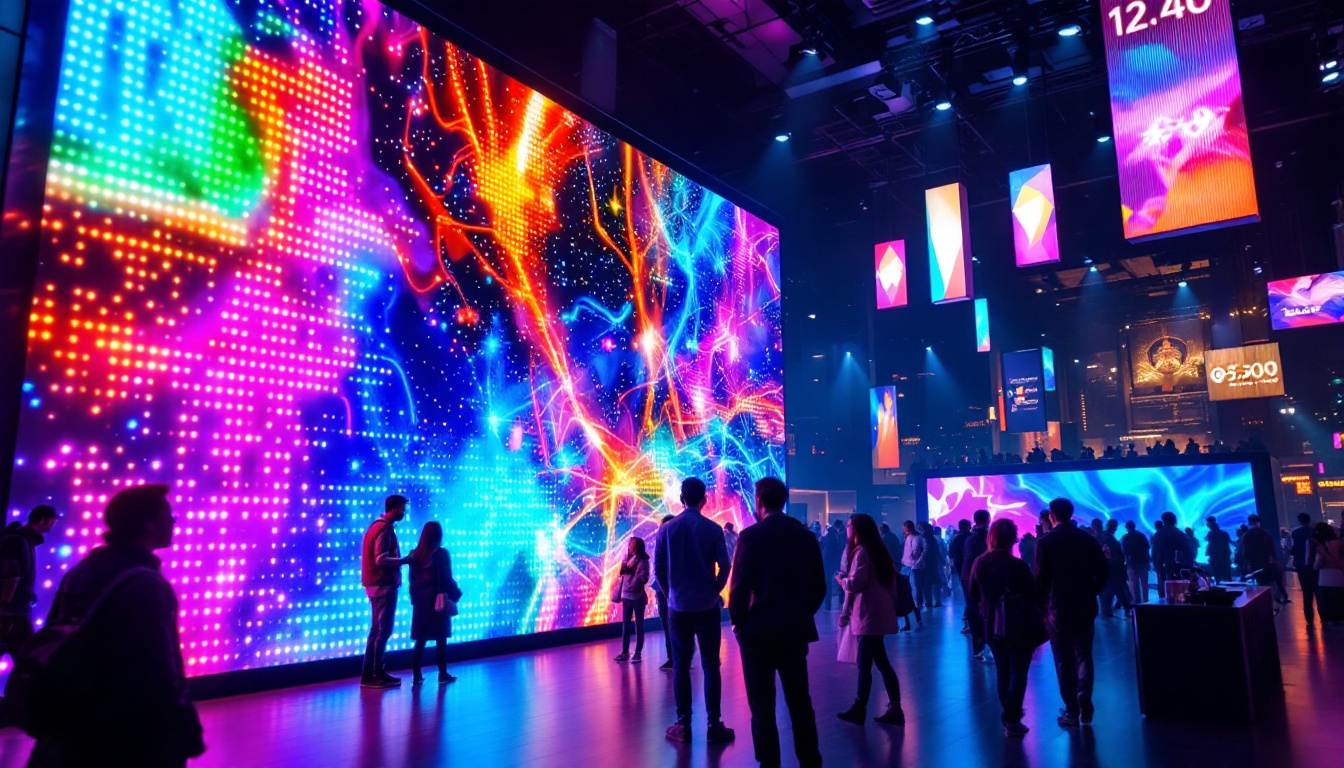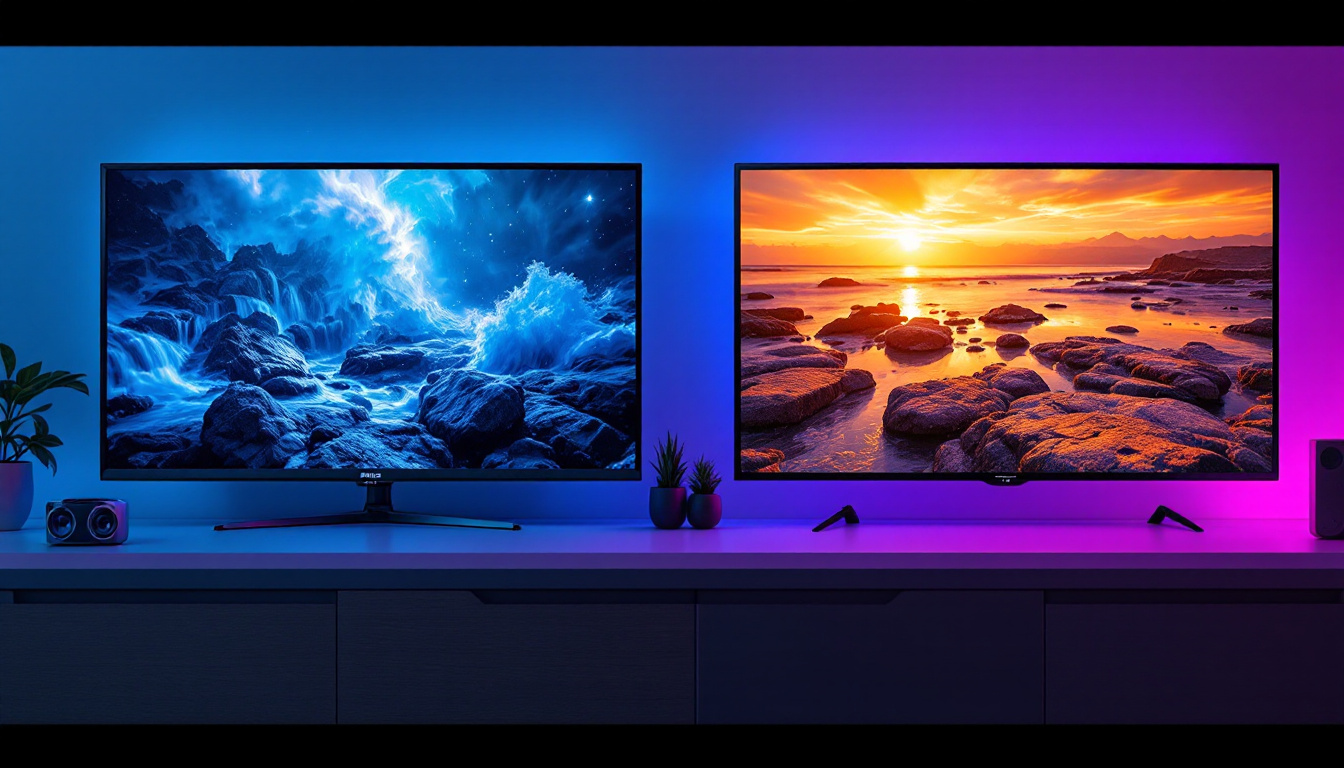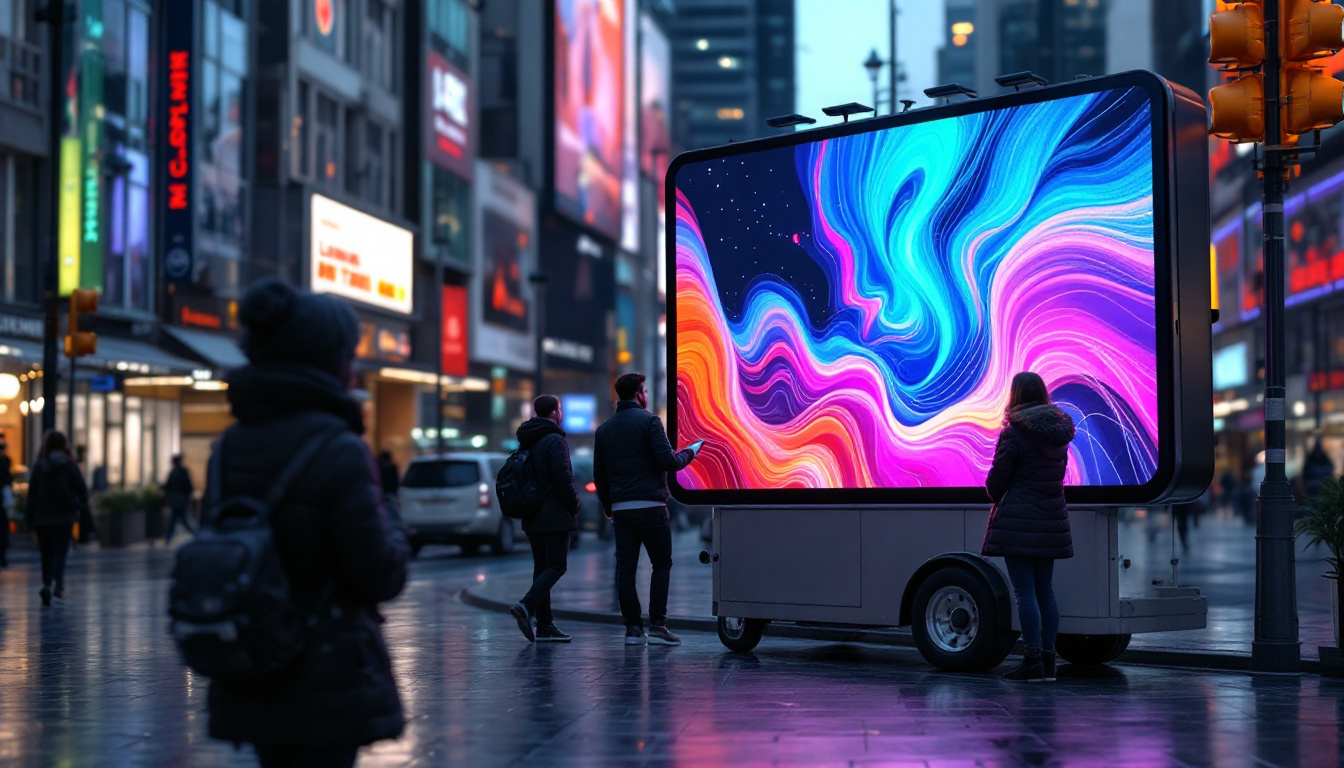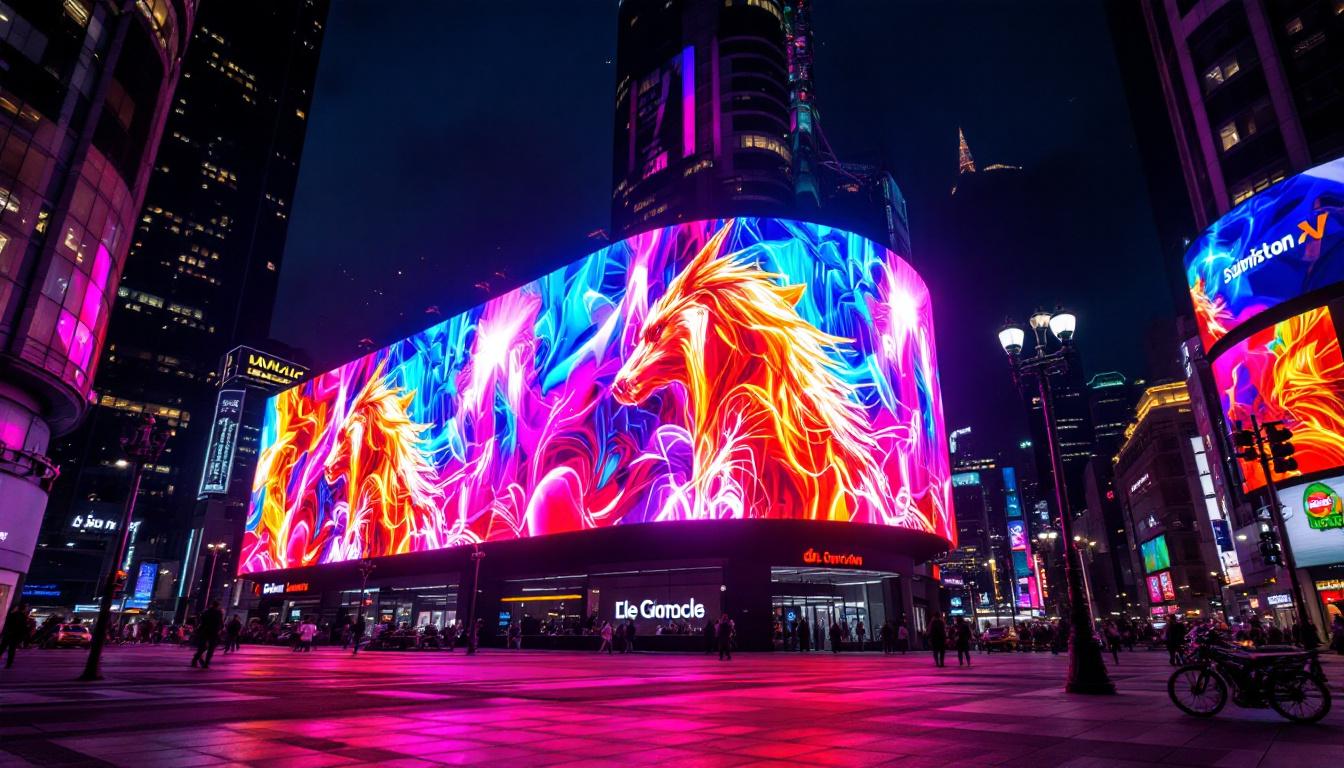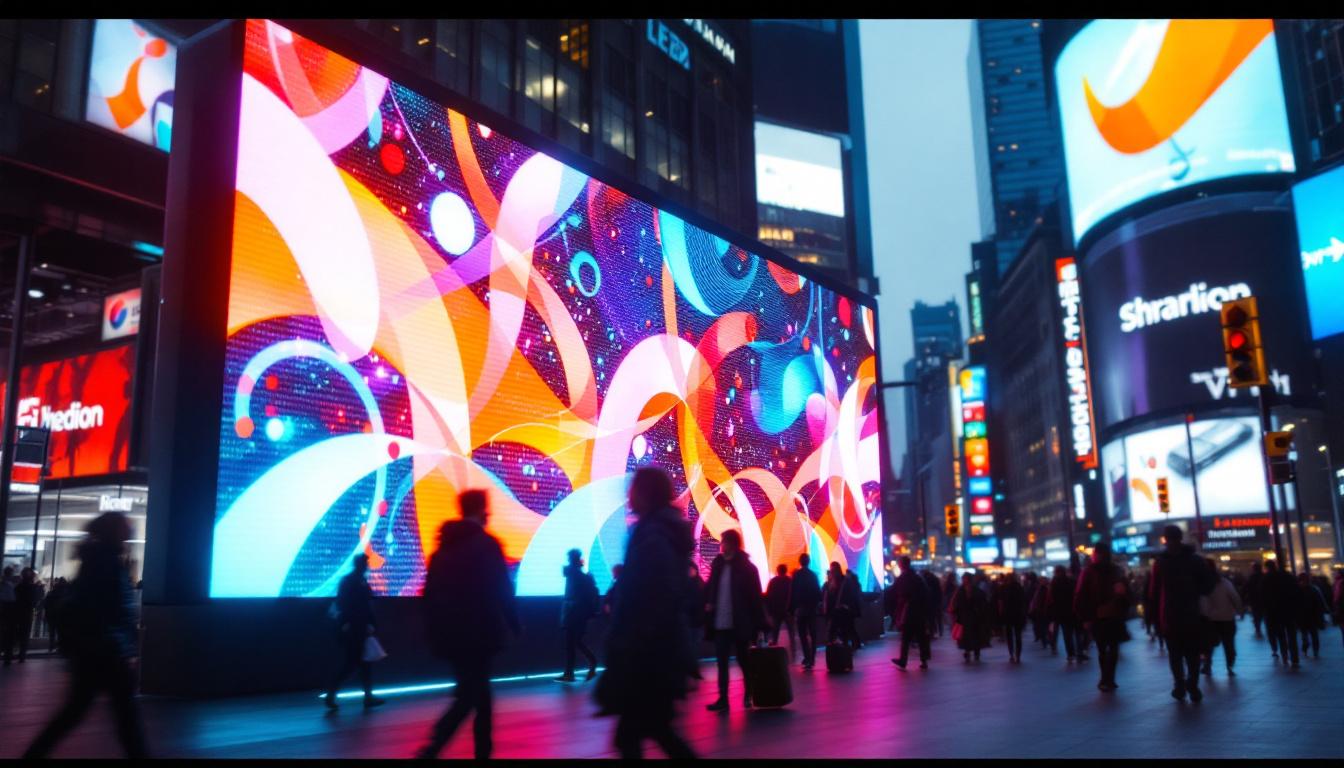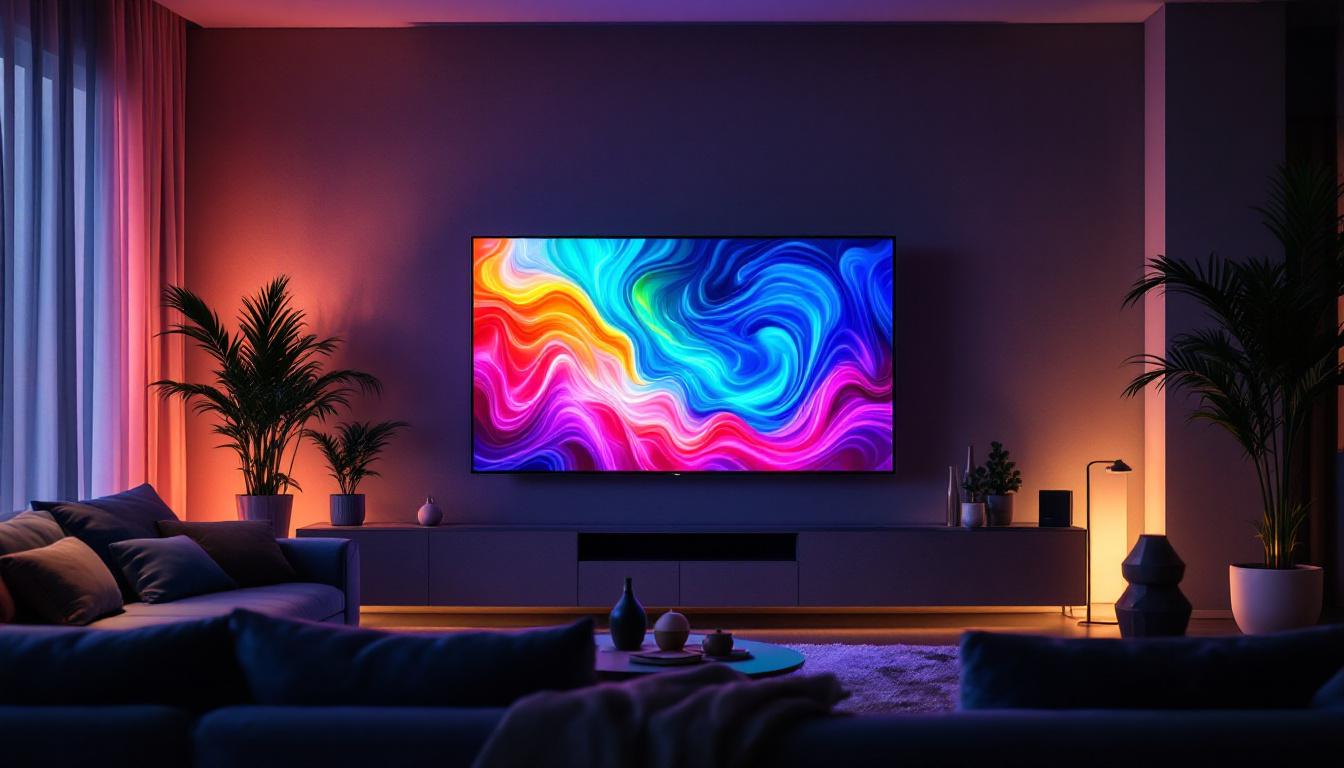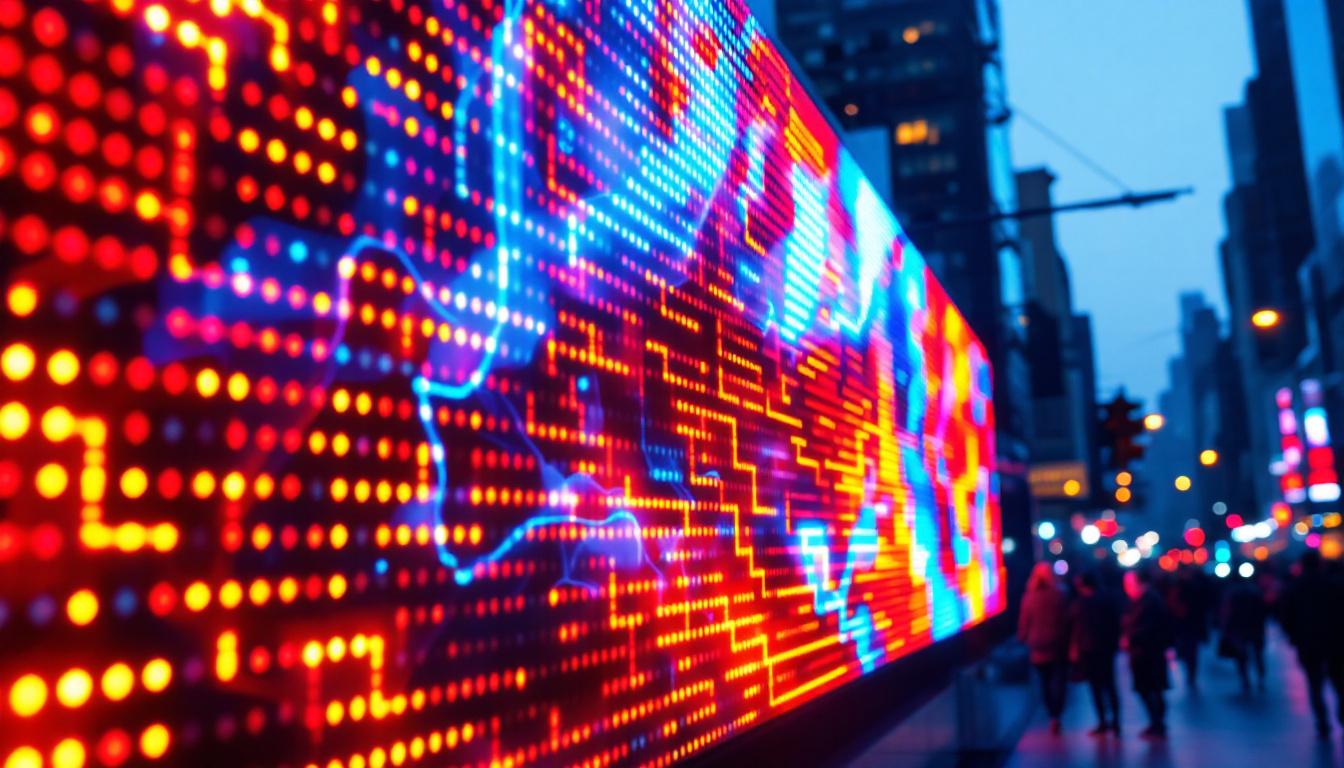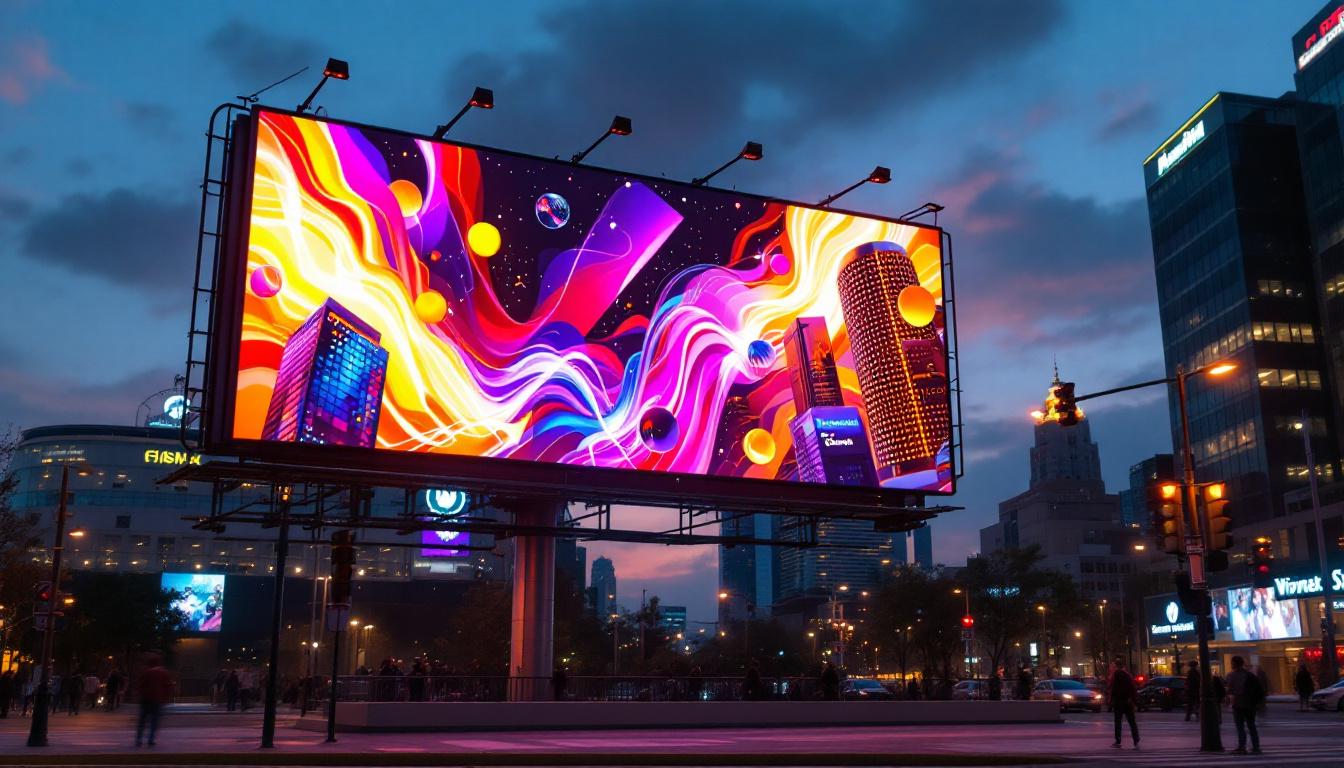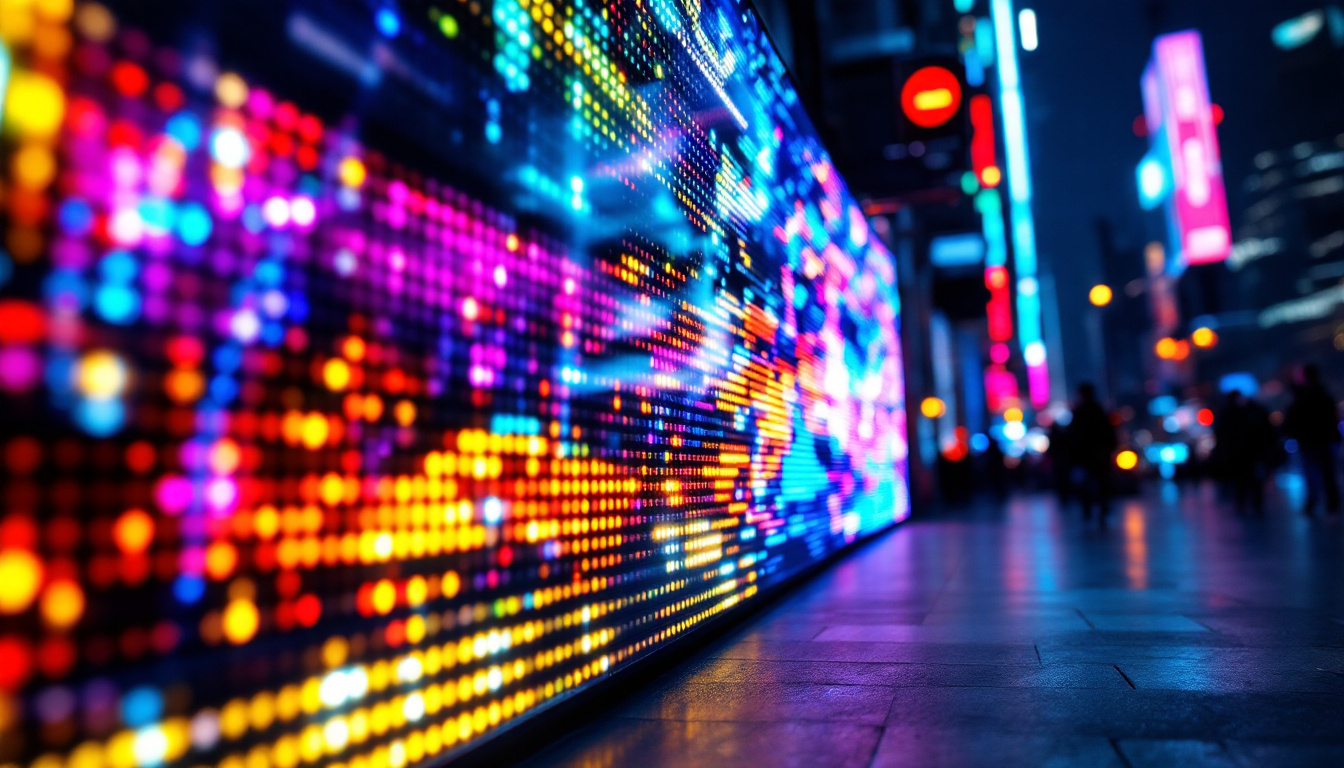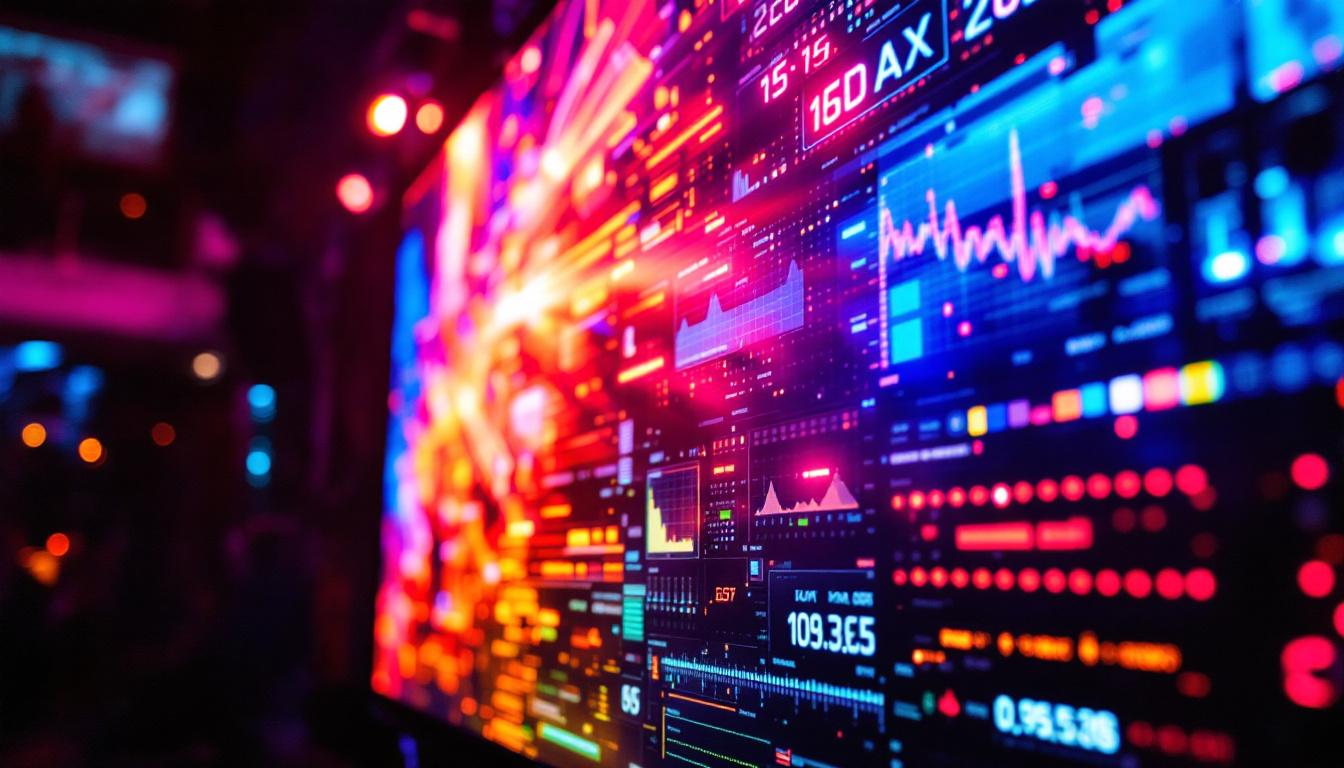
In the world of live events, concerts, conferences, and theatrical performances, visual impact is paramount. One of the most transformative technologies enabling stunning visuals on stage is the LED display panel. These panels have revolutionized how audiences experience live events, offering vibrant colors, sharp images, and dynamic content that can adapt in real-time. This article delves into the intricacies of stage panel LED displays, explaining their technology, types, benefits, and best practices for use in various settings.
Understanding LED Display Technology
What is an LED Display Panel?
LED display panels are flat modular screens composed of numerous tiny light-emitting diodes (LEDs) that collectively create images and videos. Unlike traditional LCD screens, which rely on backlighting, LED panels produce their own light, resulting in brighter and more vivid displays. This self-illumination characteristic makes LED panels ideal for environments with high ambient light, such as outdoor concerts or brightly lit conference halls.
Each LED in the panel corresponds to a pixel or sub-pixel in the displayed image. By controlling the intensity and color of each LED, the panel can render a wide spectrum of colors and shades. This technology allows for high contrast ratios and deep blacks, enhancing image clarity and visual appeal.
How Do LED Panels Work?
LED panels are constructed from smaller modules, each containing a grid of LEDs arranged in rows and columns. These modules are connected to form large screens of varying sizes. The control system sends digital signals to each LED, adjusting brightness and color in real-time to produce the desired image.
Modern LED panels use surface-mounted device (SMD) technology, where red, green, and blue LEDs are integrated into a single package. This design improves color accuracy and viewing angles. Additionally, advancements in pixel pitch—the distance between LEDs—allow for higher resolution displays, making images sharper even when viewed up close.
Types of LED Display Panels for Stages
Indoor vs. Outdoor LED Panels
One of the primary distinctions in stage LED panels is whether they are designed for indoor or outdoor use. Indoor LED panels typically have a smaller pixel pitch, often ranging from 1.2mm to 4mm, which means the LEDs are closer together. This results in higher resolution and sharper images suitable for close viewing distances common in theaters and conference venues.
Outdoor LED panels, on the other hand, have larger pixel pitches, generally between 4mm and 20mm. These panels prioritize brightness and weather resistance over ultra-high resolution. They are built with waterproof and dustproof enclosures to withstand harsh environmental conditions, making them perfect for festivals, sports events, and outdoor concerts.
Transparent LED Panels
Transparent LED panels are an innovative solution that combines display technology with architectural aesthetics. These panels allow light to pass through, enabling them to be installed on glass surfaces like windows or stage backdrops without blocking natural light or sightlines. They are increasingly popular in modern stage designs where a blend of visual effects and openness is desired.
Despite their see-through nature, transparent LED panels deliver vibrant images and can be used for dynamic backdrops or interactive displays. Their versatility makes them a favorite for corporate events and high-end productions.
Flexible and Curved LED Panels
Flexibility in LED panels has opened new creative possibilities for stage designers. Flexible LED panels can be bent or curved to fit unique stage shapes, creating immersive environments that surround the audience. These panels maintain image quality while conforming to artistic visions, such as circular stages, cylindrical columns, or wave-like structures.
Curved LED displays enhance the viewing experience by reducing distortion and providing a more natural perspective, especially for panoramic visuals. This technology is particularly effective in large-scale productions and immersive theater experiences.
Key Benefits of Using LED Panels on Stage
Superior Visual Quality
LED panels deliver unmatched brightness and color accuracy compared to traditional projection systems or LCD screens. Their high contrast ratios and wide color gamut enable vibrant, lifelike images that captivate audiences. This visual superiority is crucial in live performances where every detail matters.
Moreover, LED displays maintain consistent image quality regardless of ambient lighting conditions. Whether under intense stage lights or daylight, the visuals remain clear and impactful, ensuring the audience’s attention is always focused on the content.
Scalability and Customization
One of the most significant advantages of LED panels is their modular nature. Event organizers and production teams can scale the display size by adding or removing panels, tailoring the screen to the venue and event requirements. This flexibility allows for seamless integration into various stage designs and sizes.
Customization extends beyond size. LED panels support a wide range of content formats, including live video feeds, animations, graphics, and interactive elements. This versatility enables creative storytelling and dynamic stage environments that evolve throughout a performance.
Durability and Reliability
LED panels are designed to withstand the rigors of touring and repeated installations. Their solid-state construction means fewer moving parts and lower failure rates compared to other display technologies. Many panels feature robust frames and protective coatings that resist impact, moisture, and dust.
Reliability is critical in live events where technical failures can disrupt performances and damage reputations. High-quality LED panels undergo rigorous testing and quality control to ensure consistent operation under demanding conditions.
Choosing the Right LED Panel for Your Stage
Consider Viewing Distance and Resolution
The optimal pixel pitch depends largely on the audience’s viewing distance. For close-up viewing, such as in theaters or conferences, a finer pixel pitch (1.2mm to 2.5mm) ensures images appear sharp and detailed. For larger venues or outdoor events where viewers are farther away, a coarser pixel pitch (4mm to 10mm) is more cost-effective and still delivers excellent image quality.
Understanding the relationship between pixel pitch and viewing distance can prevent overspending on unnecessarily high-resolution panels or underserving the audience with blurry visuals.
Assess Brightness and Contrast Requirements
Brightness is measured in nits, with indoor LED panels typically ranging from 800 to 1,500 nits, while outdoor panels can exceed 5,000 nits to combat sunlight. High contrast ratios enhance image depth and detail, making them essential for dramatic stage effects.
When selecting panels, consider the venue’s lighting conditions and the type of content to be displayed. For example, video-heavy concerts may require higher brightness and contrast than presentations with static graphics.
Evaluate Installation and Maintenance Factors
Ease of installation and maintenance can significantly impact event setup times and costs. Lightweight panels with quick-lock mechanisms simplify assembly and disassembly, especially for touring productions. Additionally, front-serviceable panels allow technicians to perform repairs without dismantling the entire screen, minimizing downtime.
Consider the availability of technical support and warranty options when choosing a supplier, as these can affect long-term operational costs and reliability.
Applications of LED Panels in Stage Productions
Concerts and Music Festivals
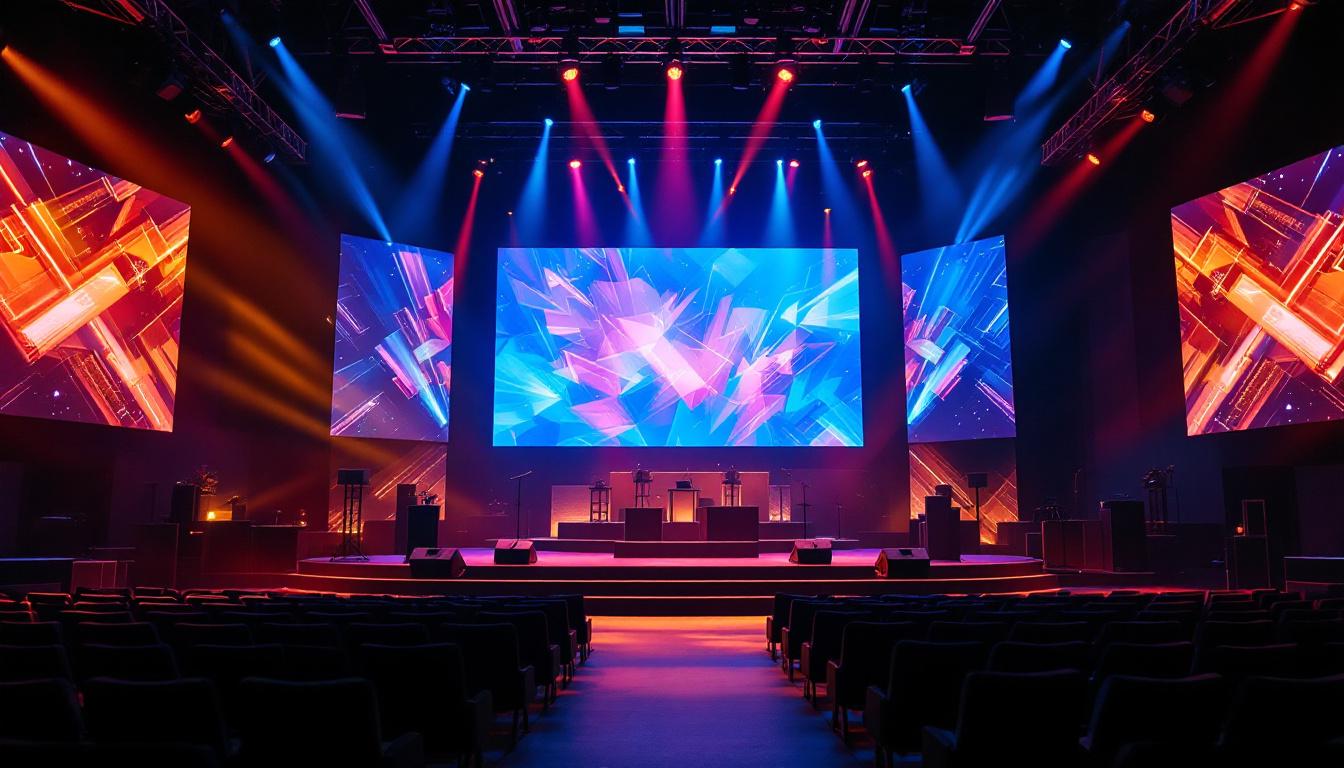
LED panels have become a staple in concerts and music festivals, transforming stages into immersive visual experiences. Large-scale LED walls provide dynamic backdrops that synchronize with music, enhancing emotional impact and audience engagement. Artists often use LED panels to display thematic visuals, live camera feeds, and interactive effects.
For example, major festivals like Coachella and Glastonbury utilize massive LED screens to ensure even attendees far from the stage enjoy clear views of performers. The ability to customize content in real-time allows for spontaneous creativity and audience interaction.
Theatrical and Dance Performances
In theater and dance, LED panels enable versatile set designs that can change instantly between scenes. They support storytelling by creating immersive environments—such as shifting landscapes, abstract visuals, or mood lighting—that complement the performers’ movements.
LED technology also facilitates projection mapping and augmented reality effects, adding layers of visual complexity without physical set changes. This flexibility reduces production costs and setup times while expanding artistic possibilities.
Corporate Events and Conferences
For corporate events, LED panels provide clear, professional displays for presentations, branding, and live streaming. Their high brightness and resolution ensure that slides, videos, and speaker feeds are visible to all attendees, regardless of venue size.
Interactive LED walls can also engage audiences through touch capabilities or integration with mobile apps, fostering participation and networking. The modular nature of LED panels allows for custom configurations tailored to event themes and spatial constraints.
Future Trends in Stage LED Display Technology
MicroLED and MiniLED Innovations
Emerging technologies like MicroLED and MiniLED promise to push the boundaries of stage visuals further. MicroLED displays feature even smaller diodes, enabling ultra-high resolution and brightness with improved energy efficiency. These panels are expected to deliver cinema-quality images on stage, enhancing realism and immersion.
MiniLED technology, which uses thousands of tiny LEDs as backlighting for LCD panels, offers improved contrast and color accuracy at a lower cost. Both technologies are gaining traction and may become mainstream in the next few years.
Integration with Augmented Reality (AR) and Virtual Production
LED panels are increasingly integrated with AR and virtual production techniques, allowing performers to interact with digital environments in real-time. This synergy creates new storytelling possibilities and reduces reliance on physical props and sets.
For instance, virtual studios use large LED walls as dynamic backgrounds that respond to camera movements, providing realistic and immersive visuals without post-production. This trend is transforming stage production workflows and audience experiences.
Energy Efficiency and Sustainability
As environmental concerns grow, manufacturers are focusing on energy-efficient LED panels that reduce power consumption without compromising performance. Advances in LED chip design and power management contribute to greener productions and lower operational costs.
Additionally, the recyclability of LED components and the use of sustainable materials in panel construction are becoming priorities, aligning stage technology with broader sustainability goals.
Conclusion
Stage panel LED displays have become indispensable tools for creating captivating live event experiences. Their superior visual quality, flexibility, and durability make them suitable for a wide range of applications, from intimate theater productions to massive outdoor concerts. Understanding the technology, types, and selection criteria empowers event professionals to make informed decisions that enhance audience engagement and production value.
As LED technology continues to evolve, incorporating innovations like MicroLED, AR integration, and sustainability features, the future of stage visuals promises to be even more spectacular and immersive. Investing in the right LED display panel today lays the foundation for memorable performances and successful events tomorrow.
Illuminate Your Stage with LumenMatrix
Ready to elevate your live event experiences with unparalleled visual quality and innovation? Discover LumenMatrix’s extensive range of LED display solutions, from vibrant Indoor and Outdoor LED Wall Displays to dynamic Vehicle and Sports LED Displays, and beyond. Our mission is to transform your visual storytelling with displays that captivate, engage, and leave a lasting impression. Check out LumenMatrix LED Display Solutions and join the revolution in visual communication today.