In recent years, the term “4K” has become a household name in the world of televisions, monitors, and digital displays. As consumers increasingly seek sharper images and more immersive viewing experiences, understanding what 4K pixel resolution means, especially in the context of LED displays, is essential. This article dives deep into the concept of 4K pixels, how LED displays work, and why this combination is revolutionizing visual technology.
Understanding 4K Resolution: More Than Just a Number
At its core, 4K refers to a display resolution that offers approximately 4,000 pixels across the horizontal axis. More specifically, the standard 4K resolution for consumer displays is 3840 x 2160 pixels, which is four times the pixel count of Full HD (1920 x 1080 pixels). This increase in pixel density means images are sharper, details are clearer, and the overall picture quality is significantly enhanced.
To put it into perspective, a 4K display contains over 8 million pixels, compared to just over 2 million in Full HD. This massive increase allows for finer detail, smoother gradients, and a more lifelike viewing experience. Whether watching a movie, playing video games, or editing high-resolution photos, 4K resolution provides a visual clarity that was previously unattainable on consumer devices.
Why Pixel Count Matters
Pixels are the tiny dots of color that make up the images on a screen. The more pixels present, the higher the resolution and the sharper the image. When a display has more pixels packed into the same physical screen size, the pixels become less noticeable to the naked eye, resulting in a more seamless and immersive image.
For example, on a 55-inch television, a 4K resolution provides a pixel density of around 80 pixels per inch (PPI), compared to about 40 PPI for a Full HD screen of the same size. This means that at typical viewing distances, the human eye can perceive much finer detail on a 4K screen, enhancing the overall viewing experience.
Moreover, the benefits of 4K resolution extend beyond just pixel count. The increased resolution allows for more vibrant colors and improved contrast, especially when paired with High Dynamic Range (HDR) technology. HDR enhances the range of colors and brightness levels displayed, making dark scenes richer and bright scenes more dazzling. This combination of 4K and HDR creates a viewing experience that is not only sharper but also more dynamic and engaging, drawing viewers deeper into the content they are enjoying.
Additionally, as streaming services and content creators increasingly adopt 4K as the new standard, the availability of high-quality 4K content continues to grow. From blockbuster films to nature documentaries and even user-generated content on platforms like YouTube, consumers are now able to access a wealth of visually stunning material that takes full advantage of 4K technology. This shift not only elevates the home viewing experience but also sets a new benchmark for visual storytelling in the digital age.
How LED Displays Work: The Technology Behind the Screen
LED stands for Light Emitting Diode, and LED displays use these tiny diodes as the light source behind the images you see on the screen. It’s important to clarify that LED displays are actually a type of LCD (Liquid Crystal Display) that uses LEDs for backlighting, rather than the older cold cathode fluorescent lamps (CCFLs) traditionally used in LCDs.
This LED backlighting technology offers several advantages, including improved brightness, better energy efficiency, and more precise control over lighting zones. These improvements contribute to better contrast ratios and color accuracy, which are critical for delivering high-quality images, especially at 4K resolution.
Types of LED Displays
There are several types of LED displays, each with unique characteristics:
- Edge-Lit LED: LEDs are positioned along the edges of the screen, and light is spread across the display using light guides. This design allows for thinner screens but can sometimes lead to uneven lighting.
- Full-Array LED: LEDs are placed directly behind the screen in a grid, providing more uniform brightness and enabling local dimming features for better contrast.
- MicroLED: An emerging technology where individual microscopic LEDs form each pixel. This offers exceptional brightness, contrast, and energy efficiency but is currently expensive and mostly limited to high-end applications.
The Intersection of 4K and LED: Why It Matters
Combining 4K resolution with LED display technology creates a powerful synergy that elevates visual quality to new heights. The high pixel density of 4K demands precise and consistent backlighting to fully realize its potential, and LED technology delivers just that.
With LED backlighting, 4K displays can achieve higher brightness levels and better contrast ratios compared to older LCD technologies. This is particularly important for HDR (High Dynamic Range) content, which requires a wide range of brightness and color to create more realistic images. Many modern 4K LED TVs support HDR standards such as HDR10, Dolby Vision, and HLG, enhancing the viewing experience further.
Enhanced Color Accuracy and Contrast
LED displays, especially those with full-array local dimming, can selectively dim or brighten different areas of the screen. This capability improves contrast by producing deeper blacks and brighter whites, which is crucial when displaying 4K content with rich detail and vibrant colors.
Moreover, the precision of LED backlighting helps reduce issues like blooming (where bright areas bleed into dark areas), ensuring that 4K images maintain clarity and sharpness even in challenging scenes.
Applications of 4K LED Displays Across Industries
The combination of 4K resolution and LED display technology is not just limited to consumer televisions. It has found widespread adoption across various sectors, each benefiting from the enhanced image quality and reliability.
Entertainment and Home Use
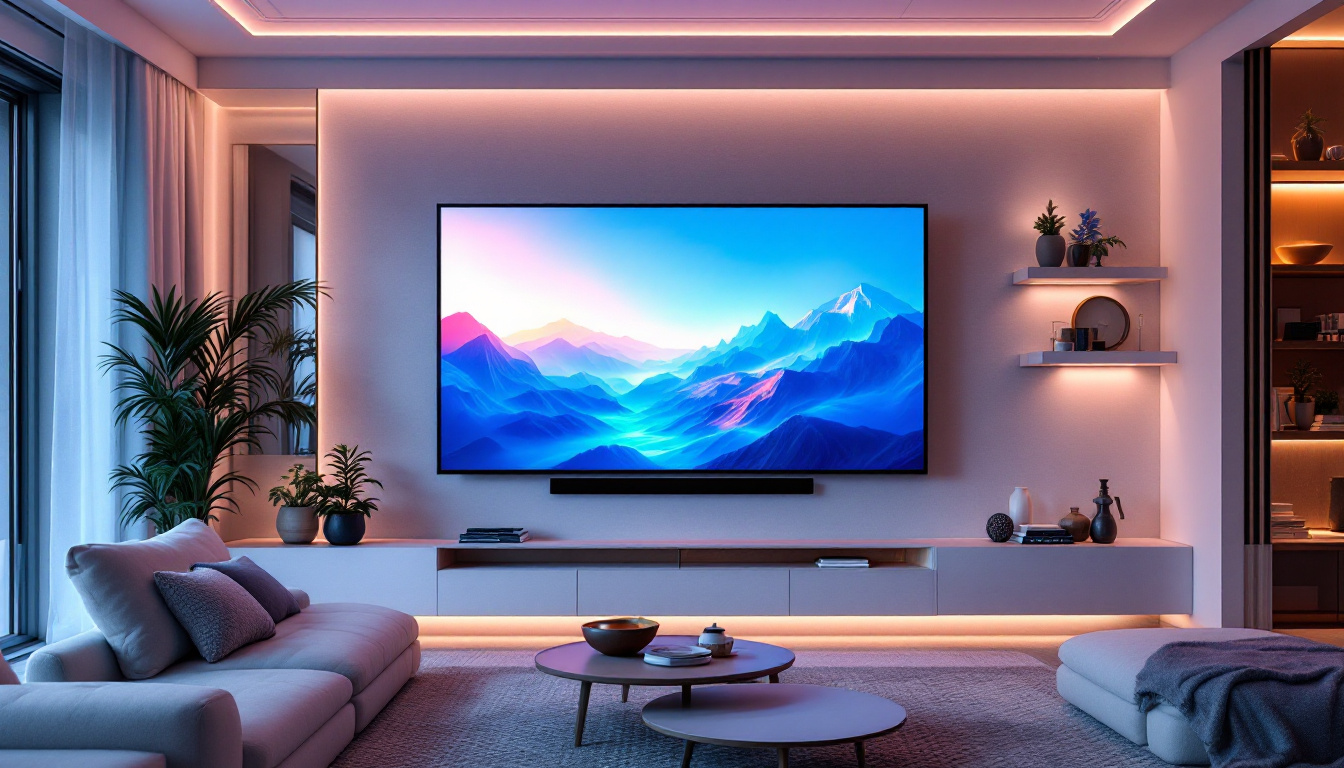
4K LED TVs have become the standard for home entertainment, offering viewers cinema-quality visuals in their living rooms. Streaming services like Netflix, Amazon Prime Video, and Disney+ provide an increasing amount of native 4K content, making the upgrade worthwhile for consumers seeking immersive experiences.
Gaming consoles such as the PlayStation 5 and Xbox Series X also support 4K output, allowing gamers to enjoy highly detailed graphics and smoother gameplay on 4K LED displays.
Professional and Creative Industries
Photographers, videographers, and graphic designers rely on 4K LED monitors for precise color reproduction and fine detail visibility. The enhanced resolution allows professionals to work with ultra-high-definition images and videos, ensuring accuracy in editing and production workflows.
In broadcast and film production, 4K LED displays serve as reference monitors, enabling content creators to evaluate their work with the highest fidelity before distribution.
Corporate and Public Displays
Large 4K LED displays are increasingly used in corporate settings for presentations, video conferencing, and digital signage. Their clarity and brightness make them ideal for well-lit environments such as conference rooms and trade shows.
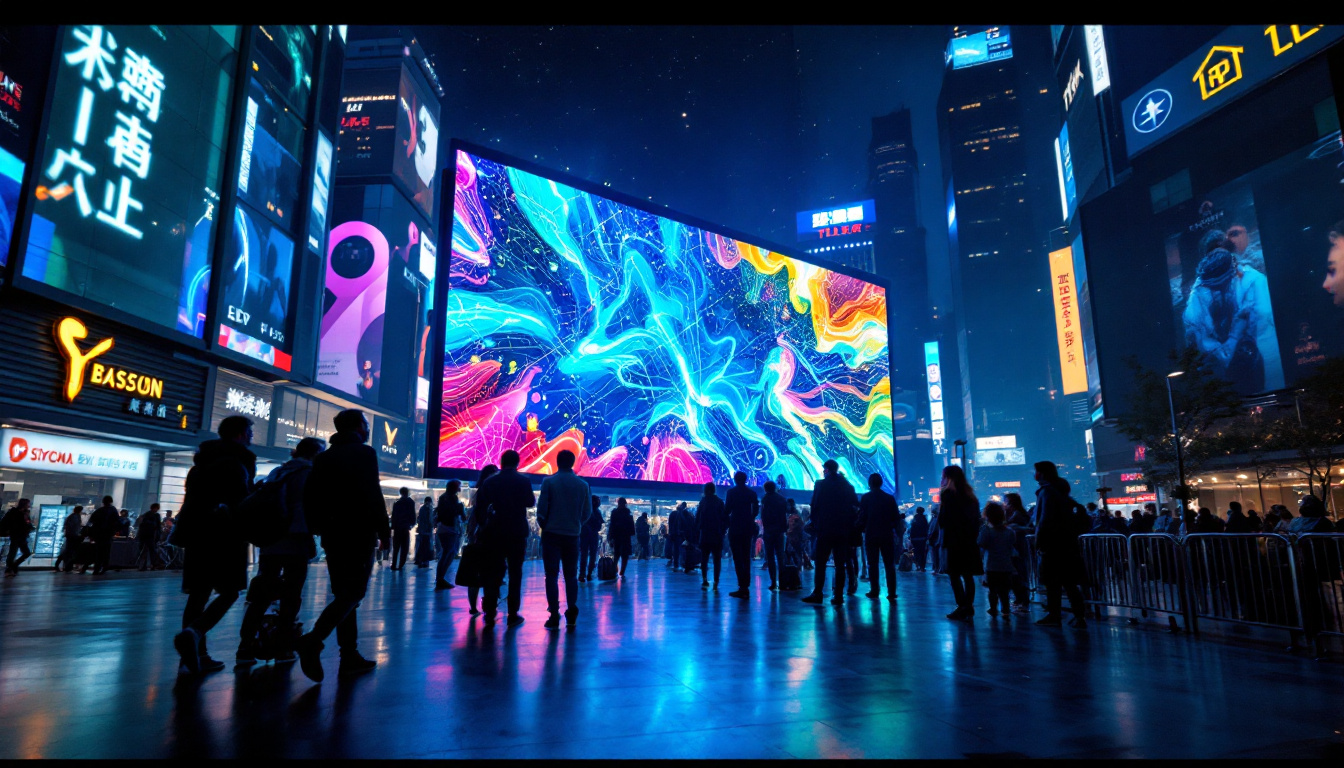
Public venues, stadiums, and outdoor advertising also benefit from LED technology combined with high resolution, delivering impactful visuals that attract attention even from a distance.
Choosing the Right 4K LED Display: What to Consider
With many options available on the market, selecting the right 4K LED display depends on several factors tailored to the intended use.
Screen Size and Viewing Distance
The benefits of 4K resolution are most noticeable on larger screens or when sitting closer to the display. For smaller screens or distant viewing, the difference between Full HD and 4K may be less apparent. As a general guideline, a 4K display of 50 inches or larger provides a compelling upgrade for most living rooms.
Panel Quality and Refresh Rate
Not all LED panels are created equal. Look for displays with high-quality IPS or VA panels for better color accuracy and viewing angles. Additionally, refresh rates of 60Hz are standard, but some 4K LED displays offer 120Hz or higher, which is beneficial for gaming and fast-moving content.
HDR Support and Brightness
HDR capability significantly enhances the viewing experience by expanding the range of colors and contrast. Ensure the 4K LED display supports popular HDR formats and offers sufficient peak brightness (typically above 600 nits) to fully benefit from HDR content.
Connectivity and Smart Features
Modern 4K LED displays often come with multiple HDMI 2.1 ports, USB connections, and smart operating systems that provide access to streaming apps and voice control. These features can add convenience and future-proof the purchase.
The Future of 4K LED Displays
As technology continues to evolve, 4K LED displays are poised to become even more advanced and accessible. Innovations such as MicroLED and Mini-LED promise to push brightness, contrast, and energy efficiency to new levels, further enhancing the 4K viewing experience.
Moreover, the growing availability of 4K content across streaming platforms, gaming, and professional media ensures that demand for high-quality 4K LED displays will remain strong. As production costs decrease, 4K LED technology is expected to become standard even in budget-friendly devices.
Beyond 4K: The Rise of 8K and HDR Improvements
While 4K remains the current mainstream standard, 8K resolution (7680 x 4320 pixels) is beginning to enter the market. However, content availability and the need for extremely large screens limit its widespread adoption for now. Instead, improvements in HDR technology and color accuracy will likely be the focus for enhancing visual quality in the near term.
Conclusion
Understanding what 4K pixel resolution means and how LED display technology works provides valuable insight into why these displays offer such impressive image quality. The combination of four times the pixels of Full HD with the advanced backlighting and contrast capabilities of LED technology results in sharper, more vibrant, and immersive visuals.
Whether for home entertainment, professional use, or public displays, 4K LED screens represent a significant step forward in display technology. As content continues to evolve and technology advances, 4K LED displays will remain at the forefront of delivering exceptional viewing experiences.
Discover the Future of Visual Experience with LumenMatrix
Ready to elevate your visual experience with the latest in 4K LED display technology? LumenMatrix is at the forefront of innovation, offering a diverse range of LED display solutions that bring your content to life. From stunning Indoor LED Wall Displays to dynamic Outdoor LED Wall Displays, and from versatile Vehicle LED Displays to eye-catching LED Poster Displays, our products are designed to captivate and engage. Explore our LED Sports Displays, interactive Floor LED Displays, Custom LED Displays, convenient All-in-One LED Displays, and transparent LED Transparent Displays. Embrace the revolution in visual communication and let LumenMatrix help you make a lasting impression. Check out LumenMatrix LED Display Solutions today and transform the way you share your message with the world.