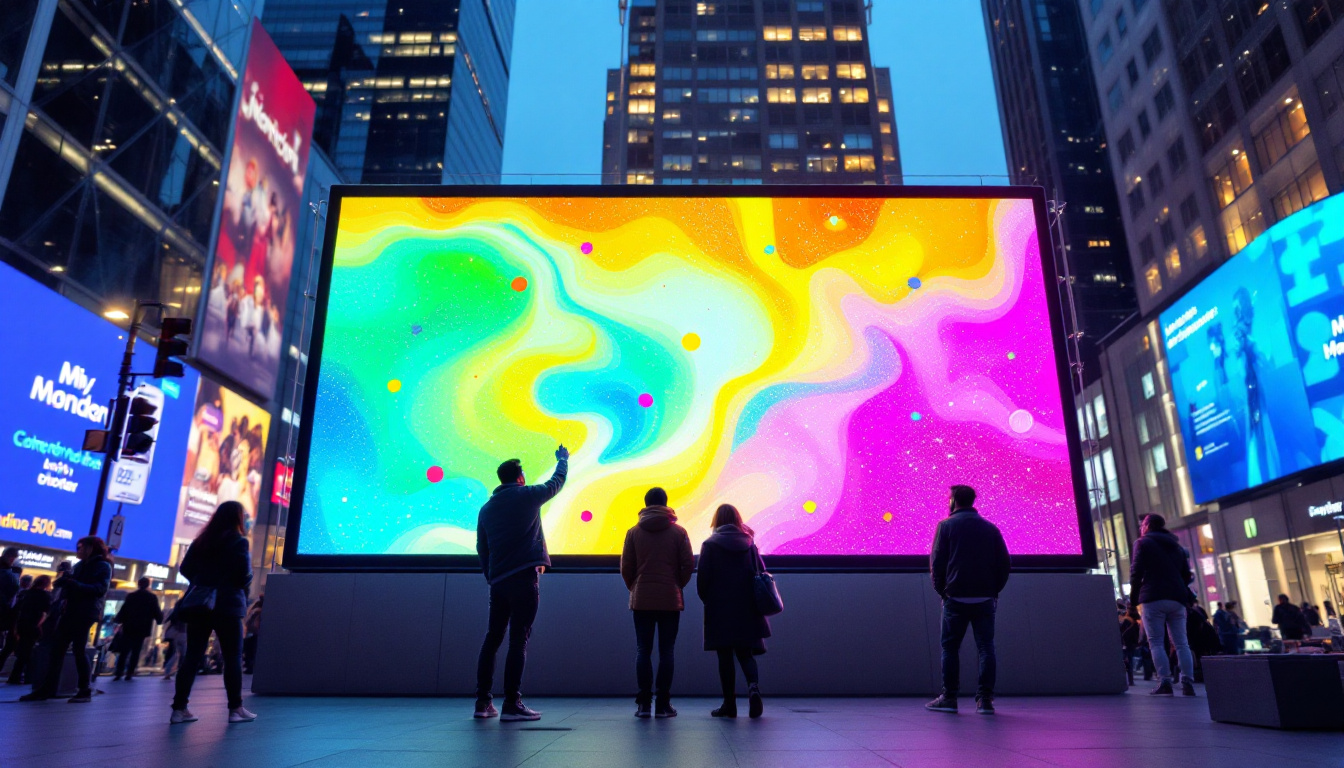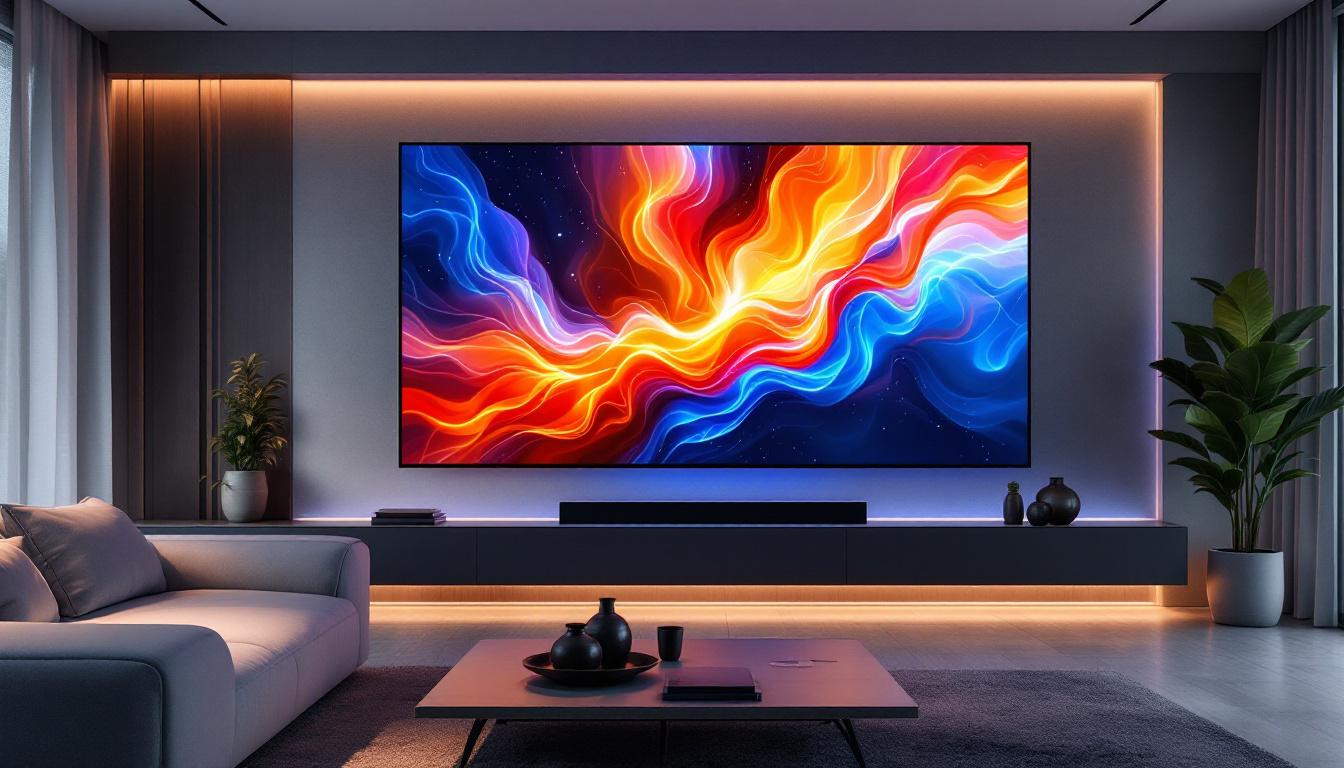
In the rapidly evolving world of display technology, LED walls have emerged as a dominant force in both commercial and residential settings. Whether used for advertising, entertainment, or information dissemination, LED display walls provide unparalleled brightness, clarity, and versatility. This article delves into the fundamentals of TV wall LED technology, exploring its components, benefits, and applications to help readers understand why LED walls are becoming the preferred choice for large-scale displays.
Understanding LED Display Technology
LED, or Light Emitting Diode, technology has revolutionized the way images and videos are displayed. Unlike traditional LCD or plasma screens, LED displays use tiny diodes that emit light when an electric current passes through them. This fundamental difference results in several advantages, including higher brightness, better energy efficiency, and longer lifespan. The ability of LEDs to produce light without the need for additional filters or backlighting not only enhances the overall picture quality but also contributes to a thinner and lighter design, making them more versatile for various applications.
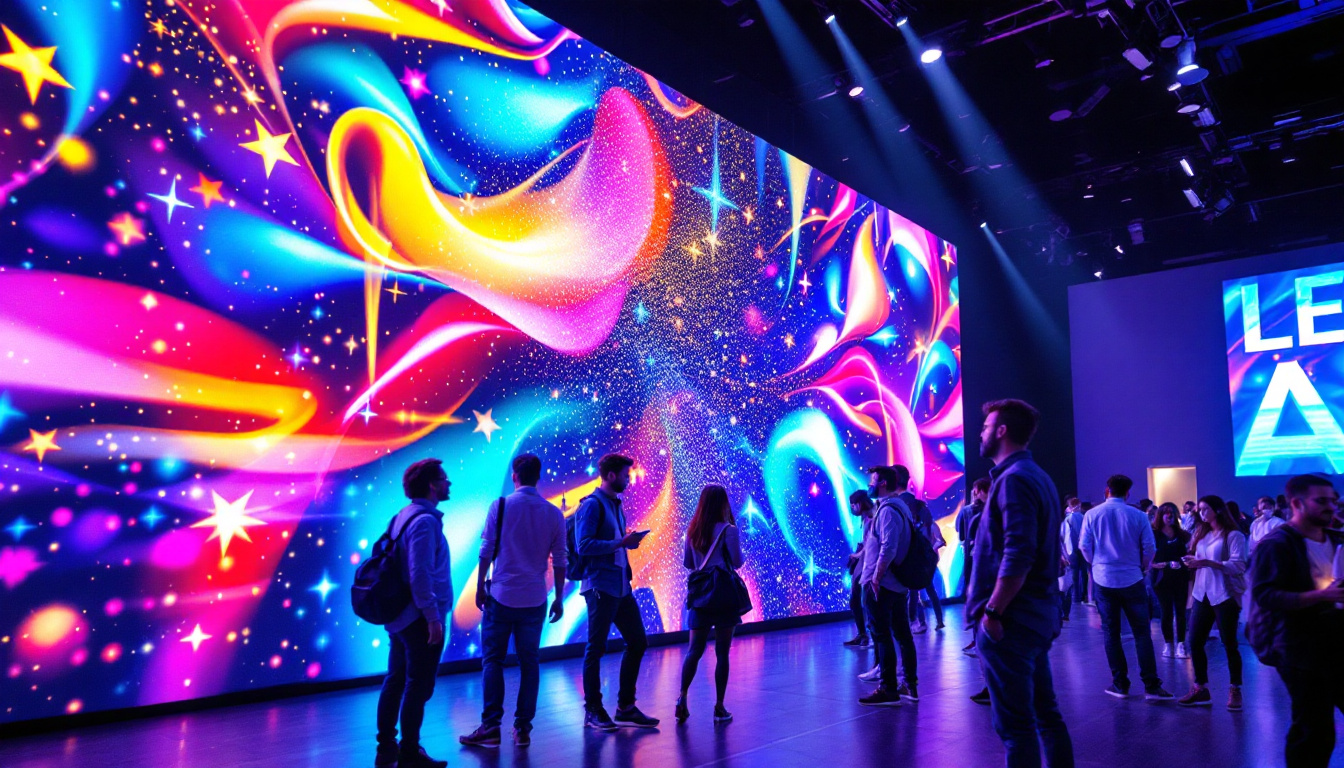
LED walls are essentially large screens composed of numerous smaller LED modules tiled together seamlessly. These modules consist of thousands of individual LEDs arranged in a grid, each capable of producing red, green, and blue light. By adjusting the intensity of these LEDs, the display can render millions of colors with remarkable accuracy. This precision allows for stunning visuals that can captivate audiences, whether in a concert setting, a corporate presentation, or an art installation. Moreover, the ability to create dynamic content that can change in real-time adds a layer of interactivity that traditional displays simply cannot match.
Types of LED Displays
There are two primary types of LED displays used in TV walls: direct view LED and LED-backlit LCD. Direct view LED displays are made entirely of LEDs that emit light directly toward the viewer, making them ideal for large-scale, high-brightness applications. In contrast, LED-backlit LCDs use LEDs as a backlight behind an LCD panel, which is more common in smaller TVs and monitors. The direct view technology not only provides a more vibrant picture but also reduces the risk of image burn-in, a common issue with LCD screens, thereby enhancing the longevity of the display.
For TV walls, direct view LED technology is the preferred choice due to its superior brightness, contrast, and viewing angles. This type of display can be scaled to virtually any size, making it perfect for expansive video walls in stadiums, shopping malls, and control rooms. Additionally, advancements in pixel pitch technology allow for closer viewing distances without sacrificing image quality, enabling installations in smaller venues such as retail spaces and conference rooms. The flexibility of LED displays also extends to their installation methods, with options for both indoor and outdoor use, ensuring that they can withstand various environmental conditions while delivering stunning visuals.
Key Components of an LED TV Wall
To fully grasp how LED TV walls function, it’s important to understand their core components. Each element plays a vital role in delivering the stunning visuals that LED walls are known for.
LED Modules
At the heart of the LED wall are the LED modules. These are the building blocks that make up the entire display. Each module contains a matrix of LEDs arranged in a specific pixel pitch — the distance between the centers of two adjacent pixels. Pixel pitch is a critical factor that determines the resolution and viewing distance of the display. Smaller pixel pitches mean higher resolution and closer optimal viewing distances, which is essential for indoor applications. For instance, a pixel pitch of 1.5mm is ideal for environments like control rooms and retail spaces where viewers are often close to the screen. Conversely, larger pixel pitches are more suited for outdoor displays, where viewers are typically at a greater distance.
Control System
The control system manages the input signals and synchronizes the LED modules to display a cohesive image. It includes video processors and controllers that handle image scaling, color calibration, and refresh rates. Advanced control systems support dynamic content management, allowing for real-time updates and interactive displays. This capability is particularly beneficial in environments such as stadiums or concert venues, where live feeds and advertisements can be seamlessly integrated into the viewing experience. Furthermore, many modern control systems come equipped with software that allows for remote monitoring and troubleshooting, ensuring that any issues can be addressed promptly, minimizing downtime.
Power Supply and Cabling
LED walls require robust power supplies to maintain consistent brightness and performance. High-quality cabling ensures stable data transmission between modules and the control system. Proper power management also extends the lifespan of the display and reduces maintenance costs. Additionally, the design of the power supply is crucial; it often includes redundancy features to prevent failure during critical operations. This level of reliability is essential in high-stakes environments, such as broadcasting studios or large-scale events, where any interruption can lead to significant financial losses. Moreover, advancements in energy-efficient technologies are making it possible for LED walls to consume less power while delivering superior brightness and color accuracy, further enhancing their appeal for sustainable installations.
Advantages of LED TV Walls
LED TV walls offer a range of benefits that make them an attractive option for various industries. Understanding these advantages helps explain their growing popularity in both commercial and private environments.
Exceptional Brightness and Visibility
One of the standout features of LED walls is their brightness. Unlike traditional displays, LED walls can achieve brightness levels exceeding 1,000 nits, making them easily viewable even under direct sunlight. This attribute is particularly valuable for outdoor advertising and event screens where ambient light is a challenge.
Wide Viewing Angles
LED displays maintain color accuracy and contrast across wide viewing angles, often up to 160 degrees horizontally and vertically. This means audiences can enjoy clear visuals from almost any position, which is crucial for public spaces and large venues.
Energy Efficiency and Longevity
LED technology is inherently energy-efficient, consuming less power than traditional display technologies. Additionally, LED walls have longer operational lifespans, often exceeding 100,000 hours of use. This durability translates into lower total cost of ownership over time.
Scalability and Customization
LED walls can be customized to fit virtually any size or shape, from small indoor installations to massive outdoor displays. This scalability allows businesses to tailor their visual communication to specific spatial and branding requirements.
Applications of LED TV Walls
LED TV walls have found widespread use across multiple sectors due to their versatility and performance. Below are some of the most common applications:
Advertising and Digital Signage
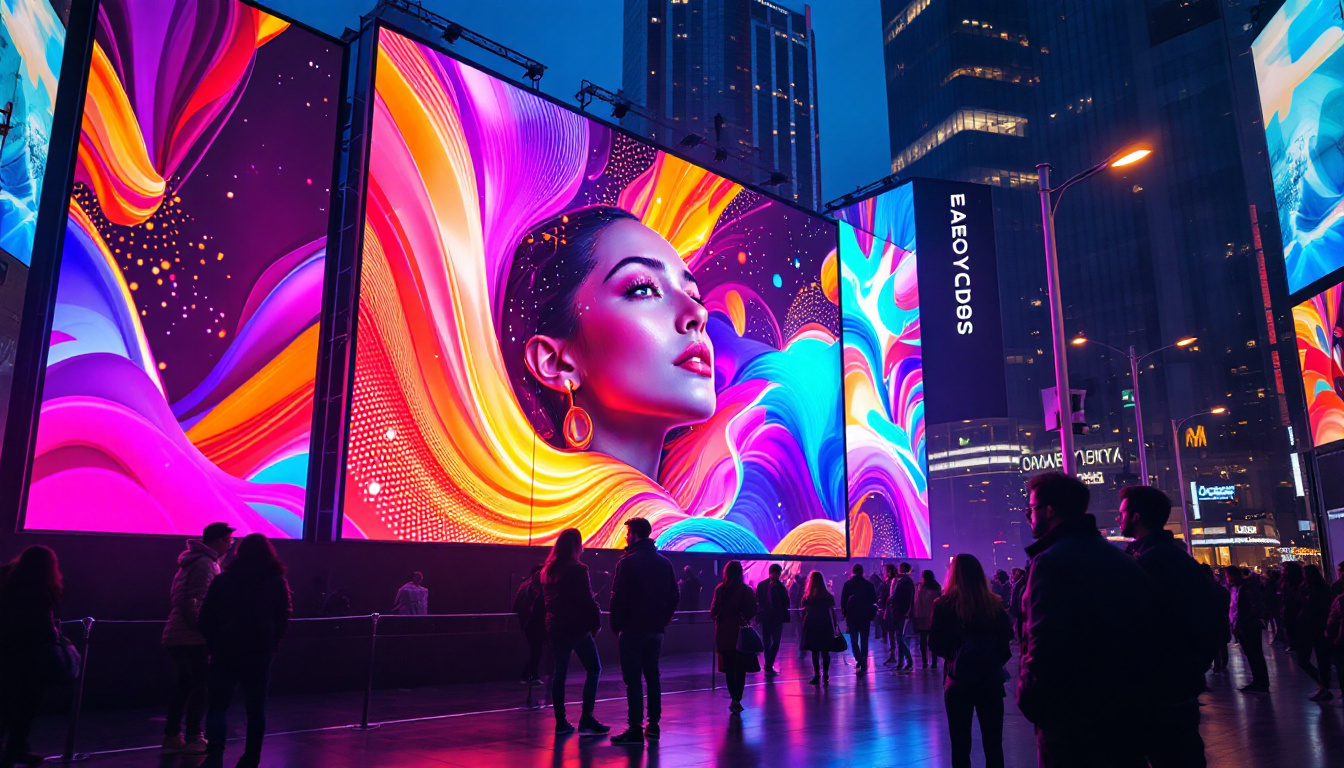
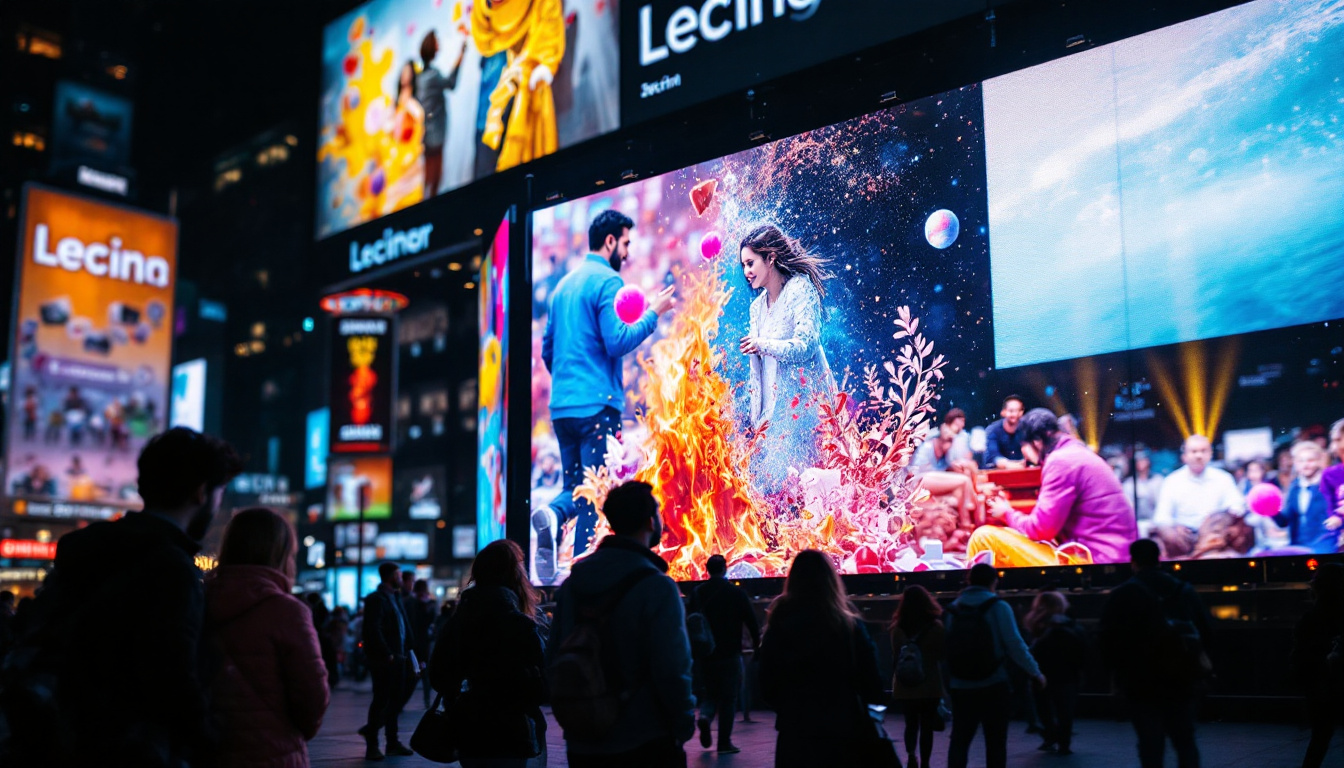
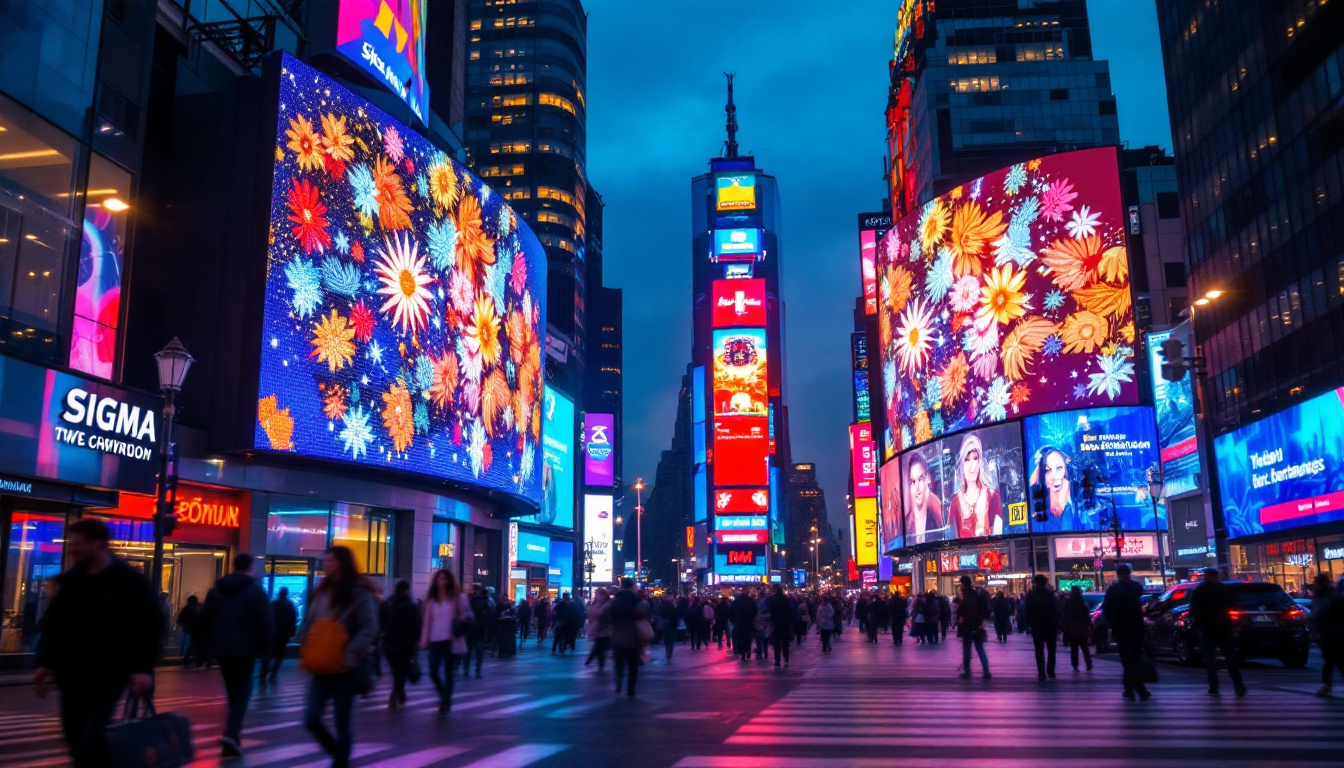
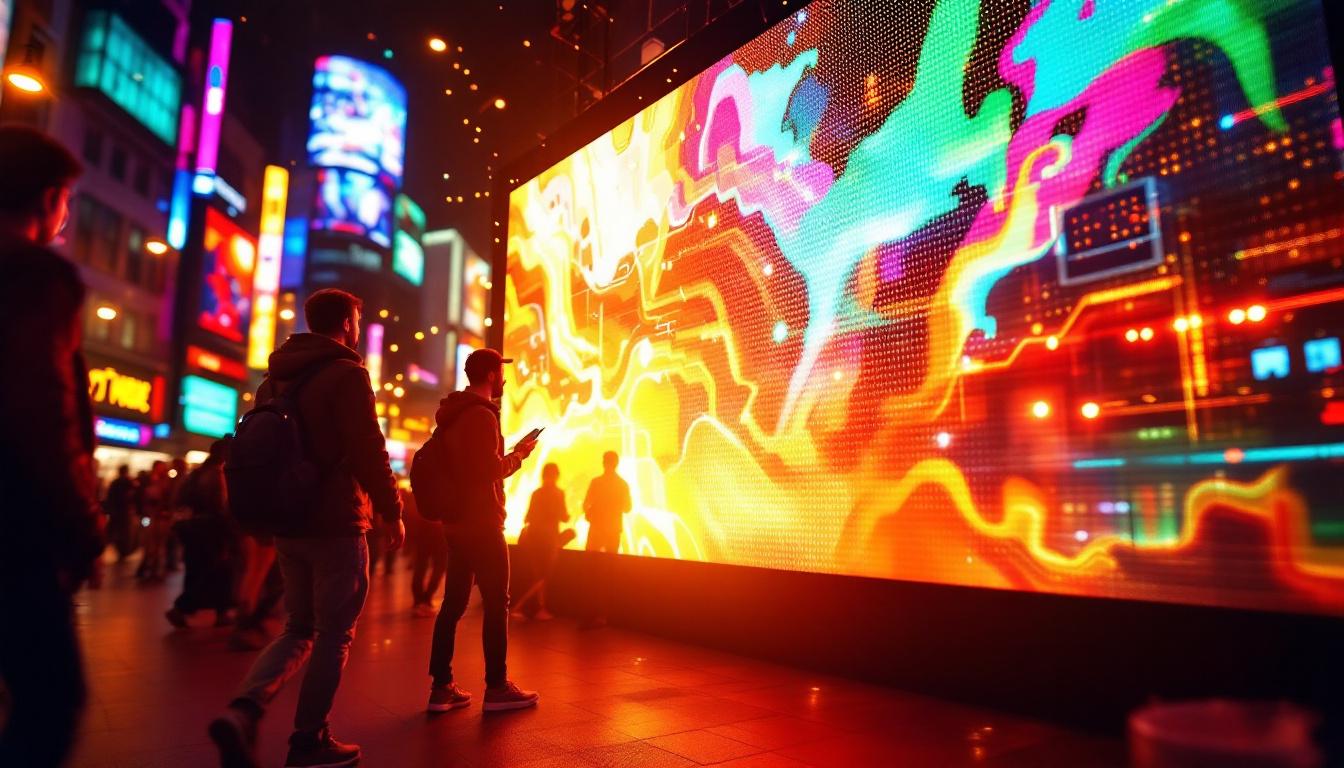
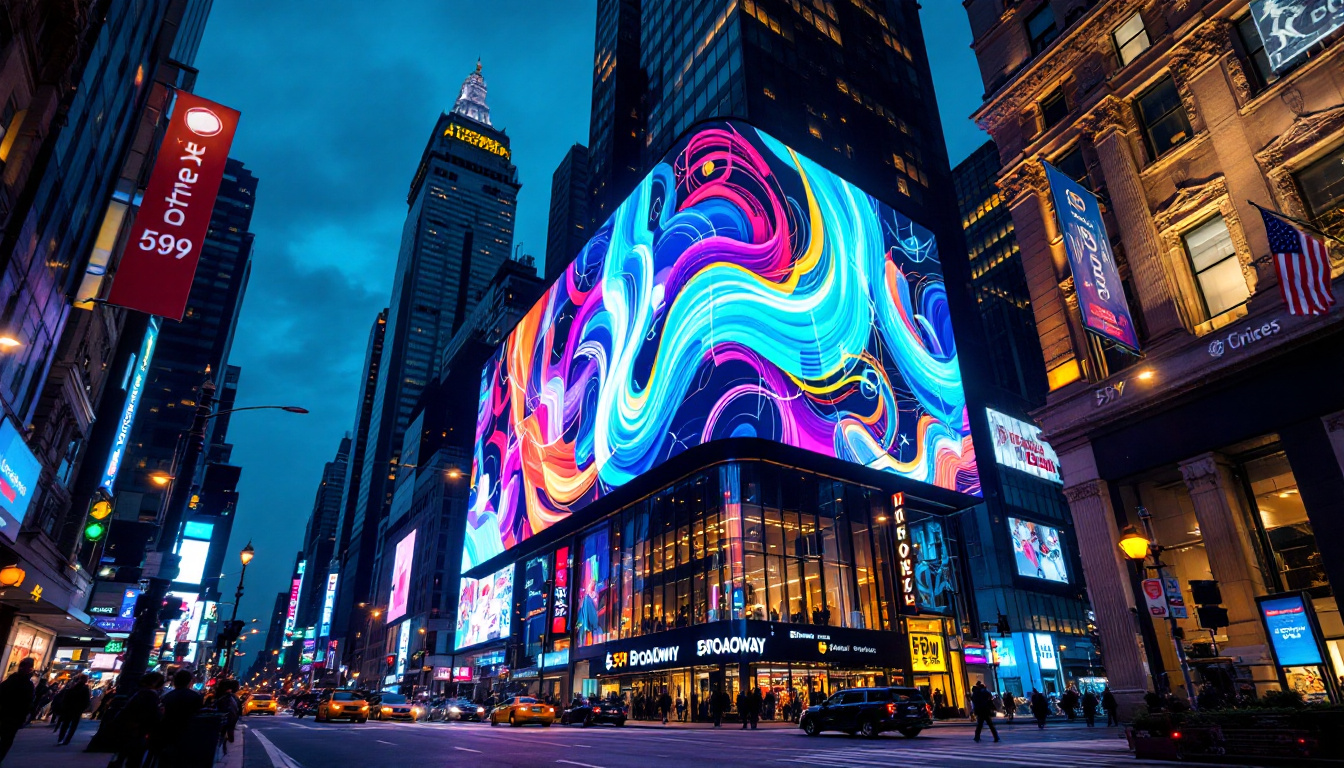
Retailers and advertisers leverage LED walls to create eye-catching digital billboards that attract customers and convey dynamic content. The ability to display high-resolution video and animations makes LED walls more engaging than static signage.
Entertainment and Events
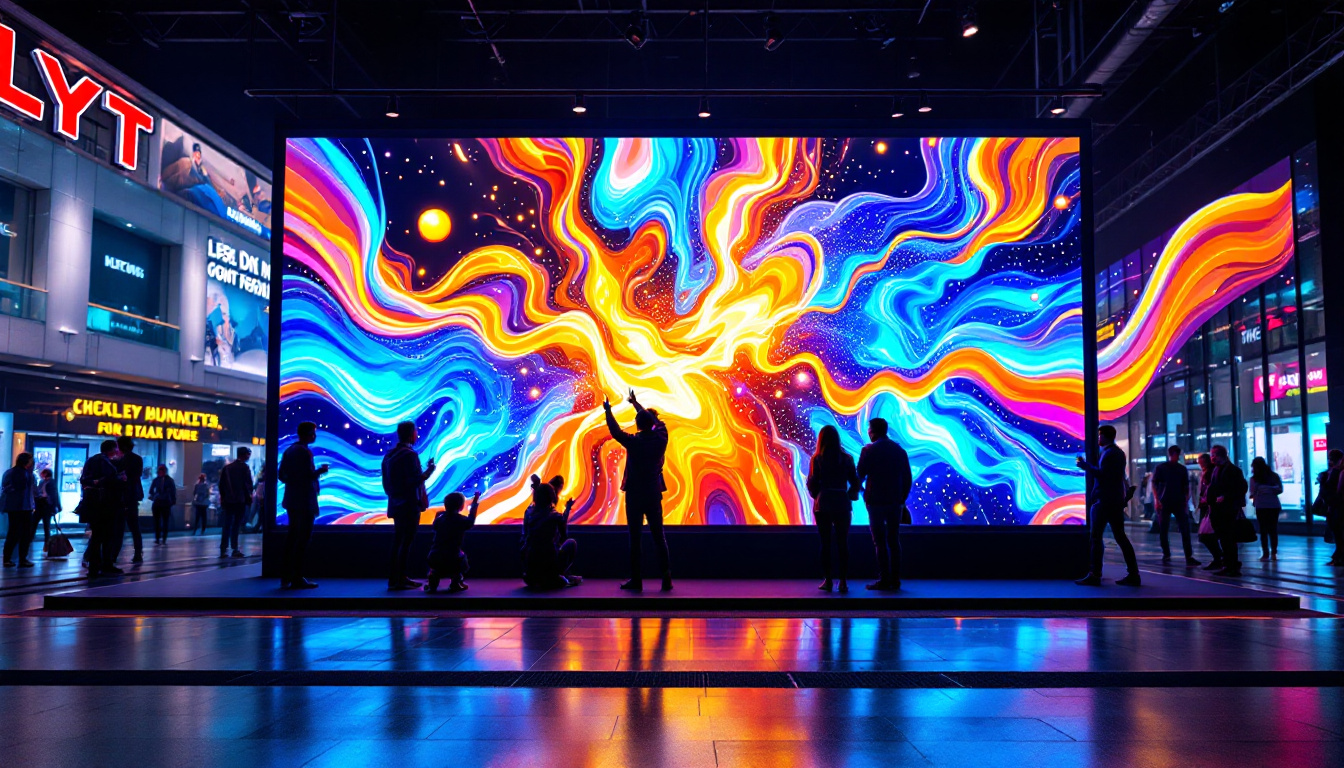
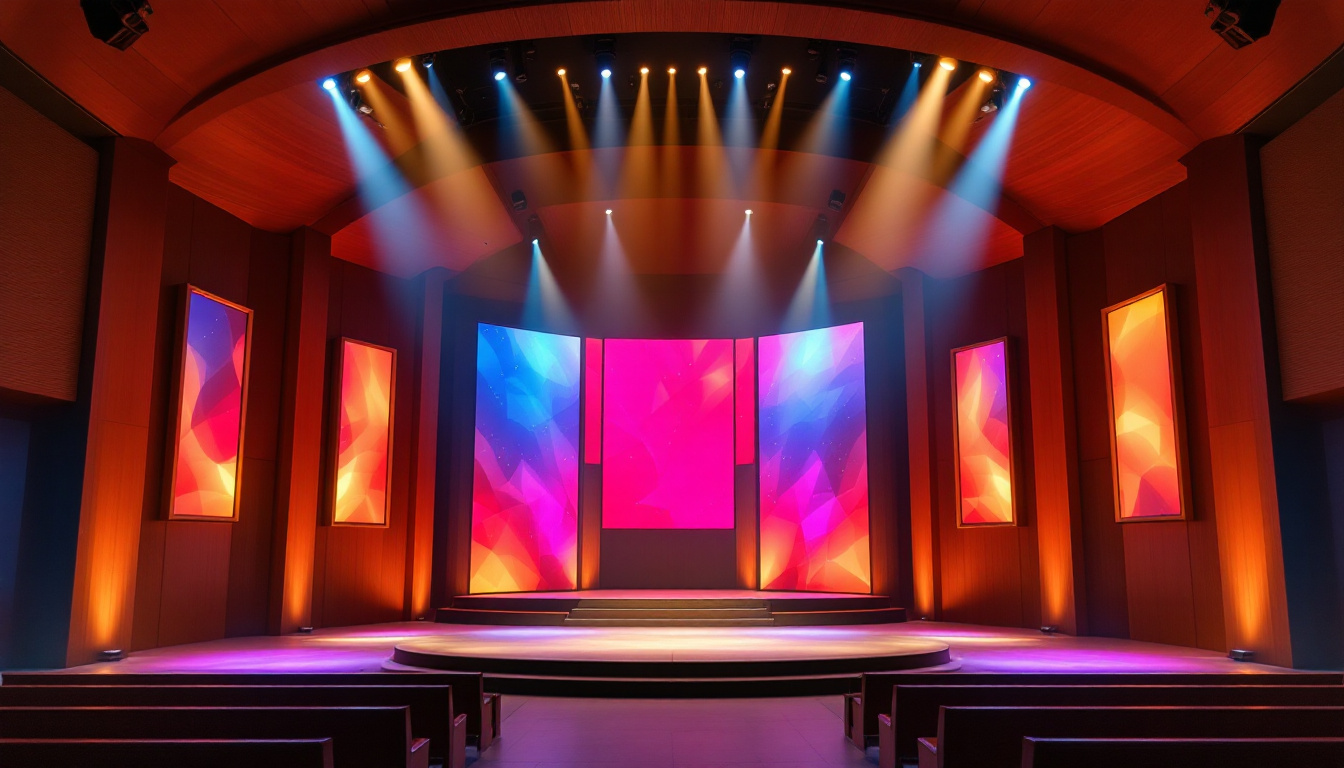
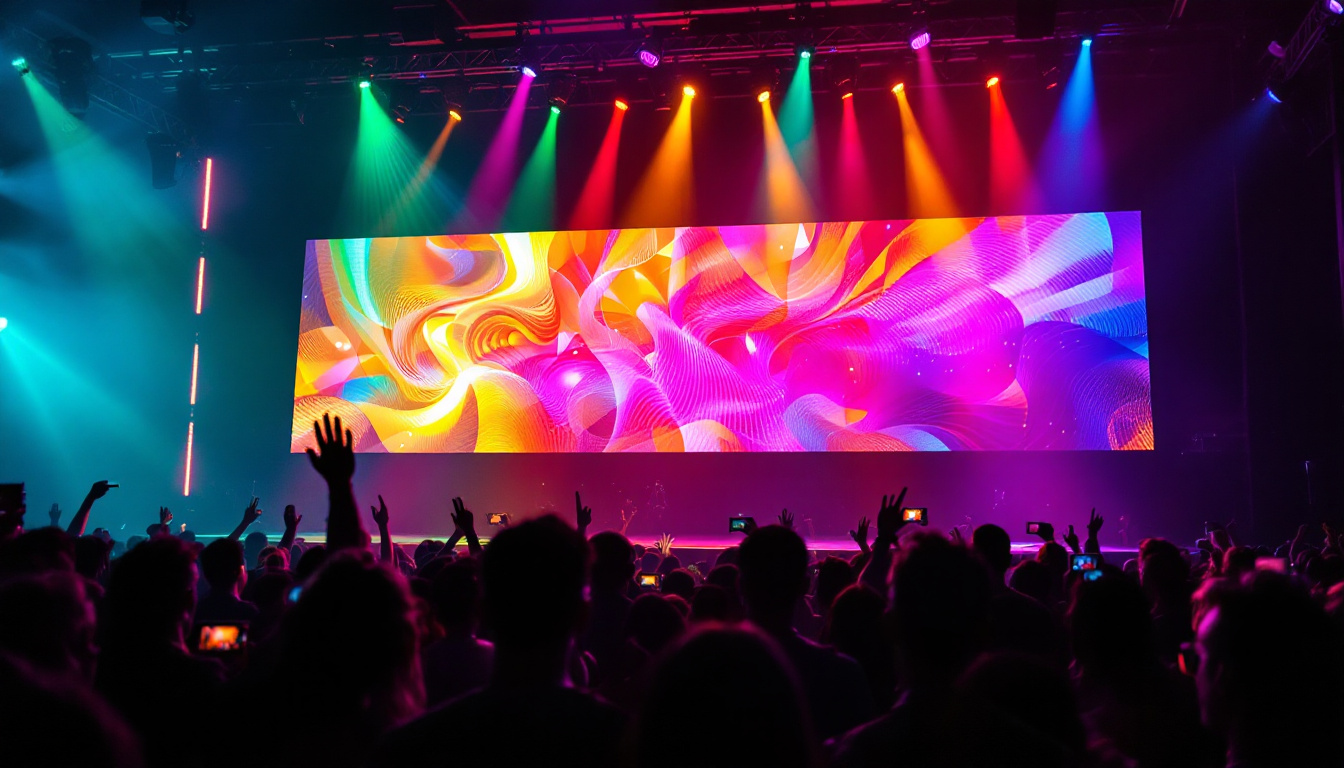
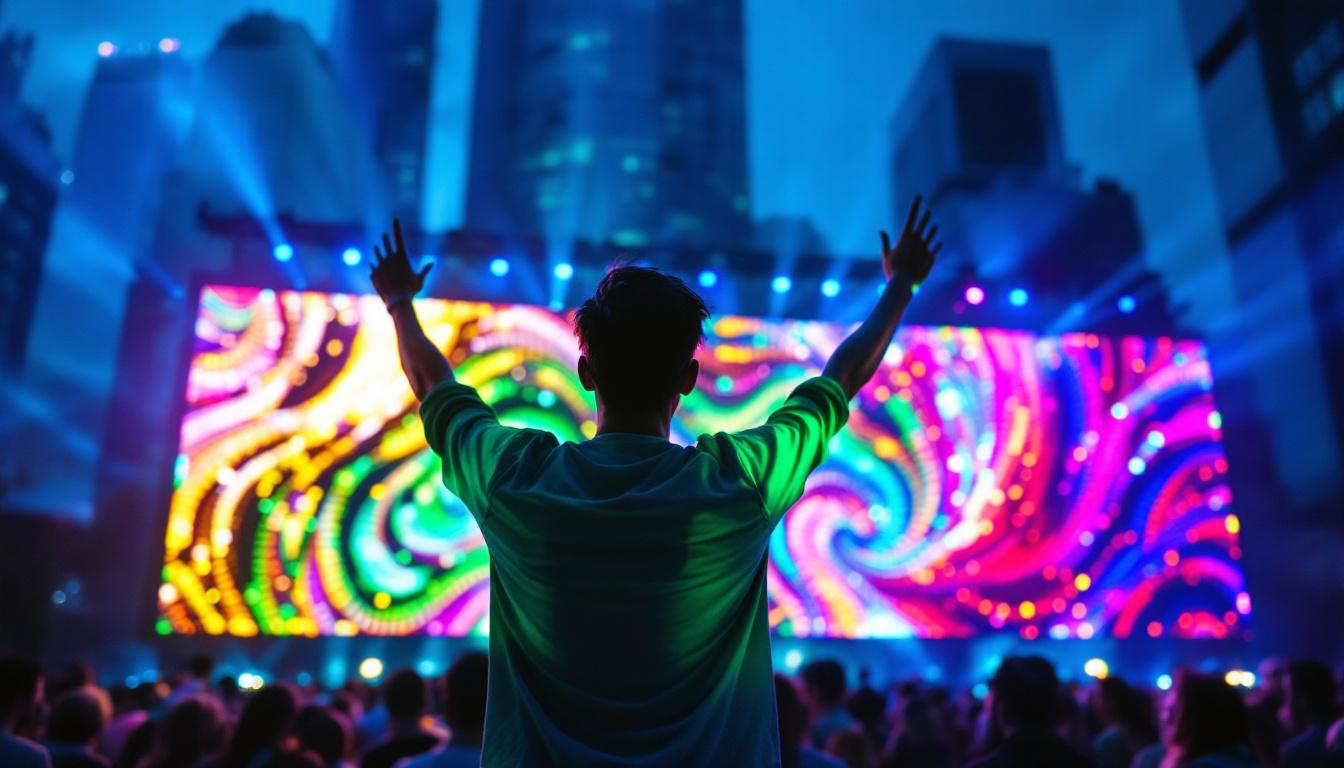
Concerts, sports arenas, and theaters use LED walls to enhance the audience experience. These displays provide immersive visuals, live feeds, and interactive elements that elevate the overall event atmosphere.
Corporate and Control Rooms
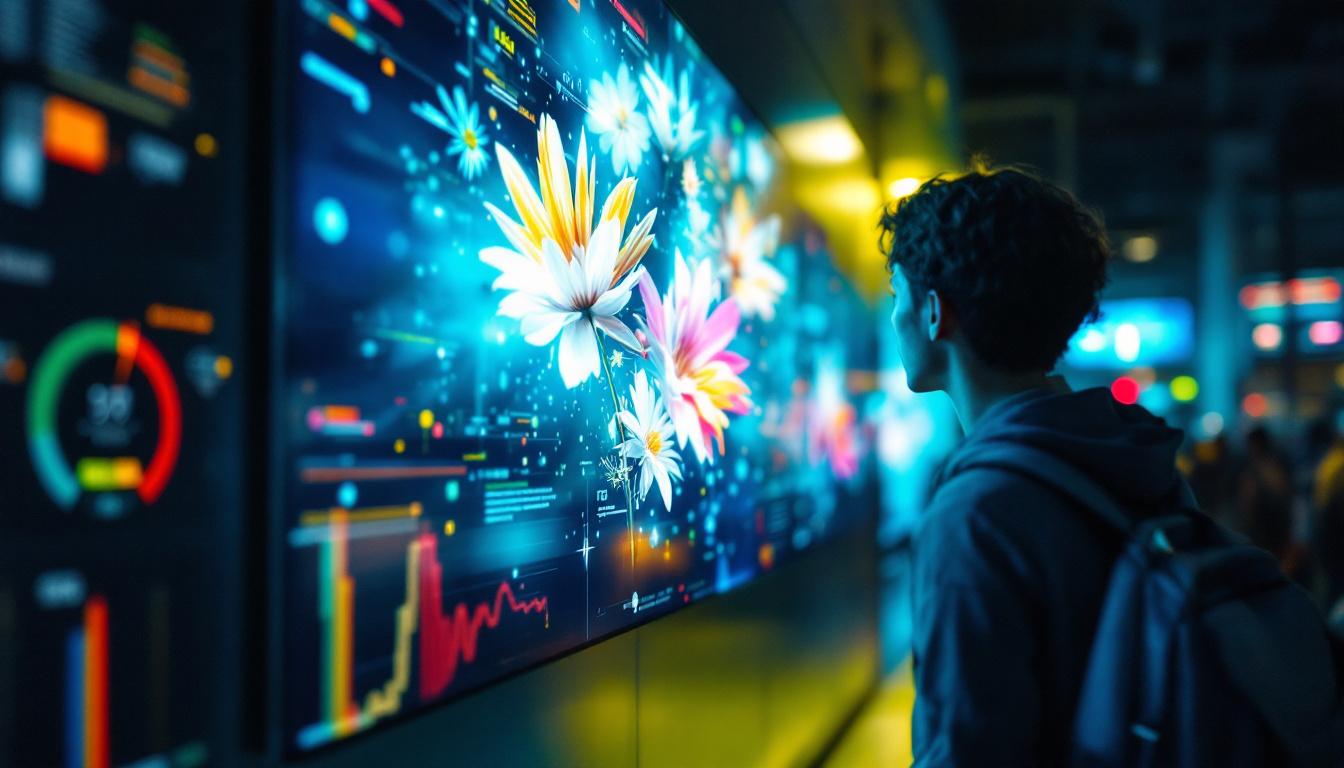
In corporate environments, LED walls serve as powerful tools for presentations, video conferencing, and data visualization. Control rooms benefit from large, high-resolution displays that enable operators to monitor multiple data streams simultaneously.
Education and Public Information
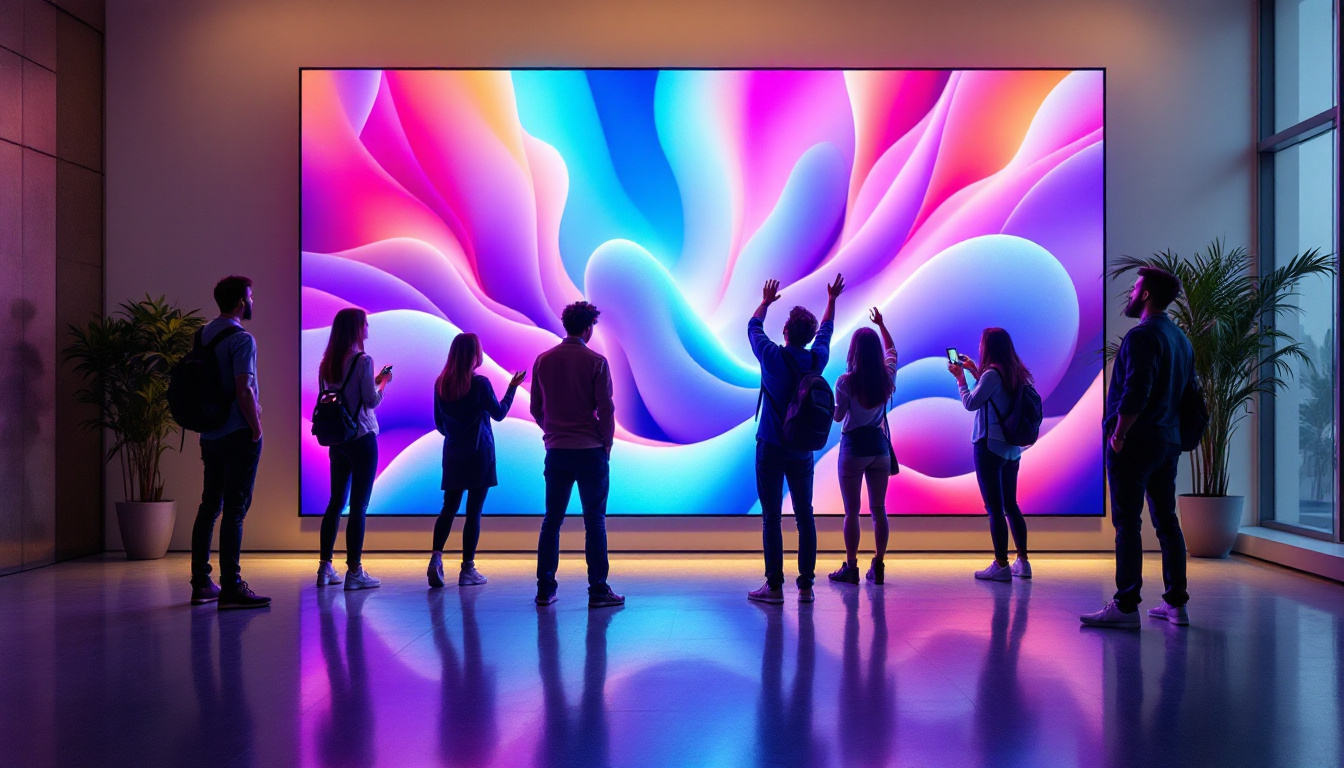
Universities and public institutions utilize LED walls for lectures, announcements, and interactive exhibits. Their brightness and clarity ensure that information is accessible to large groups, even in well-lit environments.
Choosing the Right LED TV Wall
Selecting the ideal LED TV wall requires careful consideration of several factors to ensure optimal performance and return on investment.
Pixel Pitch and Resolution
The pixel pitch should align with the intended viewing distance. For indoor environments where viewers are close, a pixel pitch of 1.2mm to 2.5mm is common. Outdoor installations typically use larger pixel pitches, ranging from 4mm to 10mm, to balance resolution with visibility at greater distances.
Brightness and Environmental Conditions
Consider the ambient lighting conditions where the LED wall will be installed. Outdoor displays demand higher brightness levels to combat sunlight, while indoor walls can operate effectively at lower brightness, which also conserves energy.
Installation and Maintenance
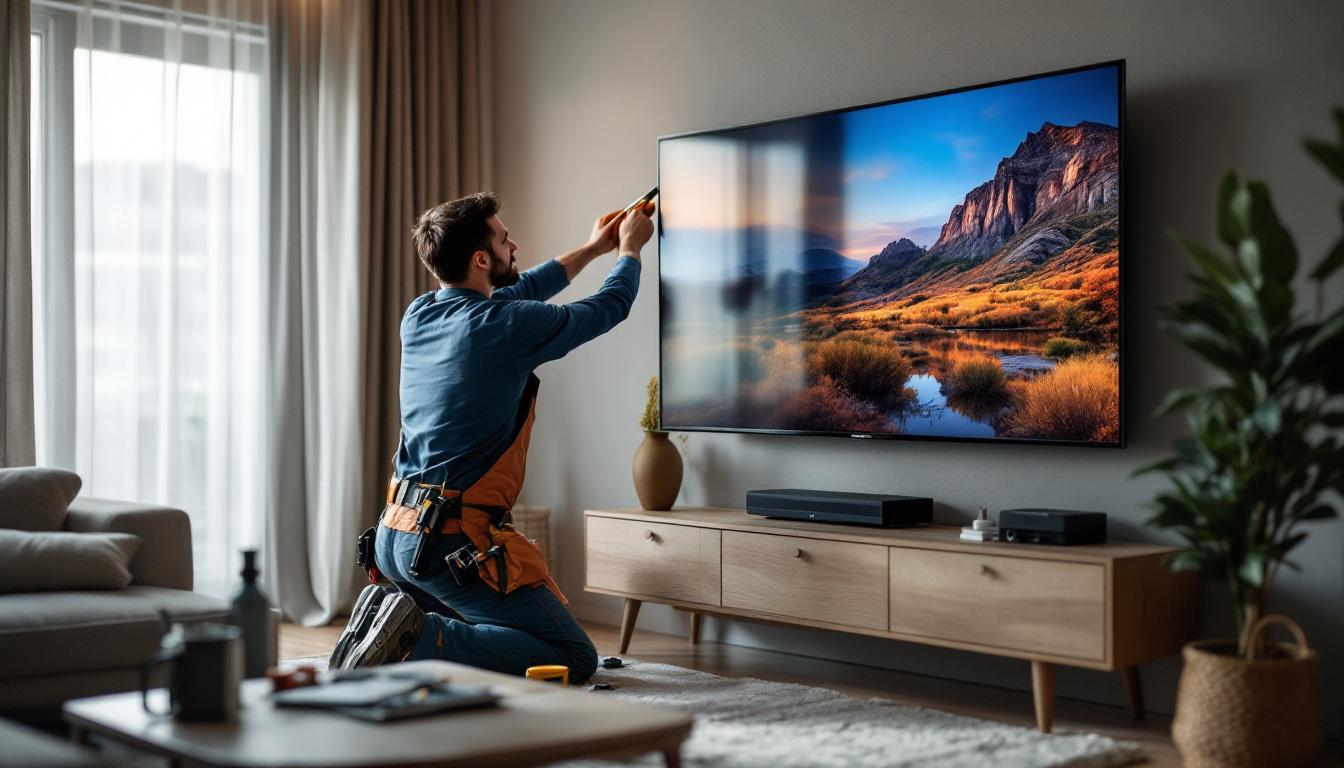
Modular LED walls offer easier installation and maintenance, as individual modules can be replaced without dismantling the entire display. Additionally, consider the weight and mounting options to ensure structural compatibility.
Budget and Total Cost of Ownership
While LED walls can represent a significant upfront investment, their durability and low operating costs often justify the expense. Evaluating warranty terms, service agreements, and energy consumption will provide a clearer picture of long-term costs.
Future Trends in LED Display Technology
The LED display industry continues to innovate, promising even more impressive capabilities in the near future.
MicroLED and MiniLED Technologies
MicroLED and MiniLED are emerging technologies that offer higher pixel densities and improved color accuracy. MicroLED, in particular, promises true self-emissive displays with better contrast and energy efficiency, potentially rivaling OLED technology.
Flexible and Transparent LED Walls
Flexible LED panels allow for curved and irregularly shaped installations, expanding creative possibilities. Transparent LED displays enable screens to be placed on glass surfaces without obstructing views, ideal for retail storefronts and architectural applications.
AI-Driven Content and Smart Displays
Artificial intelligence integration is enhancing content management by enabling real-time adjustments based on audience engagement and environmental factors. Smart LED walls can adapt brightness, contrast, and content dynamically to optimize viewer experience.
Conclusion
LED TV walls represent a significant advancement in display technology, combining brightness, scalability, and energy efficiency to meet the demands of modern visual communication. Their versatility across industries—from advertising to education—underscores their value as a powerful medium for engaging audiences.
Understanding the technical aspects, benefits, and application scenarios of LED walls equips businesses and individuals to make informed decisions when investing in this technology. As innovations like MicroLED and AI-driven content management continue to evolve, LED TV walls will undoubtedly play an even more prominent role in the future of digital displays.
Explore Cutting-Edge LED Solutions with LumenMatrix
Ready to elevate your visual communication with the latest in LED display technology? Discover LumenMatrix’s innovative solutions tailored to your needs. From vibrant Indoor and Outdoor LED Wall Displays to dynamic Vehicle and Sports LED Displays, our extensive range ensures your message stands out. Experience the future of digital signage with our Custom, All-in-One, and Transparent LED Displays, designed to captivate and engage your audience. Check out LumenMatrix LED Display Solutions today and transform your space with unparalleled clarity and impact.