In today’s visually driven world, the demand for large-scale, high-quality video displays has never been greater. From advertising billboards in bustling city centers to immersive digital walls in corporate lobbies, LED video displays have become an essential technology for captivating audiences and delivering dynamic content. This article explores the fundamentals of wall video displays with a focus on LED technology, explaining how they work, their benefits, applications, and what to consider when choosing the right LED display for your needs.
Understanding LED Video Displays
LED, or Light Emitting Diode, technology has revolutionized the way video content is displayed on large surfaces. Unlike traditional LCD or projection systems, LED displays use tiny diodes that emit their own light, creating vibrant and bright images that are visible even under direct sunlight. This capability has made LED displays the go-to choice for outdoor advertising, concerts, and sports events, where visibility and impact are crucial.
How LED Displays Work
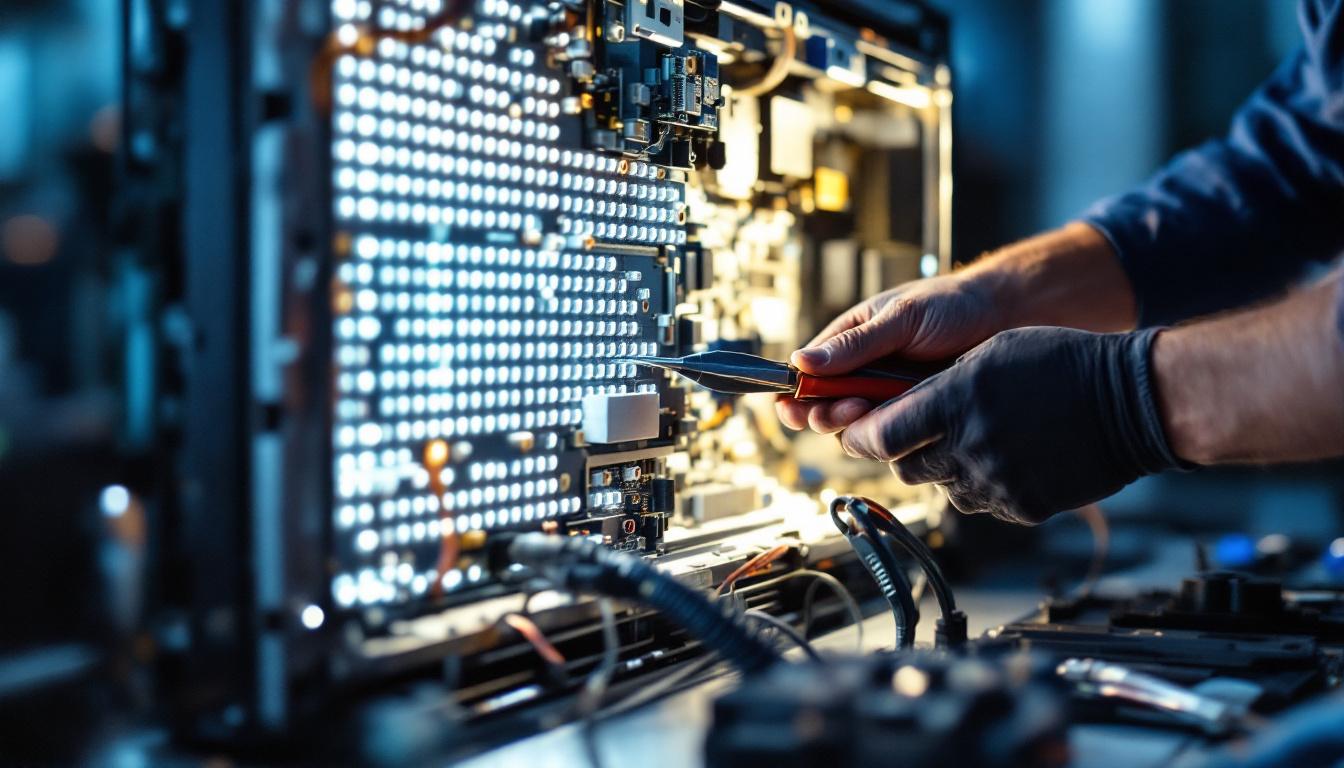
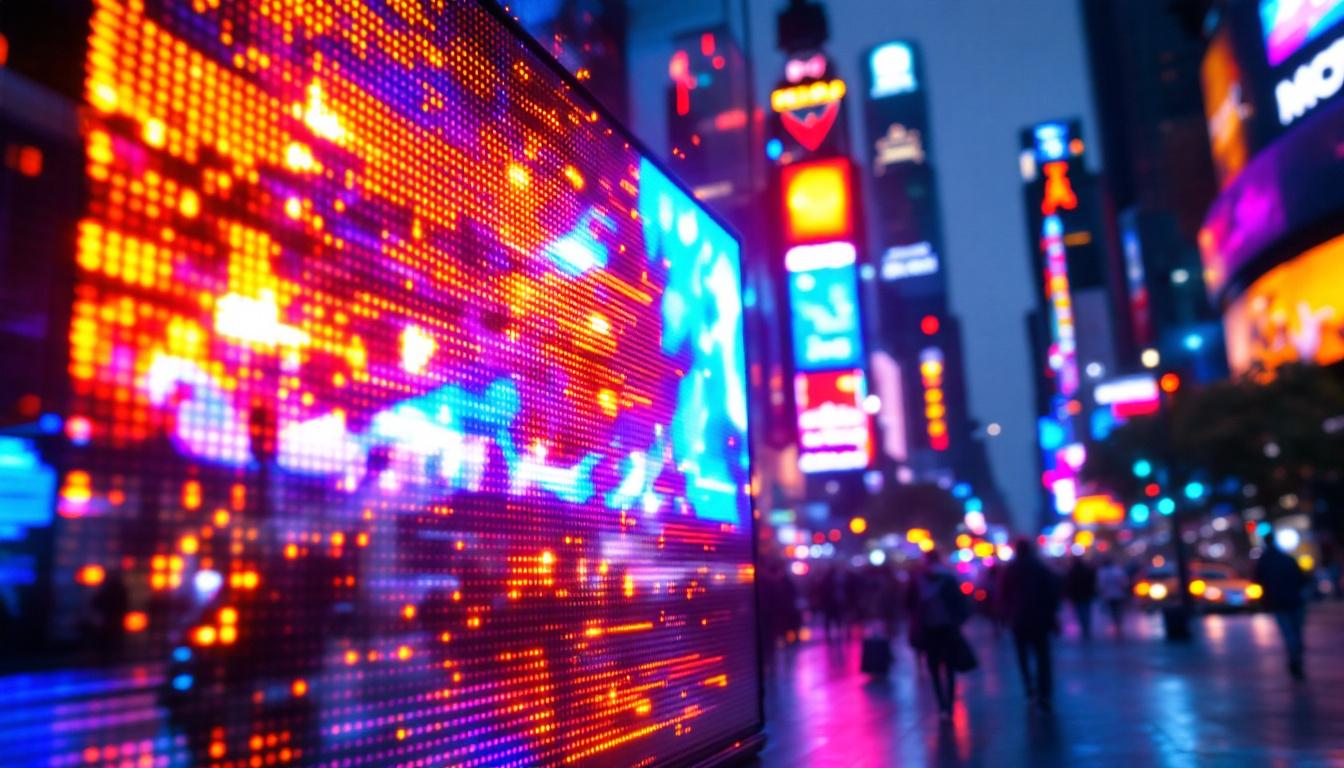
At the core of an LED video display are thousands, sometimes millions, of tiny LEDs arranged in a grid. Each LED acts as a pixel or part of a pixel, emitting red, green, or blue light. By adjusting the intensity of these colors, the display can produce a full spectrum of colors and render detailed images and videos. The technology behind LED displays also allows for rapid refresh rates, which is essential for displaying high-speed video content without motion blur, making them ideal for dynamic environments like sports arenas.
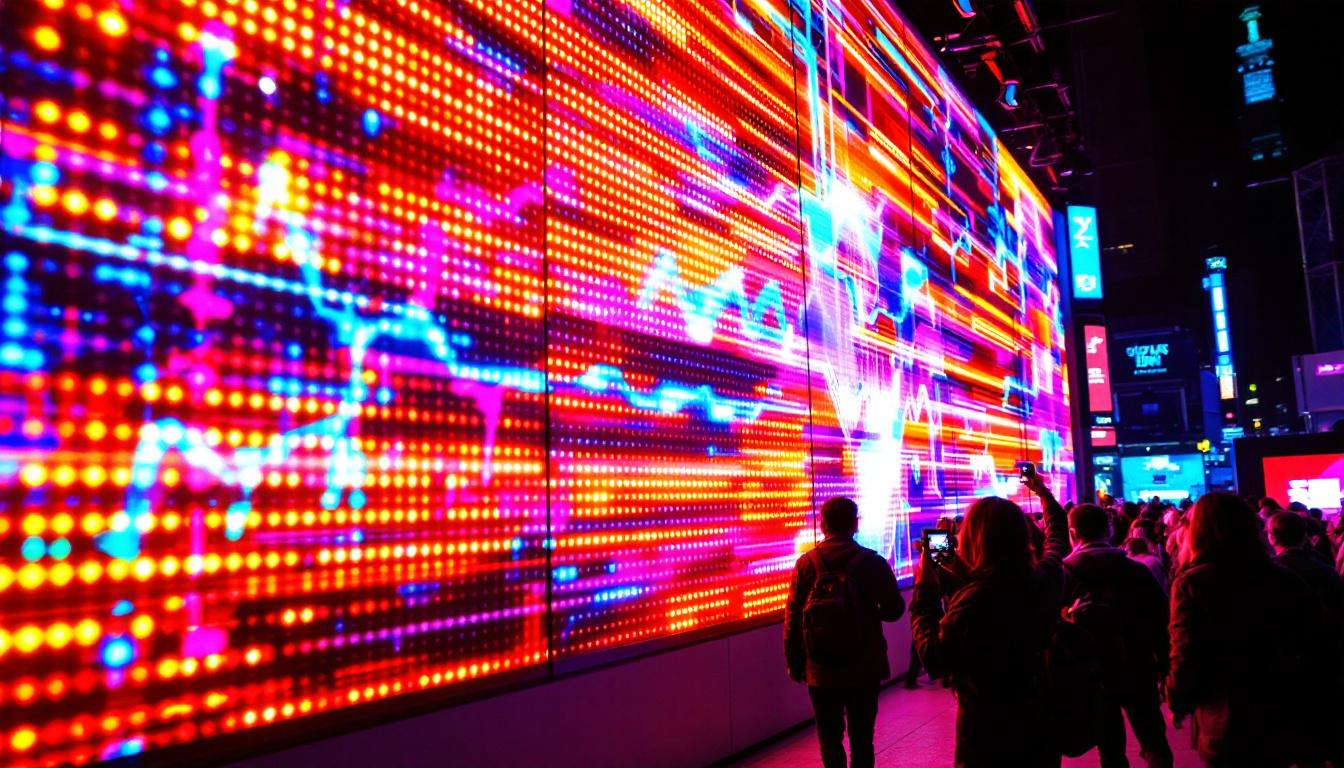
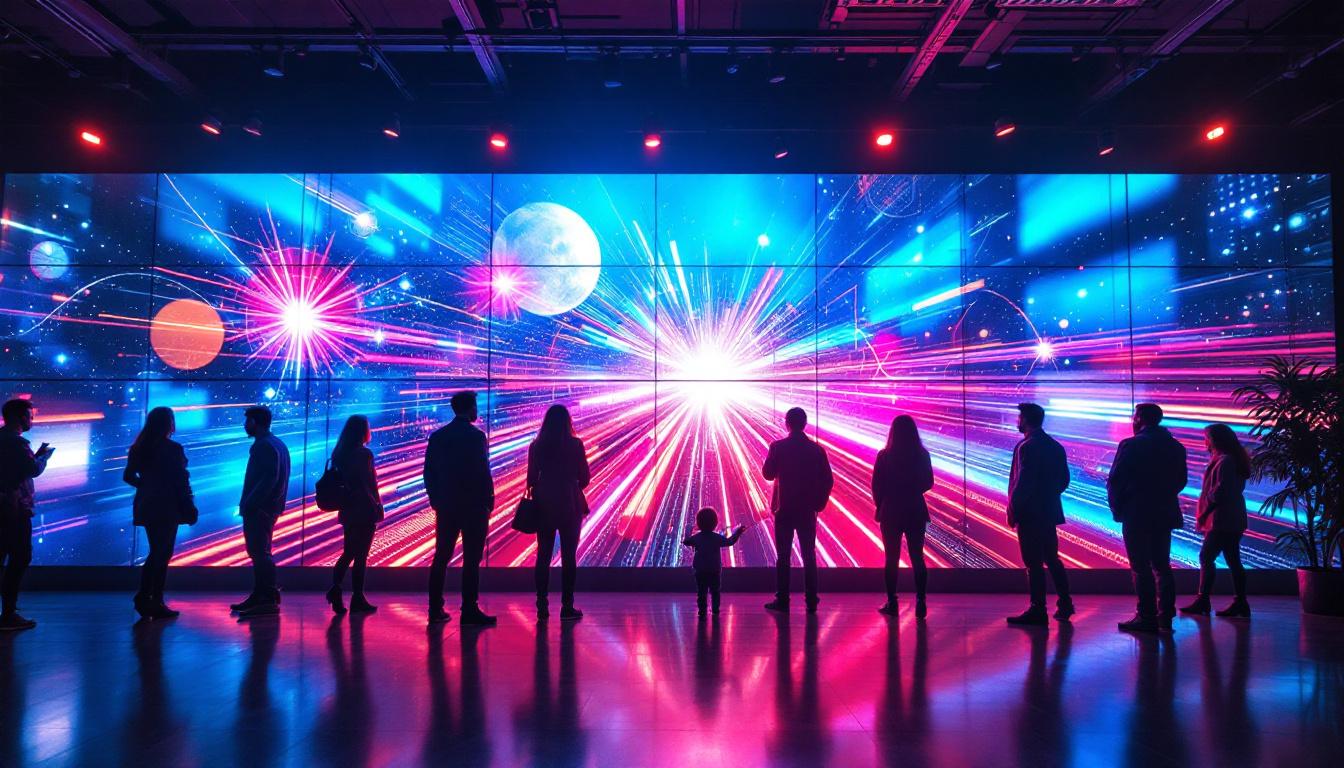
The LEDs are mounted on modular panels that can be combined to create video walls of virtually any size. This modularity allows for flexibility in installation, maintenance, and scalability, making LED displays suitable for a wide range of applications. Additionally, advancements in LED technology have led to thinner and lighter panels, enabling creative installations that were previously impossible, such as curved or suspended displays that enhance the viewer’s experience.
Types of LED Displays
LED video displays come in two primary types: indoor and outdoor. Indoor LED displays typically have a smaller pixel pitch (the distance between LEDs), offering higher resolution and sharper images for close viewing distances. Outdoor LED displays, on the other hand, have larger pixel pitches to ensure visibility from afar and are built to withstand weather conditions. These outdoor displays often feature robust protective measures, including waterproofing and UV resistance, ensuring longevity and performance in challenging environments.
Another distinction is between surface-mount device (SMD) LEDs and through-hole LEDs. SMD technology places all three color diodes (red, green, blue) in a single package, resulting in better color blending and smoother images, especially for indoor applications. Furthermore, the latest innovations in LED technology have introduced features like pixel-level brightness adjustment and advanced color calibration, allowing for consistent image quality across different displays and environments. This level of customization is particularly beneficial for businesses looking to maintain brand consistency in their visual communications.
Key Advantages of LED Video Walls
LED video walls offer several advantages over other display technologies, making them the preferred choice for many industries.
Brightness and Visibility
One of the standout features of LED displays is their exceptional brightness. With luminance levels often exceeding 1,000 nits for indoor displays and up to 5,000 nits or more for outdoor units, LED walls remain clear and vibrant even in direct sunlight. This makes them ideal for outdoor advertising, sports arenas, and public spaces. Furthermore, the ability to adjust brightness levels dynamically allows for optimal viewing experiences in varying lighting conditions, ensuring that content is always visible and impactful, whether it’s during the day or at night.
Color Accuracy and Contrast
LED technology provides excellent color accuracy and contrast ratios. Because each LED emits its own light, blacks appear truly black rather than grayish, which is a common limitation of LCD screens that rely on backlighting. This high contrast enhances image depth and realism, improving viewer engagement. Additionally, advancements in color calibration technology allow for precise adjustments, ensuring that colors remain consistent across different panels and setups. This is particularly beneficial for applications in art galleries, museums, and high-end retail environments where visual fidelity is paramount.
Durability and Longevity
LED displays are known for their durability and long operational life, often rated at 50,000 to 100,000 hours of use. Their solid-state construction makes them resistant to shock and vibration, and outdoor models are designed to be weatherproof and dust-resistant. This reliability reduces maintenance costs and downtime. Moreover, many LED video walls come equipped with built-in thermal management systems, which help regulate temperature and prevent overheating, further extending their lifespan and ensuring consistent performance in demanding environments.
Flexibility and Scalability
Because LED video walls are made up of modular panels, they can be configured in various shapes and sizes to fit unique spaces. Whether it’s a curved wall, a massive billboard, or a multi-screen video installation, LED displays offer unmatched flexibility. Additionally, panels can be added or replaced to scale the display up or down as needed. This modularity not only allows for creative installations but also facilitates easy upgrades as technology evolves. Businesses can start with a smaller setup and expand over time, adapting to changing needs without the need for a complete overhaul of their display system.
Energy Efficiency
Another significant advantage of LED video walls is their energy efficiency. Compared to traditional display technologies, LED panels consume considerably less power, which can lead to substantial cost savings over time. This efficiency is particularly beneficial for large installations that operate for extended hours, such as in airports or shopping malls. Additionally, many modern LED displays are designed with eco-friendly materials and processes, further reducing their environmental impact. As sustainability becomes a growing concern for businesses and consumers alike, the energy-efficient nature of LED technology positions it as a responsible choice for future projects.
Seamless Integration with Technology
LED video walls are designed to seamlessly integrate with various technologies, allowing for enhanced interactivity and content management. With capabilities for real-time data feeds, social media integration, and interactive touch features, these displays can transform passive viewing into engaging experiences. This is particularly valuable in environments such as trade shows or corporate events, where audience interaction can significantly enhance the impact of presentations. Furthermore, advanced software solutions enable easy content updates and scheduling, ensuring that the right message reaches the right audience at the right time.
Applications of LED Video Walls
The versatility of LED video walls means they are used across numerous sectors, each leveraging the technology’s strengths to achieve specific goals.
Advertising and Digital Signage
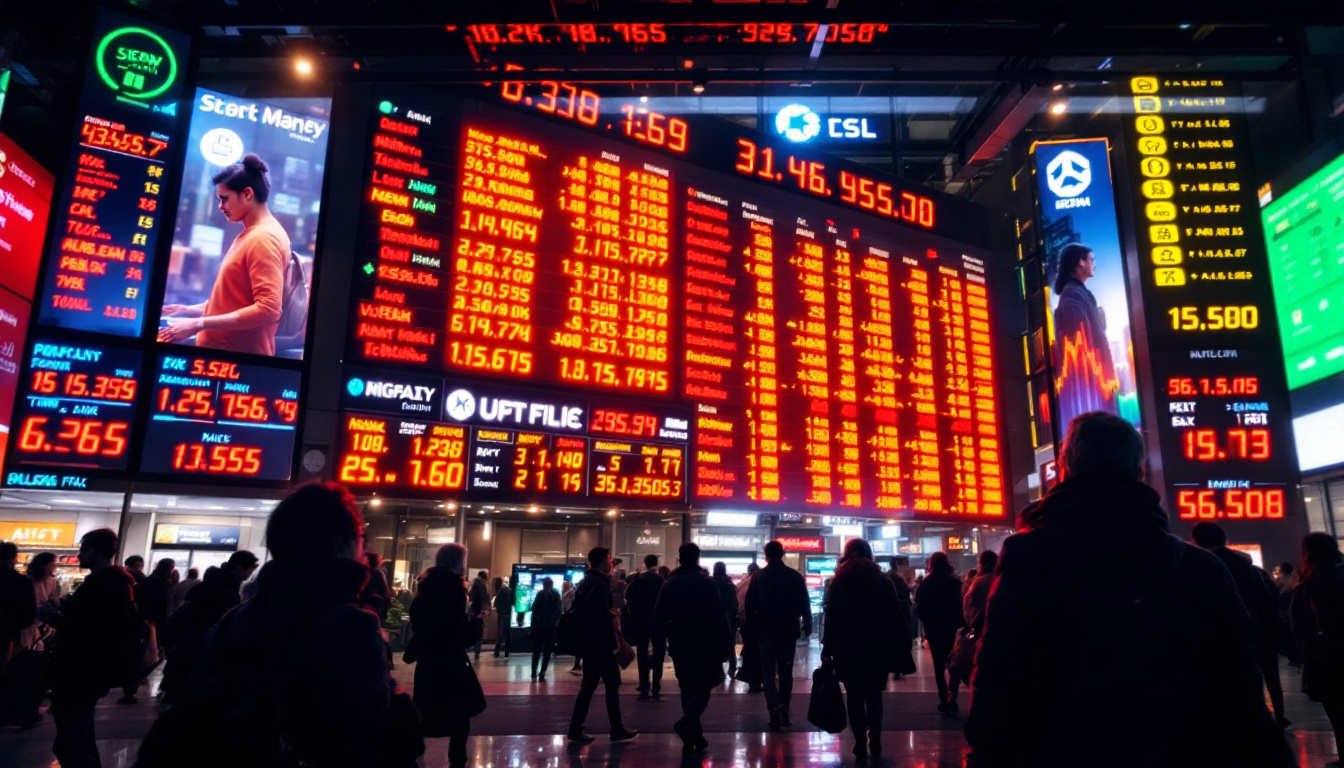
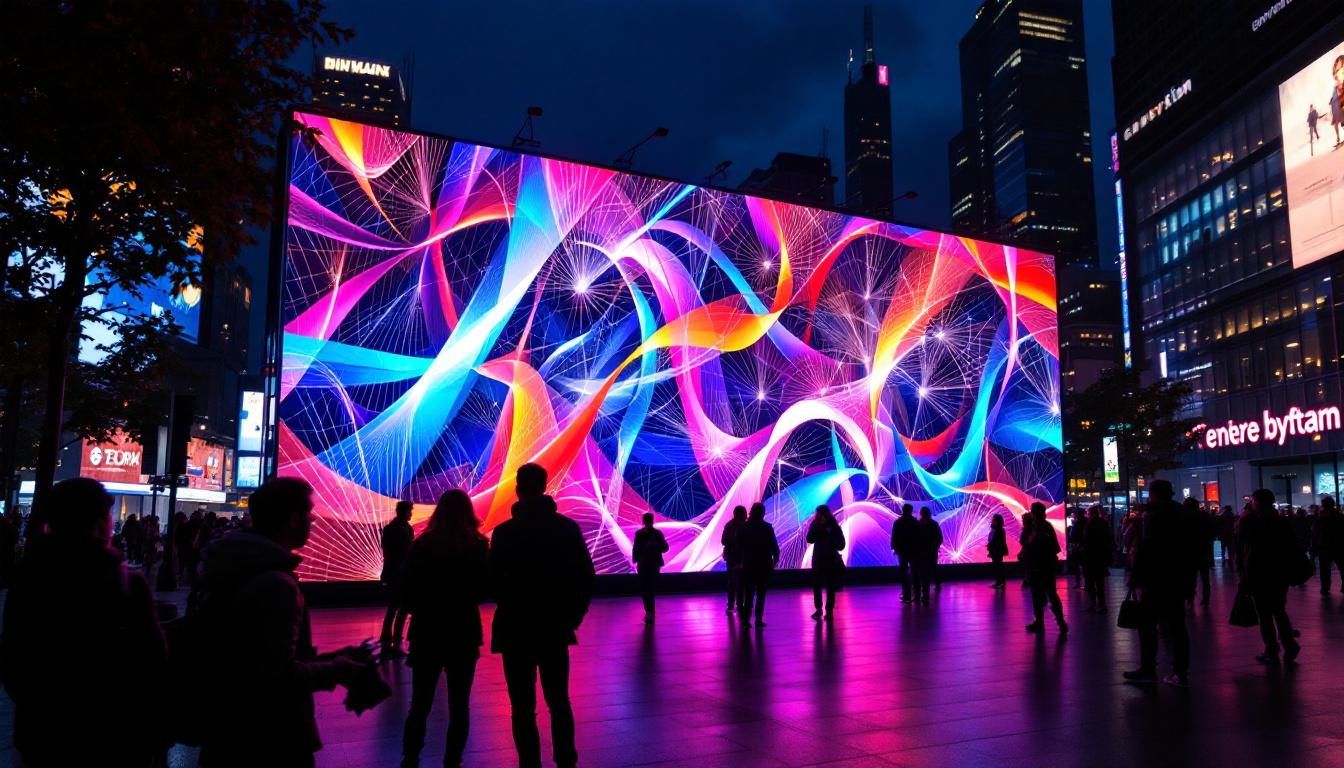
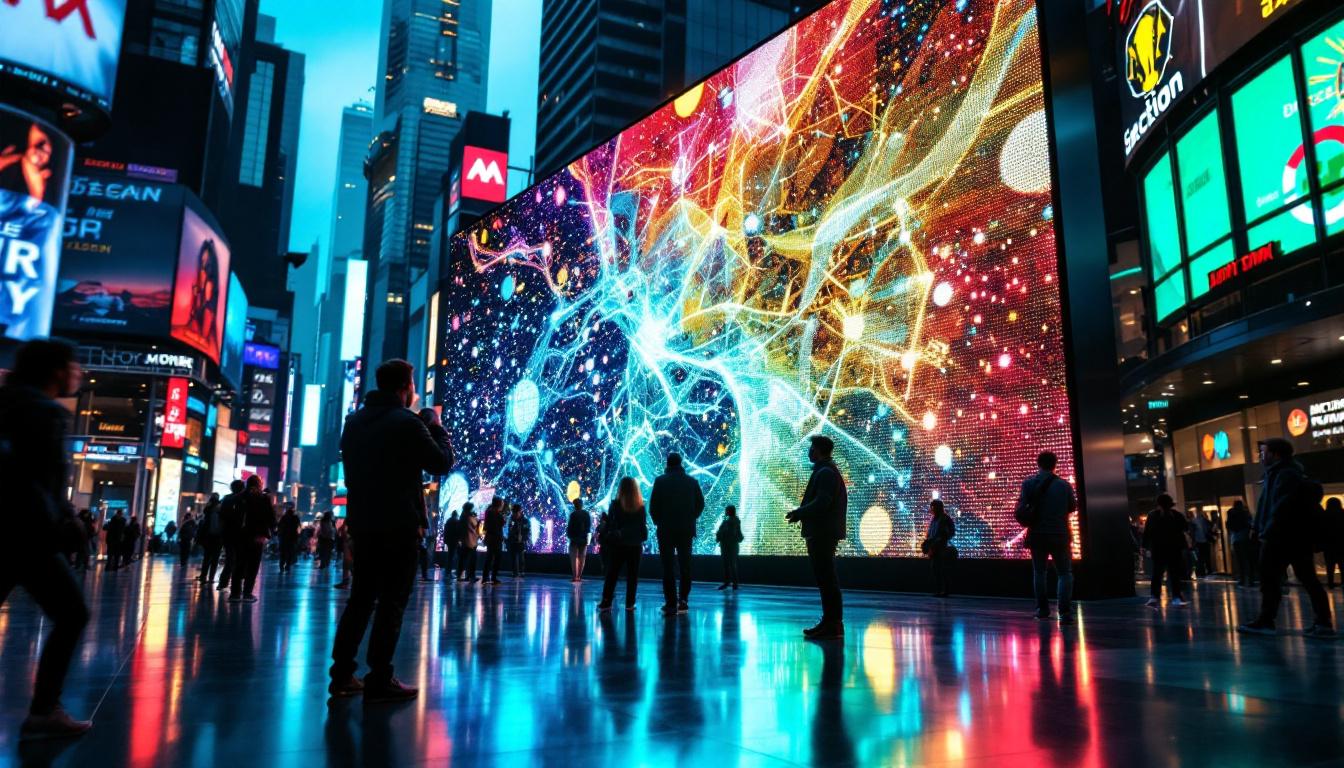
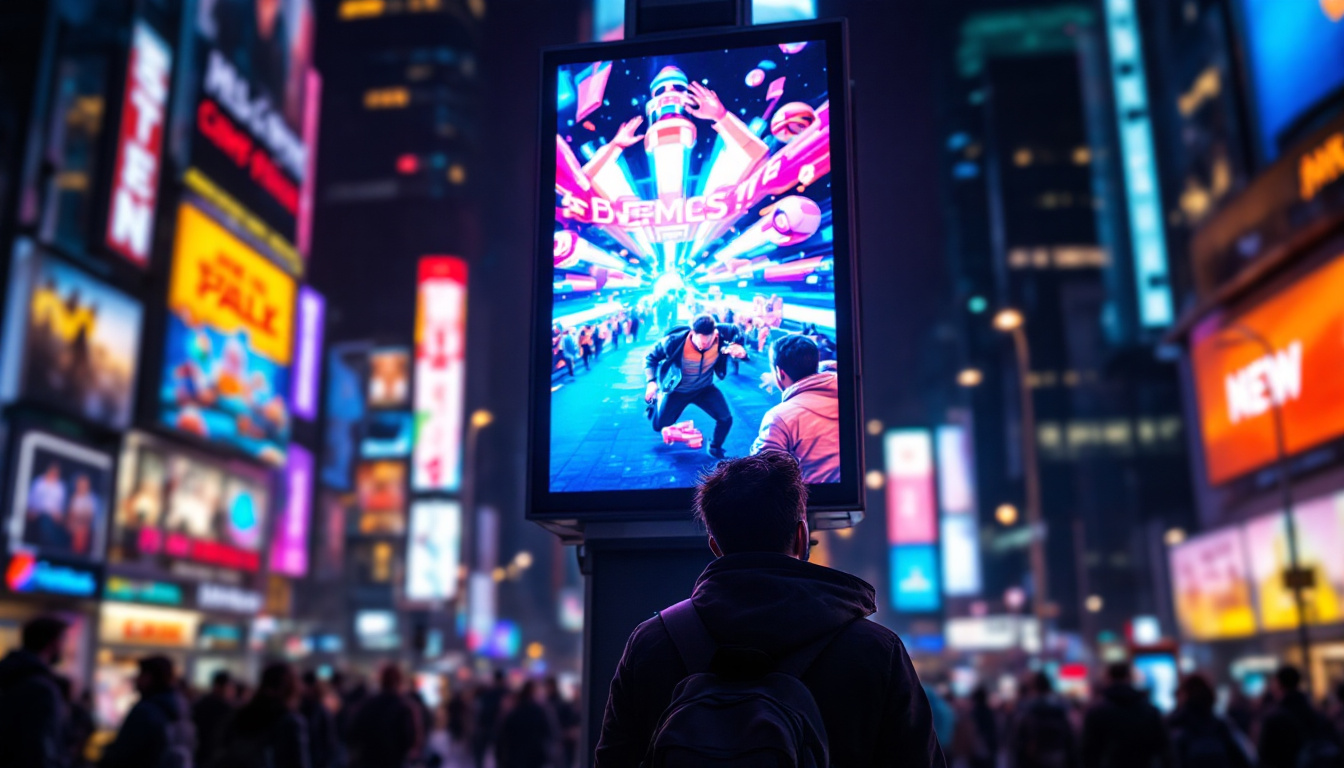
Outdoor LED billboards dominate urban landscapes worldwide, delivering high-impact advertisements that capture attention day and night. According to a 2023 report by Grand View Research, the global digital signage market is expected to reach $31.7 billion by 2028, driven largely by LED technology’s growth. These displays enable advertisers to update content instantly, target specific audiences, and increase engagement through dynamic visuals.
Entertainment and Events
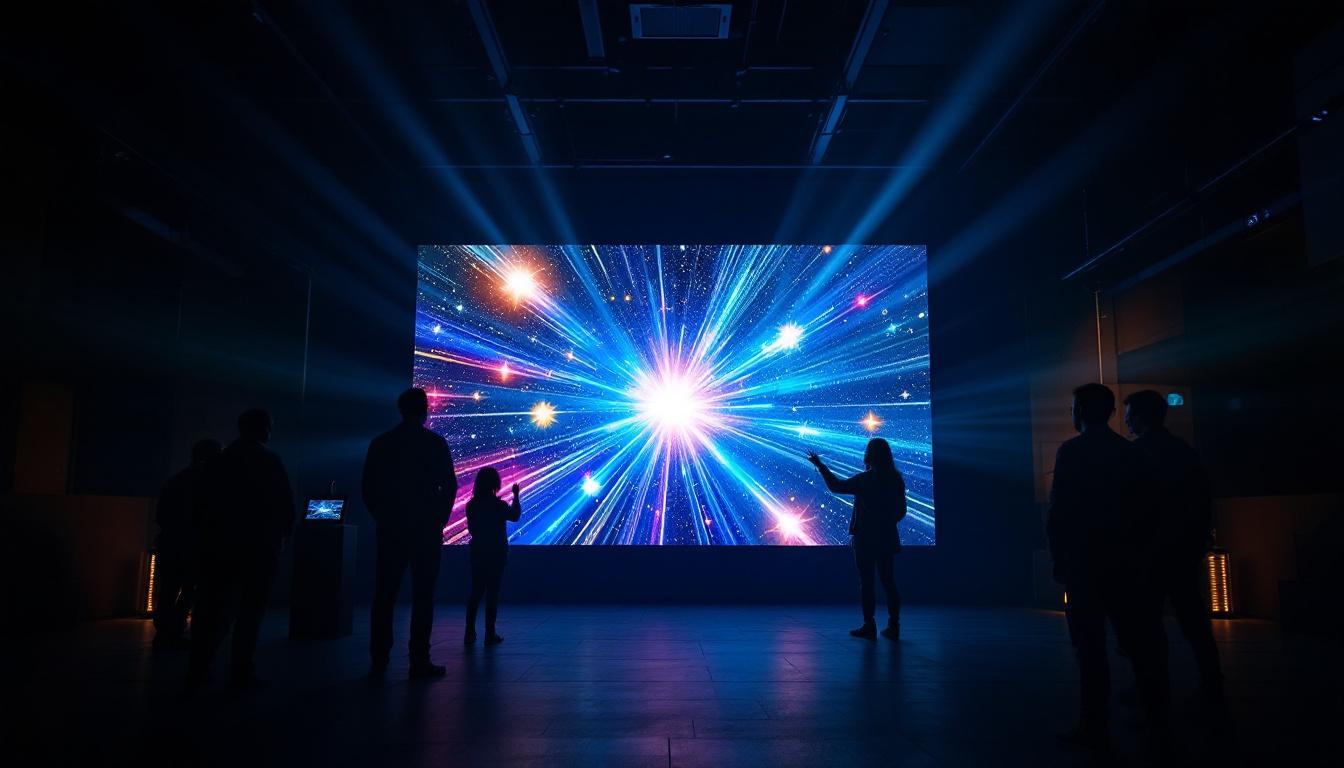
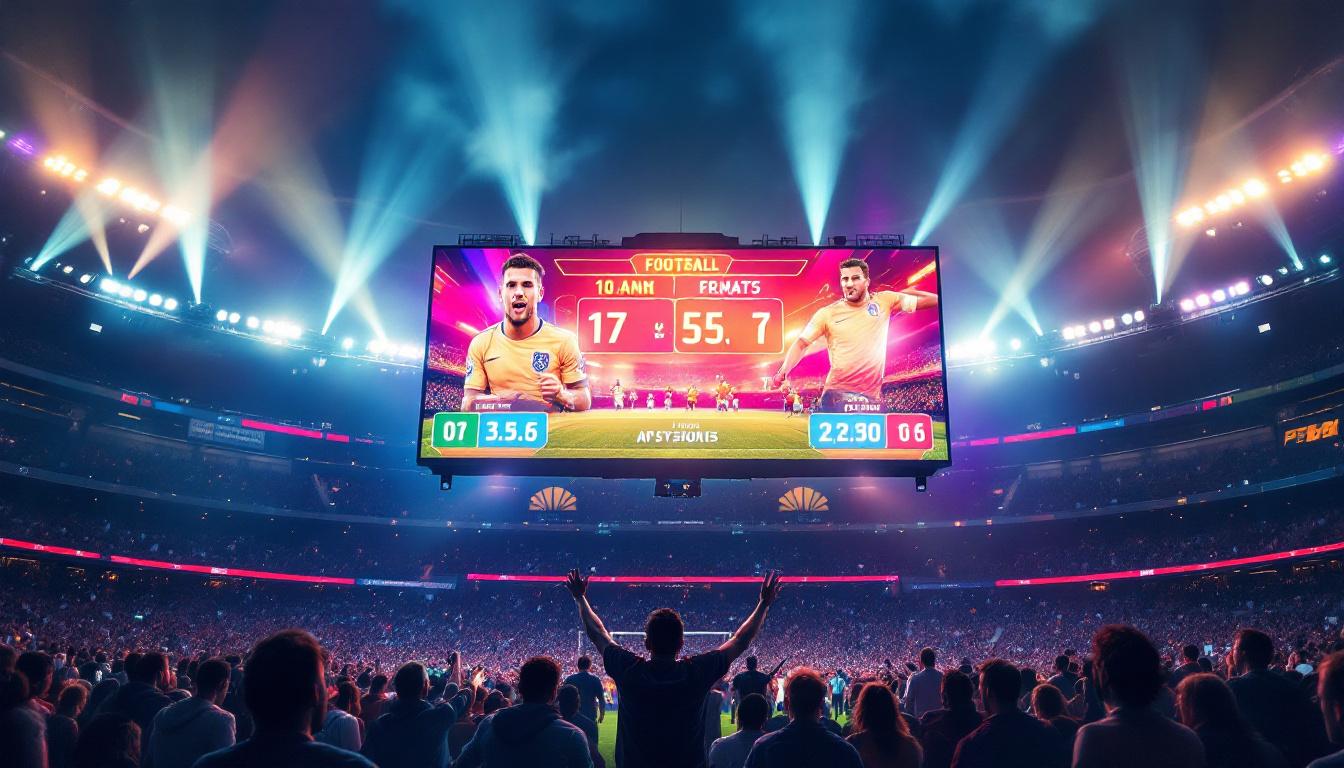
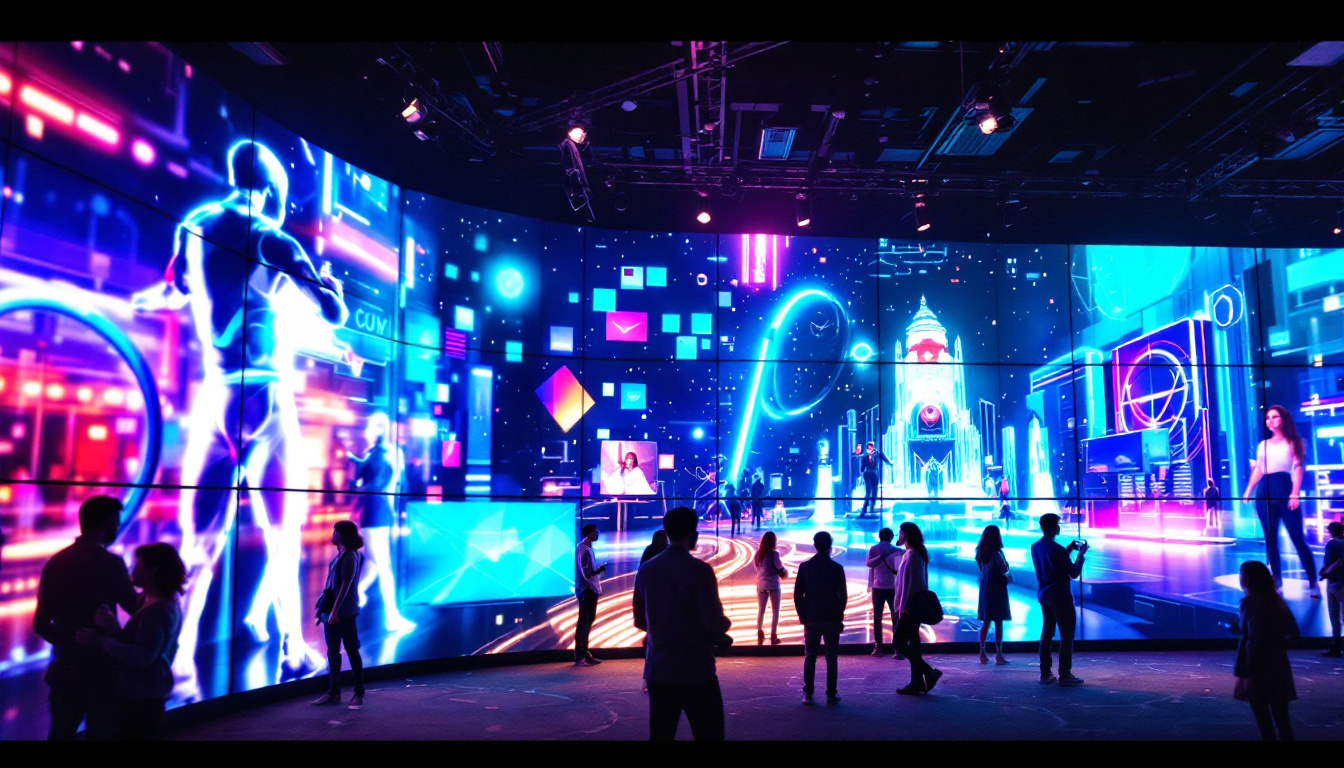
Concerts, sports arenas, and festivals use LED video walls to enhance the audience experience. Large screens display live footage, replays, and interactive content, ensuring that even attendees far from the stage or field have a clear view. The ability to create curved or irregularly shaped displays adds to the immersive effect.
Corporate and Retail Environments
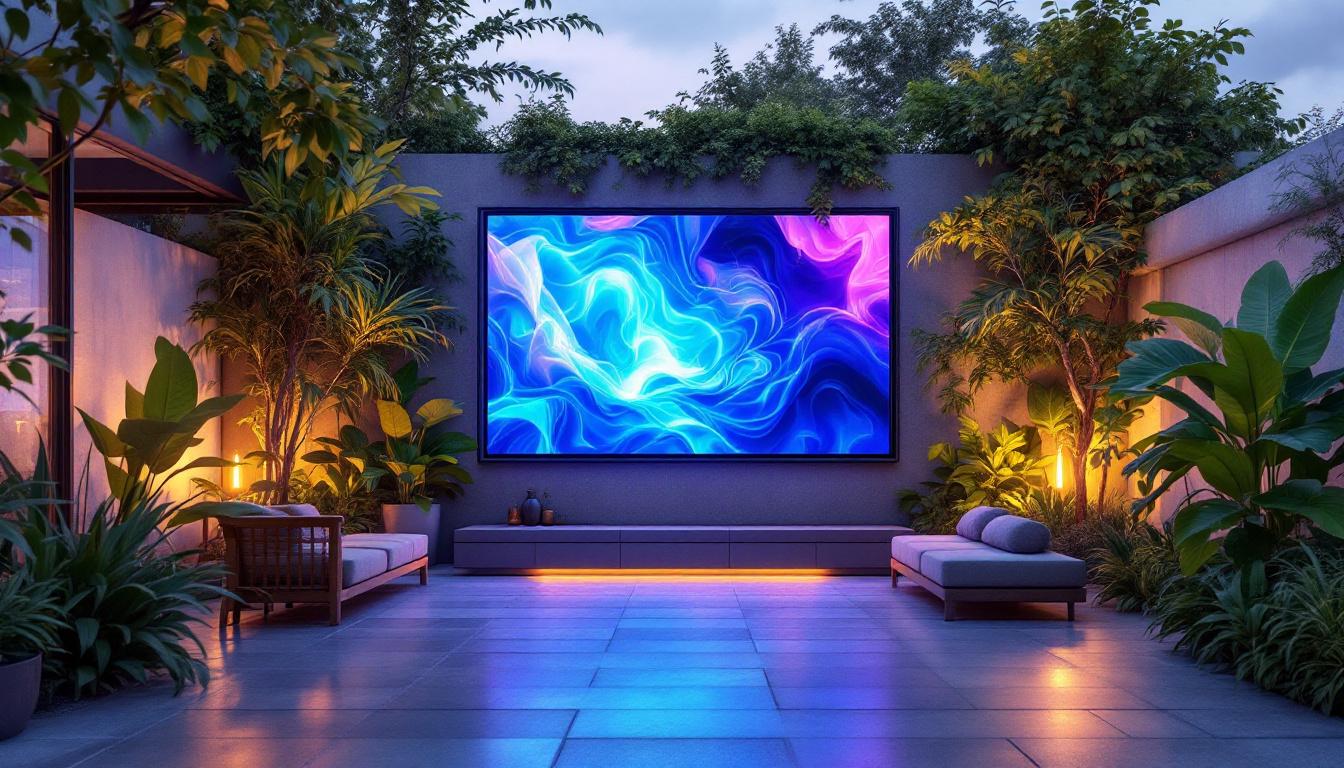
In corporate settings, LED video walls are used in lobbies, conference rooms, and control centers to display branding, real-time data, or presentations. Retailers employ LED walls to create engaging storefront displays or in-store promotions that attract customers and increase sales.
Transportation and Public Spaces
Airports, train stations, and city centers utilize LED video walls for wayfinding, announcements, and public information. The durability and brightness of LED displays ensure messages are visible in all lighting conditions, improving communication and safety.
Choosing the Right LED Video Display
Selecting the appropriate LED display involves considering several technical and practical factors to ensure the installation meets the intended purpose and environment.
Pixel Pitch and Resolution
Pixel pitch, measured in millimeters, defines the distance between the centers of adjacent LEDs. A smaller pixel pitch means higher resolution and better image clarity at close viewing distances. For indoor applications where viewers are near the screen, pixel pitches between 1.2mm and 2.5mm are common. Outdoor displays, which are viewed from greater distances, typically have pixel pitches ranging from 4mm to 20mm.
Brightness and Viewing Distance
Brightness should be matched to the ambient lighting conditions. For outdoor displays exposed to sunlight, brightness levels above 5,000 nits are recommended. Indoor environments usually require lower brightness to avoid glare and eye strain. Additionally, the viewing distance influences the required resolution and pixel pitch to ensure images appear sharp.
Size and Aspect Ratio
The physical size of the LED wall depends on the available space and the desired impact. Aspect ratio, the proportional relationship between width and height, should align with the content to be displayed. Common aspect ratios include 16:9 for video content and custom ratios for artistic or architectural installations.
Installation and Maintenance
Consider the installation environment, including mounting options, structural support, and accessibility for maintenance. Front-serviceable LED panels allow maintenance from the front, which is beneficial when rear access is limited. Additionally, ensure the display has adequate ventilation and protection against environmental factors.
Control Systems and Content Management
Modern LED video walls are controlled via sophisticated software that manages content scheduling, playback, and display calibration. Choosing a system with user-friendly interfaces and compatibility with various media formats simplifies operation and maximizes the display’s potential.
Emerging Trends and Innovations in LED Displays
The LED display industry continues to evolve rapidly, incorporating new technologies that enhance performance and expand applications.
MicroLED and MiniLED Technologies
MicroLED and MiniLED represent advancements in LED technology with even smaller diodes, enabling ultra-high resolution and improved color accuracy. MicroLED displays offer superior brightness and energy efficiency, making them promising for next-generation video walls and consumer devices.
Flexible and Transparent LED Displays
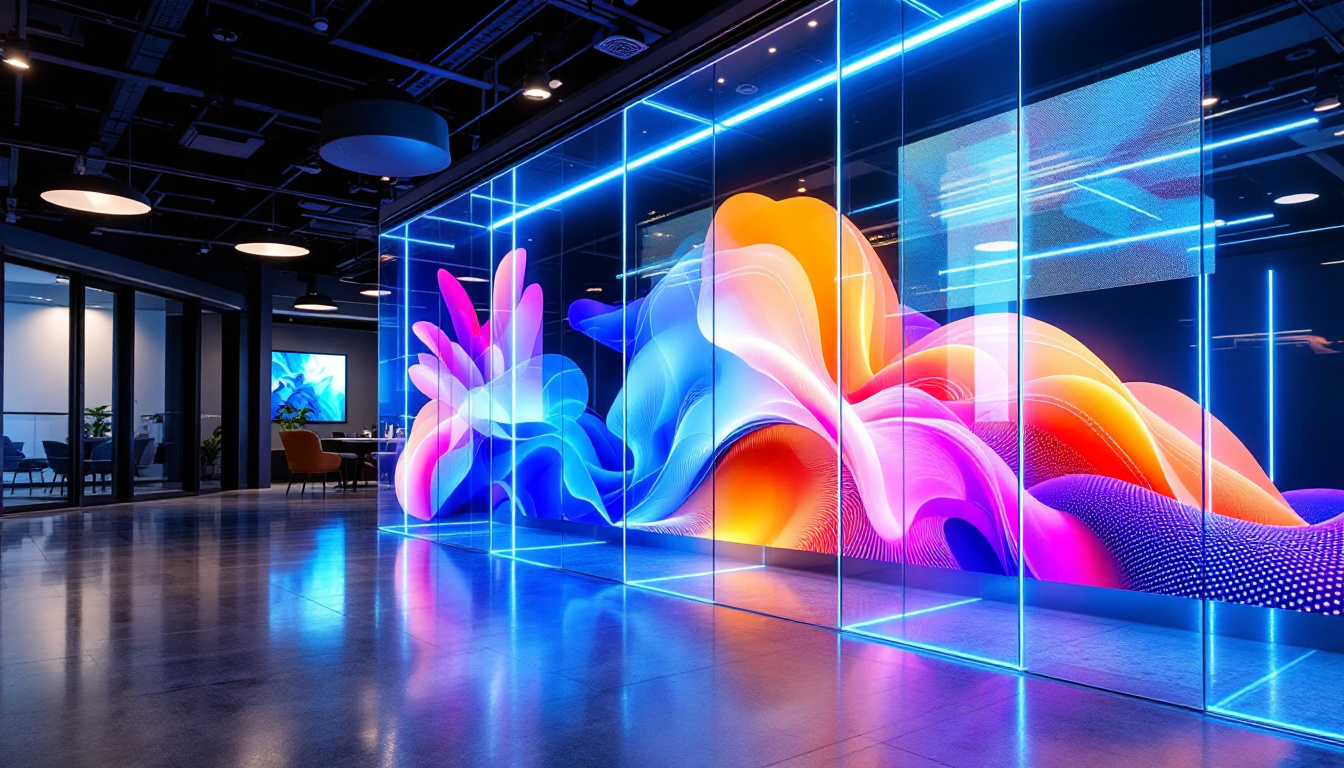
Flexible LED panels allow for curved or irregularly shaped video walls, opening creative possibilities in architecture and design. Transparent LED displays can be integrated into glass surfaces, providing digital content without obstructing views, ideal for retail windows and museum exhibits.
Artificial Intelligence and Interactive Features
Integration of AI enables LED video walls to deliver personalized content based on audience demographics or behavior. Interactive capabilities, such as touch sensitivity and motion detection, transform passive displays into engaging experiences that foster deeper connections with viewers.
Conclusion
LED video walls have become a cornerstone of modern visual communication, offering unmatched brightness, flexibility, and durability. Whether used for advertising, entertainment, corporate branding, or public information, LED displays deliver captivating content that commands attention and drives engagement.
Understanding the technical aspects, benefits, and applications of LED video displays empowers businesses and organizations to make informed decisions when investing in this technology. With ongoing innovations like MicroLED and interactive features on the horizon, LED video walls will continue to shape the future of digital display solutions.
Discover LumenMatrix’s Innovative LED Solutions
Ready to elevate your visual communication with cutting-edge LED technology? LumenMatrix offers a comprehensive range of LED display solutions tailored to your unique needs. From vibrant Indoor and Outdoor LED Wall Displays to dynamic Vehicle and Sports LED Displays, our products are designed to captivate your audience and amplify your message. Experience the future of digital signage with our Custom, All-in-One, and Transparent LED Displays. Check out LumenMatrix LED Display Solutions today and transform your space into a visually stunning experience.