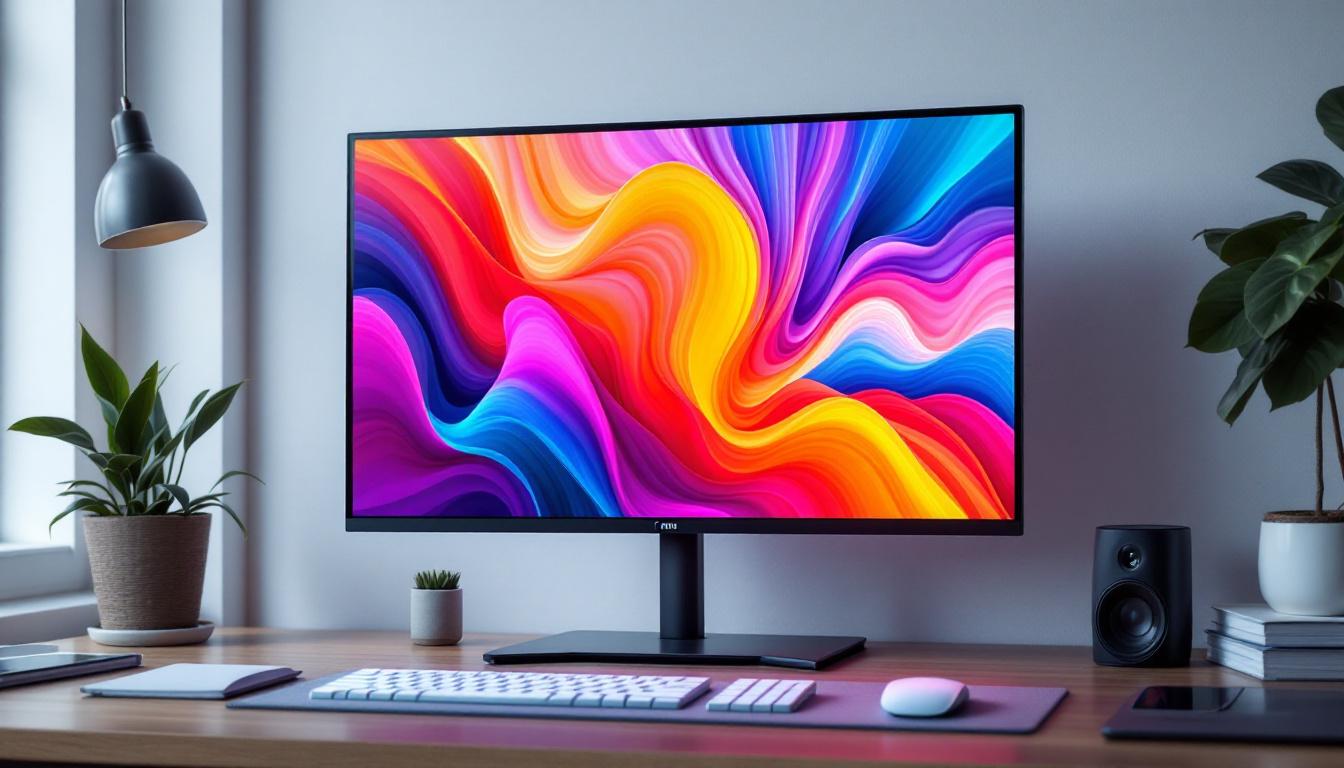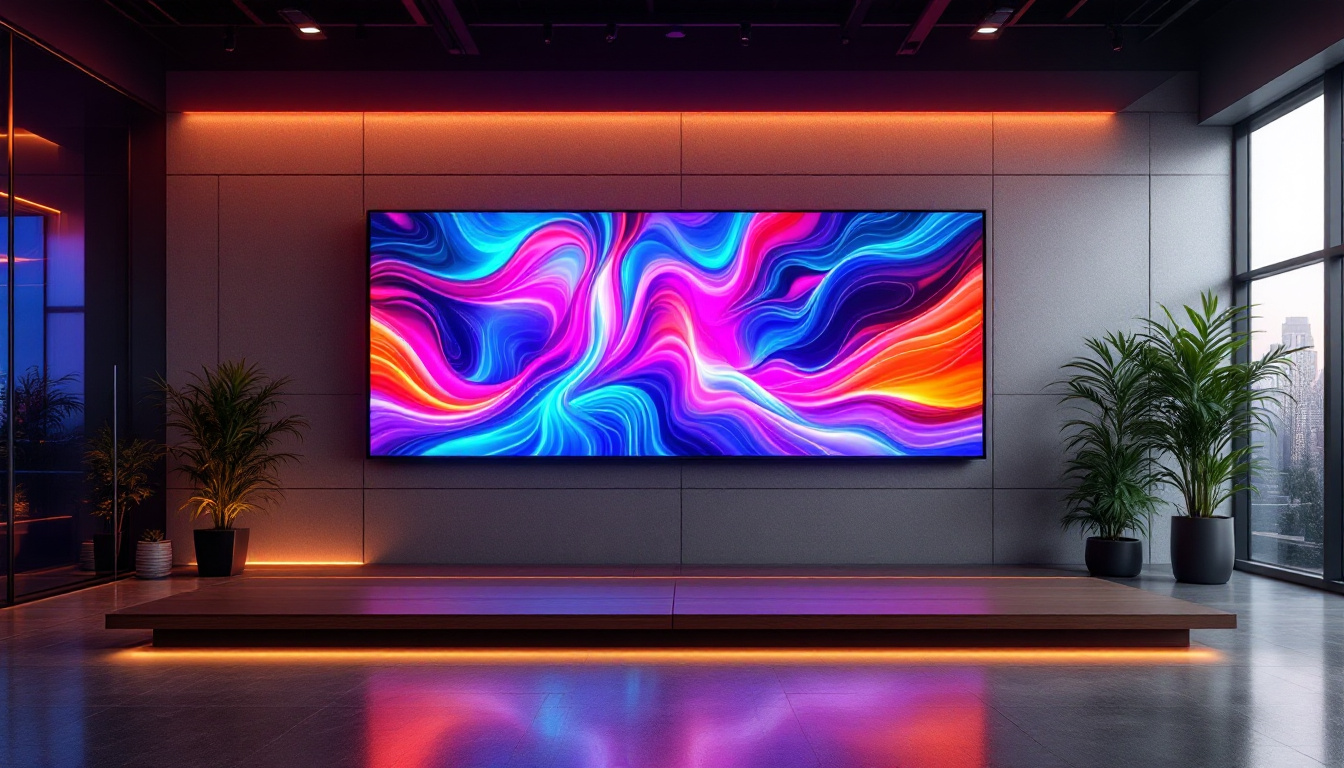
In the rapidly evolving world of home entertainment, the way we display visuals has seen remarkable transformations. Among these, LED displays have emerged as a leading technology, offering vibrant colors, sharp images, and sleek designs. When combined with a TV frame designed for wall mounting, LED displays can transform any living space into a cinematic experience. This article delves into the intricacies of LED displays, their benefits, and how TV frames for walls enhance both aesthetics and functionality.
Understanding LED Display Technology
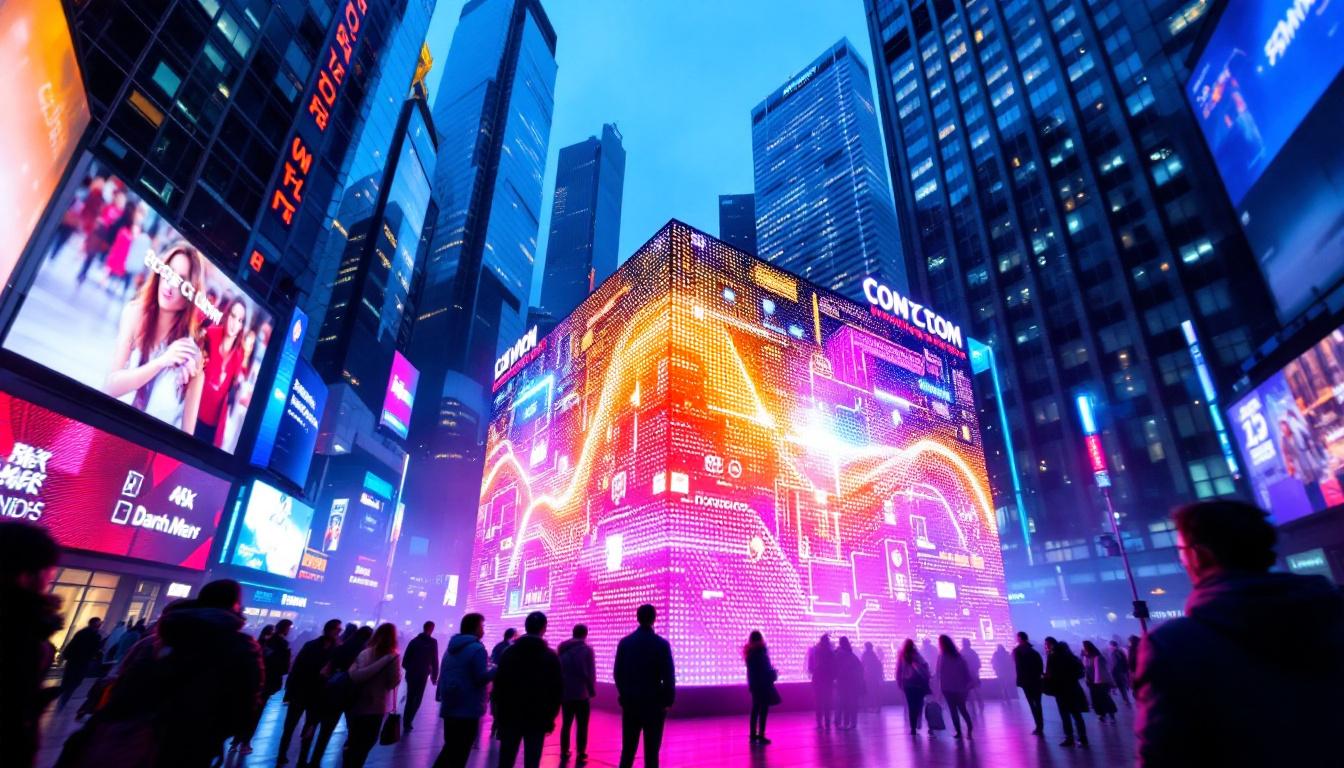
LED, or Light Emitting Diode, technology has revolutionized the display industry by providing brighter, more energy-efficient screens compared to traditional LCD or plasma displays. Unlike LCD screens that rely on backlighting, LED displays use tiny diodes that emit light directly, resulting in better contrast and color accuracy. This fundamental shift in technology has not only enhanced the viewing experience for consumers but has also paved the way for innovative applications in various fields, including advertising, gaming, and even automotive displays.
There are primarily two types of LED displays used in TVs: edge-lit and full-array. Edge-lit LED TVs place LEDs along the edges of the screen, directing light across the display, which allows for slimmer designs but can sometimes cause uneven brightness. Full-array LED TVs, on the other hand, have LEDs distributed evenly behind the screen, enabling local dimming zones that enhance contrast and black levels significantly. This technology is particularly beneficial for watching movies in dark environments, as it allows for deeper blacks and a more immersive experience. Additionally, the development of HDR (High Dynamic Range) content has further highlighted the advantages of full-array LED displays, allowing for a broader range of colors and brightness levels that can be accurately represented on screen.
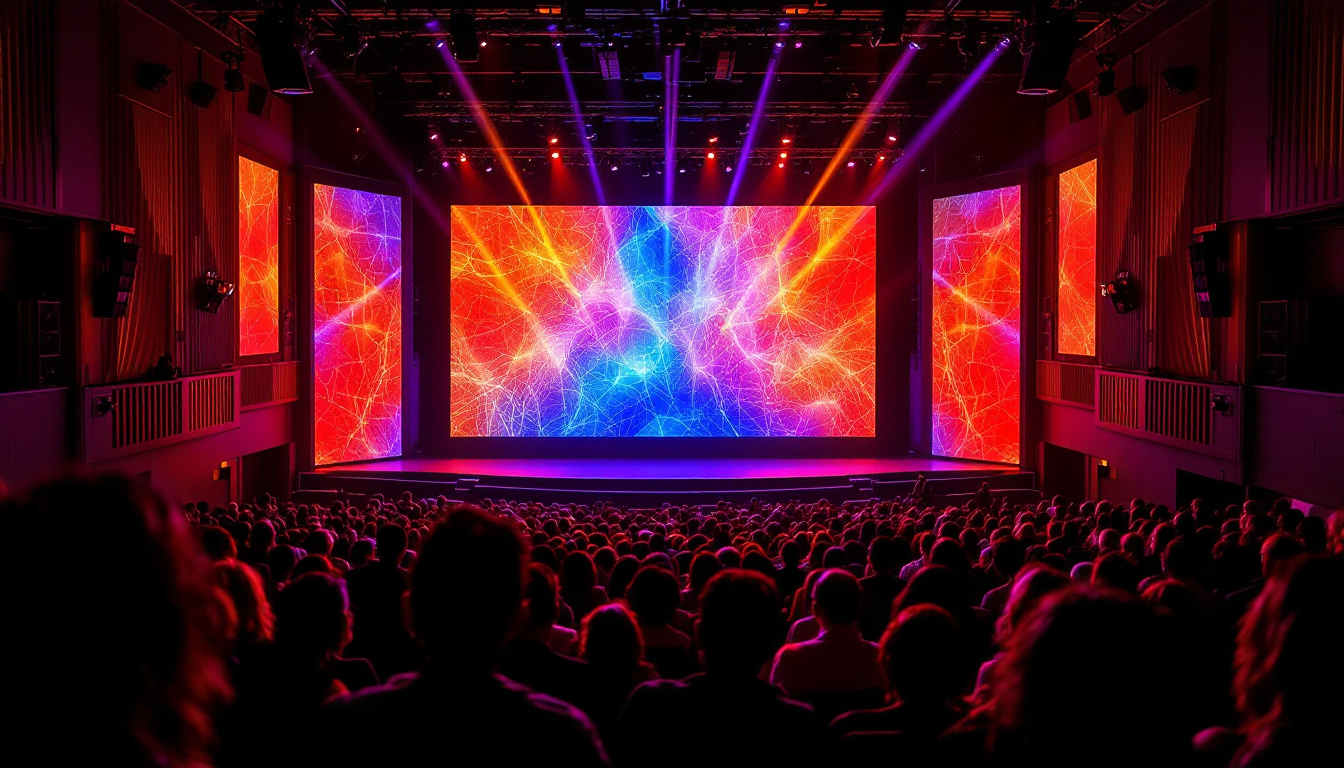
Recent advancements include Mini-LED and Micro-LED technologies. Mini-LEDs use thousands of smaller LEDs to provide even more precise backlighting control, while Micro-LEDs represent a breakthrough by integrating microscopic LEDs that act as individual pixels, offering unparalleled brightness, color fidelity, and longevity. These innovations have not only improved the quality of home entertainment systems but have also made their way into professional displays, such as those used in broadcasting and digital signage, where image quality is paramount. As the technology continues to evolve, we can expect to see even more applications that leverage the unique properties of LED displays, including augmented reality and virtual reality environments.
Why LED Displays Outperform Other Technologies
Compared to OLED and QLED, LED displays hold their own in several areas. While OLEDs provide perfect blacks and excellent viewing angles, they can suffer from burn-in and are often more expensive. QLEDs, which are essentially LED TVs enhanced with quantum dot technology, offer brighter images and a wider color gamut but still rely on LED backlighting. The competition between these technologies has spurred rapid advancements, pushing manufacturers to innovate and improve their offerings continually. As a result, consumers have access to a wider range of options that cater to different preferences and budgets.
LED displays strike a balance between cost, durability, and performance. Their energy efficiency is notable; modern LED TVs consume up to 30% less power than older LCD models. Moreover, LED displays typically have longer lifespans, often exceeding 60,000 hours of use, making them a practical choice for everyday viewing. This longevity translates to less frequent replacements, contributing to a lower overall environmental impact. Furthermore, many manufacturers are now focusing on sustainable practices, incorporating recyclable materials in their products and reducing harmful emissions during production. As awareness of environmental issues grows, the role of energy-efficient technologies like LED displays becomes increasingly significant, aligning consumer preferences with ecological responsibility.
The Role of TV Frames in Wall-Mounted LED Displays
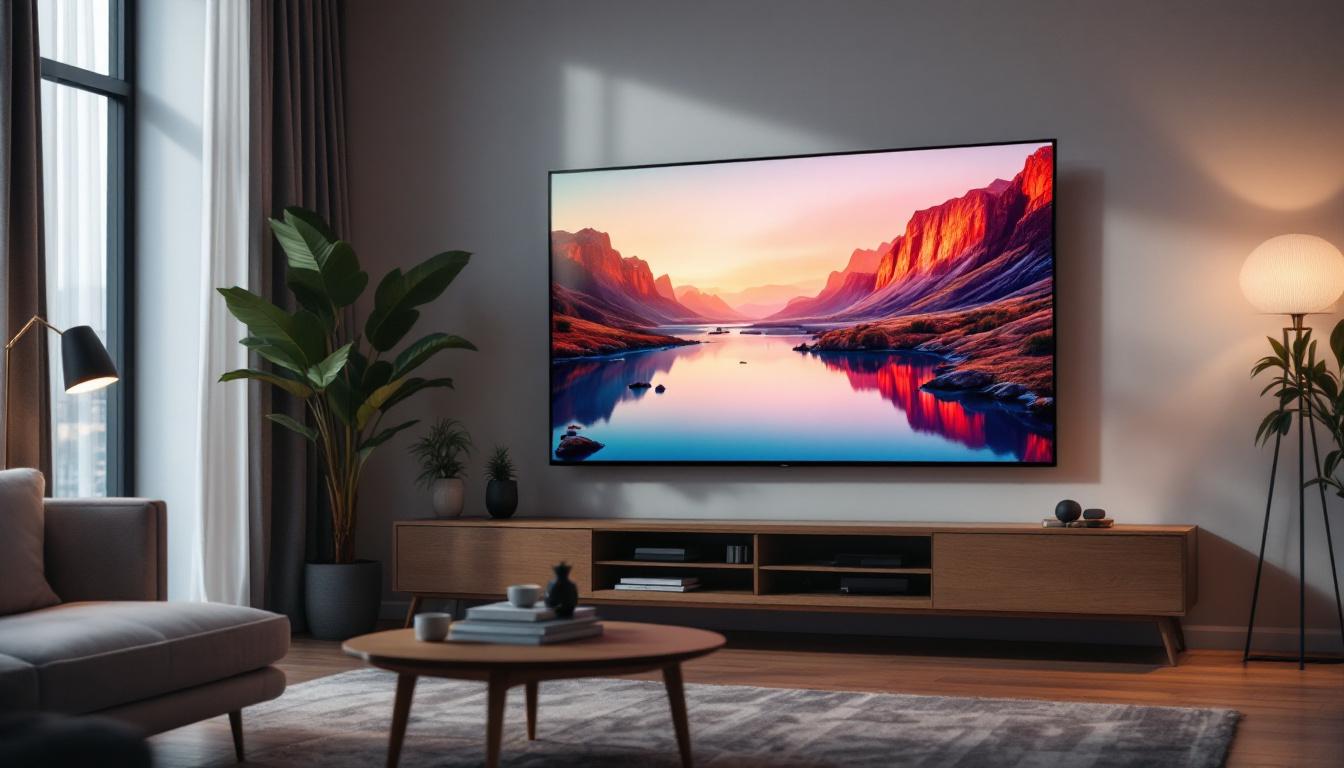
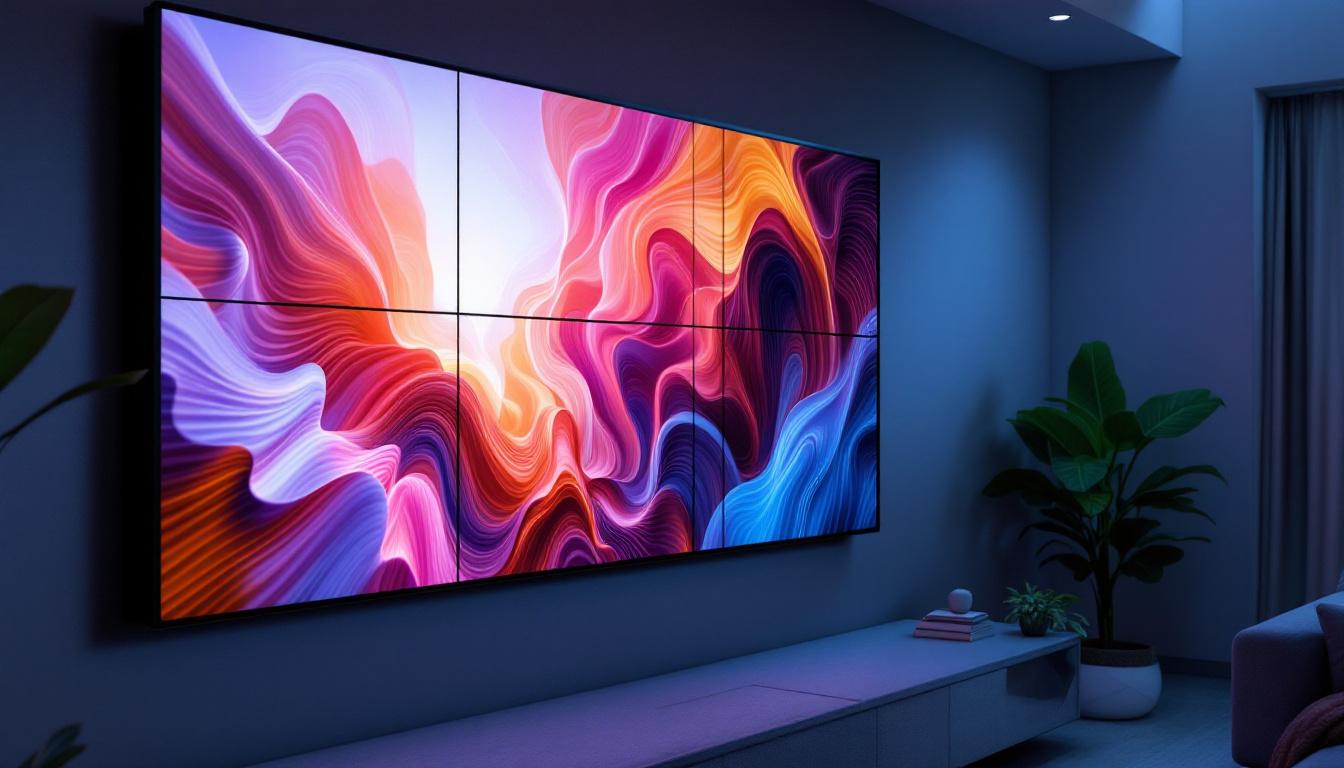
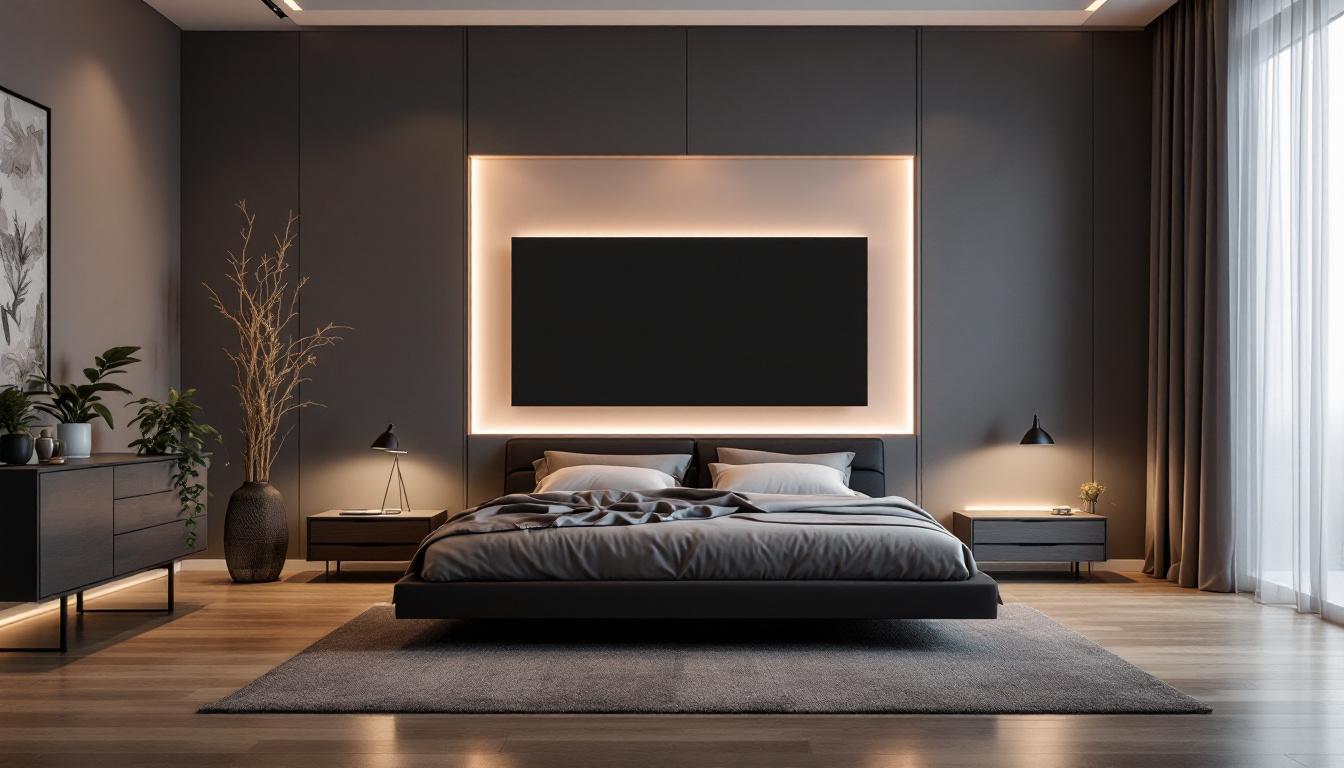
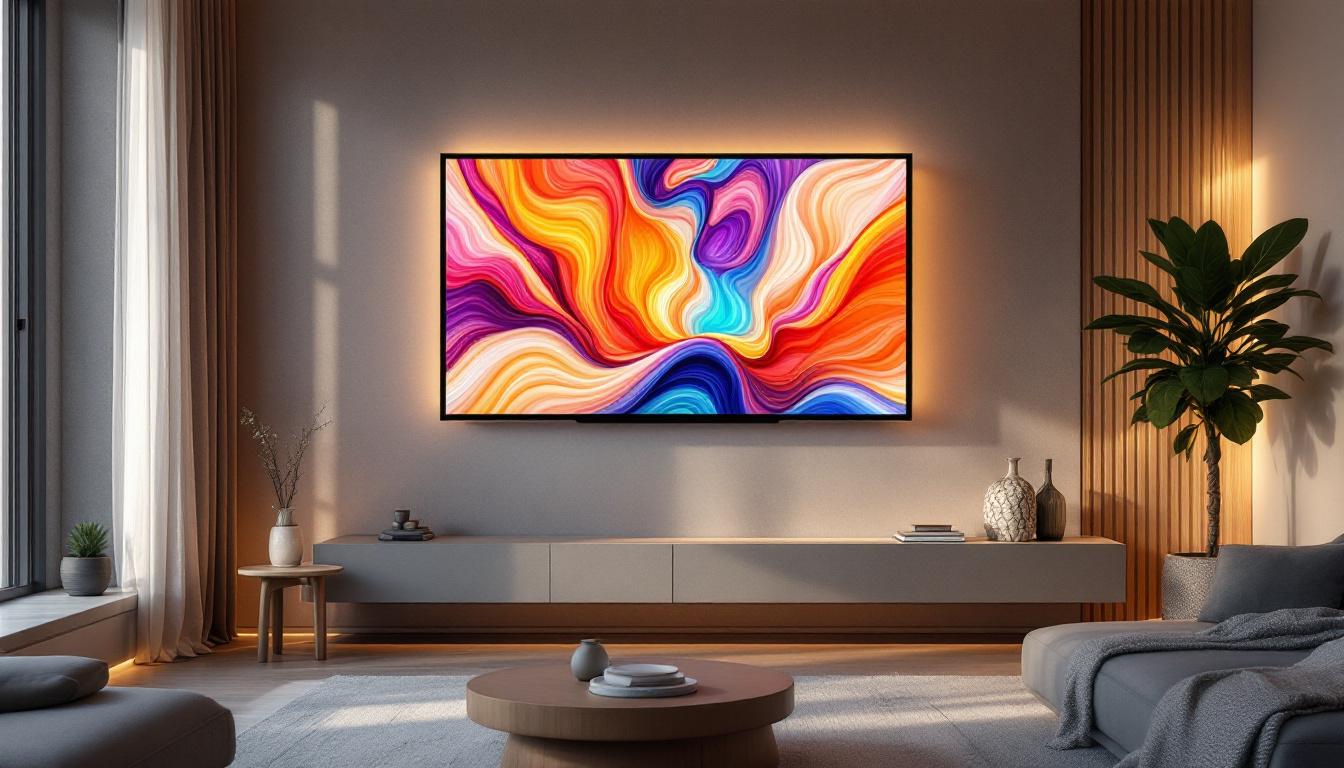
Wall mounting a TV has become increasingly popular as it saves space and creates a clean, modern look. However, a TV frame designed specifically for wall-mounted LED displays can elevate the visual appeal and protect the device. With the rise of open-concept living spaces, the integration of technology into home design has never been more essential, and a well-chosen TV frame can seamlessly blend the television into the overall aesthetic of the room.
TV frames serve multiple purposes: they conceal cables, provide a decorative border that complements room décor, and can even enhance the perceived size of the screen. When integrated with LED displays, these frames help to reduce glare and reflections by incorporating anti-reflective coatings or matte finishes. This not only improves the viewing experience but also extends the life of the TV by minimizing exposure to harmful light conditions. Furthermore, many modern frames are designed to be easily removable, allowing for convenient access to the TV’s ports and controls without compromising the overall design.
Design Considerations for TV Frames
Choosing the right frame involves considering the room’s style, the size of the TV, and the mounting system. Minimalist frames with thin bezels are popular for modern interiors, as they maintain focus on the screen. For more traditional or luxurious settings, ornate or wood-finished frames can add warmth and character. The choice of materials is also crucial; high-quality metals or sustainable woods can enhance durability while contributing to the overall design narrative of the space.
Additionally, some frames come with built-in LED lighting or ambient backlighting, which can reduce eye strain and create an immersive atmosphere. These lighting features often synchronize with the content displayed, enhancing the viewing experience. For instance, during a movie night, the ambient lighting can shift to match the film’s mood, creating a cinematic experience right in your living room. Moreover, customizable frames allow homeowners to select colors and finishes that can change with seasonal décor, ensuring that the TV remains a stylish focal point regardless of the time of year. This adaptability not only enhances the aesthetic appeal but also reflects the personality of the homeowner, making the TV area a true representation of their taste and style.
Installation and Practical Benefits of Wall-Mounted LED TVs with Frames
Installing an LED TV on the wall with a frame requires careful planning to ensure safety, optimal viewing angles, and aesthetic harmony. Professional installation is recommended to securely mount the display and manage wiring discreetly. Proper placement not only enhances the viewing experience but also minimizes the risk of accidents, especially in households with children or pets. The use of wall mounts that can swivel or tilt further allows for flexibility in viewing angles, accommodating various seating arrangements and preferences.
One practical benefit of wall mounting is improved ergonomics. Positioning the TV at eye level reduces neck and back strain during extended viewing sessions. Moreover, freeing up floor space allows for additional furniture or décor elements, making rooms appear larger and more organized. This minimalist approach can also lead to easier cleaning and maintenance, as there are fewer surfaces to dust and navigate around. Additionally, wall-mounted TVs can be paired with cable management systems that hide unsightly wires, contributing to a cleaner and more streamlined look.
Enhancing Home Entertainment Spaces
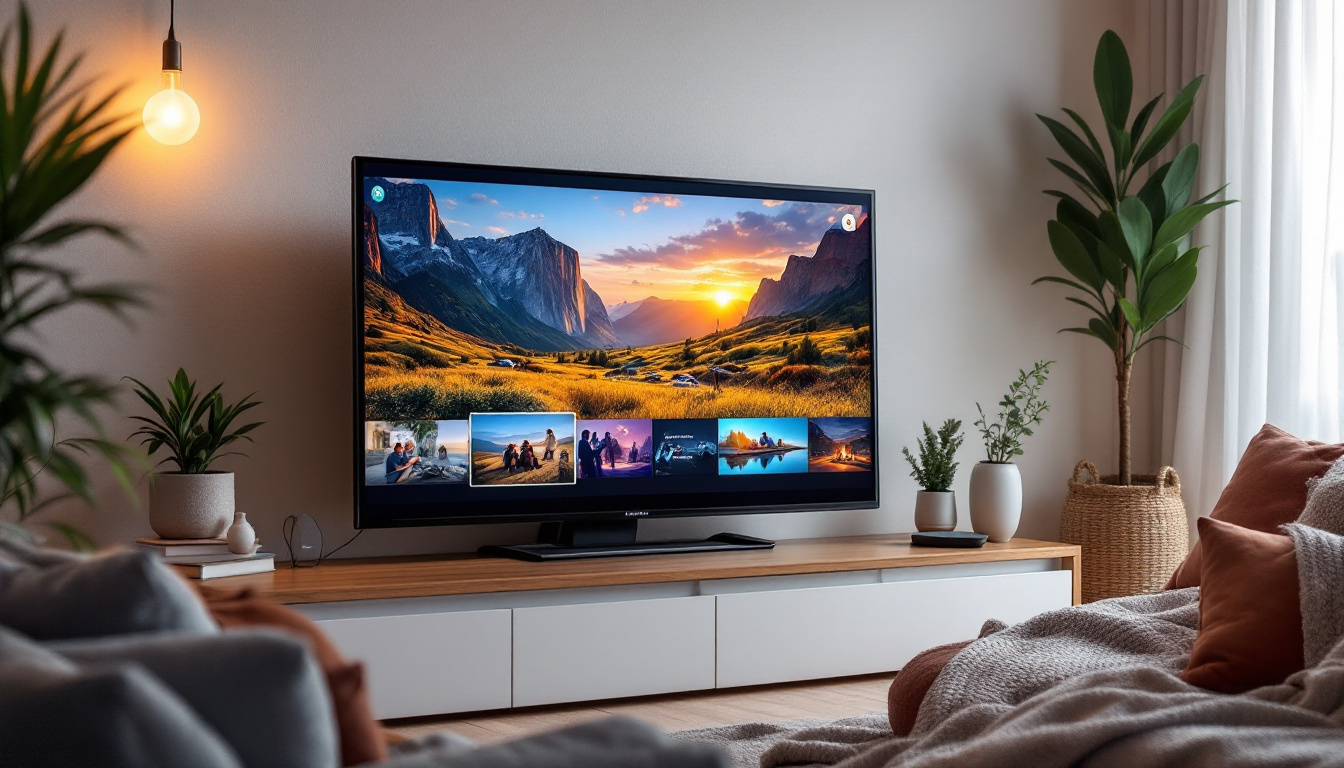
Wall-mounted LED TVs framed elegantly can serve as focal points in living rooms, bedrooms, or dedicated media rooms. The integration of smart TV features with LED technology means users can access streaming services, gaming platforms, and smart home controls seamlessly. This capability transforms the TV into a multifunctional hub, allowing users to enjoy a variety of content without the need for multiple devices. Furthermore, many modern LED TVs come equipped with voice control features, enabling users to navigate menus and control playback with simple voice commands, enhancing convenience and accessibility.
Furthermore, the combination of LED display quality and thoughtful framing can complement ambient lighting and sound systems, creating a holistic entertainment environment. This synergy is particularly beneficial for cinephiles and gamers who demand high performance and immersive experiences. The right frame can not only enhance the visual appeal of the TV but also reduce glare from windows and overhead lights, ensuring that the picture quality remains sharp and vibrant. Additionally, incorporating smart lighting solutions that sync with the TV can elevate the viewing experience, as the room’s ambiance can adjust dynamically to match the content being viewed, whether it’s a thrilling action sequence or a serene nature documentary.
Future Trends in LED Display and TV Frame Integration
The future of LED displays and TV frames is promising, with innovations aimed at enhancing both technology and design. Flexible and rollable LED screens are emerging, allowing for new form factors that can be framed in unconventional ways or even hidden when not in use.
Smart frames equipped with sensors and adaptive lighting are also on the horizon. These frames can adjust brightness and color temperature based on room conditions, time of day, or viewer preferences, further reducing eye fatigue and improving comfort.
Moreover, sustainability is becoming a key focus. Manufacturers are exploring eco-friendly materials for frames and more energy-efficient LED components to reduce environmental impact without compromising performance.
Customization and Personalization
As consumers seek more personalized home entertainment setups, customizable TV frames will gain popularity. Options to change frame colors, textures, and even add artwork or digital displays around the TV will allow users to tailor their viewing spaces uniquely.
This trend aligns with the broader movement towards smart homes, where technology adapts seamlessly to individual lifestyles and aesthetics.
Conclusion
LED displays have firmly established themselves as a cornerstone of modern television technology, offering brilliant visuals, energy efficiency, and durability. When combined with well-designed TV frames for wall mounting, they not only enhance the viewing experience but also contribute significantly to interior design and space optimization.
Understanding the technology behind LED displays and the benefits of integrating them with stylish frames can help consumers make informed decisions that elevate their home entertainment. As innovations continue to unfold, the synergy between LED technology and TV frame design promises to deliver even more immersive, personalized, and sustainable viewing experiences in the years to come.
Discover the Future of Home Entertainment with LumenMatrix
Ready to elevate your home cinema experience? LumenMatrix is at the forefront of LED display innovation, offering a wide range of solutions that bring your favorite content to life. From the comfort of your living room to the excitement of outdoor gatherings, our Indoor and Outdoor LED Wall Displays, alongside specialized options like Vehicle, Sports, and Floor LED Displays, ensure a captivating visual experience. Embrace the art of visual storytelling with our Custom, All-in-One, and Transparent LED Displays. Don’t just watch—immerse yourself in the brilliance of LumenMatrix. Check out LumenMatrix LED Display Solutions today and transform your space into a hub of engagement and style.