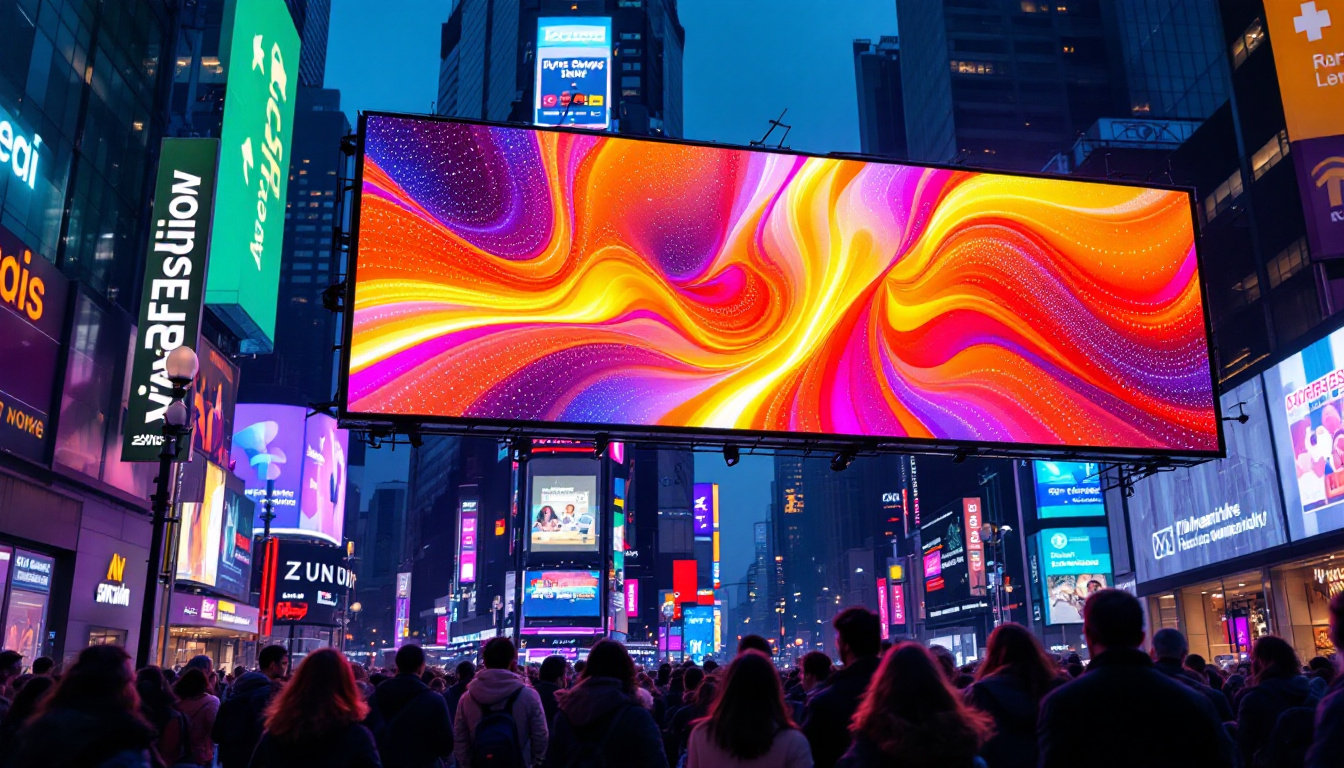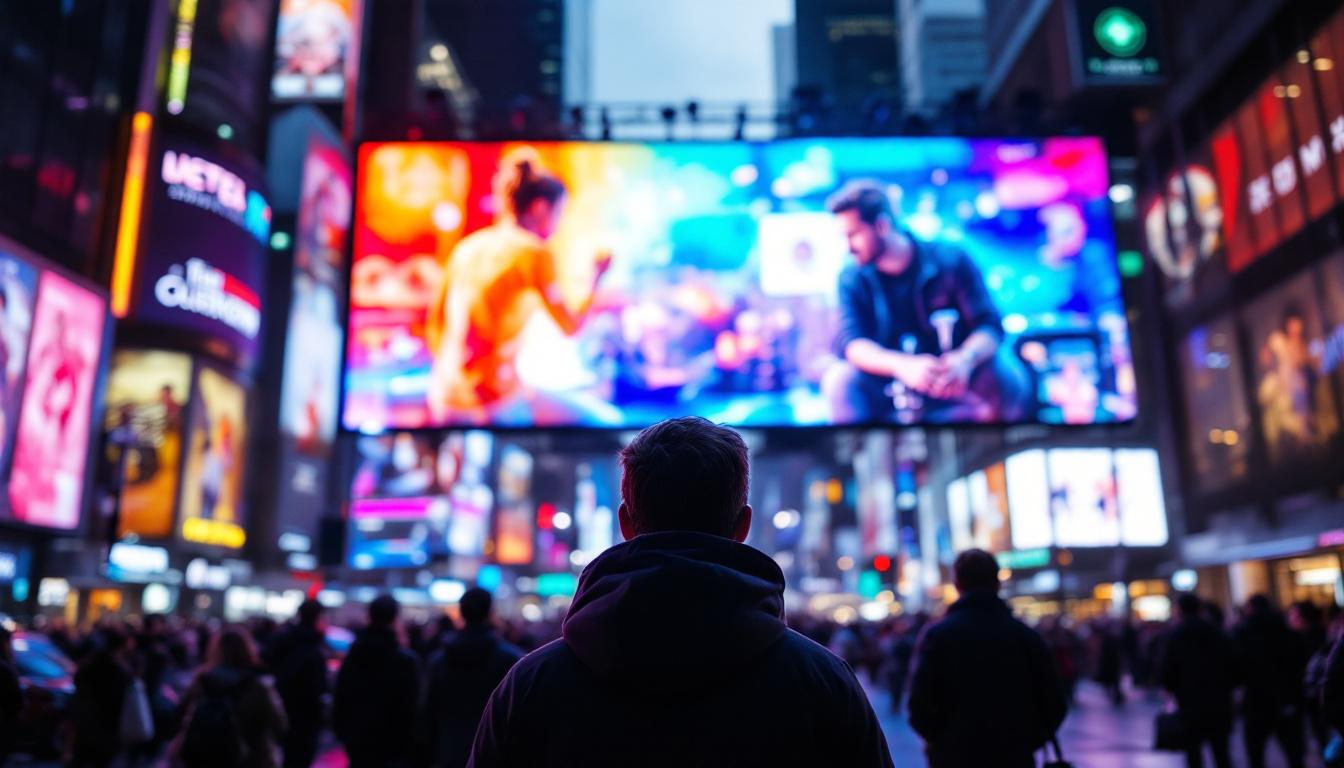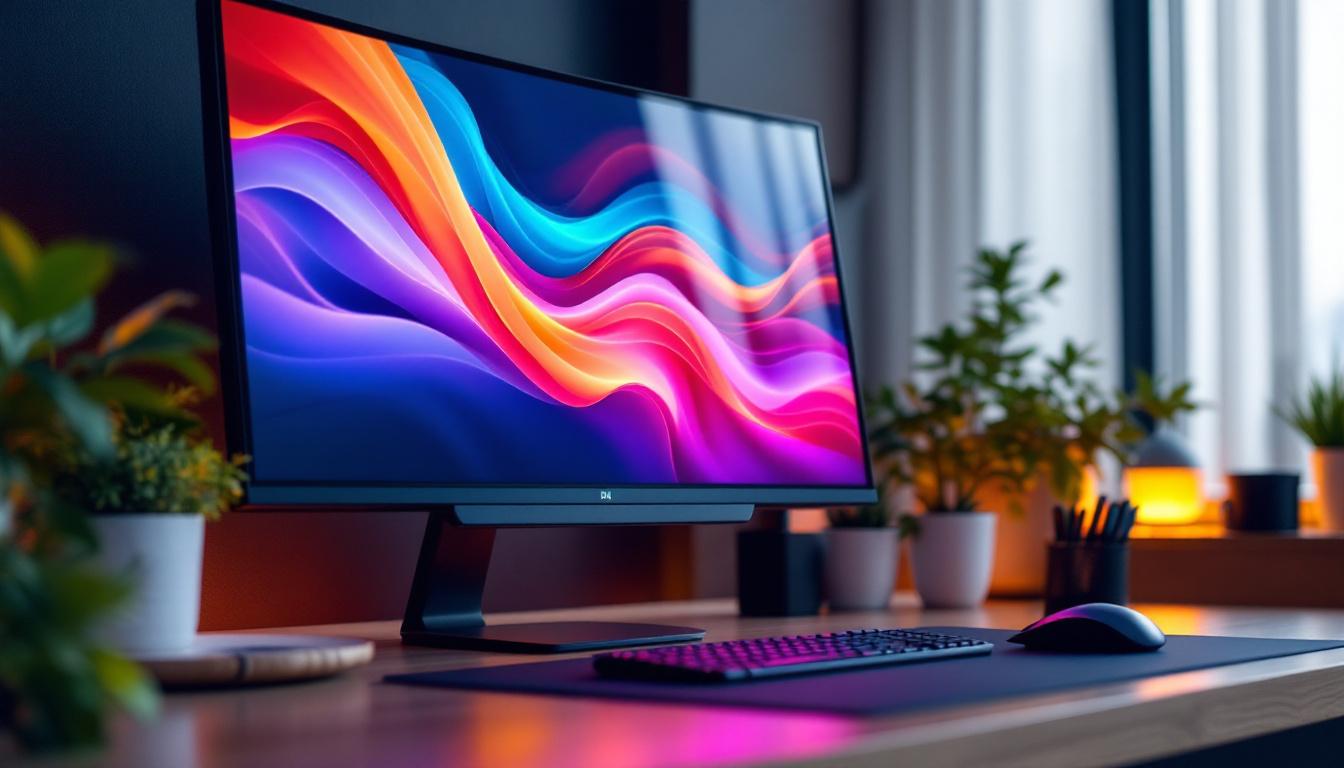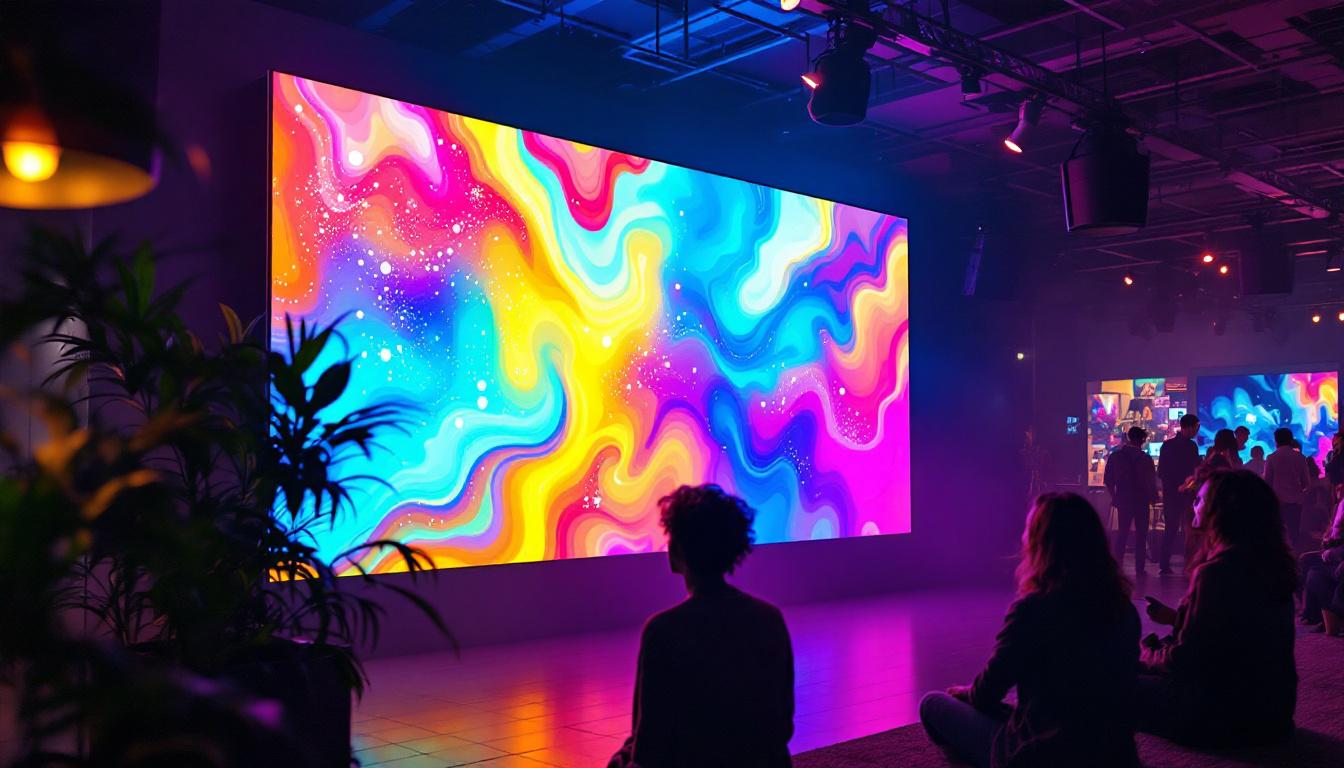
In the rapidly evolving world of digital signage and display technology, LED screens have become a cornerstone for businesses, advertisers, and event organizers alike. Among the most innovative advancements in this field is the custom shape LED screen—a versatile and visually striking solution that breaks free from the traditional rectangular display mold. This article delves deep into what custom shape LED screens are, how they work, their benefits, and why they are increasingly becoming the go-to choice for cutting-edge visual communication.
Understanding LED Display Technology
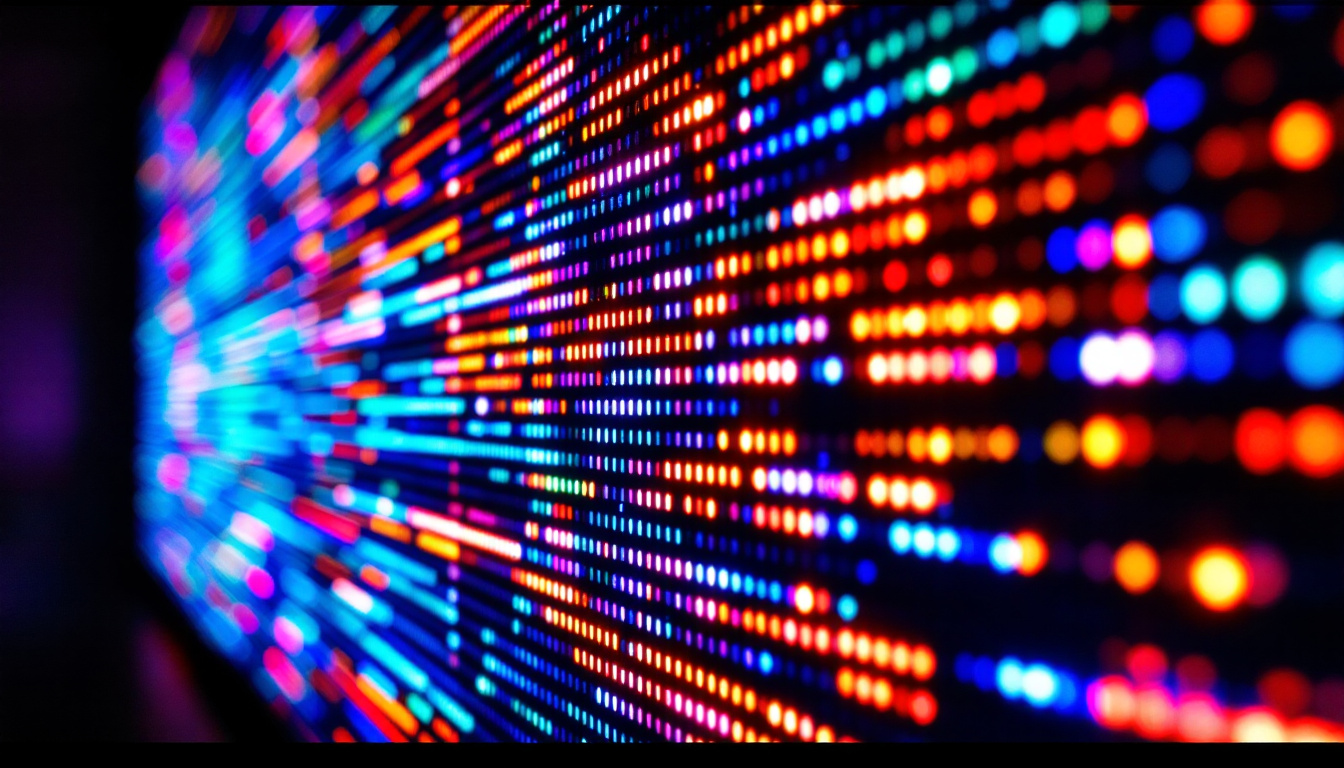
To appreciate the uniqueness of custom shape LED screens, it’s essential first to understand the fundamentals of LED display technology. LED stands for Light Emitting Diode, a semiconductor device that emits light when an electric current passes through it. LED displays use thousands of these tiny diodes to create images, videos, and animations with remarkable brightness and clarity.
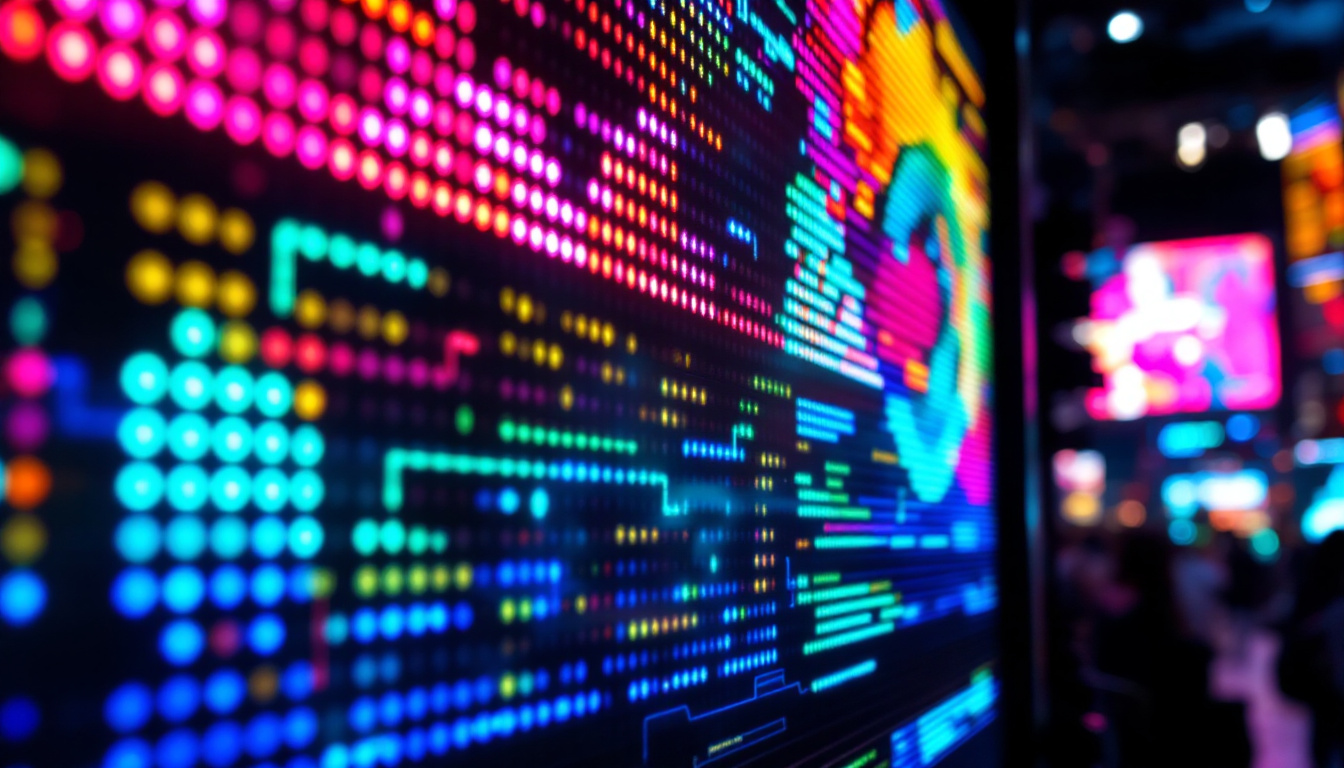
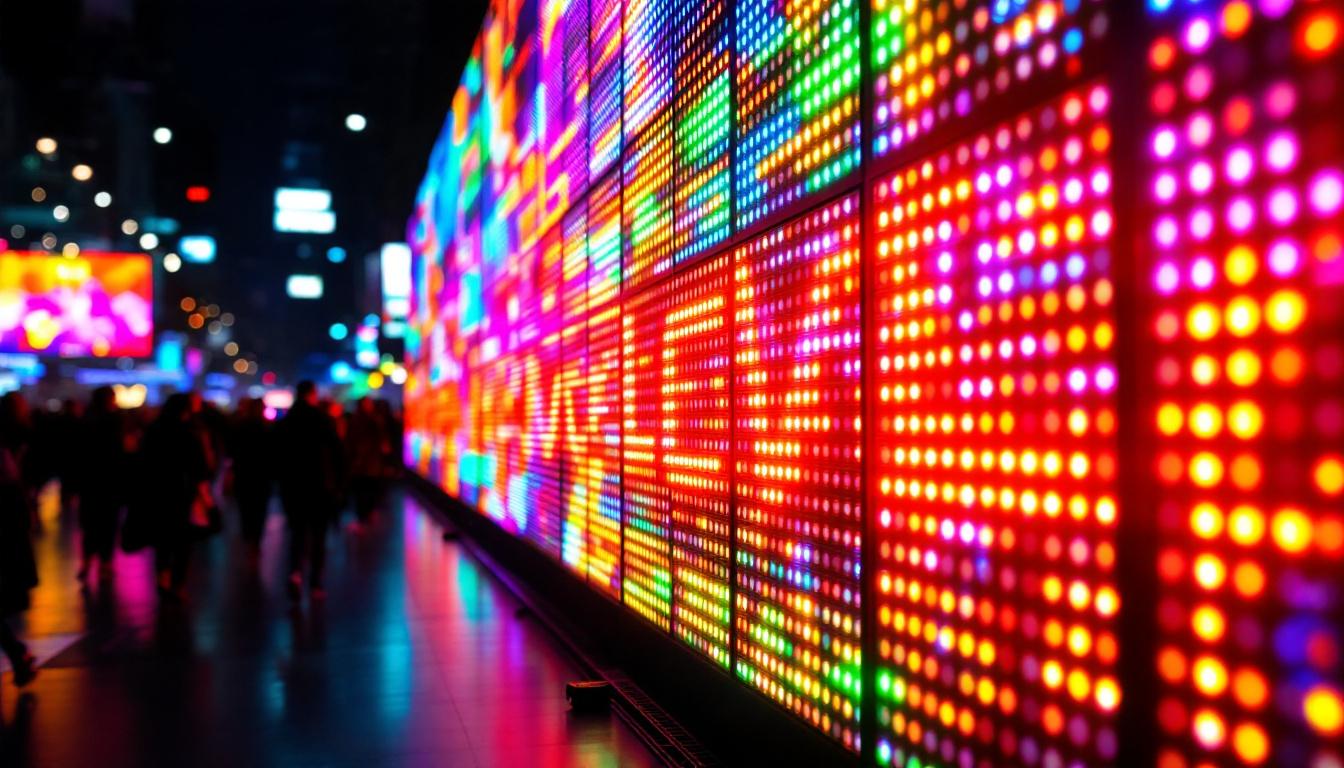
Traditional LED screens are typically rectangular, composed of modular panels that fit together seamlessly. These panels contain a grid of LEDs arranged in pixels, which can display a wide range of colors by combining red, green, and blue diodes. The pixel pitch—the distance between each pixel—determines the resolution and viewing distance of the screen. Smaller pixel pitches offer higher resolution and are suitable for close-up viewing, while larger pitches are ideal for outdoor or large venue displays.
LED technology is favored for its energy efficiency, durability, and ability to produce vivid colors even in bright ambient light conditions. This makes LED displays highly effective for advertising, entertainment, sports arenas, retail environments, and public information systems.
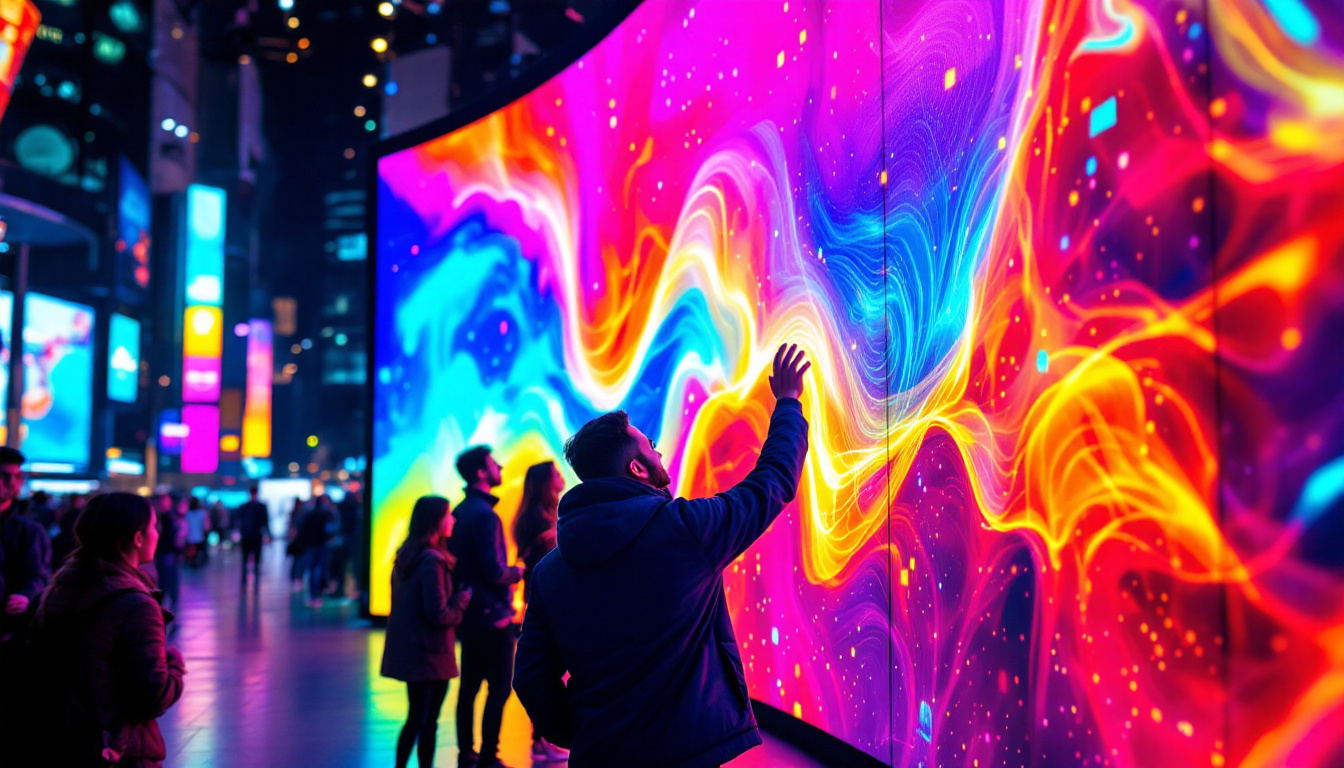
One of the most exciting advancements in LED technology is the development of flexible and custom-shaped LED screens. These innovative displays can be bent, curved, or shaped into unique configurations, allowing for creative installations that were previously unimaginable. From immersive environments in theme parks to eye-catching displays in retail spaces, the versatility of custom shape LED screens enables designers and marketers to push the boundaries of visual storytelling. The ability to create non-traditional shapes not only enhances aesthetic appeal but also allows for more effective branding and communication strategies.
Moreover, the integration of smart technology with LED displays has further revolutionized their use. Many modern LED screens are equipped with sensors and connectivity features that enable real-time data display, interactivity, and content management. This means that businesses can tailor their messaging based on audience engagement, time of day, or even weather conditions, making LED displays not just a static visual tool but a dynamic part of the customer experience. As technology continues to evolve, the potential applications for LED displays are boundless, paving the way for even more innovative uses in various industries.
What Is a Custom Shape LED Screen?
Unlike traditional LED screens that are restricted to standard rectangular or square shapes, custom shape LED screens are designed to fit unique, irregular, or creative forms. These displays can be curved, circular, triangular, or even abstract shapes tailored to specific design requirements or architectural features.
Custom shape LED screens are created by assembling smaller LED modules or panels that can be cut, bent, or arranged in non-linear configurations. Advanced manufacturing techniques and flexible LED modules enable the creation of displays that conform to unusual surfaces or artistic visions.
For example, a retail store might install a custom-shaped LED screen shaped like their logo or product, while a concert venue might use a circular LED display to enhance stage design. This flexibility opens up a world of creative possibilities that traditional screens cannot match.
Types of Custom Shapes
Custom LED screens can take many forms, including:
- Curved Screens: These screens wrap around corners or cylindrical structures, providing immersive viewing angles.
- Freeform Shapes: Irregular or abstract shapes designed to fit artistic or branding needs.
- Circular and Oval Displays: Popular in arenas, retail, and exhibitions for their eye-catching symmetry.
- 3D LED Displays: Multi-dimensional shapes that create depth and dynamic visual effects.
How Custom Shape LED Screens Are Built
Constructing a custom shape LED screen requires a combination of engineering precision, creative design, and advanced technology. The process typically involves several key steps:
1. Design and Planning
The first step is to define the shape, size, and resolution requirements based on the intended application and location. Designers use CAD (Computer-Aided Design) software to create detailed models that consider the physical constraints of the installation site and the desired visual impact.
2. Module Selection and Fabrication
LED modules are selected based on pixel pitch, brightness, and flexibility. Flexible LED strips or panels are often used for curved or irregular shapes. For rigid shapes, custom-cut modules may be fabricated to fit the design precisely.
3. Assembly and Integration
Modules are assembled onto a supporting frame or structure that maintains the shape and provides stability. Wiring and control systems are integrated to ensure seamless image display across the entire screen.
4. Calibration and Testing
Once assembled, the screen undergoes calibration to balance brightness, color accuracy, and uniformity. Testing ensures the display performs reliably under various lighting conditions and viewing angles.
Advantages of Custom Shape LED Screens
Custom shape LED screens offer several distinct advantages over traditional displays, making them an attractive option for many applications:
Enhanced Visual Impact
The unique shapes and forms of these screens naturally draw attention. Whether used for branding, advertising, or entertainment, custom shapes create memorable visual experiences that stand out in crowded environments.
Architectural Integration
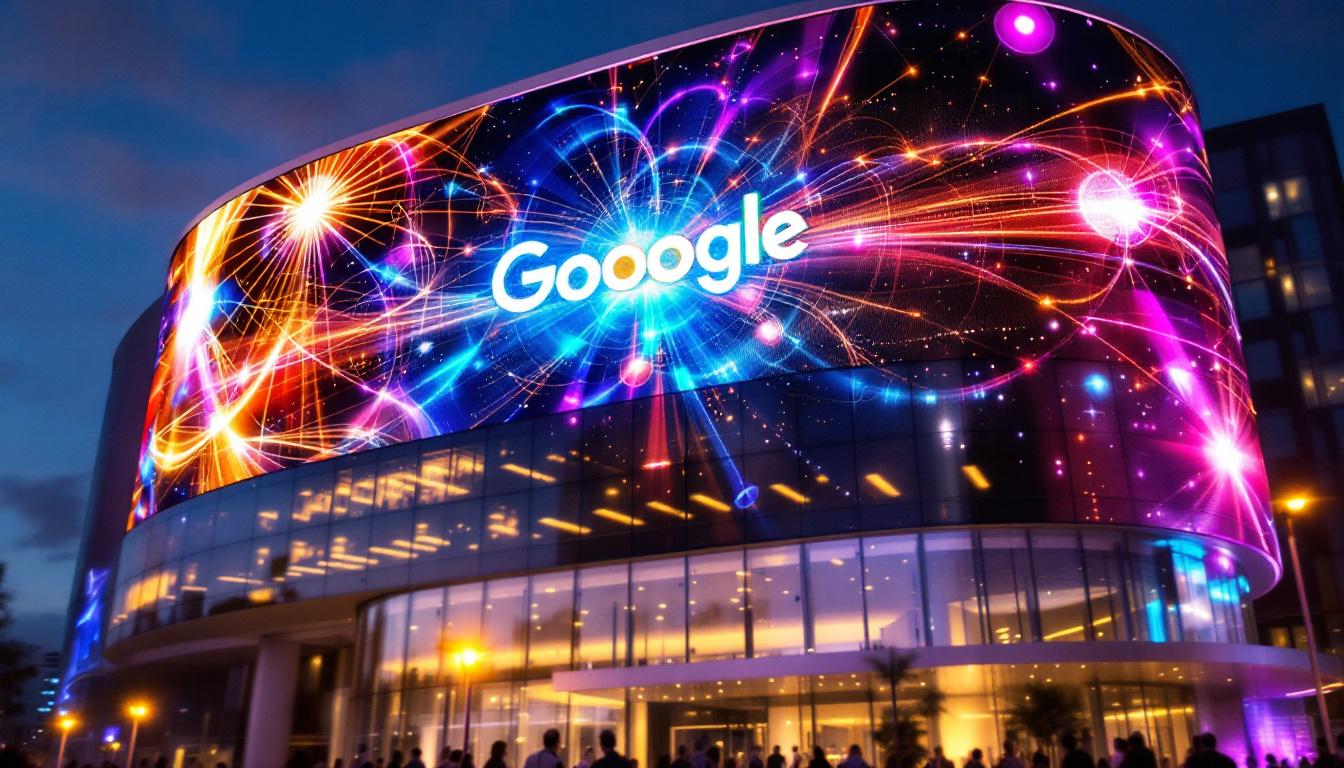
Custom LED screens can be designed to blend seamlessly with building facades, interior designs, or stage setups. This integration enhances aesthetic appeal and allows for creative storytelling through digital media.
Flexibility and Versatility
These displays can be adapted to fit almost any space or surface, including curved walls, columns, or irregular structures. This versatility expands the possibilities for digital signage and interactive installations.
Improved Audience Engagement
By breaking away from conventional shapes, custom LED screens can create immersive environments that captivate audiences. This is particularly valuable in retail, events, and public spaces where engagement drives business outcomes.
Durability and Energy Efficiency
Like traditional LED screens, custom shape displays benefit from LED technology’s long lifespan and low power consumption. Many are designed to withstand outdoor conditions, including rain, wind, and UV exposure.
Applications of Custom Shape LED Screens
The versatility of custom shape LED screens has led to their adoption across a wide range of industries and use cases. Here are some notable examples:
Retail and Advertising
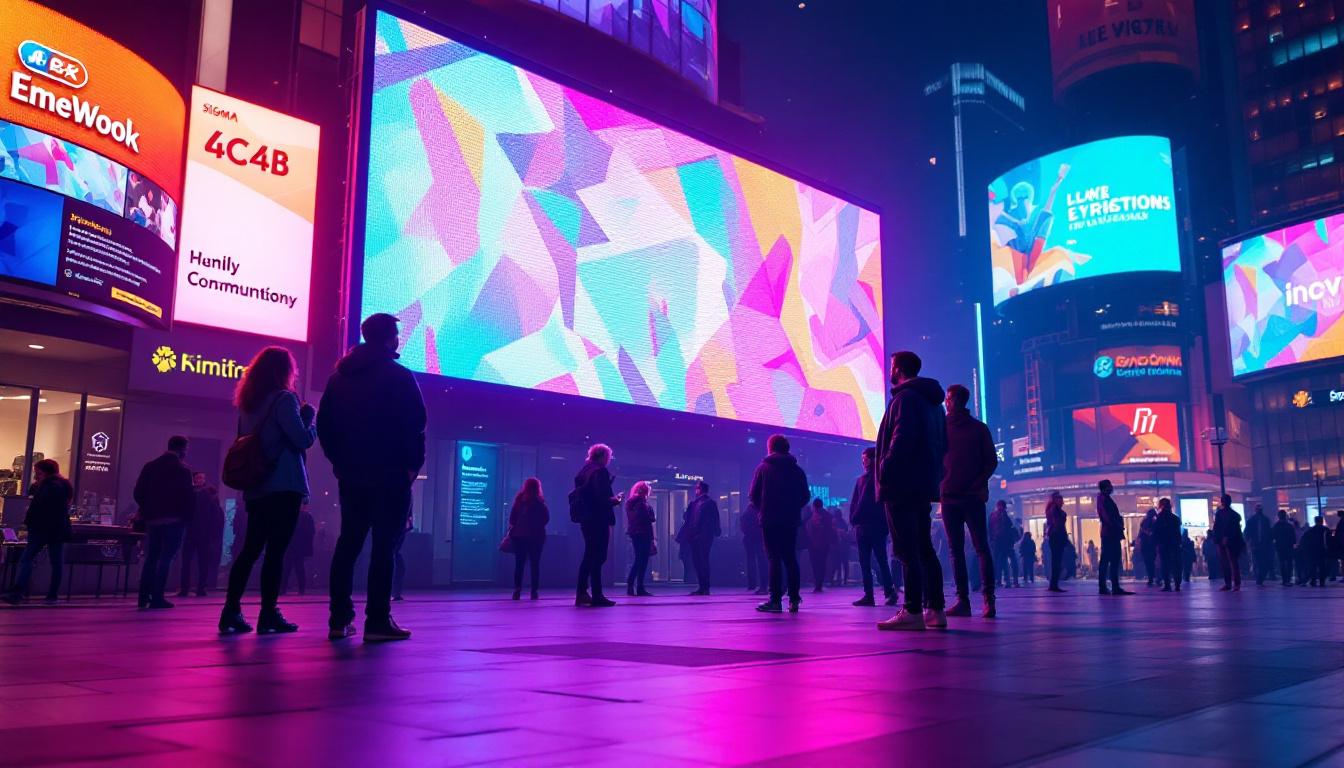
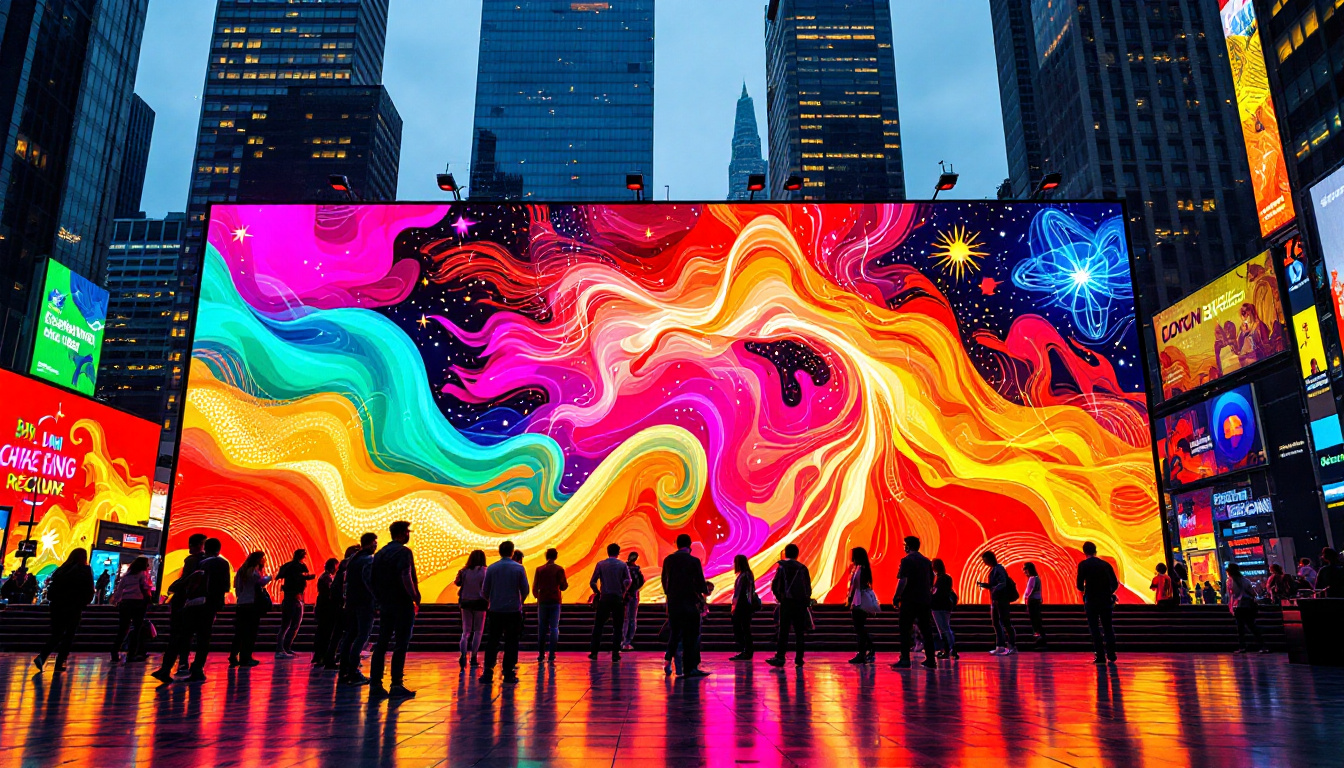
Retailers use custom LED displays to create dynamic window displays, branded signage, and interactive product showcases. For instance, a luxury brand might install a circular LED screen above its entrance to display promotional content in a visually striking way.
Events and Entertainment
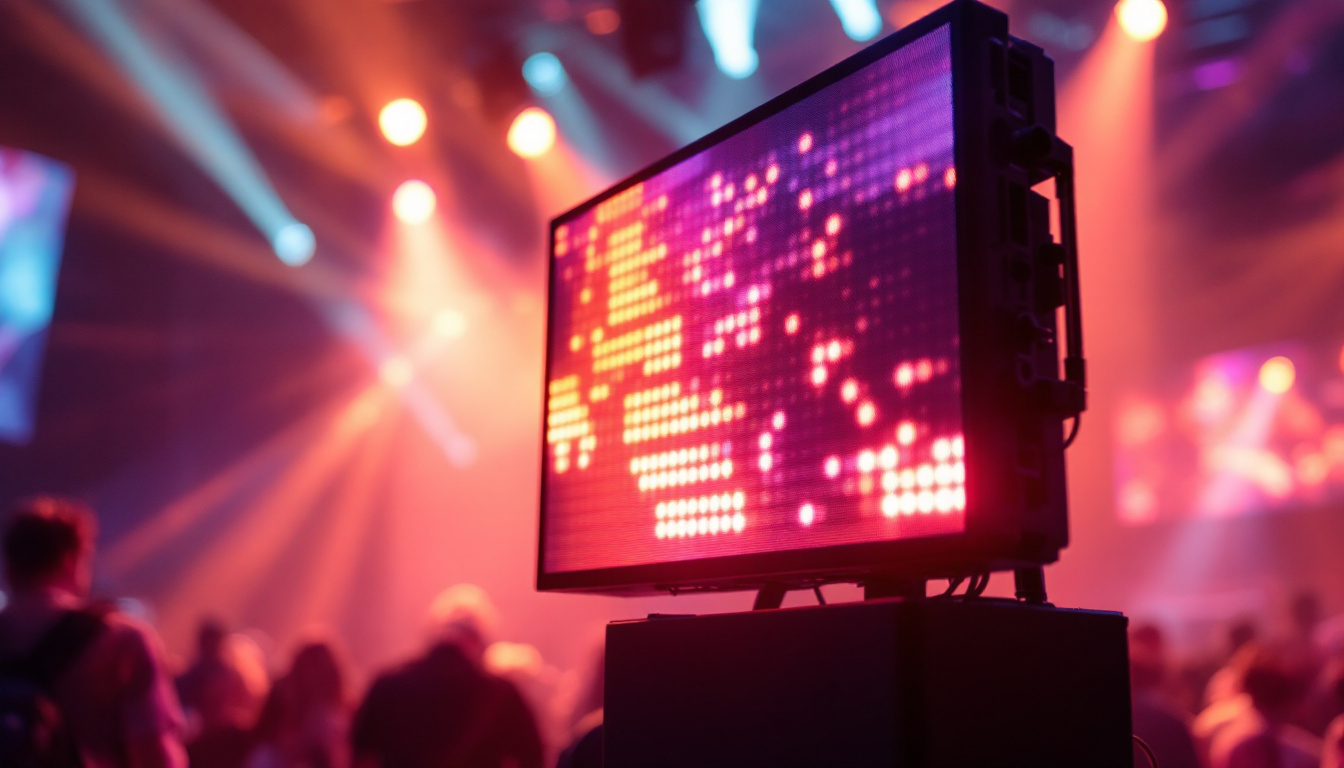
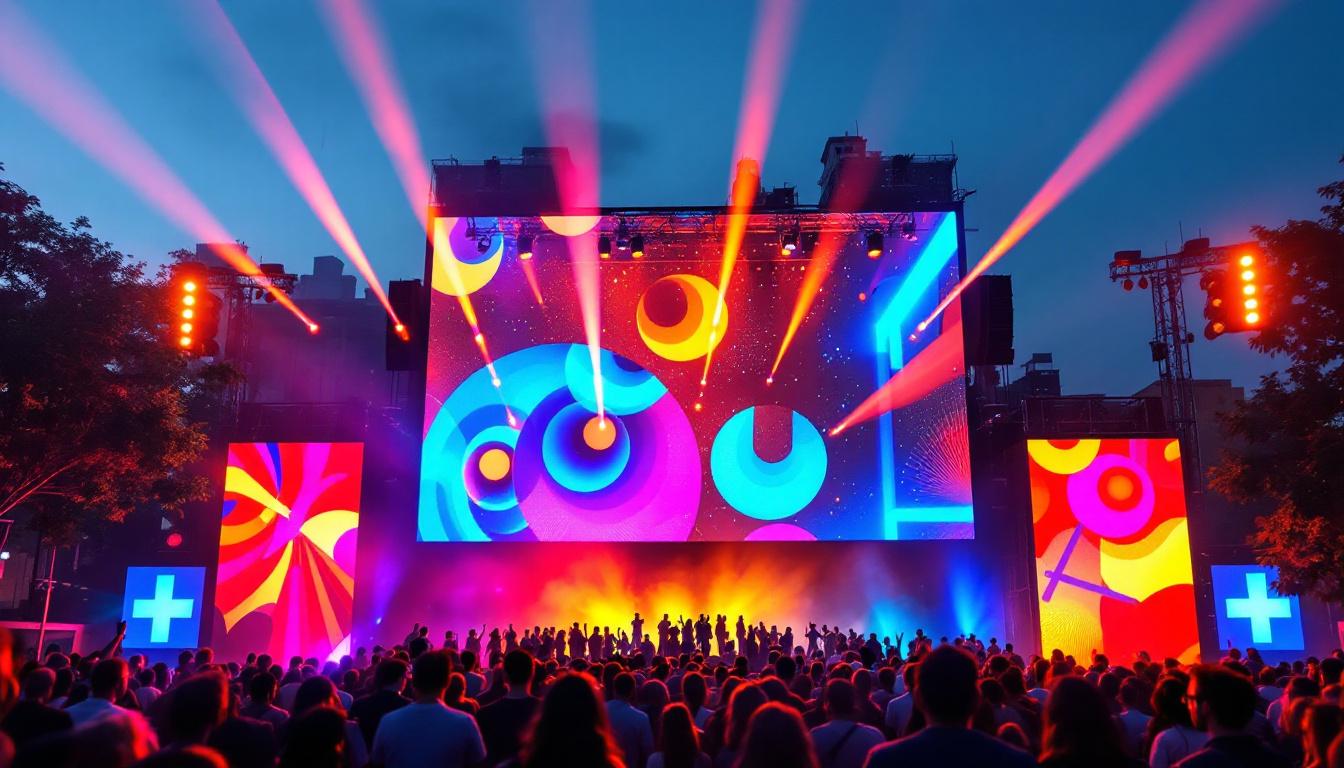
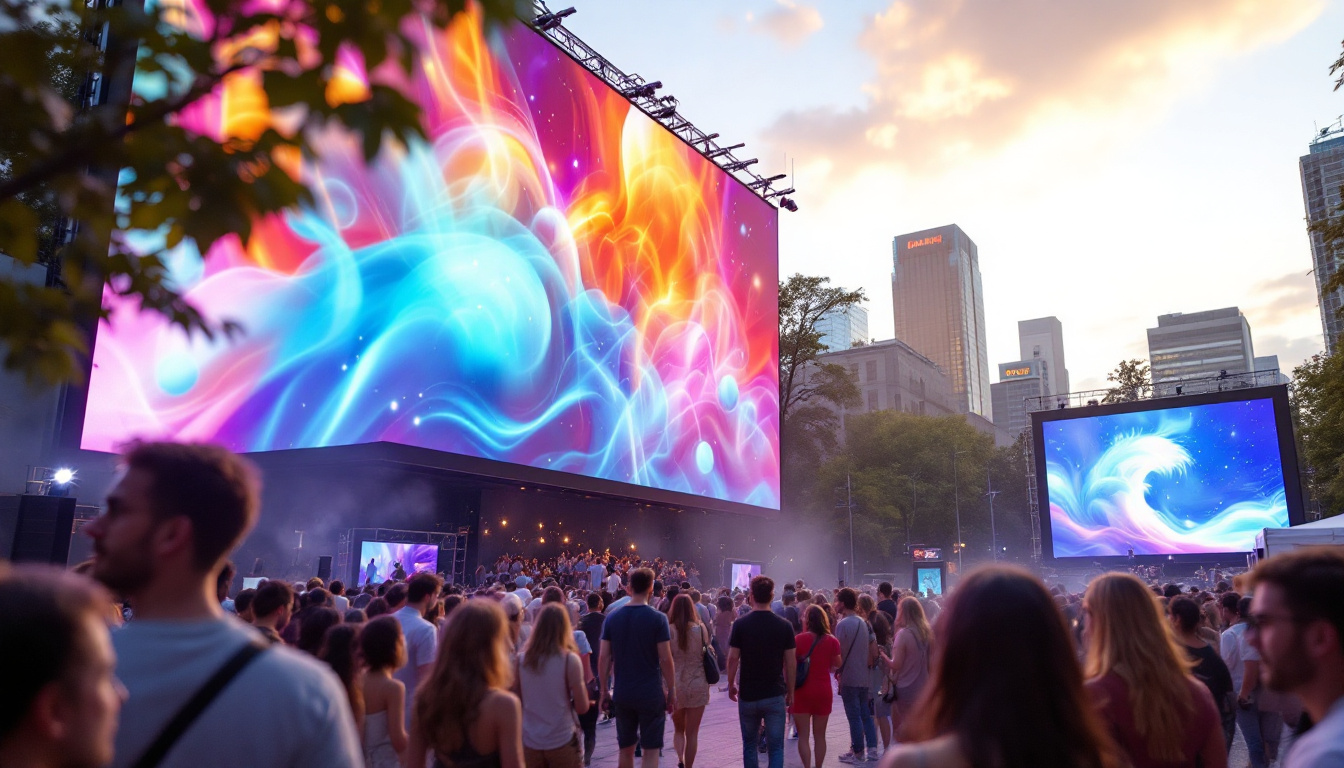
Concerts, festivals, and theater productions utilize custom-shaped LED screens to enhance stage design and create immersive visual effects. Curved or 3D LED displays can wrap around performers or form part of elaborate set pieces.
Sports Arenas and Stadiums
Sports venues often incorporate circular or ribbon LED displays that encircle the arena, providing fans with real-time scores, replays, and advertisements. Custom shapes can also be used to fit unique architectural features of the stadium.
Corporate and Public Spaces
Corporate lobbies, airports, museums, and public squares employ custom LED screens for information dissemination, wayfinding, and artistic installations. These displays can be tailored to complement the space’s design and enhance visitor experience.
Key Considerations When Choosing a Custom Shape LED Screen
While custom shape LED screens offer exciting possibilities, selecting the right solution requires careful consideration of several factors:
Resolution and Pixel Pitch
The intended viewing distance should guide the choice of pixel pitch. High-resolution screens with small pixel pitches are necessary for close-up viewing, while larger pitches suffice for distant audiences.
Brightness and Contrast
Brightness levels must be adequate for the installation environment, especially for outdoor or brightly lit indoor spaces. High contrast ratios improve image clarity and color vibrancy.
Durability and Weather Resistance
For outdoor installations, screens need to be weatherproof and able to withstand temperature fluctuations, moisture, and dust. IP ratings indicate the level of protection.
Installation and Maintenance
Custom shapes may require specialized mounting structures and access for maintenance. Planning for ease of installation and servicing can reduce long-term costs and downtime.
Content Management
Effective content management systems (CMS) are essential to control and update the display content seamlessly. Compatibility with various media formats and scheduling capabilities enhances operational flexibility.
The Future of Custom Shape LED Screens
As LED technology continues to advance, the potential for custom shape LED screens is expanding. Innovations such as micro-LEDs, transparent LED displays, and flexible OLEDs are pushing the boundaries of design and functionality.
Micro-LED technology, for example, offers even higher resolution and brightness with lower power consumption, enabling ultra-thin and lightweight displays. Transparent LED screens allow for see-through digital signage, perfect for storefront windows or glass walls.
Moreover, the integration of AI and IoT technologies with LED displays is paving the way for interactive and adaptive signage that responds to audience behavior and environmental conditions in real-time.
Conclusion
Custom shape LED screens represent a significant leap forward in display technology, offering unparalleled creative freedom and practical benefits. Their ability to conform to unique shapes and environments makes them ideal for a wide range of applications—from retail and advertising to entertainment and public information.
By understanding the technology, design considerations, and potential applications, businesses and organizations can harness the power of custom shape LED screens to create compelling visual experiences that captivate audiences and elevate brand presence.
As the technology matures and becomes more accessible, custom shape LED screens are poised to become a standard feature in the digital display landscape, transforming how we communicate and engage with visual content.
Discover LumenMatrix’s Innovative LED Solutions
Ready to take your visual communication to the next level with custom shape LED screens? Explore LumenMatrix’s comprehensive range of LED display modules, designed to elevate brand presence and create immersive visual experiences. From Indoor and Outdoor LED Wall Displays to specialized solutions like Vehicle LED Displays, LED Sports Displays, and even LED Transparent Displays, LumenMatrix is at the forefront of transforming environments with vibrant, dynamic signage. Don’t miss the opportunity to captivate your audience with unparalleled clarity and impact. Check out LumenMatrix LED Display Solutions today and see how our technology can revolutionize your space.