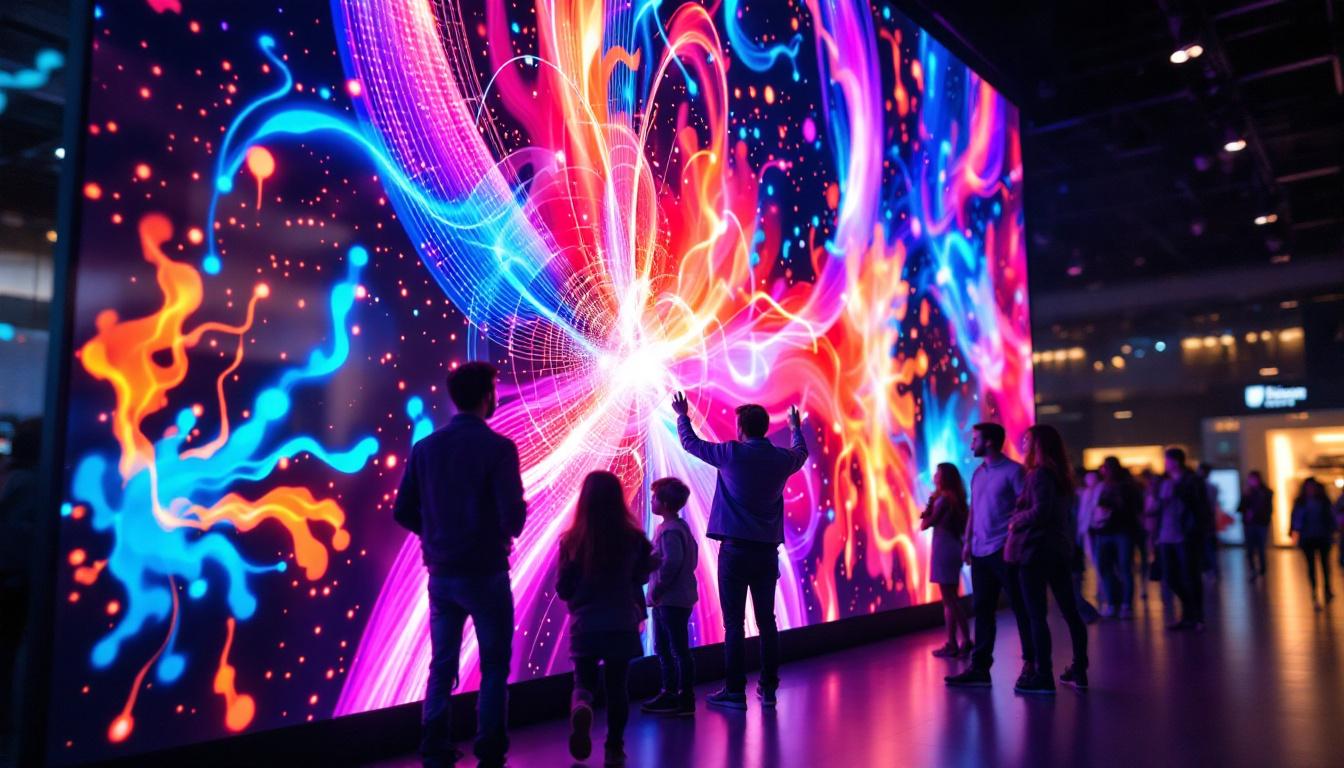
In today’s fast-paced digital world, visual communication plays a pivotal role in capturing attention and conveying messages effectively. Among the various display technologies available, LED displays have emerged as a dominant force, revolutionizing how information is presented in both indoor and outdoor environments. This article explores the fundamentals of LED displays, their applications, technological advancements, and why all-wall equipment is transforming the landscape of digital signage and visual media.
Understanding LED Display Technology
What Is an LED Display?
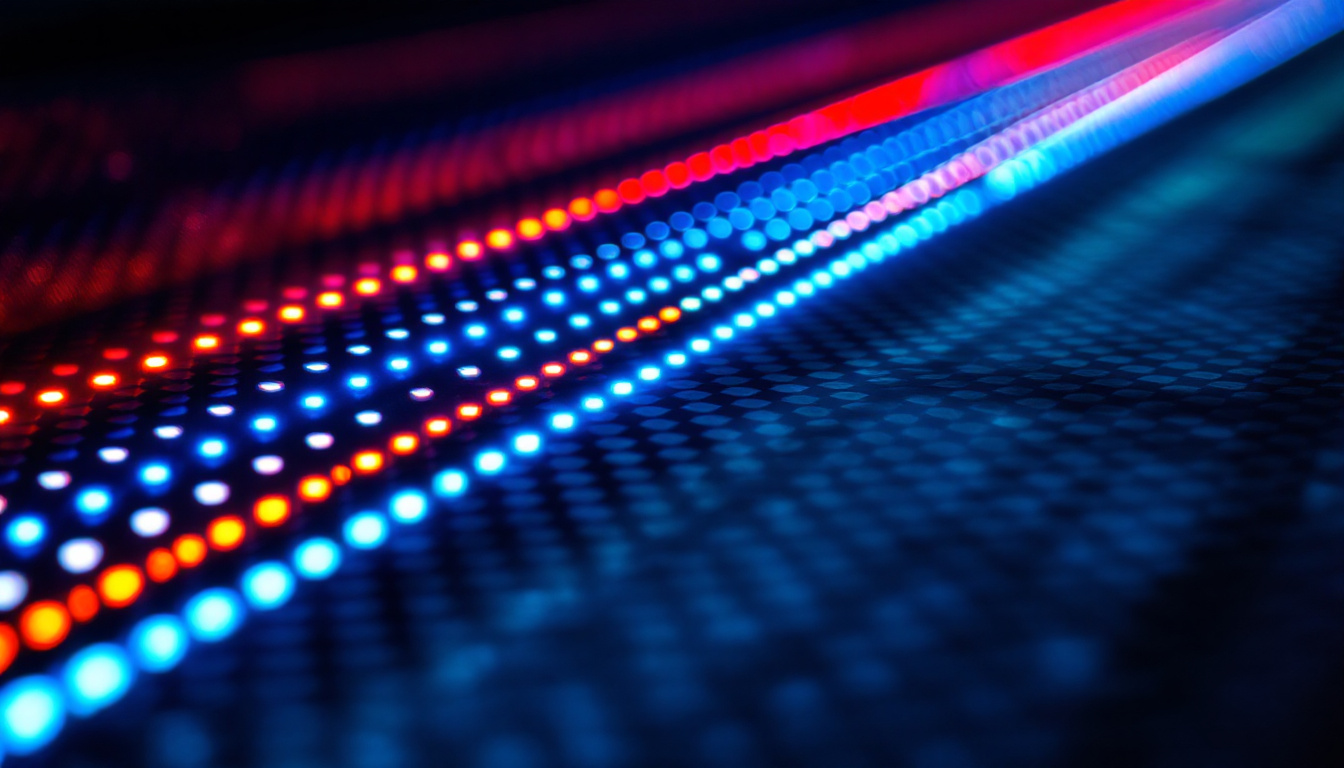
LED stands for Light Emitting Diode, a semiconductor device that emits light when an electric current passes through it. LED displays are composed of thousands to millions of these tiny diodes arranged in a matrix to create images, videos, and text. Unlike traditional LCD or projection screens, LED displays produce their own light, resulting in brighter, more vibrant visuals with higher contrast ratios. This self-illuminating capability allows for deeper blacks and more vivid colors, making LED technology particularly appealing for both indoor and outdoor applications.
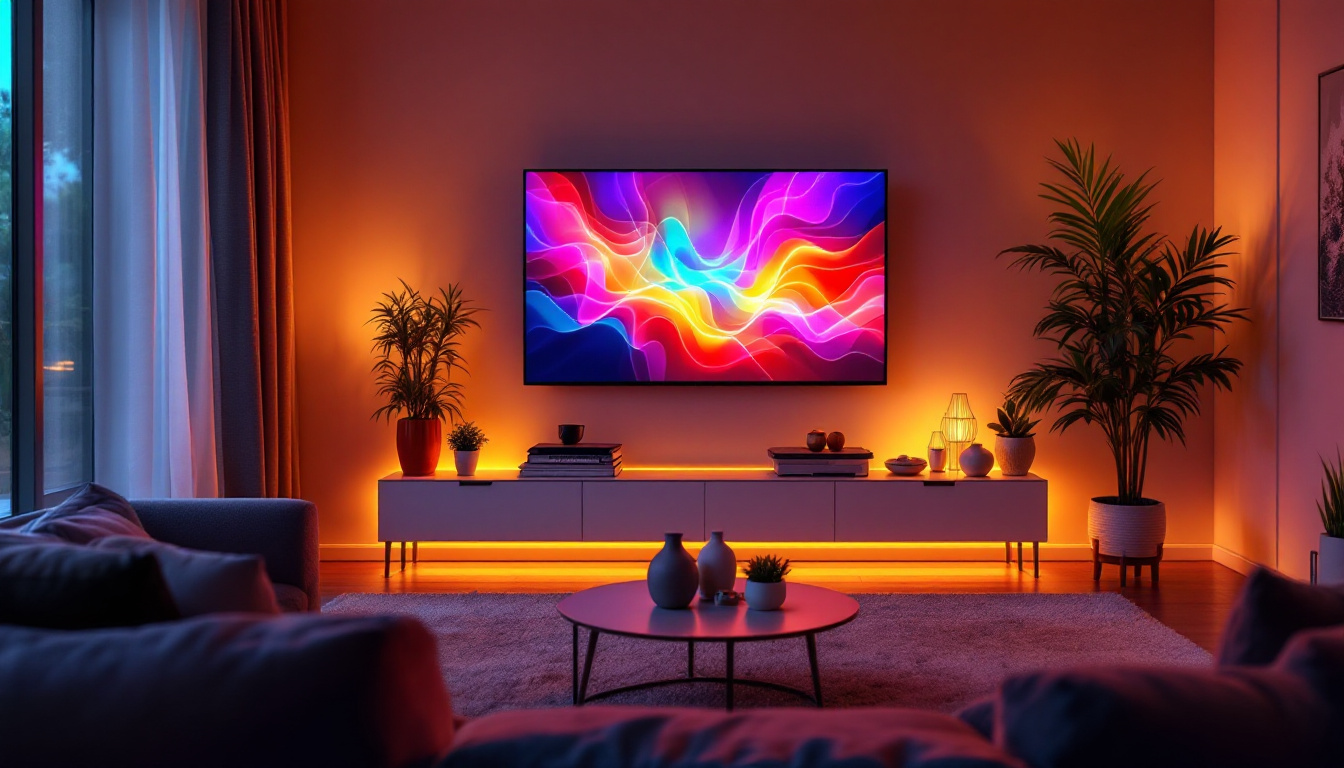
LED displays are categorized mainly into two types: direct-view LED and LED-backlit LCD. Direct-view LED displays use individual LEDs as pixels, making them ideal for large-scale applications such as stadium screens, billboards, and video walls. These displays can be seen from great distances, as they maintain clarity and brightness even in direct sunlight. On the other hand, LED-backlit LCDs use LEDs to illuminate liquid crystal panels and are commonly found in consumer electronics like TVs and monitors. This type of display benefits from the energy efficiency of LED lighting while still leveraging the established technology of LCD screens, making them a popular choice for home entertainment systems.
How Do LED Displays Work?
The basic principle behind an LED display is the control of light emission at the pixel level. Each pixel consists of red, green, and blue LEDs (RGB) that combine to produce a full spectrum of colors. By adjusting the intensity of each LED, the display can render millions of colors and intricate images. This RGB combination allows for precise color reproduction, which is essential for applications ranging from digital signage to high-definition television broadcasts.
Modern LED displays use advanced driver ICs (integrated circuits) and control systems to manage pixel brightness and color accuracy. These systems synchronize the display with input signals, whether from computers, media players, or live video feeds, ensuring smooth and dynamic content delivery. Additionally, many LED displays incorporate technologies such as dynamic contrast enhancement and local dimming, which further improve image quality by adjusting the brightness of specific areas of the screen based on the content being displayed. This level of sophistication not only enhances the viewing experience but also contributes to energy savings, as the display can reduce power consumption in darker scenes.
The Rise of All-Wall LED Equipment
What Is All-Wall Equipment?
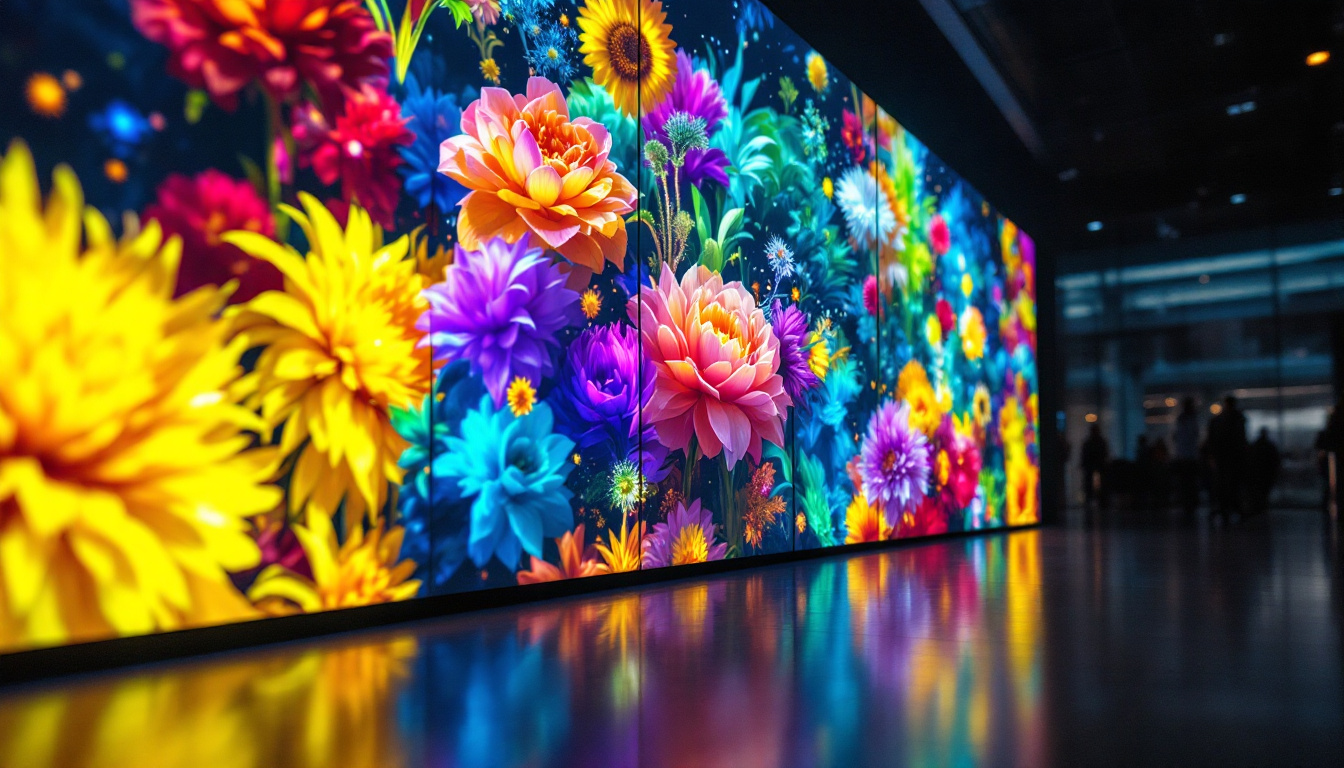
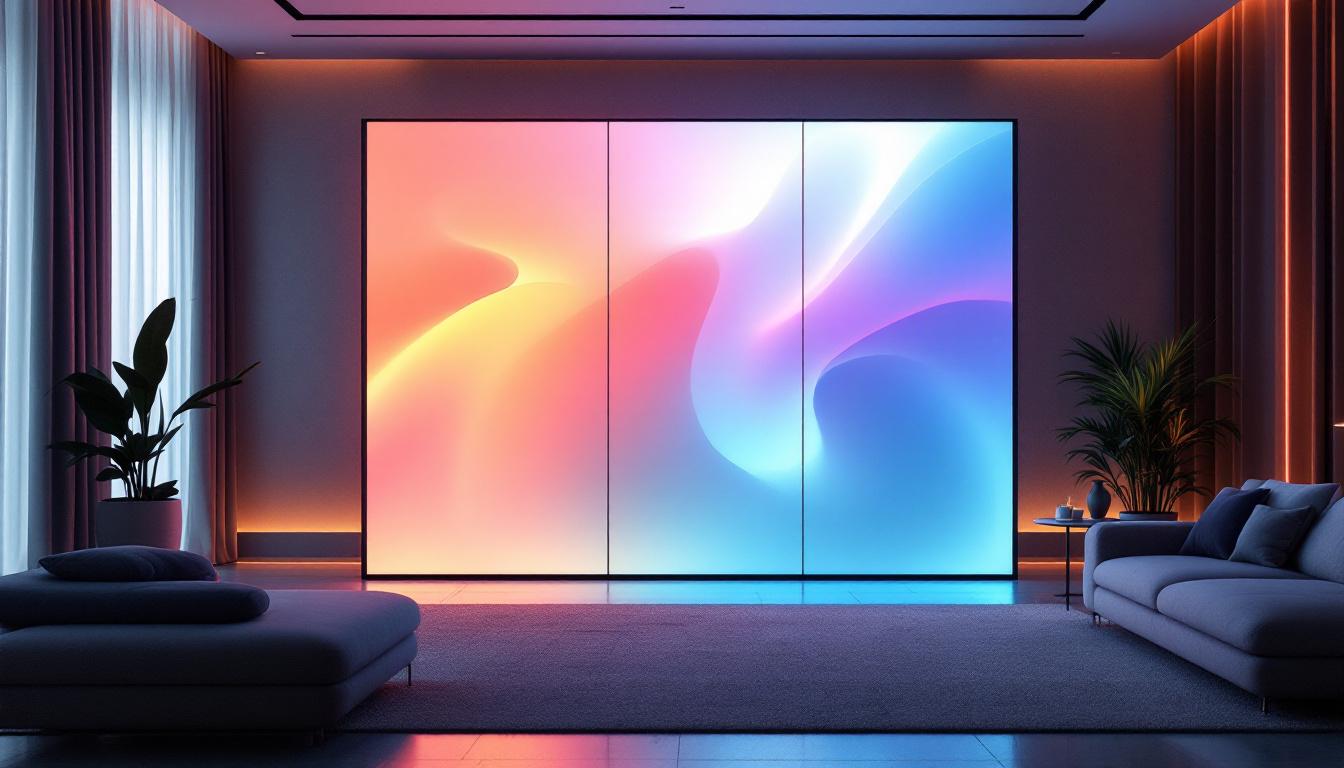
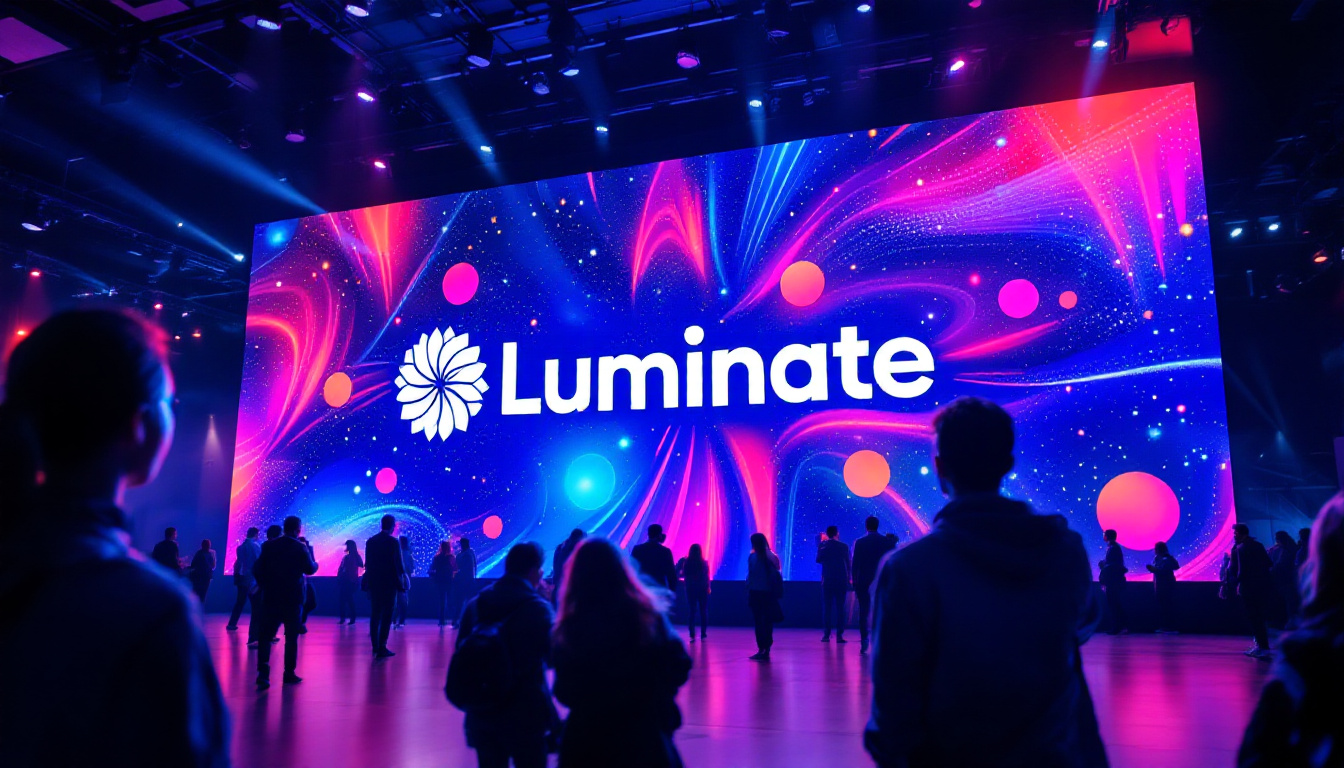
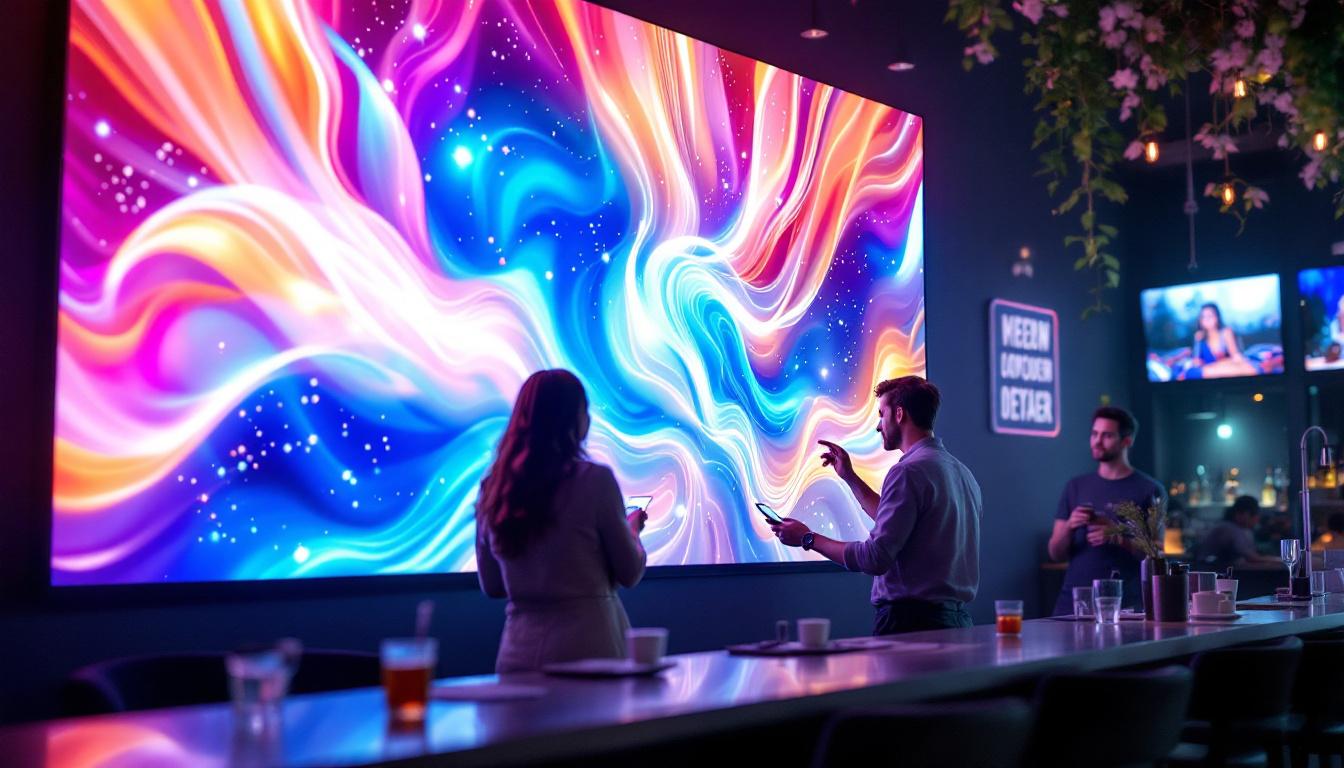
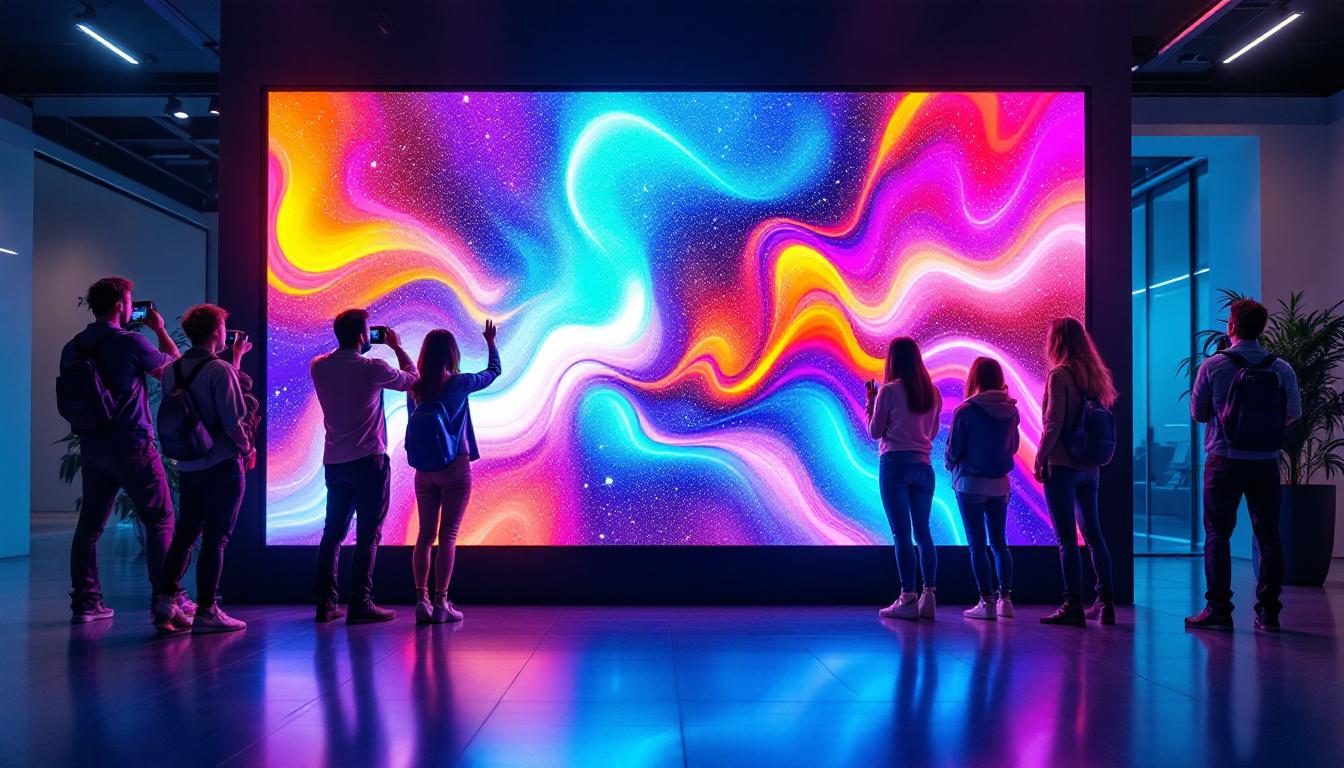
All-wall equipment refers to large-scale LED display installations that cover entire walls or expansive surfaces, creating immersive visual environments. These installations are often modular, allowing for customization in size and shape to fit architectural features. The flexibility of all-wall LED displays enables designers and businesses to transform ordinary walls into dynamic canvases for advertising, entertainment, information, and art.
Unlike traditional single-screen setups, all-wall LED installations provide seamless, bezel-free visuals that captivate audiences. They are commonly used in arenas, retail stores, corporate lobbies, control rooms, museums, and public spaces where impactful communication is essential.
Advantages of All-Wall LED Displays
One of the primary benefits of all-wall LED displays is their scalability. Whether it’s a 10-foot-wide video wall or an entire building facade, LED modules can be combined to create virtually any size. This scalability makes them suitable for both small venues and massive outdoor advertising campaigns.
Additionally, LED displays offer superior brightness and visibility compared to other display technologies. This is particularly important for outdoor or well-lit indoor environments where glare and ambient light can diminish screen clarity. With brightness levels often exceeding 1,000 nits, LED walls ensure content remains vivid and legible from long distances.
Durability is another key advantage. LED modules are designed to withstand harsh weather conditions, including rain, wind, and extreme temperatures, making them ideal for outdoor use. Their long lifespan—often exceeding 100,000 hours—reduces maintenance costs and downtime.
Applications of LED Displays in Various Industries
Advertising and Marketing
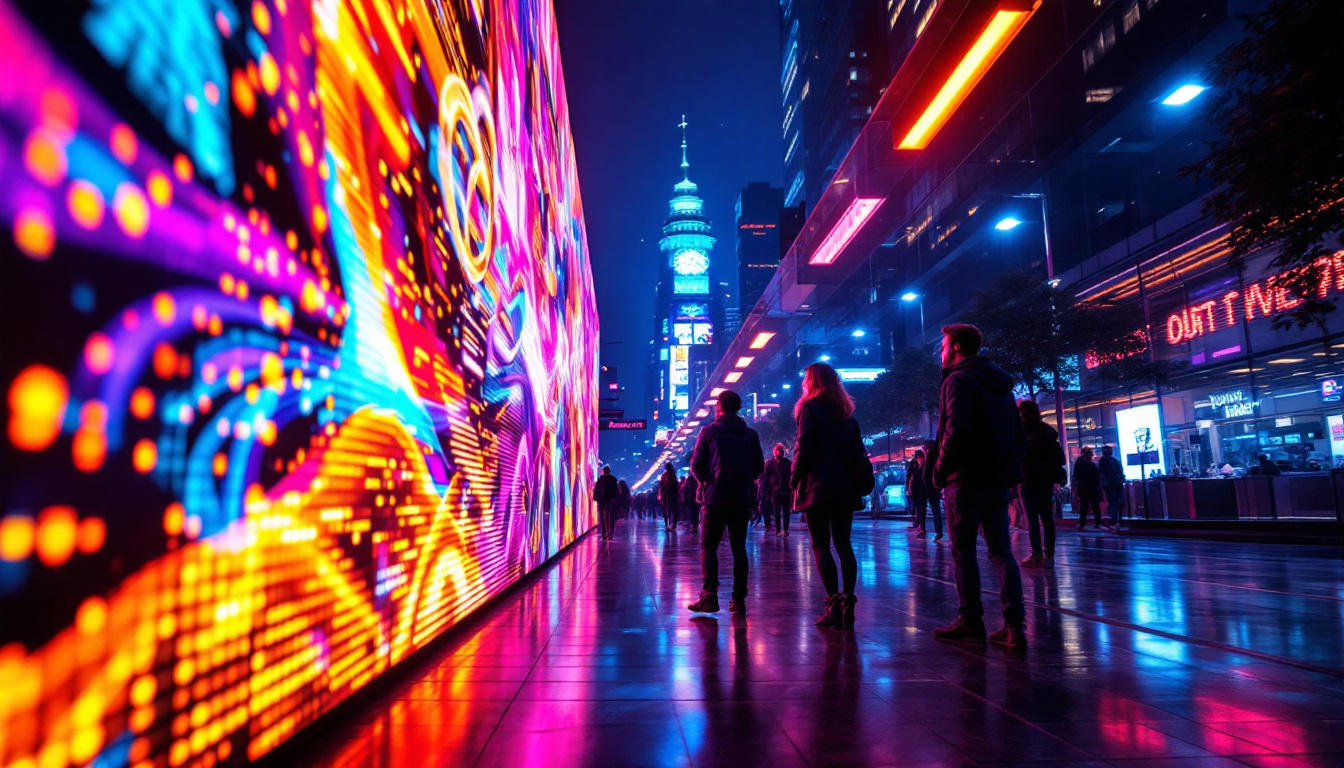
LED displays have become indispensable tools in the advertising industry. The ability to deliver high-impact, dynamic content attracts more viewers and increases engagement compared to static billboards. According to recent market research, digital out-of-home advertising, which heavily relies on LED technology, is projected to grow at a compound annual growth rate (CAGR) of over 10% through 2027.
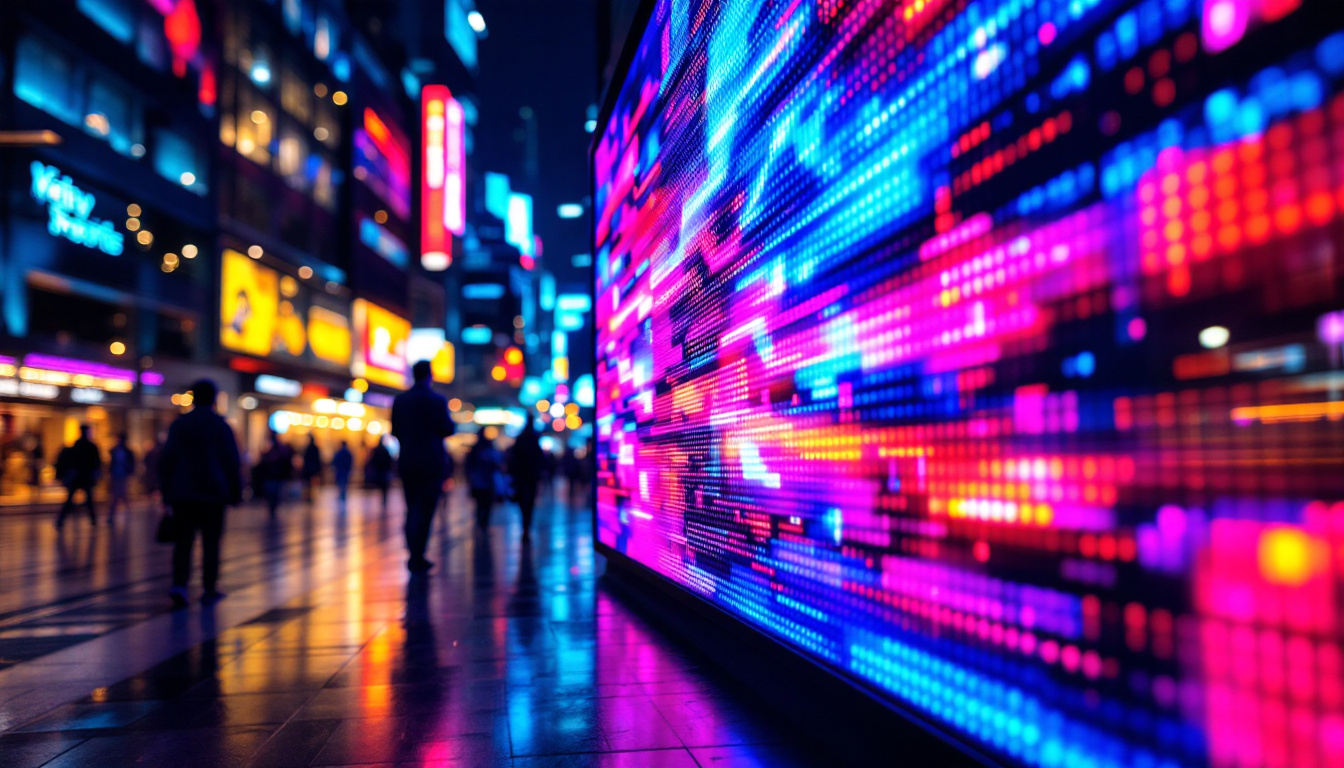
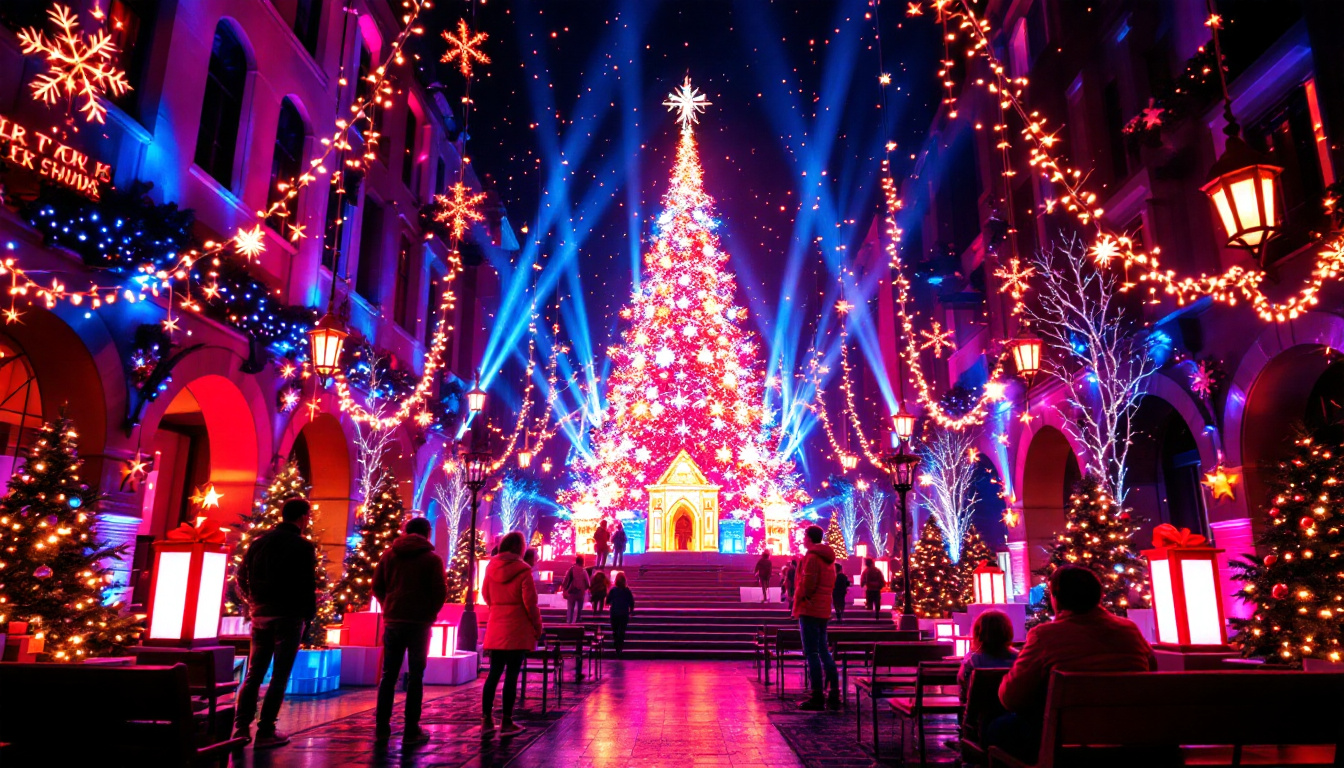
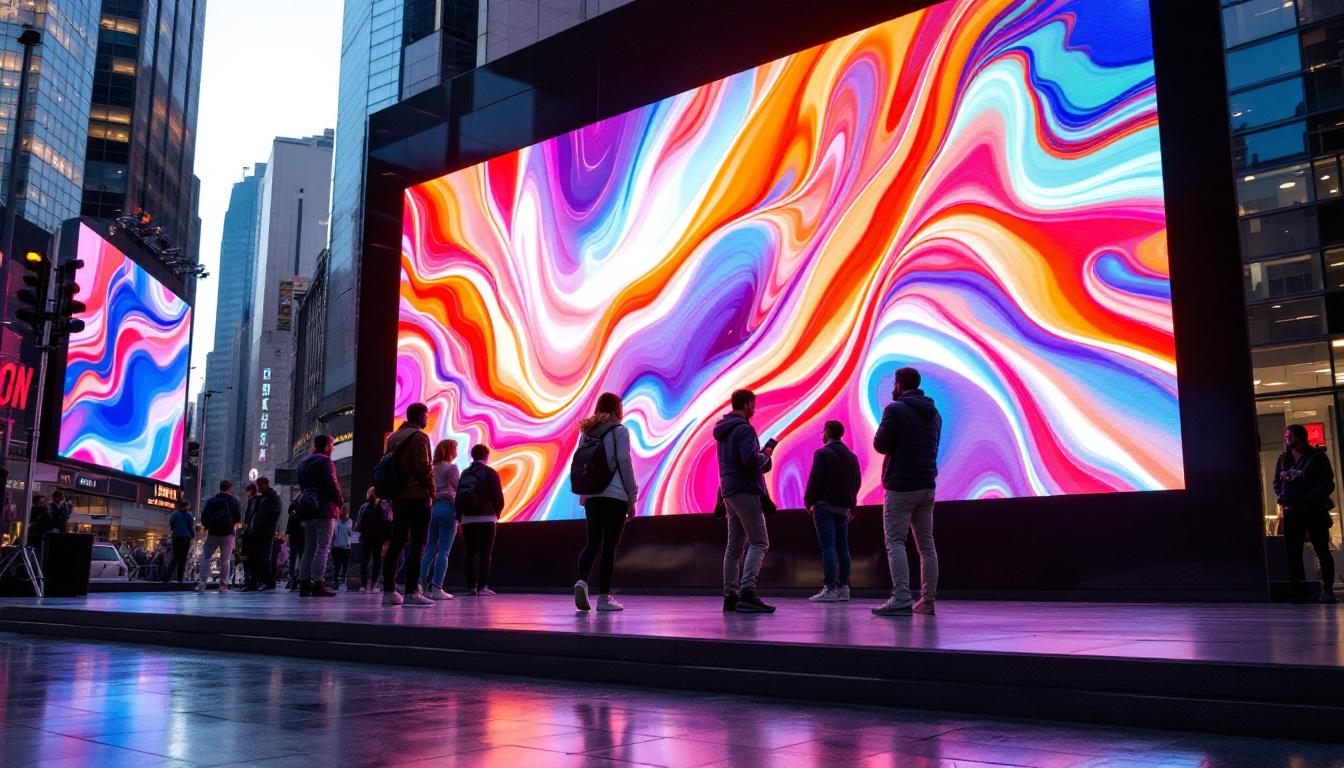
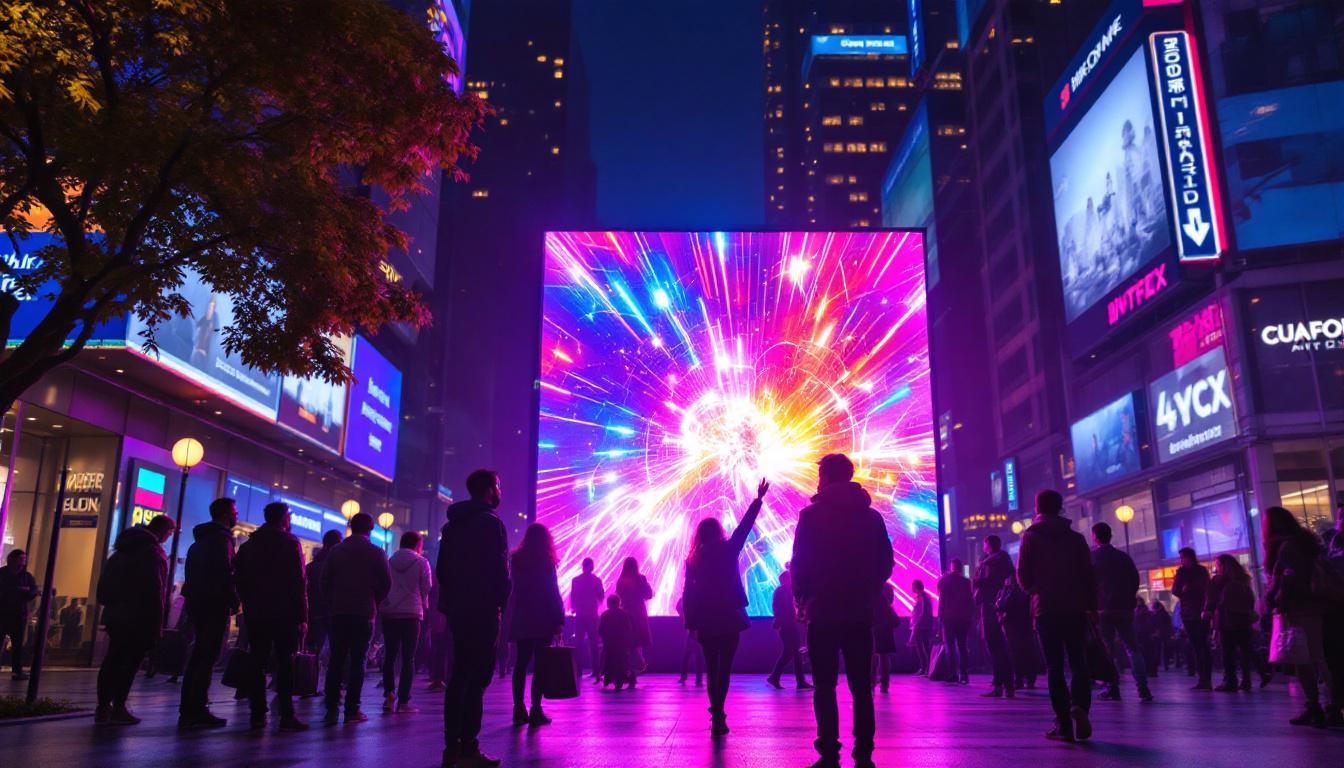
Brands use all-wall LED installations in flagship stores and urban centers to create memorable brand experiences. For example, Times Square in New York City is renowned for its massive LED billboards that light up the skyline and draw millions of visitors annually.
Entertainment and Events
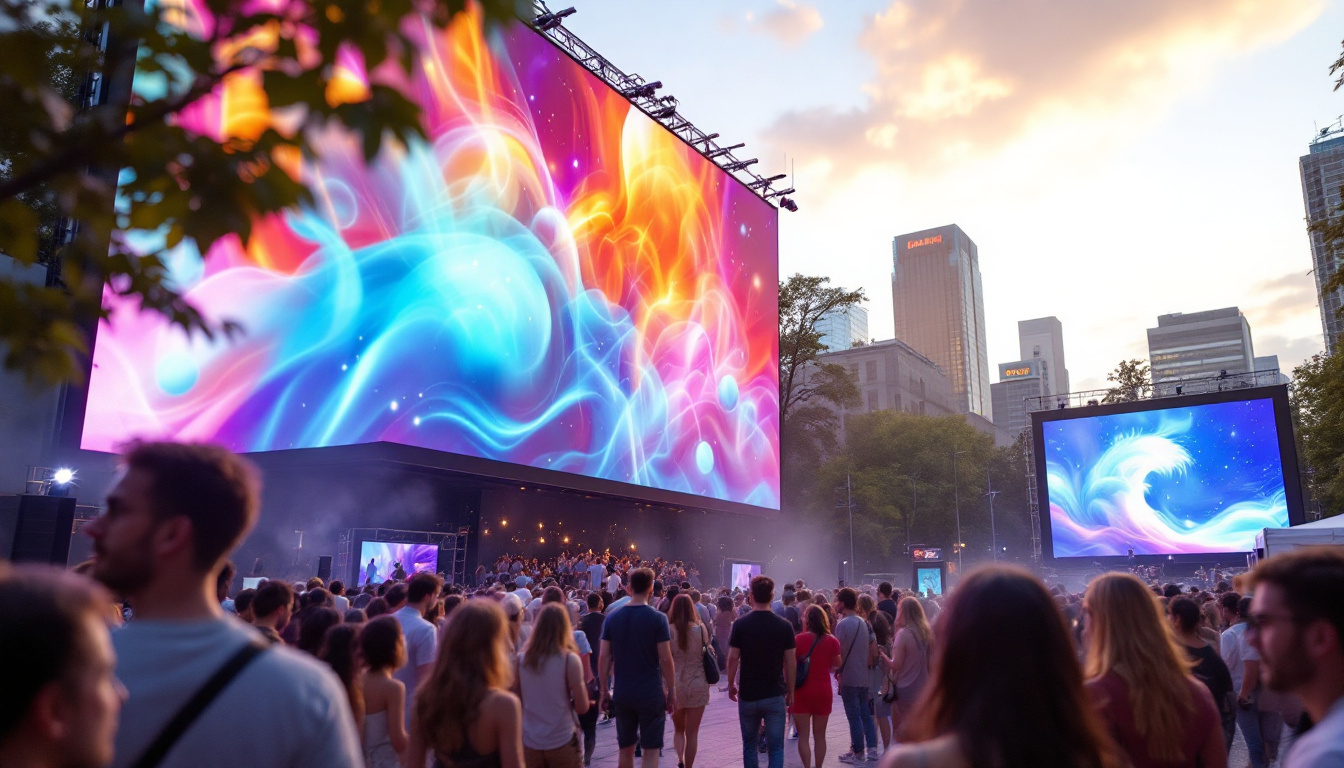
Concerts, sports events, and festivals have embraced LED walls to enhance audience experience. Large LED screens provide close-up views of performers and action, ensuring that even spectators far from the stage or field remain engaged. The modular nature of LED panels allows for creative stage designs and interactive visuals that elevate live performances.
Beyond live events, LED walls are used in television studios and film production for virtual sets and immersive backgrounds, offering greater flexibility and cost savings compared to traditional green screen techniques.
Corporate and Control Rooms
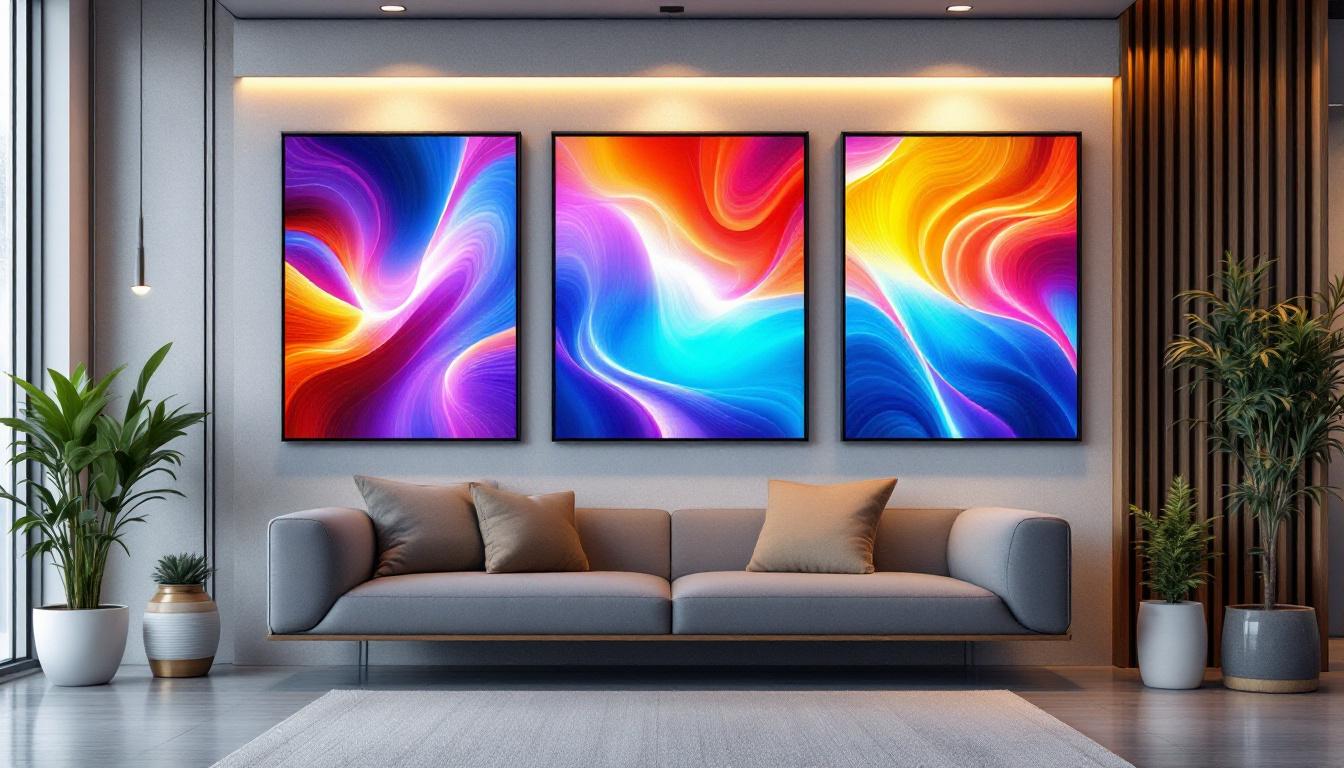
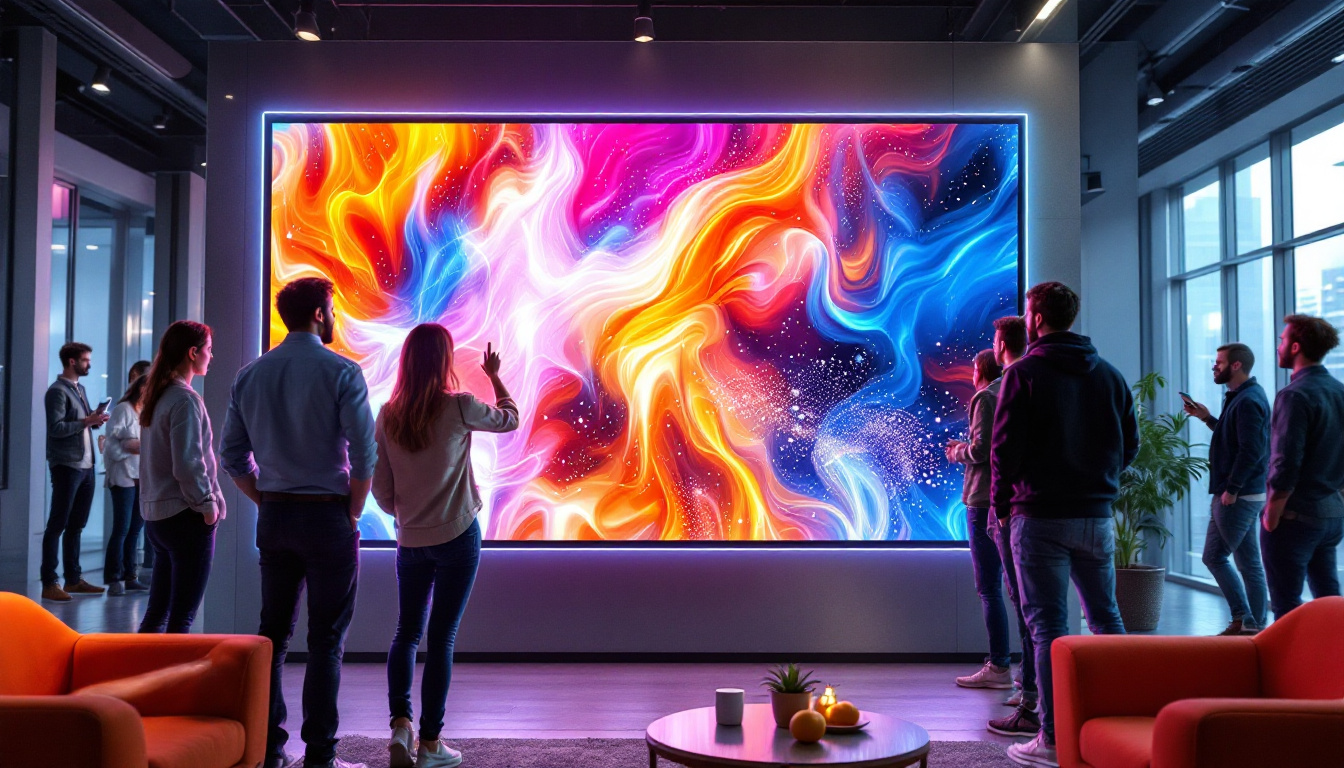
In corporate environments, LED video walls are increasingly popular in lobbies, conference rooms, and collaboration spaces. They serve as digital signage for branding, information dissemination, and interactive presentations. The ability to display multiple data streams simultaneously makes LED walls invaluable in control rooms for utilities, transportation, and emergency services where real-time monitoring is critical.
Retail and Hospitality
Retailers leverage LED displays to attract customers and enhance the shopping experience. Dynamic promotions, product information, and wayfinding can be presented on vibrant LED walls that adapt to changing campaigns. Hotels and casinos use LED installations for ambiance, entertainment, and advertising, creating visually stunning environments that encourage longer stays and increased spending.
Technological Innovations Driving LED Display Excellence
Higher Resolution and Pixel Pitch Advances
Pixel pitch—the distance between the centers of two adjacent pixels—is a crucial factor determining LED display resolution and viewing distance. Recent advancements have allowed manufacturers to produce ultra-fine pixel pitches as low as 0.7mm, enabling LED displays to deliver near-retina quality images even at close range.
This development opens new possibilities for indoor applications such as control rooms, broadcast studios, and retail environments where viewers are close to the screen. Higher resolution LED walls provide sharper text, detailed graphics, and smoother video playback.
Improved Energy Efficiency
Energy consumption has historically been a concern with large LED installations. However, innovations in LED chip design, power management, and cooling systems have significantly reduced power requirements. Modern LED displays consume up to 30% less energy than previous generations, contributing to lower operational costs and environmental impact.
Smart and Interactive LED Walls
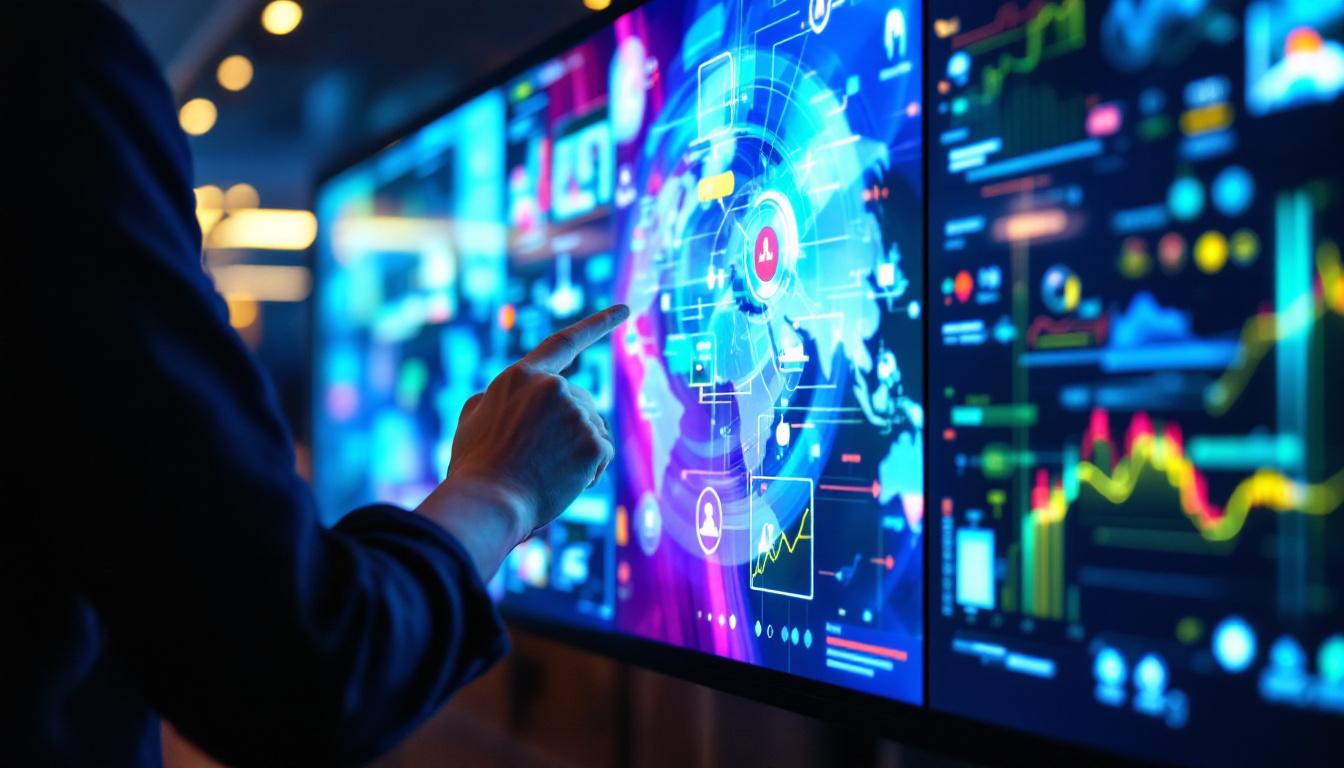
Integration of touch sensors, cameras, and AI-powered software has transformed LED walls from passive displays into interactive platforms. Users can engage directly with content through gestures or touch, enabling applications in education, retail, and corporate training. Smart LED walls can also adapt content dynamically based on audience demographics or environmental conditions, enhancing relevance and engagement.
Key Considerations When Choosing LED Display Equipment
Resolution and Viewing Distance
Selecting the appropriate resolution depends largely on the intended viewing distance. For example, a billboard viewed from hundreds of feet away requires a much larger pixel pitch than an indoor video wall in a conference room. Understanding the relationship between pixel pitch, resolution, and viewing distance ensures optimal image quality without unnecessary costs.
Brightness and Environmental Conditions
Outdoor LED displays must offer high brightness levels to remain visible under direct sunlight, often exceeding 5,000 nits. Indoor displays typically require lower brightness but must balance this with ambient lighting to avoid eye strain. Additionally, weatherproofing and temperature tolerance are critical for outdoor installations.
Installation and Maintenance
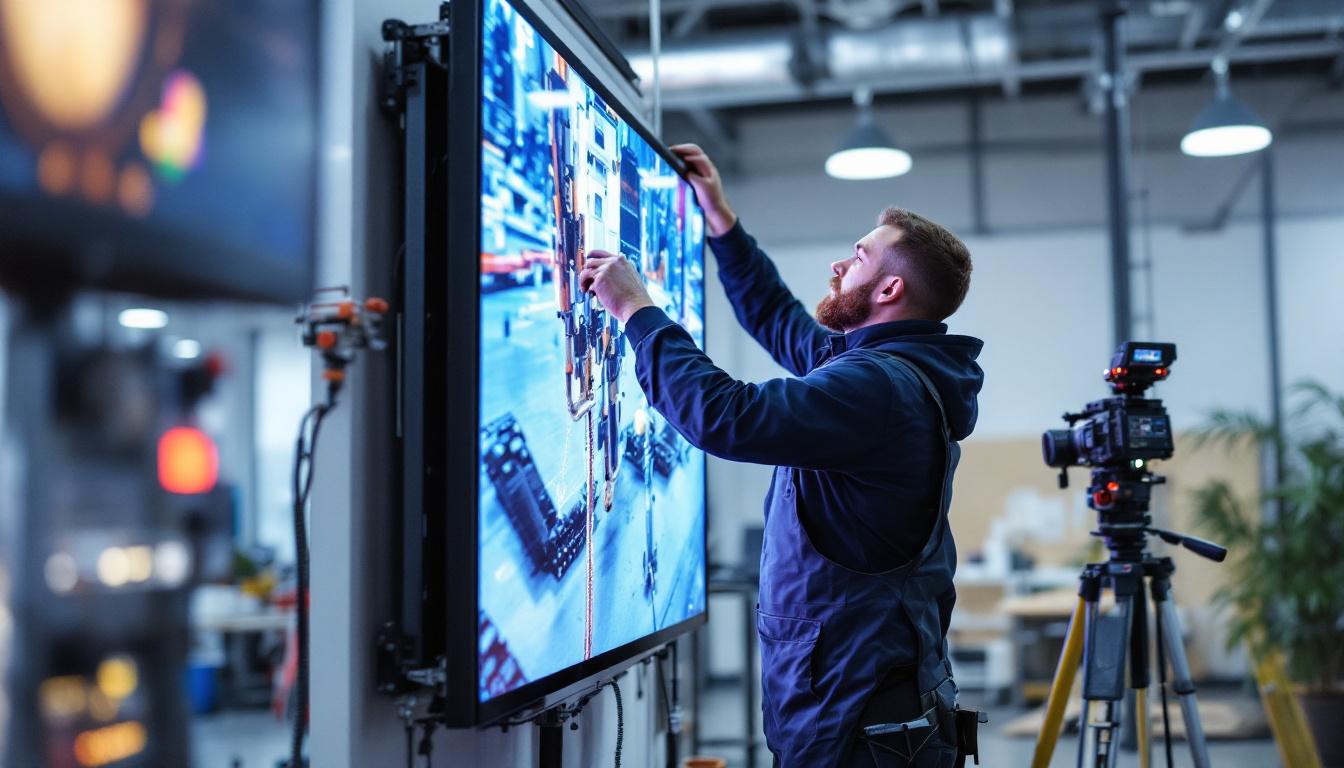
Modular LED panels simplify installation and future maintenance. Easy access to individual modules reduces downtime when repairs or upgrades are necessary. It is also important to consider the weight and mounting requirements, especially for all-wall installations that may span large architectural surfaces.
Content Management and Software
The effectiveness of an LED display is closely tied to the content management system (CMS) used to control it. A robust CMS allows for scheduling, remote management, and integration with various media sources. Advanced software features such as real-time data feeds, interactive capabilities, and multi-zone layouts enhance the versatility of LED walls.
The Future of LED Displays in Visual Communication
As LED technology continues to evolve, the potential applications and capabilities of LED displays expand. Emerging trends include microLED technology, which promises even higher brightness, contrast, and energy efficiency, and flexible LED panels that can conform to curved or irregular surfaces.
Moreover, the integration of augmented reality (AR) and virtual reality (VR) with LED walls is poised to create immersive environments that blend physical and digital experiences seamlessly. Smart cities are also adopting LED displays for real-time information dissemination, emergency alerts, and interactive public services.
For businesses and organizations, investing in all-wall LED equipment is not just about adopting a display technology—it’s about embracing a dynamic communication platform that can adapt, engage, and inspire audiences in ways previously unimaginable.
Conclusion
LED displays have transformed from simple digital signs to sophisticated all-wall installations that redefine visual communication. Their superior brightness, scalability, durability, and technological advancements make them the preferred choice across industries ranging from advertising and entertainment to corporate and public sectors.
Understanding the technical aspects, applications, and future trends of LED displays is essential for decision-makers looking to leverage this powerful medium. As the technology continues to advance, all-wall LED equipment will play an increasingly central role in creating immersive, impactful, and interactive visual experiences worldwide.
Discover LumenMatrix’s Innovative LED Solutions
Ready to elevate your visual communication strategy with cutting-edge LED technology? LumenMatrix offers a comprehensive range of LED display solutions tailored to meet your needs. From immersive Indoor and Outdoor LED Wall Displays to dynamic Vehicle and Sports LED Displays, our products are designed to captivate your audience and amplify your message. Experience the future of digital signage with our Custom, All-in-One, and Transparent LED Displays. Don’t miss the opportunity to transform your space with LumenMatrix’s advanced LED modules. Check out LumenMatrix LED Display Solutions today and step into a world of unparalleled visual impact.