In recent years, the cinema industry has witnessed a remarkable technological evolution, especially in the way images and videos are projected onto screens. Cinema LED displays have emerged as a groundbreaking alternative to traditional projection systems, offering unparalleled brightness, color accuracy, and contrast. This article explores the fundamentals of cinema LED displays, their advantages, applications, and the future of cinematic viewing experiences.
Understanding Cinema LED Displays
What is a Cinema LED Display?
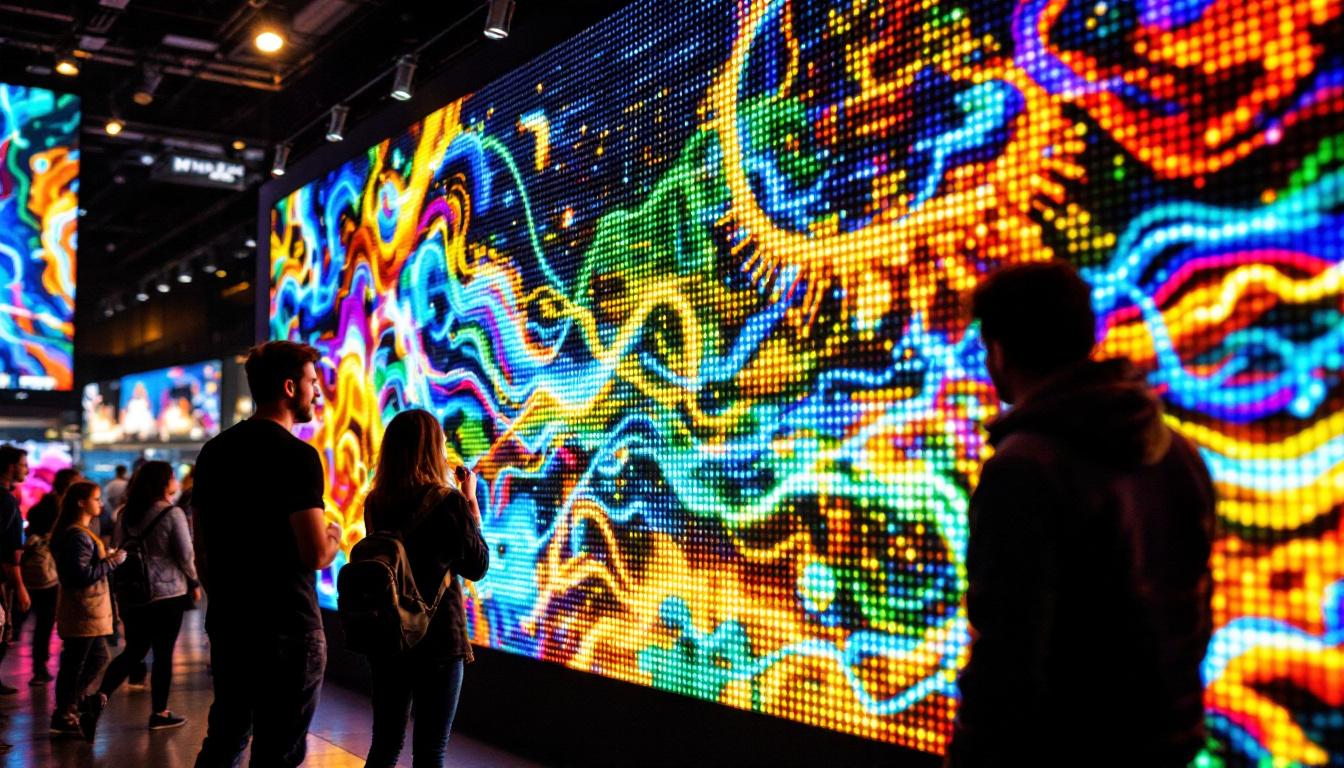
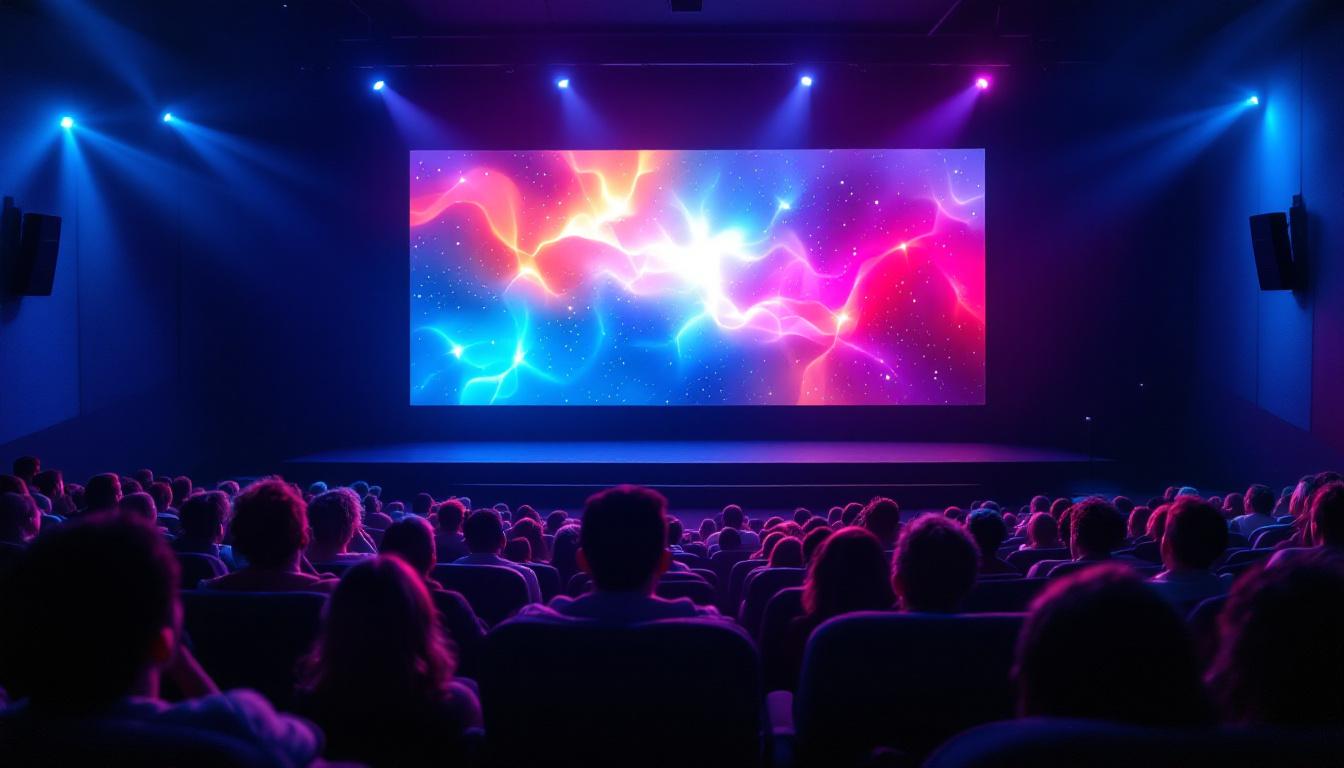
Cinema LED displays are large-scale LED (Light Emitting Diode) panels specifically designed for movie theaters. Unlike traditional projection systems that rely on projecting light onto a screen, cinema LED displays consist of thousands of tiny LED modules that emit light directly. This direct emission allows for brighter images, deeper blacks, and more vibrant colors, creating a more immersive viewing experience.
These displays are composed of millions of individual LEDs arranged in a grid, each capable of producing its own light and color. The technology behind cinema LED displays is similar to that used in high-end televisions and digital billboards but optimized for the unique requirements of cinema environments, including large screen sizes and high resolution. This innovation not only enhances the visual quality but also allows theaters to present films in a way that was previously unattainable, drawing audiences into the narrative like never before.
Moreover, the longevity and energy efficiency of LED technology contribute to lower operational costs for cinema operators, making it a financially viable option in the long run. With the ability to maintain consistent brightness levels over extended periods, cinema LED displays are becoming a preferred choice for new theaters and renovations alike, ensuring that viewers enjoy a premium experience with every screening.
How Do Cinema LED Displays Work?
Each LED module in a cinema display contains red, green, and blue diodes that combine to produce a full spectrum of colors. By controlling the intensity of each diode, the display can render precise colors and shades. The modular design allows for seamless assembly into large screens, often exceeding 10 meters in width, without visible bezels or gaps. This capability not only enhances the aesthetic appeal of the cinema but also ensures that the audience can enjoy a cohesive visual experience without distractions.
Unlike traditional projectors that depend on reflected light, cinema LED displays emit light directly toward the audience. This direct emission reduces issues like ambient light interference and screen glare, which can degrade image quality in conventional cinemas. Additionally, the high refresh rates and fast response times of LEDs contribute to smoother motion rendering, essential for action-packed films and 3D content. The technology also incorporates advanced features such as HDR (High Dynamic Range) and wide color gamut capabilities, allowing filmmakers to present their work as intended, with stunning detail and contrast that captivates viewers. As a result, cinema LED displays are not just a technological upgrade; they represent a significant leap forward in how stories are told on the big screen, offering filmmakers and audiences alike a richer, more engaging cinematic experience.
Advantages of Cinema LED Displays Over Traditional Projection
Superior Brightness and Contrast
One of the most significant advantages of cinema LED displays is their ability to deliver much higher brightness levels compared to traditional projectors. While conventional projectors typically max out around 50 foot-lamberts (a unit of luminance), cinema LED displays can exceed 300 foot-lamberts. This brightness enables clearer images even in well-lit environments and enhances the visibility of details in darker scenes.
Moreover, cinema LED displays achieve true black levels by turning off individual LEDs in dark areas, resulting in infinite contrast ratios. This capability is a major leap over projector systems, which struggle with light bleed and screen reflectivity, limiting their contrast performance. The result is a more immersive viewing experience, where shadows are deep and rich, and highlights pop with an intensity that draws viewers into the film’s narrative.
In addition, the ability to maintain consistent brightness across the entire screen ensures that every seat in the theater offers an optimal viewing experience. This is particularly important in large auditoriums, where traditional projectors may suffer from brightness drop-off at the edges of the screen. Cinema LED displays provide a uniform brightness that enhances the overall quality of the viewing experience, making every seat the best seat in the house.
Enhanced Color Accuracy and Wider Gamut
Cinema LED technology supports a broader color gamut, often covering over 90% of the DCI-P3 color space — the industry standard for digital cinema. This wider gamut means movies are displayed with richer and more accurate colors, closely matching the filmmakers’ original vision.
Color consistency across the entire screen is another benefit. Traditional projectors can suffer from color shifts due to lamp aging or lens imperfections, whereas LED panels maintain uniform color output over time, reducing the need for frequent calibration. This stability is crucial for filmmakers and studios who want to ensure that their artistic intent is preserved in every screening, regardless of when or where it is shown.
Furthermore, the advanced color processing capabilities of cinema LED displays allow for more nuanced color reproduction. This means that subtle gradients and intricate details in scenes are rendered with precision, enhancing the emotional impact of the film. Audiences can appreciate the full spectrum of colors, from the soft pastels of a sunrise to the vibrant hues of a bustling cityscape, creating a more engaging and visually stunning cinematic experience.
Improved Durability and Lower Maintenance
Projectors require regular maintenance, including lamp replacements and cleaning of optical components. In contrast, cinema LED displays have longer lifespans—often exceeding 100,000 hours—and require minimal upkeep. The solid-state nature of LEDs makes them more resistant to mechanical failures and environmental factors.
This durability translates into lower operational costs for theater owners and less downtime, ensuring a consistent viewing experience for audiences. Additionally, the energy efficiency of LED technology means that theaters can reduce their power consumption, contributing to a more sustainable operation. The reduced heat output from LED displays also lessens the burden on air conditioning systems, further lowering energy costs and enhancing the comfort of moviegoers.
Moreover, the modular design of many cinema LED systems allows for easy upgrades and repairs. If a section of the display fails, it can be replaced without the need to take the entire system offline, minimizing disruption and ensuring that theaters can continue to provide high-quality screenings with minimal interruption. This adaptability not only enhances the longevity of the technology but also allows theaters to stay current with evolving cinematic standards and audience expectations.
Applications and Adoption in the Cinema Industry
Early Implementations and Industry Leaders
The first major commercial deployment of cinema LED displays was by Samsung with their Onyx Cinema LED screen, launched in 2017. This 10.3-meter-wide display was installed in select theaters worldwide, showcasing the potential of LED technology to revolutionize cinema viewing.
Since then, other manufacturers have entered the market, offering various sizes and configurations tailored to different theater sizes and formats, including IMAX and Dolby Cinema. The adoption rate has been steadily increasing, with industry reports estimating that by 2025, over 10% of premium cinemas worldwide will feature LED screens.
Use Cases Beyond Traditional Movie Screening
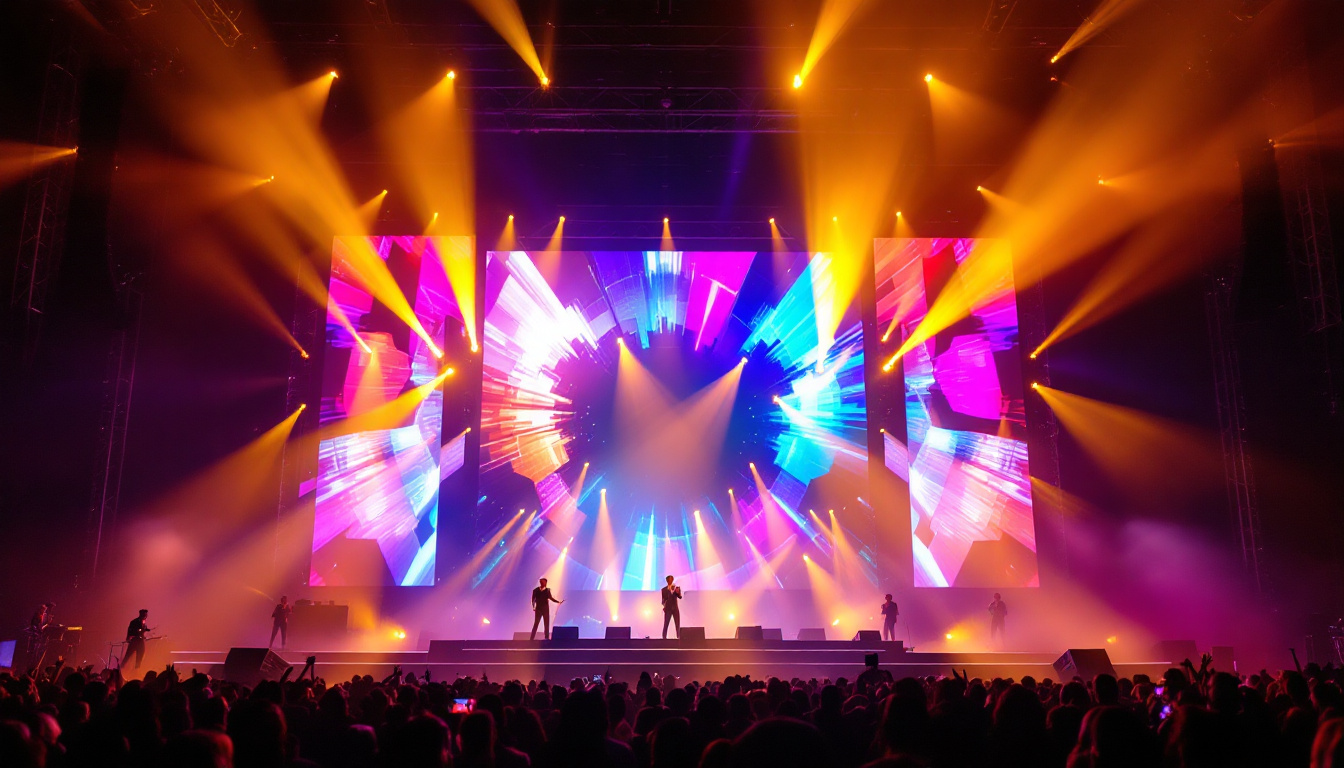
While cinema LED displays primarily serve movie theaters, their applications extend to other entertainment and event venues. For example, they are used in live event broadcasting, immersive theater experiences, and even virtual reality setups where high resolution and brightness are critical.
Some cinemas have integrated LED displays for special events, such as live sports broadcasts or concerts, capitalizing on the display’s ability to deliver vivid images in large formats without the constraints of projection technology.
Challenges and Considerations for Cinema LED Displays
Cost and Installation Complexity
Despite their advantages, cinema LED displays come with higher upfront costs compared to traditional projection systems. The price of LED panels, installation, and calibration can be significant, especially for large screens. This cost factor has slowed widespread adoption, particularly among smaller or independent theaters.
Installation also demands precise engineering to ensure seamless image quality and screen uniformity. The weight and structural support requirements of LED walls can necessitate modifications to existing theater architecture.
Content Compatibility and Industry Standards
Another consideration is content compatibility. Cinema content is traditionally mastered for projection systems, and adapting it to LED displays requires adjustments in color grading and brightness levels. The industry is actively working on standardizing workflows to ensure content looks optimal on LED screens without compromising artistic intent.
Standards organizations like the Digital Cinema Initiatives (DCI) have begun exploring specifications for LED cinema displays, but full adoption is still evolving.
The Future of Cinema Viewing with LED Technology
Technological Innovations on the Horizon
Advancements in LED technology continue to push the boundaries of what cinema displays can achieve. MicroLED technology, for example, promises even higher pixel densities, improved energy efficiency, and thinner panels. These innovations could lead to even more immersive and flexible cinema environments.
Integration with augmented reality (AR) and virtual reality (VR) systems is also being explored, potentially transforming theaters into multi-dimensional entertainment hubs.
Impact on Audience Experience and Cinema Business Models
As cinema LED displays become more prevalent, audiences can expect richer, more lifelike visuals that enhance storytelling and emotional engagement. The improved image quality can differentiate theaters from home viewing options, helping cinemas remain competitive in the streaming era.
From a business perspective, LED cinema screens open opportunities for premium pricing, special event programming, and diversified content offerings, contributing to new revenue streams for theater operators.
Conclusion
Cinema LED displays represent a significant leap forward in cinematic technology, offering superior brightness, contrast, color accuracy, and durability compared to traditional projection systems. While challenges such as cost and content adaptation remain, the benefits for both audiences and theater operators are compelling.
As the technology matures and adoption grows, cinema LED displays are poised to redefine the movie-going experience, making it more immersive, vibrant, and engaging than ever before. For anyone interested in the future of cinema, understanding LED display technology is essential to appreciating the next generation of visual storytelling.
Experience the Future of Visual Storytelling with LumenMatrix
As the cinematic landscape evolves, so does the need for advanced display technologies that meet the demands of modern storytelling. LumenMatrix stands at the forefront of this evolution, offering a diverse range of LED display solutions that bring stories to life with unparalleled brightness, contrast, and color accuracy. Whether you’re looking to upgrade your cinema with an Indoor LED Wall Display, captivate passersby with an Outdoor LED Wall Display, or innovate with Custom LED Display options, LumenMatrix has the technology to transform your space into a dynamic visual experience. Embrace the next generation of cinema and visual communication—Check out LumenMatrix LED Display Solutions today and see how we can help you share your message with impact and clarity.