In an era dominated by digital communication and visual engagement, LED displays have become an indispensable part of both commercial and personal environments. From vibrant billboards illuminating city streets to sleek screens in corporate boardrooms, LED technology offers unparalleled versatility and impact. This article delves into the world of LED displays, exploring their technology, applications, benefits, and future trends, providing a comprehensive understanding for businesses, designers, and technology enthusiasts alike.
Understanding LED Display Technology
What Is an LED Display?
LED stands for Light Emitting Diode, a semiconductor device that emits light when an electric current passes through it. An LED display is a flat panel that uses an array of these tiny diodes to create images, videos, and text. Unlike traditional LCD or plasma screens, LED displays rely on these diodes as their primary light source, which allows for greater brightness, contrast, and energy efficiency. The ability of LEDs to produce light without the need for a backlight contributes to their slim profile and lightweight design, making them a popular choice for modern display solutions.
LED displays can vary widely in size and resolution, from small indicator panels to massive outdoor screens spanning thousands of square feet. The technology behind these displays is constantly evolving, enabling higher pixel densities and more vivid color reproduction. This evolution has led to the development of advanced features such as high dynamic range (HDR) imaging and wide color gamut (WCG) capabilities, allowing for a more immersive viewing experience. Additionally, the lifespan of LED displays often surpasses that of traditional display technologies, making them a cost-effective option in the long run.
Types of LED Displays
There are several types of LED displays, each tailored to specific use cases:
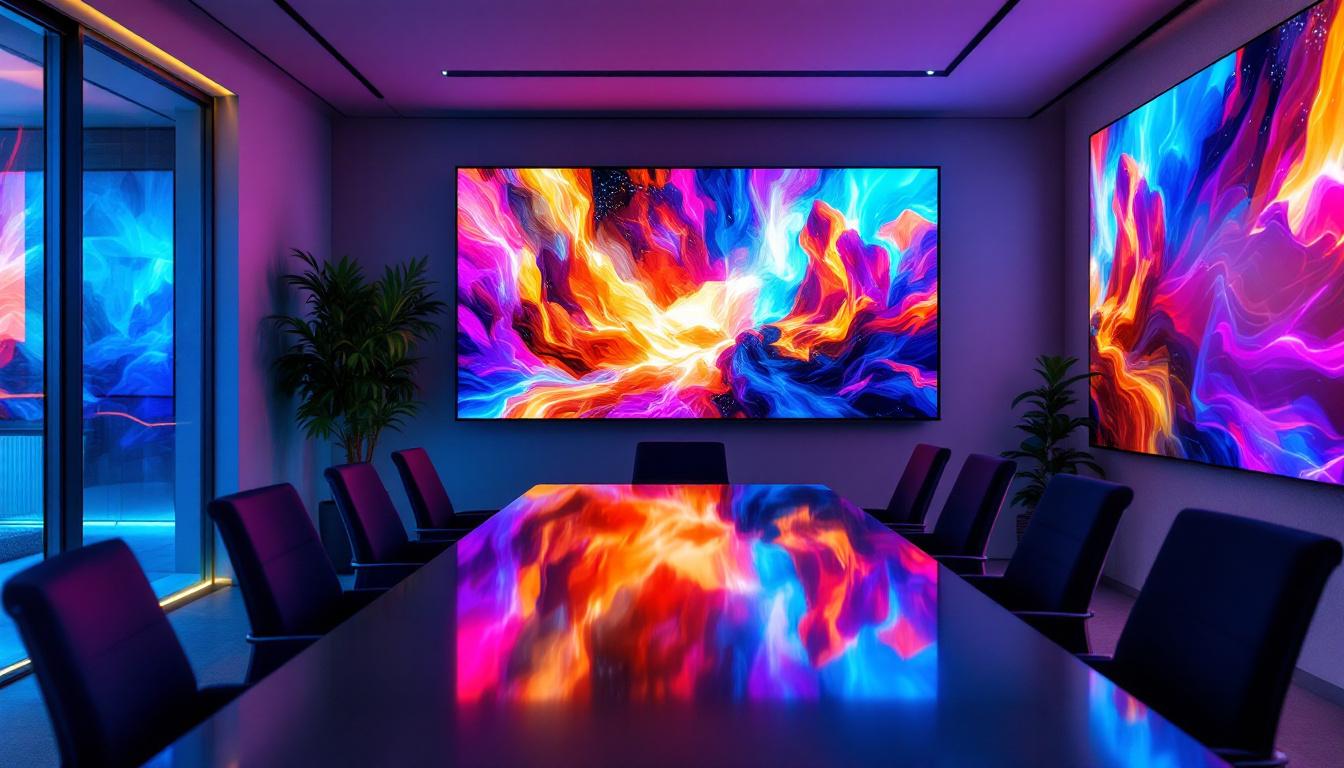
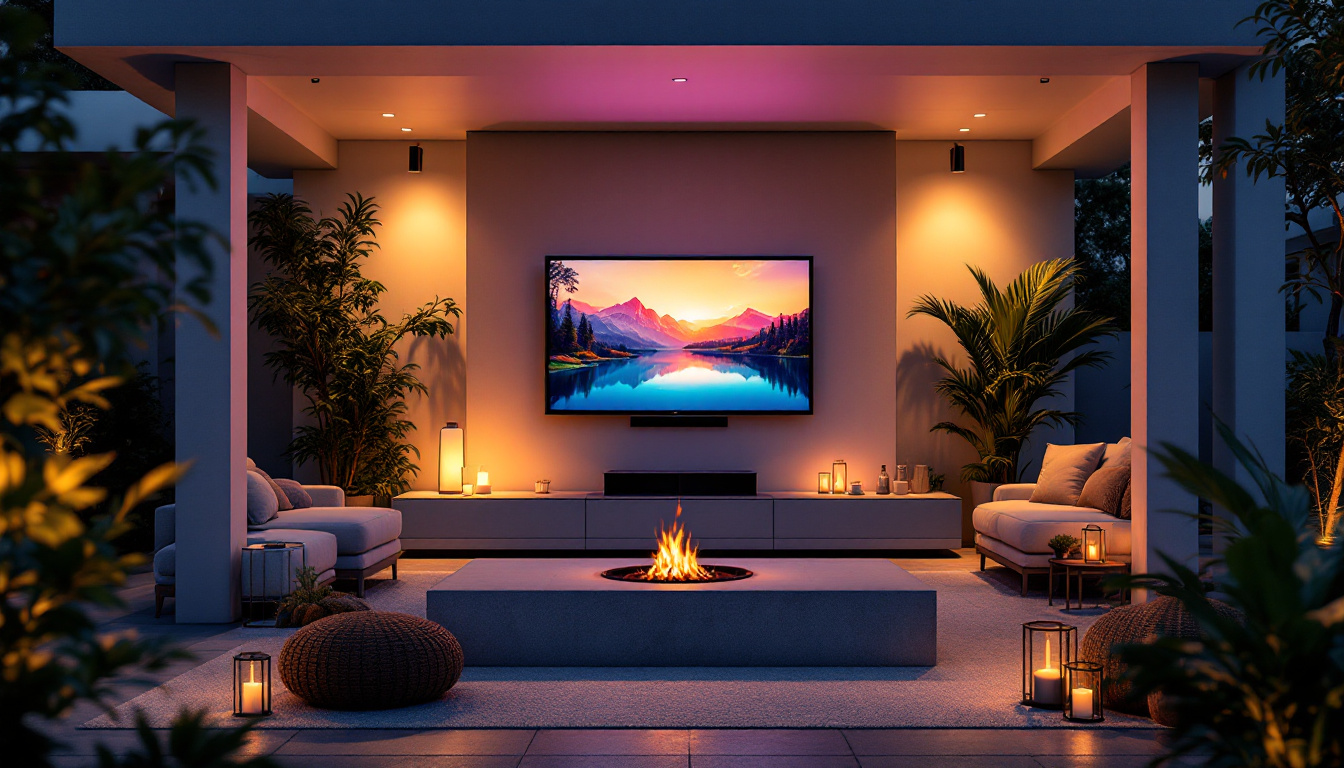
- Indoor LED Displays: Designed for controlled lighting environments, these displays offer high resolution and fine pixel pitch, making them ideal for conference rooms, retail stores, and entertainment venues. Their ability to deliver sharp images and vibrant colors enhances presentations and advertising, drawing in audiences with captivating visuals.
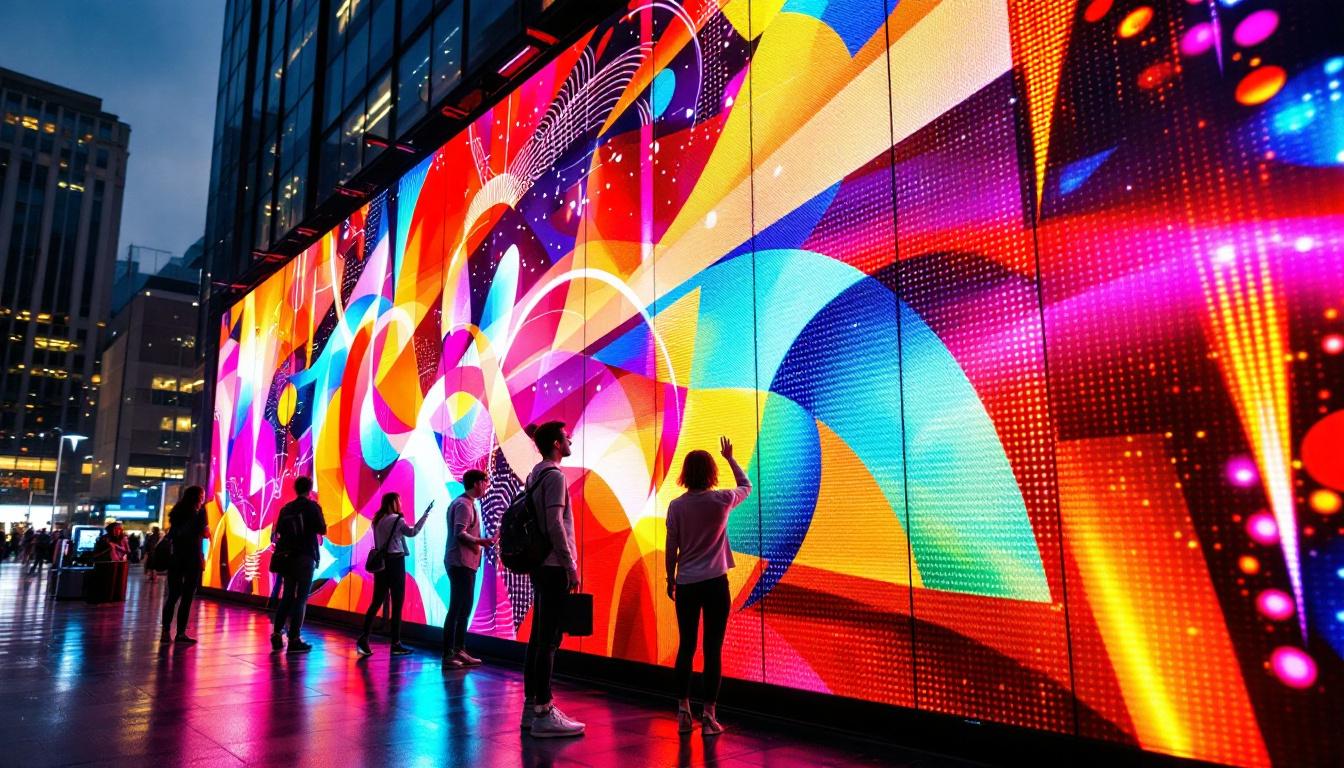
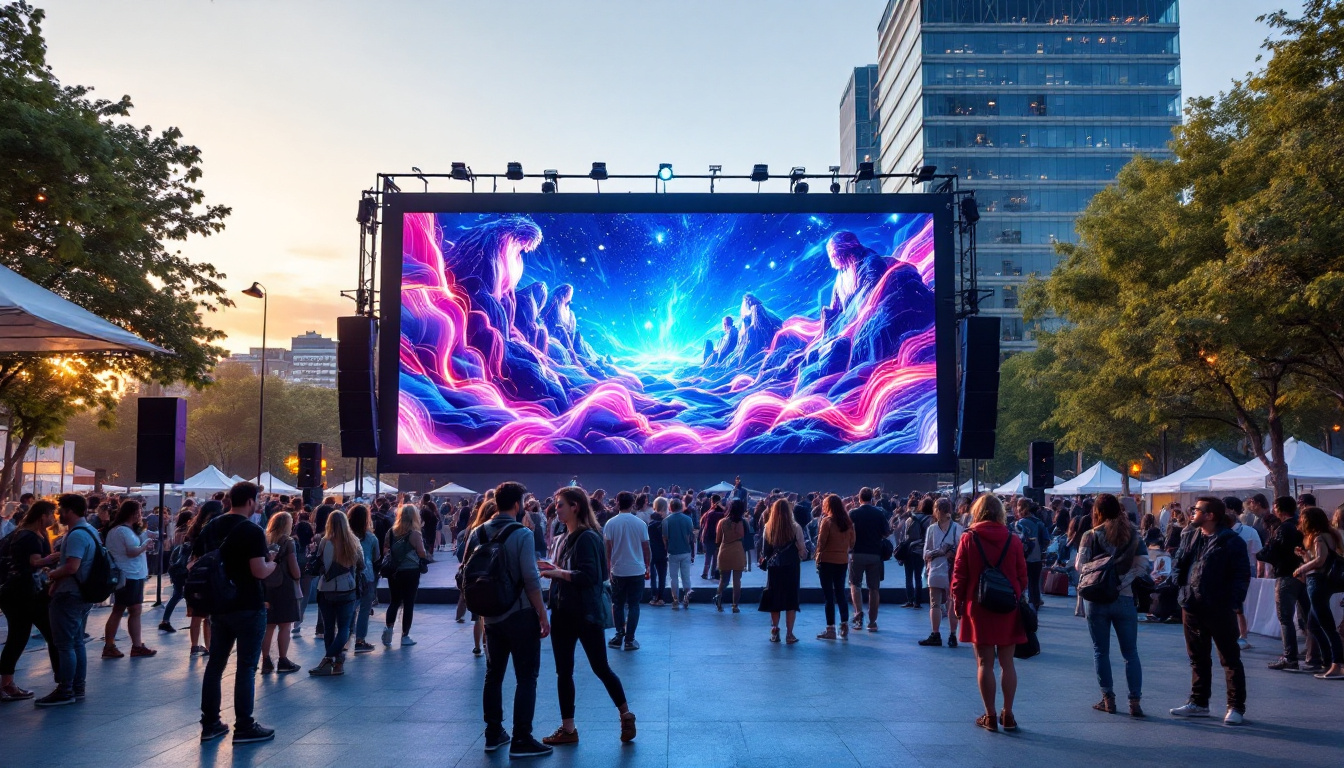
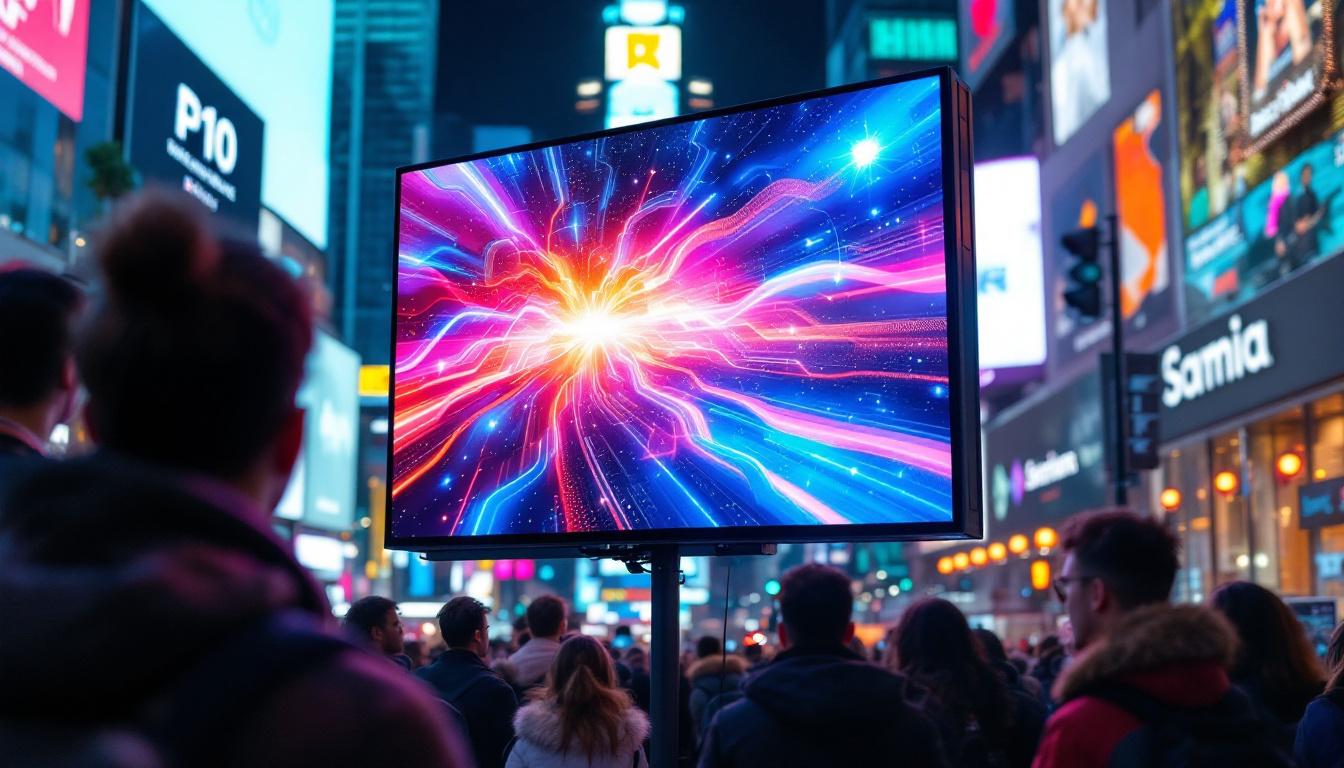
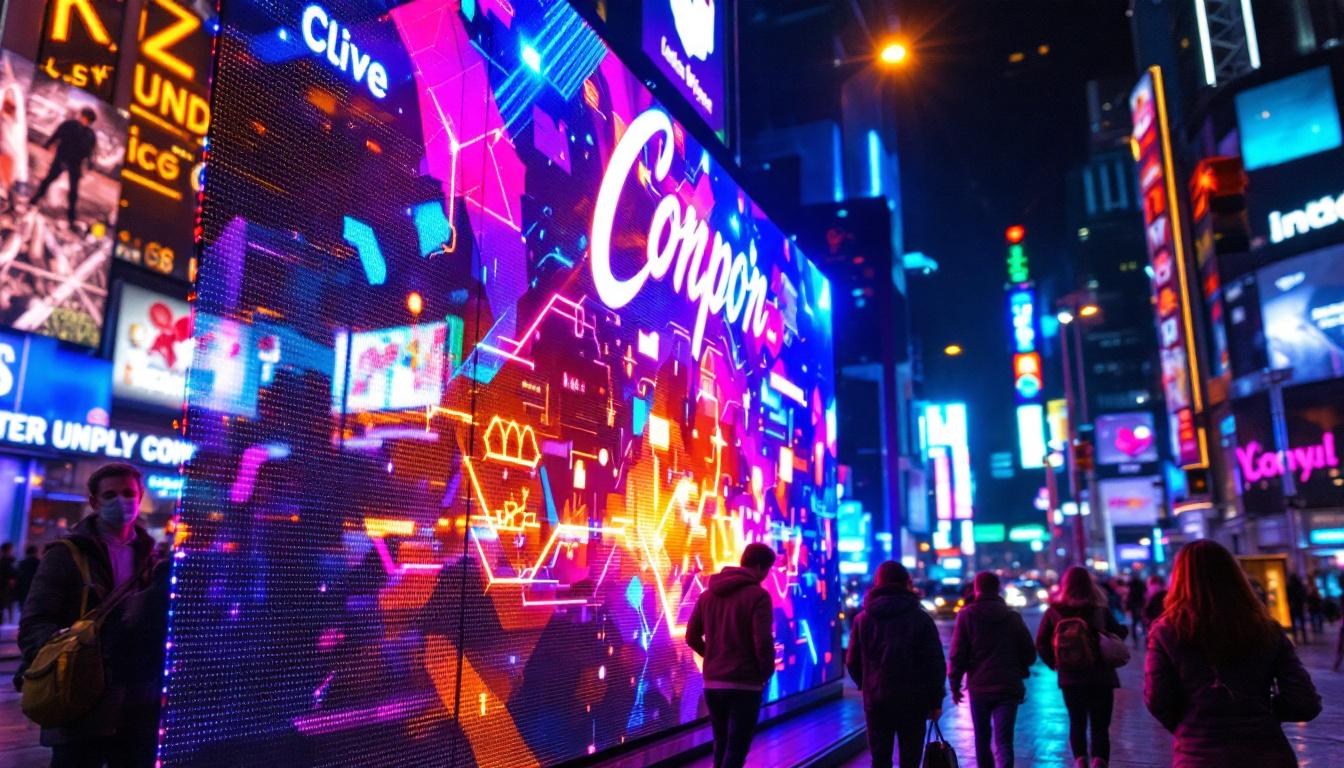
- Outdoor LED Displays: Built to withstand harsh weather conditions, these displays feature higher brightness levels (often exceeding 5,000 nits) to remain visible under direct sunlight. They are commonly used for billboards, sports arenas, and public information signs. The durability of outdoor LED displays ensures they can handle rain, wind, and temperature fluctuations, making them a reliable choice for long-term outdoor advertising.
- Transparent LED Displays: These innovative screens allow light to pass through them, enabling unique applications such as storefront windows and architectural installations without blocking natural light. This technology not only enhances aesthetics but also provides an interactive experience for customers, allowing brands to showcase dynamic content while maintaining visibility into their physical spaces.
- Flexible and Curved LED Displays: Utilizing bendable substrates, these displays can conform to curved surfaces, expanding creative possibilities in advertising and design. Their adaptability allows for unique installations that can fit into unconventional spaces, transforming how brands communicate their messages in environments like shopping malls, airports, and museums.
In addition to these types, LED displays are increasingly incorporating smart technology, enabling features such as remote monitoring, content management, and real-time updates. This connectivity allows businesses to adjust their messaging based on audience engagement or current events, maximizing the impact of their displays. Furthermore, the integration of artificial intelligence and machine learning is paving the way for personalized advertising experiences, where content can be tailored to specific demographics or user behaviors, enhancing the effectiveness of marketing strategies.
Key Components and How They Work
Pixel Structure and Color Generation
Each pixel in an LED display is composed of three sub-pixels: red, green, and blue (RGB). By varying the intensity of each sub-pixel, the display can produce a wide spectrum of colors. This RGB model is fundamental to digital color representation and enables LED displays to render vibrant and accurate images.
Modern LED displays often use SMD (Surface-Mounted Device) technology, where LEDs are mounted directly onto the circuit board, allowing for higher pixel density and better color uniformity compared to traditional DIP (Dual In-line Package) LEDs.
Pixel Pitch and Resolution
Pixel pitch refers to the distance between the centers of two adjacent pixels, usually measured in millimeters. A smaller pixel pitch means more pixels per unit area, resulting in higher resolution and sharper images. For example, an indoor LED display with a pixel pitch of 1.2mm will deliver much finer detail than an outdoor display with a 10mm pitch.
Choosing the right pixel pitch depends on the viewing distance and application. For close-up viewing, such as in retail or control rooms, a fine pixel pitch is essential. For large outdoor billboards viewed from hundreds of feet away, a larger pixel pitch is sufficient and more cost-effective.
Applications of LED Displays
Advertising and Marketing
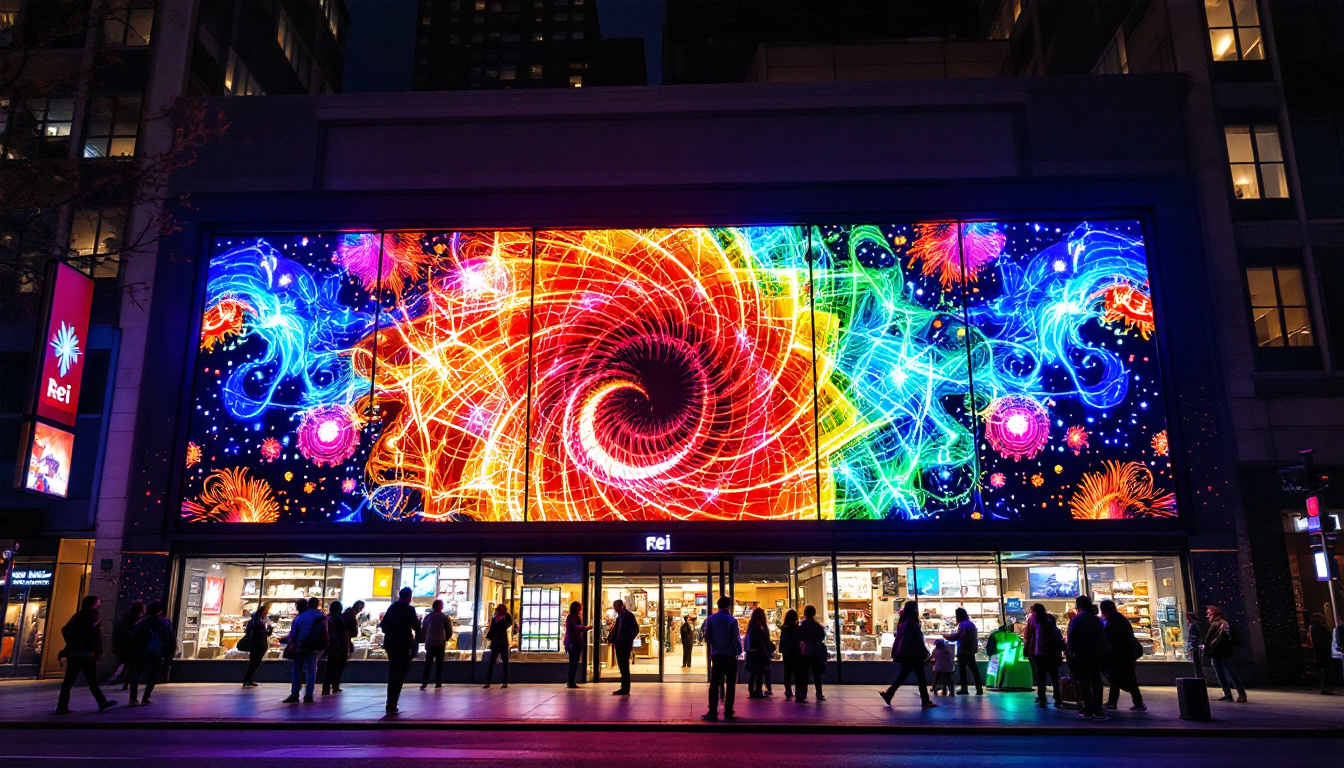
One of the most widespread uses of LED displays is in advertising. Digital billboards and signage have transformed the marketing landscape by enabling dynamic, eye-catching content that can be updated in real-time. According to a report by Grand View Research, the global digital signage market is projected to reach $31.71 billion by 2028, driven largely by the adoption of LED technology.
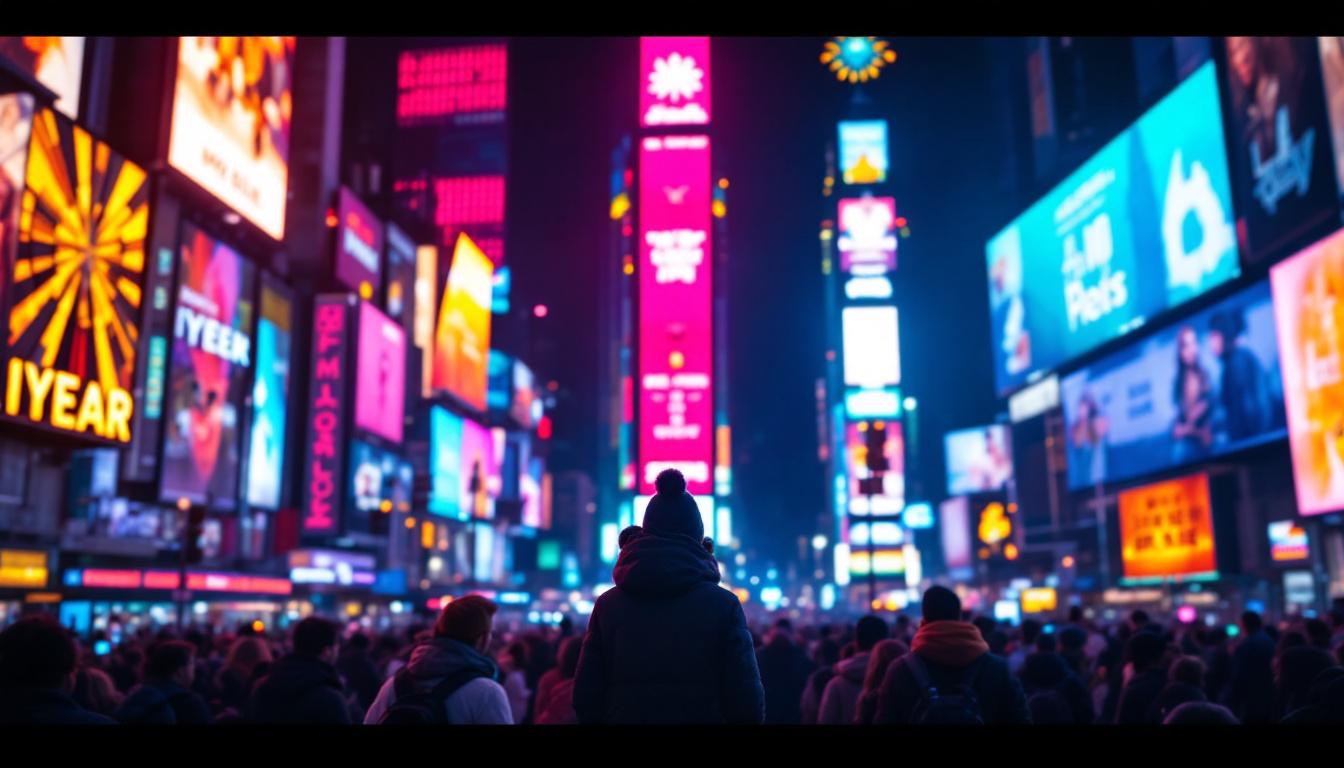
Brands leverage LED displays to capture attention in high-traffic areas such as Times Square in New York or Shibuya Crossing in Tokyo, where vibrant visuals can influence thousands of consumers daily. The ability to schedule content, display interactive advertisements, and integrate social media feeds enhances engagement and return on investment.
Sports and Entertainment
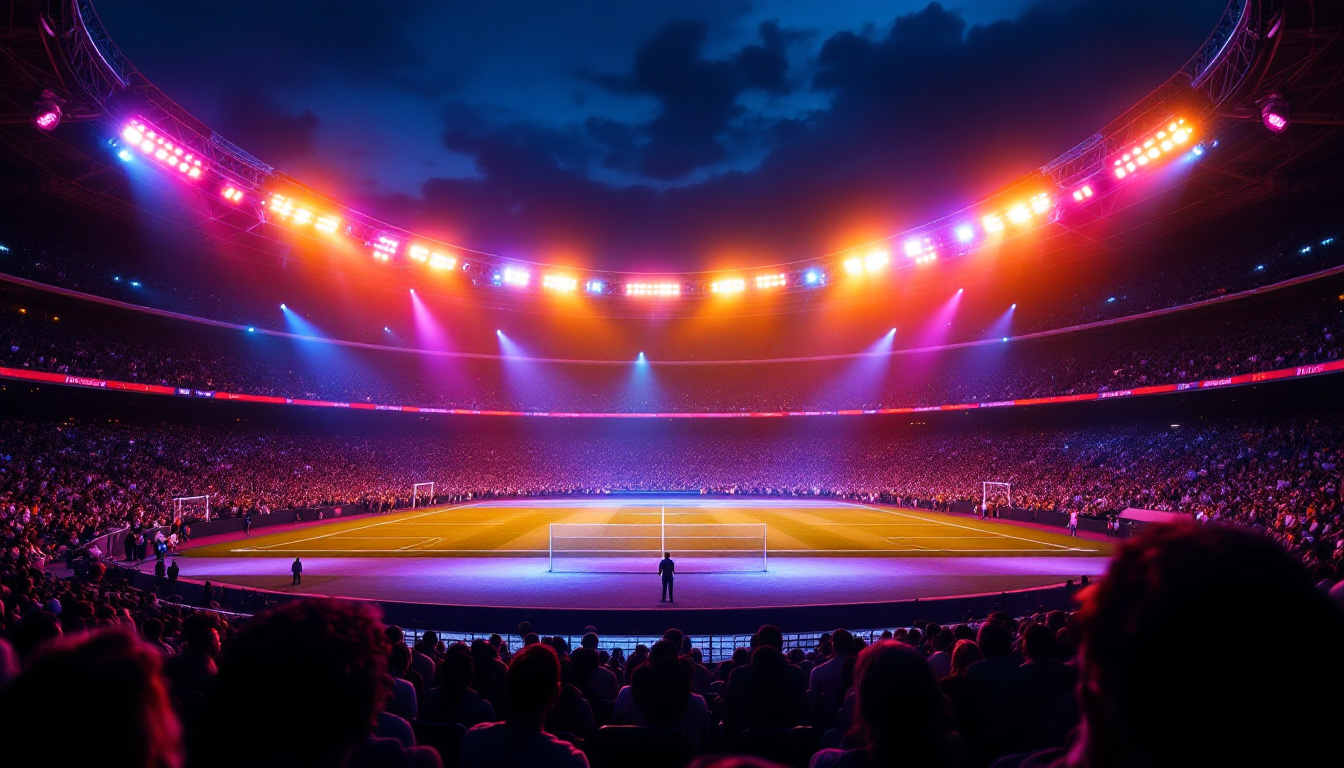
LED displays have revolutionized the spectator experience in stadiums and arenas. Large-format LED screens provide clear views of live action, instant replays, and statistics, even from distant seats. For example, the AT&T Stadium in Texas features one of the world’s largest LED video boards, measuring 160 feet wide and 72 feet tall.
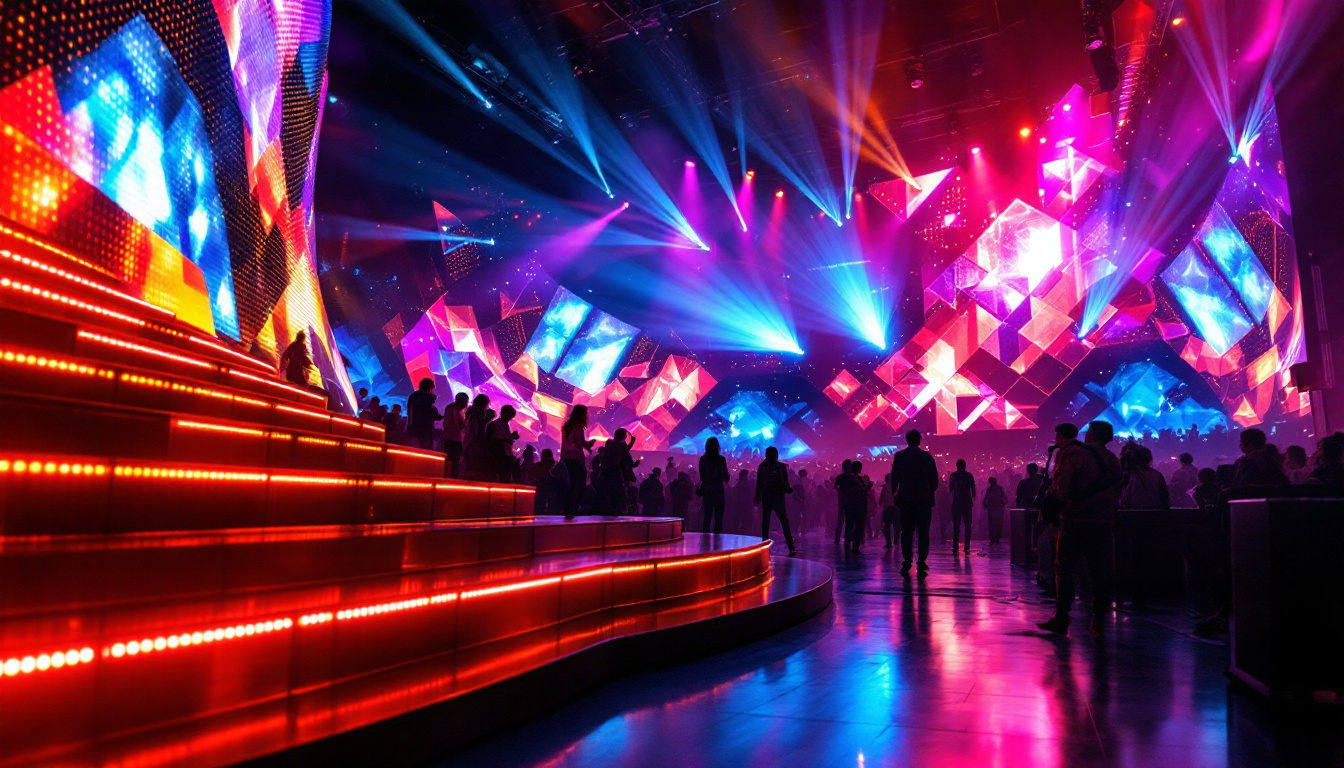
In entertainment venues, LED walls serve as dynamic backdrops for concerts, theater productions, and corporate events. Their high brightness and color accuracy ensure visibility under stage lighting, while their modular design allows for creative configurations and immersive environments.
Corporate and Educational Use
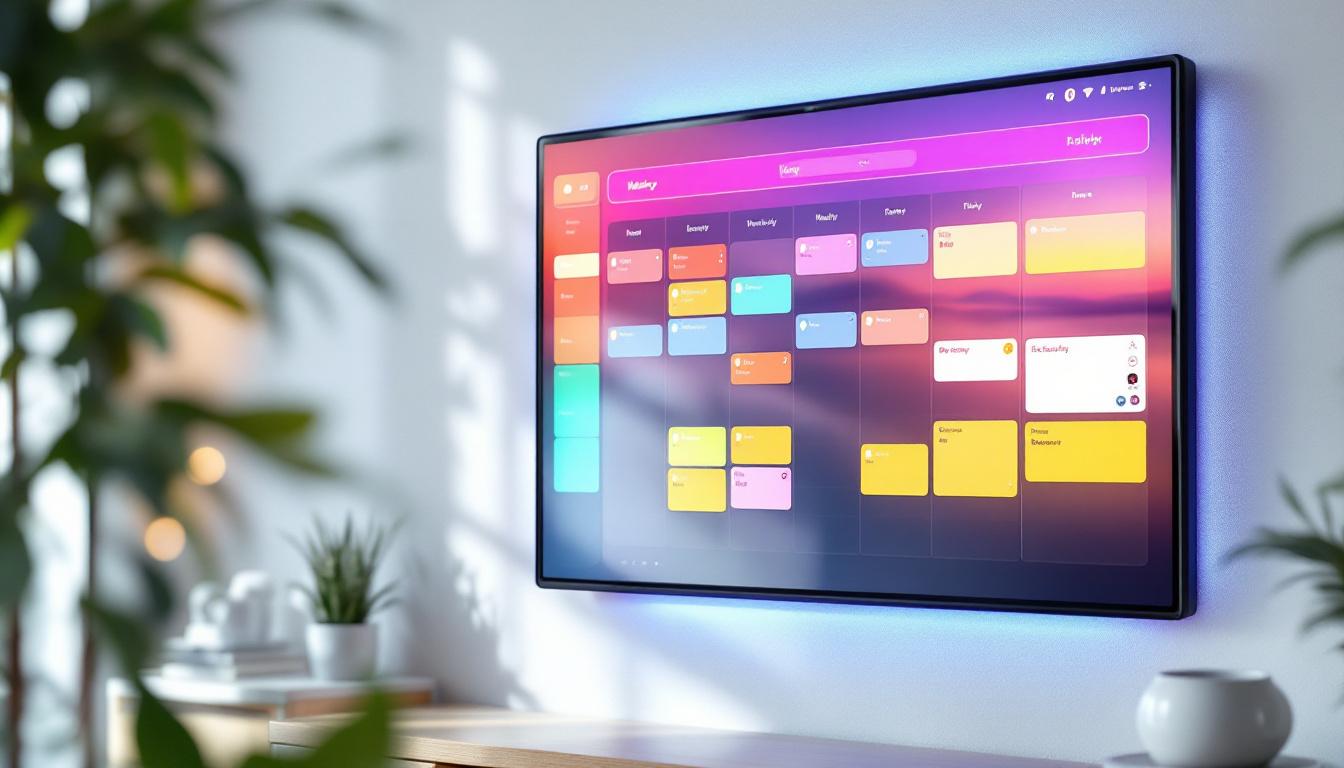
In corporate settings, LED displays are increasingly used for presentations, video conferencing, and digital whiteboards. Their clarity and adaptability make them ideal for boardrooms, training centers, and lobbies, where professional image quality is crucial.
Educational institutions also benefit from LED technology by enhancing classroom engagement through interactive displays and digital signage that disseminates information efficiently across campuses.
Advantages of LED Displays Over Other Technologies
Brightness and Visibility
LED displays excel in brightness, often achieving levels that surpass 5,000 nits, making them visible even in direct sunlight. This is a significant advantage over LCD and plasma screens, which typically struggle with glare and reduced visibility outdoors.
Energy Efficiency and Longevity
LEDs consume less power compared to other lighting and display technologies, contributing to lower operational costs and environmental impact. Additionally, LED displays have a long lifespan, often exceeding 100,000 hours of use before significant brightness degradation occurs.
Durability and Maintenance
LED displays are robust and can withstand harsh environmental conditions such as rain, wind, and temperature fluctuations. Their modular design allows for easy maintenance and replacement of individual panels or pixels, minimizing downtime and repair costs.
Color Accuracy and Contrast
The ability of LEDs to turn on and off instantly results in superior contrast ratios and deeper blacks compared to backlit LCDs. This enhances image quality, making LED displays ideal for high-definition video and detailed graphics.
Choosing the Right LED Display
Assessing Your Needs
Selecting an LED display requires careful consideration of various factors, including the intended application, viewing distance, ambient lighting, and budget. For instance, an outdoor advertising company will prioritize brightness and weather resistance, while a corporate client might focus on resolution and integration capabilities.
Installation and Space Requirements
LED displays can be installed as wall-mounted panels, free-standing billboards, or even integrated into architectural elements. Understanding the physical space and structural support available is crucial to ensure safety and optimal performance.
Content Management Systems (CMS)
Modern LED displays are often paired with sophisticated CMS software that allows users to schedule, update, and monitor content remotely. When choosing a display, consider the ease of use and compatibility of the CMS with your existing digital infrastructure.
Future Trends in LED Display Technology
MicroLED and MiniLED Innovations
Emerging technologies like MicroLED and MiniLED promise to push the boundaries of LED displays further. MicroLEDs are significantly smaller than traditional LEDs, enabling ultra-high resolution and even greater energy efficiency. These displays are expected to revolutionize consumer electronics, including televisions and smartphones, within the next few years.
Integration with Augmented Reality (AR) and IoT
As smart cities and connected environments evolve, LED displays will increasingly integrate with IoT devices and AR applications. This will enable interactive, context-aware content that responds to audience behavior and environmental conditions, creating more personalized and engaging experiences.
Sustainability and Eco-Friendly Designs
With growing emphasis on sustainability, manufacturers are developing LED displays with recyclable materials and lower power consumption. Innovations in heat management and modular repairability also contribute to reducing electronic waste and carbon footprints.
Conclusion
LED display technology has transformed the way information and entertainment are delivered across the globe. Its combination of brightness, durability, and versatility makes it the preferred choice for a wide range of applications, from advertising and sports to corporate communications and education. As advancements like MicroLED and IoT integration continue to emerge, LED displays will remain at the forefront of digital visual technology, offering exciting possibilities for businesses and consumers alike.
Understanding the fundamentals of LED displays, their types, and applications is essential for making informed decisions that maximize impact and value. Whether investing in a large outdoor billboard or a high-resolution indoor screen, the right LED display can elevate any visual communication strategy to new heights.
Illuminate Your Space with LumenMatrix
Ready to harness the power of LED displays for your business or project? LumenMatrix is at the forefront of LED display innovation, offering a diverse range of solutions tailored to your unique needs. From the immersive Indoor LED Wall Display to the dynamic Outdoor LED Wall Display, and from the mobile versatility of Vehicle LED Displays to the interactive Floor LED Display, our products are designed to captivate and engage. Discover how our Custom LED Displays and All-in-One LED Display solutions can transform your visual communication. Check out LumenMatrix LED Display Solutions today and take the first step towards a brighter, more impactful display strategy.