In the rapidly evolving world of digital media and advertising, LED displays have emerged as one of the most dynamic and versatile technologies. From vibrant billboards in city centers to massive video walls at sports arenas, LED displays are reshaping how content is delivered and consumed. This article delves into the fundamentals of LED display technology, its applications in video and advertising, and the innovations driving its future.
Understanding LED Display Technology
What Is an LED Display?
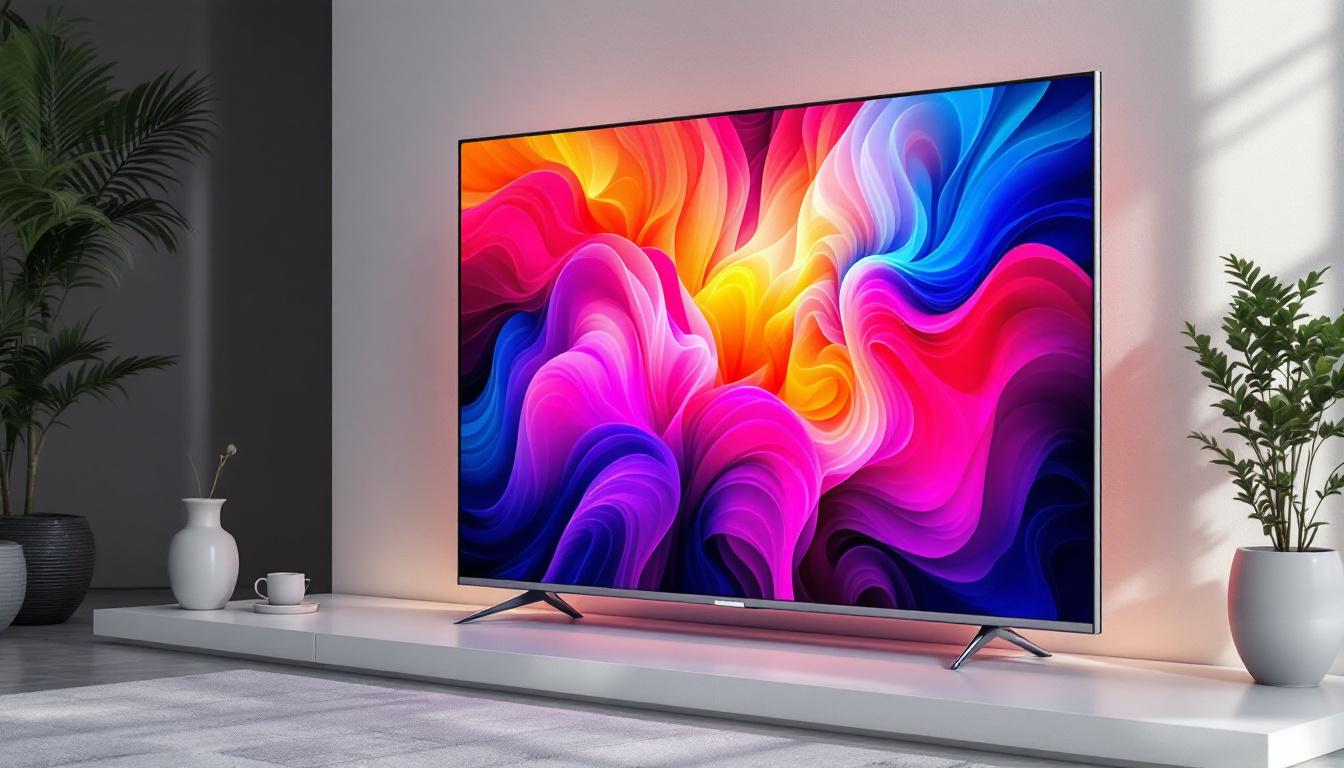
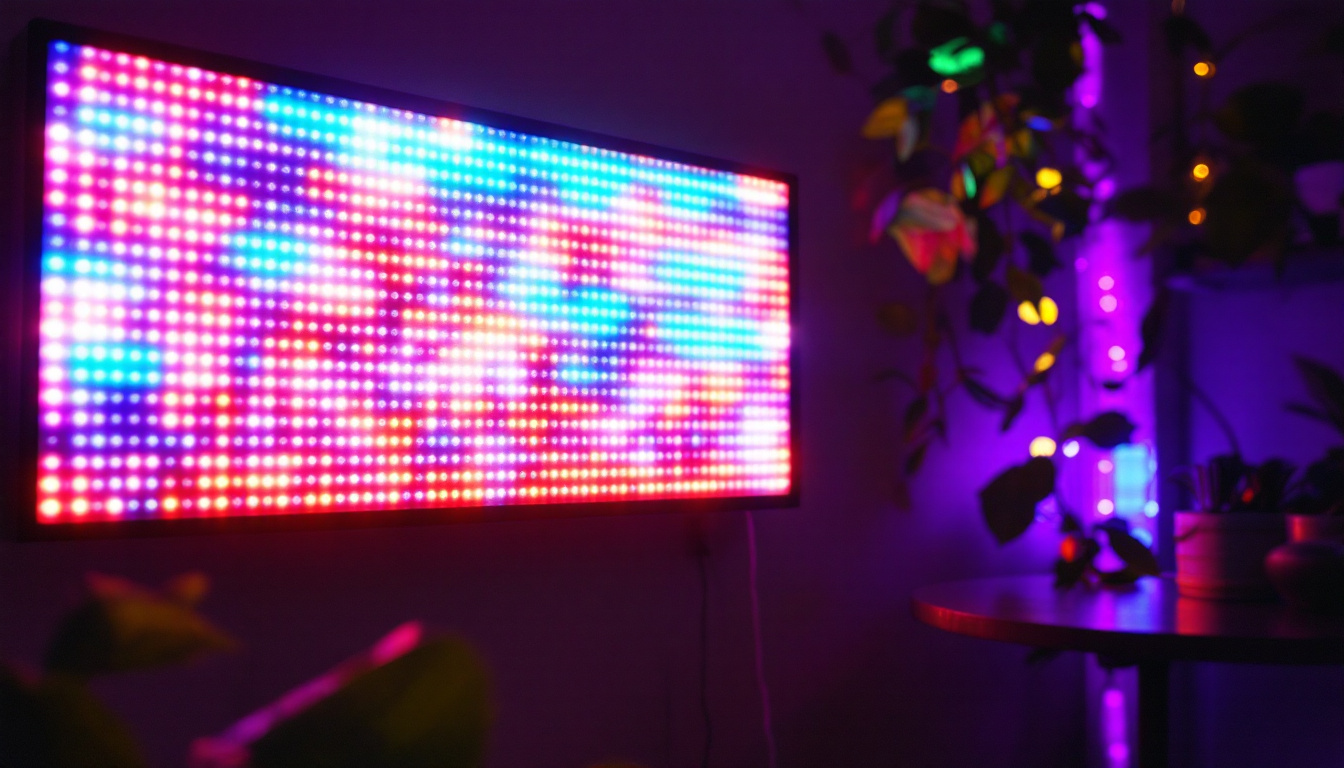
LED stands for Light Emitting Diode, a semiconductor device that emits light when an electric current passes through it. An LED display is composed of many such diodes arranged in a matrix to form images or videos. Unlike traditional LCD or plasma screens, LED displays use these tiny diodes as individual pixels, which can be turned on or off independently, producing bright and vivid visuals.
LED displays come in various forms, including indoor and outdoor panels, flexible screens, and transparent displays. Each type caters to specific use cases, whether it’s a high-resolution indoor video wall or a weather-resistant outdoor billboard.
How Do LED Displays Work?
At the core of an LED display are pixel clusters made up of red, green, and blue LEDs. By varying the intensity of each color, the display can produce a full spectrum of colors. This process is known as additive color mixing. The pixels are controlled by a driver circuit that receives video signals and translates them into the appropriate light output.
The brightness and contrast of LED displays are generally superior to other display technologies. This makes them particularly effective in environments with high ambient light, such as outdoor advertising or stadium screens. Additionally, LEDs have a longer lifespan and consume less power compared to traditional lighting methods.
Applications of LED Displays in Video and Advertising
Outdoor Advertising and Digital Billboards
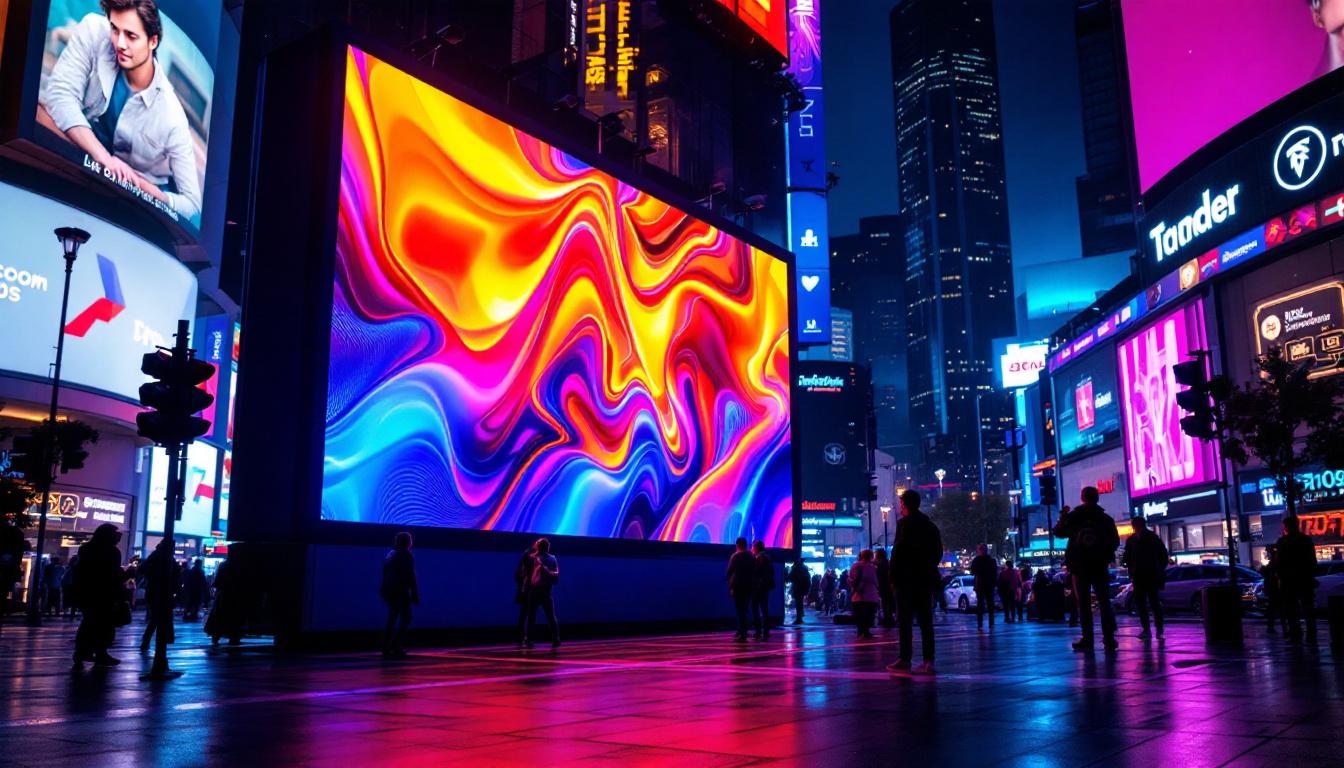
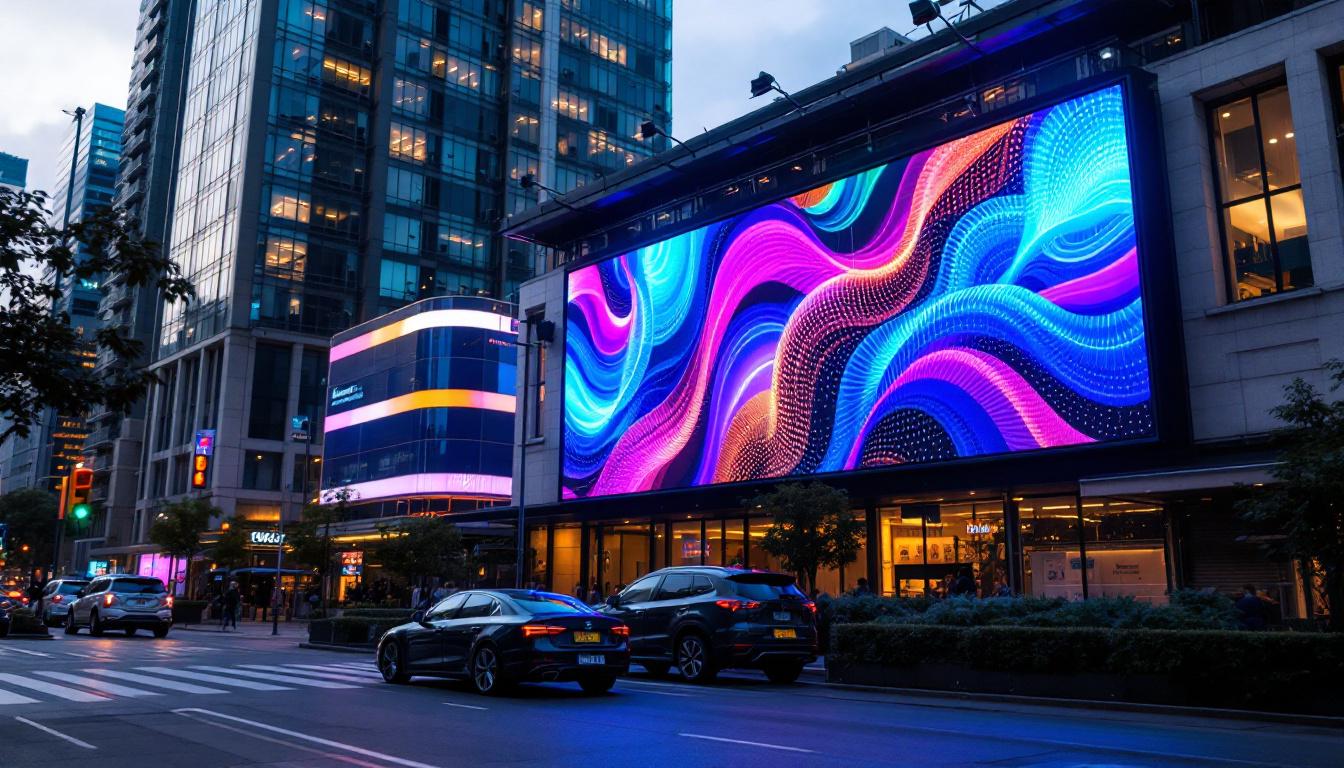
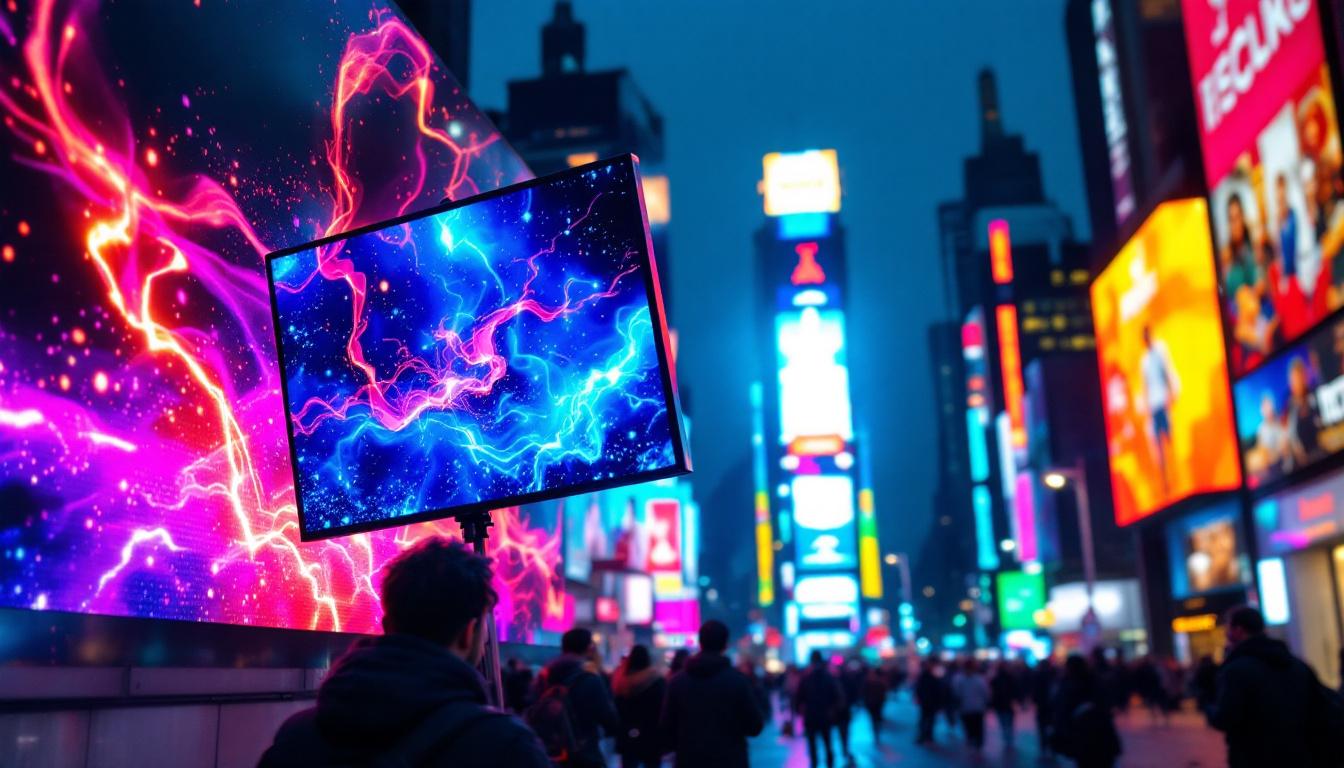
One of the most visible applications of LED displays is in outdoor advertising. Digital billboards equipped with LED technology can display dynamic content that changes throughout the day, allowing advertisers to target different audiences with tailored messages. According to the Outdoor Advertising Association of America, digital out-of-home (DOOH) advertising, which heavily relies on LED displays, accounted for over 30% of total outdoor ad spending in 2023.
LED billboards offer several advantages over static signs: they attract more attention, enable real-time content updates, and support interactive campaigns. For example, some cities have integrated LED billboards with social media feeds, displaying live tweets or user-generated content to engage passersby.
Indoor Video Walls and Event Displays
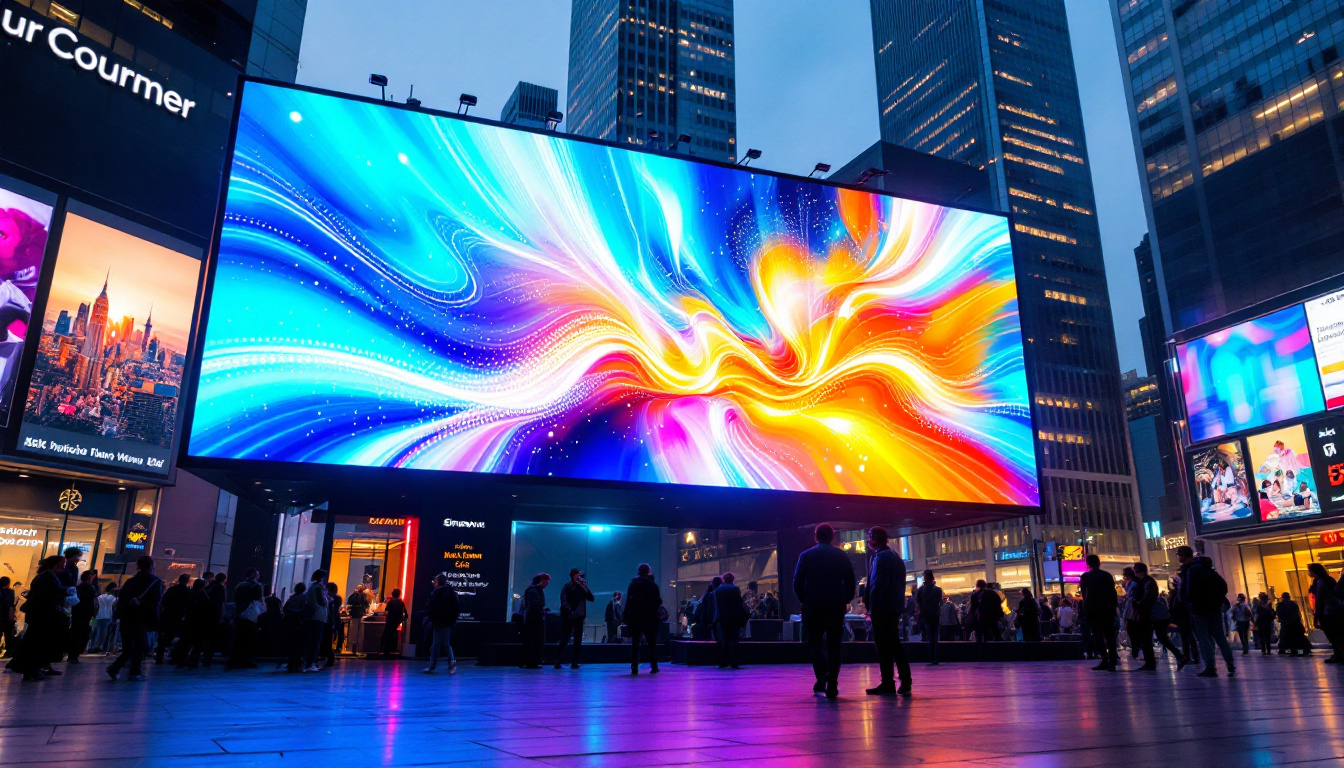
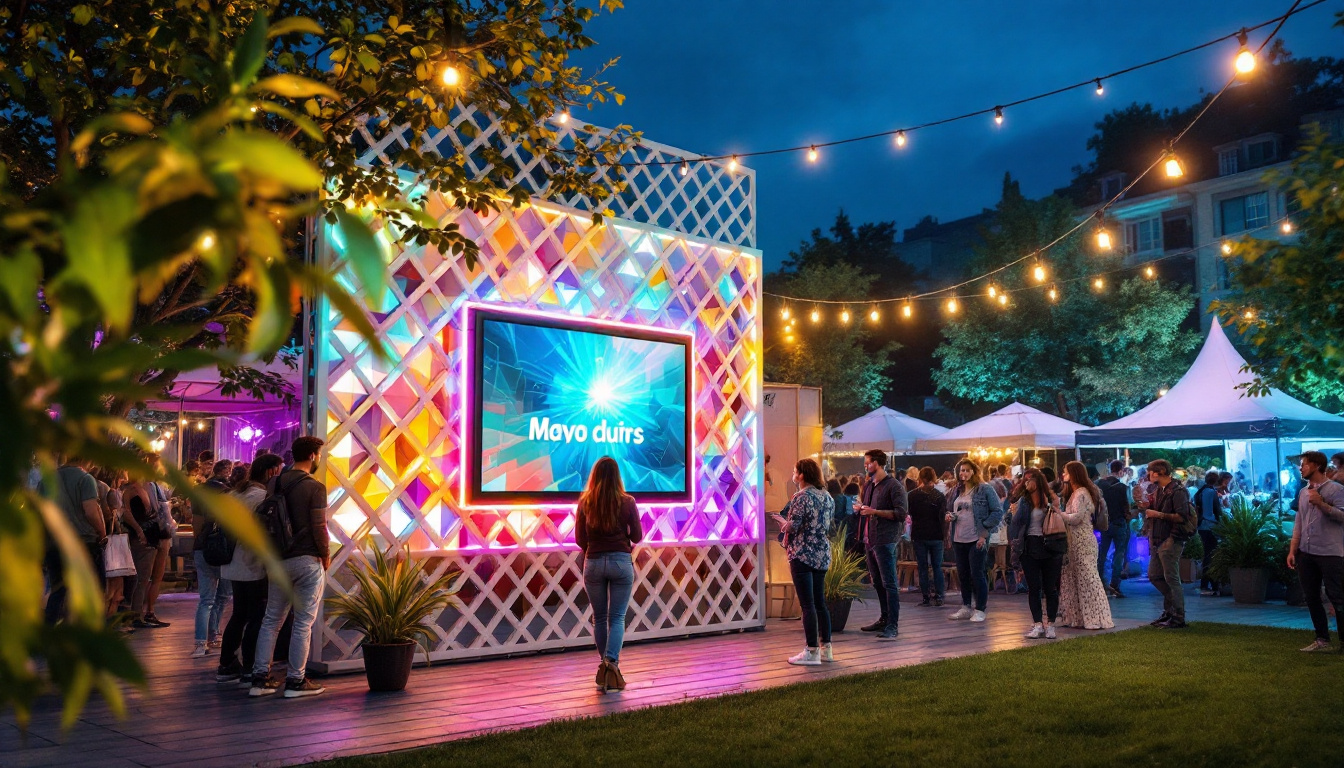
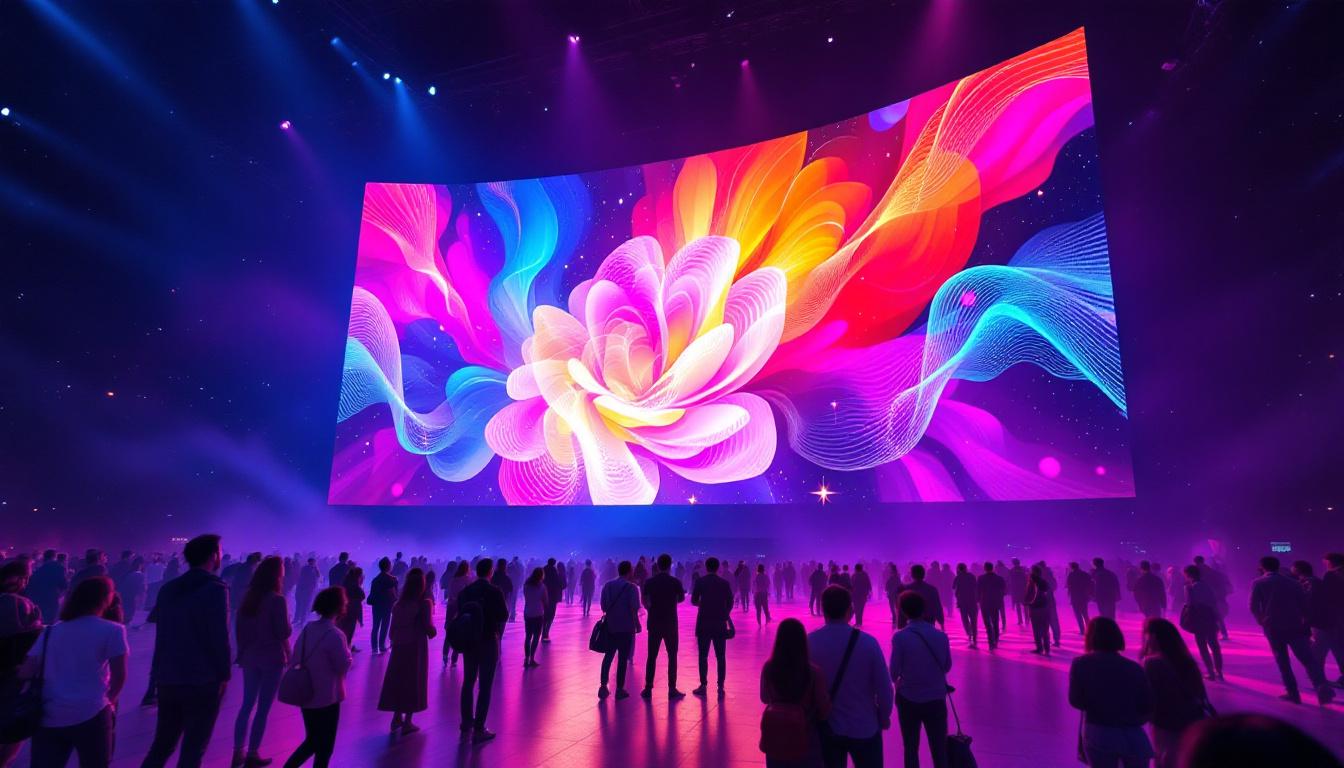
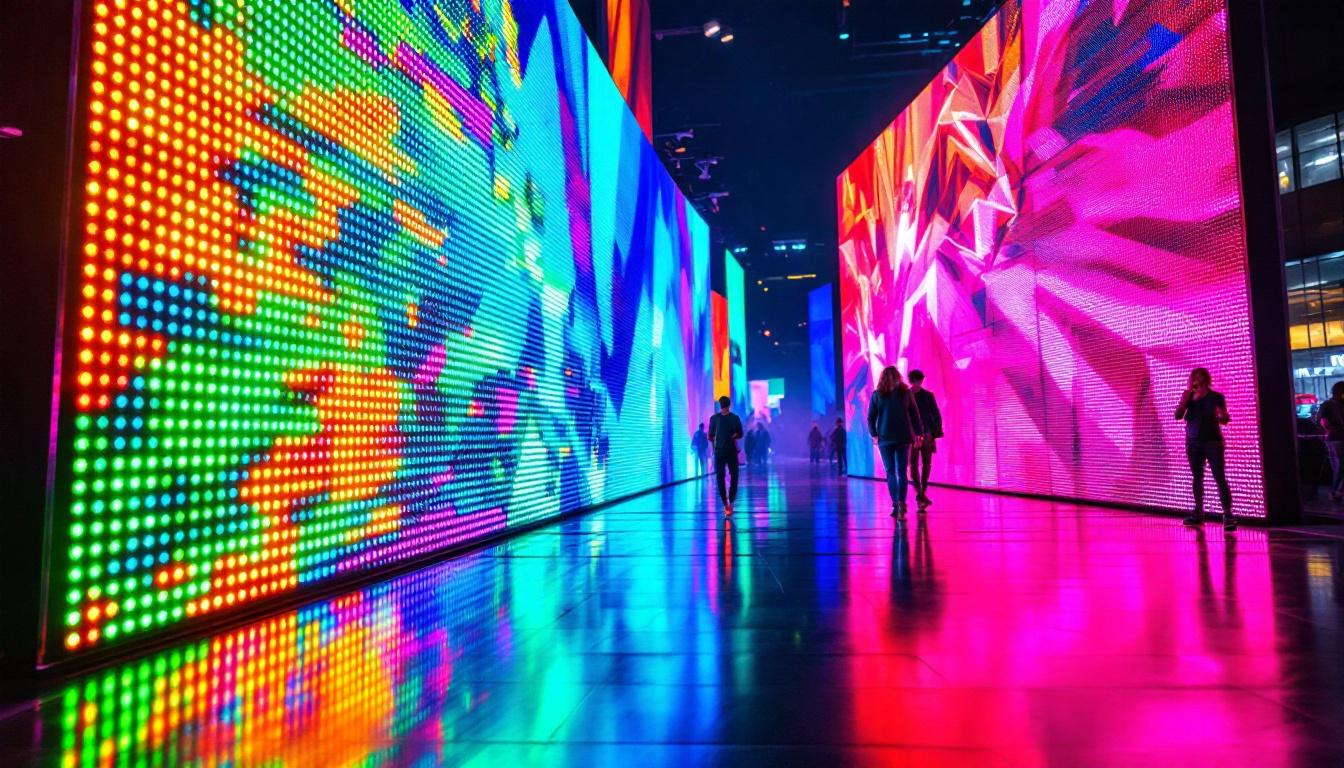
Indoor LED video walls have become a staple in venues such as conference centers, retail stores, and entertainment arenas. Their modular design allows for large-scale, seamless displays that can showcase high-definition video, live feeds, or promotional content. The ability to customize size and shape makes LED video walls ideal for creating immersive experiences.
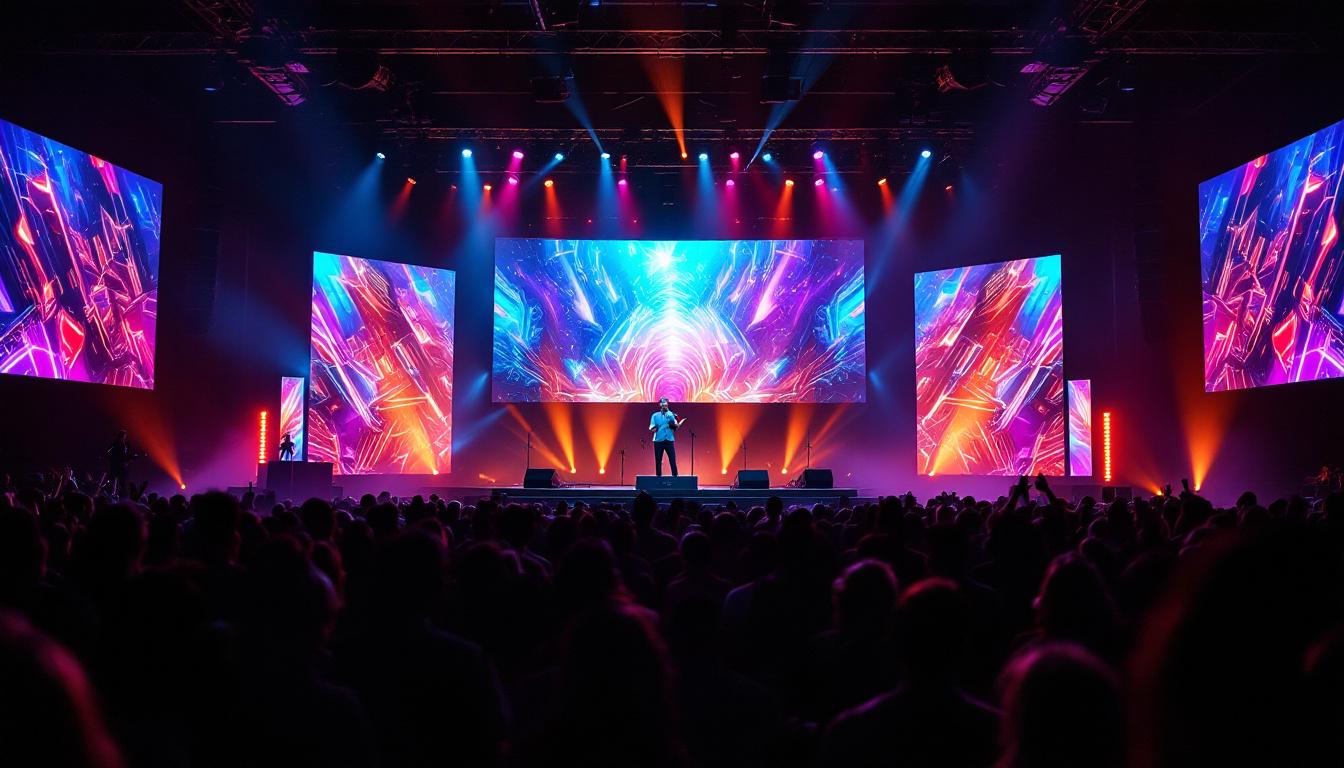
In the entertainment industry, LED displays are used extensively for concerts, theatrical productions, and sports events. For example, the 2022 FIFA World Cup featured massive LED screens that enhanced the spectator experience by delivering instant replays, statistics, and interactive content. These displays not only improve visibility but also contribute to the event’s overall atmosphere.
Retail and Corporate Environments
Retailers leverage LED displays to create eye-catching window displays and in-store signage that drive customer engagement. Dynamic content can promote sales, showcase products, or provide wayfinding assistance. According to a 2023 study by Retail Systems Research, stores using digital signage, including LED displays, experienced a 30% increase in customer dwell time and a 20% boost in sales.
In corporate settings, LED displays are used for digital signage, video conferencing backdrops, and information boards. Their clarity and brightness make them suitable for boardrooms and lobbies, where first impressions matter. Additionally, LED technology supports flexible content management, allowing companies to update messaging quickly and efficiently.
Technical Aspects and Innovations in LED Displays
Resolution and Pixel Pitch
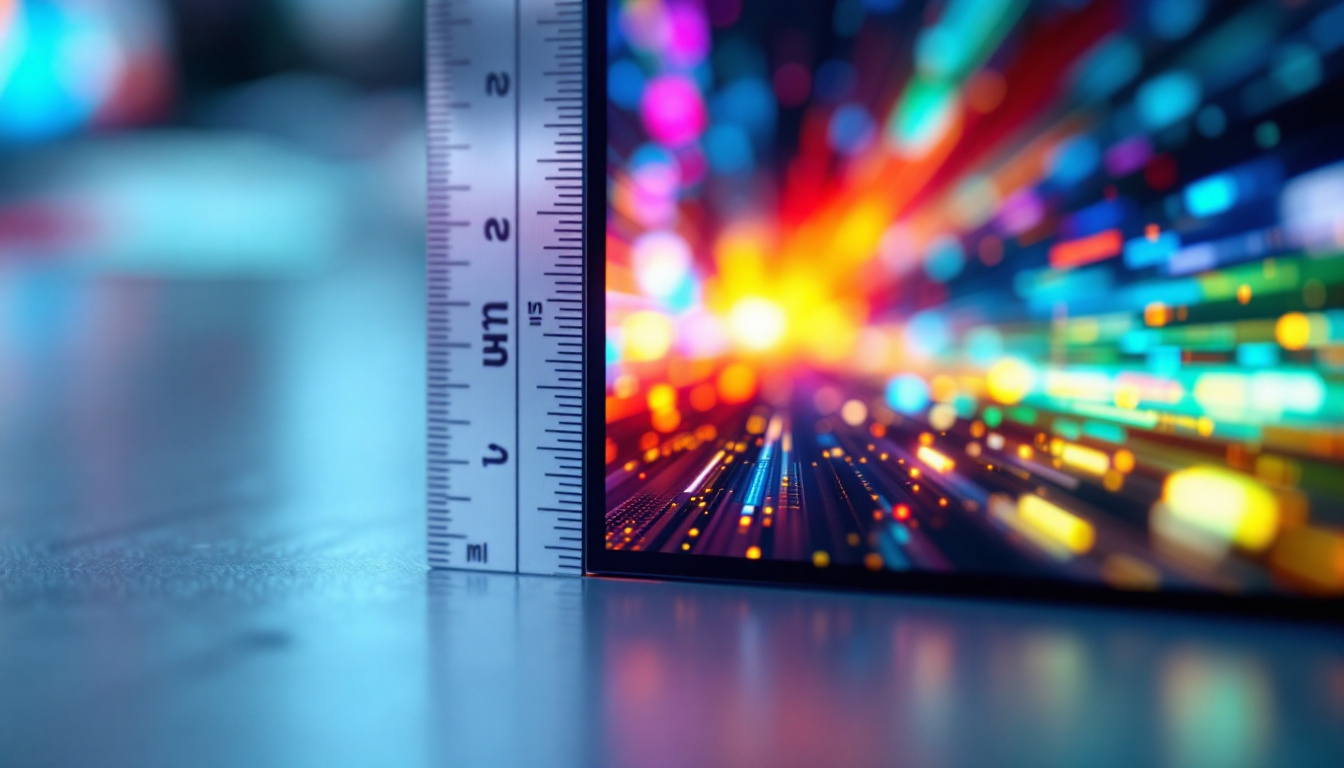
Resolution is a critical factor in LED display quality. It refers to the number of pixels in the display, which determines the sharpness of the image. Pixel pitch, measured in millimeters, is the distance between the centers of two adjacent pixels. Smaller pixel pitches result in higher resolution and finer detail, making them suitable for close-viewing environments like retail stores or control rooms.
For example, an LED display with a 1.5mm pixel pitch offers ultra-high definition suitable for indoor use, while a 10mm pixel pitch is common for large outdoor billboards where viewers are farther away. Advances in manufacturing have enabled pixel pitches as low as 0.9mm, pushing LED displays closer to the resolution quality of traditional LCD and OLED screens.
Energy Efficiency and Sustainability
Energy consumption is a growing concern in digital signage and display technologies. Modern LED displays are designed to be energy-efficient, using less power than older technologies such as plasma or incandescent lighting. According to the U.S. Department of Energy, LEDs use at least 75% less energy and last 25 times longer than traditional lighting.
Manufacturers are also focusing on sustainability by developing recyclable components and reducing hazardous materials in LED panels. Some companies have introduced solar-powered LED billboards, further reducing the carbon footprint of outdoor advertising. These innovations align with global trends towards greener technology and corporate social responsibility.
Flexible and Transparent LED Displays
Recent innovations have expanded the possibilities of LED technology beyond rigid panels. Flexible LED displays can bend or curve, enabling creative installations on curved surfaces, architectural features, or wearable devices. This flexibility opens new avenues for designers and advertisers to create unique visual experiences.
Transparent LED displays are another breakthrough, allowing screens to be integrated into glass surfaces without obstructing the view. Retailers use transparent LED windows to display advertisements while maintaining visibility into the store. This technology is gaining traction in automotive heads-up displays and smart building applications.
Challenges and Considerations When Choosing LED Displays
Cost and Installation Complexity
While LED displays offer many benefits, they can represent a significant investment. High-resolution indoor video walls with fine pixel pitches tend to be expensive due to the precision manufacturing and complex installation requirements. Outdoor LED billboards also require robust weatherproofing and structural support, adding to the cost.
Installation complexity is another factor. Large LED video walls often require professional design and calibration to ensure uniform brightness and color accuracy. Maintenance considerations, such as easy access for repairs and replacement of LED modules, should also be factored into the planning process.
Content Creation and Management
Effective use of LED displays depends heavily on content quality and management. Dynamic, engaging content is essential to capture audience attention and maximize return on investment. This requires skilled content creators and reliable software platforms to schedule, update, and monitor the displays remotely.
Many organizations adopt content management systems (CMS) tailored for LED displays, which support various media formats, real-time data integration, and audience analytics. Investing in training and infrastructure for content management is crucial for long-term success.
Environmental and Regulatory Factors
Outdoor LED displays must comply with local regulations regarding brightness, size, and placement to avoid light pollution and driver distraction. Some municipalities impose curfews or dimming requirements during nighttime hours. Understanding and adhering to these regulations is vital to avoid fines and ensure community acceptance.
Environmental factors such as temperature extremes, humidity, and exposure to dust or saltwater can affect LED display performance and longevity. Selecting appropriate IP-rated enclosures and conducting regular maintenance can mitigate these risks.
The Future of LED Display Technology
MicroLED and MiniLED Innovations
Emerging technologies like MicroLED and MiniLED promise to revolutionize display quality and efficiency. MicroLEDs are microscopic LEDs that offer exceptional brightness, contrast, and color accuracy without the burn-in issues associated with OLEDs. This technology is expected to dominate premium displays in the coming years, including TVs, smartphones, and large-scale video walls.
MiniLED technology uses smaller LEDs as backlighting for LCD panels, enhancing contrast and reducing power consumption. Both technologies represent significant steps forward in image quality and energy efficiency.
Integration with AI and Interactive Technologies
Artificial intelligence (AI) is increasingly integrated with LED display systems to optimize content delivery and audience engagement. AI-driven analytics can tailor advertising content based on demographics, weather, or time of day, enhancing relevance and effectiveness.
Interactive LED displays equipped with touch sensors, motion detection, or augmented reality capabilities are becoming more common. These features allow brands to create immersive experiences that engage customers in novel ways, from interactive storefronts to event activations.
Expanding Use Cases and Market Growth
The global LED display market is projected to grow at a compound annual growth rate (CAGR) of over 10% between 2023 and 2030, driven by increasing demand in advertising, entertainment, and smart city applications. New use cases are emerging in healthcare, education, and transportation, where LED displays provide real-time information and enhanced communication.
As prices continue to decrease and technology advances, LED displays will become even more accessible and integral to digital communication strategies worldwide.
Conclusion
LED display technology has transformed the landscape of video and digital advertising, offering unparalleled brightness, flexibility, and engagement opportunities. From towering outdoor billboards to intricate indoor video walls, LED displays deliver vibrant content that captures attention and drives results.
Understanding the technical aspects, applications, and future trends of LED displays is essential for businesses and organizations looking to leverage this powerful medium. With ongoing innovations and expanding use cases, LED displays are poised to remain at the forefront of digital communication for years to come.
Explore Cutting-Edge LED Solutions with LumenMatrix
Ready to elevate your visual communication strategy with the latest in LED display technology? Discover LumenMatrix’s comprehensive range of LED display solutions, from vibrant Indoor and Outdoor LED Wall Displays to innovative Vehicle LED Displays and beyond. Our mission is to empower your brand with displays that not only captivate audiences but also deliver your message with unparalleled impact and clarity. Check out LumenMatrix LED Display Solutions today and join the revolution in digital signage and visual storytelling.